Background: To analyze the outcomes of Supera stent deployment in Chinese patients with atherosclerotic femoropopliteal artery (FPA) disease in a real-world setting.Methods: This retrospective cohort study collected and analyzed the medical records of 246 consecutive patients who received Supera stents for FPA disease at the China Academy of Chi-nese Medical Sciences Xiyuan Hospital between February 2017 and December 2019. All study patients underwent balloon angioplasty and were treated with Supera stents (Abbott Vascular, Santa Clara, CA, USA). The primary outcome was the rate of primary patency 12 months after discharge.Results: The analyses included 246 consecutive patients and 260 lesions. The mean +/- SD age was 73.2 +/- 9.9 years and most patients (60.2%) were males. Of the 260 treated lesions, Supera stents were deployed in eight (3.1%) cases after a previous stent fracture. Critical limb ischemia was diagnosed in 87.3% of the limbs, and 84 (32.3%) and 83 (31.5%) cases were classified as TransAtlantic Inter-Society Consensus (TASC) C and D, respectively. Most of the lesions were in situ (80.8%) and located in the superficial femoral artery (45.0%) or the FPA (45.8%). The mean lesion length was 147.7 mm. Nominal deployment (-10 to 10% compression) was the most common deployment scenario (84.1%). The 1-year primary patency rate was 80.6%. Lesions that occurred as restenosis (odds ratio [OR]: = 3.34, 95% confidence interval [CI]: 1.03-10.85, P = 0.045) or in-stent restenosis (OR: = 2.88, 95% CI: 1.03-8.07, P = 0.045) were independently associated with occlusion or stenosis after stent deployment. No stent frac-ture was observed in this study. Conclusions: Our study indicates that the use of Supera stents is feasible for the treat-ment of Chinese patients with FPA disease. The long-term results reveal high primary patency.
Endovascular therapies have not yet had an ideal effect on thromboangiitis obliterans (TAO) and no data have been published about laser-assisted angioplasty (LA) combined with radiofrequency ablation (RFA) for TAO. This study aimed to investigate the outcome of LA combined with RFA for TAO. Sixteen consecutive patients underwent LA and RFA procedures between June 2018 and March 2019 in this prospective pilot study. The clinical outcomes and complications were assessed at 6, 12, and 18 months after the procedure. The primary endpoint was defined as the limb salvage rate and freedom of target-lesion revascularization (f-TLR) of the limb, and the effect on the outcome was assessed by the ankle brachial index (ABI), numerical rating scores (NRSs), and the EuroQol Group 5-Dimension Self-Report Questionnaire (EQ-5D). Men accounted for 87.5% of the patients. All patients underwent LA, and following the RFA procedure, two patients received bailout stenting (12.50%). The technique success rate was 100%, and no severe complications occurred. The ABI was significantly higher at the 18-month follow-up than at baseline (P < 0.001). The primary and secondary patency rates were 71.82% and 79.80%, respectively, and the f-TLR and limb salvage rates were 90% and 92.86% based on Kaplan–Meier analysis. The EQ-5D value was higher after the procedure than at baseline (P < 0.001), and the NRS value was lower after the procedure than at baseline (P < 0.001). Our results confirmed that LA combined with RFA was a feasible procedure that resulted in acceptable limb salvage and f-TLR rates.
目的:采用网络药理学的方法对复方苁蓉益智胶囊的主要活性成分、作用靶点、信号通路及对阿尔茨海默病的作用进行关联性探讨,预测该药在阿尔茨海默病治疗中的分子作用机制.方法:从中药系统药理学数据库(TCMSP,http://www.tcmspw.com/tcmsp.php)检索复方苁蓉益智胶囊的中药成分(荷叶、肉苁蓉和漏芦)及从文献中获得制首乌的化学成分,并从OMIM数据库获取阿尔茨海默病靶基因,在STRING数据库构建核心化合物-靶点网络,使用CytoscapeV 3.7.2对STRING的PPI进行分析.结果:TCMSP数据库筛选出24个化合物.制何首乌文献中获得10个化合物,一共入组34个化合物.通过TCMSP和SwissTargetPredictiong数据库获得34种活性化合物潜在靶标438个.与AD相关的182个靶基因进行比对交集后,最终获得了23个交集基因,经GO富集分析和KEGG通路富集分析,筛选出34种核心组分、23个疾病相关靶点和排名前20条KEGG通路富集.结论:复方苁蓉益智胶囊治疗阿尔茨海默病主要通过调节神经递质水平、AGE-RAGE信号通路(KEGG),参与抗炎抗氧化、神经保护等作用,为阿尔茨海默病的临床治疗提供了科学依据.
Abstract Aims Qishen Yiqi dripping pills (QSYQ) may be beneficial in patients with ischaemic heart failure (IHF). We aimed to assess the efficacy and safety of QSYQ administered together with guideline‐directed medical therapy in patients with IHF. Methods and results This prospective randomized, double‐blind, multicentre placebo‐controlled study enrolled 640 patients with IHF between March 2012 and August 2014. Patients were randomly assigned to receive 6 months of QSYQ or placebo in addition to standard treatment. The primary outcome was 6 min walking distance at 6 months. Among the 638 IHF patients (mean age 65 years, 72% men), the 6 min walking distance increased from 336.15 ± 100.84 to 374.47 ± 103.09 m at 6 months in the QSYQ group, compared with 334.40 ± 100.27 to 340.71 ± 104.57 m in the placebo group (mean change +38.32 vs. +6.31 m respectively; P < 0.001). The secondary outcomes in composite clinical events, including all‐cause mortality and emergency treatment/hospitalization due to heart failure, were non‐significantly lower at 6 months with QSYQ compared with placebo (13% vs. 17%; P = 0.45), and the change of brain natriuretic peptide was non‐significantly greater with QSYQ compared with placebo (median change −14.55 vs. −12.30 pg/mL, respectively; P = 0.21). By contrast, the Minnesota Living with Heart Failure Questionnaire score significantly improved with QSYQ compared with placebo (−11.78 vs. −9.17; P = 0.004). Adverse events were minor and infrequent with QSYQ, similar to the placebo group. Conclusions Treatment with QSYQ for 6 months in addition to standard therapy improved exercise tolerance of IHF patients and was well tolerated.
Objective To investigate the effect and safety of Guanxinning Tablet ((sic)(sic), GXN) for the treatment of stable angina pectoris patients with Xin (Heart)-blood stagnation syndrome (XBSS). Methods One hundred and sixty stable angina pectoris patients with XBSS were randomly assigned to receive GXN (80 cases) or placebo (80 cases, Guanxinning simulation tablets, mainly composed of lactose), 4 tablets (0.38 g/tablet), thrice daily for 12 weeks. After treatment, an exercise stress test (treadmill protocol), Chinese medicine (CM) syndrome score, electrocardiogram (ECG), and nitroglycerin withdrawal rate were evaluated and compared in the patients between the two groups. Meanwhile, adverse events (AEs) were evaluated during the whole clinical trial. Results Compared with the control group, the time extension of exercise duration in the GXN group increased 29.28 +/- 17.67 s after treatment (P>0.05); moreover, the change of exercise duration in the GXN group increased 63.10 +/- 96.96 s in subgroup analysis (P<0.05). The effective rates of angina pectoris, CM syndrome and ECG as well as nitroglycerin withdrawal rate were 81.33%, 90.67%, 45.76%, and 70.73%, respectively in the GXN group, which were all significantly higher than those in the control group (40.58%, 75.36%, 26.92%, 28.21%, respectively, P<0.05). Conclusion GXN was a safe and effective treatment for stable angina pectoris patients with XBSS at a dose of 4 tablets, thrice daily.
中医学是在古代哲学天人合一、阴阳五行及五运六气等学说的指导下,以经络、脏腑学说为基础,运用望、闻、问、切四诊合参的方法,借用具有偏性的中药或针灸、推拿等方法来纠正人体的偏性,从而达到平衡状态的医学.中医学与现代医学优势互补、不可替代,尤其对外感热病、慢性病及疑难杂症疗效显著.但中医学由于本身理论的复杂性及四诊合参等资料的主观性,极大影响了中医学规范化及客观化的发展.为此,各种现代生物组学技术先后被用于中医客观化的研究中.microRNA作为功能基因组学的一部分,本身具有整体性及时效性,这与中医学的整体恒动观一致,近年来逐渐在中医学证候诊断、疗效评价等研究中得到应用,现将其应用情况综述如下.
目的 研究循环microRNA在急性冠脉综合征(ACS)血瘀轻重判别、预后评估中的作用和意义.方法 将60例ACS患者按血瘀证计分标准分为ACS血瘀轻证组(31例)和血瘀重证组(29例),另选30例健康志愿者为健康对照组.采用荧光定量qRT-PCR技术,比较各组4种循环microRNA(miR-208a-3p、miR-222-3p、miR-16、miR-198)表达水平及患者全球急性冠脉事件注册(GRACE)危险分层有无差异,并对microRNA表达水平、血瘀证计分与患者全因死亡GRACE预测积分进行相关性分析.结果 与健康对照组比较,血瘀轻证组和血瘀重证组miR-208a-3p相对表达量上调,血瘀重证组miR-222-3p相对表达量下调、miR-198相对表达量上调(均P<0.05);与血瘀轻证组比较,血瘀重证组miR-222-3p相对表达量下调(P<0.05).血瘀轻证和重证组6个月全因死亡GRACE危险分层比较,差异有统计学意义(P<0.05).4种循环microRNA的表达水平与患者全因死亡GRACE预测积分无明显相关性;在院全因死亡GRACE预测积分、6个月全因死亡GRACE预测积分与血瘀证计分呈正相关(r=0.31、0.33,P<0.05).结论 miR-208a-3p可作为ACS血瘀证与健康志愿者的判别,但不能用于判别血瘀轻重.miR-222-3p、miR-198可能在协助判别血瘀轻重方面具有一定意义.血瘀证计分越高,则GRACE预测积分越高,预后越差.
Objective:To learn the recent progress of metabonomics technology applied on the study of TCMsyndrome.Methods:We searched on domestic and oversea database using metabonomics and syndrome as subject terms and selected articles which meet inclusion criteria.Based on the method of system evaluation,the advantage of metabonomics technology and its recent development of application on the study of TCMsyndrome were introduced in terms of concept of metabonomics,TCM syndrome,relation be-tween metabonomics and TCMsyndrome.Results:By using the metabonomics technology,we could find out metabolites of differ-ent syndrome types of the same disease,and finally confirm its biochemical pathways.Conclusion:Metabonomics technology is widely applied in the study of TCMsyndrome and it is expected to provide a credible analysis method for the study of syndrome es-sence.
[Objective]To explore the relationship between morning blood pressure surge(MBPS)and cor-onary heart disease for people with high-normal blood pressure.[Methods]Totally 92 patients with high-nor-mal blood pressure being suspected for coronary heart disease in our hospital from Jan.201 1 to Dec.2014 were chosen.According to 24h ambulary blood pressure monitoring,all patients were divided into MBPS group(n=38)and non-MBPS group(n=59).The general data such as ambulary blood pressure parameters,coronary ar-tery lesion features and morning systolic pressure(SBP)surge were compared between two groups.The rela-tionship between morning diastolic pressure(DBP)surge and Gensini score was analyzed.[Results]There was no significant difference between general data of MBPS group and non-MBPS group(P > 0.05 ).The 24h, 8:00~24:00,24:00 ~8:00 morning systolic blood pressure surge of MBPS group were significantly higher than those of non-MBPS group (P < 0.01 ),while there was no significant difference in DBP between two groups(P >0.05).The ratio of patients with coronary heart disease in MBPS group was significantly higher than that in non-MBPS group(P <0.01).The ratio of patients with single vessel lesion in MBPS group was significant lower that in non-MBPS group(P <0.05),while that of patients with double-vessel and three-ves-sel lesions in MBPS group was significantly higher than that in non-MBPS group(P <0.05 ).Gensini score was correlated with morning SBP surge(P <0.01),while morning DBP surge was not correlated with Gensini score(P >0.05).[Conclusion]Morning systolic blood pressure surge of people with high-normal blood pres-sure is closely correlated with the severity of coronary heart disease,and may be a risk factor for cardiovascu-lar disease and helpful in evaluating the severity of coronary heart disease in clinical practice.
目的 观察西医治疗基础上加用益气活血、益气养阴、温阳活血利水等中药治疗对慢性心力衰竭(CHF)病人心率变异性(HRV)的改善及不同中医证型HRV各指标的差异.方法 将110例慢性心力衰竭病人随机分为中西医结合治疗组(治疗组)和西医治疗组(对照组),每组55例,分别检测治疗前后HRV时域指标.结果 治疗后两组全部正常窦性心搏间期的标准差(SDNN)与全程记录中每5 min R-R间期的平均值的标准差(SDANN)均升高(P<0.05),治疗组升高更显著(P<0.05),全程记录相邻R-R间期差值大于50 ms的个数与总R-R间期个数的百分比(PNN50),治疗组下降更加明显(P<0.05),但全程相邻R-R间期之差的均方根值(rMSSD)改善无统计学意义(P>0.05);CHF各中医证型组中,SDNN与SDANN在气阴两虚血瘀与气虚血瘀水停两型中均较心肾阳虚血瘀型升高(P<0.01),但气阴两虚血瘀型与气虚血瘀水停型比较差异无统计学意义(P>0.05);rMSSD与PNN50在各证型比较差异无统计学意义(P>0.05).结论 在西药常规治疗基础上加用中药汤剂,可使慢性心力衰竭病人HRV改善更为显著;HRV部分指标进一步研究和细化可作为中医辨证分型和辨病的参考.
In this study, urinary metabolic profiles of patients with heart failure (HF) and healthy individuals were analyzed by LC-TOF–MS. Both reversed-phase chromatography and hydrophilic interaction chromatography were used to separate the endogenous metabolites in urine. Partial least-squares to latent structure-discriminant analysis was used for discriminating HF patients from healthy persons and the selection of potential biomarkers. The results suggested that the combination of LC–MS and multivariate statistical analysis could be used for HF diagnosis. The MS/MS experiments were carried out to identify the potential biomarkers which are important for the contribution to the discrimination. As a result, 12 potential biomarkers for HF were identified and the related metabolic pathways were studied.
Objective:To study the relation between NT-ProBNP/cardiac injury and syndrome of blood stasis caused by qi deficiency ( QDBS) and syndrome of accumulation of fluid caused by yang deficiency ( YDFA) of ischemia heart failure .Methods:Altogether 36 pa-tients were treated with QDBS (n=18) and YDFA (n=18) for ischemia heart failure and the serum levels of NT-proBNP and cTnT were detected and compared .ROC curve for different parameters of the two TCM syndromes were analyzed .The relation between the dif-ferent parameters of the two TCM syndromes and YDFA was studied .Results:NT-proBNP and cTnT levels were higher in YDFA than in QDBS;area under curve (AUC) of NT-proBNP was 0.91,AUC of cTnT was 0.79;NT-proBNP /cTnT and YDFA was positively corre-lated,related coefficient was 0.72/0.50 respectively (P<0.05).Conclusion:NT-proBNP and cTnT could be the objective basis for distinguish QDBS and YDFA of ischemia heart failure .
Objective:To investigate metabolomics characteristics of serum samples in ischemia heart failure with syndrome of blood sta -sis caused by qi deficiency ( QDBS) and syndrome of fluid accumulation caused by Yang Deficiency ( YDFA) and explore the applica-tion of metabolomics in study of TCM syndrome of ischemia heart failure .Methods:The serum samples of ischemia heart failure with QDBS (n=18) and YDFA (n=18) were detected by Liquid chromatography-mass spectrometry(LC-MS) and analyzed based on Prin-cipal Component Analysis ( PCA) and Partial Least Squares Discriminant Analysis ( PLS-DA) .Results:Ischemia heart failure with QDBS and YDFA can be distinguished clearly by PLS-DA.There was significant difference in metabolic characteristic between the two groups . Compared with QDBS ,3 metabolites belonged to Lysophosphatidylcholines decreased in YDFA;3 metabolites belonged to carnitines and 2 metabolites belonged to fatty and creatinine increased in YDFA .Conclusion:Energy metabolism and phospholipid metabolism were different between ischemia heart failure with QDBS and YDFA .Metabolomics analysis based on LC/MS can distinguish the two groups and provide new detective method for TCM syndromes differentiation objective .
Advantages of traditional Chinese medicine′s therapy on chronic heart failure are conspicuous.However,diverse TCM syndrome types impact badly on efficiency due to far shortage of objective researches on TCM syndrome types of CHF.During recent years,researchers pay more and more attention on the action of neuroendocrine hormones and cell factors during CHF progress with gradually deep studies on pathophysiological mechanism of CHF.Therefore many scholars have studied the relation between different TCM syndrome types and neuroendocrine hormones and cell factors.The paper analyzed the current studies from three aspects:different TCM syndrome types of CHF,the change of neuroendocrine hormones and cell factors during CHF progress and mutual relationship.Accordingly,not only defects of current studies but also feasible proposals for the next studies are discussed.
慢性心力衰竭是各种心脏结构或功能性疾病导致心室充盈及(或)射血能力受损而引起的一组综合征,临床表现主要是呼吸困难和无力而致体力活动受限和水肿,影响患者正常的生活[1].其发病率高,病死率高,严重危害着人民的身体健康.中医学在治疗慢性心力衰竭方面具有明显的优势,益气活血、化瘀利水为治疗慢性心力衰竭的重要治法.本文从益气活血、化瘀利水治疗慢性心力衰竭的理论基础、常用方药、临床疗效、作用机制四个方面展开讨论.
名老中医经验传承是一项长期而艰巨的任务,渊博与创新的学术思想、丰富与独特的临床经验及高尚的医德与严谨的治学精神是名老中医经验传承的主要内容。传承中当三者互参,系统传承,又当根据各部分传承内容的特点选择适宜的、有针对性的传承方法。学术思想的传承方法主要为研读论著、学术访谈及学术经验推广会;临床经验的传承应遵循"临床信息采集—挖掘提取经验—临床应用验证—机理机制研究—理论指导临床"的模式;医德与治学的传承则需要在向名老中医的学习中耳濡目染、精心体会。
<正>慢性心力衰竭(心衰)发病率高,病死率高,成为21世纪危害人类健康的主要疾病之一。中国最新的一项流行病学调查资料显示,35~74岁成年人中约有400万心衰患者,病死率为30%,5年病死率达67%,甚至与一些恶性肿瘤相当[1]。我国多项心衰流行病学调查显示[2,3]:心衰住院患者病因中冠心病占45.6%,居各种病因之首。因此,对心衰的防治显得尤为迫切。
慢性心力衰竭是临床常见疾病,为心脏病的主要并发症。中医对于慢性心衰的治疗有着独特的优势。近年来,许多的中医临床大夫对其做了大量的研究和总结。笔者通过查阅近年来的文献,从慢性心衰的病因病机、辨证分型以及中医药的治疗三个方面,总结了各个医家学者的经验和研究结果。
 PengJun Wang (王鹏军)合作论文数9
 Zhuye Gao (高铸烨)合作论文数Xiyuan Hospital, China Academy of Chinese Medical Sciences;Eye Hospital, China Academy of Chinese Medical Sciences9LIU Lingling (刘玲玲)合作论文数7LiangTao Luo (罗良涛)合作论文数7
 Jian Wang (王健)合作论文数Guang'anmen Hospital, China Academy of Chinese Medical Sciences5MengWei Wu (吴梦玮)合作论文数3JiaYang Lin (林家扬)合作论文数3ChunLi Yu (于春利)合作论文数3Min Jia (贾敏)合作论文数3
 Yan Lei (雷燕)合作论文数Xiyuan Hospital of China Academy of Chinese Medical Sciences;Beijing Peace Integrated Traditional Chinese and Western Medicine Hospital3Lubo Ma (马鲁波)合作论文数Xiyuan Hospital CACMS3
 Lizhi Li (李立志)合作论文数Department of Cardiovascular Diseases,Xiyuan Hospital of China Academy of Chinese Medical Sciences,Beijing ,China3
 Dazhuo Shi (史大卓)合作论文数Xiyuan Hospital of China Academy of Chinese Medical Sciences3
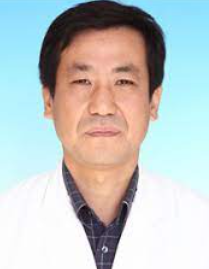 Baixi Zhuang (庄百溪)合作论文数Xiyuan Hospital, China Academy of Chinese Medical Sciences3Wang Jian (王健)合作论文数2Bo Shi合作论文数2Tao OUYANG (欧阳涛)合作论文数2KeYuan Chen (陈可远)合作论文数2JianNan Song (宋剑南)合作论文数2XiaoHong Niu (牛晓红)合作论文数2Tong Zhang (张童)合作论文数2Hong Jin (金红)合作论文数2Bing Chen (陈冰)合作论文数2FuHai Zhao (赵福海)合作论文数中国中医科学院西苑医院2
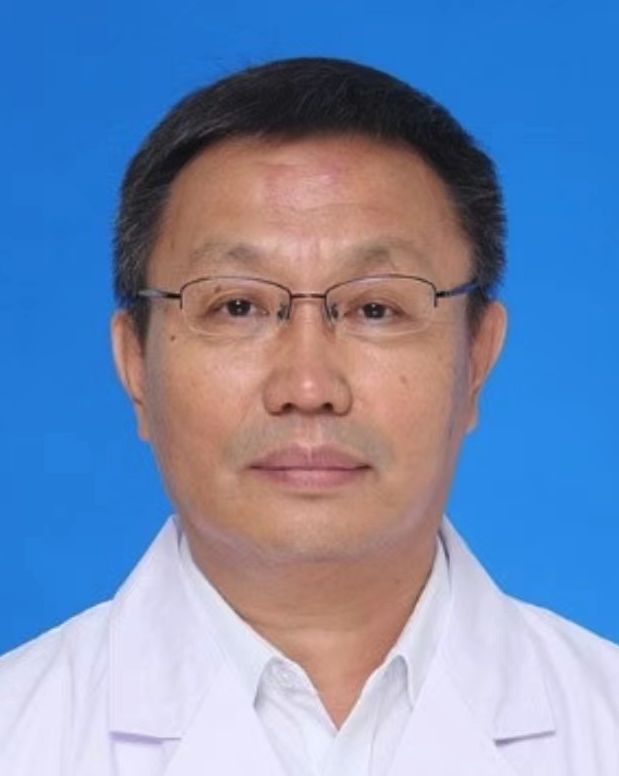 Chenglong Wang (王承龙)合作论文数Xiyuan Hospital, China Academy of Chinese Medical Sciences;Eye Hospital, China Academy of Chinese Medical Sciences2
 Lu Jing (荆鲁)合作论文数Eye Hospital China Academy of Chinese Medical Sciences2
 Wenhui Duan (段文慧)合作论文数中国中医科学院西苑医院2
 Yuerong Jiang (蒋跃绒)合作论文数Xiyuan Hospital of China Academy of Chinese Medical Sciences2
 Xiuhua Tu (涂秀华)合作论文数Xiyuan Hospital, China Academy of Chinese Medical Sciences2
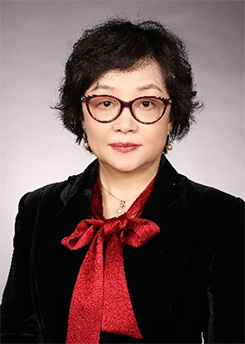 Qian Lin (林谦)合作论文数Dongzhimen Hospital, Beijing University of Chinese Medicine2
 Hao Xu (徐浩)合作论文数Xiyuan Hospital, China Academy of Chinese Medical Sciences2
 Jianxun Liu (刘建勋)合作论文数Xiyuan Hospital, China Academy of Chinese Medical Sciences2Mingqian Sun (孙明谦)合作论文数2Lingling Liu合作论文数1Wang MuLan合作论文数1Xueyuan Zhang合作论文数1Min Jin合作论文数1Wang Feng-rong合作论文数1Dong Bo合作论文数1Chen Yao合作论文数1Yaorong Dong合作论文数1Shu-Tao Chen合作论文数1ZHANG Min (张敏)合作论文数1miao lan合作论文数1Ruihong Fan合作论文数1Rui Gao合作论文数1Lin Yang合作论文数1dong zhang (张东)合作论文数1Danting Wang (王丹亭)合作论文数1




