BACKGROUND AND PURPOSE:Although X-ray FLASH radiotherapy (FLASH-RT) has shown promise in reducing normal tissue toxicity, its effects on the testis and the underlying mechanisms remain poorly understood. This study aimed to investigate the characteristics and mechanisms of X-ray FLASH-RT-induced testicular injury in C57BL/6J mice. METHODS:Testicular injury was evaluated following FLASH-RT at different doses (0, 2, 6, 8, 12, and 20 Gy) and time points (days 1, 7, 21, and 70), with conventional radiotherapy (CONV-RT) as a comparator. Histological and functional damage was assessed by hematoxylin and eosin staining, Ki-67 immunostaining, TUNEL staining, and epididymal sperm counts. Testicular tissues collected on day 7 after irradiation were subjected to RNA sequencing and proteomic analysis. The role of GSTM3 in response to FLASH-RT and CONV-RT was validated in mouse testes and in the GC-1 mouse spermatogonia cell line. Ferroptosis was evaluated by detecting ferroptosis-related proteins and ultrastructural changes using transmission electron microscopy. In addition, a FLASH-RT-resistant GC-1 cell line (GC-1R) was established and analyzed by single-cell RNA sequencing (scRNA-seq). RESULTS:FLASH-RT-induced testicular injury exhibited dose- and time-dependent features. On day 7 after 6 Gy irradiation, FLASH-RT caused less histological damage than CONV-RT. Integrated transcriptomic and proteomic analyses implicated ferroptosis in this process and identified GSTM3 as a FLASH-RT-responsive molecule. Functional experiments showed that GSTM3 downregulation aggravated FLASH-RT-induced testicular injury, whereas GSTM3 overexpression conferred protection. These effects were accompanied by significant alterations in ferroptosis-related markers, including GPX4, FTH1, ACSL4, and 4-HNE. Moreover, the ferroptosis inhibitor liproxstatin-1 (Lip-1) reversed the aggravated injury caused by GSTM3 downregulation. By contrast, modulation of GSTM3 expression did not significantly affect CONV-RT-induced injury in either mouse testes or GC-1 cells. ScRNA-seq analysis of GC-1R cells further suggested that radiation resistance may be associated with suppression of ferroptosis. CONCLUSION:GSTM3 alleviates FLASH-RT-induced testicular injury by modulating ferroptosis. These findings improve our understanding of FLASH-RT-induced testicular injury and suggest potential strategies to protect against this damage.
Scar-related ventricular tachycardia (VT) is a ma-lignant arrhythmia with high mortality rates in patients with cardiomyopathies such as ischemic and dilated cardiomyopathy.[1]While implantable cardio-verter defibrillators (ICD) effectively terminate VT episo-des and prevent sudden cardiac death,recurrent ICD dis-charges may precipitate electrical storms and severely im-pair quality of life.
Our previous findings demonstrated the promising antitumor activity and manageable safety of sintilimab-lenvatinib conversion therapy. The current study aimed to evaluate long-term survival outcomes in patients with unresectable hepatocellular carcinoma (HCC) who underwent sequential surgical resection after successful conversion therapy. In this prospective, single-arm, expansion, phase II trial, patients with unresectable HCC received lenvatinib plus sintilimab conversion therapy. Hepatectomy was performed in consenting patients after successful conversion therapy. The primary endpoint was the conversion rate; secondary endpoints included median overall survival (OS), 5-year survival rates, and recurrence-free survival (RFS). Successful conversion was achieved in 67 of 120 patients (56%, 67/120). Independent imaging review per mRECIST and RECIST v1.1 criteria demonstrated objective response rates of 58.3% (70/120) and 45.8% (55/120), respectively. With a median follow-up of 41.0 months (95% confidence interval [CI], 39.5-42.5) for the entire cohort, the median OS was 36.0 months (95% CI, 25.0 to not estimable [NE]), with a 5-year OS rate of 42.6% (95% CI, 34.0-53.0). Following multidisciplinary team evaluation and consideration of patient preferences, 60 patients underwent surgical resection, achieving a median RFS of 40.0 months (95% CI, 24.0 to NE) and a 5-year survival rate of 73.9% (95% CI, 62.7-87.1). Grade ≥3 treatment-related adverse events occurred in 37 patients (31%). Approximately half of the patients with unresectable HCC achieved successful conversion after sintilimab plus lenvatinib therapy. Among those who achieved successful conversion, subsequent curative surgery demonstrated not only a favorable safety profile but also significant survival benefits. Trial registration number: ChiCTR1900023914.
PURPOSECombined-modality therapy (CMT) improves survival in patients with early-stage extranodal natural killer-/T-cell lymphoma (ENKTCL) compared with radiotherapy (RT) alone. However, the effect is inadequate for low-risk patients as defined by nomogram-revised risk index (NRI). As such, it remains unclear whether the survival benefits outweigh the additional costs.MATERIALS AND METHODSA Markov model was constructed to compare CMT versus RT alone for patients with early-stage ENKTCL, according to five risk groups defined by NRI model. Transition probabilities, effectiveness, and cost data were derived from the China Lymphoma Collaborative Group cohort, while health utility data were estimated from adverse effects. Life-years, costs, quality-adjusted life-years (QALYs), and incremental cost-effectiveness ratios were calculated from the perspective of Chinese payers. Evaluations for customized countries or settings can be accomplished using a web-based tool.RESULTSOver the 6-year horizon, CMT increased life-years by 5.47, 5.19, 4.82, 4.62, and 4.49 years at $517,472 US dollars (USD)/QALY, $22,871 USD/QALY, $7,865 USD/QALY, $4,598 USD/QALY, and $2,278 USD/QALY for the low-risk (NRI = 0), intermediate-low-risk (NRI = 1), intermediate-high-risk (NRI = 2), high-risk (NRI = 3), and very high-risk (NRI = 4) groups, respectively. The probabilities of cost-effectiveness at a willingness-to-pay threshold of $5,208 USD/QALY were 0.00%, 0.01%, 7.40%, 72.07%, and 99.10% for each risk group. Over the lifetime horizon, all risk groups, except for low-risk group, had a probability of over 90% of being cost-effective. Estimates were varied according to country settings, integrated through a web-based customized analysis.CONCLUSIONCMT is unlikely to be cost-effective for low-risk patients but highly likely to be cost-effective for high-risk and very high-risk patients. As for intermediate-low or intermediate-high-risk patients, the cost-effectiveness of CMT varies depending on the time horizon and willingness-to-pay threshold.
Accurate vessel segmentation in X-ray angiography (XRA) is essential for diagnosing coronary artery disease and supporting interventional procedures. However, low contrast, complex backgrounds, and substantial variation in vessel caliber make accurate segmentation challenging, especially for thin vessels. We propose a Vascular-Aware Mixture-of-Experts (VA-MoE) framework for XRA vessel segmentation. The model incorporates Dynamic Snake Convolution (DSnC) to capture the elongated and curved morphology of vessels and a Texture-Enhanced Decoder (TED) to recover fine spatial details and suppress background noise during upsampling. The proposed framework was evaluated on three representative datasets: ARCADE, DCA1, and XCAD. VA-MoE achieved an IoU of 87.80
This comprehensive bibliometric analysis of 1,428 publications from the WoSCC reveals the rapid expansion and maturation of research on hypofractionated radiotherapy (HFRT) for prostate cancer, characterized by an average annual growth rate of 13.28% since 2020. Led by prominent contributions from the United States, Italy, and the University of Toronto, the field has evolved from foundational radiobiological concepts and early conformal techniques toward current research hotspots focused on high-precision delivery, such as image-guided radiotherapy (IGRT) and stereotactic body radiation therapy (SBRT), as well as robust clinical validation through randomized non-inferiority trials. The findings highlight a multidisciplinary ecosystem that increasingly integrates technological advancements with quality-of-life assessments. Moving forward, the research trajectory is expected to prioritize personalized adaptive radiotherapy, biomarker integration, and the resolution of practical implementation challenges to further refine and enhance clinical outcomes for prostate cancer patients.
PurposeSalivary duct carcinoma (SDC) is a rare and aggressive subtype of salivary gland cancers (SGCs). Currently, there is no approved targeted therapy for this devastating disease. This study aimed to identify actionable genomic alterations in Chinese patients with SDC and explore the clinical efficacy of human epidermal growth factor receptor 2 (HER2)-targeted therapies in this population.MethodsSomatic and genomic DNA were isolated from SDC samples and the corresponding peripheral blood controls, respectively. To explore the potential of targeted therapy, next-generation sequencing (NGS) was used to identify genomic alterations, especially mutations with clinical significance.ResultsThe most prevalent driver mutations in this SDC cohort are TP53, HER2, PIK3CA, HRAS, and NF1. Except for TP53, the other four driver mutations are targetable. We identified three novel HER2 mutations (D769H, H878Y, and an exon 16 skipping mutation) in SDC, marking the first report of these mutations in this cancer type. Two metastatic SDC patients with HER2 amplification responded to HER2 tyrosine kinase inhibitor (TKI) pyrotinib and the combination of trastuzumab and pertuzumab, respectively.ConclusionOur work underscores the potential of genomic profiling to guide precision therapy in SDC, with HER2-targeted treatments offering promising therapeutic avenues.
BackgroundSpatially Fractionated Radiotherapy (SFRT) is an innovative radiation oncology technique that strategically redistributes doses within a tumor volume to optimize tumor ablation while preserving normal tissue integrity. Despite substantial technological advancements and growing interdisciplinary interest, a systematic characterization of the global research environment remains absent. This study aims to provide a comprehensive bibliometric evaluation to map research trajectories and identify future priorities.MethodsA systematic search was performed across the Web of Science Core Collection (WoSCC) and PubMed databases, covering the period from January 1, 2005, to December 31, 2025. Following the standard PRISMA guidelines, 427 eligible publications (385 primary articles and 42 reviews) were selected from an initial pool of 1,221 records. Three analytical platforms—VOSviewer, CiteSpace, and Biblioshiny—were integrated to synthesize data on publication trends, institutional contributions, collaborative networks, and thematic evolution.ResultsThe SFRT landscape demonstrates a distinct three-phase evolutionary pattern, characterized by a substantial acceleration in publications and citations from 2020 to 2025. The United States maintains the highest cumulative research output, whereas France exhibits leading institutional productivity and significant citation impact. Foundational works in physical dosimetry and early preclinical models have established the disciplinary knowledge base. Thematic evolution identifies five core clusters, revealing a paradigm shift from early investigations into microbeam technology and cellular radiobiology toward recent advancements in proton minibeam therapy, computational precision, and clinical feasibility assessment.ConclusionSFRT is a maturing interdisciplinary field that increasingly integrates dose heterogeneity with complex radiobiological responses. To facilitate broader clinical implementation, future research must focus on identifying robust biological markers, refining delivery technologies, and establishing standardized protocols through large-scale prospective trials.
Introduction The optimal management of localized prostate cancer (PCa) in the “oldest-old” demographic presents a unique clinical challenge, requiring a careful balance between oncological control and the preservation of quality of life. This study aims to evaluate the safety, toxicity profile, and clinical outcomes of moderately hypofractionated helical tomotherapy (HT) in a cohort of patients aged 75 years and older with localized PCa. Materials and Methods In this retrospective cohort study, we analyzed 51 consecutive patients with a median age of 79 years treated between 2016 and 2022. All patients received 69 Gy in 25 fractions (2.76 Gy/fraction) via the HT platform. Risk stratification was performed using the D’Amico classification, revealing that the majority were high-risk (52.9%) or intermediate-risk (43.1%). Clinical outcomes included biochemical relapse-free survival (BRFS), cancer-specific survival (CSS), and overall survival (OS). Toxicity grading followed CTCAE v4.0 criteria, and Quality of Life (QoL) was evaluated through the International Prostate Symptom Score (IPSS) and a single-item index. Results At a median follow-up of 38 months, the 5-year BRFS, CSS, and OS rates were 83.3%, 80.1%, and 68.8%, respectively. Acute Grade 2 genitourinary and gastrointestinal toxicities occurred in 25.5% and 27.5% of the subjects. Late Grade 3 complications were rare (1 GU, 4 GI). Significant longitudinal improvements in IPSS and QoL were observed within 3 months post-treatment ( p < 0.001 ). Conclusion Moderately hypofractionated HT may be a safe and effective treatment for elderly PCa patients, suggesting potential for excellent oncological control and symptomatic relief.
Spatially fractionated radiotherapy (SFRT) offers a promising investigational strategy to address the dilemma of maximizing tumor ablation while sparing adjacent normal tissues through controlled intra-tumoral dose heterogeneity. This approach utilizes partial-volume high-dose exposure, hypothesized to leverage the regenerative capacity of normal tissues-as suggested by low toxicity rates observed in preliminary cohorts like the SBRT-PATHY pilot study. Furthermore, SFRT is thought to potentially contribute to tumor control through putative pathways including tumor necrosis factor-alpha/ceramide-mediated bystander cytotoxicity and immunogenic cell death-induced immune responses. While early clinical observations in bulky tumors (> 8 cm) indicate encouraging response rates with manageable toxicity, the transition from these mechanistic hypotheses and small-scale exploratory data to standardized clinical practice requires further validation through robust, randomized trials.
Extensive-stage small cell lung cancer (ES-SCLC) is an aggressive malignancy with an extremely poor prognosis. For a long time, platinum-based chemotherapy combined with etoposide has been the primary treatment option. Although the initial response rate is high, the vast majority of patients face the dilemma of rapid recurrence and drug resistance. In recent years, the application of immunotherapy has brought about a significant breakthrough in the treatment of ES-SCLC. Multiple Phase III clinical trials have demonstrated that combining immune checkpoint inhibitors with traditional chemotherapy regimens as first-line treatment significantly improves the median overall survival (OS) and progression-free survival (PFS) in patients, while maintaining manageable safety profiles. Therefore, chemotherapy combined with immunotherapy has become the new standard for first-line treatment of ES-SCLC worldwide. However, the absolute survival benefit from immunotherapy remains limited. Against this backdrop, thoracic radiotherapy (TRT), as an effective local treatment modality, shows potential for further survival gains. The combination of chemoimmunotherapy and TRT is emerging as a key area of current clinical exploration. However, the characteristics of the patient population that may benefit most from this treatment modality, as well as the optimal dose and timing of TRT, remain under investigation. Furthermore, the predictive value of previously discussed biomarkers in this combination therapy strategy for ES-SCLC remains unclear. Therefore, this paper reviewed recent advances in treatment strategies and candidate biomarkers for ES-SCLC, with a particular focus on the evolving role of thoracic radiotherapy in the era of immunotherapy.
This study compared deep inspiration breath-hold (DIBH) versus free-breathing (FB) techniques in postoperative radiotherapy for left-sided breast cancer. Dosimetric parameters for 94 patients were analyzed. DIBH significantly improved target conformity while reducing cardiac exposure, with mean heart dose decreasing by 2.631 Gy (EQD2). Significant dose reductions were also observed in bilateral lungs, esophagus, and spinal cord. A weak correlation was identified between left lung volume expansion and organ-at-risk dose reduction. Receiver operating characteristic analysis determined that a left lung volume increase of 807.1 cc predicted clinically meaningful cardiac protection. DIBH demonstrates effective organ sparing while only marginally compromising target coverage. Additionally, lung volume expansion could serve as a potential patient selection criterion.
Abstract The subgenual anterior cingulate cortex (sgACC) is a key node in treatment-resistant depression (TRD), but precise non-invasive neuromodulation of this target is challenging. Preclinical studies of non-ablative stereotactic radiosurgery (SRS) have shown neuromodulatory (“radiomodulation”) effects. In this single-center, double-masked, randomized, dose-seeking pilot trial, nine adults with TRD were randomly assigned to bilateral sgACC radiomodulation at a dose of either 15, 20, or 25 Gy per hemispheric target. Primary endpoints were safety and feasibility; the efficacy endpoint was week-4 change in the Montgomery–Åsberg Depression Rating Scale (MADRS). Both primary endpoints were met: the only treatment-related adverse event was transient grade 1 dizziness, with no structural MRI abnormality through week 12. Mean MADRS fell from 33.0 to 17.0 (48.5% reduction); 67% responded and 44% remitted, with benefit sustained to week 12. Resting-state fMRI revealed regional connectivity changes correlating with clinical improvement, with tractography showing streamline counts differing by response status. These first-in-human findings support a larger randomized controlled trial of sgACC radiomodulation for TRD. ClinicalTrial.gov registration: NCT07274917 .
This article reports two cases of meningioma patients treated with the novel radiosurgical device ZAP-X stereotactic radiosurgery. During the long-term follow-up period of up to four years after treatment, neither patient developed new neurological deficits, and no adverse reactions of Common Terminology Criteria for Adverse Events grade 2 or above occurred. By retrospectively analyzing the clinical diagnosis, treatment processes, and follow-up results of these two patients, this study aims to provide practical references for the large-scale clinical application of this technology.
non-small cell lung cancer, biomarkers, therapeutic targets, p53 signaling pathway, bioinformatics analysis.
Background: To compare neural damage induced by ultra-high dose rate FLASH radiotherapy (FLASH-RT) with that induced by conventional dose rate radiotherapy (CONV-RT) in healthy mice. Methods: Eighty adult male C57BL/6J mice were divided into five groups: Sham, CONV-RT10Gy, CONVRT20Gy, FLASH-RT10Gy, and FLASH-RT20Gy. Three days post-irradiation, morphological changes in neurons within the dentate gyrus (DG), CA1, and CA3 were observed using hematoxylin and eosin and Nissl staining. The malondialdehyde (MDA), reduced glutathione (GSH), glutathione peroxidase (GSHPX), superoxide dismutase (SOD), catalase (CAT), and hydroxyl radical (OH-) levels were measured using assay kits. Quantitative reverse transcription PCR was used to assess interleukin (IL)-1b, IL-6, inducible nitric oxide synthase (iNOS), and tumor necrosis factor (TNF)-a mRNA expression levels in hippocampus. Immunofluorescence was employed to observe microglial activation in the DG. Results: Compared with Sham, CONV-RT10Gy and CONV-RT20Gy exhibited disorganized neuronal arrangements and blurred nucleoli in the DG; the number of Nissl body was reduced, but FLASH-RT10Gy and FLASH-RT20Gy alleviated these abnormalities. Moreover, FLASH-RT20Gy mitigated the upregulation of MDA and downregulation of GSH, GSH-PX, SOD, CAT, and OH- levels in the hippocampus of mice subjected to CONV-RT20Gy. Additionally, FLASH-RT20Gy attenuated the upregulation of IL-1b, IL-6, iNOS, and TNF-a mRNA levels in hippocampus of mice subjected to CONV-RT20Gy and diminished microglial activation in the DG. Conclusion: FLASH-RT mitigate the structural and functional disruptions in hippocampal neurons induced by CONV-RT and alleviate oxidative stress and inflammation in hippocampal tissue by reducing microglial activation. (c) 2025 Published by Elsevier Ltd on behalf of Tsinghua University Press. This is an open access article
Radiation-induced lung injury (RILI) limits the efficacy of thoracic radiotherapy. However, the underlying mechanism of RILI remains unclear. cGAS-STING pathway is reported to be involved in the recognization of cytosolic dsDNA and various inflammatory diseases. This study aimed to investigate the role of cGAS-STING pathway in the development of RILI. A pre-clinical mouse model of RILI was established by whole thorax irradiation and confirmed using H E and Masson’s trichrome staining. STING agonist (DMXAA) and antagonist(C-176) were administrated to modulate cGAS-STING pathway in vivo. Western blot and ELISA were used to determine the expression levels of different proteins. Quantitation analysis showed dsDNA accumulation in lung tissue and western blot showed the up-regulation of cGAS and STING protein level post-irradiation, indicating pathway activation. Histological evaluation showed that C-176 administration ameliorated radiation-induced pulmonary inflammation and fibrosis, while DMXAA exhibited contrary effects. In further in vitro study, the release of dsDNA induced by radiation led to the activation of cGAS-STING pathway in RAW 264.7 cells, resulting in the polarization into M1 phenotype and pro-inflammatory production. In summary, our data demonstrated a link between cGAS-STING pathway and the development of RILI, indicating its potential application in clinic.
Ultra-high dose rate (FLASH) radiotherapy is a novel modality delivering dose rates several orders of magnitude higher than conventional dose rate (CONV) radiotherapy. FLASH radiotherapy has been shown to significantly reduce the damaging effects on normal tissues while achieving similar tumor control, a phenomenon referred to as the FLASH effect. Radiation-induced lung injury (RILI) represents a prevalent complication in thoracic tumor radiotherapy, significantly compromising treatment outcomes and patient quality of life. Emerging preclinical evidence consistently demonstrates that FLASH radiotherapy significantly attenuates radiation-induced lung injury compared to CONV radiotherapy. The observed radioprotection primarily manifests in structural preservation of alveolar epithelium, pulmonary vasculature, and bronchial networks, concomitant with substantial reductions in both radiation pneumonitis and subsequent pulmonary fibrosis. Current evidence suggests that RILI pathogenesis involves multiple mechanisms, including DNA damage and repair, reactive oxygen species (ROS) and oxidative stress, inflammation, and immune response. These mechanistic insights provide a crucial foundation for investigating the radiobiological basis of the FLASH effect. Our review summarizes the preclinical studies of FLASH radiotherapy in mitigating lung injury. Furthermore, it explores the potential mechanisms underlying the FLASH effect from the perspective of the biological mechanism of RILI, aiming to provide a reference and direction for the clinical translation of FLASH radiotherapy.
Macrophage plays an important role in homeostasis and immunity, and dysfunctional macrophage polarization is believed to be associated with the pathogenesis of tissue fibrosis and tumor progression. Colony stimulating factor-1 (CSF-1), a polypeptide chain cytokine, through its receptor (CSF-1R) regulates the differentiation of macrophages. Recently, the promising therapeutic potential of CSF-1/CSF-1R signaling pathway inhibition in cancer treatment is widely used. Furthermore, inhibition of CSF-1/CSF-1R signaling combined with radiotherapy has been extensively studied to reduce immunosuppression and promote abscopal effect. In addition, cumulative evidence demonstrated that M2 phenotype macrophage is dominant in tissue fibrosis and the inhibition of CSF-1/CSF-1R signaling pathway ameliorated pulmonary fibrosis, including radiation-induced lung fibrosis. Herein, we provide a comprehensive review of the CSF-1/CSF-1R signaling pathway in radiotherapy, with a focus on advances in macrophage-targeted strategies in the treatment of cancer and pulmonary fibrosis.
This study evaluated the clinical benefit of the application of the ZAP-X stereotactic radiosurgery (SRS) system in the treatment of glomus jugulare tumors. Two patients with recurrent or progressive glomus jugulare tumors underwent treatment with the ZAP-X SRS system. Analysis of clinical treatment processes and follow-up data over a period of up to three years revealed that after treatment with the ZAP-X system, the tumor volumes significantly reduced, and no severe radiation therapy-related complications were observed. These findings highlight the potential clinical benefits of the ZAP-X system in the treatment of complex skull base tumors.
 Shouping Xu (徐寿平)合作论文数Department of Radiation Oncology, Chinese PLA General Hospital72
 Du Lehui (杜乐辉)合作论文数47XiangKun Dai (戴相昆)合作论文数43ChuanBin Jie (解传滨)合作论文数33
 Lin Ma (马林)合作论文数Chinese PLA General Hospital;School of Medicine, Nankai University30JinYuan Wang (王金媛)合作论文数28Bo-Ning Cai合作论文数28Na Ma (马娜)合作论文数27Wei Yu合作论文数23ZhongJian Ju (鞠忠建)合作论文数23Lingling Meng合作论文数21Ruigang Ge (葛瑞刚)合作论文数Chinese Pla General Hospital21Yujing Zhang合作论文数20
 Tao Wu (吴韬)合作论文数National University of Defense Technology20
 Junxin Wu (吴君心)合作论文数Fujian Cancer Hospital;Interdisciplinary Institute for Medical Engineering, Fuzhou University20Yuan Zhu合作论文数20
 Ying Wang (王颖)合作论文数Cancer Hospital, Chongqing University20
 Yong Yang (杨勇)合作论文数Cancer Hospital, Chinese Academy of Medical Sciences20
 Yexiong Li (李晔雄)合作论文数Cancer Hospital Chinese Academy of Medical Sciences20
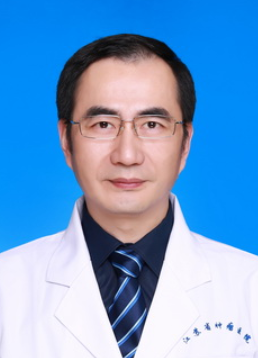 Xia He (何侠)合作论文数Jiangsu Cancer Hospital, Jiangsu Institute of Cancer Research, The Affiliated Cancer Hospital of Nanjing Medical University20Jianzhong Cao合作论文数20Shu-Nan Qi合作论文数20
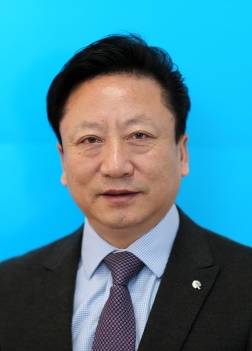 Liting Qian (钱立庭)合作论文数School of Medicine, Division of Life Sciences and Medicine, University of Science and Technology of China20Su-Yu Zhu合作论文数19Mei Shi (石梅)合作论文数第四军医大学西京医院放疗科18Xiao Lei合作论文数16
 Linchun Feng (冯林春)合作论文数Chinese PLA General Hospital16
 Longsheng Pan (潘隆盛)合作论文数Chinese PLA General Hospital16GaoXiang Chen (陈高翔)合作论文数15Liu Fang合作论文数15
 Gaolong Zhang (张高龙)合作论文数School of Physics, Beihang University15Tao Yang (杨涛)合作论文数14
 Xiaorong Hou (侯晓荣)合作论文数School of Automation Engineering, University of Electronic Science and Technology of China14
 Gang Wu (伍钢)合作论文数The Cancer Center, Union Hospital, Tongji Medical College, Huazhong University of Science and Technology14
 Yuqin Song (宋玉琴)合作论文数Beijing Cancer Hospital, Peking University14
 Jun Zhu (朱军)合作论文数Peking University Cancer Hospital14Xueying Qiao (乔学英)合作论文数14HanShun Gong (巩汉顺)合作论文数13
 Hua Wang (汪华)合作论文数Hospital of Stomatology, Sun Yat-sen University13chuanbin xie合作论文数12Pei Zhang合作论文数12Liming Xu (徐利明)合作论文数12
 Fuquan Zhang (张福泉)合作论文数Peking Union Medical College Hospital12ChunFeng Fang (方春锋)合作论文数11Lan-qing LIANG (梁岚青)合作论文数10Xiang Huang合作论文数10Yanan Han合作论文数10Hang Su合作论文数10




