Acute myocarditis is a non-ischemic cardiomyopathy with rapid onset and high mortality. Immunometabolic reprogramming of macrophages is a key pathological feature. However the understanding of its mechanisms remains to be clarified. In this study, we found that acute myocarditis induced an increase in glycolysis and lactate accumulation. Inhibition of lactate production ameliorated myocardial injury. Further, we demonstrated that lactate promoted a pro-inflammatory transition of macrophages, thereby amplifying the inflammatory response. Inhibition of lactate in macrophage shifted its phenotype from a pro-inflammatory to an anti-inflammatory subtype. We also observed a significant increase in H4K5 lactylation in macrophages. Next, we identified that H4K5la drove the transcriptional expression of the Rap1, which in turn upregulated the TNF/NF-κB signaling. This lactate-dependent H4K5la was enriched in inflammatory pathways, forming a positive feedback loop that amplified inflammation. Inhibition of Rap1 reduced cardiac inflammation and broke this loop. These consequently lowered H4K5la levels and delayed ventricular remodeling. Collectively, this study reveals the role of H4K5la in promoting inflammatory cascades in myocarditis, and provides a potential therapeutic target for inflammatory cardiomyopathy.
Microvascular obstruction (MVO) is recognized as an independent risk factor for adverse prognosis in patients with myocardial infarction (MI), and its development is mechanistically linked to inflammation and micro-thrombus. Maresin 1 (MaR1), a specialized pro-resolving mediator, has demonstrated therapeutic potential in counteracting these processes, but its translation has been hindered by poor stability and rapid degradation. To overcome these limitations, we report the development of a cardiac-targeted liposomal nanotherapeutic (nano-MaR1) designed to stabilize and selectively deliver MaR1 to the injured myocardium. Nano-MaR1 was generated through a scalable nanoprecipitation method in a herringbone microfluidic mixer, with MaR1 encapsulated by a freeze-thaw approach to minimize degradation, and further modified with a cardiac-homing peptide for organ-specific targeting. In a murine MI model, intravenous administration of nano-MaR1 led to rapid myocardial enrichment within 12 h, with 20 mu M identified as the optimal therapeutic dose. Treatment markedly reduced infarct size, cardiomyocyte apoptosis, inflammatory infiltration, and MVO formation, while promoting reparative macrophage polarization toward the M2 phenotype. Mechanistic studies revealed that these effects were mediated by downregulation of Itgam (CD11b) within the coagulation cascade and inhibition of monocyte-platelet aggregate formation, which were abolished upon CD11b blockade. Collectively, this work establishes cardiac-targeted liposomal encapsulation as a powerful strategy to enhance the stability and bioactivity of MaR1, and highlights nano-MaR1 as a promising therapeutic candidate for mitigating MVO and improving post-MI repair.
Background: Contact aspiration (CA) and stent retriever (SR) thrombectomy are the two most commonly employed first-line endovascular techniques for acute stroke due to large-vessel occlusion. Whether CA is superior to SR in acute basilar artery occlusion (BAO) remains uncertain. Methods: We conducted a prospective, multicenter, randomized, open-label trial with blinded-endpoint assessment at 22 centers in China. Adults presenting with acute BAO within 24 hours from symptom onset were randomly assigned (1:1) to first-line CA or SR thrombectomy. If the assigned strategy failed after three attempts, rescue therapy was permitted. The primary endpoint was first-pass effect (FPE), defined as eTICI 2C/3 recanalization after a single thrombectomy attempt. Key secondary endpoints included 90-day modified Rankin Scale (mRS) distribution and dicothomized outcomes (0-2 and 0-3). Safety outcomes include symptomatic intracranial hemorrhage (sICH) within 48 hours, 90-day mortality, and periprocedural complications. Findings: Between December, 30, 2022 and February, 21, 2025, 338 patients were enrolled, with 170 assigned to CA and 168 to SR. First-line CA achieved higher FPE rates compared with SR (43.5% vs.27.4%; OR,2.04,95%CI:1.30-3.22;p=0.002) without increasing the risk of sICH (7.5% vs. 7.9%; OR, 0.94, 95%CI:0.42-2.13, p=0.886), 90-day mortality (29.4% vs. 27.4%; OR, 1.11, 95%CI:0.69-1.77, p=0.679), or periprocedural complications. Final reperfusion rates were lower with CA, procedural duration was similar, and 90-day functional outcomes did not differ between groups (median mRS: 4[3-6] vs. 4[2-6]; mRS 0-2: 24.7% vs. 26.8%, mRS 0-3: 35.9% vs. 38.7%). Subgroup analyses suggested treatment-effect heterogeneity according to underlying intracranial atherosclerotic stenosis (ICAS), with procedural and clinical outcomes favoring SR in patients with ICAS and CA in those without ICAS. Interepretation: CA was superior to SR in achieving FPE as a first-line thrombectomy strategy for acute BAO, but this technical advantage did not translate into improved 90-day functional outcomes. Underlying ICAS may be an important determinant of optiomal first-line strategy.
Background Restenosis is a major cause of stroke recurrence after bare-metal stent (BMS) placement in patients with symptomatic intracranial atherosclerotic disease (ICAD). Observational studies have shown that drug-coated balloon (DCB) angioplasty can reduce restenosis rates. Purpose To compare the efficacy and safety of DCB angioplasty with that of BMS placement in individuals with symptomatic ICAD with high-grade stenosis. Materials and Methods Eligible patients with symptomatic ICAD at 14 Chinese tertiary hospitals were prospectively and randomly assigned (1:1 ratio) to the DCB and BMS groups. The primary outcome was 6-month restenosis assessed with digital subtraction angiography. Secondary and safety outcomes included 6-month symptomatic restenosis, 30-day to 1-year recurrent ischemic event, and 30-day stroke or death. Between-group differences in outcomes were tested using generalized linear and Cox regression models. Results Between July 2021 and March 2023, 209 participants (median age, 59 years [IQR, 52-66 years]; 157 men), 103 and 106 in the DCB and BMS groups, respectively, were included in the intention-to-treat analysis. A total of 164 participants completed the 6-month digital subtraction angiography follow-up, and 203 participants completed the 1-year clinical follow-up. The 6-month angiographic restenosis rate was lower in the DCB group than in the BMS group (11% vs 29%; risk ratio, 0.38 [95% CI: 0.19, 0.78]; P = .006). The DCB group also had a lower 6-month symptomatic restenosis rate (1% vs 10%; risk ratio, 0.13 [95% CI: 0.02, 0.96]; P = .02) and lower 30-day to 1-year recurrent ischemic event rate (4% vs 13%; hazard ratio, 0.31 [95% CI: 0.10, 0.94]; P = .04). The 30-day stroke or death rate was similar in the DCB and BMS groups (6% vs 5%; hazard ratio, 1.24 [95% CI: 0.38, 4.05]; P = .73). Conclusion In individuals with symptomatic ICAD with high-grade stenosis, DCB angioplasty reduced the 6-month risks of angiographic restenosis and symptomatic restenosis and 30-day to 1-year recurrent ischemic event rate compared with BMS placement. Chinese Clinical Trial Registry no. ChiCTR2100046829 © RSNA, 2026 Supplemental material is available for this article. See also the editorial by Wojak in this issue.
This study analyzes preoperative factors influencing the clinical outcome of 3D-printed osteotomy guide-assisted knee arthroplasty in patients with knee osteoarthritis (OA) through a retrospective cohort study. A retrospective analysis was carried out on 200 eligible knee OA patients who met inclusion/exclusion criteria (111 males, 89 females; median age 68.5 years, range 46-92) undergoing 3D-printed osteotomy guide-assisted knee arthroplasty at our institution between January 2021 and December 2023. Clinical outcomes were evaluated using the Lysholm knee score at 6-month postoperative follow-up, based on these assessments, patients were categorized into the good outcome group and the poor outcome group. All kinds of data of the research subjects were collected on preoperative day 1, and logistic regression analysis was conducted on the items with significant differences to explore the related factors influencing the therapeutic effect of 3D-printed osteotomy guide-assisted total knee arthroplasty in patients with knee OA. The predictive value of these factors on the clinical outcome was assessed by constructing receiver operating characteristic curves. Additionally, Pearson correlation analysis was performed to examine the relationships between these factors and the therapeutic efficacy of 3D-printed osteotomy guide-assisted knee arthroplasty in knee OA patients. Based on clinical evaluations, 158 of the 200 patients (79.00%) were categorized into the good outcome group, while 42 patients (21.00%) were categorized into the poor outcome group. Preoperative body mass index (BMI), Visual Analogue Scale (VAS) score, preoperative mean trajectory error (MTE), and preoperative lipopolysaccharides (LPS) were identified as risk factors (OR > 1, P < .05) for the efficacy of 3D-printed osteotomy guide-assisted knee arthroplasty in knee OA patients, while the preoperative Lysholm score was a protective factor (OR < 1, P < .05), and the receiver operating characteristic curve showed that the area under curve value of each factor for predicting the efficacy ranged from 0.608 to 0.971. Pearson correlation analysis revealed that the therapeutic efficacy of 3D-printed osteotomy guide-assisted knee arthroplasty in patients with knee OA showed positive correlations with BMI, preoperative VAS score, preoperative MTE, preoperative LPS levels, and negative correlation with preoperative Lysholm score. Preoperative BMI, Lysholm score, VAS score, MTE, and LPS are all preoperative factors for the efficacy of 3D-printed osteotomy guide-assisted knee arthroplasty in knee OA patients. In clinical practice, the prediction model based on the above factors can identify high-risk patients early, and timely intervention measures can be taken to improve the surgical effect of patients.
Background Contact aspiration (CA) and stent retriever (SR) thrombectomy are two equally recommended first-line endovascular techniques for treating acute ischaemic stroke due to large vessel occlusion. Whether CA is more effective in achieving complete reperfusion compared with SR in patients with acute basilar artery occlusion (ABAO) remains unclear.Aim This study aims to compare the efficacy and safety of CA versus SR as the first-line strategy during endovascular treatment in improving the rates of first-pass effect (FPE) for patients with ABAO.Methods and design The ANGEL-COAST study is a prospective, multicentre, randomised controlled, open-label, blinded-endpoint (PROBE) clinical trial. Patients with acute ischaemic stroke due to ABAO within 24 hours from symptom onset will be recruited. Participants will be randomly assigned in a 1:1 ratio to either the CA or SR group. If the assigned treatment fails after three attempts, investigators may opt for alternative treatment strategies based on their clinical judgement.Study outcomes The primary endpoint is the FPE rate, defined as eTICI (Extended Thrombolysis in Cerebral Infarction) 2C/3 recanalisation after the first thrombectomy attempt without any rescue strategy. Key secondary endpoints include rates of modified FPE (eTICI ≥2b50), successful recanalisation (eTICI ≥2b50, eTICI ≥2b67, eTICI3) within ≤3 passes with the assigned device on conclusion of the procedure, procedural duration, use of rescue techniques and functional outcomes at 90 days, including modified Rankin Scale (mRS) 0–2 and mRS ordinal shift analysis. Safety outcomes include the rates of symptomatic intracerebral haemorrhage (sICH) at 36±12 hours, all-cause 90-day mortality and procedure-related serious adverse events.Discussion This is a head-to-head randomised trial to directly compare CA and SR in ABAO. The findings will help establish the optimal first-line endovascular treatment strategy for ABAO, potentially improving clinical outcomes in this high-risk group.Trial registration number https://www.clinicaltrials.gov; Unique identifier: NCT05615038.
AIMS:Myocardial ischaemia‒reperfusion (I/R) injury triggers a robust inflammatory storm cascade that critically compromises reperfusion efficacy following acute myocardial infarction. Enhanced efferocytosis by cardiac resident macrophages (RMs) has therapeutic potential for inflammation resolution. The unsaturated long-chain fatty acid Maresin1 (MaR1) exhibits potent anti-inflammatory properties that is devoid of immunosuppressive effects. However, its therapeutic potential in myocardial I/R injury and regulatory mechanisms in cardiac RMs remains unexplored. METHODS AND RESULTS:A clinical case‒control study was conducted and revealed a negative association between circulating MaR1 levels and inflammatory markers and the severity of I/R injury in patients with ST-elevation myocardial infarction. Mice treated with MaR1 after myocardial I/R injury showed improvements in cardiac function and efferocytosis by cardiac RMs. Genetic ablation of cardiac RMs abolished MaR1-mediated cardioprotection. To explore the mechanism underlying this protection, we performed transcriptomic, metabolomics, and lipidomic analyses and identified fatty acid β-oxidation potentiation as a key metabolic signature in MaR1-treated RMs. Moreover, MaR1 directly bound peroxisome proliferator-activated receptor γ (PPARγ), inducing the transcriptional activation of its downstream efferocytosis-related target CD204. Specific knockout of PPARγ in RMs significantly attenuated MaR1-enhanced efferocytosis. Notably, oral supplementation with the MaR1 precursor docosahexaenoic acid (DHA) recapitulated these cardioprotective effects. CONCLUSION:Our findings prove that MaR1 plays a protective role in myocardial I/R injury by facilitating efferocytosis by RMs and the resolution of inflammation. These results offer novel therapeutic perspectives for the management of myocardial I/R injury.
OBJECTIVE:Our study aims to introduce a novel interventional treatment strategy for the management of chronic occlusion of the internal carotid artery (CO-ICA) using a specially designed thrombectomy stent, named the Chronic artery OccluSion recanalization with Intracranial protection using Stent retriever (COSIS) technique. METHODS:Thirty-two patients from four centers with CO-ICA between March 2023 to September 2024 were analyzed, retrospectively. All patients were classified into four types based on the occlusion segment. Patient demographics, endovascular thrombectomy (EVT) details, recanalization rates, intraoperative complications, and follow-up outcomes were evaluated. RESULTS:All 32 patients achieved successful recanalization. Dissection occurred in four patients (12.50%). No reocclusion, perforation, or other severe intraoperative complications occurred. Thrombus was extracted in 21 patients (65.62%). The median modified Rankin Scale (mRS) score at the 3 month follow-up was 1.0 (interquartile range (IQR): 0.0-1.0). The recanalization success rate and intraoperative complications showed no significant differences among the four types of occlusions. CONCLUSION:The COSIS technique has improved the recanalization rate and safety in different types of CO-ICA patients. Further prospective studies are needed to validate its clinical efficacy.
BackgroundThe platelet/high-density lipoprotein cholesterol ratio (PHR), a marker of hypercoagulable states and disordered lipid metabolism, has been confirmed as a predictor of cardiovascular disease. However, the effects of PHR on the prognosis of acute ischemic stroke (AIS) remain unknown. We aimed to assess the associations of PHR with the risk of clinical outcomes in patients with AIS.MethodsThis prospective observational study included 820 patients (median age, 68 years; female, 34.6%; median NIHSS at admission, 3) with AIS. The median time from symptom onset to admission was 2 days (interquartile range [IQR], 0–4), and from admission to blood sampling was 15 h (IQR, 12–19). PHR was calculated as platelet count (PC; 109 cells/L)/HDL-C (mmol/L) at admission. PHR was analyzed both as a continuous variable and in tertile form (tertile 1-tertile 3). To analyze the associations between PHR and clinical outcomes including all-cause death, stroke recurrence and poor functional outcome at 3 months, 6 months and 1 year, we used multivariable Cox and logistic regression, Kaplan–Meier survival curves, restricted cubic splines, subgroup analysis, concordance statistic (C-statistic), net reclassification index (NRI), and integrated discrimination improvement index (IDI).ResultsThe median PHR was 202.155 (IQR, 153.120–262.365). Kaplan–Meier survival curves identified tertile 3 as the group with the highest risk for all-cause death and stroke recurrence. After adjustment, multivariable Cox regression (tertile 1 as reference) showed that the highest PHR tertile 3 was associated with increased risk for both all-cause death and stroke recurrence across all three follow-up intervals (3 months, 6 months and 1 year). In parallel, multivariable logistic regression (tertile 1 as reference) showed that tertile 3 was associated with a greater likelihood of poor functional outcome across the same three time points. Continuous PHR showed a positive dose–response relationship with clinical outcomes. Subgroup analysis revealed significant interactions of age (p < 0.05) with PHR for all-cause death, and of BMI (p < 0.05) with PHR for mRS 3–6. A basic model’s predictive ability was strengthened by the addition of PHR (C-statistic, NRI, IDI).ConclusionA higher PHR level in patients with AIS is strongly associated with an increased risk of all-cause death, stroke recurrence and poor functional outcome. As a valuable predictive biomarker, PHR may provide a simple and effective tool for predicting clinical outcomes in patients with AIS.
Background Restenosis after stenting with a standard bare-metal stent (BMS) is the main cause of stroke recurrence for symptomatic intracranial atherosclerotic stenosis (sICAS). Whether a drug-coated balloon (DCB) could reduce the risk of restenosis for such patients is unknown. We aimed to investigate the efficacy and safety of DCB in reducing 6 month restenosis in patients with sICAS. Methods A prospective, multicenter, randomized, open-label, blinded endpoint clinical trial was conducted at 13 stroke centers across China. Eligible patients aged 18–80 years with sICAS defined as a recent transient ischemic attack (<180 days) or ischemic stroke (14–180 days) before enrollment attributed to a 70–99% atherosclerotic stenosis of a major intracranial artery were recruited between June 4, 2021 and September 15, 2022 (final follow-up: April 13, 2023). Patients were randomly assigned to receive a DCB (n=90) or BMS at a 1:1 ratio. The primary outcome was the post-procedure incidence of restenosis in the target lesion at 6 months (165–225 days). The safety outcome was post-procedure target vessel-related stroke (hemorrhage or ischemia) or death at 30 days. Results Among 201 randomized patients, 180 were confirmed eligible (mean age 58 years) and completed the trial. Compared with BMS, DCB was associated with a lower rate of post-procedure incidence of restenosis in the target lesion at 6 months (6.9% vs 32.9%, OR 0.15, 95% CI 0.05 to 0.42, P=0.0003). Regarding the safety outcome, post-procedure target vessel-related stroke (hemorrhage or ischemia) or death at 30 days did not differ between the two groups (4.4% vs 5.6%, OR 0.79, 95%CI 0.21 to 3.05, P=0.73). Conclusion DCB was superior to BMS in reducing the incidence of restenosis without increasing the risk of target vessel-related stroke or death within 6 months. Further trials comparing the outcomes of DCB with medical management for sICAS are warranted. Trial registration number ClinicalTrials.gov Identifier: NCT04631055 .
Background:In patients with posterior circulation stroke, the association between National Institutes of Health Stroke Scale (NIHSS) scores after thrombectomy and 90-day functional outcomes remains unclear. Objectives:We aimed to explore which factors among the 24-h NIHSS score, ΔNIHSS (baseline NIHSS minus 24-h NIHSS), and NIHSS score change rate (ΔNIHSS/baseline NIHSS × 100%) are associated with favorable functional outcomes at 90 days postoperatively in patients with posterior circulation stroke. Design:We performed a post hoc analysis of a prospective observational study utilizing key techniques of endovascular treatment and emergency workflow improvements from the acute ischemic stroke registry. The study included a cohort of 353 patients who underwent thrombectomy due to posterior circulation stroke. For all patients, we collected baseline characteristics, lesion locations, NIHSS scores, ΔNIHSS (baseline NIHSS minus 24-h NIHSS), NIHSS score change rate (ΔNIHSS/baseline NIHSS × 100), and 90-day postoperative modified Rankin Scale (mRS) score. Methods:A 90-day postoperative mRS score of 0-2 was defined as a favorable functional outcome, while a score of 3-6 was defined as an unfavorable functional outcome. The 24-h NIHSS score and ΔNIHSS score were converted into binary variables based on the Youden index to determine the optimal thresholds that best predict favorable functional outcomes at 90 days postoperatively. Adjusted logistic regression analysis was used to assess the predictive efficacy of the 24-h NIHSS score, ΔNIHSS (baseline NIHSS minus 24-h NIHSS), and NIHSS score change rate (ΔNIHSS/baseline NIHSS × 100) for the 90-day mRS. Subsequently, patients were categorized into cardioembolic embolism (CE) and large artery atherosclerosis (LAA) subgroups according to the Trial of Org 10172 in Acute Stroke Treatment classification, and the predictive efficacy of the optimal thresholds was examined within these subgroups. Results:Multivariate logistic regression analysis revealed that the 24-h NIHSS score was an independent predictor of 90-day functional outcomes (odds ratio (OR): 10.61, 95% confidence interval: 6.44-17.46, p < 0.001). The Youden index identified a 24-h NIHSS score of ⩽9 as the threshold for predicting an mRS score of 0-2, demonstrating good sensitivity (78.5%) and specificity (76.3%). The receiver operating characteristic curve indicated that the predictive model had good discriminative ability (area under the ROC curve = 0.8223). In subgroup analysis, a 24-h NIHSS score of ⩽9 also showed superior predictive efficacy in both the CE (sensitivity 67.8%, specificity 73.5%) and LAA (sensitivity 81.1%, specificity 74.4%) groups. Conclusion:The 24-h postoperative NIHSS score is a reliable predictor of 90-day functional outcomes in patients with posterior circulation stroke undergoing endovascular treatment. The predictive efficacy is optimal when the NIHSS score is ⩽9.
Introduction:In this study, we investigated the differences in clinical outcomes following endovascular thrombectomy among ischemic stroke subtypes caused by large artery atherosclerosis (LAA) versus cardioembolism (CE) and the time-dependent nature of these clinical outcomes based on the stroke subtypes. Methods: Study participants were selected from the Endovascular Treatment Key Technique and Emergency Workflow Improvement of Acute Ischemic Stroke Registry to conduct a post-hoc analysis of a prospective, observational study. We included 1,046 patients, who had either LAA or CE stroke subtypes based on the Trial of Org 10172 in Acute Stroke Treatment criteria, drawn from the thrombectomy cohort. The association between clinical outcomes and time from stroke onset-to-recanalization time (ORT) was analyzed using a logistic regression model. Results:Overall, 545 (52.6%) and 491 (47.4%) patients were included in the LAA and CE groups, respectively. No significant difference was found in the 90-day clinical functional outcome between the LAA and CE patients when ORT was achieved within 240 min. Beyond 240 min, the rate of achieving a modified Rankin Scale score of 0-2 in patients with LAA was higher than that of patients with CE [48.17% versus 38.66%; odds ratio (OR) = 0.678, 95% confidence interval (CI) = 0.521-0.884, p = 0.0040], and after adjustment, the OR was 0.732 (95% CI: 0.537-0.998, p = 0.0486). Conclusion:In cases where the ORT exceeded 240 min, the clinical outcomes of patients with LAA were better than those of patients with CE, demonstrating a stronger time-dependency for achieving a favorable prognosis in patients with cardioembolic stroke.
Purpose:This study aims to investigate the relationship between smoking status, smoking index, and the outcomes of intravascular treatment for acute basilar artery occlusion within 24 h. Methods:We retrospectively analyzed all consecutive patients hospitalized with acute basilar artery occlusion who underwent endovascular treatment within 24 h from January 2012 to July 2018 at Beijing Tiantan Hospital. Smoking status was categorized as never smoking, current smoking, or previous smoking. The smoking index (SI) was calculated as the daily smoking count multiplied by the number of smoking years. The primary outcomes were a 90-day modified Rankin Scale score shift analysis and mortality at 90 days. Results:The overall study cohort comprised 59 never smokers, 58 former smokers, and 70 current smokers. No significant differences in primary outcomes were observed between smoking status and functional independence (OR, 1.611; 95% CI, 0.776-3.344) or death (OR, 0.461; 95% CI, 0.196-1.084). Multivariate analysis indicated that smoking status had limited relevance to functional independence (OR, 1.958; 95% CI, 0.781-4.907) and death (OR, 0.446; 95% CI, 0.169-1.178). The smoking index was independently associated with functional independence (OR, 1.095; 95% CI, 1.015-1.182) and death (OR, 0.844; 95% CI, 0.757-0.941). The smoking index demonstrated a dose-effect relationship with outcomes, being positively correlated with functional independence and negatively correlated with death. Conclusion:Smoking status does not appear to influence prognosis. However, the smoking index may be associated with improved functional independence and a reduced risk of death, demonstrating a dose-effect relationship.
The role of intra-arterial tenecteplase for acute large vessel occlusion (LVO) stroke after successful endovascular therapy is uncertain. To assess the efficacy and safety of intra-arterial tenecteplase in patients with successful endovascular therapy (defined as a score on the expanded Thrombolysis in Cerebral Infarction [eTICI] scale of 2b to 3) after endovascular therapy. This was a prospective, open-label, blinded end point, randomized trial. Recruitment took place between February 16, 2023, and March 23, 2024, with final follow-up on July 4, 2024. The study was conducted across 19 centers in China. Patients with acute anterior circulation LVO treated between 4.5 and 24 hours from the time that the patient was last known to be well were included. After successful endovascular recanalization, defined as eTICI 2b or greater, patients were randomized to receive intra-arterial tenecteplase at 0.125 mg/kg (n = 126) or standard medical treatment (n = 129). The primary end point was excellent outcome at 90 days, defined as modified Rankin Scale (mRS) score of 0 to 1 (range, 0 [no symptoms] to 6 [death]). There were a total of 7 secondary efficacy end points (mRS score of 0-1 at 90 days, mRS score at 90 days, mRS score of 0-2 at 90 days, mRS score of 0-3 at 90 days, National Institutes of Health Stroke Scale score of 0-1 or improved ≥10 points at 36 hours, European Quality of Life Visual Analogue Scale score at 90 days, time to maximum volume > 6 s at 24 hours, and infarct core volume change from baseline) and 3 safety end points, including symptomatic intracranial hemorrhage (sICH) within 48 hours, any intracranial hemorrhage within 48 hours, and all-cause mortality within 90 days. Among 256 patients who were randomized (median [IQR] age, 71.6 [61.3-79.2] years; 113 [44.1%] females), 255 (99.6%) completed the trial. The rate of patients with an mRS score of 0 to 1 at 90 days was 40.5% in the intra-arterial tenecteplase group (n = 51) and 26.4% in the standard medical treatment group (n = 34) (relative risk, 1.44 [95% CI, 1.06-1.95]; P = .02). Of 7 prespecified secondary efficacy end points, none showed a significant difference. Intra-arterial tenecteplase after endovascular therapy did not increase the incidence of sICH within 48 hours after treatment compared with standard medical treatment (5.6% vs 6.2%; relative risk, 0.95 [95% CI, 0.36-2.53]; P = .92). Mortality at 90 days was 21.4% with intra-arterial tenecteplase and 21.7% with standard medical treatment (relative risk, 0.76 [95% CI, 0.40-1.43]; P = .78). In patients with acute LVO presenting between 4.5 and 24 hours of symptom onset, intra-arterial tenecteplase after successful thrombectomy had a greater likelihood of excellent neurological outcome at 90 days without increasing the risk of sICH or mortality. However, because none of the secondary efficacy analyses supported the primary finding, further trials are needed to confirm the results. ClinicalTrials.gov Identifier: NCT05624190
IMPORTANCE:The role of intra-arterial tenecteplase for acute large vessel occlusion (LVO) stroke after successful endovascular therapy is uncertain. OBJECTIVE:To assess the efficacy and safety of intra-arterial tenecteplase in patients with successful endovascular therapy (defined as a score on the expanded Thrombolysis in Cerebral Infarction [eTICI] scale of 2b to 3) after endovascular therapy. DESIGN, SETTING, AND PARTICIPANTS:This was a prospective, open-label, blinded end point, randomized trial. Recruitment took place between February 16, 2023, and March 23, 2024, with final follow-up on July 4, 2024. The study was conducted across 19 centers in China. Patients with acute anterior circulation LVO treated between 4.5 and 24 hours from the time that the patient was last known to be well were included. INTERVENTION:After successful endovascular recanalization, defined as eTICI 2b or greater, patients were randomized to receive intra-arterial tenecteplase at 0.125 mg/kg (n = 126) or standard medical treatment (n = 129). MAIN OUTCOMES AND MEASURES:The primary end point was excellent outcome at 90 days, defined as modified Rankin Scale (mRS) score of 0 to 1 (range, 0 [no symptoms] to 6 [death]). There were a total of 7 secondary efficacy end points (mRS score of 0-1 at 90 days, mRS score at 90 days, mRS score of 0-2 at 90 days, mRS score of 0-3 at 90 days, National Institutes of Health Stroke Scale score of 0-1 or improved ≥10 points at 36 hours, European Quality of Life Visual Analogue Scale score at 90 days, time to maximum volume > 6 s at 24 hours, and infarct core volume change from baseline) and 3 safety end points, including symptomatic intracranial hemorrhage (sICH) within 48 hours, any intracranial hemorrhage within 48 hours, and all-cause mortality within 90 days. RESULTS:Among 256 patients who were randomized (median [IQR] age, 71.6 [61.3-79.2] years; 113 [44.1%] females), 255 (99.6%) completed the trial. The rate of patients with an mRS score of 0 to 1 at 90 days was 40.5% in the intra-arterial tenecteplase group (n = 51) and 26.4% in the standard medical treatment group (n = 34) (relative risk, 1.44 [95% CI, 1.06-1.95]; P = .02). Of 7 prespecified secondary efficacy end points, none showed a significant difference. Intra-arterial tenecteplase after endovascular therapy did not increase the incidence of sICH within 48 hours after treatment compared with standard medical treatment (5.6% vs 6.2%; relative risk, 0.95 [95% CI, 0.36-2.53]; P = .92). Mortality at 90 days was 21.4% with intra-arterial tenecteplase and 21.7% with standard medical treatment (relative risk, 0.76 [95% CI, 0.40-1.43]; P = .78). CONCLUSIONS AND RELEVANCE:In patients with acute LVO presenting between 4.5 and 24 hours of symptom onset, intra-arterial tenecteplase after successful thrombectomy had a greater likelihood of excellent neurological outcome at 90 days without increasing the risk of sICH or mortality. However, because none of the secondary efficacy analyses supported the primary finding, further trials are needed to confirm the results. Trial Registration:ClinicalTrials.gov Identifier: NCT05624190.
Objective This study aims to extract potential information from the audiograms of the unaffected ear in patients with unilateral sudden sensorineural hearing loss (USSNHL). It explores the relationship between the characteristics of the audiograms of the unaffected ear and the treatment effectiveness for USSNHL. Additionally, the research presents the findings in a way that enhances communication and allows for verification.Methods The study employs piecewise curve fitting to simplify the changing trend of audiograms in the unaffected ear of USSNHL patients into the slopes of three straight lines. Utilizing Python, the research team conducts a cluster analysis on the 229 patients' audiometric characteristics and trains the clustering results into an algorithm model. After clustering, the team applies statistical methods such as regression analysis to explore the correlation between the clustering results and the therapeutic efficacy.Results The study completes the clustering analysis and encapsulates the trained model into an executable program. The algorithm clusters the patients into Cluster X and Cluster Y based on the audiogram characteristics of the unaffected ear. The clustering results demonstrate a significant correlation with the treatment efficacy. Regression analysis shows that Cluster Y patients achieve an average improvement in hearing threshold post-treatment that is 6.52 dB higher than that of Cluster X. The relative risk of "No improvement" for Cluster Y is half that of Cluster X. Additionally, age and the audiogram type of the affected ear also contribute to the prognosis of USSNHL to varying degrees. Furthermore, the research team submits the trained clustering model and corresponding spreadsheet as attachments, facilitating dissemination and validation.Conclusion Regression analysis confirms that the clustering results are independent factors indicative of the prognosis in patients with USSNHL. The data exerting the most significant influence on clustering analysis outcomes were derived from the evolving auditory threshold patterns in the posterior segment of audiometric curves obtained from unaffected ears. This observation indicates a strong correlation between mid-to-high frequency threshold progression in the contralateral ear and clinical prognosis among patients with USSNHL. The clustering methodology demonstrated robust classification efficacy for auditory data lacking explicit cutoff values, ultimately enabling refined patient stratification through multidimensional pattern recognition.
Recently, significant advancements have been witnessed in variousin vitrotreatment evaluation models, especially organoids and organs-on-chips.In vitroculture of cancer cells and drug screening are key technical components in functional oncology precision medicine. However, most studies primarily focus on constructing models using established cell lines, with limited integration with clinical diagnosis or patient treatment. This review provides a brief overview of precision medicine models, followed by discussions on the broad spectrum of applications involving two-dimensional tumor cell culture, patient-derived tumor xenograft models, tumor organoids, and tumors-on-chips. It highlights the success rate of patient-derived tumor organoids construction and their application in clinical trials. Recent advancements in tumors-on-chips and organoids-on-chips are elaborated on, alongside with integration of other new generation technologies. Additionally, this review summarizes the advantages and constraints associated with tumor organoids and tumors-on-chips, underscoring their crucial role in the advancement of personalized medicine.
Aims/Background Deep venous thrombosis (DVT) represents a significant postoperative complication after artificial femoral head replacement, with the incidence increasing proportionally with patient age. This study aimed to evaluate the effect of early postoperative use of intermittent pneumatic compression devices (IPC), followed by the combined use of low molecular weight heparin (LMWH) after 48 hours, for the prevention of postoperative lower limb DVT in elderly patients undergoing hip arthroplasty. Methods The retrospective study included 100 elderly patients who underwent unilateral femoral head replacement. The control group (n = 55) received combined LMWH initiated 12 hours postoperatively, while the observation group (n = 45) started combined LMWH 48 hours postoperatively. Changes in coagulation parameters, perioperative complications, and the incidence of postoperative lower limb DVT were compared between the two groups. Results Coagulation parameters showed significant changes post-intervention in both groups, with no statistically significant inter-group differences observed post-intervention (p > 0.05). The incidence of postoperative lower limb DVT did not differ significantly between the two groups (p > 0.05). However, the observation group demonstrated significantly lower postoperative blood loss, incidence of periwound hematoma, and transfusion rates compared to the control group (p < 0.05). Conclusion The sequential application of IPC in the early postoperative period, followed by combined LMWH administration after 48 hours, demonstrates comparable efficacy in preventing lower limb DVT formation in elderly patients undergoing hip arthroplasty when compared to the initiation of combined LMWH starting 12 hours postoperatively. In addition, this approach significantly reduces the risk of postoperative bleeding and exhibits a high safety profile.
Background: Immune checkpoint inhibitors has opened up new avenues for cancer treatment, but serious cardiac injury has emerged in their use. A large number of data have shown that abnormal activation of cytosolic DNA-sensing cyclic GMP-AMP synthase-interferon gene activator pathway is closely related to cardiovascular inflammation and autoimmune diseases. However, the pathophysiological function of the cGAS-STING cascade in myocarditis induced by Immune checkpoint inhibitors is unclear. Methods: In order to establish a Immune checkpoint inhibitors-associated myocarditis model, BALB/c mice were injected with mouse cardiac troponin I peptide and anti-mouse programmed death 1 antibody. Echocardiography and HE staining were then performed to assess cardiac function and inflammation. Macrophages and damaged DNA in mouse heart tissue were detected by immunofluorescence. The mitochondrial damage of macrophages was observed by electron microscope. In vitro experiments, RAW264.7 was used to detect macrophage polarization after anti-PD-1 antibody induction and STING inhibition by qPCR and flow cytometry. Mitochondrial damage was detected by immunofluorescence, and activation of the cGAS-STING signaling pathway was evaluated by protein imprinting analysis. Results:: In the Immune checkpoint inhibitors-associated myocarditis model, DNA damage was found to activate the cGAS-STING pathway and macrophages were polarized to M1 type. In vitro experiments, anti-PD-1 antibody activate the cGAS-STING pathway through the release of damaged DNA from macrophage mitochondrial damage, causing macrophage polarization into a pro-inflammatory phenotype leading to autoimmune myocarditis. Conclusion: Our results suggested that the cGAS-STING pathway played a key role in myocarditis caused by immune checkpoint inhibitors. It provided a new possibility for Immune checkpoint inhibitors to be widely used in clinic.
 Feng Gao (高峰)合作论文数Beijing Anzhen Hospital, Capital Medical University96
 Zhongrong Miao (缪中荣)合作论文数Beijing Tiantan Hospital, Capital Medical Univerity94
 Dapeng Mo (莫大鹏)合作论文数89Song Ligang合作论文数76Ning Ma (马宁)合作论文数57
 Lian Liu (刘恋)合作论文数56
 Xiaochuan Huo合作论文数53Xu Tong合作论文数42Baixue Jia合作论文数40Gang Luo合作论文数28
 Yilong Wang (王伊龙)合作论文数Beijing Key Laboratory of Translational Medicine for Cerebrovascular Disease, Capital Medical University;Beijing Tiantan Hospital, Capital Medical University28ZhongRong Mou (缪中荣)合作论文数26Gaoting Ma合作论文数24Bo Wang合作论文数23Xiaotong Xu合作论文数22Xiaoqing Li合作论文数22
 Yongjun Wang (王拥军)合作论文数Beijng Tiantan Hospital, Capital Medical University21
 Xingquan Zhao (赵性泉)合作论文数Beijing Tiantan Hospital, Capital Medical University18
 Biao Xu (徐彪)合作论文数School of Government, Nanjing University18
 Anxin Wang (王安心)合作论文数Beijing Tiantan Hospital, Capital Medical University;Beijing Neurosurgical Institute18
 Yuesong Pan (潘岳松)合作论文数Department of Neurology, Beijing Tiantan Hospital, Capital Medical University;Graduate School of Capital Medical University14
 Liping Liu (刘丽萍)合作论文数Beijing Tiantan Hospital, Capital Medical University13
 Dapeng Sun合作论文数12Xuelei Zhang合作论文数12
 Zeguang Ren合作论文数12
 Lina Kang (康丽娜)合作论文数Nanjing Drum Tower hospital12
 Jun Xie (谢峻)合作论文数Nanjing Drum Tower Hospital, The Affiliated Hospital of Nanjing University Medical School12
 Dan Mu合作论文数11
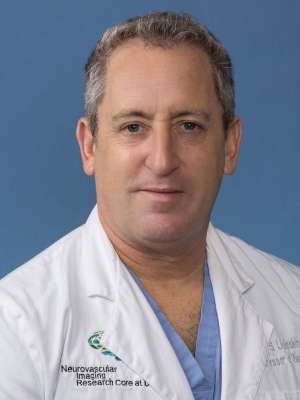 David S. Liebeskind合作论文数Department of Neurology, University of California, Los Angeles11Xu Guo合作论文数10
 Zhonghai Wei (魏钟海)合作论文数Department of Cardiology, Nanjing Drum Tower Hospital10
 Xue Bao合作论文数9Guangge Peng合作论文数8Yihai Liu合作论文数8Jinxuan Zhao合作论文数8Jiaxin Hu合作论文数8Yu Qi合作论文数Nanjing Med Univ, Dept Pathophysiol, Key Lab Cardiovasc Dis & Mol Intervent, Nanjing 211166, Jiangsu, Peoples R China8
 Thanh Nguyen合作论文数Department of Radiology, Weill Cornell Medicine, Cornell University8
 Yuyu Li合作论文数7
 Huijun Zhang (张慧君)合作论文数7Wenhuo Chen合作论文数7
 Duanduan Chen (陈端端)合作论文数School of Medical Technology, Beijing Institute of Technology;School of Life Science, Beijing Institute of Technology7Wei Wu合作论文数6Yajie Liu合作论文数6Jingyu Zhang合作论文数6Zhiming Zhou合作论文数6Ya Peng (彭亚)合作论文数6
 Rong Gu (顾荣)合作论文数School of Computer Science, Nanjing University6




