As the significant experimental facility of the High Intensity heavy ion Accelerator Facility (HIAF), the HIAF energy FRagment Separator (HFRS) will employ multiple Time Projection Chamber (TPC) detectors for particle identification and beam monitoring. This paper presents the architecture, design and test results of the Frontend Digital Processing (FDP) prototype chip for HFRS-TPC. The purpose is to reduce the amount of data and enhance transmission reliability, while improving integration and reducing power consumption. The chip is mainly composed of the top-level control module, channel data processing chains and serial output links. With configurable online data processing capabilities, the chip is designed to mitigate interference, minimize noise, compress data, reconstruct and optimize packets. Moreover, FDP supports trigger mode and trigger-less mode, with a single-channel count rate exceeding 180 kHz and a data transfer bandwidth of up to 250 Mbps. The FDP prototype chip has been fabricated in 180 nm CMOS process. Laboratory test results and further measurements joint with the TPC show that the chip functions in accordance with expectation and performs as designed.
Chirality lies at the heart of low-energy QCD, governing the symmetry structure that shapes hadron masses and strong interaction dynamics. Among the most compelling open questions tied to chiral dynamics and spontaneous chiral symmetry breaking is the longstanding Λ polarization puzzle, in which Λ hyperons produced in unpolarized hadronic collisions exhibit a surprisingly large transverse polarization that remains theoretically unexplained. This whitepaper presents the proposal for the Hyperon-Nucleon Spectrometer (H-NS) at the High-Intensity heavy-ion Accelerator Facility (HIAF). Leveraging the high energy and high intensity of HIAF's proton and heavy-ion beams, the H-NS experiment will perform systematic studies of hyperon polarization phenomena and their underlying mechanisms in proton-proton (pp), proton-nucleus (pA), and nucleus-nucleus (AA) collisions in the fixed target mode. A wide-range beam energy scan, including proton beams from 3 GeV up to 9.3 GeV (HIAF) and up to 32 GeV (upgraded HIAF), will be conducted to examine the dependence of polarization on collision energy. The spectrometer is designed with specialized detectors capable of high-precision reconstruction of final-state baryon polarizations. Among its many interesting and important measurements, H-NS will simultaneously measure hyperon and proton spin observables to explore the polarization mechanism in hadronic interactions and the spin structure of baryons. Furthermore, the use of pA and AA collisions will enable detailed investigations of cold and hot nuclear matter effects on spin polarization. Its physics program and detector development will significantly benefit the future Electron-ion Collider in China.
The high-energy fragment separator (HFRS) employs twin time projection chambers (TPCs) as position detectors for magnetic rigidity (B-p ) measurements. These twin TPCs comprise two identical and inversely oriented TPCs. As the event rate increases, the signal density in the twin TPCs increases significantly, leading to potential signal overlap from adjacent events in both time and space. How to distinguish such closely spaced events becomes a nontrivial challenge. Thus, we propose a novel cluster reconstruction method, the 2-D adaptive rectangular window-merging algorithm, which adjusts the merging window according to the spatiotemporal characteristics of pulses to distinguish closely spaced events. Furthermore, we implement a "pipeline + multiple RAM groups dual-layer polling" architecture to accelerate the cluster reconstruction algorithm on field-programmable gate arrays (FPGAs), thus reducing system dead time. Simulation results demonstrate that for a 512-channel readout system operating at a 10 MHz event rate with 6 ns timing precision, the cluster reconstruction efficiency and accuracy exceed 98%. After FPGA-based real-time acceleration, the algorithm can meet the initial system's 5 MHz event rate requirements. A joint laser test conducted with electronics system and the twin TPCs prototype developed for HFRS further validates the algorithm's effectiveness.
The Time Projection Chamber (TPC) serves as the central detector of the Cooling Storage Ring External-target Experiment (CEE) spectrometer, designed to precisely measure dE/dx, momentum information, and charged particle trajectories of large-angle reaction products in nuclear experiments conducted at the Heavy Ion Research Facility in Lanzhou (HIRFL). To achieve accurate tracking of charged particles in the large-angle region and enable particle identification in conjunction with other detectors, real-time monitoring and control of the detector system are essential. For this purpose, a Slow Control System (SCS) was developed and implemented using the Experimental Physics and Industrial Control System (EPICS) software toolkit. This system monitors and controls the TPC's operational parameters, including gas flow, laser system performance, front-end electronics, and environmental conditions, while also overseeing auxiliary devices in real time. Such comprehensive monitoring ensures high-precision position and time measurements with the detector. This paper presents the design, components, commissioning, operation, and performance evaluation of the TPC SCS.
A 256-channel readout electronics prototype system for TPC detector on High Energy FRagment Separator (HFRS) was proposed and implemented. The system consists of eight ASIC Boards, four Front-End Electronics (FEE) boards and a Data Concentrate Unit (DCU). The ASIC board based on ASICs composed of preamplifiers and shapers. Then the FEE digitizes waveforms and extracts the time and energy information with linear interpolation algorithm and peak searching algorithm. The DCU aggregates data from multiple FEEs and transfers to the computer via PCIe interface. In the dynamic range of input charge from 10 fC to 900 fC, the output amplitude nonlinearity of the prototype system is better than 1.5%. The energy resolution is better than 3%. The test results with TPC illustrate that with a laser source tests a position resolution is better than 330 μm.
In this paper, a four-channel front-end readout chip, named China Anti Coincidence Detector ASIC (CACDA_01), with a large dynamic range of 10 pC is designed for plastic scintillator array detectors (PSD) by using a 180 nm CMOS process. This ASIC consists of an energy measurement path, a trigger generation path and a slow control module for each channel. Among them, the energy measurement path is composed of a preamplifier, a main shaper and a Peak Detection and Hold circuit (PDH). The impact of the output offset voltage on the energy measurement has been reduced through the optimization of the structure and discharge mechanism in PDH circuit. Simulations and laboratory evaluations demonstrate that, within the dynamic range, CACDA_01 achieves an integral nonlinearity of less than 1% and a baseline noise σ less than 7 fC. Meanwhile, cosmic ray tests conducted with PSD reveals an energy resolution of 17.26 %.
Abstract On 2022‐02‐15, solar eruptions caused one of the most intensive Solar Particle Events (SPEs) in Solar Cycle 25 observed at various heliospheric locations. This study focuses on the enhancements of energetic proton flux observed by multiple detectors located at the orbit and on the surface of Mars. We carry out the first analysis by the Mars Energetic Particle Analyzer (MEPA) instrument on board the Chinese Tianwen‐1 spacecraft (TW‐1) at Mars orbit which also serves to validate the instrument's capability to measure protons of up to 100 MeV. We reconstruct the event spectrum up to 1 GeV and further model the event doses at Mars's orbit and surface which are then validated against the corresponding dosimetry data. Our study utilizes all available radiation detectors at Mars, advances our understanding of Mars's radiation environment induced by large SPEs, and emphasizes the necessity of continuous and synergistic radiation monitoring at Mars.
The High Energy Fragment Separator (HFRS), which is currently under construction, is a leading international radioactive beam device. Multiple sets of position-sensitive Twin Time Projection Chamber (TPC)detectors are distributed on HFRS for particle identification and beam monitoring. The twin TPCs’ readoutelectronics system operates in a trigger-less mode due to its high counting rate, leading to a challenge of handling large amounts of data. To address this problem, we introduced an event-building algorithm. This algorithmemploys a hierarchical processing strategy to compress data during transmission and aggregation. In addition,it reconstructs twin TPCs’ events online and stores only the reconstructed particle information, which significantly reduces the burden on data transmission and storage resources. Simulation studies demonstrated that thealgorithm accurately matches twin TPCs’ events and reduces more than 98% of the data volume at a countingrate of 500 kHz/channel.
DAMPE space-borne cosmic ray experiment has been collecting data since December 2015. Many high-impact results on the ion, electron and photon fluxes were obtained. This submission presents the carbon flux analysis with DAMPE using machine learning techniques. The readout electronics would saturate at energy deposits above several TeV in a single BGO bar of the DAMPE calorimeter. The total energy loss per event due to saturation can sometimes reach over a hundred TeV. We present a convolutional neural network model which can accurately recover the energy lost due to saturation and thus significantly increase the dynamic range of DAMPE. Another machine learning model combines the resolution of the hodoscopic BGO calorimeter and the high-resolution tracker of DAMPE to provide the best possible prediction of the direction of the incoming particle. This allows measuring charges at energies up to several hundred TeV. In this work, we present the application of these methods to carbon flux analysis.
The DArk Matter Particle Explorer (DAMPE) is a satellite-borne experiment, in operation since 2015, aimed at studying cosmic rays and high-energy gamma rays. Proton and helium are the first-and second-most abundant components in cosmic rays. Given their smaller interaction cross sections with the interstellar medium, compared to heavier nuclei, they can travel larger distances, thereby becoming important probes to cosmic-ray sources as well as acceleration and propagation mechanisms. Recently, in the DAMPE collaboration, machine learning (ML) techniques were developed and deployed to improve particle tracking and identification and correct for the calorimeter readout saturation at high energies. This work presents a direct measurement of the energy spectra of cosmic-ray protons and helium nuclei, using 84 and 81 months of data, respectively, recorded by DAMPE. Application of the above-mentioned ML techniques helps in extending the spectra to higher kinetic energies than those previously reported by DAMPE
The DArk Matter Particle Explorer (DAMPE) is a space-borne high-energy particle detector launched on 17 December 2015. It can observe the $\gamma$-ray sky from $\sim 2$ GeV to 10 TeV with the acceptance at most $1800~\rm cm^2\,sr$. With over 7.5 years of continuous operation, DAMPE has surveyed the whole sky for about 15 times and collected more than 300,000 candidate photon events. In the last few years, the understanding of the payload has been improved and the instrumental response functions have been calibrated with the on-board data. Besides, progresses have been made on the $\gamma$-ray line search, point source detection, diffuse emission analysis, and transient source monitoring. In the talk and this accompanying proceeding, the latest results on these topics are reported.
The Dark Matter Particle Explorer (DAMPE) is a space-based Cosmic Ray (CR) observatory with the aim, among others, to study Cosmic Ray Electrons (CREs) up to 10 TeV. Due to the low CRE rate at multi-TeV range, we aim at increasing the acceptance by selecting events outside the fiducial volume. The complex topology of non-fiducial events require special treatment with sophisticated analysis tools. Therefore, we propose a Convolutional Neural Network (CNN) to identify non-fiducial CREs and reject background events, based on their interaction in DAMPE's calorimeter. In the following, we will present the aforementioned method in order to precisely identify such events.
The DArk Matter Particle Explorer (DAMPE) is a satellite-borne particle detector launched on December 17th, 2015, with different scientific objectives, looking for signatures of Dark Matter decay or annihilation, performing gamma-ray astronomy and providing precise measurements of galactic Cosmic Ray (CR) energy spectra. Accurate measurements of hadronic interaction cross sections, playing a key role in the determination of CR fluxes. The survival probabilities have been implemented to study hadronic interaction cross sections with the BGO calorimeter target for Carbon nuclei in a wide kinetic energy range from a few GeV to TeV, by using data collected by the DAMPE experiment. The results have been then compared with Geant4 simulations of the interaction cross-sections performed by adopting the Glauber–Gribov Model. The details of the measured hadronic interaction cross sections are here presented and discussed.
The DArk Matter Particle Explorer (DAMPE) is a pioneering calorimetric experiment that has been successfully operating in space since December 2015, designed to detect cosmic rays up to unprecedentedly high energies thanks to the fine-grained thick BGO calorimeter and relatively large geometric factor. Among the scientific goals of DAMPE are the precise measurements of cosmic-ray electron plus positron spectrum, including the detection of possible indirect dark matter signatures, spectral measurements of primary and secondary cosmic-ray species, and gamma-ray physics. For electrons and gamma rays, it covers an energy range from GeV to about 10 TeV, with an outstanding energy resolution close to 1%. Proton and ion cosmic rays can be measured up to hundreds of TeV in kinetic energy. In this contribution, we first give an overview of the DAMPE mission and its on-orbit operation status. Then, we highlight the key scientific results, including the measurements of the BCNO group, boron-to-carbon ratio, proton plus helium spectrum beyond 100 TeV, gamma-ray physics and more. Finally, the ongoing efforts for lepton, light, and heavy hadron cosmic rays are briefly discussed along with the new data analysis techniques.
HFRS (HIAF FRagment Separator) will be the radioactive secondary beam separation line on High-Intensity heavy-ion Accelerator Facility (HIAF) in China. Several TPC detectors, with high count rates, are planned for particle identification and beam monitoring at HFRS. This paper presents an event-driven internal memory and synchronous readout (EDIMS) prototype ASIC chip. The aim is to provide HFRS-TPC with high-precision time and charge measurements with high count rates and a large dynamic range. The first prototype EDIMS chip integrated 16 channels and is fabricated using a 0.18- μm CMOS process. Each channel consists of a charge-sensitive amplifier, fast shaper, slow shaper, peak detect-and-hold circuit, discriminator with time-walk compensation, analog memory, and FIFO. The token ring is used for clock-synchronous readout. The chip is taped and tested.
Dark Matter Particle Explorer (DAMPE) is a calorimetric-type, satellite-borne detector. One important scientific object of DAMPE is to measure the flux of cosmic ray nuclei, which is fundamental for understanding the cosmic ray origin and propagation mechanism. Heavy nuclei beyond Iron in Cosmic Rays play an important role for studying the outstanding issues in the grand cycle of matter in the Galaxy. Thanks to the good charge resolution of the DAMPE PSD detector (∼0.06e for protons, ∼0.3e for iron), the primary charges in a wide range from proton (Z=1) to Zirconium (Z=40) can be identified. In seven years of data-taking from 2016 to 2022, DAMPE has collected data with more than 3 × 10^6 nuclei with Z≥26. In order to reduce the contamination of Iron in the flux of heavier nuclei in cosmic rays, new charge identification methods have been studied, and the relativistic rise effect has been corrected. Here, such tools and the methods of charge identification aiming to the spectrum measurement will be introduced.
Galactic cosmic rays are mostly made up of energetic nuclei, with less than 1% of electrons (and positrons). Precise measurement of the electron and positron component requires a very efficient method to reject the nuclei background, mainly protons. In this work, we develop an unsupervised machine learning method to identify electrons and positrons from cosmic ray protons for the Dark Matter Particle Explorer (DAMPE) experiment. Compared with the supervised learning method used in the DAMPE experiment, this unsupervised method relies solely on real data except for the background estimation process. As a result, it could effectively reduce the uncertainties from simulations. For three energy ranges of electrons and positrons, 80–128 GeV, 350–700 GeV and 2–5 TeV, the residual background fractions in the electron sample are found to be about (0.45 ± 0.02)%, (0.52 ± 0.04)% and (10.55 ± 1.80)%, and the background rejection power is about (6.21 ± 0.03) × 104, (9.03 ± 0.05) × 104 and (3.06 ± 0.32) × 104, respectively. This method gives a higher background rejection power in all energy ranges than the traditional morphological parameterization method and reaches comparable background rejection performance compared with supervised machine learning methods.
Forbush Decrease (FD) is a rapid decrease and slow recover in the observed galactic cosmic ray intensity, caused by active solar events sweeping low energy galactic cosmic rays (GCRs) away from Earth. Differnet properties of FDs have been observed by different scientific experiment but mostly from worldwide ground based Neutron Monitors (NMS), they focus on secondary neutron from the atmosphere. The Dark Matter Particle Explorer (DAMPE) is a satellite-based cosmic-ray experiment that has been stably operated for more than 7 years. Precise measurements of cosmic ray electrons and positrons from DAMPE make it possible to directly study FDs from a new perspective. We analyze the FD properties, such as decrease amplitude and recover time as a function of energy, observed by DAMPE from 2017 to 2021. Finally we simulate the FDs with a numerical model, and successfully reproduce the FDs. The preliminary result shows that the head-on events causes energy related recover time, while edge-on events causes energy unrelated recover time of FDs.
The DArk Matter Particle Explorer (DAMPE), a space-based high-energy particle detector
A precise measurement of the cosmic-ray spectra provides important information on their origin, acceleration and propagation processes in the Galaxy. The Dark Matter Particle Explorer (DAMPE) is a satellite-based cosmic-ray experiment that has been operational for more than 7 years. Since its launch in December 2015, it is continuously collecting data on high-energy cosmic particles with very good statistics and particle identification capabilities, thanks to a large geometric factor and a good charge resolution. In this contribution, the direct measurement of the intermediate mass cosmic rays is presented, in particular the observation of the cosmic-ray Ne, Mg and Si nuclei, which are thought to be mainly produced and accelerated in astrophysical sources.
 Hong Su (苏弘)合作论文数Institute of Modern Physics, Chinese Academy of Sciences42
 Jie Kong (孔洁)合作论文数Institute of Modern Physics, Chinese Academy of Sciences;University of the Chinese Academy of Sciences33
 Yuhong Yu (余玉洪)合作论文数University of Chinese Academy of Sciences;Institute of Modern Physics, Chinese Academy of Sciences31
 Zhiyu Sun (孙志宇)合作论文数28H. B. Yang合作论文数27
 Jie Liu (刘杰)合作论文数Institute of Modern Physics, Chinese Academy of Sciences25
 Shengxia Zhang (张胜霞)合作论文数Institute of Modern Physics, Chinese Academy of Sciences;University of Chinese Academy of Sciences22Peng Yang合作论文数22
 Junling Chen (陈俊凌)合作论文数Hefei Institutes of Physical Science, Chinese Academy of Sciences;University of Chinese Academy of Sciences22
 Huijun Yao (姚会军)合作论文数Institute of Modern Physics, Chinese Academy of Sciences;University of Chinese Academy of Sciences21
 Yapeng Zhang (张亚鹏)合作论文数Institute of Modern Physics, Chinese Academy of Sciences;University of Chinese Academy of Sciences21Yuan-Zhu Wang合作论文数20WeiHua Shen合作论文数20Jia-Ning Rao合作论文数20Zun-Lei Xu合作论文数20Ke Gong合作论文数20
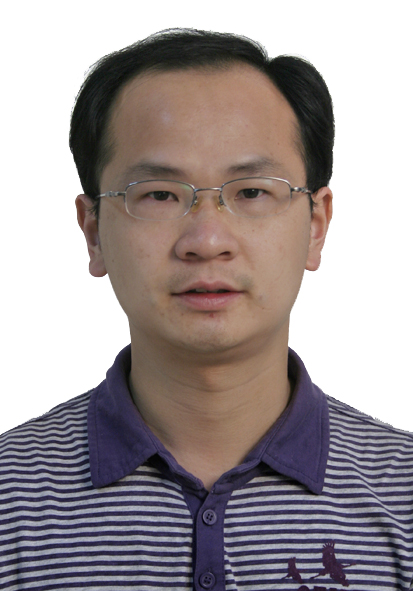 Qianshun She (佘乾顺)合作论文数Institute of Modern Physics, Chinese Academy of Sciences;University of Chinese Academy of Sciences20
 Rui Qiao (乔锐)合作论文数Institute of High Energy Physics, Chinese Academy of Sciences;University of Chinese Academy of Sciences20zhenxing dong (董振兴)合作论文数20Shi-Jun Lei合作论文数20Miao Ma合作论文数20Cong Zhao合作论文数20Pengxiong Ma合作论文数Purple Mountain Observatory20Yong-Yi Huang合作论文数20
 Dimitrios Kyratzis合作论文数Gran Sasso Sci Inst GSSI20Kun Fang合作论文数20Zi-Qing Xia合作论文数20Ming-Yang Cui合作论文数20Zhao-Qiang Shen合作论文数20Jiaju Wei (韦家驹)合作论文数20g donvito合作论文数Ist Nazl Fis Nucl, Bari, Italy20
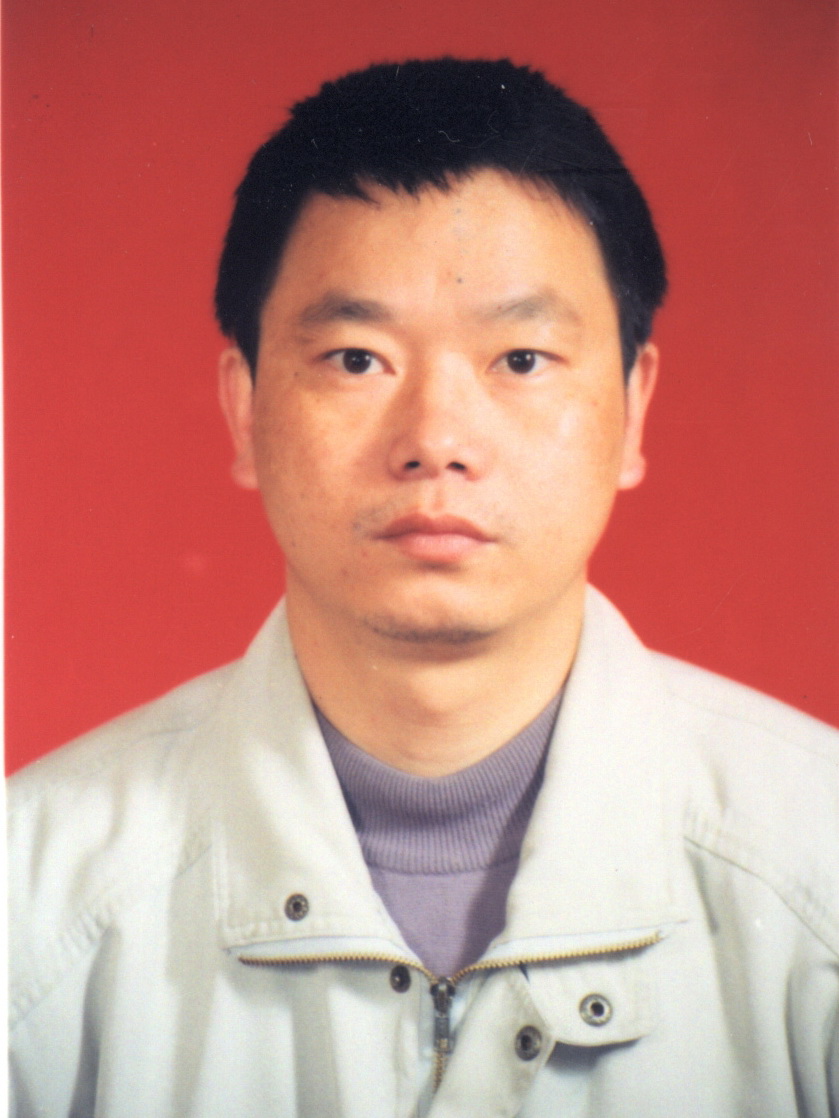 Mingsheng Cai (蔡明生)合作论文数Purple Mountain Observatory, Chinese Academy of Sciences20
 Shubin Liu (刘树彬)合作论文数Institute of Advanced Technology, University of Science and Technology of China20
 Yizhong Fan (范一中)合作论文数Purple Mountain Observatory, Chinese Academy of Sciences;University of Chinese Academy of Sciences20
 Qiang Yuan (袁强)合作论文数Laboratory of Dark Matter and Space Astronomy, Purple Mountain Observatory, Chinese Academy of Science20Zhongtao Shen (沈仲弢)合作论文数University of Science and Technology of China20
 Yunlong Zhang (张云龙)合作论文数School of Physical Sciences, University of Science and Technology of China20
 Jianhua Guo (郭建华)合作论文数Purple Mountain Observatory, Chinese Academy of Sciences20
 Shen Wang (汪慎)合作论文数Purple Mountain Observatory20
 Xiaoyuan Huang (黄晓渊)合作论文数Purple Mountain Observatory, Chinese Academy of Science20
 Lianguo Wang (王连国)合作论文数National Space Science Center, Chinese Academy of Sciences20
 Daming Wei (韦大明)合作论文数Purple Mountain Observatory, Chinese Academy of Sciences;University of Chinese Academy of Sciences20
 Gao Min合作论文数20Xuejian Teng (滕学剑)合作论文数National Space Science Center, Chinese Academy of Sciences;University of Chinese Academy of Sciences20
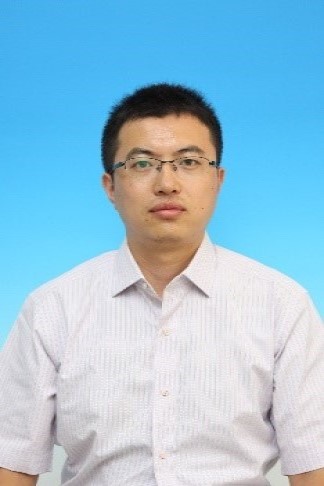 Haitao Xu (徐海涛)合作论文数National Space Science Center, Chinese Academy of Sciences20
 Changqing Feng (封常青)合作论文数School of Physical Sciences, University of Science and Technology of China20Wenxi Peng (彭文溪)合作论文数20
 Zhe Zhang (张喆)合作论文数Institute of Physics, Chinese Academy of Sciences;University of Chinese Academy of Sciences20
 Dan Mo (莫丹)合作论文数Institute of Modern Physics, Chinese Academy of Sciences;University of Chinese Academy of Sciences20




