The effects of Zingiberis Rhizoma mixed and triturated with Schisandrae Chinensis Fructus(ZMTS) on phlegm asthma were investigated based on compositional analysis, network pharmacology, and animal experiments. The compositional analysis of ZMTS using UPLC-Q-Exactive Orbitrap-MS identified a total of 37 components, with 33 active components screened out by TCMSP and SwissADME. SwissTargetPrediction and Superpred were employed to search for targets corresponding to the active components, while GeneCards was used to search for targets of the active constituents, resulting in a total of 118 intersection targets. The protein-protein interaction(PPI) network of component-disease intersection targets was constructed using STRING 11.0 and visualized using Cytoscape 3.10.0. The DAVID platform was utilized to perform Gene Ontology(GO)and Kyoto Encyclopedia of Genes and Genomes(KEGG) pathway enrichment analyses on the intersection targets, revealing that the phosphatidylinositide 3-kinase/protein kinase B(PI3K/Akt)pathway was an important therapeutic pathway. A component-target-pathway network was constructed, and the core components and core targets were subjected to molecular docking, demonstrating a good binding effect between the core components and core targets. The mechanism of action of ZMTS was verified by establishing a mouse model of phlegm asthma through histopathological staining, immunohistochemistry(IHC), enzyme-linked immunosorbent assay(ELISA), and Western blot. The animal experiments showed that the high-dose ZMTS group could significantly improve the airway inflammatory response in the mice with phlegm asthma, reduce the levels of interleukin-17(IL-17) and interleukin-23(IL-23), and significantly inhibite the phosphorylation level of PI3K and Akt proteins. ZMTS exerts its effect in improving phlegm asthma by acting on targets such as IL-17 and IL-23 through multiple components, with the mechanism closely related to the regulation of PI3K/Akt signaling pathway, fully demonstrating the comprehensive effect of multi-components, multi-targets, and multi-pathways.
Cannabis fructus (CF) has been used as a functional food raw material. The rapid identification of its processing degree is vital for ensuring consistency of product quality, achieving standardized processing, and maintaining market authenticity. This study established an intelligent identification method for the processing degree of stir-fried CF based on multi-source information fusion and machine learning. Color (L, a, b) and odor signals of the samples were collected through machine vision and electronic nose systems. The total contents of fatty oil and trigonelline were determined. Among the evaluated models, XGBoost demonstrated superior performance, achieving near-perfect training accuracy (93.62%) and test accuracy (91.67%). Shapley Additive Explanations analysis revealed that color and signals from specific odor sensors were key distinguishing features. The color exhibited a gradual transition to light yellow, and total fat and oil content showed a likely positive correlation with a and b values. The content of senna alkaloids tended to reduce as frying proceeded to greater intensity. This work preliminarily uncovered the correlations among color, gas characteristics, and quality, and could provide new insights for intelligent monitoring of the preparation procedure.
Ethnopharmacological relevance: The Chinese herbal medicine Shugan Jianpi Formula (SGJPF) has traditionally been used to treat various chronic liver disorders. Previous studies have indicated that SGJPF inhibits hepatic stellate cells (HSCs) activation in rats with liver fibrosis (LF) and that miR-193a-3p may be a crucial molecule in LF. However, the mechanisms by which SGJPF regulates HSCs activation through miR-193a-3p remain unclear. Aim of the study: This study aimed to determine whether the effect of SGJPF on LF is related to its regulation of miR-193a-3p and TGF-(32, both in a carbon tetrachloride (CCl4)-induced LF mouse model and in TGF-(31-induced JS-1 cells. Materials and methods: A CCl4-induced LF mouse model was established to evaluate the anti-fibrotic efficacy of SGJPF by examining liver histopathological changes, collagen deposition, and the expression of a-smooth muscle actin (a-SMA) and collagen-I. To investigate the role of miR-193a-3p in HSCs activation, miR-193a-3p mimics and inhibitors were transfected into TGF-(31-induced JS-1 cells. The potential targets of miR-193a-3p were identified using miRDB, TargetScan 8.0, RNA-seq, and dual-luciferase reporter assays. Finally, the effects of SGJPF on HSCs activation and the miR-193a-3p/TGF-(32 axis were assessed in TGF-(31-treated JS-1 cells using CCK-8, EDU, scratch, RT-qPCR, and Western blotting assays. Results: SGJPF significantly reduced liver damage and fibrosis, inhibited HSCs activation, decreased TGF-(32 levels, and increased miR-193a-3p expression in CCl4-induced LF tissue. Additionally, miR-193a-3p was upregulated in HSCs transfected with miR-193a-3p mimics and downregulated in those with miR-193a-3p inhibitors. High levels of miR-193a-3p, combined with miRNA mimics, inhibited HSCs activation, proliferation, and migration. TGF-(32, a target negatively regulated by miR-193a-3p, partially reversed the effects of miR-193a-3p on TGF-(31-induced HSCs activation. SGJPF also reduced HSCs activation, proliferation, and migration in TGF-(31- treated JS-1 cells. Moreover, treatment with SGJPF-containing serum and miR-193a-3p inhibition restored HSCs activation, proliferation, and migration in TGF-(31-induced JS-1 cells. Conclusions: This study demonstrates that SGJPF ameliorates CCl4-induced liver fibrosis, which is associated with the regulation of miR-193a-3p and TGF-(32 in HSCs. These findings provide a new pharmacological basis for SGJPF and suggest a novel strategy for treating LF through TCM by regulating miRNAs.
Background Paeoniae Radix Alba is derived from the dried roots of Paeonia lactiflora Pall. (Ranunculaceae). Bozhou Paeoniae Radix Alba (BBS), primarily cultivated in Bozhou City of Anhui province, accounts for over 75 % of China's total Paeoniae Radix Alba yield. It traditionally harvested in summer and autumn. However, the spatial metabolomic variations across harvesting periods remain underexplored. Methods This study employed MALDI-MSI to analyze BBS harvested in March, June, September, and December. Differential metabolites were screened via multivariate statistical analysis, followed by KEGG pathway enrichment and activity trend analysis. Characteristic differential metabolites' spatial distributions and biosynthetic pathways were mapped. TOPSIS evaluated metabolite variations across harvesting periods. Results MALDI-MSI analysis detected 1,801 metabolites across 15 classes. Screening identified 608 differential metabolites primarily comprising terpenoid glycosides, phenolic acids, and tannins. K-means clustering delineated five metabolic trends. The results shown that BBS harvested in September demonstrate significantly enhanced enrichment and accelerated accumulation rates. KEGG pathway analysis revealed metabolite distribution among 68 pathways, showing highest enrichment in secondary metabolite biosynthesis. Key metabolic shifts included: September enrichment peaks for gallic acid, mudanpioside H, and sucrose; accelerated September accumulation for paeoniflorin, benzoylpaeoniflorin, and anthraquinone (maintaining high abundance through December); while 1,2,3,4,6-penta-O-galloyl-β-D-glucopyranose, quercetin, and N-acetyl-D-tryptophan showed high March-June abundance. Biosynthetic pathways were spatially resolved. Entropy-weighted Technique for Order Preference by Similarity to Ideal Solution (TOPSIS) evaluation confirmed September as the optimal harvesting period. Conclusions MALDI-MSI effectively elucidated spatiotemporal metabolite distribution patterns in BBS. Temporal accumulation patterns were revealed across growth cycles. Spatial analysis clarified pathway-specific metabolite distributions in different tissues. This study provides scientific evidence for optimizing harvesting strategies. It enhances comprehensive utilization of medicinal resources. The findings support further development of season-specific BBS resources.
Gastrodia elata (GE) is an important functional food as well as a valuable traditional Chinese medicine. At present, there are four kinds of GE processing methods, including traditional processing (C), integrated processing (Y), fresh cutting (X) and raw cutting (S). This study comprehensively analyzed the internal composition and external characteristics of GE processed through four distinct methods. The analysis identified 62 intrinsic components in GE, predominantly amino acids, with 20 classified as differential compounds. In contrast, 95 volatile components (VOCs) primarily alcohols, aldehydes, and esters were detected, of which 31 were differential VOCs. The electronic nose (E-nose), electronic tongue (E-tongue), appearance character, gastrodin, p-hydroxybenzyl alcohol and parishins were analyzed by AHP-TOPSIS method, and finally it was concluded that the GE was the best obtained by Y method. This study establishes a theoretical foundation for the quality evaluation of GE through a comprehensive assessment of its "shape-taste-gas-quality".
Chang-Yan-Ning granule (CYNG) is a traditional Chinese patent medicine used to treat ulcerative colitis (UC). In this study, we investigated the effect of CYNG on UC and its mechanism. In this study, the active components in CYNG drug serum were characterized by serum pharmacochemistry and network pharmacology was used to predict key targets. To elucidate the potential anti-inflammatory mechanism of CYNG in UC patients, in vitro experiments were performed to evaluate the effect of different concentrations of CYNG on lipopolysaccharide (LPS) -induced RAW 264.7. The results showed that the serum pharmacochemical study revealed 15 compounds, which were subjected to network pharmacology analysis. Integrating these results identified the key signaling pathway (MAPK signaling pathway). Western blot and ELISA further demonstrated that CYNG might also regulate p38/MAPK pathway through down-regulating the expression of p-p38 and p-JNK proteins and exerting anti-inflammatory effects. This study explains the anti-inflammatory mechanism of CYNG and provides beneficial support for the treatment of UC with CYNG.
Semen Cuscutae (S) is an effective traditional Chinese medicine (TCM) in clinical practice for tonifying the kidney and calming the fetus. The effects of S on benefiting the kidney, fixing essence and calming the fetus were enhanced after salt processed. However, its bioactive substance and relevant mechanism have not been clearly yet. This study aims to explore the effective components of Semen Cuscutae processed with salt solution (Y) and its potential mechanism on the treatment of kidney deficiency miscarriage (KDM) with multi-components and multi-targets. In this study, serum pharmacochemistry and network pharmacology were used to investigate the active ingredients and molecular mechanism of Y in improving kidney deficiency abortion. A rat model of kidney deficiency miscarriage was established using hydroxyurea combine with mifepristone to assess the effect of S on tonifying the kidney and calming the fetus. The results show that 13 active ingredients derived from Y were identified by serum pharmacochemistry analysis. 92 common targets of active ingredients of Y and diseases were screened by network pharmacology, including 18 key targets (TP53, AKT1, TNF, IL6, VEGFA, CASP3, JUN, EGFR, etc). The KEGG pathway enrichment analysis showed that it was mainly concentrated in PI3K/Akt signaling pathway, and it was speculated that Y may protect pregnancy through PI3K/AKT and other signaling pathways with multi-component, multi-target and multi-pathway action characteristics. Animal pharmacodynamic analysis suggested that Y showed the better effect on the hydroxyurea combine with mifepristone induced abortion compared to the raw products of S. This study laid the foundation to identify the active components and potential mechanisms of Y in improving KDM by combining the in-tegrated methods of serum pharmacochemistry and network pharmacology.
IntroductionSemen Cuscutae is a traditional Chinese medicine (TCM) that tonifies the kidneys and prevents miscarriage. According to Chinese medicine theory, kidney deficiency is one of the main causes of recurrent spontaneous abortion (RSA). The previous studies showed that raw product of Semen Cuscutae (SP) and Semen Cuscutae processed with salt solution (YP) have ameliorative effects on RSA, and that YP is superior to SP. However, the active components of YP to ameliorate RSA remain unclear and require further studies. The objective of this study is to investigate the active components of YP in ameliorating RSA.MethodsFirst, a rat model of RSA was established using hydroxyurea in combination with mifepristone. Aqueous decoction of YP was given by gavage to rats. Second, pregnant rats were sampled on days 5, 7, 9, 10 and 12 during the modelling period. The content of Hyperin (HY), astragalin (AS) and kaempferol-3-O-β-D-glucuronide (KA) in blood and liver, heart, spleen, lung and kidney tissues were detected by liquid chromatography-mass spectrometry (LC-MS). The pharmacodynamic indicators including progesterone (P), chorionic gonadotropin β (β-HCG), estradiol (E2), tumor necrosis factor-α (TFN-α), interleukin 4 (IL-4), and tryptophan (TRP) were measured by enzyme-linked immunosorbent assay (ELISA) Pearson's correlation analysis and grey relational analysis were used to establish the relationship between the pharmacodynamic indexes and chemical constituents.ResultsThe pharmacokinetic results showed that the area under curve (AUC) value of KA was the largest. The tissue distribution results showed that astragalin was widely distributed in liver, heart, spleen, lung and kidney in the RSA model rats, while HY was detected only in the uterus, and KA was detected only in the kidney. The pearson correlationl analysis showed that KA was significantly and positively correlated with the contents of E2, P, β-HCG and TRP. Both AS and HY were significantly negatively correlated with the content of TNF-α, respectively.DiscussionThis study reveals the pharmacokinetics and tissue distribution of KA, AS and HY in rats with RSA. It was elucidated that all three were involved in the regulation of progesterone levels and immune function. It initially revealed the mechanism of action of YP in enhancing the improvement of RSA, and it provided a theoretical basis for the quality assessment of YP.
BACKGROUND:The effect of interleukin-6 (IL-6) on cognition in patients with major depressive disorder (MDD) remains unclear. The aim of the present study was to investigate for the first time the non-linear relationship between plasma IL-6 and cognition and its sex-specific associations in patients with drug-naïve MDD. METHODS:A total of 326 participants, including 237 drug-naïve MDD patients and 89 healthy controls (HCs), were included in this study. All participants completed the Repeatable Battery for the Assessment of Neuropsychological Status (RBANS) and fasting venous blood was collected for IL-6 measurement. Patients with MDD completed the Hamilton Depression Scale-17 (HAMD-17) and the Hamilton Anxiety Scale-14 (HAMA-14) assessments. Two-way analysis of variance and curve estimation analyses were used to explore the effects of IL-6 on cognition and its sex differences. RESULTS:We found that IL-6 and cognition were associated in different patterns in HCs and MDD patients. The best model for curve estimation between IL-6 and attention (F = 2.736, p = 0.045) and HAMA (F = 6.416, p < 0.001) in females with MDD was the cubic model. In male MDD patients, the best model for curve estimation between IL-6 and immediate memory was the cubic model (F = 3.077, p = 0.034). However, in HCs, the best model for curve estimation analysis between IL-6 and language was the quadratic model (F = 3.803, p = 0.026). LIMITATIONS:The main limitations were cross-sectional design. CONCLUSION:There was a non-linear and sex-specific relationship between IL-6 levels and cognition in patients with MDD.
Ethnopharmacological Relevance: Zishen Yutai pills (ZYP), a traditional Chinese patent medicine, was listed in China in 1981. It is composed of 15 traditional Chinese medicines and has the effects of regulating menstruation, helping pregnancy, and preventing abortion. In clinical practice, it is effective in preventing habitual and threatened miscarriages, and continuing to explore its mechanism of action is very meaningful research. Aim of the Study: To explore the possible mechanism of ZYP promoting angiogenesis at the maternal-fetal interface in recurrent Materials and Methods: In vitro experiments, placental trophoblast cells (PTCs) were isolated from the placental tissue of RSA mice and divided into six groups: Control group, Model group, ZYP group, miR-187 inhibitor NC group, miR-18 7 inhibitor group, and miR-187 inhibitor+ZYP group. Cell viability and cell cycle were measured using CCK8 and flow cytometry, respectively. The expression levels of miR-187, VEGF, VEGF-R1, and VEGF-R2 were measured using RT-qPCR, WB, and IF staining. Animal experiments first establish an RSA mice model (CBA/J x DBA/2) and then randomly divide the mice into four groups (n=10): normal pregnancy group, RSA model group, ZYP group, and progesterone capsule group. Observed the changes in embryo absorption rate, pathological morphology of decidual tissue, and ultrastructure of vascular endothelial cells in each group of mice. RT-qPCR, WB, and IF staining methods were used to determine the expression of miR-187, VEGF, VEGF-R1, and VEGF-R2. Results: In vitro, ZYP promoted the viability of PTCs and regulated their cell cycle, and ZYP down-regulated miR-187, up-regulated VEGF, VEGF-R1 and VEGF-R2 levels. miR-187 inhibitor showed the same effects, and further ZYP intervention enhanced the effects. In vivo, ZYP remarkably reduced embryo resorption rates, and improved the pathological morphology of decidual tissues and ultrastructure of vascular endothelial cells. Moreover, ZYP down-regulated miR-187, up-regulated VEGF, VEGF-R1 and VEGF-R2. Conclusion: In summary, ZYP can regulate the expression of VEGF via miR-187, then promote the angiogenesis at the maternal-fetal interface, and playing a therapeutic role in RSA.
Background Gastrodia elata (GE) has been widely used in clinical practice for many years with the functions of relieving stroke, suppressing liver Yang, dispelling wind and clearing collaterals. Our group's previous experimental studies have proved that GE has therapeutic effect on cerebral ischemia reperfusion injury (CIRI) (Ding et al., 2022). However, the active components of GE in treating CIRI remain unclear and require further research. Purpose The purpose of this paper was to explore the potential effective components of GE improving CIRI based on the “Spectrum-effect” correlation. Zebrafish model was used for verification in vivo experimental. Materials and methods First, the absorption components and metabolites of GE in rat serum were identified using ultra-high performance liquid chromatography-quadrupole time-of-flight tandem mass spectrometry (UHPLC-Q-TOF/MS). Second, pharmacodynamic indexes were determined by ELISA kit method, and the effect-time curve of each pharmacodynamic indexes was established. The potential compounds were screened using the statistical method of grey correlation between pharmacodynamic indicator and component response. Finally, the zebrafish CIRI model was successfully established, and the in vivo effect of the active components of GE was verified intuitively. Results 45 chemical components were detected in GE. A total of 87 active components in serum of GE were identified including 25 prototype components and 62 metabolites. GE can improve CIRI by regulating the levels of interleukin-6 (IL-6), interleukin-1β (IL-1β), and tumor necrosis factor-α (TNF-α), MDA levels and SOD levels. It was found that p‑hydroxy benzaldehyde (PHB), p-hydroxybenzyl alcohol (PHBA) and gastrodin (GA) of GE were the possibly main active components by grey correlation statistics. The in vivo experiments of zebrafish model showed that PHB, PHBA, and GA have the ability to ameliorate cerebral thrombosis by regulation of oxidative stress and apoptosis. Conclusions The potential active components of GE on CIRI were initially excavated using UHPLC-Q-TOF-MS/MS, pharmacodynamics, and in vivo experiments of zebrafish model. It makes up for the disadvantages of separate research on chemical components and pharmacodynamics, and reflects the material basis of pharmacodynamics more objectively. It has provided theoretical basis for further quality evaluation and scientific foundation for rational drug using of GE in clinical.
The chemical components of Huanglian Decoction were identified by ultra-performance liquid chromatography-quadrupole-time-of-flight-tandem mass spectrometry(UPLC-Q-TOF-MS/MS) technology. The gradient elution was conducted in Agilent ZORBAX Extend-C_(18) column(2.1 mm×100 mm, 1.8 μm) with the mobile phase of 0.1% formic acid aqueous solution(A)-acetonitrile(B) at a flow rate of 0.3 mL·min~(-1) and the column temperature of 35 ℃. The MS adopted the positive and negative ion mode of electrospray ionization(ESI), and the MS data were collected under the scanning range of m/z 100-1 500. Through high-resolution MS data analysis, combined with literature comparison and confirmation of reference substances, this paper identified 134 chemical components in Huanglian Decoction, including 12 alkaloids, 23 flavonoids, 22 terpenes and saponins, 12 phenols, 7 coumarins, 12 amino acids, 23 organic acids, and 23 other compounds, and the medicinal sources of the compounds were ascribed. Based on the previous studies, 7 components were selected as the index components. Combined with the network pharmacology research and analysis me-thods, the protein and protein interaction(PPI) network information of the intersection targets was obtained through the STRING 11.0 database, and 20 core targets of efficacy were screened out. In this study, UPLC-Q-TOF-MS/MS technology was successfully used to comprehensively analyze and identify the chemical components of Huanglian Decoction, and the core targets of its efficacy were discussed in combination with network pharmacology, which laid the foundation for clarifying the material basis and quality control of Huanglian Decoction.
Kidney yang deficiency syndrome (KYDS) is a classic syndrome of traditional Chinese medicine (TCM). The salt-processed product of Semen Cuscuta (YP) is the monarch drug in Bushen Antai Mixture (BAM), can improve the reproductive dysfunction caused by KYDS, and the effect is better than that of raw products of Semen Cuscuta (SP). However, its mechanism is not completely clear yet. In this study, an integrated strategy combining untargeted metabolomics with microbiology was used to explore the mechanism of YP in the BAM improving KYDS. 16S rDNA gene sequencing showed that BAM containing YP (Y-BAM) had a significantly better regulatory effect on Desulfobacterota and Desulfovibrionaceae_unclassified than BAM containing SP (S-BAM). Untargeted metabolomics studies showed that Y-BAM significantly regulated 4 metabolites and 4 metabolic pathways. In addition, multi-index analysis showed that the effect of Y-BAM on arachidonic acid metabolism, tyrosine metabolism, purine metabolism, fructose and mannose metabolism and total metabolism was closer to that of the control group compared to S-BAM. The analysis of serum biochemical indexes showed that Y-BAM had more significant regulating effect on the levels of luteinizing hormone (LH), follicle stimulating hormone (FSH), testosterone (T) and superoxide dismutase (SOD) in serum of KYDS rats compared to S-BAM. Spearman correlation analysis showed that there was a significant correlation between intestinal microorganisms and metabolites and serum biochemical indexes. For example, Desulfovibrionaceae_unclassified was positively correlated with arachidonic acid, and negatively correlated with SOD and LH. This study suggests that YP may enhance the regulation of intestinal flora and endogenous metabolism of KYDS, so that BAM shows a better therapeutic effect on KYDS, which also reasonably explains why BAM uses Semen Cuscuta stir-baked with salt solution.
The Stephania tetrandra–Astragalus membranaceus herbal pair (FH) is a classic herbal pair widely used in the treatment of nephrotic syndrome (NS). The effects of Stephania tetrandra (FJ) and Astragalus membranaceus (HQ) on NS have been reported, but the mechanism of their combination on the improvement of NS are still unclear. The NS model was established by injecting adriamycin into the tail vein. FH intervention reduced the levels of serum triglyceride, total cholesterol, interleukin-6 (IL-6), blood urea nitrogen (BUN), urinary protein, and the gene expression levels of aquaporin 2 (AQP2) and arginine vasopressin (AVP) in NS rats. In addition, FH improved kidney injury in NS rats by inhibiting the expression of interleukin 13 (IL-13), phospho-signal transducers, and activators of transcription 6 (p-STAT6), Bax, cleaved-caspase3, while promoting the expression of Bcl-2. By comprehensive comparison of multiple indexes, the effects of FH on lipid metabolism, glomerular filtration rate, and inflammation were superior to that of FJ and HQ. Metabonomic studies showed that, compared with FJ and HQ, FH intervention significantly regulated tricarboxylic acid (TCA) cycle, cysteine and methionine metabolism, and alanine, aspartic acid and glutamic acid metabolism. Pearson correlation analysis showed that succinic acid and L-aspartic acid were negatively correlated with urinary protein, cystatin C (Cys C) and BUN (p < 0.05). In summary, FH could reduce renal injury and improve NS through inhibiting the IL-13/STAT6 signal pathway, regulating endogenous metabolic pathways, such as TCA cycle, and inhibiting the expression of AQP2 and AVP genes. This study provides a comprehensive strategy to reveal the mechanism of FH on the treatment of NS, and also provides a reasonable way to clarify the compatibility of traditional Chinese medicine.
[目的]建立干姜-五味子药对11种成分含量测定和指纹图谱方法,明确炮制-配伍对药对成分含量和指纹图谱的影响.[方法]将不同产地的干姜采用砂烫法炮制为炮姜,干姜、炮姜分别与五味子配伍成药对.采用UPLC法测定样品中11种指标性成分的含量,分析其指纹图谱的相似性;通过聚类分析及主成分分析研究药对之间的差异性.[结果]炮制前后干姜-五味子药对与炮姜-五味子药对成分含量差异较大,通过炮制以后药对中共有5种成分的含量表现为升高,5种成分含量为降低,并且在干姜-五味子药对中未检出8-姜烯酚;UPLC指纹图谱共匹配出26个共有峰,共有峰的相似度较好,均大于0.94;聚类分析及主成分分析表明干姜-五味子和炮姜-五味子药对可被明显区分.[结论]炮制-配伍对干姜-五味子药对的指标成分含量和指纹图谱均有不同程度的影响.
The previous research of clinical big data mining showed that stir-baking Semen Cuscuta with salt solution (YP) ranked the first in the usage rate of treating abortion caused by kidney deficiency. At the same time, pharmacodynamic studies also showed that YP has better effect on improving recurrent spontaneous abortion (RSA) compared to raw products of Semen Cuscuta (SP). However, there were few studies on the biomarkers of YP improving RSA. In this study, the chemical and metabonomic profiling were used to screen the quality markers of YP on improving RSA. Firstly, a metabolomics study was carried out to select representative biomarkers of RSA. The ultra-high performance liquid chromatography coupled with electrospray ionization-quadrupole-time of flight-mass spectrometry (UPLC-ESI-Q-TOF-MS) technique was used to investigate the components of exogenous and endogenous in serum of rats after administrated with YP and SP. As a result, 14 differential compounds were identified between the serum of rats administrated SP and YP. Compared to SP, there was an upward trend in YP of the compounds including kaempferol-3-glucuronide, iso-kaempferol-3-glucuronide, (1S) −11-hydroxyhexadecanoic acid and 3-phenylpropionic acid. Meanwhile, there was a reducing trend in YP of the compounds including kaempferol 3-arabinofuranoside, apigenin-3-O-glucoside, hyperoside, caffeic acid-β-D glucoside, dicaffeoylquinic acid, linoleic acid, 3,4-dicaffeoylquinic acid, caffeic acid, palmitic acid and methyl myristate. 12 biomarkers for RSA indication were identified. SP and YP have a certain effect on the endogenous biomarker. The regulation effect of YP was higher than that of SP. The main metabolic pathways included phenylalanine, tyrosine and tryptophan biosynthesis, glycerophospholipid metabolism, fatty acid biosynthesis, sphingolipid metabolism, biosynthesis of unsaturated fatty acids. This study demonstrated a promising way to elucidate the active chemical and endogenous material basis of TCM.
In order to clarify the main chemical constituents of Huangdi Anxiao Capsules, an ultra-high performance liquid coupled with quadrupole time-of-flight mass spectrometry(UPLC-Q-TOF-MS~E) combined with Waters UNIFI software were successfully used to rapidly identify the chemical constituents in Huangdi Anxiao Capsules. The mass spectrometry data of chemical constituents from Huangdi Anxiao Capsules were collected by UPLC-Q-TOF-MS~E, and their structures were identified by the results of UNIFI software according to relative retention time of reference standards, MS feature fragments and literature data of each compound. A total of 100 compounds in Huangdi Anxiao Capsules were identified, including 25 compounds from Pueraria Lobate Radix, 22 compounds from Coptis Rhizoma, 6 compounds from Ophiopogonis Radix, 14 compounds from Eriobotryae Folium, 22 compounds from Rehmanniae Radix, and 15 compounds from Notoginseng Radix et Rhizoma. Among them, 3 compounds were common components. These 100 compounds included flavonoids, alkaloids, saponins and organic acids. This study systematically analyzed the chemical composition of Huangdi Anxiao Capsules, so as to provide evidences for defining the chemical material basis of Huangdi Anxiao Capsules.
Abstract Blood stasis syndrome (BSS) is the pathological basis of many cardiovascular diseases. Ginger is often used as herbal medicine, condiment, and health food in China and Southeast Asia to improve some symptoms of cardiovascular disease, but its mechanism of efficacy and metabolic processes is not clear enough. In this study, a rat model of BSS was successfully established and treated with different doses of dried ginger extract. After the end of the administration period, the blood and urine of 5 groups of rats were collected for metabonomic analysis. Multivariate statistical analysis was used to explore metabolites and metabolic pathways, and the correlation between metabolites and pharmacodynamic indicators was further explored. The experimental results show that the pharmacodynamic indicators of dried ginger group (DG) extracts of different doses have different degrees of changes than model group (MG), and the high dose of dried ginger group (GJH) changes is the most significant (p < .05 or p < .01). Besides, 22 different metabolites were identified in the experiment. These metabolites mainly involve seven metabolism pathways in different impact value. DG has therapeutic effects on BSS rats by regulating multiple metabolic pathways. This study provides an effective method for understanding the metabolic mechanism of DG extracts on BSS.
To reveal the processing mechanism of Chrysanthemi Flos from the changes of chemical compositions after frying and its effect on the efficacy of liver protection. Ultra performance liquid chromatography-quadrupole-time of flight-mass spectrometry(UPLC-Q-TOF-MS) and ultra high performance liquid chromatography(HPLC) were used for the qualitative and quantitative researches of chemical compositions before and after Chrysanthemi Flos frying. Progenesis QI and SPSS software were used for principal component analysis(PCA), partial least squares discriminant analysis(PLS-DA), variable importance projection(VIP) analysis and t-test to identify the compositions with significant changes. Pharmacodynamics experiment was used to investigate the protective effect of crude and fried Chrysanthemi Flos on CCl_4-induced acute liver injury in mice. According to mass spectrometry data, there were 28 chemical compositions in crude and fried Chrysanthemi Flos, mainly including flavonoids and organic acids. 13 compositions such as luteolin, apigenin and luteolin glycoside were increased significantly after frying, while 7 compositions such as chlorogenic acid, luteolin-7-O-glucuronide and apigenin-7-O-glucuronide were decreased significantly after frying. Through principal component analysis, crude and fried Chrysanthemi Flos products were divided into two categories, indicating that there were internal differences in quality. The results of liver injury protection experiment in mice showed that the AST, ALT and MDA contents were significantly decreased and SOD level was increased in mice with liver injury in both the high and medium dose groups. Histopathological examination showed that crude and fried Chrysanthemi Flos can protect the liver by reducing inflammatory cell infiltration, reducing steatosis, and repairing damaged liver cells. The results of this study showed that the chemical compositions had obvious changes after frying, and both crude and fried Chrysanthemis Flos had protective effects on CCl_4-induced acute liver injury in mice. In addition, in the range of high, medium and low doses, the liver protection effect of crude and fried Chrysanthemi Flos increased with the increase of dose. The experiment results provided reference for the mechanism of fried Chrysanthemi Flos and clinical selection of processed products.
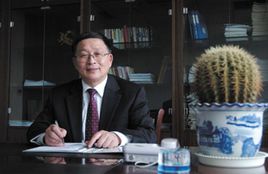 BaoChang Cai (蔡宝昌)合作论文数Department of Pharmacy,NanJing University of Chinese Medicine17
 Xiao Liu (刘晓)合作论文数Nanjing University of Chinese Medicine12
 Kunming Qin (秦昆明)合作论文数School of Pharmacy, Jiangsu Ocean University9
 YanQuan Han (韩燕全)合作论文数8Deling Wu合作论文数7Chuan-Shan Jin合作论文数7Ke Pei (裴科)合作论文数6
 Hao Cai (蔡皓)合作论文数Nanjing University of Chinese Medicine6Xue Zhang合作论文数5Zilu Liu合作论文数5
 Gang Cao (曹岗)合作论文数Zhejiang Chinese Medical University5Baiyang Xu合作论文数4Tingting Zhu (朱婷婷)合作论文数4Ximeng Ding合作论文数3Xiaochai Zhu合作论文数3Min Su合作论文数3Xu Xiaoyan合作论文数3Minjie Niu合作论文数2Meng-xue FAN (范孟雪)合作论文数2Shanshan Zhang合作论文数2Qiumei Zhou合作论文数2Lan-lan FAN (范兰兰)合作论文数2Ting-ting ZHU (祝婷婷)合作论文数2MengXue Yao (姚梦雪)合作论文数2LinWei Chen (陈林伟)合作论文数2TangYi Peng (朋汤义)合作论文数2NaiZhi Geng (耿乃志)合作论文数2Fa Shi (施法)合作论文数2ChengGang Liu (柳成刚)合作论文数2TongSheng Wang (王桐生)合作论文数2Yan Hong (洪燕)合作论文数2YuanYuan Zhou (周媛媛)合作论文数2
 Li Wu (吴丽)合作论文数Nanjing University of Chinese Medicine2
 Jijun Chu (储继军)合作论文数安徽中医药大学第一附属医院2Jiarong Gao (高家荣)合作论文数2
 Deyou Jiang (姜德友)合作论文数Heilongjiang Zhongyiyaodaxue Fushu Dier Yiyuan2Xiaowei Du (都晓伟)合作论文数黑龙江中医药大学药学院2Shuoxin Zhang (张硕辛)合作论文数2Meng-Qing Zhu (朱梦情)合作论文数1Junling Liu合作论文数1Zhou Yuanyuan合作论文数1Kailei Fan合作论文数1Xi Mei合作论文数1Yu-Xin Liu合作论文数1Jincai Hou合作论文数1Dan Sun合作论文数1LI Wei-dong合作论文数1Huan Wu (吴欢)合作论文数1




