Aim: To determine the effect of a health coach intervention for the management of glycemic control, as well as physiological, psychological and self-care outcomes of patients with type 2 diabetes mellitus (T2DM), compared with usual care. Methods: This pragmatic cluster RCT was conducted in the Fengtai district of Beijing from August 2011 to December 2013. Forty-one community health stations (CHSs) were cluster randomized (stratified geographically, 1:1 ratio) and eligible, randomly selected T2DM patients were sequentially contacted by CHSs. Control participants received usual care according to the Chinese Guideline for Diabetes Prevention and Management. Intervention participants received 18-months of health coaching based on principles of Motivational Interviewing (MI) plus usual care. Medical and pathology fees were waived for both groups. Outcome assessment was performed at baseline, 6, 12, and 18-months. The primary outcome was glycated hemoglobin (HbA1c); secondary outcomes encompassed a suite of physiological, psychological and self-care measures. Results: No differential treatment effect was found at 18-months for HbA1c (adj. difference −0.07, 95% CI −0.53 to 0.39, p = 0.769) or any specified secondary outcomes. Interestingly, both groups displayed a statistically and clinically significant within-group improvement of the same magnitude at 18-months for HbA1c (intervention: mean change −3.65, 95% CI −3.92 to −3.37; control: mean change −3.38, 95% CI −3.67 to −3.08). Conclusions: The lack of differential treatment effects observed indicate that it may be premature to recommend the routine delivery of health coach interventions based on MI principles for the management of T2DM in China. However, the large, comparable within-group improvement in mean HbA1c promotes the establishment of free, regular clinical health assessments for individuals with T2DM in China. Trial Registration: ISRCTN registry - ISRCTN01010526 (https://doi.org/10.1186/ISRCTN01010526)
世界卫生组织(World Health Organization,WHO)总干事谭德塞博士在2018年召开的患者安全与科技创新大会上,明确地指出:“全民健康覆盖和健康安全是同一个硬币的两面.如果健康服务无法获得,不可负担,或不安全,患者的疾病就会演变成一场灾难.有15%的医院工作与支出与负性事件的发生直接相关.所以,医疗差错不仅仅损害医疗系统本身,还会造成巨大经济损失.就像航空业要把乘客安全作为第一要务一样,患者安全必须成为健康体系的重要基石.我们需要最强有力的政治承诺.
To promote the integrated health and social care is an essential approach to the well-being of the elderly.The development of such integrated care is on the basis of both existing and new policies .Six aspects of national and Beijing policies were reviewed:providers, provi-sion patterns, contents, prices, payments and administrative organizations.The integrity,coherence and feasibility of policies were generally good . There is a vacancy of the policy on integrated care designed for the elderly who adopt community-based or home-based aged care.The policies should be improved based on understanding of the needs of elders .An inter-ministerial working mechanism can be developed .Policy feasibility can be enhanced by addressing issues such as the limitation of providing medical service , the unreasonable service price setting, and the harsh standard of setting a nursing institution ,and so on.
Objective To assess the effectiveness of a coach-led motivational interviewing (MI) intervention in improving glycaemic control, as well as clinical, psychosocial and self-care outcomes of individuals with type 2 diabetes mellitus (T2DM) compared with usual care.Design Pragmatic cluster randomised controlled trial (RCT).Setting Community Health Stations (CHSs) in Fengtai district, Beijing, China.Participants Of the 41 randomised CHSs (21 intervention and 20 control), 21 intervention CHSs (372 participants) and 18 control CHSs (296 participants) started participation.Intervention Intervention participants received telephone and face-to-face MI health coaching in addition to usual care from their CHS. Control participants received usual care only. Medical fees were waived for both groups.Outcome measures Outcomes were assessed at baseline, 6 and 12months. Primary outcome measure was glycated haemoglobin (HbA1c). Secondary outcomes included a suite of anthropometric, blood pressure (BP), fasting blood, psychosocial and self-care measures.Results At 12months, no differential treatment effect was found for HbA1c (adjusted difference 0.02, 95% CI -0.40 to 0.44, p=0.929), with both treatment and control groups showing significant improvements. However, two secondary outcomes: psychological distress (adjusted difference -2.38, 95% CI -4.64 to -0.12, p=0.039) and systolic BP (adjusted difference -3.57, 95% CI -6.08 to -1.05, p=0.005) were robust outcomes consistent with significant differential treatment effects, as supported in sensitivity analyses. Interestingly, in addition to HbA1c, both groups displayed significant improvements in triglycerides, LDL cholesterol and HDL cholesterol.Conclusions In line with the current Chinese primary healthcare reform, this study is the first large-scale cluster RCT to be implemented within real-world CHSs in China, specifically addressing T2DM. Although a differential treatment effect was not observed for HbA1c, numerous outcomes (including HbA1c) improved in both groups, supporting the establishment of regular, free clinical health checks for people with T2DM in China.Trial registration number ISRCTN01010526; Pre-results.
Population is ageing rapidly and prevalence of cardiovascular diseases is increasing in China. This study aims to examine the patterns of outpatient and inpatient health care utilization across different demographic and socioeconomic groups in older people with cardiovascular disease in China.
To ensure equity and accessibility of public health care in rural areas, the Chinese central government has launched a series of policies to motivate village doctors to provide basic public health services. Using chronic disease management and prevention as an example, this study aims to identify factors associated with village doctors’ basic public health services provision and to formulate targeted interventions in rural China.
Background Motivational interviewing( MI)is an effective psychological strategy for behavior change while research in this field has just being highlighted in China. And there is still lack of practicability and effect analysis of its application at present. Objective This study was designed to explore and analyze the process of implementation of MI in primary health care setting in China, which can help future researcher and primary health care setting staffs to better understand of MI. Methods The audio sample are tape - recorded of health coaches' intervention process from Happy Life Club research project. MI-SCOPE is used to code the 51 audio samples This study will use GSEQ 5. 1 software to do the sequential analyses for the coded transcripts,as well as to describe the frequency of its transition probabilities. Results MICO,SR,CR can promote the change talk of patients,and the counter change talk are more likely following the MIIN,CQ and CR. Conclusion In this study,the health coaches did not fully master MI skills,but the MICO might lead to behaviour change.
Objective To explore the positive and/or negative effects of Chinese cultural related family responsibility on Chinese type 2 diabetes mellitus( T2DM) patients in their chronic disease self- management. Methods A qualitative method was applied in the Happy Life ClubTMa community- based research program of chronic disease management. Thirty three T2 DM patients of 10 community health centres of Fengtai District of Beijing were participated in in- depth semi- structured individual interviews. Results The study findings illustrated that self- management behaviors among Chinese T2 DM patients are affected by tradition of family responsibility under Chinese culture and social norm. Specifically,intergenerational carer role among family members displays negative influence on self- management,as the traditional role has conflicts of interest among giving,receiving and self- caring. The negative impact on self- management is more evident among female patients. However the tradition of family responsibility has changed along with sociocultural and socioeconomic transitions. Self- management could be a presentation of individual effect on base of altruism. The changes will present multifaceted influence on behaviours of chronic disease self- management. Conclusion Based on the findings, Authors concluded the family responsibility under Chinese cultural have both related promotion factors and barriers of T2 DM patients in their chronic disease management. The influence is also dynamic. When helping patients to manage their T2 DM and other chronic conditions, primary health care professionals should consider the sociocultural factors in forming self- management plan. Cultural sensitive advices and guides should be provided in general practice consultation. The holistic and empathetic approach under general practice patient- centred principle is essential of empowering effective self- management and further impact on patient's health and wellbeing.
Objective To explore the cognitive impairment( CI) of patients with normal tension glaucoma( NTG) and its relative factors. Methods Forty-one NTG patients who visited the outpatient eye clinic of Peking University Third Hos-pital from June 2011 to January 2014 were enrolled in this study. Their general information and had tests of Hamilton Anxiety Scales( HAMA),Hamilton Depression Scales( HAMD),Pittsburgh Sleep Quality Index( PSQI),Montreal Cognitive Assess-ment(MoCA)were recorded. Results The patients were divided,according to MoCA testing,into groups with -CI(n =27),without-CI(n=14). The incidence of CI was 65. 8%(27/41). There was no significant difference in gender,smok-ing,drinking,educational level,history of sleep disorders,insomnia family history,incidences of snoring,hyperlipidemia, diabetes,coronary heart disease,cerebrovascular diseases,gastrointestinal disease,anxiety,depression between the 2 groups (P>0. 05),there was difference in age,BMI,incidences of hypertension,sleep disorders(P<0. 05). Logistic regression analysis showed that age,BMI,PSQI were the risk factors of NTG combined with CI(P<0. 05). MoCA total score was(22. 5 ±2. 4)in NTG patients with CI,there was difference in normal value declining between each item score(F=17. 99,P<0. 05),the normal value declining in memory function was higher than other item score(P<0. 05). By correlation analysis, normal value declining of each item score was not correlated linearly with age( r =0. 219,0. 172,0. 008,0. 046,0. 349,-0. 137,0. 118,0,P >0. 05),memory function,visual - spatial function and executive function,attention,linguistic function,time orientation,place orientation not correlated linearly with PSQI( r = 0. 141,0. 171, - 0. 035, - 0. 027,-0. 093,-0. 275,0,P>0. 05),calculation power,attention,short-term memory correlated positively with PSQI( r=0. 410,P=0. 042),memory function,visual-spatial function and executive function,attention,linguistic function,time o-rientation,place orientation not correlated linearly with BMI(r=0. 042,-0. 011,0. 192,0. 038,0. 168,-0. 141,0,P>0. 05),calculation power,attention,short-term memory correlated positively with BMI(r=0. 432,P=0. 031). Con-clusion The incidence of NTG complicated by CI is high,aging,sleep disorders,obesity can increase the risks of CI,espe-cially those of memory function impairment.
China is experiencing population aging, increased prevalence of chronic diseases, and reductions in the frequency of healthy lifestyle behaviors. In response to these significant transitions, China is implementing major reforms in health care services with a focus on strengthening primary health care. In this paper, we describe a 12-month diabetes management program, the Happy Life Club™ (HLC™), implemented in a primary health care setting in Beijing, that uses doctor and nurse health coaches trained in behavior change techniques and motivational interviewing (MI). This paper reports the results of this pilot study and discusses issues involved in the implementation of Chronic Diseases Self-Management Programs in China. The intervention group showed improvements in HbA1c levels at 6 months and both the control and intervention groups showed reductions in waist circumference over time. Systolic blood pressure improved over time in the intervention group. The intervention group showed improvement in quality of life across the intervention period and both groups showed decreases in psychological distress across the intervention. Doctor visits increased between baseline and 6 months, but there was no change in doctor visits between 6 and 12 months for both groups. The effects were modest, and further investigations are required to evaluate the long-term impact of health coach approaches in China.
目的 基于结构方程模型(SEM)推断患者感知服务态度、服务质量、患者满意及行为意向间的关系.方法 通过6家医院706位门诊和住院患者问卷调查,结合美国顾客满意指数模型及专业文献,建立初始模型,通过SEM拟合,获得患者感知服务态度、服务质量、感知价值、患者满意及行为意向之间的关系.结果 服务态度、服务质量、患者满意是患者行为意向的原因变量;服务态度与患者满意、感知价值与行为意向呈间接相关.结论 患者感知服务态度直接影响患者行为意向.患者满意及行为意向之间存在直接效应.
Introduction: The measurement of health status of the elderly remains one important topic. Self-rated health status (SRH) is considered to be a simple indicator to measure the health status of the old population. But some researchers still take a skeptical view about its reliability. This study aims to investigate the association between SRH indicator and health status of the elderly and discuss its subsequent public health implications. Methods: In a total 1096 people who were 60 years of age or older from 1784 households from a suburban area of Beijing were interviewed using multistage stratified cluster sampling. SRH was measured by a single question "please choose one point in this 0-100 scale, which can best represent your health today." The disease status and physical functional status were also obtained. A multiple linear regression was conducted to test the associate between SRH and individual's disease/functional status. Results: The average of SRH scores of the elderly was 72.49 +/- 15.64 (on a 1-100 scale). The SRH scores declined not only with the severity of self-reported mental/disease status, but also with the decrease of physical functional status. Multiple linear regression showed that after adjustment for other variables, 2-week sickness, chronic diseases, hospitalization, and ability of self-care (washing and dressing) were able to explain 35% of the variation in SRH among the elderly. Among them, disease status and self-care ability were the most powerful predictor of SRH. After adjusting other variables, physical functional status could explain only 5% of the variation in SRH. Conclusion: Self-rated health reflects the disease/functional health status of the elderly. It is an easy-to-implement variable and it can reduce both recall bias and investigator bias, thus being widely used in health surveys. It is a cost-effective means of measuring the health status. However, the comparability of SRH in different populations should be studied in future.
近年,世界各地在探索预防和控制慢性非传染性疾病(慢病)的途径和方式,试图发现更有效模式.《创新或崩溃》一文收集、归纳和分析了这方面的最新尝试,文中提出的一些案例对于开拓预防和控制慢病的新思路很有意义. 以心血管病、肿瘤、糖尿病和慢性呼吸系统疾病为主的慢病已经占全球总死亡的80%,成为影响人群健康的一个重要的公共卫生问题.但是,预防和控制慢病的手段、途径和效果评价确需要经历漫长的研究和实践过程.自上世纪二战后的60多年来科学研究表明,慢病不仅仅是退行性疾病,也与人们所处的社会、生活环境和个人不健康的生活方式密切相关,后者导致慢病大规模流行以及死亡率上升(特别是早死增加).因此,预防和控制慢病的丰耍目标是减少因慢病引起的早死、增加健康寿命、提高生命质量.
随着社会的发展和医学模式的转变,以及降低健康不公平性、维护社会稳定的现实需要的加强,公共卫生越来越受到政府与社会各界的关注,尤其是农村公共卫生.目前,中国正在大力推进公共卫生服务的发展,北京作为中国首都,其状况对其他地区有参照意义.本文通过综合分析文献资料和相关文件,试图对北京市农村公共卫生服务政策历史演进,包括文件条例、资金投入、机构设备、人力资源、指标评价等方面进行梳理及述评,为进一步研究北京市农村公共卫生服务和制定政策方案提供参考.
BACKGROUND:Studies have shown diverse strength of evidence for the associations between air pollutants and childhood asthma, but these associations have scarcely been documented in the early life. The purpose of this study was to evaluate the impacts of various air pollutants on the development of asthma phenotypes in the first year of life.METHODS:Adjusted odds ratios were estimated to assess the relationships between exposures to air pollutants and single and multi-dimensional asthma phenotypes in the first year of life in children of the EDEN mother-child cohort study (n = 1,765 mother-child pairs). The Generalized Estimating Equation (GEE) model was used to determine the associations between prenatal maternal smoking and in utero exposure to traffic-related air pollution and asthma phenotypes (data were collected when children were at birth, and at 4, 8 and 12 months of age). Adjusted Population Attributable Risk (aPAR) was estimated to measure the impacts of air pollutants on health outcomes.RESULTS:In the first year of life, both single and multi-dimensional asthma phenotypes were positively related to heavy parental smoking, traffic-related air pollution and dampness, but negatively associated with contact with cats and domestic wood heating. Adjusted odds ratios (aORs) for traffic-related air pollution were the highest [1.71 (95% Confidence Interval (CI): 1.08-2.72) for ever doctor-diagnosed asthma, 1.44 (95% CI: 1.05-1.99) for bronchiolitis with wheezing, 2.01 (95% CI: 1.23-3.30) for doctor-diagnosed asthma with a history of bronchiolitis]. The aPARs based on these aORs were 13.52%, 9.39%, and 17.78%, respectively. Results persisted for prenatal maternal smoking and in utero exposure to traffic-related air pollution, although statistically significant associations were observed only with the asthma phenotype of ever bronchiolitis.CONCLUSIONS:After adjusting for potential confounders, traffic-related air pollution in utero life and in the first year of life, had a greater impact on the development of asthma phenotypes compared to other factors.
Objective To clear connotation of service attitude from nurse’s perspective and to explore factors affecting service attitude of nurses.Method Data collection was perform by using in-depth interviews of 12 nurses,thematic framework method was used for data analysis.Conclusion Service attitude from nurse’s perspective included communication and concern two dimensions,which was embodied mainly from language and expression,tone and expression.Factors affecting the attitude of the nurses included personality,overall ability,time,and responsibility nurse system.
OBJECTIVE To assess the status of free influenza vaccination rates for the elderly in Beijing. METHODS A questionnaire survey was carried out among 1 000 old people in Beijing. Random sampling method was employed. Descriptive analysis and Chi square test were used for statistical analysis, and Logistic regression model was used to analyze the difference in free influenza vaccination rates between the urban and rural areas. RESULTS The continuous influenza vaccination rate of the elderly from 2007 to 2010 was 46.4%, which was higher in the rural (70.9%) than in the urban (38.3%). The vaccination rate in the rural was 3.859 times that in the urban, after other variables were controlled. CONCLUSION The vaccination rate among the elderly in Beijing has been raised after the implementation of free influenza vaccination policy in 2007, especially for the rural people. In the urban areas, concerning about the safety of the vaccine is one of the reasons why people chose not to take free influenza vaccination; while in the rural, the insufficient knowledge about the flu and influenza vaccine plays an important role.
目的 了解北京市德胜地区居民对家庭医生式服务的知晓、签约情况及其影响因素.方法 根据随机抽样原则,在德胜街道23个居委会中采用单纯随机抽样方法抽取10个居委会;依据居委会提供的名单,按照等比例抽样方法(30:1),共抽取660户家庭;以每个家庭为单位,选出1名代表进行调查.采用自行设计的调查问卷于2012年7-9月进行面对面的问卷调查,调查内容包括:调查对象的基本情况,对家庭医生式服务的知晓、签约情况、影响签约的原因等.共发放问卷660份,有效回收问卷647份,有效回收率为98.0%.结果 647例社区居民中,有522例(80.7%)知晓家庭医生式服务,有300例(46.4%)签约了家庭医生式服务协议书.不同年龄、婚姻状况、医疗费用支付方式、是否为慢性病签约的医保人员、是否患有慢性病的社区居民的家庭医生式服务签约率比较,差异均有统计学意义(P<0.05).Logistic回归分析显示:婚姻状况、是否为慢性病签约的医保人员、是否患有慢性病是家庭医生式服务签约的影响因素(P<0.05).结论 社区居民对家庭医生式服务的了解程度不高,签约率偏低,影响签约的因素包括婚姻状况、是否为慢性病签约的医保人员、是否患有慢性病.建议加大宣传力度,完善社区家庭医生培养机制,提升家庭医生服务能力,健全医疗保险制度,加大专项投入,为提高家庭医生式服务的利用率和认可度、为社区卫生服务机构探索家庭医生式服务创新模式提供政策依据和保障.
To report on the design and basic outcomes of three interventions aimed at improving the use and quality of maternity care in rural China: financial interventions, training in clinical skills, and training in health education. Community-based cluster randomized trials were carried out in one central and two western provinces between 2007 and 2009: (1) financial interventions covered part of women’s costs for prenatal and postnatal care, (2) training of midwives in clinical skills was given by local maternity care experts in two- or three-group training courses, (3) health education training for midwives and village doctors were given by local experts in health education in two- or three-group training courses. A survey was conducted in a stratified random sample of women who had been pregnant in the study period. 73% of women (n = 3,673) were interviewed within 1–10 months of giving birth. Outcomes were compared by the different intervention and control groups. Adjusted odds ratios were calculated by logistic regression to adjust for varying maternal characteristics. Most of the differences found between the groups were small and some varied between provinces. The financial intervention did not influence the number of visits, but was associated with increased caesarean sections and a decrease in many ultrasound tests. The clinical intervention influenced some indicators of care content. There was no consistent finding for the health education intervention. Financial and training interventions have the potential to improve maternity care, but better implementation is required. Unintended consequences, including overuse of technology, are possible.
 Shane Thomas合作论文数Primary Health Care Research Unit, Monash University37
 Hui Yang (杨辉)合作论文数28
 Colette Browning合作论文数School of Primary Health Care, Monash University24
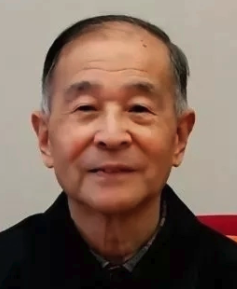 Yude Chen (陈育德)合作论文数School of Public Health, Peking University16
 ZhiXin Li (李志新)合作论文数15
 Shenglan Tang合作论文数Department of Population Health Sciences, Duke University School of Medicine13
 Anna Chapman合作论文数12Feng Liu (刘峰)合作论文数11ZiJun Zhou (周子君)合作论文数10
 Zheng Xie (谢铮)合作论文数School of Public Health, Peking University10MingJian Lin (林明健)合作论文数8Qinqin Meng合作论文数7Yi Ren (任依)合作论文数7XiaoFei Li (李小飞)合作论文数6Hiroshi Yanagawa (柳川弘志)合作论文数Faculty of Science and Technology, Keio University6
 Rachel Tolhurst合作论文数Liverpool School of Tropical Medicine, Pembroke Place, Liverpool, L3 5QA, UK6Joanna Raven合作论文数Liverpool School of Tropical Medicine, Liverpool, UK6
 Shuo Liu合作论文数5BaoLan Chi (迟宝兰)合作论文数5
 Qian Long合作论文数Department of Public Health, University of Helsinki;National Institute for Health and Welfare;School of Public Health, Chongqing Medical University;University of Helsinki, Chongqing Medical University5langning bu (布朗宁)合作论文数4Guangcai Gong合作论文数4Jiang-rong WANG (王江蓉)合作论文数4
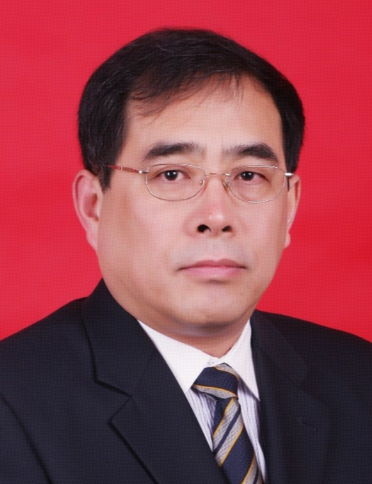 Zhifeng Wang (王志锋)合作论文数School of Public Health, Health Science Center, Peking University4Jun Gao (高军)合作论文数4Yosikazu Nakamura合作论文数4
 Huanqiang Wang (王焕强)合作论文数National Institute for Occupational Health and Poison Control, Chinese Center for Disease Control and Prevention4Yan Xiu (修燕)合作论文数4
 Yan Guo (郭岩)合作论文数School of Public Health, Peking University4
 Xuesong Yang (杨雪松)合作论文数Peking University Third Hospital4
 Elina Hemminki合作论文数National Institute of Health and Welfare;University of Helsinki;Tampere University4Tomisaku Kawasaki合作论文数3colette合作论文数3shane合作论文数3thomas合作论文数3chengbiao wang (王成彪)合作论文数3Fu-hua WANG (王富华)合作论文数3DongXing Liu (刘东兴)合作论文数3Zhi Song (宋智)合作论文数3XueJing Wang (王雪静)合作论文数3DongMei Wang (王冬梅)合作论文数3
 Eryong Liu (刘二勇)合作论文数中国疾病预防控制中心3
 Shiming Cheng (成诗明)合作论文数中国防痨协会3
 Sen Huang (黄森)合作论文数R&D Center of High Frequency & High Voltage Devices and Integrated Technology, Institute of Microelectronics, Chinese Academy of Sciences;University of Chinese Academy of Sciences3
 Dame Margaret Whitehead合作论文数Institute of Population Health, Faculty of Health & Life Sciences, University of Liverpool3
 Wen Feng合作论文数Institute of Automation Chinese Academy of Sciences, Institute of Automation Chinese Academy of Sciences3




