Background Preoperative assessment of distal Achilles tendon stump length is important for surgical planning in acute Achilles tendon rupture (AATR). However, whether routine magnetic resonance imaging (MRI) is necessary for all patients remains controversial. This study evaluated the value of physical examination (PE), ultrasonography (US), and MRI in assessing the effective length of the distal Achilles tendon (ELDAT). Methods This retrospective diagnostic study included 247 patients with AATR who underwent open repair between June 2020 and July 2021. Preoperative PE, US, and MRI measurements of ELDAT were compared with intraoperative length (IL), which represented the clinically repairable distal tendon stump available for fixation. Insufficient distal stump length was defined as IL < 2 cm. Diagnostic performance metrics were calculated. An exploratory threshold of PE > 3 cm was evaluated for its potential rule-out utility. Results Among 247 patients, 10 (4.0%) demonstrated insufficient distal stump length intraoperatively. PE systematically underestimated ELDAT compared with IL [mean difference (MD), − 0.46 cm; p < 0.001], whereas US overestimated stump length (MD, 0.22 cm; p < 0.001). MRI showed the smallest measurement bias and no significant difference from IL (MD, 0.06 cm; p = 0.262). MRI demonstrated the highest overall diagnostic performance, while PE showed comparable negative predictive value (98.7%). Notably, no patient with PE-measured ELDAT > 3 cm had IL < 2 cm. Application of this exploratory threshold yielded a sensitivity and negative predictive value of 100% and could potentially avoid MRI examinations in 79.8% of patients in this cohort. Conclusions PE serves as a simple clinical tool to screen for insufficient ELDAT. A PE-measured ELDAT > 3 cm can be used as a preliminary threshold to avoid unnecessary MRI scans.
Background The optimal rehabilitation strategy after acute Achilles tendon rupture (AATR) repair remains controversial. Although early weight-bearing (EWB) may promote functional recovery, the clinical implementation of such protocols is currently limited by a lack of objective criteria to guide progression. This study evaluated the safety and effectiveness of an ultrasound-guided early weight-bearing (USEWB) protocol following open repair of AATR. Methods This retrospective cohort study included 64 patients who underwent open repair for AATR between March 2025 and September 2025. Patients were divided into a USEWB group (n = 31) or a conventional rehabilitation (CR) group (n = 33) according to the postoperative rehabilitation protocol. Functional outcomes were evaluated at 2, 4, 6, 8, 12, and 16 weeks postoperatively. The calf circumference difference (CCD), Achilles tendon resting angle (ATRA), Achilles Tendon Rupture Score (ATRS), and postoperative complications were subjected to statistical analysis. Linear mixed-effects models were used for longitudinal analysis. Results In both the ITT and PP populations, USEWB significantly accelerated early functional recovery, demonstrating higher ATRS scores at 4, 8 and 12 weeks and smaller CCD at 8, 12, and 16 weeks postoperatively compared with CR. In the PP population, USEWB exhibited a significantly lower ATRA at 8 weeks postoperatively (p = 0.017). No significant differences were observed in complication rates between groups. Conclusion USEWB after open AATR repair appears to accelerate early functional recovery without increasing the risk of tendon elongation or postoperative complications. This strategy may provide a practical approach for individualized rehabilitation after Achilles tendon repair.
Erectile dysfunction (ED) is prevalent after traumatic cervical spinal cord injury (CSCI), yet predictive tools for postoperative recovery remain underdeveloped. This study aimed to develop a clinical prediction model for erectile function recovery in male patients undergoing posterior cervical surgery for incomplete traumatic CSCI (iCSCI). In this retrospective cohort study, 207 male patients (aged 18–60 years) with iCSCI (ASIA grades B–D) who underwent posterior cervical decompression between 2018 and 2023 were included. Erectile function was assessed using the International Index of Erectile Function-5 (IIEF-5) at protocol-defined 3-month and 2-year postoperative follow-up visits. Improvement was defined as an increase of ≥ 1 severity category. Candidate predictors were screened via univariate analysis (P ≤ 0.20) and correlation assessment, followed by forward stepwise logistic regression. Model performance was evaluated using area under the receiver operating characteristic (ROC) curve (AUC) and internally validated via bootstrapping. Median total follow-up was 41.00 months. Overall, 72.5
Achilles tendon rupture (ATR) is a common and disabling injury, especially among athletes, and typically requires surgical intervention for optimal recovery. The assessment of tendon stump morphology, traditionally reliant on two-dimensional ultrasound imaging, can be limited in its accuracy and fails to provide a comprehensive understanding of tendon shape and structure, which impedes surgical planning (minimally invasive versus open surgery). While magnetic resonance imaging (MRI) offers more detailed and three-dimensional visualization, no standardized classification system has been established based on MRI for guiding clinical treatment decisions. This retrospective observational study was conducted between 2020 and 2023. We analyzed the records of 1,525 patients diagnosed with ATRs. After excluding patients without MRI or those whose scans did not meet our high-resolution criteria, 262 patients were included. MRI scans were independently reviewed by two musculoskeletal radiologists and two orthopedic surgeons, with discrepancies resolved by consensus, to generate three-dimensional models of the tendon rupture morphology. Boundary lines of the ruptured tendons were extracted and processed in the coronal and sagittal planes. Based on this detailed mapping, a novel classification system was developed and assessed for inter- and intra-rater reliability, and surgical procedures were analyzed in relation to tendon stump morphology. MRI was successfully utilized to assess the morphology of ATR tendon stumps, revealing detailed three-dimensional mapping that revealed consistent patterns in tendon shape and location. The mapping led to the proposal of a novel classification system, which categorizes tendon stumps into four types: Type A (neat, 9.2
To evaluate the diagnostic performance of dual-energy computed tomography (DECT) Rho/Z mapping and cinematic rendering (CR) for detecting Achilles tendon rupture. In this prospective study, 117 consecutive patients (median age, 40 years; IQR, 32.8–44.0; range, 17–62) underwent DECT between January and September 2024. MRI served as the reference for rupture diagnosis and quantitative measures (location and gap). For complex/atypical tears (partial tears, avulsion fractures, intratendinous calcifications), operative findings were used as the reference standard. Three independent readers, blinded to the reference, interpreted images in three sessions (grayscale CT, DECT Rho/Z, and CR) to determine rupture presence, location, and gap. Diagnostic metrics (AUC, sensitivity, specificity, accuracy, PPV/NPV) were calculated; Rho/Z cutoffs were derived by ROC analysis. In total, 194 DECT/CR datasets were analyzed (77 bilateral = 154; 40 unilateral = 40). DECT Rho/Z and CR outperformed grayscale CT for rupture detection with AUCs > 0.90 (all P < 0.001). Consensus reader accuracy was higher for DECT (94.9
Osteoporosis (OP) is increasingly recognised as a disorder driven by impaired lineage allocation of bone marrow stromal cells (BMSCs), characterised by a shift from osteogenesis toward adipogenesis under conditions such as oestrogen deficiency and oxidative stress. Although gut microbiota‑derived metabolites have emerged as critical regulators of skeletal homeostasis, their direct role in BMSC fate determination remains poorly understood. In the present study, indole‑3‑propionic acid (IPA) was identified, a metabolite produced by Clostridium sporogenes, as a key regulator of bone‑fat balance. Integrative analyses combining 16S rRNA sequencing, metabolomics, transcriptomics and functional assays revealed that IPA levels were significantly reduced in ovariectomised mice and positively correlated with bone mass. Functionally, IPA protected BMSCs from oxidative stress‑induced apoptosis, restored osteogenic capacity, and suppressed adipogenic differentiation. Mechanistically, RNA sequencing and molecular docking analyses demonstrated that IPA modulates the peroxisome proliferator‑activated receptor gamma (PPARγ) signalling pathway, thereby reprogramming BMSC lineage commitment. In vivo, oral administration of IPA markedly improved trabecular bone microarchitecture, enhanced bone formation, and corrected marrow adiposity without detectable systemic toxicity. Collectively, the present findings identified IPA as a previously under‑recognised microbiota‑derived metabolite that maintains skeletal homeostasis by restoring the osteogenic‑adipogenic balance through suppression of PPARγ signalling. The present study uncovers a mechanistic link between gut microbial metabolism and BMSC fate regulation and highlights IPA as a promising therapeutic candidate for OP.
ankylosing spondylitis related subaxial cervical fracture-dislocations (ASCF) are highly unstable, frequently traverse the three columns, and often occur at the disc level, leading to substantial neurological risk. Optimal surgical approach—anterior, posterior, or combined 360° fixation—remains debated, particularly when long-segment (≥ 4 levels) stabilization is required. This two-center retrospective cohort included 162 consecutive AS patients with subaxial cervical (C3–C7) fracture–dislocations treated from January 2014 to December 2023. Patients underwent either a modified anterior long-segment fixation (anterior group, n = 66), long-segment posterior fixation (posterior group, n = 54), or combined anterior–posterior fixation (combined group, n = 42). The modified anterior technique was defined as an anterior construct spanning 4 vertebral levels, incorporating temporary screw compression and multiplanar divergent screw trajectories to enhance stability. Primary outcomes were operative time, intraoperative blood loss, fracture union time, and complication rate. Radiographic stability and neurological status (Frankel grade) were assessed at final follow-up. Mean follow-up was 33.6 ± 11.8 months (range, 12–58). The modified anterior approach demonstrated significantly shorter operative time (103.1 ± 16.6 min), less blood loss (92.7 ± 27.2 mL), and a lower overall complication rate (9.1
To compare functional, radiographic, and safety outcomes between internal brace (IB) augmentation and modified Broström-Gould (MBG) repair for chronic lateral ankle instability (CLAI), and to determine whether IB provides clinically relevant advantages over conventional anatomic repair. A systematic review and meta-analysis was conducted in accordance with PRISMA 2020 and prospectively registered in PROSPERO. PubMed/MEDLINE, Embase, Cochrane CENTRAL, Web of Science, and Scopus were searched from inception to January 2026. Randomized controlled trials and observational studies comparing IB augmentation with MBG repair for CLAI were included. The primary outcome was the Foot and Ankle Ability Measure (FAAM) Sports score. Secondary outcomes included Foot and Ankle Outcome Score (FAOS), American Orthopaedic Foot Ankle Society (AOFAS) score, return-to-sport time and rate, complications, recurrence, talar tilt angle (TTA), anterior talar translation (ATT), and operative time. Risk of bias was assessed using RoB 2 and ROBINS-I. Random-effects meta-analyses were performed. Thirteen comparative studies involving 1,015 patients (472 IB, 543 MBG) were included. IB was associated with a significant improvement in FAAM Sports score versus MBG (mean difference [MD] + 4.59; 95
Background:This retrospective study aimed to compare the efficacy of internal fixation using headless compression screws (HCS) and radial head locking plate (RLP) for comminuted radial head and neck fractures with no more than 3 displaced fragments. Methods:This retrospective study included 84 patients with radial head and neck fractures treated at Peking University Third Hospital between January 2013 and December 2022, with 38 and 46 patients in the HCS and RLP groups, respectively. The main outcome was the comparison of complications between the two groups. Demographic data, pre-operative time (POT), operation time (OT), and hospital stay time (HST) were also recorded. The Mayo Elbow Performance Score (MEPS), range of movement of the elbow and forearm, and reasons for re-operation were compared between the two groups. Results:All patients were followed up for an average of 66.4 months (range, 20-135 months). One patient in each group underwent radial head replacement due to non-union, while the remaining patients achieved bone union. There was no statistically significant difference in the clinical outcomes between the two groups (p > 0.0023). Additionally, the re-operation rate due to symptomatic hardware was significantly higher in the RLP group (28.3%) than that in the HCS group (2.6%, p = 0.002). Conclusion:For internal fixation of comminuted radial head and neck fractures with no more than three displaced fragments, both HCS and RLP achieved good outcomes. However, the RLP increased the incidence of complications and re-operation associated with internal fixation compared to HCS.
Bone homeostasis relies on the coordinated activities of bone-forming osteoblasts and bone-resorbing osteoclasts. Disruption of this balance leads to osteoporosis, a highly prevalent bone disease with substantial health impacts in middle-aged and older adults. There is accumulating evidence linking the development of osteoporosis to alterations in the gut microbiota and its metabolite profile. The gut metabolite indole and its derivatives were shown to have beneficial effects in multiple metabolic diseases. However, their effects on bone homeostasis remain unclear. This study identified alterations in the gut microbiota and decreases in levels of tryptophan metabolites in an ovariectomized (OVX) estrogen deficiency-induced osteoporosis mouse model, characterized by decreased abundance of Lactobacillus and Clostridium species in the gut and reduced serum levels of indoleacrylic acid (IA), indoleacetic acid (IAA), and indolepropionic acid (IPA). IA showed a significant positive correlation with bone mass. Specifically, IA inhibited RANKL-induced aryl hydrocarbon receptor (AhR) and c-Fos expression, reducing nuclear translocation of p-p65 in bone marrow macrophages (BMMs), ultimately resulting in suppression of osteoclast resorption activity. AhR acts as a key positive regulator in the process of osteoclastogenesis, and its overexpression restored IA-mediated inhibition of osteoclast formation. In vivo, daily IA supplementation protected mice against OVX-induced bone loss, with higher PINP and lower CTX-1 levels. Taken together, these findings identified IA as a promising therapeutic candidate capable of suppressing osteoclastogenesis through an AhR-dependent mechanism, providing mechanistic insight and a potential strategy for the treatment of postmenopausal osteoporosis.
BACKGROUND:Cervical spinal cord injury (CSCI) without fracture or dislocation (CSCIWFD) frequently results in significant male sexual dysfunction, yet comprehensive studies on recovery patterns and predictive factors remain limited. METHODS:This retrospective cohort study evaluated 187 male CSCIWFD patients treated with posterior laminoplasty, with serial assessments at 3-month, 2-year, and final follow-up (median 57 months). Neurological function was assessed using the American Spinal Injury Association (ASIA) Impairment Scale, while sexual function was quantified through validated measures: the International Index of Erectile Function-5 (IIEF-5), the Premature Ejaculation Diagnostic Tool (PEDT), and the International Spinal Cord Injury Male Sexual Function (ISCI-MSF) Basic Data Set. Comprehensive radiographic evaluation included minimal Torg-Pavlov ratio (TPRmin), median Torg-Pavlov ratio (TPRmedian), spinal cord compression rate, and magnetic resonance imaging-based high cord signals (HCS). Demographic and perioperative variables (age, body mass index, preoperative hemoglobin, injury-to-surgery interval, operative duration, and blood loss) were systematically analyzed. RESULTS:Significant sexual dysfunction was prevalent at baseline (97.3% erectile dysfunction; 86.6% ejaculatory disorders). By 2-year follow-up, erectile function improved substantially (mean IIEF-5: 10.24 to 16.20, P < 0.05), with 72.7% achieving normal or mild-affected erectile function (P < 0.05). Ejaculatory control normalized in 87.7% of cases at the 2-year follow up (mean PEDT: 10.73 to 4.54, P < 0.05). Significant global improvements in ISCI-MSF Basic Data Set were observed over the 2-year follow-up (P < 0.001 all comparisons). Strong correlations emerged between recovery and preoperative ASIA grade (ρ = - 0.700 to -0.754), time-to-surgery (ρ = - 0.402 to -0.372), HCS (ρ = - 0.325 to -0.341), TPRmin (ρ = 0.716 to 0.772), TPRmedian (ρ = 0.690 to 0.746), and cord compression rate (ρ = - 0.707 to -0.752) (all P < 0.001). CONCLUSION:CSCI without fracture or dislocation leads to profound sexual dysfunction. Poorer outcomes correlate with delayed surgical decompression, higher ASIA impairment grades, lower TPRmin and TPRmedian, and radiographic evidence of HCS or spinal cord compression. These findings highlight the potential value of integrating neuroimaging biomarkers and psychosexual evaluation into rehabilitation strategies.
ABSTRACT Objective Postoperative pain and swelling often impede early rehabilitation after Achilles tendon repair. This study aimed to evaluate the clinical efficacy of an acupuncture‐integrated Chinese‐Western medicine accelerated rehabilitation protocol following acute Achilles tendon rupture repair. Methods We prospectively analyzed 193 patients with acute Achilles tendon rupture treated between May 2022 and November 2023. Participants were stratified into three postoperative rehabilitation groups: accelerated rehabilitation (AR, n = 69), traditional rehabilitation (TR, n = 61), and sham acupuncture (SA, n = 63). All patients underwent identical surgical procedures, with postoperative complications documented. Pain was assessed using the Visual Analog Scale (VAS) at postoperative days 1 and 4, and weeks 1, 2, and 4. Limb swelling was quantified by measuring calf and midfoot circumference differences between affected and unaffected limbs. Functional outcomes were evaluated at 12 weeks using objective measures (one‐leg heel‐rise height [OHRH] and time [OHRT]) and validated scales (Achilles tendon Total Rupture Score [ATRS], AOFAS ankle‐hindfoot score, and Holden Walking Ability Classification [HWAC]). Functional outcomes were evaluated at 12 weeks. Statistical analyses were performed using one‐way ANOVA, Kruskal–Wallis H test, χ 2 test, or Fisher's exact test as appropriate, with Bonferroni correction for multiple comparisons. Results Compared with the TR group and the SA group, the AR group had lower VAS scores on the 4th day (p < 0.001) and 1 week (p < 0.001) postoperatively, and more obvious reduction of limb swelling on the 4th day (p < 0.001) and 1 week (p < 0.001) postoperatively. At 12 weeks postoperatively, the AR group showed higher OHRH (p < 0.001) and longer OHRT (p < 0.001). There was no statistically significant difference in ATRS scores, AOFAS ankle‐hindfoot scores, and HWAC among the three groups at 12 weeks postoperatively. Conclusion The early adoption of the acupuncture‐integrated accelerated rehabilitation strategy after acute Achilles tendon rupture repair can effectively reduce pain and accelerate the resolution of swelling within 1 week after surgery, which facilitates early functional mobilization for patients. Trial Registration NCT05957614 (https://www.clinicaltrials.gov/, registered 15 July 2023)
Abstract Background The objective of this study was to evaluate and compare the safety, efficacy, and cost-effectiveness of different mobility aids during the early rehabilitation phase following surgical repair of acute Achilles tendon rupture (AATR). Methods This prospective cohort study included 198 patients who underwent surgical repair for AATR between April 2023 and February 2025, with 171 males (86.4%) and a mean age of 36.4 years. Based on the mobility aid used weeks 3–6 postoperatively, participants were categorized into four groups: Wheelchair (n = 43), Knee Scooter (n = 41), Axillary Crutches (n = 78), and Leg Support (LS) Walker (n = 36). Patients were scheduled for assessments at 2, 4, 6, 12, and 24 weeks, with an additional telephone follow-up conducted approximately one year after surgery. Primary outcomes included the rate of unplanned Emergency Department (ED) visits, the affected-to-unaffected (A: U) calf circumference ratio, and expected rehabilitation costs. Secondary outcomes encompassed the Visual Analog Scale, the Achilles Tendon Total Rupture Score, the American Orthopedic Foot & Ankle Society Ankle-Hindfoot Score, and time to key recovery milestones, including single-leg heel raise to 50% of contralateral side, return to light exercise, return to work, and return to pre-injury exercise. Continuous variables were analyzed using one-way ANOVA or Kruskal-Wallis test, and categorical variables using chi-square or Fisher’s exact test, while linear mixed-effects models were employed for longitudinal outcomes. Results During the early rehabilitation phase (Weeks 3–6), unplanned ED visit rates differed significantly among the four groups (p = 0.032), with the Axillary Crutches showing significantly higher odds than the Wheelchair (OR = 8.24, 95% CI 1.16–58.53, p = 0.040). A significant difference in the A: U ratio was observed among the four groups at 6 weeks postoperatively (p = 0.037), and post-hoc comparisons showed significant differences for LS Walker vs. Wheelchair (p < 0.001), Axillary Crutches vs. Wheelchair (p = 0.002), and LS Walker vs. Knee Scooter (p = 0.038). The LS Walker and Axillary Crutches also demonstrated superior performance in VAS, ATRS, and AOFAS scores from Week 4 to Week 12, and achieved key recovery milestones significantly earlier (p < 0.001). Economic analysis revealed the lower direct treatment costs in the Axillary Crutches (477 RMB) and Knee Scooter (539 RMB), followed by the Wheelchair (664 RMB) and LS Walker (1126 RMB) (p < 0.001). Conclusions LS Walker demonstrated superior efficacy in preserving muscle and accelerating functional recovery, while Knee Scooter offered a favorable profile for fall prevention and cost-effectiveness. Trial registration ClinicalTrials.gov (NCT04663542), registered on 22 September 2020.
Diabetic osteoporosis combines impaired bone formation with disproportionate skeletal fragility, yet the microbial metabolites linking diabetes-associated dysbiosis to bone dysfunction remain unclear. This study implicates indole-3-propionic acid (IPA), a gut microbiota-derived tryptophan metabolite, in the maintenance of skeletal homeostasis under diabetic conditions. Circulating IPA was lower in diabetic mice and in a small exploratory cohort of patients with diabetic osteoporosis. IPA concentrations were positively associated with bone mass. Metagenomic profiling linked lower IPA to impaired microbial tryptophan metabolism and reduced Clostridium abundance. In diabetic mice, IPA supplementation improved trabecular microarchitecture and bone formation. In bone marrow mesenchymal stem cells subjected to high glucose and palmitate, IPA also restored GPX4 and SLC7A11 expression and was associated with recovery of Nrf2-mediated antioxidant signaling. Pharmacological inhibition of Nrf2 substantially attenuated these anti-ferroptosis and pro-osteogenic effects. Together, these findings support a gut microbiota-IPA-Nrf2-ferroptosis pathway linking altered microbial tryptophan metabolism to impaired osteogenesis. They provide a rationale for evaluating IPA as a potential therapeutic strategy for diabetic osteoporosis.
Ultrasound Tomography (UT) is a radiation-free, high-resolution modality, but remains limited for musculoskeletal imaging due to the high computational cost and instability of full-waveform inversion in strongly scattering media. We propose a generative neural physics framework that couples generative networks with physics-informed neural simulation for fast, high-fidelity 3D UT. By learning a compact surrogate of ultrasonic wave propagation from a limited set of cross-modality images, our method merges the accuracy of wave modeling with the efficiency and stability of deep learning. This enables accurate quantitative imaging of in vivo musculoskeletal tissues, producing spatial maps of acoustic properties beyond reflection-mode images. On synthetic and in vivo data of breasts, arms, and legs, we reconstruct 3D maps of tissue parameters in under ten minutes, with sensitivity to acoustic variations in musculoskeletal tissues and resolution comparable to MRI. By overcoming computational bottlenecks in strongly scattering regimes, this approach demonstrates the feasibility of quantitative UT for musculoskeletal imaging and advances its development toward future routine clinical use.
Individualized rehabilitation after acute Achilles tendon rupture (AATR) repair is important. The aim of this study was to evaluate and compare the short-term clinical effects of different rehabilitation processes following open surgery for AATR based on ultrasonography (US) monitoring. This retrospective cohort study included 80 patients (mean age, 32.0 ± 4.4 years) who underwent open surgery for AATR repair between March 2022 and May 2023. The patients were categorised into two groups (ultrasound-guided rehabilitation group, UR, and conventional rehabilitation group, CR) according to whether postoperative rehabilitation relied on US monitoring. All patients received the same suture technique and immobilisation duration; they were clinically examined at 2, 4, 6, 8, 10, 12, 14, and 16 weeks postoperatively, with a final follow-up at a mean of 18.8 months. The primary outcome was the recovery time for the one-leg heel-rise height (OHRH). Secondary outcomes included the time required to return to range of motion(ROM) and light exercise (LE), the clinical function scores, and complications. Data regarding the surgical duration, the visual analogue scale (VAS) score for pain, the Achilles tendon Total Rupture Score (ATRS), and the American Orthopaedic Foot and Ankle Society (AOFAS) Ankle-Hindfoot Scale score were also collected. The recovery times for OHRH (11.6 ± 2.1 vs. 12.1 ± 1.4) and LE (17.2 ± 1.7 vs. 18.3 ± 2.2) were significantly shorter in group UR than in group CR (P < 0.05). The VAS scores decreased over time, reaching 0 in both groups by 10 weeks. ATRS and the AOFAS Ankle-Hindfoot scale score increased across both groups over time, showing significant between-group differences from 4 to 14 weeks(36.2 ± 9.7 vs. 28.4 ± 5.7; 61.0 ± 12.3 vs. 52.2 ± 6.8; 76.1 ± 9.7 vs. 69.7 ± 5.1; 87.2 ± 8.4 vs. 82.1 ± 4.6; 93.8 ± 5.8 vs. 91.6 ± 4.0; 96.7 ± 2.8 vs. 96.1 ± 2.0; P < 0.05) and 4 to 8 weeks (67.6 ± 7.9 vs. 60.1 ± 4.8; 77.8 ± 11.7 vs. 68.9 ± 7.4; 94.9 ± 9.8 vs. 92.9 ± 7.9; P < 0.05). The mean scores were better in group UR than in group CR. Three re-ruptures (3.8
BackgroundTo compare the anesthetic and analgesic effects of popliteal sciatic nerve block and intrathecal anesthesia in acute Achilles tendon rupture patients undergoing surgery.MethodsThis retrospective cohort study analyzed 115 patients with acute Achilles tendon rupture who underwent surgery at Peking University Third Hospital between May and November 2023. After excluding cases lost to follow-up or declining participation, 96 patients were ultimately enrolled. Patients were divided into two groups based on the different anesthesia methods they received: the popliteal sciatic nerve block group (BG) and the spinal anesthesia group (SAG). The anesthesia effects intraoperatively were compared between the two groups using puncture satisfaction, immediate complications of puncture, anesthesia operation time, and puncture pain evaluation. Postoperative analgesic and anesthesia recovery effects were compared between the two groups using visual analog scale (VAS), analgesic satisfaction score, sleep score, and time to complete sensory recovery. Ankle joint mobility was used to compare postoperative motor recovery between the two groups.ResultsStatistical analysis revealed that in terms of anesthesia effectiveness, the BG had a shorter anesthesia operation time (1.95 ± 0.40 min) than the SAG (7.44 ± 1.90 min), and the BG (5.4%) had fewer immediate puncture complications than the SAG (25.0%). Regarding analgesic effectiveness, the BG (4.10 ± 0.09) had higher analgesic satisfaction compared to the SAG (3.14 ± 0.11), and within 48 h postoperatively, wound VAS scores in the BG were consistently lower than those in the SAG. Postoperatively, the time for complete sensory recovery in the affected lower limb in the BG (9.29 ± 0.41 h) was significantly longer than that in the SAG (6.09 ± 0.42 h).ConclusionCompared to intrathecal anesthesia, the use of popliteal sciatic nerve block (PSNB) in Achilles tendon repair surgery resulted in shorter anesthesia operation time, fewer immediate puncture complications, higher patient satisfaction with analgesia, and longer duration of analgesic effect. PSNB may be preferred for reduced complications and prolonged analgesia.
Vascularization is key to the biofabrication of large‐scale tissues. Despite the progress, there remain some outstanding challenges, such as limited vessel density, difficulty in fabricating microvasculatures, and inhomogeneity of post‐seeding cells. Here, a new form of bioink called microfiber‐templated porogel (µFTP) bioink is introduced to engineer vasculatures down to the filament building blocks of 3D bioprinted hydrogels. The cell‐laden sacrificial microfibers (diameter ranges from 50–150 µm) are embedded in the bioink to template tubular voids and deliver endothelial cells for in‐situ endothelialization. The inclusion of softening hydrogel microfibers retains the desirable rheological properties of the bioink for extrusion‐based bioprinting and the microfibers are well inter‐contacted in the extruded filament. Such bioinks can be printed into a well‐defined 3D structure with tunable tubular porosities up to 55%. Compared to the conventional bulk bioink counterpart, the µFTP bioink supports the significant growth and spread of endothelial cells either embedded in the matrix or sacrificial fibers, free of the post‐cell seeding procedure. Furthermore, the bioprinted scaffolds based on µFTP bioink are seen to significantly promote the in‐growth of blood vessels and native tissues in vivo. The µFTP bioink approach enables the engineering of tubular bio‐interfaces within the building blocks and contributes to the in‐situ endothelialization of microvasculatures, providing a versatile tool for the construction of customized vascularized tissue models.
Background The postoperative ileus (PI) was an unusual adverse effect, and the incidence and risk factors were still unclear. The purpose of present study was to clarify the prevalence of PI and elucidate the risk factors for PI following posterior spinal instrumentation in thoracic and lumbar spine fractures. Methods We retrospectively analyzed patients who developed PI after posterior spinal instrumentation in thoracic and lumbar spine fractures. For each PI patient, data were collected for two controls who underwent procedures in the same period and did not develop PI. Statistical methods included univariate and multivariate analyses. The logistic regression analysis was performed to evaluate risk factors of PI following posterior spinal instrumentation in thoracic and lumbar spine fractures. Results 14 patients suffered from PI were included in the PI group and 28 patients without PI were included in the no PI group. Univariate analysis showed that previous abdominal surgery, a lower serum hemoglobin and albumin level, a longer LOS, neurologic deficit, a higher proportion of multi-level fractured vertebrae, longer operation time, greater estimated blood loss and RBC transfusion were associated with the occurrence of PI (P < 0.05). The multivariable logistic regression analysis showed that previous abdominal surgery (OR, 9.857; 95%CI, 1.069 ~ 90.860; p = 0.043) and multi-level fractured vertebrae (OR, 15.410; 95%CI, 2.136 ~ 111.158; p = 0.007) were the independent risk factors for PI (P < 0.05, respectively). Conclusion The PI should be considered as a differential diagnosis in patients with postoperative significant abdominal distension who had undergone posterior instrumentation for spinal trauma. A previous abdominal surgery and multi-level fractured vertebrae were independent risk factors for PI following posterior spinal instrumentation in thoracic and lumbar spine fractures. Knowledge of the associated predictive risk factors could potentially assist with the development of rigorous, evidence-based preventative strategies.
 Fang Zhou (周方)合作论文数Peking University Third Hospital88
 Zhishan Zhang (张志山)合作论文数Department of Orthopaedic, Peking University Third Hospital46
 Hongquan Ji合作论文数45
 Yan Guo (郭琰)合作论文数Department of Orthopedics, Peking University Third Hospital45
 Guojin Hou (侯国进)合作论文数Department of Orthopaedic Surgery, Peking University Third Hospital32Yuan Cao合作论文数28Zhongwei Yang合作论文数27Jixing Fan合作论文数25
 Yun Tian (田沄)合作论文数School of Artificial Intelligence, Beijing Normal University25Gao Si合作论文数14Xiangyu Xu合作论文数13zengzhen cui (崔增桢)合作论文数10
 Youliang Hao合作论文数7
 Zhongjun Liu (刘忠军)合作论文数Peking University Third Hospital7Z W Yang合作论文数5
 Bingchuan Liu (刘冰川)合作论文数School of Environmental Science & Engineering, Huazhong University of Science and Technology5
 Xiaoguang Liu (刘晓光)合作论文数Peking University Health Science Center;Peking University Third Hospital;Peking University International Hospital5
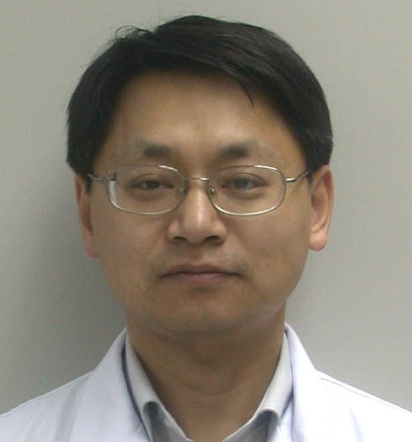 Liang Jiang (姜亮)合作论文数Peking University Third Hospital5Rui-Deng Wang合作论文数4Jinwu Bai合作论文数4Ailing Li合作论文数4
 Feng Wei (韦峰)合作论文数Department of Orthopaedic, Peking University Third Hospital4Dang Geng-Ting (党耕町)合作论文数4Shi‐long Su合作论文数3Shan Gao合作论文数3Pengfei Li合作论文数3
 Dong Qiu (邱东)合作论文数Institute of Chemistry, Chinese Academy of Sciences3
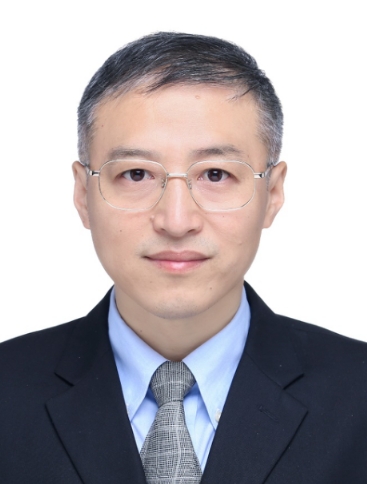 Yufeng Zheng (郑玉峰)合作论文数School of Materials Science and Engineering, Peking University3
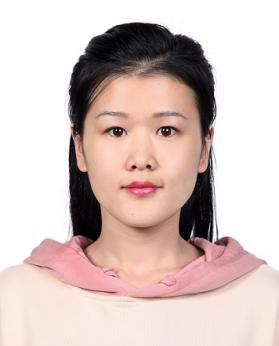 Kunjie Yuan (苑坤杰)合作论文数School of Materials Science and Engineering, University of Science and Technology Beijing2Rubing Zhou合作论文数2Junbo Qi合作论文数2Wenliang Ji合作论文数2Yanlei Dong合作论文数2Shan GAO (高山)合作论文数2Mulin Qin合作论文数2Huihui Ren合作论文数2Yunfei Hou合作论文数2Chuan Sun合作论文数2Ya-Wen ZHANG (张雅文)合作论文数2ZHAO Yang (赵杨)合作论文数2Yawen Zhang合作论文数2YUAN Liang (袁亮)合作论文数2YunFei Hou (侯云飞)合作论文数2QingJun Ma (马庆军)合作论文数2YuWei Li (李玉伟)合作论文数2Liliang Ouyang (欧阳礼亮)合作论文数2




