This study aimed to discover key genes associated with the in-vitro-fertilization embryo transfer (IVF‑ET) outcomes and develop new prediction models, as well as potential drugs. We enrolled the following infertile women who received IVF-ET between Sep 8, 2018, and Oct 19, 2021. The endometrial biopsy was performed for RNA sequencing. The differentially expressed genes (DEGs) were identified, based on which two models were developed for prediction of clinical pregnancy and live birth. Besides, we screened key pregnancy-lower and pregnancy-higher genes and identified candidate drugs that modulate the expression of key genes. Overall, 147 patients received IVF-ET, including 92 patients in the pregnancy group and 55 in the no-pregnancy group. We initially identified 180 differentially expressed genes (DEGs) between pregnancy and no-pregnancy groups, including 131 pregnancy-lower and 49 pregnancy-higher genes. After covariate-adjusted sensitivity analyses (age, RIF status, right-side AFC, and cycle type), 168 of these DEGs (93.3
Objective: To explore the association between snoring and in vitro fertilization (IVF) outcomes in infertile women, focusing on embryological parameters and pregnancy outcomes. Methods: This study represents a secondary analysis of the PKU-ERC study (NCT05373290). We included a cohort of 632 infertile women, aged 24-45 years, undergoing their first IVF treatment from the Reproductive Center of Peking University People's Hospital between January 2018 and November 2021. All patients with the assistance of their husbands completed a questionnaire including snoring status and frequency before ovulation induction (OI). Embryology parameters were evaluated during the first IVF cycle, and pregnancy outcomes were assessed through follow-up. Results: Among 579 subjects, 33.5 % reported occasional snoring, and 8.8 % reported frequent snoring. After adjusting for confounding factors, multiple linear regression model showed that frequent snorers had higher beta-coefficients for the number of blastocysts and available embryos compared to non-snorers (both P < 0.05). Among 551 subjects who completed the first embryo transfer, 6.2 % suffered biochemical pregnancy loss. Frequent snorers were more likely to experience biochemical pregnancy loss compared to non-snorers and occasional snorers (5.7 % vs. 14.6 %, P = 0.033; 4.8 % vs. 14.6 %, P = 0.026). Multivariable analysis revealed that frequent snoring was a risk factor for biochemical pregnancy loss (adjusted odds ratio, aOR: 2.95, 95 % confidence interval, CI: 1.06-8.24, P = 0.039), while high-density lipoprotein cholesterol (HDL-C) level was a protective factor after IVF (aOR: 0.21, 95 % CI: 0.05-0.92, P = 0.038). Conclusion: Frequent snoring is associated with a decreased number of available oocytes and an increased risk of biochemical pregnancy loss following IVF. However, the potential influence of undiagnosed obstructive sleep apnea (OSA) should be considered when interpreting these results.
BackgroundAge-related fertility decay is a great challenge for clinicians. Growth hormone (GH) supplementation has been studied as an adjuvant since late 1980s. However, it has not come to a consensus on the GH administration due to the ambiguous efficacy among studies with different enrolled population and dosage regime.MethodsA self-controlled retrospective study was conducted on women with advanced maternal age who underwent at least a previous cycle without GH (GH−) and a subsequent cycle with GH co-treatment (GH+). The ovarian stimulation parameters and outcomes were compared between the two cycles and logistical analysis was applied to further explore the association between GH administration protocol as well as other clinical parameters and cumulative live birth in GH+cycle.ResultsA total of 150 women aged 35-43 were included. The number of oocytes retrieved, MII oocytes, 2PNs, transferrable embryos and good-quality embryos in GH+ significantly increased (p < 0.001). The proportion of cycles with no transferrable embryos was significantly reduced in GH+ cycle compared with previous GH− cycle (3 vs. 32; p < 0.001). GH co-treatment cycles showed significantly higher clinical pregnancy rates (43.75% vs. 6.06%; 38.35% vs. 12.04%, p < 0.001), live birth rates (29.17% vs. 0; 27.07% vs. 0, p < 0.001) in both fresh and frozen-thawed embryo transfer cycle. Cumulative live birth rate of the GH+ cycle reached 33.33%. Use of GH prior to Gn stimulation and lasting until the hCG day seemed to achieve a higher successful live birth rate (OR 2.312, 95%CI 1.074-5.163, p=0.032).ConclusionGH supplementation could ameliorate pregnancy outcome in women with advanced maternal age. Dosage regimen of long-term pretreatment prior to Gn stimulation (4 IU every other day) and 4 IU per day until hCG day may of greater efficacy compared with concurrent administration with Gn. Additionally, it’s worthy of exploring whether an individualized dosage regimen based on the IGF or IGFBP level of patient would be more reasonable and effective. More well-designed prospective trials with large sample size and fundamental experiments on the mechanism are required to testify findings above.
Objective:To gain insights into the diagnosis and treatment of retroperitoneal para-aortic ectopic pregnancies(RPEP). Methods:We conducted a review of the existing literature from the web of science,PubMed,and CNKI using the search terms"ectopic pregnancy"and"retroperitoneal."The present review follows the Preferred Reporting Items for Systematic Reviews and Meta-Analysis(PRISMA)guidelines. Results:After applying the inclusion and exclusion criteria,we included a total of 54 relevant works,encom-passing 55 cases.The studies have revealed that a history of artificial abortion,embryo transfer,salpingectomy,and uterine cavity operation,accounted for 65.5%(36/55)of the cases.Typical symptoms of RPEP include abdominal pain(43.6%,24/55)and vaginal bleeding(36.4%,20/55),with only 32.7%(18/55)of cases being asymptomatic.The most common sites of RPEP are the abdominal aorta and the inferior vena cava(74.5%,41/55).There were no statistically significant differences in the incidence of acute abdomen,diameter of the pregnancy sac,number of surgeries,and the time for postoperative hCG to normalize in different pregnant site.The most effective imaging examination for RPEP was found to be abdominal ultrasound(72.7%,40/55),and the most commonly used treatment method was laparoscopy surgery(55.3%,21/38). Conclusion:It is crucial to consider the possibility of RPEP when a pregnancy mass cannot be located during routine examinations.Expanding the scope of the scan may significantly expedite diagnosis and treatment.
Background The decline in the quantity and quality of mitochondria are closely associated with infertility, particularly in advanced maternal age. Transferring autologous mitochondria into the oocytes of infertile females represents an innovative and viable strategy for treating infertility, with no concerns regarding ethical considerations. As the donor cells of mitochondria, stem cells have biological advantages but research and evidence in this area are quite scarce. Methods To screen out suitable human autologous ooplasmic mitochondrial donor cells, we performed comprehensive assessment of mitochondrial physiology, function and metabolic capacity on a varity of autologous adipose, marrow, and urine-derived mesenchymal stromal cells (ADSC, BMSC and USC) and ovarian germline granulosa cells (GC). Further, to explore the biosafety, effect and mechanism of stem cell-derived mitochondria transfer on human early embryo development, randomized in-vitro basic studies were performed in both of the young and aged oocytes from infertile females. Results Compared with other types of mesenchymal stromal cells, USC demonstrated a non-fused spherical mitochondrial morphology and low oxidative stress status which resembled the oocyte stage. Moreover, USC mitochondrial content, activity and function were all higher than other cell types and less affected by age, and it also exhibited a biphasic metabolic pattern similar to the pre-implantation stage of embryonic development. After the biosafety identification of the USC mitochondrial genome, early embryos after USC mitochondrial transfer showed improvements in mitochondrial content, activity, and cytoplasmic Ca 2+ levels. Further, aging embryos also showed improvements in embryonic morphological indicators, euploidy rates, and oxidative stress status. Conclusion Autologous non-invasively derived USC mitochondria transfer may be an effective strategy to improve embryonic development and metabolism, especially in infertile females with advanced age or repeated pregnancy failure. It provides evidence and possibility for the autologous treatment of infertile females without invasive and ethical concerns.
Synopsis Immunotherapy therapy can improve live birth rate in women with implantation failure. Patients may benefit more if they have elevated peripheral Th17/Treg ratio.
Endometrial receptivity refers to the ability of the endometrium to allow blastocyst location, adhesion, penetration, implantation, and to promote embryo implantation and development. The study of endometrial characteristics during implantation to find markers of endometrial receptivity has long been a hot topic of research. Although progress has been made, there is still a lack of recognized markers for predicting clinical pregnancy. Recent studies have shown that aspiration of uterine fluid has no negative effect on embryo implantation and can be studied as a non-invasive test. At the same time, it was found that there were extracellular vesicles in uterine fluid, in which miRNA, protein, DNA and lipid play an important role in the reproductive process of follicle development and maturation, embryo development and implantation, etc., and it is expected to be used as endometrial receptivity markers and therapeutic targets in the future. In this article, we will review the research progress of uterine fluid extracellular vesicles in the evaluation of endometrial receptivity.
RESEARCH QUESTION:What are conception rates and pregnancy outcomes after laparoscopic treatment of subtle distal tubal abnormalities among infertile women, and which factors relate to natural conception? DESIGN:Prospective cohort study (n = 234) conducted in a single fertility referral centre between January 2017 and December 2018. Subtle abnormalities included fimbrial agglutination, tubal diverticula, accessory ostium, fimbrial phimosis and accessory fallopian tube. Pregnancy outcomes were followed-up annually until 36 months. RESULTS:One hundred and nine patients conceived naturally (natural conception rate 46.6%), and 59 patients conceived after IVF. Term live birth rate of the natural conception group was significantly higher than the IVF conception group (86.2% versus 71.2%, chi-squared = 5.625, P = 0.018). Preterm birth (11.9% versus 0%, P = 0.001) and multiple pregnancy rates (27.1% versus 0%, P < 0.001) of the IVF conception group were significantly higher than the natural conception group. Patient age (hazard ratio = 0.917, 95% CI 0.870 to 0.967, P = 0.001), duration of infertility (hazard ratio = 0.846, 95% CI 0.740 to 0.966, P = 0.014) and concurrent types of subtle abnormalities (hazard ratio = 0.636, 95% CI 0.416 to 0.970, P = 0.036) were factors associated with natural conception. CONCLUSIONS:Laparoscopy is an effective treatment for infertile patients with subtle abnormalities, especially for young patients with a short infertile period and at most two types of subtle abnormalities. For older women, a long infertile period and more than two types of subtle abnormalities, IVF may be more suitable after laparoscopic diagnosis.
For individual cultures, findings on regulating embryo density by changing the microdrop volume are contradictory. The aim of this study was to investigate the relationship between embryo density and the developmental outcome of day 3 embryos after adjusting covariates. In total, 1196 embryos from 206 couples who had undergone in vitro fertilization treatment were analyzed retrospectively. Three embryo densities were used routinely, i.e. one embryo in a drop (30 μl/embryo), two embryos in a drop (15 μl/embryo) and three embryos in a drop (10 μl/embryo). Embryo quality on day 3 was evaluated, both the cell number of day 3 embryos and the proportion of successful implantations served as endpoints. Maternal age, paternal age, antral follicles and level of anti-Müllerian hormone, type of infertility, controlled ovarian stimulation protocol, length of stimulation, number of retrieved oocytes, number of zygotes (two pronuclei) and insemination type were covariates and adjusted. After adjusting fully for all covariates, the cell number of day 3 embryos was significantly increased by 0.40 (95% CI 0.00, 0.79; P = 0.048) and 0.78 (95% CI 0.02, 1.54; P = 0.044) in the 15 μl/embryo and 10 μl/embryo group separately, compared with the 30 μl/embryo group. The proportions of implanted embryos were 42.1%, 48.7% and 0.0% in the 30 μl/embryo, 15 μl/embryo and 10 μl/embryo groups respectively. There was no statistical significance (P = 0.22) between the 30 μl/embryo group and the 15 μl/embryo group. After adjusting for confounders that were significant in univariate analysis, embryo density was still not associated with day 3 embryo implantation potential (P > 0.05). In a 30-μl microdrop, culturing embryos with an embryo density of both 15 and 10 μl/embryo increased the cell number of day 3 embryos, which did not benefit embryo implanting potential, compared with individual culture of 30 μl/embryo.
Studies have shown that letrozole cotreatment can improve clinical outcomes in high and poor responders in GnRH-antagonist protocol. However, whether letrozole is also beneficial to normal responders is not known. To investigate the clinical value of letrozole cotreatment during ovarian stimulation in vitro fertilization for normal ovarian reserve patients who were treated with the GnRH antagonist protocol, we conducted a retrospective study that based data from 1 January to 31 December 2017 for all IVF–ICSI GnRH-antagonist protocols. A total of 252 women who aged <40 years, FSH <10 IU/L on day 3 and antral follicle counting (AFC) >6 were included in the analysis (96 in the letrozole group and 156 in the no-letrozole group). The cumulative live-birth rate was calculated as the first live birth achieved after all cycles having an embryo transfer (cycles using fresh embryos and frozen–thawed embryos) among both groups. The initial gonadotropin (Gn) dosage and total Gn dosage were significantly lower and the number of days of Gn treatment was significantly fewer in the letrozole group than the non-letrozole group (p < 0.05). There were also significant between-group differences in luteinizing hormone, estradiol, and progesterone concentrations; and the number of metaphase II oocytes on the day of human chorionic gonadotropin treatment (p < 0.05). There was a significant difference in the implantation rate between the two groups that the letrozole group higher than the non-letrozole group (39.79 vs. 27.96%, p = 0.006), but there was no significant difference in the cumulative live-birth rate. The combination of letrozole with a GnRH antagonist may have no effect on the clinical pregnancy rate or cumulative live-birth rate in patients with a normal ovarian reserve. However, letrozole may increase the rate of embryo implantation and may reduce the requirement for exogenous gonadotrophins and, consequently, the cost of an IVF treatment cycle. In addition, the decreased estradiol level in the ovarian simulation by letrozole supports letrozole can be a safe solution for fertility preservation in estrogen-related cancer patients.
薄型子宫内膜患者体外受精-胚胎移植的临床妊娠率降低、流产率升高,是取消胚胎移植周期的重要原因之一.薄型子宫内膜限制了腺体及生长因子靶受体生成、影响了信号转导.目前临床上可通过雌激素补充、阿司匹林、血管活性药物等改善子宫内膜厚度与内膜下血流,但上述方法对部分顽固性薄型子宫内膜治疗效果欠佳,而富血小板血浆(PRP)对部分顽固性薄型子宫内膜有一定治疗作用,成为治疗此类患者的热点.其机制可能是PRP在被激活的过程中释放多种生长因子,协同发挥促炎、趋化、促血管生成和抗凋亡的作用,从而促进薄型子宫内膜的修复和增厚,进而改善临床妊娠结局.本文对PRP的制备方法、作用机制以及治疗薄型子宫内膜的研究进展做一综述,以期为PRP宫腔灌注的临床应用提供更多的理论依据.
Introduction . Many studies have shown that embryo density has an impact on day-3 embryo-developmental outcomes; however, embryo density remains controversial in clinical practice. We aimed to evaluate the association between embryo density and day-3 embryo-developmental outcomes in real world with the largest sample size. Methods . In 2018, we identified 10941 day-3 embryos from all female patients ( n = 1568) in the study. The embryos were allocated to three embryonic densities: 30 μ l/embryo (individual culture), 15 μ l/embryo, and 10 μ l/embryo (group culture). The primary outcomes were cleaving speed, quality, and proportion of successful implantations. The generalized estimate equation (GEE) model was used both in the univariate analysis and multivariable logistic regression analyses to investigate the relationship between embryo density and embryo-developmental outcomes. Results . There were 3064, 5695, and 2182 embryos in the 30 μ l/embryo group, 15 μ l/embryo group, and 10 μ l/embryo group, respectively. The proportions of 7–10 cell embryos were 57.2%, 56.1%, and 58.3% in three densities with no statistical significance ( P = 0.37), respectively. The proportions of morphologically good embryos were 20%, 20.3%, and 20% in three densities with no statistical significance ( P = 0.85), respectively. Proportions of implanted embryos were 37.7%, 37.1%, and 27.8% with no statistical significance ( P = 0.36), respectively. After adjustment for confounders, which were significant in the univariate analysis, the embryo density was still not associated with day-3 embryo-cleaving speed, day-3 embryo quality, and day-3 embryo-implanting potential (all P > 0.05). Conclusion . In a 30 μ l microdrop, the culturing embryos with embryo densities of 15, 10, and 30 μ l/embryo (from zygotes to day 3) had similar developmental outcomes. The embryo density had no impact on day-3 embryo development.
OBJECTIVE:It is well known that a dual trigger treatment can improve clinical outcomes of in vitro fertilization (IVF) in high or normal ovarian responders. However, it is not clear whether dual triggering also benefits patients with diminished ovarian reserve (DOR). The aim of this study was to investigate whether a dual trigger treatment of gonadotropin-releasing hormone (GnRH) agonist combined with human chorionic gonadotropin (hCG) for final follicular maturation improves the cumulative live birth rate (CLBR) during the GnRH-antagonist cycle in patients with DOR.METHODS:This retrospective study included patients with DOR who received a GnRH-antagonist protocol during IVF and intracytoplasmic sperm injection (IVF-ICSI) cycles at Peking University People's Hospital from January 1, 2017 through December 31, 2017. Oocyte maturation was triggered by GnRH combined with hCG (n=110) or hCG alone (n=71). Embryos were transferred on the third day after oocyte retrieval or during a subsequent freeze-thaw cycle. Patients were followed up for 3 years.RESULTS:The dual trigger treatment did not affect CLBR, which is an overall determinant of the success rate of assisted reproductive technology (ART). Women in the dual trigger group had significantly higher rates of fertilization than those in the hCG group (90.1% vs. 83.9%, P=0.040).CONCLUSION:Dual trigger with GnRH agonist and hCG did not improve CLBR in patients with DOR, but did slightly improve fertilization rate, oocyte count, and embryo quality.
STUDY QUESTION:What is the relationship between mitochondria of granulosa cells (GCs) and age and ovarian function in the patients under the POSEIDON classification?SUMMARY ANSWER:Our results revealed obvious abnormal mitochondrial-related changes in low prognosis IVF population, where age and the function of ovarian reserve exerted a divergent effect on mitochondrial content and function.WHAT IS KNOWN ALREADY:Mitochondria have an important role in the cross-talk between GCs and oocytes. However, factors affecting mitochondria of GCs and related mechanisms are still poorly understood.STUDY DESIGN, SIZE, DURATION:GCs samples were obtained from 119 infertile women undergoing IVF from September 2020 to February 2021. Six groups were investigated by the POSEIDON stratification: young with normal prognosis (C1), aging with normal prognosis (C2), young and low prognosis group with normal ovarian reserve (NOR) (G1), aging and low prognosis group with NOR (G2), young and low prognosis group with diminished ovarian reserve (DOR) (G3), and aging and low prognosis group with DOR (G4).PARTICIPANTS/MATERIALS, SETTING, METHODS:The morphology of GC mitochondria was observed by transmission electron microscopy. MtDNA copy number and mitochondrial replication-related genes were detected by real-time quantitative PCR (qPCR). Mitochondrial membrane potential (MMP) and cytosolic reactive oxygen species (ROS) were detected by confocal microscopy. Cellular glycolysis and aerobic respiratory capacity were analyzed by Seahorse XFe96 Analyzer, and related gene expression and protein levels were assessed by qPCR and Western blot.MAIN RESULTS AND THE ROLE OF CHANCE:Compared to the normal prognosis groups, mitochondrial morphology was impaired in the low prognosis groups, where the young groups (G1, G3) with low prognosis showed phenotypes undergoing oxidative stress (round, vacuolated, swollen with decreased matrix density) and the aging groups (G2, G4) revealed typical aging characteristics (an irregular shape with heterogeneous matrix density and cord-like cristae). Additionally, the degree of corresponding change and damage was more obvious in patients with DOR (G3, G4) regardless of age. For mitochondrial content, the mtDNA copy number in GCs was significantly negatively correlated with age in the low prognosis groups (β = -0.373, P = 0.005). Interestingly, the relationship between mtDNA copy number and anti-Mullerian hormone score differed between the two age groups with low prognosis, with a negative correlation in the young groups (β = -0.639, P = 0.049) and a positive correlation in the aging groups (β = 0.505, P = 0.039). In addition, significantly reduced mitochondrial activity (MMP, ROS) and cell metabolism (both glycolysis and OXPHOS) were observed in the low prognosis groups, with the most obvious decrease being observed in the DOR population. However, the metabolism of the GCs in normal prognosis aging women (C2) shifted from OXPHOS to anaerobic glycolysis.LIMITATIONS, REASONS FOR CAUTION:Owing to the difficulties involved in primary GC collection and culture, the sample size was limited.WIDER IMPLICATIONS OF THE FINDINGS:Mitochondrial abnormality is closely linked to the low prognostic outcome in IVF patients. Supplementing the functional mitochondrial content or improving mitochondrial function by autologous mitochondrial transfer or mitochondrial-related regulating drugs may help improve the clinical outcomes in patients with a low prognosis, especially for those with DOR.STUDY FUNDING/COMPETING INTEREST(S):This work was supported by the National Natural Science Foundation of China (No. 21737001), the Peking University Clinical Medicine + X Youth Project (PKU2020LCXQ011), the Research and Development Program of Peking University People's Hospital (No. RDH2017-03; No. RDX2019-06) and the Application of Clinical Features of Capital Special Subject (Z171100001017130). There were no competing interests.TRIAL REGISTRATION NUMBER:This study was registered with the Chinese Clinical Trial Register (Clinical Trial Number: ChiCTR2100045531).
Background. Abnormal endometrial repair after injury results in the formation of intrauterine adhesions (IUA) and a thin endometrium, which are key causes for implantation failure and infertility. Stem cell transplantation offers a potential alternative for some cases of severe Asherman’s syndrome that cannot be treated with surgery or hormonal therapy. Umbilical cord-derived mesenchymal stem cells (UCMSCs) have been reported to repair the damaged endometrium. However, there is no report on the effects of UCMSCs previously seeded on human acellular amniotic matrix (AAM) on endometrial injury. Methods. Absolute ethanol was injected into rat uteri to damage the endometrium. UCMSCs previously seeded on AAM were surgically transplanted. Using a variety of methods, the treatment response was assessed by endometrial thickness, endometrial biomarker expression, endometrial receptivity, cell proliferation, and inflammatory factors. Results. Endometrial thickness was markedly improved after UCMSC-AAM transplantation. The expression of endometrial biomarkers, namely, vimentin, cytokeratin, and integrin β3, in treated rats increased compared with untreated rats. In the UCMSC-AAM group, the VEGF expression decreased, whereas that of MMP9 increased compared with the injury group. Moreover, in the AAM group, the MMP9 expression increased. The expression of proinflammatory factors (IL-2, TNFα, and IFN-γ) in the UCMSC-AAM group decreased compared with the untreated group, whereas the expression of anti-inflammatory factors (IL-4, IL-10) increased significantly. Conclusions. UCMSC transplantation using AAM as the carrier can be applied to treat endometrial injury in rats. The successful preparation of lyophilized AAM provides the possibility of secondary infectious disease screening and amniotic matrix quality detection, followed by retrospective analysis. The UCMSC-AAM complex may promote the better application of UCMSCs on the treatment of injured endometrium.
Subtle distal Fallopian tube abnormalities comprise a group of diseases that are characterised by subtle variations in tubal anatomy. This prospective cohort study investigated the prevalence of subtle distal Fallopian tube abnormalities in the infertile population and their relationship with endometriosis. It was conducted in a single fertility referral centre between January 2017 and December 2018 and included all infertile patients who underwent laparoscopy. Subtle distal Fallopian tube abnormalities included fimbrial agglutination, tubal diverticula, accessory ostium, fimbrial phimosis, and accessory Fallopian tube. A total of 876 patients were enrolled in the study, and 251 cases (28.65%; mean age: 29.4 ± 4.7 years) were diagnosed with subtle tube abnormalities. A total of 179 of these cases presented only one type of abnormality, 62 presented two types of abnormalities, and 12 presented three types. Tubal fimbrial agglutination composed the largest group (62.2%; n = 156), followed by tubal diverticula (26.3%; n = 66), fimbrial phimosis (25.5%; n = 64), tubal accessory ostium (15.5%; n = 39), and tubal accessory ostium (15.5%; n = 39). An accessory Fallopian tube was the least common abnormity (4.8%; n = 12). A total of 70.9% (178/251) of the women with subtle tubal abnormalities had endometriosis. The prevalence of subtle distal Fallopian tube abnormalities in the stage I-II group was significantly higher than in the stage III-IV group (57.3% [149/260] vs. 20.9% [29/139]; p < 0.001). These findings indicate the high prevalence of subtle distal Fallopian tube abnormalities in the infertile woman. This group of diseases is highly related to endometriosis and may indicate fimbrial abnormalities of endometriosis.
“Dual triggering” for final oocyte maturation using a combination of a gonadotropin-releasing hormone agonist (GnRHa) and human chorionic gonadotropin (hCG) can improve clinical outcomes in high responders during in vitro fertilization–intracytoplasmic sperm injection (IVF–ICSI) GnRH-antagonist cycles. However, whether this dual trigger is also beneficial to normal responders is not known. We retrospectively analyzed the data generated from 469 normal responders from 1 January to 31 December 2017. The final oocyte maturation was undertaken with a dual trigger with a GnRHa combined with hCG (n = 270) or hCG alone (n = 199). Patients were followed up for 3 years. The cumulative live-birth rate was calculated as the first live birth achieved after all cycles having an embryo transfer (cycles using fresh embryos and frozen–thawed embryos) among both groups. Women in the dual-trigger group achieved a slightly higher number of oocytes retrieved (11.24 vs. 10.24), higher number of two-pronuclear (2PN) embryos (8.37 vs. 7.67) and a higher number of embryos available (4.45 vs. 4.03). However, the cumulative live-birth rate and the all-inclusive success rate for assisted reproductive technology was similar between the two groups (54.07 vs. 59.30%). We showed that a dual trigger was not superior to a hCG-alone trigger for normal responders in GnRH-antagonist cycles in terms of the cumulative live-birth rate.
ObjectiveThis systematic review and meta-analysis were aimed to summarize the body of evidence on the prognosis after laparoscopic surgeries for pathological conditions on distal oviducts, then, furthermore, to evaluate prognostic factors for pregnancy outcomes.MethodsWe conducted a systematic review and meta-analysis to summarize the body of evidence on this topic, with the review question formulated as “what is the prognosis after the laparoscopic fimbrioplasty, salpingostomy, or salpingoneostomy for patients with pathologic conditions on the distal oviducts.” We searched Medline and EMBASE on June 1st, 2020. Two investigators (HH and ZY) independently screened the references of all retrieved records for potentially eligible studies by firstly, through titles and abstract, and then full-text. A study would be included if it was a primary study reporting pregnancy outcomes of patients after laparascopic surgery. A meta-analysis of the rates of pregnancy, ectopic pregnancy, live birth, and miscarriage was performed using a random effect model.ResultsWe identified 3861 records and included 21 reports with 2473 participants. The pooled estimate for the pregnancy rate was 35.1% (95% CI: 30.7%–39.7%, I2 = 78%, low certainty). The pooled estimates for the live birth rate, ectopic pregnancy rate, and miscarriage were 24.4% (95% CI: 20.2%–28.8%, I2 = 58%; 1154 participants; low certainty), 6.2% (95% CI: 4.4%–8.2%, I2 = 61%; 2363 participants; low certainty), and 4.6% (95% CI: 2.8%–6.9%, I2 = 10%; 544 participants; low certainty). Our analyses suggested that the more damaged tubal was associated with a decreased pregnancy rate, and patients with moderate or severe adhesion had lower pregnancy rates compared with patients with mild pelvic adhesion.ConclusionWe estimated the pregnancy rate, ectopic pregnancy rate, and miscarriage rate of patients with distal tubal pathology after the laparoscopic fimbrioplasty or salpingostomy. Low certainty evidence suggested that laparoscopic surgery can restore the tubal function and cure infertility and should be considered as an alternative to in vitro fertilization. Tubal damage stage and adhesion are associated with worse pregnancy outcomes.
目的 探讨胚胎移植前宫腔液中是否存在外泌体以及在胚胎移植前抽吸宫腔液是否影响妊娠结局.方法 选取2019年4月至2020年1月在北京大学人民医院接受IVF/ICSI并新鲜胚胎移植的79例妇女作为研究对象(研究组),研究组在胚胎移植前抽吸宫腔液然后进行胚胎移植,利用超速离心法提取所收集宫腔液中的外泌体并验证.按照年龄及获卵数1:2的配比进行匹配,获得同期行IVF/ICSI-ET助孕的158例患者作为对照组,对照组患者不抽吸宫腔液,直接进行胚胎移植.比较两组患者的妊娠结局并探讨移植前抽吸宫腔液是否影响妊娠结局.结果 研究组宫腔液中分离并提取出外泌体,经透射电镜下观察到外泌体为有完整包膜的圆形或椭圆形结构,Western Blot方法检测外泌体标志物ALIX、TSG101和CD81均呈阳性表达.比较两组的妊娠结局,研究组的胚胎着床率(36.6%vs.34.4%)、临床妊娠率(55.7%vs.47.5%)、持续妊娠率(46.8%vs.42.4%)略高于对照组,但均无显著性差异(P>0.05).经多因素Logistic回归分析显示提取宫腔液不影响妊娠结局,仅黄体期长方案为影响持续妊娠率的独立因素,与持续妊娠率呈正相关[OR=2.783,95%C I(1.046,7.408),P=0.040].结论 体外受精-胚胎移植患者胚胎移植前抽吸宫腔液不会对妊娠结局造成负面影响,且宫腔液中可以检测到外泌体;宫腔液抽吸作为一种无创检查,为胚胎着床失败原因的分析提供了一种新的方法.
目的 探讨在受精失败高危因素患者中采用部分卵胞浆内单精子注射(half-ICSI)对临床结局的影响及对体外受精(IVF)受精率的相关因素分析.方法 回顾性分析2017年1月至2018年12月在本院因原发不孕、不孕年限≥5年、不明原因不孕、3次人工授精失败(同时满足两条即可)half-ICSI授精方案的363例患者的临床资料.比较同一患者两种受精方式之间(IVF和ICSI)的受精率、卵裂率、囊胚形成率及妊娠结局.同时采用多因素线性回归分析模型,分析影响IVF受精率的相关因素.结果 363例患者IVF组与ICSI组的受精率为(79.87%,2 384/2 985;88.37%,2 265/2 563)、早期流产率为(12.60%,16/127;25%,20/80),两组比较,差异有统计学意义(P<0.05).IVF组与ICSI组平均2PN受精数为[(5.54±1.55)个;(5.75±1.28)个]、2PN卵裂数[(5.41±1.45)个;(5.63±1.31)个]、卵裂率(89.26%,2 128/2 384;91.13%,2 064/2 265)、囊胚形成率(40.03%,643/1 606;38.55%,628/1 629),两组比较,差异均无统计学意义(P>0.05);IVF组与ICSI组平均移植胚胎数[(1.81±0.37)个;(1.82±0.45)个]、胚胎种植率(38.33%,161/420;42.24%,109/258)、临床妊娠率(54.74%,127/232;56.74%,80/141)、双胎妊娠率(26.78%,34/127;23.75%,19/80)、活产率(47.41%,110/232;41.13%,58/141)比较,差异均无统计学意义(P>0.05).多因素线性回归分析显示,获卵数及促性腺激素(gonadotropin,Gn)总量与IVF受精率呈负相关(回归系数:-0.158,-0.060;P<0.05).结论 对具有受精失败高危因素的患者,行half-ICSI助孕可以提高部分患者的受精率,其中IVF受精率跟获卵数以及Gn用量成负相关,但对大多数患者而言并没有明显的受益.
 Huan Shen (沈浣)合作论文数Peking University People's Hospital36
 Jing Guan (关菁)合作论文数25Cheng SHI (石程)合作论文数12
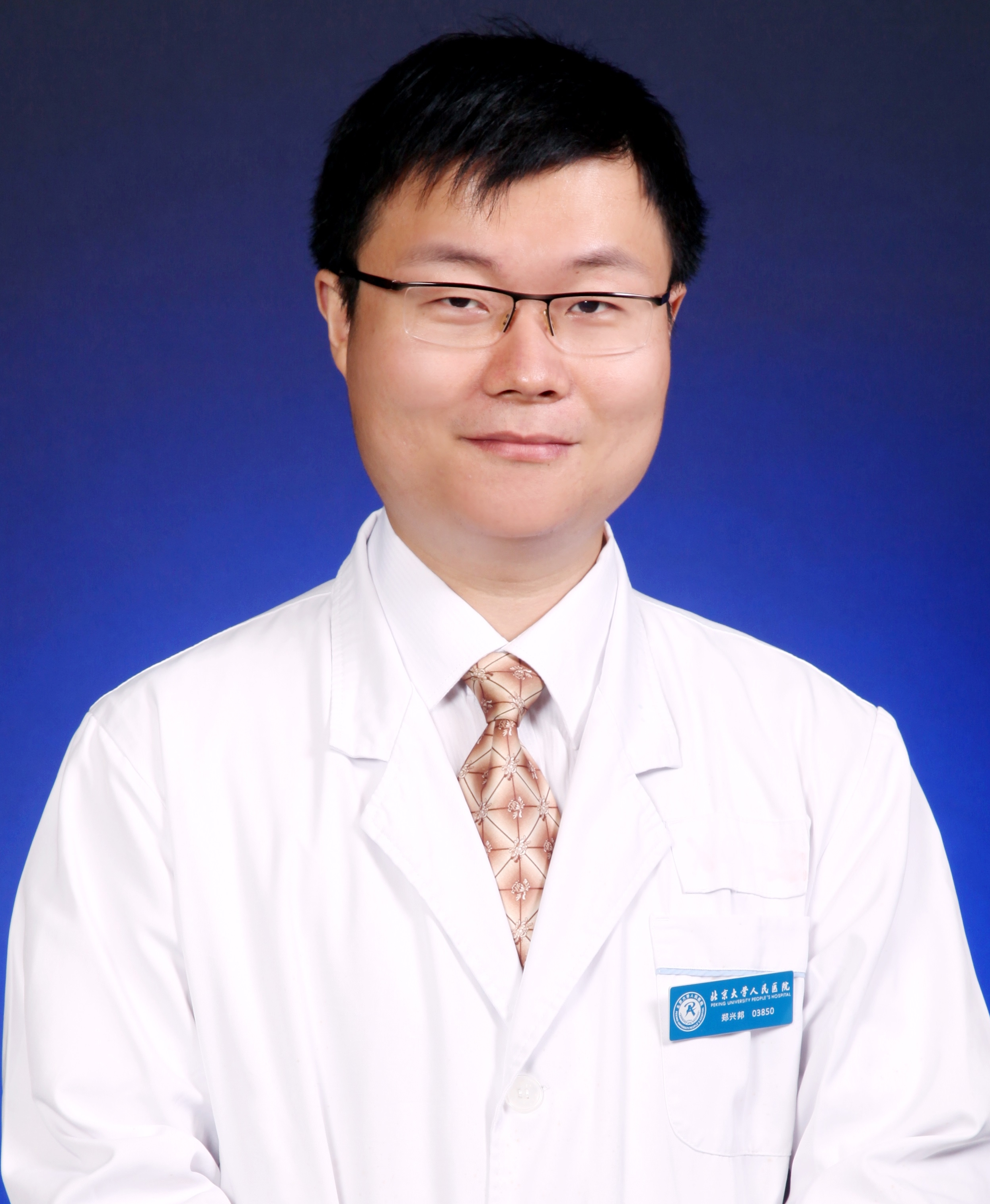 Xingbang Zheng (郑兴邦)合作论文数Peking University People's Hospital10
 Yanbin Wang (王彦宾)合作论文数School of Earth and Space Sciences, Peking University10Min Fu合作论文数8
 Lihui Wei (魏丽惠)合作论文数Peking University People′s Hospital8Fumei Gao合作论文数7
 Heng Cui (崔恒)合作论文数Peking University People's Hospital7Rong Liang (梁蓉)合作论文数6
 Shanmi Wang (王山米)合作论文数Department of Obstetrics and Gynecology,Peking University People's Hospital,Beijing ,China6Y. Cheng合作论文数5Xi Chen (陈曦)合作论文数Beijing Institute of Tuberculosis Control5Ruiqiong Ma (马瑞琼)合作论文数5
 Xue Ye (叶雪)合作论文数5
 Xiaoming Yu (余小鸣)合作论文数School of Public Health, Peking University5
 Qun Lu (鹿群)合作论文数Peking University People's Hospital5
 Xiaohong Chang (昌晓红)合作论文数Peking University People's Hospital5Yumeng Ren合作论文数4
 He Cai合作论文数4Jian Gao (高健)合作论文数4
 Li Tian (田莉)合作论文数Peking University People's Hospital4Junxiang Ren (任军香)合作论文数3Li-Juan Fan合作论文数3
 Qinghua Cui (崔庆华)合作论文数School of Basic Medical Sciences, Peking University;Key Laboratory of Molecular Cardiovascular Sciences, Ministry of Education, School of Basic Medical Sciences, Peking University;Wuhan Sports University3
 Xiaowei Zhang (张晓伟)合作论文数School of Basic Medical Sciences, Peking University Health Science Center3
 Linong Ji (纪立农)合作论文数Peking University People's Hospital3
 Honglan Zhu (祝洪澜)合作论文数Peking University People's Hospital3Shuyi Zhang合作论文数2Liming Liao合作论文数2Zhixin Jiang合作论文数2Yingying Jia合作论文数2Shuwen Chen (陈淑文)合作论文数2Shengnan Duan (段胜男)合作论文数2Shihui MENG (孟师慧)合作论文数2Yuanqin LIU (刘媛琴)合作论文数2Ping Wang合作论文数2
 Antoine Watrelot合作论文数2QiuXiang Zhang (张秋香)合作论文数2Yun Zhao (赵耘)合作论文数2Kunkun Sun合作论文数2Cheng Shi合作论文数2Xiaohui Cai合作论文数2Yi Yanhong合作论文数2Qiuxiang Zhang合作论文数2Yanhong Yi (易雁鸿)合作论文数2Fang Fang (方芳)合作论文数北京大学人民医院计划生育与生殖医学科2
 Tie Cheng Sun (孙铁成)合作论文数2




