To address the global climate crisis, achieving energy transitions is imperative. Establishing a new-type power system is a key measure to achieve CO2 emissions peaking and carbon neutrality. The core goal is to transform renewable energy resources into primary power sources. The large-scale integration of high proportions of renewable energy sources and power electronic devices will dramatically change the operational mechanisms and control strategies of power systems. Existing wind and solar converters mostly adopt the grid-following control mode, which leads to significant challenges in system security and stability as it is insufficient to support the frequency and voltage of the grid. On the other hand, grid- forming control technology (GFM) can provide voltage and frequency support for the system, and thus becomes an effective measure to improve the inertia and damping characteristics of power systems. This paper illustrates the principles, control strategies, equipment types, application scenarios, and project implementation of grid-forming technology. The simulation and analysis based on a renewable-dominated real new-type power system show that GFM can significantly enhance the frequency and voltage support capacity of the power system, improve renewable energy accommodation capacity and grid transmission capacity under weak grid conditions, and play an important role in enhancing the stability and power supply reliability of renewable-dominated new-type power systems.
Achieving global"carbon neutrality"designates the energy sector as the primary battleground.Promoting large-scale,centralized development of new energy bases is a crucial step towards green and low-carbon transformation of the energy industry.In response to the challenges faced by new energy base development in remote areas with insufficient hydropower,such as the lack of low-carbon regulation methods,limited grid configuration and consumption capacity,and the need for improvement in the"wind-solar-thermal"development model,this paper proposes a development concept and model for new energy bases based on the synergy of electricity-hydrogen-carbon.By integrating the technological development and regulatory capacity enhancement of hydrogen-based products like green hydrogen,green ammonia,and green methanol,the paper analyzes the competitiveness and economic benefits of green electricity and green hydrogen in the terminal consumer market.It also assesses the applicable models and paths for the coordinated development of new energy bases and hydrogen-based industries in different stages of development,and looks forward to the potential of the electricity-hydrogen-carbon collaborative development model in China's northern regions and overseas areas like North Africa.
随着风、光新能源装机占比逐渐提高,电力系统灵活性需求不断增加,对水电发挥灵活调节能力提出了更高要求,仅在电站或流域层面开展水风光协同开发难以充分发挥水电灵活性价值,无法满足系统调节需求.因此,需要从系统层面出发,开展跨流域水风光协同开发研究,通过扩大水风光互补范围,最大程度发挥水电调节能力作用.通过构建跨流域水风光协同规划模型,量化分析西南地区八大流域干流水电可支撑新能源开发消纳的潜力.结果表明,与流域级水风光协同开发相比,西南地区跨流域水风光协同开发可大幅提升新能源装机规模及消纳电量,且在支撑西南地区本地新能源开发的基础上,具备支撑西北地区新能源开发、实现灵活调节资源跨区共享的潜力.
Renewable energy power base development and outbound power delivery is an important way to achieve clean and low-carbon transition in the energy and power sector. Both the intermittency and fluctuation nature of renewable energy power generation and the limited terrain conditions of the power transmission corridor require the power base to be equipped with regulating power source to improve the reliability and utilization of the power delivery project. In this work, we propose a method of strategy study approaching optimized power installation mix of regulating source and renewable energy by using the chronological operation simulation power expansion optimization model, in which wide area long-term historical meteorological data is employed and various power transmission schemes have been considered. Taking the proposed renewable power base in Inner Mongolia desert as an example, it is found that the passive regulating power represented by battery storage should be configured at around 35% of the outbound transmission capacity, so as to achieve reasonable utilization rate of transmission channel and power base generation and delivery cost-effectiveness. The active regulating power deployment can achieve higher utilization rate of delivery channel. Through further research and analysis on the regulating power demand change under conditions of altering the power delivery curve to follow the renewable power output and the receiving-end monthly power demand characteristics, we propose the solutions of joint development on multiple renewable energy power bases and configuring seasonally adjustable green electricity energy carrier industry.
推动清洁能源大规模开发、建设适应高比例新能源发展的新型电力系统,是实现中国能源绿色低碳转型、构建新型能源体系的重要举措.基于中国西北、西南地区能源资源禀赋、电力系统特点及发展趋势,针对西部清洁能源资源大规模开发外送面临的灵活调节资源匮乏和配置能力不足、电网支撑弱和安全稳定运行风险大等挑战,全面分析了大电网对清洁能源开发、保障电力供应的支撑作用,论证了加强西北、西南电力系统互联的必要性及潜在效益,提出西北-西南联网的潜在需求和技术方案建议,可为促进西北、西南跨区联网,构建中国能源互联网坚强送端提供技术基础,为推动新能源安全高效开发利用和构建新型电力系统提供决策参考.
中国西北地区的经济社会发展长期以来受到水资源短缺问题的困扰.当前在能源转型的大背景下,西部地区丰富的风、光新能源资源的规模化开发受限于电力系统调节能力制约.为统筹解决水资源短缺和新能源开发受限这两个难题,提出了兼具跨流域调水和储能电源双重功能的新型抽蓄概念,并基于此设计了从西南"五江一河"到西北的绿色蓄能跨流域调水工程.工程年调水量400亿m3,全长1.1万km,新增抽蓄装机6.5亿kW,水力发电装机1.9亿kW.工程可满足新增10万km2耕地的用水需求,满足15亿~20亿kW新能源灵活性调节要求,具有显著的社会经济环境效益.
俄乌冲突引发全球能源危机,给世界能源发展带来广泛深刻的影响.在深入总结俄乌冲突对国际能源市场、世界能源安全、能源结算体系和全球经济发展带来重大冲击的基础上,研判了未来能源价格走势和能源发展格局,分析了俄乌冲突对世界能源发展带来的启示.研究认为,俄乌冲突暴露出建立在化石能源基础上的世界能源体系的诸多弊端,将推动世界能源格局加速重构.实现世界能源可持续发展,关键是加快能源绿色低碳转型,推动能源生产清洁替代、能源消费电能替代和能源系统互联互通.构建全球能源互联网为推动世界能源转型提供了技术先进、经济高效、现实可行的系统方案,将实现清洁能源大规模开发、输送和使用,为应对气候变化、促进经济发展发挥关键作用,是一举多得的战略举措.
提出了同站布置的混合级联特高压直流输电技术,并设计了该拓扑的直流滤波器、可控避雷器和快速旁路开关等关键设备及混合级联协调控制策略.为验证该技术的工程可行性,搭建了含真实一次和二次系统的低电压等级的动模平台,该动模平台不仅包含直流线路、换流阀、换流变、控保装置等常规直流设备,而且包含可控避雷器和快速旁路开关等特有设备,可准确模拟出该拓扑的实际特性.在动模平台上验证了系统的启停、阀组投退、故障穿越特性,动模平台的试验结果表明,混合级联直流方案启停平滑、运行方式灵活、故障穿越可靠,符合设计指标,具备工程可行性.
混合级联型直流输电技术兼具传统直流输电和柔性直流输电的优点,有效扩展了直流输电系统的适用范围,必将成为未来大规模、远距离、大容量输电的一个发展方向.该文针对该系统运行中故障态存在的过压等特殊工况,首次提出一种大容量可控自恢复消能装置来提升系统暂态特性,所提方案具有运行过程中不产生谐波、控制策略相对简单和可耐受大电流冲击等优点.相对于斩波型电阻消能装置,该装置具有成本低、电压/电流变化率低、电磁兼容(excellent electromagnetic compatibility,EMC)性能好等显著优势.电磁暂态仿真结果表明所提方案可有效解决混合直流输电系统中的直流过压难题,提升直流系统运行可靠性.
Connecting the voltage source converters (VSCs) to various types of AC systems results in different operation characteristics and core problems associated with traditional control strategies. Therefore, it is necessary to optimize the control strategies of the VSCs according to the types of AC systems. For the VSCs connected to islanded renewable power plants, a voltage/frequency (V/f) droop control strategy is proposed to damp fluctuations of AC voltage and frequency in the island, which is vital for bipolar VSC control. In addition, a multi-branch impedance equivalent method for renewable power plants is proposed, with which large-scale renewable power plants can be modeled accurately in the frequency domain to prevent wide-band oscillation. For the VSCs connected to strong AC systems, smart AC voltage and coordinated frequency transient control strategies are proposed, which can improve AC system transient stability. For the VSCs connected to weak AC systems, the relationship between the system stability and strength is analyzed, and then the control strategy of inner-loop control parameter optimization and outer-loop power limiting (if necessary) is proposed to improve the stability of the allied system. The proposed strategies are verified by both software simulation and field commissioning.
变压器是特高压输电系统中的重要设备,变压器油箱内电弧放电故障引起的压强陡升将引起变压器燃爆事故,严重威胁电力系统的安全稳定运行.目前,尚缺乏针对高电压、大容量变压器升高座区域的电弧放电故障试验研究,燃爆过程不明晰,变压器防爆性能提升受到限制.通过搭建变压器网侧升高座区域油箱内的电弧放电故障真型模拟试验平台,进行大电流、高爆燃容量模拟短路试验,实现了对电弧放电故障后箱体内部压力上升过程和传递特性的测试试验;通过收集升高座筒壁上不同点位压强数据,得到不同燃弧能量下升高座内部压强时域变化曲线,分析电弧能量、电流与压力的关系,以及升高座、油箱及出线装置等结构对压力传递特性的影响过程.试验结果表明,电弧能量与电弧电流是影响升高座内升压的重要因素,电流从20kA增加至40kA时,筒壁上压强峰值将从0.79MPa增加至1.17MPa;同时,压力释放装置对于防止燃爆事故发生非常关键.试验研究初步阐明了变压器类设备油箱内部短路故障压力产生与传递的物理机制,对变压器防爆设计具有重要的指导意义.
为运行人员全面掌握长距离越江电力管廊内环境及设备运行情况,通过与现行的城市综合管廊、电缆隧道进行比较,研究了长距离越江电力管廊的独有特性,根据电力系统网络安全分区,给出了综合监测系统的网络配置,提出了适应长距离越江电力管廊的综合监测系统的整体设计方案.
依托苏通GIL综合管廊工程,对大直径泥水盾构穿越江堤过程中的地表沉降实测数据进行分析,并采用数值模拟方法,建立了盾构隧道穿越江堤的数值模型.将模型计算结果与实测数据结果进行对比,验证数值模型的准确性.实测数据及数值模拟结果表明在盾构刀盘到达前,江堤地表会有轻微的隆起变形,而后随着盾构的推进,呈现下沉的趋势.影响因素分析结果表明注浆压力对江堤在盾构穿越后的变形影响显著,压力越高,堤顶最终的沉降值越小;而开挖面支护压力主要影响开挖面前方的地表变形,对堤顶最终的沉降值影响较小.
作为全绝缘型的载流装置,与目前已成功应用于中国交流特高压电网的1100 kV气体绝缘全封闭母线(gas-insulated metal-enclosed bus,GIB)相比,特高压气体绝缘金属封闭输电线路(gas-insulated metal-enclosed transmission line,GIL)具有内部结构简单、安装更为灵活、单位造价略低的优势.无论是替代GIB,还是作为输电线路的一部分或全部,特高压GIL均可发挥其应有的作用.苏通GIL综合管廊工程在淮南—南京—上海1000 kV交流特高压输变电工程中是世界上电压等级最高、距离最远、输送容量最大的GIL输电工程.本文主要介绍了GIL隧道工程的电气及辅助系统设计方案,包括系统方案、电气主接线、总体布置、接地、保护和电气二次、综合监测、通信、通风、水工和消防等.
作为一种新的电网型式,直流电网与端对端柔性直流工程具有不同的特点.结合世界上首个柔性直流电网工程—张北柔性直流电网试验示范工程,分析了直流电网的稳态和动态运行特性,建立了直流电网的稳态和动态分析模型;然后提出了直流电网的故障防御标准,对直流电网线路故障、换流器故障、直流母线故障等故障特性进行了深入分析,提出了各类故障的处理策略;最后提出了直流电网的控制策略.所开展的研究应用到张北柔性直流电网试验示范工程的建设中,并对后续直流电网工程具有重要的参考意义.
柔性直流技术在国际范围内得到了广泛应用.我国柔性直流技术发展迅速,直流电压达到了500kV,容量达到了3000MW.换流阀是柔性直流系统的核心设备,工程实践表明,早期柔性直流换流阀运行可靠性与常规直流相比仍存在差距.全面调研了影响柔性直流换流阀运行可靠性的关键因素,提出了提高柔直工程可靠性的标准化设计方案和从严试验考核要求,并在渝鄂背靠背直流工程和张北柔性直流电网工程中进行推广应用,最终通过工程实践验证了可靠性提升设计方案的有效性.
根据国家电网公司的规划,1000kV淮南-南京-上海特高压交流输变电工程苏通GIL综合管廊工程采用1100kVGIL设备,由于苏通特高压GIL电压等级高、电容量大,给现场交流耐压试验方法、装备研发带来挑战.为解决长距离、大容量特高压GIL现场耐压试验方法、装备难题,首先对1100kVGIL现场交流耐压试验的技术难点进行了剖析,明确了试验实施方式;其次对大容量补偿电抗器开展了温升特性、受力特性、绝缘特性仿真分析,获得了电抗器最优设计尺寸;随后研发了特高压GIL现场交流耐压试验自举式、集成化试验装备,包括高压补偿电抗器、融合式电感式分压测量装置及气囊式金属鳞片特高电压均压罩,可满足现场快速化试验要求;最后计算了耐压试验系统特性参数与电源容量需求,采用了1组车载式电抗器、2组非车载式电抗器进行谐振补偿,3~4台变频电源并机供电的试验方案.
苏通综合管廊工程采用特高压气体绝缘输电线路(gas-insulated transmission line,GIL)敷设于长江底部隧道中跨江,首次在架空输电线路中间应用GIL,没有先例可借鉴.特高压GIL电压高、距离长、运行工况特殊,设备可靠性和故障后快速恢复能力要求很高,技术条件须研究明确.基于对架空-GIL混合输电系统运行特点和管廊应用特殊性的研究,分析提出特高压GIL关键技术要求.首先,从系统运行的总体要求出发,基于系统仿真分析并参考相关标准,提出特高压GIL技术参数及关键技术条件,包括额定电压、额定电流、额定短路电流、感应电压和电流、过电压与绝缘配合、通流与温升、密封、接地、现场试验等.进而,从保证管廊内GIL设备长期运行可靠性出发,针对关键组部件,提出特高压GIL用感应电流快速释放装置、导体电联结触头、绝缘子、外壳和伸缩节等的技术要求,从而为管廊工况下GIL的设计和研制提供参考依据.
准东-安徽±1100kV特高压直流输电工程是目前世界上电压等级最高、输送容量最大、送电距离最远、技术水平最先进的"四最"工程,首次实现"直流电压、输送容量、交流网侧电压"的全面提升,创造了新的世界纪录.该文介绍了该工程特点,面临主接线选型、过电压与绝缘配合、换流站空气间隙及户内直流场选型、直流滤波器设计、主设备选型及研制、输电线路空气间隙、外绝缘和电磁环境等多方面的难题,首次创新性地提出可行的解决方案,阐述取得的创新成果,并在工程调试中进行有效验证.工程投产至今,取得了良好的工程和社会效益,工程实践大幅提升我国在国际电力工业界的影响力和话语权.
柔性直流输电系统的链路延时是其固有特性,使柔直高频阻抗呈现"负电阻电感"特性,可能与长交流线路的分布电容相互作用导致高频振荡失稳现象发生.文章首先建立柔直系统和交流线路等效数学模型.其次,考虑模块化多电平换流器(modular multilevel convert,MMC)内部动态特性、锁相环、环流抑制控制器、延时等因素在内,建立MMC在dq坐标系下的阻抗模型,分析相关环节对柔直高频阻抗特性的影响及高频振荡特性.再次,提出高频振荡阻尼控制策略,采用MMC简化模型分析阻尼控制器参数对阻抗高频特性的影响,并设计保持系统稳定的控制器参数.最后,利用电磁暂态仿真模型验证所提策略的有效性及参数设计的正确性.
 XianShan Guo (郭贤珊)合作论文数11Jin Zhang (张进)合作论文数9Liying Gao (高理迎)合作论文数Baoding Tianwei Baobian Electric Co.,Ltd.9
 Licheng Lu (卢理成)合作论文数State Grid Smart Grid Research Institute Co., Ltd.6
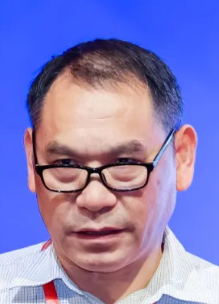 Xiancai Han (韩先才)合作论文数State Grid Corporation of China5
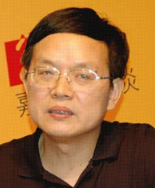 Longfu Luo (罗隆福)合作论文数College of Electrical and Information Engineering, Hunan University5
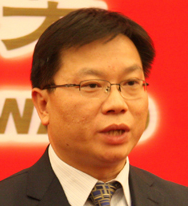 Jun Yu (余军)合作论文数China Electric Power Equipment and Technology Co., Ltd., State Grid Corporation of China5
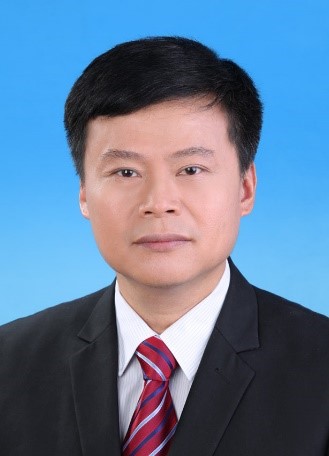 Yuanxiang Zhou (周远翔)合作论文数Department of Electrical Engineering, Tsinghua University5
 Yong Li (李勇)合作论文数College of Electrical and Information Engineering, Hunan University5Yuanbing ZHOU (周原冰)合作论文数4
 Yinbiao Shu (舒印彪)合作论文数China Huaneng4Jinliang He (何金良)合作论文数4YUE Bo (乐波)合作论文数3
 Yanchao Sha合作论文数3MENG Jing (孟婧)合作论文数3Fuxuan ZHANG (张福轩)合作论文数3
 Weimin Wang (马为民)合作论文数State Grid Economic and Technological Research Institute Co., Ltd.3JianBin Fan (范建斌)合作论文数3PengFei Zhang (张鹏飞)合作论文数3
 Meng Huang (黄萌)合作论文数School of Electrical Engineering and Automation, Wuhan University;Center for Grid Power Electronics, Wuhan University3
 Fubao Jin (金福宝)合作论文数青海大学 水利电力学院3
 Yongqing Yu (于永清)合作论文数China Electric Power Research Institute3Yong Ju (鞠勇)合作论文数China Electric Power Research Institute3
 Jiayu Lu (陆家榆)合作论文数China Electric Power Research Institute3Lin Dong合作论文数3Ninghua Wang合作论文数3ZENG Rong (曾嵘)合作论文数2Jinxuan Zhang合作论文数2
 Yong Yang合作论文数2Yong HUANG (黄勇)合作论文数2LIU Shan (刘杉)合作论文数2Dang-jiu LE (乐党救)合作论文数2Kun XIAO (肖鲲)合作论文数2Jun YUAN (袁骏)合作论文数2GeSong Chen (陈葛松)合作论文数2Gang Sun (孙岗)合作论文数2Ying Fu (付颖)合作论文数2
 Fusheng Liu (刘复生)合作论文数School of Humanities, Hainan University2
 Zhiyi Su (宿志一)合作论文数China Electric Power Research Institute2
 Yonghua Yin (印永华)合作论文数China Electric Power Research Institute2Zuli Wang合作论文数2
 Liao Weiming (廖蔚明)合作论文数2Zhuo Wang (王茁)合作论文数2
 Yongdong Liu (刘永东)合作论文数中国电力企业联合会标准化中心2
 Xin Sun (孙昕)合作论文数State Grid Corporation of China2Peng Li (李鹏)合作论文数China Electric Power Research Institute2
 Xuewei Zhang合作论文数2
 Christian Rehtanz合作论文数Institute of Energy Systems, Energy Efficiency and Energy Economics, TU Dortmund University2




