Atherosclerosis (AS) is associated with a high incidence of cardiovascular events, yet the mechanisms underlying this association remain unclear. Our previous study found that Atherosclerotic endothelial injury is closely associated with ferroptosis in ApoE-/- mice. Ferroptosis is a novel mode of cell death induced by decreased antioxidant capacity of the organism and accumulation of reactive oxygen species. Nuclear receptor coactivator 4 (NCOA4)-mediated ferritinophagy is an important regulator of sudden ferroptosis in cells. However, the role of NCOA4 in AS and the exact mechanism by which it regulates the ferritinophagy response remain unclear. Herein, we report that NCOA4 expression is elevated in ApoE-/- mice and endothelial cells and is significantly correlated with AS. NCOA4 expression promoted ferroptosis, and was positively correlated with ferritinophagy response. Mechanistically, our findings indicate that LOX-1 is a key upstream target that influences the function of NCOA4. The specific pathway is related to the activation of cGAS-STING signaling to upregulate NCOA4 expression. Moreover, our findings demonstrate the "Gualou-Xiebai" herb pair can regulate LOX-1 to inhibit ferroptosis. Collectively, our results provide evidence of a connection between NCOA4-mediated promotion of AS and suggest that targeting upstream molecules regulating NCOA4 could be a potential therapy for AS.
Huachansu (HCS) tablets, classified as well-known traditional Chinese medicine (TCM) preparation, have been proved to be effective in the treatment of hepatocellular carcinoma (HCC) in clinical studies. However, the underlying mechanism of HCS tablets against HCC has not been comprehensively elucidated. In this study, a rat model of HCC was established with diethylnitrosamine (DEN) inducer. The efficacy of HCS tablets against HCC was assessed through liver histopathological examination and evaluation of biochemical indicators. A metabolomics method based on UPLC-Q-TOF/MS combined with multivariate data analysis was established to identify differential metabolites related to the inhibition effect of HCS tablets on HCC, and then the relevant metabolic pathway analysis was performed to investigate the anti-HCC mechanisms of HCS tablets. The results showed that compared to the control group, the HCC model group showed a significant increase in the values of HCC-related biochemical indicators and the number of tumor nodules, indicating the successful establishment of the HCC rat model. Upon treatment with HCS tablets, the values of HCC-related biochemical indicators decreased, liver fibrosis and nuclear deformation were also significantly alleviated. A total of 15 differential metabolites associated with the anti-tumor effect of HCS tablets on HCC were screened and annotated through hepatic tissue metabolomics studies. Analysis of metabolic pathways revealed that the therapeutic effects of HCS tablets on HCC mainly involved the pentose and glucuronate interconversions and arachidonic acid metabolism. Further western blotting corroborated that the alteration in arachidonic acid (AA) level after the intervention of HCS tablets was related to the inhibition of cPLA2α expression in rat liver tissues. In conclusion, HCS tablets exhibit a certain anti-tumor effect on HCC, and the metabolomics method based on UPLC-Q-TOF/MS combined with further verification at the biochemical level is a promising way to reveal its underlying mechanism.
In this study, electronic sensory techniques were employed to comprehensively evaluate the organoleptic quality, chemical composition and content change rules for Polygonatum cyrtonema Hua (PCH) during the steaming process. The results were subjected to hierarchical cluster analysis (HCA), principal component analysis (PCA) and orthogonal partial least squares discriminant analysis (OPLS-DA). These analyses revealed, from a sensory product perspective, overall differences in colour, odour and taste among the samples of PCH with different numbers of steaming cycles. Using the UPLC-Q-Exactive Orbitrap MS technique, 64 chemical components, including polysaccharides, organic acids, saponins and amino acids were detected in PCH before and after steaming. The sensory traits were then correlated with the chemical composition. From the perspectives of sensory traits, chemical composition, and multi-component index content, it was preliminarily deduced that carrying out five cycles of steaming and sun-drying was optimal, providing evidence for the quality evaluation of PCH during the steaming process.
Retrofitting seismically damaged structures provides significant economic and social benefits. To investigate the rationality of using steel jacketing to retrofit seismically damaged reinforced concrete (RC) structures, we initially tested a half-scale single-span two-story frame structure under pseudo-static loads to achieve a severe damage state. Subsequently, the structure was retrofitted using steel jacketing and tested under another round of pseudo-static loads. The seismic performances of the original and retrofitted structures were compared. The test results indicated that both the original and retrofitted specimens sequentially developed plastic hinges at the beam ends and the bottom of the columns, indicating a generally similar damage evolution mode. Comparing to the original structure, the retrofitted specimen exhibited an increase of 33% and 78.5% in initial stiffness and strength, respectively. Although the ductility ratio of the retrofitted specimen was reduced by about 14%, the ultimate drift ratios of both specimens exceeded the threshold value (1/50), indicating an adequate deformation capacity. The retrofitted specimen exhibited a certain degree of pinching behavior on the hysteretic curve because of the presence of extensive inclined shear cracks at the mid span of the beams and the progressive failure of the anchoring of the strengthening steel angle at the beam ends and column base. Consequently, the energy-dissipation coefficients of the retrofitted specimen were lower than those of the original specimen. Based on the test, the finite element analysis modeling method for RC frame structures retrofitted using steel jacketing was also studied. By comparing the numerical simulation analysis results with the experimental ones, the reliability of the proposed numerical simulation method was verified. This study can serve as a foundation for the practical application of steel jacketing to retrofit seismically damaged RC structures.
Shenqi-Tiaoshen formula (SQTSF) is a traditional Chinese medicine (TCM) prescription that has been employed in the treatment of chronic obstructive pulmonary disease (COPD). Clinical practice has demonstrated that SQTSF is an effective prescription for stable COPD. However, owing to the complexity of TCM prescription, there is a lack of in-depth understanding of the chemical components of SQTSF and its in vivo metabolism studies. In this study, a comprehensive analytical strategy based on ultra -performance liquid chromatography coupled with quadrupole-time-of-flight mass spectrometry (UPLC-Q-TOF/MS) was established to identify the chemical components, the absorbed components, and the metabolites of SQTSF given by gavage in rats, and analyze their dynamic changes. As a result, 86 chemical components of SQTSF were characterized, which were mainly categorized into flavonoids, saponins, organic acids, terpenoids, etc. Among them, 13 compounds were confirmed unambiguously by reference standards. Furthermore, 20 prototype components and 46 metabolites were detected in rat plasma at different time points. It was found that one prototype component and thirteen metabolites could be detected during the entire 24 h, indicating that these compounds were slowly eliminated and thus accumulated in vivo over a prolonged duration. Interestingly, the phenomenon that three prototype components and fourteen metabolites reappeared after a period of disappearance from the plasma was found. It was also observed that different prototype components may generate the same metabolite. The metabolic processes of SQTSF in rats mainly included oxidation, reduction, hydration, demethylation, deglycosylation, methylation, acetylation, glucuronidation, glutathionylation, and associated combination reactions. Overall, the present study identified the chemical components of SQTSF and their dynamic metabolic profile in rat plasma, which provided a systematic and applicable strategy for screening and characterization of the prototype components and metabolites of TCM compound preparations.
Obesity is a multifactorial chronic metabolic disease with multiple complications. Crataegus pinnatifida (CP) and Wolfiporia extensa (WE) are traditional functional foods with improving metabolic health properties. This study demonstrated the effect of CP and WE combination on ameliorating obesity induced by a high-fat diet (HFD). Moreover, the CP-WE food pair ameliorated HFD-induced metabolic disorders, including glucose intolerance, insulin resistance, hyperlipidemia, and hepatic steatosis. 16S rRNA gene amplicon sequencing and analysis revealed that CP combined with WE reshaped the composition of gut microbiota in HFD-fed mice. Furthermore, correlation analysis revealed a substantial association between the obesity-related parameters and the shifts in predominant bacterial genera influenced by the food pair intervention. In conclusion, this study demonstrated that the CP-WE food pair ameliorated HFD-induced obesity and reshaped gut microbiota composition, providing a promising approach to combat obesity through specific food combinations.
High-strength steel reinforcement offers promising application prospects in buildings with large spans and loads, as it can reduce steel congestion and simplify construction process. To investigate the mechanical behavior of flexural members reinforced with high-strength steel and measures to control crack width, in this study, static loading tests were conducted on 17 full-scale reinforced concrete (RC) beams with HRB635 high-strength steel reinforcement, six of which were reinforced with steel fiber. The failure mode, flexural strength, ductility, crack width, and deflection of the specimens were investigated, and the effects of different key parameters, including the reinforcement ratio and diameter, concrete strength, and steel fiber volume fraction were also analyzed. Test results indicated that the tensile strength of HRB635 reinforcement could be fully utilized, while the ductility ratios of high-strength steel reinforced concrete (HSS-RC) beams were less than those of beams with normal strength reinforcement. The maximum crack widths of most specimens without steel fibers exceeded the threshold defined in GB 50010-2010, indicating that the design of HSS-RC beams may be controlled by the requirements of serviceability limit state. Furthermore, the crack widths predicting methods defined in GB 50010-2010 and EN 1992-1-1 are more accurate for HSS-RC beams, while the deflection predicting methods defined in GB 50010-2010 and ACI 318-19 both underestimated the deflection of HSS-RC beams. This study could provide a theoretical basis for the engineering application of HRB635 high-strength steel reinforcement.
Ethnopharmacological relevance: Kaixin San (KXS) is one of the most famous traditional Chinese formulas prescribed by Sun Simiao in 652 Christian era. It is composed of Panax ginseng C.A.Mey, Polygala tenuifolia, Poria cocos and Acorus calamus var. angustatus Besser. KXS is widely used for the treatment of emotion-thought disease, such as settling fright, quieting the spirit and nourishing the heart. However, whether KXS benefits hippocampal neurons and myocardial cells of mice impaired by paradoxical sleep deprivation (PSD) and its mechanism remains unclear. Aim of the study: This study was aimed to investigate the effect of KXS on hippocampal neuron and cardiac ferroptosis in rapid-eye-movement (REM) sleep deprived mice and clarify its potential mechanism. Materials and methods: PSD was induced by a modified multi-platform method. Morris water maze (MWM) was used to detect the ability of learning and memory. Cardiac morphological changes were assessed by hematoxylin and eosin (HE) staining. Heart rate was detected by a PowerLab multichannel physiological recorder. Serum levels of atrial natriuretic peptide (ANP) and lactate dehydrogenase (LDH) were measured with biochemical kits. Transmission electron microscopy (TEM), immunofluorescent, and Western blotting analysis were used to observe the process and pathway of ferrotosis in hippocampus tissue and heart tissue of PSD mice. Results: KXS administration improved the impaired learning and memory of PSD mice. It prevented the damage of mitochondria in the hippocampus and heart of PSD mice. KXS also alleviated the myocardial injury, such as morphological damage, abnormal heart rate, serum ANP, and serum LDH induced by PSD. Further study disclosed that KXS reversed the expressions of proteins involved in ferroptosis such as TFRC, SLC7A11/xCT, GPX-4, ACSL4, and FTH1 in hippocampus and heart tissues. Conclusions: KXS improved learning and memory of mice with REM sleep deprivation, which was closely associated with suppressed ferroptosis in hippocampal neurons and myocardiocytes.
基于4根玄武岩纤维布(Basalt Fiber Reinforced Plastic,BFRP)约束钢筋混凝土圆柱和2根未加固柱的低周反复侧向加载试验,研究了试件的受力性能和机理,对比分析了剪跨比、轴压比和加固方式对柱变形性能的影响.利用ABAQUS软件对试件进行非线性有限元分析,且验证了模型的有效性.在此基础上,以BFRP包裹层数、纵筋配筋率和箍筋配箍率为变化参数,重点研究了各参数对加固柱抗震变形能力的影响.结果表明:随着剪跨比的减小及轴压比的增大,加固柱延性性能明显降低,且BFRP对低剪跨比加固柱变形能力的提高效果最好;等BFRP加固量下全包较条带加固柱抗震性能略优;加固柱的变形能力随着包裹层数得提高而增强,但层数超过4层后,BFRP对柱的加固效果不再明显;当加固柱的纵筋配筋率增至3.2%时,其延性性能变化趋势由上升转为下降;而增加箍筋配箍率则可显著改善加固柱的极限位移.
Metabolic research is a key method to understand the fate of traditional Chinese medicine (TCM) prescription in vivo and help to explain its pharmacological effects. Huachansu (HCS) tablets are prepared from the dried skin of Bufo gargarizans (Cantor, 1842), which have the effects of detumescence and analgesia, and used in the treatment of middle and advanced tumors. However, an in-depth understanding of the chemical components of HCS tablet and its metabolism in vivo is lacking. In this study, an integrated analytical strategy based on UPLC-ESI-QTOF/ MSE was developed to efficiently identify the chemical components, the absorbed prototype compounds and metabolites of HCS tablets given by gavage in rats, and track their dynamic changes. As a result, 77 chemical components of HCS tablets were characterized, including 46 bufadienolides, 11 alkaloids, 10 amino acids and organic acids, 9 nucleosides, and 1 other component. Further more, 16 prototype compounds and 47 metabolites (38 bufadienolides-related and 9 alkaloids-related) were identified in rat plasma. Through the dynamic detection of prototype compounds and metabolites of HCS tablets in vivo, the phenomenon that 3 prototype compounds and 16 metabolites reappeared after a period of disappearance from the plasma was found. Additionally, 8 prototype compounds with large intensity in HCS tablet samples were not detected in the plasma samples of rats given HCS tablets but had metabolites within 0-24 h after administration, indicating that these components were rapidly absorbed and metabolized into metabolites in vivo. It was also observed that 9 metabolites can be driven from various prototype compounds and reach high concentrations in a short time. This study comprehensively identified the xenobiotics and metabolites of HCS tablets in rat plasma sample, systematically discussed their dynamic metabolic process in vivo, which laid a foundation for studying the pharmacodynamic substances of HCS tablets.
The Jiedu Huazhuo Quyu formula (JHQ) shows significant beneficial effects against liver fibrosis caused by Wilson's disease (WD). Hence, this study aimed to clarify the mechanisms of the JHQ treatment in WD-associated liver fibrosis. First, we collected 103 active compounds and 527 related targets of JHQ and 1187 targets related to WD-associated liver fibrosis from multiple databases. Next, 113 overlapping genes (OGEs) were obtained. Then, we built a protein-protein interaction (PPI) network with Cytoscape 3.7.2 software and performed the Gene Ontology (GO) term and Kyoto Encyclopedia of Gene and Genome (KEGG) pathway enrichment analyses with GENE DENOVO online sites. Furthermore, module analysis was performed, and the core target genes in the JHQ treatment of WD-associated liver fibrosis were obtained. Pathway and functional enrichment analyses, molecular docking studies, molecular dynamic (MD) simulation, and Western blot (WB) were then performed. The results indicated that 8 key active compounds including quercetin, luteolin, and obacunone in JHQ might affect the 6 core proteins including CXCL8, MAPK1, and AKT1 and 107 related signaling pathways including EGFR tyrosine kinase inhibitor resistance, Kaposi sarcoma-associated herpesvirus infection, and human cytomegalovirus infection signaling pathways to exhibit curative effects on WD-associated liver fibrosis. Mechanistically, JHQ might inhibit liver inflammatory processes and vascular hyperplasia, regulate the cell cycle, and suppress both the activation and proliferation of hepatic stellate cells (HSCs). This study provides novel insights for researchers to systematically explore the mechanism of JHQ in treating WD-associated liver fibrosis.
Qi-Yu-San-Long decoction(QYSLD)is a traditional Chinese medicine that has been clinically used in the treatment of non-small-cell lung cancer(NSCLC)for more than 20 years.However,to date,metabolic-related studies on QYSLD have not been performed.In this study,a post-targeted screening strategy based on ultra-performance liquid chromatography coupled with quadrupole time-of-flight full infor-mation tandem mass spectrometry(UPLC-QTOF-MSE)was developed to identify QYSLD-related xeno-biotics in rat urine.The chemical compound database of QYSLD constituents was established from previous research,and metabolites related to these compounds were predicted in combination with their possible metabolic pathways.The metabolites were identified by extracted ion chromatograms using predicted m/z values as well as retention time,excimer ions,and fragmentation behavior.Overall,85 QYSLD-related xenobiotics(20 prototype compounds and 65 metabolites)were characterized from rat urine.The main metabolic reactions and elimination features of QYSLD included oxidation,reduction,decarboxylation,hydrolysis,demethylation,glucuronidation,sulfation,methylation,deglycosylation,acetylation,and associated combination reactions.Of the identified molecules,14 prototype compounds and 58 metabolites were slowly eliminated,thus accumulating in vivo over an extended period,while five prototypes and two metabolites were present in vivo for a short duration.Furthermore,one pro-totype and five metabolites underwent the process of"appearing-disappearing-reappearing"in vivo.Overall,the metabolic profile and characteristics of QYSLD in rat urine were determined,which is useful in elucidating the active components of the decoction in vivo,thus providing the basis for studying its mechanism of action.
Qi-Yu-San-Long decoction (QYSLD), a traditional Chinese medicine (TCM) prescription, consisting of ten types of herbal medicine which has significant clinical efficacy in the treatment of non-small cell lung cancer (NSCLC). However, the bioactive ingredients of QYSLD remain unclear, due to their “multi-ingredients” and “multi-targets” features. This study aimed to construct a spectrum-effect correlation analysis model and screen the potential active components of QYSLD. A fingerprint method based on ultra-high performance liquid chromatography-quadrupole time-of-flight mass spectrometry (UPLC-Q/TOF-MS) was developed and validated to obtain seventy common peaks of ten batches of QYSLD. The results of methodological evaluation, including precision, repeatability and stability, were less than 8.19%. In terms of linearity, eleven common components did not reach the linear standard (R2 < 0.99), they were removed before spectrum-effect relationship analysis. After treated with ten batches of QYSLD, the results of DPPH and FRAP assays ranged from 1.59 to 5.50 mg mL−1 and 143.83–873.83 μmol L−1, respectively. Meanwhile, the cell viabilities of A549 cells treated with QYSLD samples ranged from 21.73% to 85.71%. The relative healing rates ranged from 21.50% to 44.46%. The number of migrated and invaded cells ranged from 12.00 to 68.67 and 7.67 to 27.00, respectively. Then, the potential active components of QYSLD were screened through spectrum-effect relationship constructed by grey correlation analysis (GRA), partial least squares regression (PLSR) and backpropagation neural network (BP-ANN). The results were as follow: 1) eight ingredients of QYSLD were relevant to DPPH free radical scavenging ability; 2) nine ingredients were relevant to FRAP; 3) six ingredients were relevant to inhibit the proliferation ability of A549 cells; 4) twenty-two ingredients were relevant to inhibit the horizontal migration ability; 5) five ingredients were relevant to inhibit the vertical migration ability; 6) twelve ingredients were relevant to inhibit the invasion ability. Confirmatory experiments showed that compared with the unscreened ingredients, the potential active ingredients screened by the spectrum-effect relationship had better antioxidant and anti-NSCLC effects. In general, this study found the potential active ingredients in QYSLD. Meanwhile, the established method provided a valuable reference model for the potential active ingredients of TCM.
本文进行了48个冷弯薄壁型钢自攻螺钉连接试件的抗剪性能试验,考虑了自攻螺钉材质、直径、不同钢板厚度比值、端距等因素对抗剪连接极限状态的影响.试验结果显示:试件的破坏模式呈现一定的规律,板件承压破坏是自攻螺钉倾斜期间主要连接破坏形式;但若自攻螺钉几乎不发生倾斜,则会发生紧固件的抗剪破坏.最后依据理论分析提出了冷弯薄壁钢板单个自攻螺钉抗剪连接的极限状态预测模型.
针对药物分析学科的特点,结合学生的关注点及当前社会热点,围绕药物杂质检查教学,选取新型冠状病毒(COVID-19)肺炎的治疗药物磷酸氯喹,介绍其杂质检查方法及其在磷酸氯喹片质量控制中的重要作用,穿插现代药物史上一些著名的药害事件,融入疫情素材的课程思政建设进行教学设计.采用MOOC平台结合网络直播的混合式教学方式,结合实时评价,增加学生对药物分析研究内容的了解,敦促学生树立强烈的药品质量观念,养成严谨、细致、实事求是的工作态度.
Introduction: Gualou (Trichosanthes kirilowii Maxim)–Xiebai (Allium macrostemon Bunge) (GLXB) is a well-known herb pair against atherosclerosis (AS). However, the combination mechanisms of GLXB herb pair against AS remain unclear.Objective: To compare the difference in efficacy between GLXB herb pair and the single herbs and to explore the combination mechanisms of GLXB against AS in terms of compounds, targets, and signaling pathways.Methods: The combined effects of GLXB were evaluated in AS mice. The main compounds of GLXB were identified via quadrupole time-of-flight tandem mass spectrometry (UPLC-Q-TOF-MS) and UNIFI informatics platforms. The united mechanisms of GLXB in terms of nodes, key interactions, and functional clusters were realized by network pharmacology. At last, the anti-atherosclerotic mechanisms of GLXB were validated using enzyme-linked immunosorbent assay (ELISA) and Western blot in AS mice.Results: The anti-atherosclerotic effects of the GLXB herb pair (6 g/kg) were more significant than those of Gualou (4 g/kg) and Xiebai (2 g/kg) alone. From the GLXB herb pair, 48 main components were identified. In addition, the GLXB herb pair handled more anti-atherosclerotic targets and more signaling pathways than Gualou or Xiebai alone, whereas 10 key targets of GLXB were found using topological analysis. Furthermore, the GLXB herb pair (6 g/kg) could suppress the inflammatory target levels of IL-6, IL-1β, TNF-α, ALOX5, PTGS2, and p-p38 in AS mice. GLXB herb pair (6 g/kg) could also ameliorate endothelial growth and function by regulating the levels of VEGFA, eNOS, p-AKT, VCAM-1, and ICAM-1 and reducing macrophage adhesion to vascular wall in AS mice. GLXB herb pair (6 g/kg) could improve the blood lipid levels in AS mice. In addition, the regulating effects of GLXB herb pair (6 g/kg) on levels of IL-1β, TNF-α, ALOX5, VEGFA, eNOS, VCAM-1, ICAM-1, and blood lipids were more significant than those of Gualou (4 g/kg) or Xiebai alone (2 g/kg).Conclusion: The combination mechanisms of the GLXB herb pair were elucidated in terms of components, targets, and signaling pathways, which may be related to suppressing inflammation, regulating vascular endothelial growth/function, and improving blood lipid levels.
为了研究纤维增强树脂复合材料(FRP)布约束不同强度混凝土配筋柱的抗震性能,对4根约束柱及2根对比柱进行了低周反复荷载作用下的拟静力试验研究,探讨了混凝土强度和FRP种类等参数对加固柱抗震性能的影响.试验结果表明,加固构件均发生弯曲破坏,其承载、延性和耗能能力均有提高.且当柱混凝土强度大幅提高时,其延性和耗能指标较未加固前的提高率上升明显.在等围压条件下,玄武岩纤维布(BFRP)和碳纤维布(CFRP)约束柱的承载力相近,对于加固普通强度混凝土柱,使用BFRP较CFRP会得到更高的延性和耗能能力提升,但对于混凝土强度等级高至C50的柱,CFRP约束后柱的抗震性能略好.最后分别提出了针对不同FRP加固钢筋混凝土柱的骨架曲线模型,且基于更广泛混凝土强度、纵筋配筋率和轴压比范围下的数值计算结果也验证了试验结论.
Traditional Chinese medicine (TCM) compounds have recently garnered attention for the regulation of immune cell infiltration and the prevention and treatment of Alzheimer's disease (AD). The Liuwei Dihuang Pill (LDP) has potential in this regard; however, its specific molecular mechanism currently remains unclear. Therefore, we adopted a bioinformatics approach to investigate the infiltration patterns of different types of immune cells in AD and explored the molecular mechanism of LDP intervention, with the aim of providing a new basis for improving the clinical immunotherapy of AD patients. We found that M1 macrophages showed significantly different degrees of infiltration between the hippocampal tissue samples of AD patients and healthy individuals. Four immune intersection targets of LDP in the treatment of AD were identified; they were enriched in 206 biological functions and 30 signaling pathways. Quercetin had the best docking effect with the core immune target PRKCB. Our findings suggest that infiltrated immune cells may influence the course of AD and that LDP can regulate immune cell infiltration through multi-component, multi-target, and multi-pathway approaches, providing a new research direction regarding AD immunotherapy.
 BingKang Liu (柳炳康)合作论文数13Hongfei Wu (吴鸿飞)合作论文数12
 Hang Dai (戴航)合作论文数School of Architecture, Southeast University11
 Ailing Hui (惠爱玲)合作论文数School of Food and Biological Engineering, Hefei University of Technology10
 Jian Pan (潘见)合作论文数School of Food and Biological Engineering, Hefei University of Technology10
 Qiwei Liu (刘其伟)合作论文数School of Transportation, Southeast University10
 Zeyu Wu (吴泽宇)合作论文数School of Food and Biological Engineering, Hefei University of Technology10Huan Wu (吴欢)合作论文数9
 Lihua Chen (陈丽华)合作论文数College of Civil Engineering, Hefei University of Technology9
 Dayong Zhu (朱大勇)合作论文数School of Civil Engineering, NingboTech University8Jingting HUANG (黄镜渟)合作论文数7
 Qinglin Li (李清林)合作论文数Zhejiang Cancer Hospital;Chinese Academy of Sciences7Nianjun Yu (俞年军)合作论文数6DAI Liang-jun (戴良军)合作论文数5
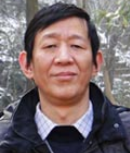 Shenjiang Huang (黄慎江)合作论文数College of Civil Engineering, Hefei University of Technology5
 Manrong Song (宋满荣)合作论文数College of Civil Engineering, Hefei University of Technology5
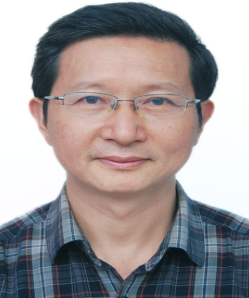 Binggen Zhan (詹炳根)合作论文数College of Civil Engineering, Hefei University of Technology5Kaikai SHEN (沈凯凯)合作论文数4LIU Xiao-le (刘小乐)合作论文数4Bin WANG (王斌)合作论文数4Daiyin Peng (彭代银)合作论文数4Ruijuan Li合作论文数4hua zhu (朱华)合作论文数4Juan Liang (梁娟)合作论文数4ZeGeng Li (李泽庚)合作论文数4RuiMing Li (李瑞明)合作论文数4Jun Wang (王珺)合作论文数4
 Xiaojun Wu (吴晓俊)合作论文数Institute of Chinese Materia Medica, Shanghai University of Traditional Chinese Medicine4Roger P. Simon合作论文数Robert S. Dow Neurobiology Laboratories, Legacy Clinical Research and Technology Center4
 Zhengtao Wang (王正涛)合作论文数School of Geodesy and Geomatics, Wuhan University4Xiaolong Su (苏小龙)合作论文数4Ning Zhu (朱宁)合作论文数4Kai Chen (陈凯)合作论文数4
 Xianghua Liu (刘向华)合作论文数College of Civil Engineering, Hefei University of Technology4Binbin Gao (高斌斌)合作论文数4Peng-Bo Xu合作论文数3Zhendong WU (吴振东)合作论文数3Meimei Cheng合作论文数3Hua Zhong合作论文数3Rujing Xu合作论文数3Su-fei CHEN (陈苏菲)合作论文数3DongJia Liu (刘东甲)合作论文数3ZhiMing Yang (杨志明)合作论文数3
 Min Dai (代敏)合作论文数3
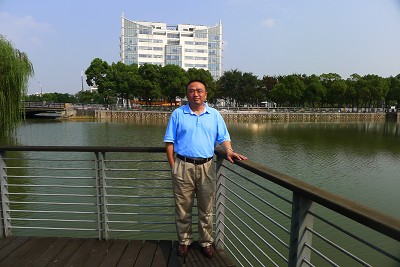 Zunji Ke (柯尊记)合作论文数上海中医药大学生物化学教研室3Yin Cao合作论文数3Zipeng Gong (巩仔鹏)合作论文数3
 Lili Jia (贾莉莉)合作论文数College of Civil Engineering, HeFei University of Technology3
 Peng Gao (高鹏)合作论文数College of Civil Engineering, Hefei University of Technology3




