LLM agents increasingly rely on agent harness: the runtime infrastructure around the base model that defines execution environments, tool interfaces, context, lifecycle orchestration, observability, verification, and governance. Existing self-improving agents and automatic harness evolution methods mainly improve agents through runtime supervision, prompt optimization, workflow search, or harness modification based on final outcomes. However, they often fail to diagnose where the responsible evidence lies in failed trajectories and which harness implementation mechanism causes the unreliable behavior, resulting in broad, indirect, or poorly scoped changes. This paper proposes HarnessFix, a trace-grounded and diagnosis-driven framework for repairing agent harnesses. HarnessFix compiles raw execution traces and harness artifacts into a Harness-aware Trace Intermediate Representation (HTIR), which normalizes fragmented trajectory evidence, captures step-level data-flow and control-flow relations, and aligns runtime steps with the harness artifacts that shape their behavior. It then attributes failures to responsible steps and harness artifacts, and consolidates recurring diagnoses into repair-oriented flaw records. Finally, HarnessFix maps these records to scoped repair operators, generates patches under flaw-specific repair specifications, and accepts them through regression-aware validation. We evaluate HarnessFix on four popular benchmarks, and results show that it improves the performance over the initial harnesses by 6.3
Evaluating security and reliability for multi-agent systems (MAS) is urgent as they become increasingly prevalent in various applications. As an evaluation technique, existing adversarial attack frameworks face certain limitations, e.g., impracticality due to the requirement of white-box information or high control authority, and a lack of stealthiness or effectiveness as they often target all agents or specific fixed agents. To address these issues, we propose AdapAM, a novel framework for adversarial attacks on black-box MAS. AdapAM incorporates two key components: (1) Adaptive Selection Policy simultaneously selects the victim and determines the anticipated malicious action (the action would lead to the worst impact on MAS), balancing effectiveness and stealthiness. (2) Proxy-based Perturbation to Induce Malicious Action utilizes generative adversarial imitation learning to approximate the target MAS, allowing AdapAM to generate perturbed observations using white-box information and thus induce victims to execute malicious action in black-box settings. We evaluate AdapAM across eight multi-agent environments and compare it with four state-of-the-art and commonly-used baselines. Results demonstrate that AdapAM achieves the best attack performance in different perturbation rates. Besides, AdapAM-generated perturbations are the least noisy and hardest to detect, emphasizing the stealthiness.
LLM-powered Multi-Agent Systems (MAS) have demonstrated remarkable capabilities in complex domains but suffer from inherent fragility and opaque failure mechanisms. Existing failure attribution methods, whether relying on direct prompting, costly replays, or supervised fine-tuning, typically treat execution logs as flat sequences. This linear perspective fails to disentangle the intricate causal links inherent to MAS, leading to weak observability and ambiguous responsibility boundaries. To address these challenges, we propose CHIEF, a novel framework that transforms chaotic trajectories into a structured hierarchical causal graph. It then employs hierarchical oracle-guided backtracking to efficiently prune the search space via sybthesized virtual oracles. Finally, it implements counterfactual attribution via a progressive causal screening strategy to rigorously distinguish true root causes from propagated symptoms. Experiments on Who When benchmark show that CHIEF outperforms eight strong and state-of-the-art baselines on both agent- and step-level accuracy. Ablation studies further confirm the critical role of each proposed module.
Embodied agents in safety-critical applications such as Vision-Language Navigation (VLN) rely on multiple interdependent capabilities (e.g., perception, memory, planning, decision), making failures difficult to localize and attribute. Existing testing methods are largely system-level and provide limited insight into which capability deficiencies cause task failures. We propose a capability-oriented testing approach that enables failure detection and attribution by combining (1) adaptive test case generation via seed selection and mutation, (2) capability oracles for identifying capability-specific errors, and (3) a feedback mechanism that attributes failures to capabilities and guides further test generation. Experiments show that our method discovers more failure cases and more accurately pinpoints capability-level deficiencies than state-of-the-art baselines, providing more interpretable and actionable guidance for improving embodied agents.
Platform-orchestrated agentic workflows have become a popular paradigm for developing LLM-based applications. However, their reliability remains a major challenge due to the uncertainty of LLM outputs, complex inter-node dependencies, and heterogeneous tool interactions. Existing agentic workflow optimization and agent enhancement methods primarily rely on trajectory-level feedback. Without explicitly identifying the underlying failure root causes, their resulting repair plans are often insufficiently targeted. We propose FlowFixer, a diagnosis-driven automated repair framework for agentic workflows. FlowFixer first transforms workflow executions into unified symbolic traces and performs symbolic inference to derive executable behavioral specifications that capture node correctness, temporal dependencies, and causal relationships. Based on specification verification, it conducts failure attribution and root cause analysis, and then generates targeted repair patches. To reduce verification costs, FlowFixer further employs a multi-dimensional pre-execution assessment to filter infeasible repairs before dynamic verification. We evaluate FlowFixer on workflow failures collected from three popular development platforms: Dify, Coze and n8n. Results show that FlowFixer achieves a repair success rate of 71.3
Agents increasingly rely on reusable skills to encode task knowledge, tool-use procedures, and validation rules. Existing skill self-evolution methods primarily revise skills using execution trajectories collected from current tasks, leaving the evolution knowledge accumulated in public skill version histories largely untapped. Our pilot study reveals a clear complementarity between the two sources: public skill changes provide reusable evolution priors, whereas trajectories provide evidence grounded in the current task. Motivated by this, we propose VCE-Skill, which distills noisy and implementation-specific public skill changes into reusable, structured version-change experience and adaptively fuses it with trajectory-derived proposals from the base evolver, thereby exploiting external experience while retaining task-specific evidence. Extensive experiments demonstrate that VCE-Skill improves skill self-evolution, increasing mean scores by 3.20–4.98 points; transfer experiments further show that the resulting skills achieve stronger cross-model transfer performance. Our work highlights public skill version changes as a previously underexplored yet effective source of prior knowledge and advances trajectory-driven skill self-evolution.
Large language model (LLM) agents have emerged as a transformative software paradigm, enabling autonomous task execution through natural language reasoning, multi-agent collaboration, and tool integration. However, their non-deterministic decision-making and complex interaction patterns introduce unprecedented challenges for failure diagnosis and system improvement. Unlike traditional software, where failures often manifest as code defects, agent failures are embedded in lengthy, language-heavy execution trajectories that include natural language reasoning, obscuring root causes and complicating repair. This survey provides a systematic review of the burgeoning field of trajectory analysis for failure attribution and system enhancement in LLM agents. We collect 55 papers published between early 2025 and April 2026, spanning software engineering, artificial intelligence, and human-computer interaction. We organize the literature along five key dimensions: failure taxonomy, failure attribution, system enhancement and optimization, trajectory monitoring and analysis tools, as well as datasets and benchmarks. Our analysis reveals that while the field has progressed rapidly from simple LLM prompting to causal inference, fine-tuned tracer models, and dynamic intervention, the step-level attribution accuracy remains limited, and benchmark diversity is still a bottleneck. We identify four complementary taxonomic perspectives, four methodological paradigms for attribution, and three families of enhancement strategies. We also critically assess existing benchmarks, highlighting a recent shift toward full observability and unrecoverable failure annotation. This survey serves as both a structured overview for current research and a strategic guide for advancing robust, efficient, and self-improving agent ecosystems. We further call upon the software engineering community to engage more deeply with this emerging class of software, bringing expertise in fault localization, program repair, and empirical methods to bear on the unique challenges posed by LLM agents.
Tool-calling text-to-image (T2I) agents can plan and execute multi-step tool chains to accomplish complex generation and editing queries. However, this capability introduces a new safety attack surface: harmful outputs may arise from tool orchestration, where individually benign steps combine into unsafe results, making prompt-only jailbreak techniques insufficient. We present OrchJail, an orchestration-guided fuzzing framework for jailbreaking tool-calling T2I agents. Its core idea is to exploit high‑risk tool‑orchestration patterns: by learning from successful jailbreak tool-calling traces and their causal relationships to prompt wording, OrchJail directly guides the fuzzing search toward prompts that are more likely to trigger unsafe multi‑step tool behaviors, rather than relying on surface‑level textual perturbations. Extensive experiments demonstrate that OrchJail improves jailbreak effectiveness and efficiency across representative tool-calling T2I agents, achieving higher attack success rates, better image fidelity, and lower query costs, while remaining robust against common jailbreak defenses. Our work highlights tool orchestration as a critical, previously unexplored attack surface and provides a novel framework for uncovering safety risks in T2I agents.
Failure attribution, i.e., identifying the responsible agent and decisive step of a failure, is particularly challenging in LLM-based multi-agent systems (MAS) due to their natural-language reasoning, nondeterministic outputs, and intricate interaction dynamics. A reliable benchmark is therefore essential to guide and evaluate attribution techniques. Yet existing benchmarks rely on partially observable traces that capture only agent outputs, omitting the inputs and context that developers actually use when debugging. We argue that attribution should be studied under full execution observability, aligning with real-world developer-facing scenarios where complete traces, rather than only outputs, are accessible for diagnosis. To this end, we introduce TraceElephant, a benchmark designed for failure attribution with full execution traces and reproducible environments. We then systematically evaluate failure attribution techniques across various configurations. Specifically, full traces improve attribution accuracy by up to 76.5% over a partial-observation counterpart, confirming that missing inputs obscure many failure causes. TraceElephant provides a foundation for follow-up failure attribution research, promoting evaluation practices that reflect real-world debugging and supporting the development of more transparent MASs.
Context: User reviews of mobile apps provide an important communication channel between developers and users. Existing approaches to automated app review analysis mainly focus on one task (e.g., bug classification task, information extraction task, etc.) at a time, and are often constrained by the manually defined patterns and the ignorance of the correlations among the tasks. Recently, multi-task learning (MTL) has been successfully applied in many scenarios, with the potential to address the limitations associated with app review mining tasks. Objective: In this paper, we propose MABLE, a deep MTL-based and semantic-aware approach, to improve app review analysis by exploiting task correlations. Methods: MABLE jointly identifies the types of involved bugs reported in the review and extracts the fine-grained features where bugs might occur. It consists of three main phases: (1) data preparation phase, which prepares data to allow data sharing beyond single task learning; (2) model construction phase, which employs a BERT model as the shared representation layer to capture the semantic meanings of reviews, and task-specific layers to model two tasks in parallel; (3) model training phase, which enables eavesdropping by shared loss function between the two related tasks. Results: Evaluation results on six apps show that MABLE outperforms ten commonly-used and state-of-the-art baselines, with the precision of 79.76% and the recall of 79.24% for classifying bugs, and the precision of 79.83% and the recall of 80.33% for extracting problematic app features. The MTL mechanism improves the F-measure of two tasks by 3.80% and 4.63%, respectively. Conclusion: The proposed approach provides a novel and effective way to jointly learn two related review analysis tasks, and sheds light on exploring other review mining tasks.
Agentic workflows built on low-code orchestration platforms enable rapid development of multi-agent systems, but they also introduce new and poorly understood failure modes that hinder reliability and maintainability. Unlike traditional software systems, failures in agentic workflows often propagate across heterogeneous nodes through natural-language interactions, tool invocations, and dynamic control logic, making failure attribution and repair particularly challenging. In this paper, we present an empirical study of platform-orchestrated agentic workflows from a failure lifecycle perspective, with the goal of characterizing failure manifestations, identifying underlying root causes, and examining corresponding repair strategies. We present AgentFail, a dataset of 307 real-world failure cases collected from two representative agentic workflow platforms. Based on this dataset, we analyze failure patterns, root causes, and repair difficulty for various failure root causes and nodes in the workflow. Our findings reveal key failure mechanisms in agentic workflows and provide actionable guidelines for reliable failure repair, and real-world agentic workflow design.
Internet technology has given rise to an open-collaborative software development paradigm, necessitating the open-collaborative schema to software testing. It enables diverse and globally distributed contributions, but also presents significant challenges to efficient testing processes, coordination among personnel, and management of testing artifacts. At the same time, advancements in artificial intelligence (AI) have enhanced testing capabilities and enabling automation, while also introducing new testing needs and unique challenges for AI-based systems. In this context, this paper explores software testing in the open-collaborative and AI-powered era, focusing on the interrelated dimensions of process, personnel, and technology. Among them, process involves managing testing workflows and artifacts to improve efficiency, personnel emphasizes the role of individuals in ensuring testing quality through collaboration and contributions, while technology refers to AI methods that enhance testing capabilities and address challenges in AI-based systems. Furthermore, we delve into the challenges and opportunities arising from emerging technologies such as large language models (LLMs) and the AI model-centric development paradigm.
Mobile app GUI (Graphical User Interface) pages now contain rich visual information, with the visual semantics of each page helping users understand the application logic. However, these complex visual and functional logics present new challenges to software testing. Existing automated GUI testing methods, constrained by the lack of reliable testing oracles, are limited to detecting crash bugs with obvious abnormal signals. Consequently, many non-crash functional bugs, ranging from unexpected behaviors to logical errors, often evade detection by current techniques. While these non-crash functional bugs can exhibit visual cues that serve as potential testing oracles, they often entail a sequence of screenshots, and detecting them necessitates an understanding of the operational logic among GUI page transitions, which is challenging traditional techniques. Considering the remarkable performance of Multimodal Large Language Models (MLLM) in visual and language understanding, this paper proposes VisionDroid, a novel vision-driven, multi-agent collaborative automated GUI testing approach for detecting non-crash functional bugs. It comprises three agents: Explorer, Monitor, and Detector, to guide the exploration, oversee the testing progress, and spot issues.We also address several challenges,i.e., aligning visual and textual information for MLLM input, achieving functionality-oriented exploration, and inferring test oracles for non-crash bugs, to enhance the performance of functionality bug detection. We evaluate VisionDroid on 590 non-crash bugs and compare it with 12 baselines, it can achieve more than 14%-112% and 108%-147% boost in average recall and precision compared with the best baseline. The ablation study further proves the contribution of each module. Moreover, VisionDroid identifies 43 unknown bugs on Google Play, of which 31 have been fixed.
Deep reinforcement learning has achieved remarkable success in competitive games, surpassing human performance in applications ranging from business competitions to video games. In competitive environments, agents face the challenge of adapting to continuously shifting adversary strategies, necessitating the ability to handle diverse scenarios. Existing studies primarily focus on evaluating agent robustness either through perturbing observations, which has practical limitations, or through training adversarial agents to expose weaknesses, which lacks strategy diversity exploration. There are also studies which rely on curiosity-based mechanism to explore the diversity, yet they may lack direct guidance to enhance identified decision-making flaws. In this paper, we propose a novel diversity-oriented testing framework (called AdvTest) to test the competitive game agent via constraint-guided adversarial agent training. Specifically, AdvTest adds constraints as the explicit guidance during adversarial agent training to make it capable of defeating the target agent using diverse strategies. To realize the method, three challenges need to be addressed, i.e., what are the suitable constraints, when to introduce constraints, and which constraint should be added. We experimentally evaluate AdvTest on the commonly-used competitive game environment, StarCraft II. The results on four maps show that AdvTest exposes more diverse failure scenarios compared with the commonly-used and state-of-the-art baselines.
The competitive game between agents exists in many critical applications, such as military unmanned aerial vehicles. It is urgent to test these agents to reduce the significant losses caused by their failures. Existing studies mainly are to construct a testing agent that competes with the target agent to induce its failures. These approaches usually focus on a single task, requiring much more time for multi-task testing. However, if the previously tested tasks (source tasks) and the task to be tested (target task) share similar agents or task objectives, the transferable knowledge in source tasks can potentially increase the effectiveness of testing in the target task. We propose Demo2Test for conducting transfer testing of agents in the competitive environment, i.e., leveraging the demonstrations of failure scenarios from the source task to boost the testing effectiveness in the target task. It trains a testing agent with demonstrations and incorporates the action perturbation at key states to balance the number of revealed failures and their diversity. We conduct experiments in the simulated robotics competitive environments of MuJoCo. The results indicate that Demo2Test outperforms the best-performing baseline with improvements ranging from 22.38% to 87.98%, and 12.69% to 60.98%, in terms of the number and diversity of discovered failure scenarios, respectively.
Explaining multi-agent systems (MAS) is urgent as these systems become increasingly prevalent in various applications. Previous work has provided explanations for the actions or states of agents, yet falls short in understanding the blackboxed agent’s importance within a MAS and the overall team strategy. To bridge this gap, we propose EMAI, a novel agent-level explanation approach that evaluates the individual agent’s importance. Inspired by counterfactual reasoning, a larger change in reward caused by the randomized action of agent indicates its higher importance. We model it as a MARL problem to capture interactions across agents. Utilizing counterfactual reasoning, EMAI learns the masking agents to identify important agents. Specifically, we define the optimization function to minimize the reward difference before and after action randomization and introduce sparsity constraints to encourage the exploration of more action randomization of agents during training. The experimental results in seven multi-agent tasks demonstrate that EMAI achieves higher fidelity in explanations compared to baselines and provides more effective guidance in practical applications concerning understanding policies, launching attacks, and patching policies.
Crash reports are vital for software maintenance since they allow the developers to be informed of the problems encountered in the mobile application. Before fixing, developers need to reproduce the crash, which is an extremely time-consuming and tedious task. Existing studies conducted the automatic crash reproduction with the natural language described reproducing steps. Yet we find a non-neglectable portion of crash reports only contain the stack trace when the crash occurs. Such stack-trace-only crashes merely reveal the last GUI page when the crash occurs, and lack step-by-step guidance. Developers tend to spend more effort in understanding the problem and reproducing the crash, and existing techniques cannot work on this, thus calling for a greater need for automatic support. This paper proposes an approach named CrashTranslator to automatically reproduce mobile application crashes directly from the stack trace. It accomplishes this by leveraging a pre-trained Large Language Model to predict the exploration steps for triggering the crash, and designing a reinforcement learning based technique to mitigate the inaccurate prediction and guide the search holistically. We evaluate CrashTranslator on 75 crash reports involving 58 popular Android apps, and it successfully reproduces 61.3% of the crashes, outperforming the state-of-the-art baselines by 109% to 206%. Besides, the average reproducing time is 68.7 seconds, outperforming the baselines by 302% to 1611%. We also evaluate the usefulness of CrashTranslator with promising results.
Code summarization plays a vital role in aiding developers with program comprehension by generating corresponding textual descriptions for code snippets. While recent approaches have concentrated on encoding the textual and structural characteristics of source code, they often neglect the global hierarchical features, causing limited code representation. Addressing this gap, our paper introduces the statement-grained hierarchy enhanced Transformer model (SHT), a novel framework that integrates global hierarchy, syntax, and token sequences to automatically generate summaries for code snippets. SHT is distinctively designed with two encoders to learn both hierarchical and sequential features of code. One relational attention encoder processes the statement-grained hierarchical graph, producing hierarchical embeddings. Subsequently, another sequence encoder integrates these hierarchical structures with token sequences. The resulting enriched representation is then fed into a vanilla Transformer decoder, which effectively generates concise and informative summarizations. Our extensive experiments demonstrate that SHT significantly outperforms state-of-the-art approaches on two widely used Java benchmarks. This underscores the effectiveness of incorporating global hierarchical information in enhancing the quality of code summarizations.
With the increasing size of code and the increasing complexity of code files,code defect detection tools need to adopt parallel scheduling method for scheduling.In order to better use parallel method for scheduling and improve the efficiency of defect detection and utilization of hardware resources,we propose a method to predict the cost of the module tested in code defect detection.According to the characteristics of the defect testing system(DTS)defect detection process,the time cost feature and space cost feature were extracted.The semantic feature was extracted by deep memory network.The time cost feature and semantic feature were fused to get the fusion feature,and the regression model was used to predict the time cost of the fusion feature and the space cost of the space cost feature.Experimental results on 8 open source C projects show that the proposed method has a good performance in cost prediction.
The artificial intelligent agents have achieved remarkable success in multi-robot control, intelligent transportation, and competitive games, etc. Thorough testing for these agents is urgently needed to ensure its robustness in the face of constantly changing and unexpected scenarios. Existing methods mainly focus on the robustness testing to check whether these agents can cope with diverse scenarios. However, ensuring an agent can behave aligned with human instructions is also highly demanded, especially in competitive games. In these scenarios, the human commander might require the agent to behave in their desired manner in order to check whether a specific human instruction can win the game. Moreover, it is quite challenging to automatically assess whether an agent behave aligned with human instructions, considering the fact that the agents' low-level behaviors can hardly directly match with the high-level natural language described human instructions. To address this challenge, we propose an automatic assessment approach ABIM for determining whether the agents behave aligned with human instructions based on LLM inference. Its general idea is to automatically transfer the agent behavior and human instructions into a unified description of the micro operation topological representation with the LLM's natural language understanding and inference capability. We conduct experiments with five human instructions on SMAC environment, and results show that we can make the assessment with Precision of 0.5775 to 0.8571 and Recall of 0.6087 to 1.0. This automatic assessment technology can facilitate the alignment testing of agents, therefore enhance their quality more comprehensively.
 Yunzhan Gong (宫云战)合作论文数State Key Laboratory of Networking and Switching Technology, School of Computer Science, Beijing University of Posts and Telecommunications56
 Qing Wang (王青)合作论文数Institute of Software, Chinese Academy of Sciences;University of Chinese Academy of Sciences30
 Junjie Wang (王俊杰)合作论文数Institute of Software, Laboratory for Internet Software Technologies, Chinese Academy of Sciences;University of Chinese Academy of Sciences19
 Dahai Jin (金大海)合作论文数School of Computer Science, Beijing University of Posts and Telecommunications;State Key Laboratory of Networking and Switching Technology, Beijing University of Posts and Telecommunications18
 Ying Xing (邢颖)合作论文数Beijing University of Posts and Telecommunications13
 Xuzhou Zhang合作论文数11
 Zhe Liu (刘哲)合作论文数Institute of Software, Chinese Academy of Sciences9
 Xiaofei Xie (谢肖飞)合作论文数School of Computing and Information Systems, Singapore Management University9
 Lin Shi (石琳)合作论文数School of Software, Beihang University6Yang Zhao-Hong (杨朝红)合作论文数6
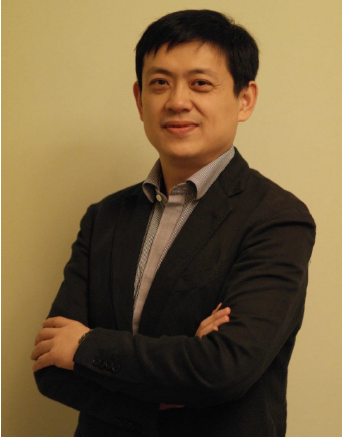 Fanjiang Xu (徐帆江)合作论文数State Key Laboratory of Computer Science,Institute of Software,Chinese Academy of Sciences, China6Mingyang Li合作论文数5Shoubin Li合作论文数5
 Huan Lin (林欢)合作论文数The Affiliated TCM Hospital of Guangzhou Medical University5Mingzhe Zhang合作论文数5Jun Hu合作论文数4
 Junfei Huang (黄俊飞)合作论文数School of Computer Science, Beijing University of Posts and Telecommunications4Boyu Wu合作论文数3Peng Dai合作论文数3
 Chunyang Chen (陈春阳)合作论文数Department of Computer Science, School of Computation, Information and Technology, Technical University of Munich3
 Hongyu Zhang (张洪宇)合作论文数School of Big Data & Software Engineering, Chongqing University3
 Jianming Chen合作论文数Institute of Software, Chinese Academy of Sciences;University of Chinese Academy of Sciences2
 Song Wang合作论文数Department of Electrical Engineering and Computer Science, Lassonde School of Engineering, York University2Guizhen Pi合作论文数2Kairui Wang合作论文数2Ming Xuran合作论文数2Xuyan Ma合作论文数2Yanyang Zhao合作论文数2Yuanzhe Hu合作论文数2Gen-nan QIAN (钱茛南)合作论文数2
 Yuwei Zhang (张俞炜)合作论文数Institute of Software Chinese Academy of Sciences, Beijing, China2Xinhua Peng合作论文数2Weimin Liao合作论文数2Mingzhe Xing (邢铭哲)合作论文数Department of Computer Science, Peking University;School of Computer Science, Peking University2
 Dandan Wang (王丹丹)合作论文数Institute of Software, Chinese Academy of Sciences;University of Chinese Academy of Sciences2
 Yun Yang合作论文数Department of Computer Science and Software Engineering, Swinburne University of Technology;Department of Computing Technologies, School of Science, Computing and Engineering Technologies, Swinburne University of Technology2Haiqing Wang合作论文数1Huiquan Gong合作论文数1Yang Song合作论文数1Mengzhuo Chen合作论文数1Tianze Guo合作论文数1Xing Che合作论文数1
 Yuchao Huang合作论文数1Hang Yu合作论文数1Wei Jia合作论文数1Li Yang合作论文数1chang yu (于畅)合作论文数1




