Autologous hematopoietic cell transplantation (ASCT) is a reasonable consolidation therapy for eligible patients with chemosensitive relapsed central nervous system lymphoma (CNSL) who have achieved complete remission (CR) and maintained the CR. Chimeric antigen receptor T-cell (CAR-T) therapy is an effective treatment option for patients with relapsed CNSL, although evidence on outcomes in patients who achieve CR is limited. To compare the efficacy of ASCT versus CAR-T therapy as consolidation therapy in patients with relapsed CNSL once CR had been re-achieved. A retrospective observational study was conducted on patients who underwent ASCT or CAR-T therapy at the Department of Lymphoma, Beijing Gobroad Hospital, between 2021 and 2024. CAR-T therapy was part of the clinical trial “Different B-cell-targeted CAR-T cells for relapsed/refractory CNSL (ChiCTR2200058972)”. Sixty patients, including 42 (70
This phase 2, single-arm, multi-center study (NCT03934567) evaluates the efficacy and safety of abexinostat, a histone deacetylase inhibitor, in patients with relapsed or refractory (r/r) follicular lymphoma (FL). Eligible participants had previously received a minimum of two systemic treatment lines, such as cytotoxic agents and/or anti-CD20 monoclonal antibodies. Participants received abexinostat 80 mg oral twice daily on a schedule of seven days on and seven days off, within 28-day cycles, continuing until unacceptable toxicity or disease progression occurred. The primary endpoint was objective response rate (ORR), evaluated by an independent review committee (IRC). Secondary endpoints comprised duration of response (DoR), disease control rate (DCR), progression-free survival (PFS), overall survival (OS), and safety. Between May 2, 2019, and November 19, 2023, 90 patients were enrolled. As of October 08, 2024, with a median follow-up of 30.55 months (95% confidence interval [CI] 23.72-33.64), 17.8% (16/90) of patients were still on study treatment. The ORR was 69.5% (57/82, 95% CI 58.4-79.2), with a complete response rate of 14.6% (12/82). The DCR was 91.5% (75/82, 95% CI 83.2-96.5). Tumor size reduced in 89% (73/82) of patients. The median DoR was 13.96 months (95% CI 9.20-not reached [NR]) and the median PFS was 13.80 months (95% CI 9.69-30.26). The median OS was 47.18 months (95% CI 45.70-NR). The most common treatment-emergent adverse events were thrombocytopenia (77/90, 85.6%), neutropenia (53/90, 58.9%), and leukopenia (47/90, 52.2%). The results of this study demonstrated that abexinostat had promising efficacy and manageable safety profile, supporting abexinostat as a new treatment option for the third-line or later-line treatment of r/r FL.
CAR-T therapy, alone or combined with autologous stem cell transplantation (ASCT), is used as consolidation in relapsed/refractory large B-cell lymphoma (r/r LBCL) patients achieving complete remission (CR) after salvage therapy. However, the relative contributions of these approaches to long-term disease control in this remission setting remain unclear. We retrospectively analyzed 30 patients with r/r LBCL who achieved CR after salvage therapy and subsequently received CAR-T–based consolidation, either alone (n = 15) or combined with ASCT (n = 15). With a median follow-up of 39.4 months, median progression-free survival (PFS) and overall survival (OS) were not reached. The 3-year PFS and OS rates were 73.0
Chimeric antigen receptor (CAR) T-cell therapy has revolutionized the treatment landscape for relapsed/refractory (R/R) lymphoma. However, heterogeneous responses and treatment-related toxicities remain significant challenges. The prognostic nutritional index (PNI), reflecting both nutritional status and systemic immune competence, has emerged as a potential biomarker in various malignancies. This study aimed to evaluate the predictive value of the PNI assessed specifically prior to lymphodepletion in patients with R/R lymphoma receiving CAR T-cell therapy. We retrospectively analyzed 449 patients with R/R lymphoma treated with CAR T cells. The PNI was calculated using serum albumin levels and absolute lymphocyte counts measured before administering lymphodepleting chemotherapy. The optimal PNI cutoff for predicting survival was determined to be 39.2 using maximally selected rank statistics. The patients were stratified into high-PNI (> 39.2, n = 363) and low-PNI (≤ 39.2, n = 86) groups on the basis of the PNI cutoff value. The median age of the patients was 52 years. All patients had R/R aggressive B-cell lymphoma and were treated with CAR T cells. Compared with patients in the low-PNI group, patients in the high-PNI group achieved significantly superior clinical responses, with higher overall response rates (ORRs: 65.5
Background:Central nervous system lymphoma (CNSL) is a rare but aggressive subtype of lymphoma that presents significant therapeutic challenges. The prognosis for patients with CNSL varies significantly based on several genetic factors, including TP53 mutations, which are among the most critical determinants of treatment outcomes. Chimeric antigen receptor T (CAR-T) cell therapy has shown promising results in several hematological malignancies, including B-cell lymphomas. However, its efficacy in CNSL, particularly in patients with TP53 mutations, requires further investigation. Methods:A retrospective cohort study was conducted on 61 CNSL patients who had been treated at our institution from 2020 to 2024. The median follow-up time was 14.5 months. A total of 43 patients received CAR-T cell infusion therapy. The overall survival (OS) and progression-free survival (PFS) of patients harboring TP53 mutations (TP53+) and those with wild-type TP53 (TP53-) were compared. In addition, factors associated with patient prognosis were also identified. Results:Among the 43 patients who received CAR-T cell therapy, 17 harbored TP53 mutations. The median age of the cohort was 51.5 years, and 51.2% of the patients (22/43) were male. The overall response rate (ORR) and the complete response rate (CRR) in the TP53+ CAR-T+ group were both 64.5% (11/17), the median OS duration was 14.07 months (95% CI 12.63-∞), and the median PFS duration was 12.77 months (95% CI 6.33-∞). In the TP53-CAR-T+ group, the ORR was 73.3% (19/26), the CRR was 69.2% (18/26), the median OS duration was 33.47 months (95% CI 11.23-∞), and the median PFS duration was 22.4 months (95% CI 6.13-∞). In the subgroup analysis, the cell-of-origin (COO) classification was a key factor influencing the long-term survival of CSNL patients; in the TP53+ group, patients with non-germinal center B-cell-like (GCB) classification had longer OS compared to the GCB subtype (p = 0.003). Conclusion:CAR-T cell therapy is an effective treatment for CNSL patients harboring TP53 mutations and has the same efficacy as traditional treatment methods. Additionally, CAR-T cells may be more effective for TP53+ CSNL patients with a non-GCB classification.
PurposeTP53 mutations are among the strongest adverse prognostic factors in large B-cell lymphoma (LBCL) treated with chemoimmunotherapy. Whether this unfavorable prognostic impact persists in the era of chimeric antigen receptor (CAR) T-cell therapy remains controversial, largely due to the lack of non–CAR-T comparator cohorts. We aimed to explore whether the adverse prognostic impact of TP53 mutations differs according to treatment modality, particularly in patients receiving CAR-T therapy versus chemotherapy-based approaches.Patients and methodsWe retrospectively analyzed 195 adult patients with r/r LBCL who underwent Next-Generation Sequencing (NGS). TP53 mutations were identified in 75 patients (38%). Overall, 151 patients received CD19-directed CAR-T cell therapy, while 44 received non–CAR-T chemotherapy-based treatments. Mutational architecture, including mutation type (missense vs. disruptive) and protein domain (DNA-binding domain [DBD] vs. non-DBD), was also evaluated within the TP53-mutant cohort. Patients were stratified into four groups according to TP53 mutation status and treatment modality. Treatment responses were assessed per Lugano 2014 criteria. Overall survival (OS) and progression-free survival (PFS) were estimated using the Kaplan–Meier method and compared using log-rank tests.ResultsAmong TP53-mutated patients, CAR-T therapy was associated with significantly improved outcomes compared with chemotherapy, with higher objective response rates (56.6% vs 18.2%) and markedly prolonged median OS (12.13 vs 2.20 months; P <.0001). In TP53 wild-type patients, CAR-T therapy also resulted in superior survival compared with chemotherapy (median OS, 25.15 vs 8.28 months; P = .003). Within the CAR-T–treated cohort, TP53-mutated patients achieved objective and complete response rates comparable to those of TP53 wild-type patients, although median OS and PFS were shorter. The superior efficacy of CAR-T was consistent across different TP53 mutation types, although patients with mutations localized outside the DBD (non-DBD) demonstrated a trend toward further improved survival (P = 0.046). The incidence and severity of CAR-T–related toxicities, including cytokine release syndrome, immune effector cell–associated neurotoxicity syndrome, and grade ≥3 hematologic adverse events, were similar regardless of TP53 mutation status.ConclusionAlthough TP53 mutations are associated with poor prognosis in patients treated with chemotherapy, their adverse prognostic impact appears to be attenuated in the context of CAR-T cell therapy. These findings suggest that CAR-T therapy may partially mitigate the negative impact of TP53 alterations.
Blastic plasmacytoid dendritic cell neoplasm (BPDCN) is an aggressive hematologic malignancy with limited therapeutic options for patients ineligible for allogeneic hematopoietic stem cell transplantation (allo-HSCT). While CD123-targeted therapies and CAR T-cell infusion have shown promise, achieving durable remission without consolidative transplantation remains challenging. We report a pioneering “triple-integrated” consolidation strategy in a 55-year-old male with relapsed/refractory BPDCN and central nervous system involvement who lacked a suitable HLA-matched donor. After achieving a complete metabolic response with persistent bone marrow minimal residual disease (MRD) following Hyper-CVAD chemotherapy, the patient underwent high-dose conditioning and autologous stem cell transplantation (ASCT) sequentially followed by autologous CD123 CAR T-cell infusion (1.74×10⁶/kg). The clinical course was complicated by Grade 3 cytokine release syndrome and suspected immune effector cell-associated HLH-like syndrome (IEC-HS), which were successfully managed with glucocorticoid and emapalumab. Notably, ASCT served as a “hematopoietic rescue” for CAR-T-induced prolonged cytopenia. To prevent late clonal escape, maintenance therapy with the BCL-2 inhibitor venetoclax was initiated post-transplant. The patient achieved sustained MRD-negative CR with a disease-free survival exceeding 13 months. This multimodal paradigm—combining intensive cytoreduction, targeted immunotherapy with marrow rescue, and molecular maintenance—provides a feasible and potentially curative alternative for BPDCN patients in the “no-donor” setting.
Chemoresistance is a primary challenge in diffuse large B-cell lymphoma (DLBCL) treatment. The review is developed to explore the potential of the nanocarrier strategy to minimize resistance in DLBCL treatment. The application of nanocarriers offers promising solutions to increase the drug delivery, avoid resistance, and minimize off-target delivery. Therapeutic strategies of nanocarriers with targeted delivery, gene-based therapies, and combination therapies are explained in the review. This review further evaluates the CXCR4 and Transferrin Receptor 1 (TFR1) efficacy through highly functional nanocarriers that control resistance in the drug pathways. Moreover, it is found that microRNA (miRNA) and small interfering RNA (siRNA) delivery through nanocarriers is beneficial to reduce the chemoresistance and resensitise the DLBCL cells. Furthermore, the review included the significance of multifunctional nanocarriers that combine drug delivery with a stimuli-responsive system and gene regulation that further releases therapeutics in a selective tumour environment. The treatment option is also associated with various challenges, like biological barriers, scalability, safety issues, and the specificity of targeting impacts on the clinical adoption of these technologies. The future research is recommended to focus on the optimization of the nanocarrier design, integration of nanocarriers, and conducting clinical and pre-clinical studies using other therapeutic modalities, that can improve the treatment outcomes for DLBCL patients.
B-cell non-Hodgkin’s lymphoma (B-NHL) is a highly heterogeneous tumor. Currently, CAR-T cells have been widely used in the treatment of B-cell lymphomas, with a complete response rate reaching 40
Background Plasma cell leukemia (PCL) is a rare and aggressive hematological malignancy. The long-term prognosis of relapsed/refractory plasma cell leukemia (R/R PCL) remains poor, and few treatment options are available for patients with triple-refractory disease. Chimeric antigen receptor (CAR)-T cell therapy targeting the B-cell maturation antigen (BCMA) has shown promise, though its long-term efficacy and optimal subsequent strategies remain to be fully elucidated.Methods This retrospective study analyzed the efficacy and safety of BCMA CAR-T therapy in 12 patients with triple-class R/R PCL. Patients were stratified into consolidation (Group 1, allo-HSCT within 3 months post-CAR-T) and non-consolidation (Group 2, no allo-HSCT within 3 months post-CAR-T) groups, with survival outcomes compared between cohorts.Results The overall response rate following BCMA-CAR-T cell therapy was 75% (9/12); four patients achieved partial response, four achieved very good partial response, and one patient had complete response. Grade 3-4 cytopenia were universally observed, while 83.3% (10/12)of the patients presented with mild (grade 1-2) cytokine release syndrome. The median progression free survival (PFS) was 8.9 months (95% CI: 4.6, not reached). The 1-year PFS rate was 33.3% (95% CI: 7.8-62.3), and the 2-year PFS rate was 22.2% (95% CI: 3.4-51.3). The median overall survival (OS) was 15.5 months (95% CI: 5.7, not reached). The 1-year OS rate was 55.6% (95% CI: 20.4-80.5), and the 2-year OS rate was 22.2% (95% CI: 3.4-51.3). furthermore, two of the four patients who underwent consolidation therapy showed long-term survival with stringent complete response.Conclusions BCMA-CAR-T therapy confers short-term remission and survival benefits in relapsed/refractory plasma cell leukemia (R/R PCL). However, the definitive value of allogeneic hematopoietic stem cell transplantation (allo-HSCT) awaits validation in large-sample prospective studies.
Chimeric antigen receptor T cell (CAR-T) therapy has emerged as a promising strategy for treating relapsed or refractory (R/R) primary central nervous system lymphoma (PCNSL). While recent reports suggest that combined autologous stem cell transplantation (ASCT) and CAR-T therapy may offer superior efficacy over CAR-T monotherapy, direct comparative evidence evaluating these modalities against conventional ASCT as consolidation therapy for patients in complete remission (CR) remains scarce. This study was conducted to evaluate and compare the clinical efficacy and survival outcomes of 3 consolidation strategies-ASCT, CAR-T monotherapy, and ASCT combined with CAR-T therapy (ASCT+CAR-T)-in R/R PCNSL patients who reachieved CR. This retrospective study analyzed 112 patients with R/R PCNSL who received consolidation therapy at Beijing GoBroad Hospital between April 2022 and November 2025. CAR-T therapy recipients were enrolled in the clinical trial (ChiCTR2200058972). The median age of the cohort was 57 years (range, 25 to 75 years). Fourteen patients (12.5%) had received more than 3 prior lines of therapy, and 23.2% of the cohort presented with an International Extranodal Lymphoma Study Group (IESLG) score ≥3. For consolidation, 38 patients received CAR-T therapy, 42 underwent ASCT, and 32 received combined ASCT+CAR-T therapy. At a median follow-up of 21.4 months, the overall 2-year progression-free survival (PFS) and overall survival (OS) rates were 70.7% and 82.5%, respectively. In the stabilized inverse probability of treatment weighting-adjusted analysis, the ASCT group demonstrated a significantly lower cumulative incidence of relapse compared to the CAR-T group (subdistribution hazard ratio [sHR], 0.236; P = .034) and the ASCT+CAR-T group (sHR, 0.121; P = .009). While ASCT showed a favorable trend in prolonging PFS over CAR-T therapy (hazard ratio, 0.384; P = .072), no significant differences were observed in OS or 3-month complete response rate across the 3 cohorts. Safety was manageable. The most common causes of death were disease progression (58.8%) and infection (41.2%). For R/R PCNSL patients who successfully reachieved CR, ASCT monotherapy was associated with a lower cumulative incidence of relapse compared with CAR-T monotherapy or ASCT+CAR-T therapy. Given the retrospective nature of this study and potential residual confounding, these findings require further prospective validation.
CD7-directed chimeric antigen receptor (CAR)-T cell therapy has shown early efficacy in patients with refractory or relapsed T cell acute lymphoblastic leukemia (r/r T-ALL). However, manufacturing difficulties remain key challenges. We conducted a phase I study (ChiCTR2200058969) with 3 + 3 low dose-escalation followed by cohort expansion was designed in r/r T-cell lymphoma patients. CD7 CAR-T cells were isolated from patients or from previous stem-cell transplantation donors. The phase Ia study is being conducted with the following dose levels (DL): 1×10 4 , 5×10 4 , and 1×10 5 (± 30%) CAR-T cells/kg. Of 40 patients enrolled, 31 received the recommended phase Ib dose of 1×10 5 (± 30%) CAR-T cells/kg.The most common treatment-related adverse event (AE) within 30 days included cytokine release syndrome (CRS) (92.5%;5% grade 3–4), neutropenia (100%; 97.5% grade 3–4), thrombocytopenia (100%; 85% grade 3–4).In the Ib phase (n = 31), the ORR was 93.5% (29/31) and the CR rate was 80.6% (25/31). For responders in phase Ib (n = 29), patients who received allo-HSCT consolidation (n = 16) had superior 2-year OS compared to patients without allo-HSCT consolidation (n = 13) [54.1% (95% CI: 26.7–75.2) vs. 23.1% (95% CI:5.6–47.5) (P = 0.038)].low-dose CD7 CAR-T cell therapy is effective against r/r T-NHL, and allo-HSCT after achieving remission with CD7 CAR-T therapy can significantly prolong survival.
Background: CD19-directed chimerical antigen receptor T-cell (CAR-T) therapy as an immunotherapy has documented significant clinical results in relapsed or refractory lymphoma patients, especially for diffuse large B-cell lymphoma (DLBCL) patients. Central nervous system lymphoma (CNSL) is classified into primary central nervous system lymphoma (PCNSL) and secondary central nervous system lymphoma (SCNSL). Relapsed or refractory (R/R) PCNSL generally has a poor prognosis, with a median survival period of approximately 4 months. The median survival period of SCNSL ranged from 3.9 months to 1.5 years. Further, CNSL patients were excluded from all key CAR-T-based studies. We conducted a phase 1/2 clinical trial of CD19 CAR-T in highly relapsed/refractory CNSL patients where the medical need was not upto the mark. Objectives: We evaluated the safety and efficacy of CD19 CAR-T in a highly refractory CNSL patients with treatment gaps in a prospective phase 1/2 study. Provide more evidence for CAR-T treatment of CNSL. Methods: This prospective, open-label, single-center phase I/II clinical trial was conducted March 2019 to July 2024. In an accelerated titration, 6 patients were recruited and received stepwise infusion doses of CAR-T cells at 0.1 × 10⁶/kg, 0.2 × 10⁶/kg, and 0.5 × 10⁶/kg to monitor treatment-related toxicity. In Phase I, a standard 3+3 dose escalation design was used to evaluate the treatment-related toxicity in 9 patients who received the conventional dose range of 1-2 × 10⁶/kg CAR-T cells. If no dose-limiting toxicity (DLT) occurs, additional patients will be included in the Phase II expanded cohort. The primary endpoint of this study was safety and tolerability, including all adverse events (AE) and serious adverse events (SAE). The main adverse reactions in CAR-T treatment are cytokine release syndrome (CRS) and immune effector cell-associated neurotoxicity syndrome (ICANS). In addition, determine the recommended dose for subsequent Phase II trial. The secondary endpoint was to evaluate the overall response rate (ORR) and complete response rate (CRR) of dosing treatment. Overall survival (OS) and progression-free survival (PFS) probabilities were estimated employing the Kaplan–Meier method. The exploratory endpoint was to explore the transport of CAR-T cells into cerebrospinal fluid. Results: A total of 69 subjects were enrolled and 45 patients were infused CD19 CAR-T cells. The median time from infusion to data cutoff was 16.01 months (range, 3.19-50.1). 17/45 (37.8%) ) patients were. male A median age of 60 years (range, 29-68) was seen for baseline patient characteristics. In terms of histological subtypes, PCNSL accounted for 23/45 (51.1%). After accelerated titration and the Phase I study of a total of 15 patients, 2e6 cells/kg CD19 CAR-T cells were determined as the infusion dose for the Phase II clinical trial. Among the 45 patients who received CD19 CAR-T infusion, 24 (53.3%) patients developed Grade 1/2 CRS. There were no cases of grade ≥3 CRS. The median onset time after infusion was 12.95 hours and the median duration was 36 hours in all CRS occurred patients. Six patients (13.3%) developed ICANS, only one patient (2.2%) presented with Grade 4 ICANS. The cause of death was determined to be disease progression. Of 45 patients, the overall response rate (ORR) was 75.6% (95% CI 60.5-87.1). The complete response rate was 66.7% (95% CI 51.7-79.5). The median time from the start of administration to data cut-off was 16.01 months. At the time of data cutoff, there was no reach of the median overall survival (OS). The median progression-free survival (PFS) was 20.12 months. Through univariate/multivariate COX regression analysis, it was found that age, gender, the efficacy of bridging treatment, ECOG score, prior treatment and IELSG/IPI score all had significant effects on the prognosis of patients. We conducted a comprehensive analysis of PBMC and CSF samples from patients who received CAR-T treatment. These analyses indicated that CAR-T cells can be transported to the CNS and expand within the CSF, especially in patients who have achieved CR. Conclusion: The therapeutic potential of CD19 CAR-T therapy for hematological malignancies was documented in this analysis, especially for central nervous system lymphoma results in controllable adverse events and significantly improves the clinical treatment outcome.
Glofitamab is a novel bispecific antibody targeting CD20×CD3, capable of simultaneously targeting CD20 and CD3 to activate T cells and release cytotoxic proteins that kill cancer cells. Cytokine release syndrome (CRS) is one of the most common adverse events observed in clinical trials of glofitamab. In most cases, CRS is mild, transient, and manageable with appropriate treatment. This paper reports a case of persistent CRS in a patient with mantle cell lymphoma following glofitamab treatment and reviews the relevant literature for reference.
Autologous stem cell transplantation (ASCT) and chimeric antigen receptor T-cells (CAR-T) have been used as consolidation therapies for patients with refractory/relapsed B cell non-Hodgkin’s lymphoma (R/R B-NHL) in remission after second-line chemotherapy or salvage therapy. However, patients with different pathological subtypes and remission states may benefit differently from ASCT or CAR-T cell therapy. Furthermore, consolidation treatment involving ASCT or CAR-T cells still poses a significant risk of disease relapse. We conducted a retrospective, single-arm study of 47 patients with R/R B-NHL, and found that the combination of ASCT and CAR-T therapy improved the 3-year progression-free survival (PFS) and overall survival (OS) rates to 66.04% (95%CI: 48.311-78.928) and 72.442% (95%CI: 53.46-84.708) respectively. Furthermore, the combination therapy has no serious adverse events. Thus, ASCT combined with CAR-T cell therapy is effective against multiple subtypes of R/R B-NHL, and can effectively prolong the long-term survival of patients.
Background: The prognosis of refractory/relapsed T-cell lymphoma is extremely poor, especially for the patients who failed to allogeneic hematopoietic stem cell transplantation(alloHSCT). Aims: In this single-center Phase I study (ChiCTR2200058969), we administered CD7 CAR T cells to evaluate extended safety, PK, tolerability and efficacy in patients with r/r T-cell lymphoma. Methods: CD7 CAR T-cells is a product in which collected mononuclear cells have been transduced with the lentiviral vector carrying a CD7 CAR construct binding domain fused to a domain for anchoring in the endoplasmic reticulum, allowing CD7 to be retained intracellularly, thereby preventing CAR T cell fraticide. CD7 CAR T-cells was evaluated in a phase Ia study with a 3+3 dose-escalation design followed by cohort expansion.The phase Ia study is being conducted with different dose levels (DL): 1×10⁴ (DL1), 5×10⁴ (DL2), 1×10⁵ (DL3) (±30%) CAR+ cells/kg.Data from phase Ia trial will be used to determine the dosing for the phase Ib trial. Infusion of donor-derived CD7 CAR-T cells in patients who have relapsed after alloHSCT, whereas infusion of autologous CAR-T cells in other patients. Results: From August 2020 to August 2024, forty-Eight patients were screened, of which 40 were enrolled. The median age was 32(18-72) years old. The diagnosis included T-LBL(n=35),HSTL(n=1),MEITL(n=1) ,SS(n=1),Extranodal NK/T-cell lymphoma(n=1)and CTCL( n=1).The disease status was progressive disease in all patients who failed to multi-line therapies, including autoHSCT (n=5), and alloHSCT(n=17).24 patients(60%) had a diffused disease and 8 patients(20%) had central nervous system involvement.In order to reduce the tumor burden, 34(85%) patients were treated with bridging therapy before CAR-T cell infusion. 9 patients in dose escalation for three patients were included in each group from DL1 to DL3 in sequence. No dose-limiting toxicity (DLT) occurred.31 paitients in the cohort expansion with a dose of 1×10⁵ (DL3) (±30%) CAR+ cells/kg as a phase Ib study. The incidence of cytokine release syndrome (CRS) was 80% (7.5% grade 3-4).One grade 4 immune effector cell-associated neurotoxicity syndrome events (2.5%). The most common treatment-related adverse event (AE) was neutropenia (77.5%; 75% grade 3-4), thrombocytopenia (65%; 62.5% grade 3-4) , infections (65%; 45% grade 3-4) .Two grade 3-4 aGVHD event occurred (5%). AE was independent of whether CART cells are sufficiently donor-derived(P=0.402). Among 40 evaluable patients, the overall response rate (ORR) at 1-month post-infusion was 92.5% (37/40), with a complete remission (CR) rate of 77.5% (31/40). In the autologous CD7 CAR-T group (n=23), ORR and CR rates were 86.9% (20/23) and 73.9% (17/23), while the donor-derived group (n=17) achieved 100% ORR (CR 14/17, 82.4%). With a median follow-up of 16.34 months (95% CI: 1.78–48.07), the 3-year PFS and OS rates for the overall population were 28.9% and 36.3%, respectively. Of the 23 patients infused with autologous CD7 CAR-T, the 3-year PFS was 31.3% and OS was 47%, respectively. 15/23(65.2%) bridged alloHSCT and 9/15(60%) survived disease-free.2/15(6.7%) relapsed after transplantation and died, 1/23(4.3%) underwent bridging autoHSCT and died of relapsed, and 4/15(26.7%) died of infection and hemorrhage. The other seven patients without bridging transplantation, 1/7(14.3%) survived disease-free and 4/7(57.1%) died of disease recurrence and 2/7(28.6%) died of infection. Of the 17 patients infused with donor-derived CD7 CAR-T, the 3-year PFS was 20.6% and OS was 28.2%, respectively. 4/17 (23.5%) bridging second alloHSCT and 1/4 (25%) survived disease-free, 2/4 (50%) died of relapse and 1/4 (25%) died of PTLD.Of the 13 patients who did not receive a bridging transplant, 2/13(15.4%) survived without disease and 1/13(7.7%) was not followed up. 3/13(23.1%) died of disease relapse and 7/13(53.8%) died of infection. The peak time of CD7 CART cells in vivo was on median 11(range,7-21) days after CAR-T cell infusion.The median peak of CAR-T cells in peripheral blood by flow cytometry was 23.65(range,1.56-219)×106/L, which was no correlation with the T-cell origin of CAR-T cells (P=0.15) .Although CD7-positive normal T cells were depleted, CD7-negative T cells expanded in all patients. Conclusion: Our study showed promising efficacy of CD7 CAR-T cell therapy in r/r T-cell lymphoma.CD7 CAR-T therapy to achieve CR after bridging allogeneic transplantation section improved survival.
Background: In recent years, CAR-T therapy has gradually emerged as a treatment option for relapsed/refractory primary central nervous system lymphoma (R/R PCNSL). However, patient responses to CAR-T treatment vary significantly, with only approximately 30% of patients achieving long-term survival. Whether molecular heterogeneity correlates with the heterogeneous treatment responses to CAR-T therapy in R/R PCNSL patients remains unreported. To explore the prognostic factors influencing CAR-T therapy outcomes in R/R PCNSL, we conducted a retrospective analysis of the genomic heterogeneity and its impact on treatment efficacy and prognosis in R/R PCNSL patients at our center. Method: This study retrospectively analyzed 49 patients with R/R PCNSL. Targeted next-generation sequencing (NGS) was performed to profile mutations across 200 lymphoma-relevant genes. Logistic regression and Cox proportional hazards models were applied to evaluate the impact of molecular heterogeneity and baseline clinical characteristics on CAR-T treatment outcomes. A three-tiered prognostic risk stratification model was constructed by integrating genomic heterogeneity with key clinical features. Result: This study enrolled 49 R/R PCNSL patients (median age 59 years, range 26-76; 59.2% male) including 15 relapsed (30.6%) and 34 refractory cases (69.4%), with 37 patients (75.5%) receiving CAR-T therapy. Genomic analysis identified high-frequency mutations in MYD88 (28.6%), CD79B (24.5%), PIM1 (22.4%), KMT2D (20.4%), CREBBP (16.3%), TP53 (14.3%), BTG2 (14.3%), B2M (12.2%), EZH2 (12.2%), and HIST1H1E (10.2%), involving key pathways including NF-κB signaling, cell cycle regulation, and immune evasion. Thirty-seven patients receieved CAR-T treatment. The overall response rate to CAR-T therapy was 67.6% (25/37). With a median follow-up of 12.4 months, the median progression-free survival (PFS) was 8.2 months (95% CI: 5.6-14.3) and median overall survival (OS) was 15.1 months (95% CI: 9.8-not reached). The 1-year PFS and OS rates were 39.2% (95% CI: 24.6-53.8%) and 58.6% (95% CI: 42.1-71.8%), respectively. Among CAR-T recipients, univariate analysis demonstrated TP53 mutations (OR=0.15, p=0.008), B2M mutations (OR=0.12, p=0.018), and IELSG≥2 (OR=0.29, p=0.040) predicted poorer CR rates, while IRF4 mutations enhanced response (OR=8.21, p=0.044). TP53 mutations, B2M alterations, IELSG≥2, and MSKCC high-risk status were significantly associated with inferior OS and PFS outcomes. Notably, the more frequently mutated genes MYD88, CD79B, PIM1 showed no significant association with CR rates, PFS and OS (all p>0.20). Multivariate analysis confirmed TP53 as an independent CR predictor (adjusted OR=0.18, p=0.026). TP53 mutations and IELSG≥2 independently predicted worse PFS (HR=3.10 and 2.80) and OS (HR=3.50 and 3.00; all p<0.01). This study developed a three-tiered prognostic risk stratification model for R/R PCNSL patients receiving CAR-T therapy based on four key prognostic factors: TP53 mutation status, IELSG score, MSKCC risk classification, and KPS performance status. The low-risk group (n=12), defined as TP53 wild-type patients with IELSG<2, KPS>60 and MSKCC low/intermediate-risk, showed excellent outcomes with 83.3% 1-year OS and median PFS not reached. The intermediate-risk group (n=15), characterized by any single risk factor (TP53 mutation or IELSG≥2 or MSKCC high-risk or KPS≤60), demonstrated intermediate survival with 46.7% 1-year OS and median PFS of 187 days. The high-risk group (n=10), consisting of TP53-mutated patients with at least one additional risk factor, had markedly poor outcomes with only 10.0% 1-year OS and significantly shorter median PFS of 54 days (stratification p<0.001). Conclusion: Through comprehensive analysis of genomic and clinical baseline characteristics in R/R PCNSL patients receiving CAR-T therapy, this study identified TP53 mutations, IELSG≥2, and MSKCC high-risk classification as independent adverse prognostic factors. The developed three-tiered prognostic risk stratification model, integrating both genomic markers and clinical features, enables early identification of high-risk patients and provides a framework for risk-adapted precision treatment strategies.
 Kai Hu (胡凯)合作论文数Department of Hematology, Peking University Third Hospital116
 Hongmei Jing (景红梅)合作论文数Peking University Third Hospital93
 Jing Wang (王晶)合作论文数64
 Fan Yang (杨帆)合作论文数Peking University People's Hospital56
 Fei Dong (董菲)合作论文数Department of Hematology, Peking University Third Hospital54Biping Deng合作论文数48
 Jijun Wang (王继军)合作论文数Peking University Third Hospital47Rui Liu (刘蕊)合作论文数38
 YanFang Wang (王彦芳)合作论文数Beijing Rectum Hospital (Beijing Er Long Lu Hospital)32
 Wei Wan (万伟)合作论文数Department of Hematology, Peking University Third Hospital30
 Lei Tian (田磊)合作论文数Hematology Department, Peking University Third Hospital30
 Shi Jinlong合作论文数Medical Engineering Support Center, Chinese PLA General Hospital28
 Lin Fu合作论文数28
 Ping Yang (杨萍)合作论文数Hematology Department, Peking University Third Hospital26Peihao Zheng合作论文数25
 Jie Jin (金洁)合作论文数The First Affiliated Hospital, Zhejiang University School of Medicine;Zhejiang University Cancer Center25Yuelu Guo合作论文数23Zhu Mingxia合作论文数23
 Jun Zhu (朱军)合作论文数Peking University Cancer Hospital22Wen-Li Wan合作论文数21Teng Xu合作论文数21Lixia Ma合作论文数20
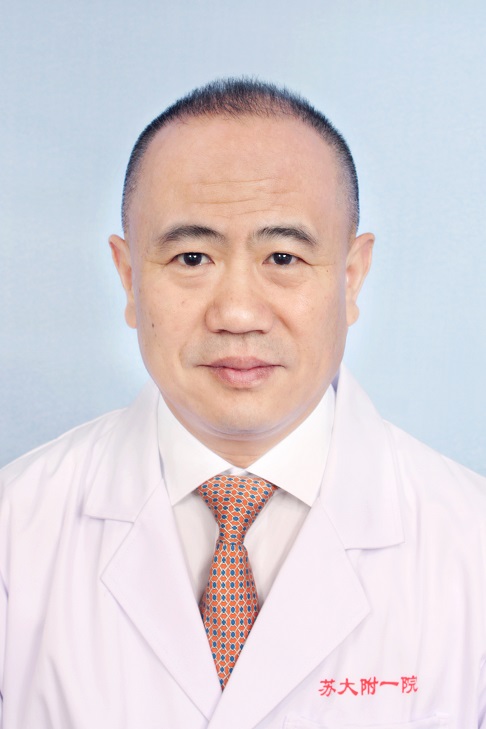 Depei Wu (吴德沛)合作论文数The First Affiliated Hospital of Soochow University;State Key Laboratory of Radiation Medicine and Protection, Soochow University20
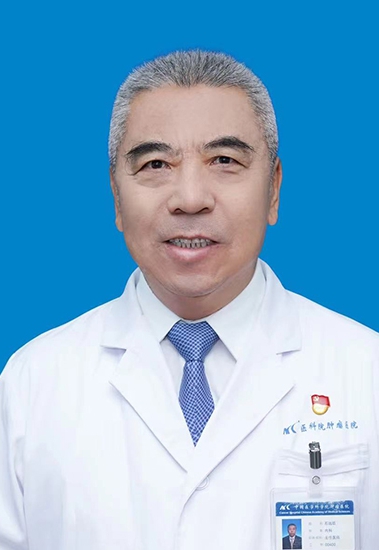 Yuankai Shi (石远凯)合作论文数Cancer Hospital Chinese Academy of Medical Sciences20Shaomei Feng合作论文数18
 Hui Shi (施慧)合作论文数College of Life Sciences, Capital Normal University18
 Xin Du (杜欣)合作论文数Guangdong Provincial People's Hospital18
 Yan Liu (刘彦)合作论文数Department of Hematology, Lymphoma Research Center, Peking University Third Hospital18
 Zifen Gao (高子芬)合作论文数School of Basic Medical Sciences, Peking University18
 Yifan Pang (庞一帆)合作论文数National Heart, Lung, and Blood Institute17
 Daobin Zhou (周道斌)合作论文数Peking Union Medical College Hospital16
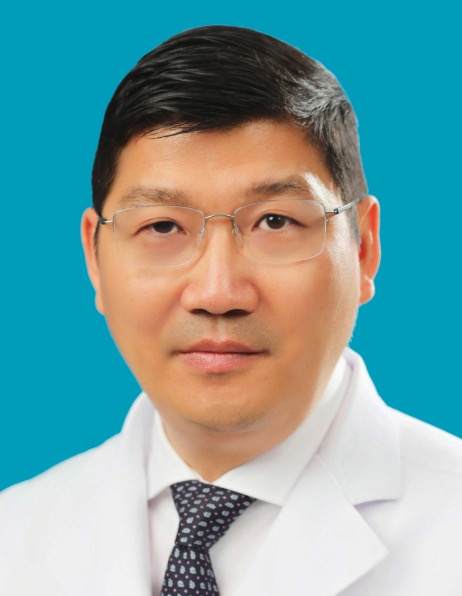 Zhao Wang (王昭)合作论文数Department of Hematology, Beijing Friendship Hospital, Capital Medical University16
 Mingzhi Zhang (张明智)合作论文数He Nan Sui Xian People's Hospital15
 Zhen Cai (蔡真)合作论文数The First Affiliated Hospiatl, School of Medicine, Zhejiang University14Siyuan Yang合作论文数13
 Gaoqi Zhang合作论文数12Xinpei Zhang合作论文数12Xinrui Yang合作论文数12Jilei Zhang合作论文数12
 Huilai Zhang (张会来)合作论文数Tianjin Medical University Cancer Institute and Hospital12
 Yuqin Song (宋玉琴)合作论文数Beijing Cancer Hospital, Peking University11
 Qihui Li (李其辉)合作论文数Hematology Department, Peking University Third Hospital10
 Li Yu (于力)合作论文数Shenzhen University General Hospital10
 Jian Hou (侯健)合作论文数Renji Hospital, School of Medicine, Shanghai Jiao Tong University10
 Xiaonan Hong (洪小南)合作论文数Fudan University Shanghai Cancer Center10
 Keshu Zhou (周可树)合作论文数Henan Cancer Hospital10




