How contrasting additives mediate nutrient/carbon (C) fate and hydrochar magnetism in sewage sludge co-hydrothermal carbonization remains unclear. We compared a lignocellulosic biomass (sawdust) with alkaline earth metal oxides (MgO, CaO). MgO/CaO raised hydrochar pH from 5.0 (sludge-alone, SC) to 5.8-7.8 and phosphorus (P) partitioning from 89.5% to 90.3%-96.0%, but lowered C and nitrogen (N) distribution (C: 64.5% to 59.6%-62.1%; N: 47.1% to 41.3%-46.1%) and C content (202.8 to 148.7-178.9 mg/g). Sawdust decreased pH to 4.3-4.7, increased C and N distribution (C: 64.5% to 70.5%-83.1%; N: 47.1% to 57.2%-84.9%) and C content (202.8 to 279.7-444.2 mg/g), but reduced P partitioning (89.5% to 60.1%-72.0%). Both additives (MgO/CaO and sawdust, respectively) decreased N and P content (N: 26.3 to 18.4-22.9 and 17.6-24.7; P: 29.4 to 24.6-27.4 and 7.1-18.1 mg/g), increased C/N ratio (4.5 to 4.9-5.8 and 6.7-16.5), and raised potassium (K) distribution (19.5% to 25.9%-37.5% and 21.5%-47.2%). Both reduced available N (3.6 to 1.1-2.4 and 1.5-2.9 mg/g), but increased available P (193.4 to 326.9-587.4 and 212.6-243.0 mg/kg) and available K (284.7 to 294.3-333.3 and 305.0-357.7 mg/kg). Dissolved organic carbon rose with MgO/CaO (17.2 to 21.3-29.6 mg/g) but fell with sawdust (17.2 to 11.6-14.9 mg/g). MgO/CaO increased pH, converting augelite to brushite to enhance P availability, while forming magnetic MgFe2O4. Despite opposite pH effects and distinct pathways (Mg2+/Ca2+ vs. carbon skeleton supply), both additives enriched heterocyclic-/quaternary-N and carboxyl groups, modulating nutrient/C distribution and availability. Thus, additives enable targeted hydrochar design (fertilizer, soil amendment, magnetic adsorbent), with MgO/CaO offering a novel route to magnetic products.
The disposal of the aqueous phase (HTAP) produced during the hydrothermal carbonization (HTC) of sewage sludge (SS), along with the potential environmental risks associated with the transmission of antibiotic resistance genes (ARGs) during livestock manure composting, represent two pressing challenges in environmental engineering. This study aimed to investigate the use of HTAP as a moisture regulator in chicken manure compost and its impact on the dynamics of ARGs. Metagenomic analysis identified a total of 686 ARGs in the compost, associated with 15 classes of antibiotics and multi-drug resistance. ARGs conferring resistance to aminoglycosides, tetracyclines, sulfonamides, and macrolides accounted for 17.88-25.59 %, 12.22-31.31 %, 5.23-27.56 %, and 9.22-28.65 % of the total ARG abundance, respectively. Bacillus and Actinomyces emerged as the dominant genera of drug-resistant bacteria. The application of HTAP resulted in a maximum reduction of 21.70 % in the total ARG abundance and a maximum decline of 19.34 % in the abundance of total mobile genetic elements (MGEs). Partial least squares path modeling revealed that HTAP had a positive influence on compost humification, which directly affected host microbial communities and indirectly suppressed the generation and dissemination of ARGs. These findings provide a novel approach for mitigating ARG levels in livestock manure compost.
Thermoplastic polyurethane (TPU) membranes are commonly used in fine-pore aeration but struggle to generate small bubbles due to their hydrophobic and inert surfaces. In this study, a two-step surface modification was developed to enhance both hydrophilicity and roughness. The process involved hydrogen peroxide (H2O2) etching followed by acrylic acid (AA) grafting. Three types of membranes were prepared (G-TPU, E-TPU and EGTPU), with the etched and grafted TPU (EG-TPU) showing the best performance. EG-TPU produced 21.4 % sub-1 mm bubbles, with a minimum diameter of 0.51 mm due to enhanced hydrophilicity and roughness. It exhibited a carboxyl group density of 3.23 x 10⁻⁵ mol/cm2 and a rough surface (arithmetic average roughness, Ra = 66.28 nm). The increased roughness provided more nucleation sites and spatial confinement for smaller bubbles. The water contact angle (WCA) decreased from 102.3 degrees (TPU) to 47.3 degrees (EG-TPU), while total surface energy increased from 22.935 mN/m to 53.485 mN/m. The enhanced hydrophilicity reduced interfacial tension, allowing bubbles to form in flatter shapes and detach more easily. Correlation analysis confirmed the strong relationships between bubble size and WCA, surface energy, carboxyl group density and roughness. Furthermore, EG-TPU demonstrated enhanced hydrolytic and thermal aging resistance compared to G-TPU, with a mass loss rate of 2.96 % after 7-day water immersion and 0.91 % after 72 h at 70 degrees C hot air. These findings establish a clear link between bubble size and the surface chemistry of TPU aeration membranes, providing a scalable approach for producing high-performance TPU membranes in water treatment applications.
A wave front and a wave back that spontaneously connect two hyperbolic equilibria, known as a heteroclinic wave loop, give rise to periodic waves with arbitrarily large spatial periods through the heteroclinic bifurcation. The nonlinear stability of these periodic waves is established in the setting of the FitzHugh-Nagumo equation, which is a well-known reaction-diffusion model with degenerate diffusion. First, for general systems, we give the expressions of spectra with small modulus for linearized operators about these periodic waves via the Lyapunov-Schmidt reduction and the Lin-Sandstede method. Second, applying these spectral results to the FitzHugh-Nagumo equation, we establish their diffusive spectral stability. Finally, we consider the nonlinear stability of these periodic waves against localized perturbations. We introduce a spatiotemporal phase modulation φ, and couple it with the associated modulated perturbation V along with the unmodulated perturbation V to close a nonlinear iteration argument.
The surging demand for lithium has generated massive lithium slag (LS) stockpiles containing elevated beryllium (Be) and thallium (Tl). However, the quantitative partitioning of Be and Tl among host phases, along with its regulation by additive composition during lithium smelting, has not been established. To address this gap, we (i) identified probable Be and Tl hosts in three LS samples with contrasting Na/Ca ratios by pH-dependent leaching, quantitative mineral dissolution, and density functional theory calculations; (ii) developed a mineralogy-tailored six-step sequential extraction procedure to quantify host-phase partitioning; and (iii) assessed waste-glass-powder-assisted sintering for mineralogical stabilization and ultra-lightweight aggregate (ULWA) production. Results showed that Tl release closely tracked leucite dissolution, and Tl substitution at K sites was energetically favored. Be was mainly distributed among newly formed aluminosilicates, with the dominant associated fractions varying with slag mineralogy. Operational fractionation showed that 80.11-86.73% of Tl occurred in acid-resistant Al-poor aluminosilicate-associated fractions, whereas 90.98% of Be in Na-rich LS was associated with acid-sensitive Al-rich phases. Standard single-step leaching tests captured scenario-specific short-term release but did not fully represent cumulative Be mobilization under sustained acidic weathering. Sintering reconstructed the acid-sensitive assemblage into stable plagioclase while meeting ULWA requirements. Under simulated strong acid rain exposure test, the cumulative Be and Tl releases were reduced by 99.5% and 93.6%, respectively. This work uncovers the mineralogical roots of potential long-term ecological risk in lithium extraction residues and offers a feasible strategy for safely valorizing solid wastes containing trace toxic metals.
High ammonia and high organic loading seriously disrupt the stability of the anaerobic digestion (AD) system. The efficacy of ammonia-tolerant consortia in mitigating inhibition and enhancing process stability was investigated during the mesophilic AD of food waste under gradient total ammonia nitrogen (TAN) concentrations (3500-6500 mg L-1) and a stepwise-increased organic loading rate (OLR, 2.0-6.0 gVS L-1 d-1). Bioaugmentation increased methane yield by 236 %, reduced total volatile fatty acids (TVFA) by > 50 %, and kept propionate below inhibitory levels under combined stress (6500 mg-TAN L-1, 6 gVS L-1 d-1). Microbial analysis revealed the enrichment of ammonia-tolerant Bacillota and the metabolically facultative methanogen Methanosarcina. Bioaugmentation significantly strengthened methylotrophic methanogenesis and reinforced syntrophic partnerships between volatile fatty acids (VFA)-oxidizing bacteria (Clostridium, Syntrophaceticus, Smithella) and hydrogen-consuming methanogens, effectively alleviating propionate accumulation. These findings elucidate how bioaugmentation restructures metabolic networks to mitigate ammonia-acid co-inhibition, enabling stable AD under high-stress conditions.
Enhancing the durability of ultraviolet-cured-in-place pipe (UV-CIPP) in alkaline environments remains challenging due to its long-term exposure to concrete pore solution from the original pipe. Herein, a novel strategy that gamma-AlOOH coating assists to immobilize Irganox 1010 onto glass fibric (GF) was proposed for simultaneously improving alkaline corrosion resistance and mechanical properties of UV-CIPP. Through the beneficial bridging of gamma-AlOOH with the coupling agent, Irganox 1010 was immobilized on the GF (GF-Al-g-1010) surface through hydrogen bonding and covalent bonding. The leaching of Si2+ from the GF backbone of unsaturated polyester resin (UP)/GF-Al-g-1010 composite was reduced by 40.60% and the hydrolyzed alcohol products decreased by 47.1%. Meanwhile, the mechanical properties of UP/GF-Al-g-1010 remained well preserved. The flexural and tensile modulus retained at 99.0% and 96.3%, respectively. The immobilization of Irganox 1010 at the UP/GF interface formed a protective hydrophobic layer and stabilized free radicals, which together inhibited resin degradation and reduced interface debonding. Moreover, the flexural strength and modulus of composites increased by 36.5% and 38.4%, respectively. The chemical bonding between GF-Al-g-1010 and UP chains enhanced interfacial adhesion. In summary, this work will facilitate the design of UV/thermal dual-cured composites with high strength and alkaline corrosion resistance for pipeline rehabilitation.
High organic loading is known to destabilize anaerobic digestion (AD). This study compared bioaugmentation and pH adjustment under increasing organic loading rate (OLR: 2.0, 4.0 and 6.0 gVS L−1 d−1), focusing on the responses of microbial structure, metabolic pathways, and energy metabolism. Results demonstrated that bioaugmentation maintained stable methane production of 400.54 ± 10.08 and 374.15 ± 24.32 mL·g-VS−1 at 4.0 and 6.0 gVS L−1 d−1, respectively, whereas control and pH-adjusted reactors failed at 4.0 gVS L−1 d−1. The acidified system restored methane yield from 86.30 to 382.13 mL·g-VS−1 after bioaugmentation, whereas pH adjustment and feeding cessation were ineffective, failing to produce methane within 25 days. Microbial analysis showed bioaugmentation enriched Methanosarcina, enhanced hydrogenotrophic/methylotrophic methanogenesis, and strengthened syntrophy with syntrophic propionate-oxidizing bacteria (SPOB), reducing volatile fatty acid accumulation via reinforced syntrophic propionate/butyrate oxidation. Upregulation of osmoregulatory (nha, kdp, proP) and energy metabolism genes (eha, mvh, hdr) maintained osmotic balance and energy supply under high load. In contrast, pH adjustment downregulated SPOB and propionate oxidation genes, causing persistent acid inhibition. This study elucidated the distinct regulatory effects of bioaugmentation and pH adjustment on high-load AD systems, providing actionable strategies for both maintaining operational stability in high-load reactors and recovering methanogenesis in acid-inhibited systems.
Antibiotic resistance genes (ARGs) rebounding during composting cooling phase is a critical bottleneck in composting technology that increased ARGs dissemination and application risk of compost products. In this study, mature compost (MR) was used as a substitute for rice husk (RH) to mitigate the rebound of ARGs and mobile genetic elements (MGEs) during the cooling phase of sewage sludge composting, and the relationship among ARGs, MGEs, bacterial community and environmental factors was investigated to explore the key factor influencing ARGs rebound. The results showed that aadD, blaCTX-M02, ermF, ermB, tetX and vanHB significantly increased 4.76-32.41 times, and the MGEs rebounded by 38.60% in the cooling phase of RH composting. Conversely, MR reduced aadD, tetM, ermF and ermB concentrations by 59.49-98.58%, and reduced the total abundance of ARGs in the compost product by 49.32% compared to RH, which significantly restrained ARGs rebound. MR promoted secondary high temperature inactivation of potential host bacteria, including Ornithinibacter, Rhizobiales and Caldicoprobacter, which could harbor aadE, blaCTX-M02, and blaVEB. It also reduced the abundance of lignocellulose degrading bacteria of Firmicutes, which were potential hosts of aadD, tetX, ermF and vanHB. Moreover, MR reduced moisture and increased oxidation reduction potential (ORP) that promoted aadE, tetQ, tetW abatement. Furthermore, MR reduced 97.36% of total MGEs including Tn916/1545, IS613, Tp614 and intI3, which alleviated ARGs horizontal transfer. Overall finding proposed mature compost reflux as bulking agent was a simple method to suppress ARGs rebound and horizontal transfer, improve ARGs removal and reduce composting plant cost.
The sewer biofilms are recognized as a major reason for odor, pipe corrosion and flow restriction. Ultraviolet-cured-in-place pipe (UV-CIPP) has been a widely used trenchless repair technique in recent years because of their cost-effective and small jobsite footprint. This study compared the physicochemical properties, microbial community structures, and related functional genes of biofilms formed on CIPP, reinforced concrete (RCP) and ductile iron pipes (DIP). The total extracellular polymeric substances (EPS) contents of CIPP, RCP and DIP were 186.5, 286.3 and 214.9 mg/g VSS. Biofilms on RCP exhibited weaker motility and stress responses, whereas those on DIP displayed enhanced adhesion and EPS production. The formation of high ORP microenvironments on CIPP surfaces was not favorable for biofilm growth. The smooth surface of CIPP hindered microbial colonization and caused stressed microorganisms to allocate energy to growth and reproduction rather than EPS synthesis. Furthermore, a new strategy was proposed for effective biofilm inhibition by adding boehmite loaded with Ag nanoparticles (Ag-AlOOH) to the UV-CIPP resin layer. Ag-AlOOH/CIPP reduced biofilm thickness, EPS, protein, and polysaccharide contents of CIPP by 72.1%, 69.4%, 68.7%, and 73.5%, respectively. The polyhydroxy structure of AlOOH enhanced the hydrophilicity of the CIPP surface and reduced microbial colonization. Ag0/Ag+ decreased the nitrogen and energy metabolism, limited Gram-positive bacterial abundance, and viable cell counts. This study showed that effects of CIPP materials on biofilm characteristics and microbial functions, and developed an efficient biofilm control strategy by incorporating Ag-AlOOH into UV-CIPP.
Wastewater-treatment plants (WWTPs) enable urban water reclamation but are significant sources of greenhouse-gas (GHG) emissions. Because GHG output scales with the volume and pollutant load of influent sewage, city-wide water-use patterns offer a direct yet under-examined lever for decarbonizing WWTP operations. The feedbacks linking demand-side water conservation to plant emissions remain poorly understood, obscuring important mitigation co-benefits. Here we show a domino-effect feedback between urban water-use patterns with WWTP carbon emissions. Our analysis demonstrates that optimized water management can improve average WWTP eco-efficiency by up to 189 %, leading to an annual reduction in water consumption of 48.3 billion m3 and a decrease in GHG emissions by 1.67 million tons CO2-equivalent. Under this synergistic water-carbon management scenario, the wastewater sector could achieve carbon neutrality by 2037, seven years ahead of schedules based solely on technological advancements. Our findings present a novel and replicable framework that simultaneously addresses water scarcity and climate change. Unlike costly and slow-to-implement technological innovations, leveraging cross-sectoral synergies in water-intensive industries such as agriculture and manufacturing offers a pragmatic pathway to meeting critical carbon-reduction targets.
Glass fiber (GF) reinforced unsaturated polyester resin (UP) composites are used in cured-in-place pipe (CIPP) rehabilitation technology of drainage systems due to their low cost and excellent force chemical properties. However, the weak interfacial compatibility between GF and the polymer matrix limits the stress transfer efficiency. Herein, a strategy of a polyhydric boehmite (AlOOH) layer coated on GF (GF-AlOOH) was developed for improving the mechanical properties of UP composites, and the enhancement effects of the coating process were analyzed. The AlOOH-modified GFs significantly improved the flexural and tensile strengths of the modified composites by 41.21% and 21.05%, respectively. Moreover, the enhancement mechanism was explored by analyzing the surface chemical structure of GF-AlOOHs. The nano-AlOOH was grafted on the GF surface by O=Al-OH. Meanwhile, the increase in the mechanical properties of UP/GF-AlOOH was mainly attributed to the combined effect of mechanical interlocking interaction, covalent bonding and hydrogen bonding, which improved the interfacial adhesion between GF and UP. In summary, this work provides effective guidance for achieving high-quality interfaces in GF composites and offers important insights into designing durable and cost-effective materials for CIPP rehabilitation and broader infrastructure applications.
Graphene quantum dots (GQDs) are a class of promising carbon-based nanomaterials that have attracted considerable interest from researchers due to their excellent physical, chemical, and biological properties. However, the high cost, toxicity, and laborious preparation process of GQDs also limit their widespread use. To address this issue, the actual research directions consist in replacing traditional non-renewable feedstocks via screening cheap, easily available, and renewable biomass materials based on the concept of resource conservation and environmental friendliness. Herein, the state-of-the-art technologies in the green preparation of GQDs using biomass as carbon source are reported. Initially, the green synthesis strategies as well as the structural, optical, and biosafety properties of GQDs are discussed in detail. Subsequently, the most representative applications of GQDs in energy and environmental remediation fields are summarized. Finally, the current challenges and future potential of the GQDs are presented.
Greenhouse gases (GHGs) and ammonia (NH3) emissions from livestock and poultry manure composting are a crucial environmental problem worldwide. In this study, effects of ten soluble iron (Fe) salts or insoluble Fe and Fe minerals on carbon dioxide (CO2), methane (CH4), nitrous oxide (N2O) and NH3 emissions were systematically explored in swine manure composting, respectively. Results illustrated that soluble Fe salts were superior to insoluble Fe minerals on reducing global warming potential (GWP) of GHGs. Furthermore, Fe(III) salts were more effective on weakening CH4, NH3 and CO2 emissions compared to Fe(II) salts. Specifically, 35.7 % and 67.3 % of CH4 reduction was attributed that ferrous chloride (FeCl2) and ferric chloride (FeCl3) increased initial oxidation reduction potential (ORP) and mitigated mmoX and pmoA downward in initial composting. Abundances of mmoX and pmoA decreased by 45.9 % and 76.3 % in Ctrl treatment, 37.9 % and 60.7 % in FeII treatment, 25.7 % and 51.9 % in FeIII treatment, respectively. In addition, main methanogenic archaea of Methanobrevibacter abundances in Ctrl, FeII and FeIII obviously decreased by 82.2 %, 89.3 % and 92.2 % in the first 10 days, respectively. Moreover, Fe(III) salts enhanced N2O emission relative to Ctrl and Fe(II) salts. NH4+-N content, nirK and norB increment might promote N2O release in initial period. Notedly, nosZ of Ctrl and FeII separately ascended by 71.2 % and 66.9 %, yet nosZ of FeIII descended by 45.8 % in the first 10 days, which might restrict denitrifi-cation. Generally, this study proposed a valuable and feasible strategy to alleviate GHGs emissions and nitrogen loss in composting.
Bioaugmentation demonstrates significant potential for enhancing anaerobic digestion (AD) efficiency; however, bioaugmentation consortia composition, regulatory mechanisms under different ammonia levels inhibition and high organic loading rate (OLR) require further elucidation. This study investigated the effects of mixed consortia on ammonia-inhibited mesophilic AD of food waste (OLR 6.0 gVS L-1 d-1, ammonia 3700-8500 mg L-1). Bioaugmented reactors produced 1.46-4.45 times methane than that of controls at 4500-8500 mg L-1 ammonia concentrations, with stable process parameters (total volatile fatty acid/total alkalinity (TVFA/TA) 0.02-0.40). Control reactors exhibited progressive VFA metabolism inhibition and suppressed acetoclastic and hydrogenotrophic methanogenesis as ammonia increased, whereas bioaugmented systems resisted the 8500 mg L-1 ammonia shock and sustained methane production efficiency under ammonia-acid co-inhibition. Low/medium ammonia (4500 and 6000 mg L-1) inhibition was mitigated via reinforced acetoclastic methanogenesis and facultative methanogenesis by Methanosarcina, respectively. High ammonia (8000 mg L-1) triggered a strategic shift toward syntrophic partnerships between VFA-oxidizing bacteria and methanogens, additionally, enriched hydrogen-dependent methylotrophs Ca. Methanomethylophilus and Ca. Methanofastidiosum help sustain low H2 partial pressure essential for thermodynamically favorable VFA metabolism. Concurrently, enhanced Methanosarcina exhibited greater contribution to methylotrophic methanogenesis than to hydrogenotrophic/acetoclastic pathways. Methylotrophic methanogenesis proved crucial for stabilizing methanogenic performance, especially under high-ammonia stress. This study elucidates the bioaugmentation mechanisms for mitigating inhibition across varying ammonia conditions, providing a theoretical basis for practical applications of high ammonia AD.
 Meng Liu (刘蒙)合作论文数School of Mathematical Science, Huaiyin Normal University30
 Weiguang Li (李伟光)合作论文数School of Environment, Harbin Institute of Technology24
 Xiangkun Li (李相昆)合作论文数School of Environmental Science and Engineering, Hainan University23
 Wenxue Li (李文学)合作论文数School of Science, Harbin Institute of Technology, Weihai18
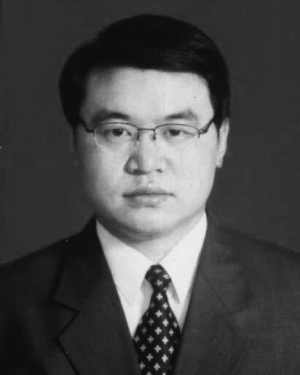 Zhe Wang (王哲)合作论文数18
 Chuandong Wu合作论文数16
 Xiaoling Zou (邹晓玲)合作论文数Harbin Institute of Technology, Weihai15
 Shijie You (尤世界)合作论文数School of Environment, Harbin Institute of Technology14
 Nanqi Ren (任南琪)合作论文数State Key Laboratory of Urban Water Resource and Environment, Harbin Institute of Technology12
 Chenyu Piao合作论文数10
 Gaige Liu合作论文数10Xiaochen Ma合作论文数9Fengying Wei (魏凤英)合作论文数福州大学数学与计算机科学学院/软件学院9
 Hongying Chen合作论文数State Key Laboratory of Urban Water Resource and Environment, Harbin Institute of Technology8
 Jie Zhang (张杰)合作论文数School of Environment, Harbin Institute of Technology;The College of Architecture and Civil Engineering, Beijing University of Technology8Jingyuan Wang合作论文数8
 Jingliang Lv (吕敬亮)合作论文数Harbin Institute of Technology, Weihai8
 Chao He (何超)合作论文数School of Environmental Science and Engineering, Sun Yat-sen University8Yunbei Li (李云蓓)合作论文数7
 Shih-Hsin Ho (賀詩欣)合作论文数Department of Environmental Science and Engineering, School of Environment, Harbin Institute of Technology7Ma Kai-li合作论文数7
 Yu Tian (田禹)合作论文数School of Environment, Harbin Institute of Technology7LingWei Meng (孟令伟)合作论文数6
 Chunmei Zhang (张春梅)合作论文数School of Mathematics, Southwest Jiaotong University6
 Wei Wang (王威)合作论文数School of Civil Engineering, Harbin Institute of Technology6
 Meng Fan (范猛)合作论文数School of Mathematics and Statistics, Northeast Normal University6
 Huan Su (苏欢)合作论文数School of Science, Harbin Institute of Technology, Weihai6
 Ruilun Zheng合作论文数5
 Mao Hailong合作论文数5Shiyu Zhang合作论文数5
 Hong Qiu合作论文数5Yiqi Wu合作论文数5
 Xinhong Zhang (张新红)合作论文数College of Science, China University of Petroleum5
 Dejun Fan (范德军)合作论文数School of Science, Harbin Institute of Technology, Weihai5Xujin Gong (公绪金)合作论文数5
 Ruihua Wu (吴瑞华)合作论文数College of Science, China University of Petroleum5
 Ji-Wei He合作论文数5
 Rupeng Wang (王汝鹏)合作论文数Department of Environmental Science, School of Environment, Harbin Institute of Technology4
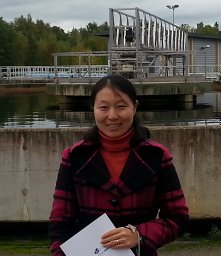 Duoying Zhang合作论文数Harbin Institute of Technology, Harbin Institute of Technology4Ling Bai (柏灵)合作论文数School of Mathematics, Faculty of Sciences, Jilin University4
 Yanhui Yang (杨艳辉)合作论文数School of Chemistry and Molecular Engineering, Nanjing Tech University4
 Guixin Hu合作论文数4Lei Zhang合作论文数3Jing Peng合作论文数3Xinlei Gao合作论文数3Weijie Liu (刘伟杰)合作论文数3
 Chen Chia-Lung合作论文数3
 Jun Zhang (张军)合作论文数Department of Environmental Engineering, School of Environment, Harbin Institute of Technology;National Engineering Research Center for Sludge Safety Treatment and Resource Recovery, Harbin Institute of Technology3




