In multi-view clustering, there has been a significant increase in recent interest in learning with high-order relations. Tensors have been suggested as the inherent means of describing these relationships. Regrettably, arbitrary signal corruptions, such as noise and missing instances in particular views, frequently accompany multi-view data, which might potentially result in an unreliable or inexact tensor. How to recover the characteristics of the corrupted tensor to make it fully explore the high-order relationships across different views for incomplete multi-view clustering (IMVC) remains a challenging task. To overcome this challenge, this paper proposes a unified tensor learning framework for IMVC, which jointly considers high-order learning with low-rank tensor, sparse noise removal, and missing entries completion by seamlessly integrating the tensor robust principal component analysis (TRPCA) and low-rank tensor completion (LRTC). Specifically, completing the corrupted tensor and removing sparse noise of the completed tensor are simultaneously conducted in the unified framework, where the obtained low-rank tensor can more effectively capture the intrinsic high-order structure information of multi-view data due to enhanced low-rank recovery with the interaction of TRPCA and LTRC. Extensive studies conducted on various benchmark datasets reveal that the proposed framework performs better than the state-of-the-art approaches.
Ensuring fairness in federated learning is crucial, especially in scenarios where sensitive attributes are incomplete or partially missing, as their absence can result in biased predictions. In vertical federated learning, graph neural networks are increasingly used to model distributed graph-structured data while preserving privacy. However, the fairness of graph neural networks in vertical federated learning is challenged by disjoint feature distributions and incomplete sensitive features, which can exacerbate bias in predictions. This paper proposes a fairness-oriented vertical federated graph neural network framework that utilizes sensitive attribute completion to achieve group fairness while adhering to privacy constraints. On the client side, we design a completion-driven adversarial fusion model that infers missing sensitive attributes, incorporates heterogeneous neighbor features, and extracts fair local feature representations through adversarial learning. On the server side, we develop a weighted aggregation method that balances accuracy and fairness to generate global features. Specifically, the server aggregates global similarity metrics and incorporates similarity loss at the client level to improve inter-client consistency. Experiments on public datasets demonstrate that the proposed method achieves an optimal balance between fairness and accuracy across various missing rates while effectively preserving user privacy.
The growing use of intelligent interfaces in consumer electronics requires sentiment analysis models that are accurate, lightweight, and energy-efficient. However, conventional deep learning models rely on dense computation, while fully spiking recurrent networks remain difficult to convert due to the continuous hidden states and multiplicative dynamics of gated recurrent units. To address this challenge, this paper proposes a hybrid recurrent-spiking framework constrained by synaptic operations (SynOps) for low-power sentiment analysis, instantiated as a GRU-Convolutional (GRU-C) network. The proposed GRU-C model retains a compact Bidirectional GRU as an analog semantic encoder and converts the ReLU-compatible feed-forward modules into spike-based computation. A two-phase training strategy first converts an ANN-based model into a hybrid SNN and then fine-tunes it with surrogate gradients under a SynOps-aware regularization term. In this way, synaptic operations are directly optimized during training rather than only evaluated after deployment. Experiments on seven sentiment-analysis datasets show that GRU-C maintains competitive accuracy relative to its ANN counterpart while achieving a 28.49% reduction in average SynOps per timestep. Under a 45 nm CMOS energy model, the 0.47M-parameter GRU-C achieves an average estimated energy of 32.93 μJ per inference, suggesting a practical pathway toward low-power neuromorphic sentiment analysis on consumer-edge devices.
Multimodal learning from longitudinal neuroimaging is essential for early Alzheimer’s disease (AD) diagnosis, yet conventional recurrent models often struggle with irregular temporal dynamics and high-dimensional noise inherent in clinical data. This paper presents BiTSNN, a bio-inspired temporal spiking neural network that processes T1-MRI, T2-MRI, and resting-state fMRI trajectories via parallel leaky integrate-and-fire (LIF) encoders with differentiable, modality-specific decay factors, enabling adaptive integration of multi-modal evidence over heterogeneous time horizons. A missingness-aware masking mechanism and an atlas-informed ROI-Activity encoding are further incorporated as design explorations. The learned feature space is evaluated via KMeans++ clustering and Hungarian matching; the CN/MCI/AD groups represent disease-severity stages rather than distinct pathological subtypes. Experiments on ADNI demonstrate a five-seed averaged accuracy of 52.8% and AUC of 0.603, outperforming LSTM and Transformer-based encoders in both accuracy and cluster-label concordance. A controlled no-spike ablation confirms that discrete spike dynamics are the primary source of supervised gains (p<0.05, five seeds), and membrane accumulation acts as a phenomenological analogue of pathological burden rather than a literal proxy. BiTSNN offers a biologically grounded and parameter-efficient alternative to conventional recurrent architectures for longitudinal AD diagnosis.
Data augmentation is crucial for addressing insufficient training data, especially for augmenting positive samples. However, existing methods mostly rely on neural network-based feedback for data augmentation and often overlook the optimization of feature distribution. In this study, we present a practical, distribution-preserving data augmentation pipeline that augments positive samples by optimizing a feature indicator (e.g., two-dimensional entropy), aiming to maintain alignment with the original data distribution. Inspired by the manifold hypothesis, we propose a Manifold Heuristic Optimization Algorithm (MHOA), which augments positive samples by exploring the low-dimensional Euclidean space around object contour pixels instead of the entire decision space. Guided by a “distribution-preservation-first” perspective, our approach explicitly optimizes fidelity to the original data manifold and only retains augmented samples whose feature statistics (e.g., mean, variance) align with the source class. It significantly improves image classification accuracy across neural networks, outperforming state-of-the-art data augmentation methods—especially when the dataset's feature indicator follows a Gaussian distribution. The algorithm's search space, focused on neighborhoods of key feature pixels, is the core driver of its superior performance.
High-dimensional multi-view data often contain significant uncertainty and imprecision, manifesting as feature redundancy and noise. Existing multi-view subspace clustering methods assume all features are equally important. This leads to redundant and noisy features being indiscriminately incorporated into the representation learning process, a problem that becomes particularly pronounced when dealing with high-dimensional data. To remedy this shortcoming, we introduce a novel Multi-view Subspace Clustering with Adaptive Weighted Reconstruction Loss approach (MVSC_AWRL), which incorporates an adaptive weighting mechanism for reconstruction errors prioritizing features with higher discriminative power in the self-representation framework. To better capture both the complementarity and high-order correlations among views, we enhance multi-view representation learning in two ways. First, we introduce a diversity term to explicitly extract view-specific discriminative information. Second, we impose tensor-based low-rank constraints to model latent high-order interactions that go beyond simple pairwise relationships. Notably, the learned representation matrices have two key properties, namely that each column sums to 1 and all elements are within [0,1]. This design allows direct interpretation of sample similarity from the matrices. Extensive experiments on real-world datasets demonstrate that the proposed MVSC_AWRL method achieves superior clustering performance over state-of-the-art methods: it achieves 100% clustering accuracy on BBCSport, 98.68% on Flower17, and up to 10.7% ACC improvement on COIL100, with superior performance across ACC, NMI, F-score and other metrics.
Symbolic regression is the task of discovering mathematical expressions that best fit the given data, which is a challenging problem with significant implications in various real-world applications. Existing deep generative models typically tackle this problem through autoregressive generation. However, these models rely on unidirectional dependencies that may be misaligned with the inherently global and bidirectional relationships among components in mathematical expressions, thereby hindering their effective capturing of the implicit global semantic structure during generation. In this paper, we propose an iterative non-autoregressive approach based on diffusion models, refining the generation process of entire mathematical expressions within a latent space to enhance the modeling of global semantic logic. Furthermore, we incorporate contrastive learning during model training to align the features of data points with those of symbolic expressions. This alignment alleviates modal discrepancies between these two data types, facilitating improved utilization of multimodal data in non-autoregressive generation, while simultaneously equipping the model with a more comprehensive semantic understanding. Experimental results demonstrate that our model significantly outperforms multiple mainstream baselines across various benchmark datasets. Notably, it efficiently explores mathematical expression solutions from the data, achieving superior fitting performance while ensuring a high degree of simplicity. These findings highlight the effectiveness of our approach in modeling mathematical expressions from a global perspective and illustrate its capability to efficiently address the symbolic regression problem.
Multiobjective facility location problems (MO-FLPs) are common in real-world applications, involving tradeoffs among cost, reliability, and service quality. Recent advances in deep learning have shown potential in solving MO-FLPs; however, existing approaches often require centralized data, which is impractical due to privacy constraints across distributed data owners. To address this issue, we propose a causally federated graph neural network (CFGNN) for solving MO-FLPs in a privacy-preserving manner. We represent MO-FLPs as bipartite graphs to capture relationships between facility sites and customer zones. On each client, dual graph neural networks (GNNs) learn representations of nodes and edges, while a causal instance graph extracts stable interinstance relationships. On the server side, a federated causal hypergraph module facilitates collaborative learning without compromising data privacy. In addition, a multilayer perceptron (MLP) surrogate model with causal embeddings generates approximate Pareto-optimal solutions. Extensive experiments on a newly constructed benchmark dataset with different scales demonstrate that CFGNN achieves superior solution quality and generalization performance compared to state-of-the-art approaches.
Neural architecture search (NAS) has made remarkable progress in various field tasks and is also used in fields like cognitive diagnosis (CD) in intelligent education. Due to the optimization challenges of the tree-like and variable-length model topology raised by the search space, existing NAS for CD intuitively uses evolutionary algorithms and empirically develops a genetic operator based on basic tree modifications. Nevertheless, the operator's stochastic nature may impede rapid convergence, as the choice of modifications is random and ignores parent information, thereby failing to generate effective models from most parents. To this end, this paper proposes a novel evolutionary NAS approach for CD based on a tailored genetic operator, where the operator incorporates powerful large language models (LLMs) as its key components for tree-encoded model generation. Specifically, three roles of LLMs are defined in the LLM-assisted operator through structured prompt engineering that explicitly defines the LLM's role, constrains the architecture representation, standardizes the output format, and incorporates Hall-of-Fame guidance. The first LLM focuses on exploitation, enhancing model performance through minor incremental adjustments to existing architectures, the second emphasizes exploration, introducing innovative models through creative combinations that have not been previously considered, and the third aims at balancing the contributions of the first two, ensuring a harmonious integration of exploitation and exploration. In each generation, only one role of LLMs is used through an LLM role-switching strategy. Additionally, the empirically-built genetic operator is also employed for partial models' generation for better diversity. Experiments on several datasets show the performance superiority of models searched by the proposed approach over handcrafted models and automatically-designed models. Besides, the effectiveness of the LLM-assisted operator in accelerating algorithm convergence is validated.
Indonesian, spoken by over 200 million people, remains underserved in multimodal emotion recognition research despite its dominant presence on Southeast Asian social media platforms. We introduce IndoMER, the first multimodal emotion recognition benchmark for Indonesian, comprising 1,944 video segments from 203 speakers with temporally aligned text, audio, and visual annotations across seven emotion categories. The dataset exhibits realistic challenges including cross-modal inconsistency and long-tailed class distributions shaped by Indonesian cultural communication norms. To address these challenges, we propose OmniMER, a multimodal adaptation framework built upon Qwen2.5-Omni that enhances emotion recognition through three auxiliary modality-specific perception tasks: emotion keyword extraction for text, facial expression analysis for video, and prosody analysis for audio. These auxiliary tasks help the model identify emotion-relevant cues in each modality before fusion, reducing reliance on spurious correlations in low-resource settings. Experiments on IndoMER show that OmniMER achieves 0.582 Macro-F1 on sentiment classification and 0.454 on emotion recognition, outperforming the base model by 7.6 and 22.1 absolute points respectively. Cross-lingual evaluation on the Chinese CH-SIMS dataset further demonstrates the generalizability of the proposed framework. The dataset and code are publicly available. https://github.com/yanxm01/INDOMER
Cognitive diagnosis is crucial for intelligent education because of its ability to reveal students' proficiency in knowledge concepts. Although neural network-based neural cognitive diagnosis models (CDMs) have exhibited significantly better performance than traditional models, neural cognitive diagnosis is criticized for the poor model interpretability due to the multi-layer perceptron(MLP) employed, even with the monotonicity assumption. Therefore, this paper proposes to empower the interpretability of neural cognitive diagnosis models through efficient Kolmogorov-Arnold networks (KANs), named KAN2CD, where KANs are used to enhance interpretability in two manners. Specifically, in the first manner, KANs are directly used to replace the used MLPs in existing neural CDMs; while in the second manner, the student embedding, exercise embedding, and concept embedding are directly processed by several KANs, and then their outputs are further combined and learned in a unified KAN to get final predictions. Besides, the implementation of original KANs is modified without affecting the interpretability to overcome the problem of training KANs slowly. Extensive experiments show KAN2CD outperforms traditional CDMs and slightly surpasses existing neural CDMs, and its learned structures ensure interpretability on par with traditional CDMs and better than neural CDMs. The datasets, associated code, and more experimental results are available at https://github.com/null233QAQ/KAN2CD.
Federated multi-view clustering aims to collaboratively learn a global clustering model from decentralized and privacy-sensitive data distributed across multiple clients. However, existing approaches face two major challenges: the absence of supervision signals and the heterogeneity across multi-view features, which hinder the extraction of consistent and complementary clustering information. Moreover, the inherent incompleteness of multi-view data in federated scenarios further complicates the learning process. To tackle these issues, we propose a Heterogeneity-aware Federated Graph Neural Networks (HafGNN) for the incomplete multi-view clustering. HafGNN employs heterogeneous graph neural network-based autoencoders for the different clients to capture both view-specific and structural representations while preserving data locality. A server-side aggregation mechanism aligns heterogeneous features from overlapping instances to construct a global latent representation. Additionally, global pseudo-labels are generated to guide view completion and enhance clustering consistency across clients. Extensive experiments on multiple public multi-view datasets demonstrate that HafGNN consistently outperforms state-of-the-art approaches in clustering performance, especially under conditions of view incompleteness and client heterogeneity.
Text-image retrieval is a key task in computer vision and natural language processing, focused on identifying the most relevant text or image fora given query. Recently, graph-based approaches have been introduced to model graph-structured data and capture semantic relationships for text-image retrieval. However, these methods face challenges such as high storage and computational costs, along with concerns regarding data privacy and security. To address these issues, we propose a federated training framework for graph neural networks with similarity graph reasoning (FGNN-SGR), where similarity graph reasoning is employed within each client to construct and refine graph-based representations of text-image data, thereby enhancing semantic alignment. A federated modularized weighted aggregation mechanism on the server is introduced to improve model convergence and global performance while ensuring privacy and scalability within the federated learning framework. Experimental results demonstrate that FGNN-SGR achieves performance competitive with state-of-the-art text-image retrieval methods while maintaining data privacy across multiple benchmark datasets.
Text-image retrieval is a key challenge in computer vision and natural language processing, aiming to retrieve the most semantically relevant image or text given a query in the opposite modality. However, growing privacy and security concerns make traditional centralized learning approaches increasingly unsuitable for handling sensitive multimodal data. In this paper, we propose FedBi-GNNs, a federated learning framework for bimodal graph neural networks, which enables collaborative training across decentralized clients without sharing private data. Each client independently constructs heterogeneous graphs from local text and image data and learns correspondences via bimodal graph matching. These local representations are then aggregated at a central server using a heterogeneous federated aggregation scheme. Empirical results on the MSCOCO benchmark demonstrate that FedBi-GNNs significantly outperform existing state-of-the-art methods, offering improved retrieval accuracy, enhanced privacy preservation, and greater robustness to data heterogeneity across clients.
Soft robots have gain increasing attention due to their flexible morphologies suited for complex tasks in dynamic environments. However, the co-design of structure and control remains challenging due to the large search space and high demand of computational costs. To tackle this challenge, we proposed an N-gram-based controller inheritance framework that integrates genetic algorithms for structural evolution with Proximal Policy Optimization (PPO) for training controllers. The method captures sequential behavioral patterns from multiple ancestor policies and reuses them across generations to reduce redundant learning progress. Experimental results in the EvoGym benchmark show faster coveragence and improved final fitness compared to a non-inheritance baseline. Our approach provides a scalable framework for exploring policy inheritance in the evolutionary co-design of soft robots.
Multiobjective reinforcement learning (MORL) poses significant challenges due to the inherent conflicts between objectives and the difficulty of adapting to dynamic environments. Traditional methods often struggle to generalize effectively, particularly in large and complex state-action spaces. To address these limitations, we introduce the Latent Causal Diffusion Model (LacaDM), a novel approach designed to enhance the adaptability of MORL in discrete and continuous environments. Unlike existing methods that primarily address conflicts between objectives, LacaDM learns latent temporal causal relationships between environmental states and policies, enabling efficient knowledge transfer across diverse MORL scenarios. By embedding these causal structures within a diffusion model-based framework, LacaDM achieves a balance between conflicting objectives while maintaining strong generalization capabilities in previously unseen environments. Empirical evaluations on various tasks from the MOGymnasium framework demonstrate that LacaDM consistently outperforms the state-of-art baselines in terms of hypervolume, sparsity, and expected utility maximization, showcasing its effectiveness in complex multiobjective tasks.
Automated test case generation for path coverage (ATCG-PC) is a major challenge in search-based software engineering due to its complexity as a large-scale black-box optimization problem. However, existing search-based approaches often fail to achieve high path coverage in large-scale unit programs. This is due to their expansive decision space and the presence of hundreds of feasible paths. In this paper, we present a microscale (small-size subsets of the decomposed decision set) search-based algorithm with time-space transfer (MISA-TST). This algorithm aims to identify more accurate subspaces consisting of optimal solutions based on two strategies. The dimension partition strategy employs a relationship matrix to track subspaces corresponding to the target paths. Additionally, the specific value strategy allows MISA-TST to focus the search on the neighborhood of specific dimension values rather than the entire dimension space. Experiments conducted on nine normal-scale and six large-scale benchmarks demonstrate the effectiveness of MISA-TST. The large-scale unit programs encompass hundreds of feasible paths or more than 1.00E+50 test cases. The results show that MISA-TST achieves significantly higher path coverage than other state-of-the-art algorithms in most benchmarks. Furthermore, the combination of the two time-space transfer strategies significantly enhances the performance of search-based algorithms like MISA, especially in large-scale unit programs.
This study aims to optimize the evaluation metric of multimodal multi-objective optimization problems using a Regionalized Metric Framework, which provides a certain boost to research in this field. Existing evaluation metrics usually use the reference set as the evaluation basis, which inevitably leads to reference set dependence. To optimize this problem, this study proposes an evaluation metric based on a Regionalized Metric Framework. The algorithm divides the set of solutions to be evaluated into three regions, and evaluates each solution according to a unique scoring function for each region, which is combined to form the evaluation value of the solution set. To verify the feasibility of this method, a comparative experiment was conducted in this study. The results of the experiment are roughly the same as the trend of existing indicators, and at the same time, it can accurately judge the advantages and disadvantages of points equidistant from the reference set. Our method provides a new perspective for further research on evaluation metrics for multimodal multi-objective optimization algorithms.
Federated multi-view clustering offers the potential to develop a global clustering model using data distributed across multiple devices. However, current methods face challenges due to the absence of label information and the paramount importance of data privacy. A significant issue is the feature heterogeneity across multi-view data, which complicates the effective mining of complementary clustering information. Additionally, the inherent incompleteness of multi-view data in a distributed setting can further complicate the clustering process. To address these challenges, we introduce a federated incomplete multi-view clustering framework with heterogeneous graph neural networks (FIM-GNNs). In the proposed FIM-GNNs, autoencoders built on heterogeneous graph neural network models are employed for feature extraction of multi-view data at each client site. At the server level, heterogeneous features from overlapping samples of each client are aggregated into a global feature representation. Global pseudo-labels are generated at the server to enhance the handling of incomplete view data, where these labels serve as a guide for integrating and refining the clustering process across different data views. Comprehensive experiments have been conducted on public benchmark datasets to verify the performance of the proposed FIM-GNNs in comparison with state-of-the-art algorithms.
 Yaochu Jin (金耀初)合作论文数Department of Artificial Intelligence, School of Engineering, Westlake University27
 Han Huang (黄翰)合作论文数School of Software Engineering, South China University of Technology17
 Zhifeng Hao (郝志峰)合作论文数College of Science, Shantou University16
 Shangshang Yang (杨尚尚)合作论文数School of Computer Science and Technology, Anhui University5
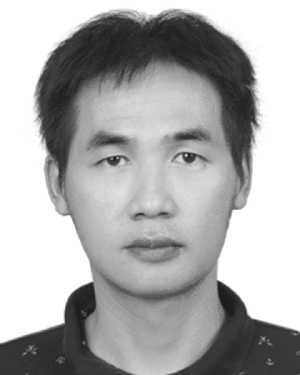 Guo Zhong合作论文数School of Information Science and Technology, Guangdong University of Foreign Studies, Guangzhou, China5
 Shiqing Liu合作论文数4
 Bi Li (李碧)合作论文数广东外语外贸大学信息学院4
 Jingfa Liu合作论文数Network Information Center, Nanjing University of Information Science & Technology4
 Gang Li合作论文数3HeLang Lai (赖河蒗)合作论文数3
 Yi Xiang合作论文数3
 Hong Ge (葛红)合作论文数School of Artificial Intelligence, South China Normal University;School of Computer Science, South China Normal University3
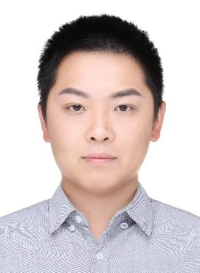 Ye Tian (田野)合作论文数School of Computer Science and Technology, Anhui University3
 Haiping Ma (马海平)合作论文数Institute of Bioinspired Intelligence and Mining Knowledge, Anhui University3Ziqi Wang合作论文数2
 Xiangyu Wang合作论文数2Haiwei Xue合作论文数2Liu Jianming (刘建明)合作论文数2Shi-Xun Lin合作论文数2
 Zilong Wang合作论文数2Yan Wu合作论文数Guangdong Univ Foreign Studies, Guangzhou, Guangdong, Peoples R China2
 Liang Chen合作论文数2Xuanlong Ma合作论文数2
 Liu Qiqi合作论文数Beijing Institute of Radiation Medicine2
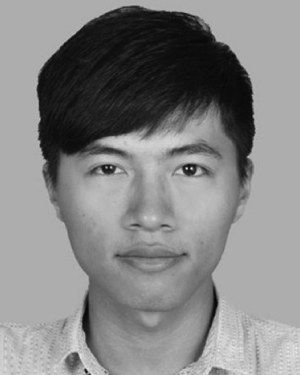 Boyan Xu合作论文数2
 Boyu Chen合作论文数Altered State Machine2
 Aimin Yang (阳爱民)合作论文数School of Information Science and Technology, Guangdong University of Foreign Studies2
 Xingyi Zhang (张兴义)合作论文数Institute of Bioinspired Intelligence and Mining Knowledge, School of Computer Science and Technology, Anhui University;Key Laboratory of Intelligence Computational & Signal Processing (Anhui University), Ministry of Education2
 Sheng-Yi Jiang (蒋盛益)合作论文数School of Information Science and Technology, Guangdong University of Foreign Studies2
 Guoheng Huang合作论文数2Ziwen Wang合作论文数1Linrui Qin合作论文数1Yue Xie合作论文数1Zhuopan Ao (敖卓盼)合作论文数1
 Fujian Feng合作论文数1
 Yuping Yan合作论文数1Dawen Wang (王大文)合作论文数1
 Stuart Dereck Semujju合作论文数1
 Haoxiang Qin合作论文数School of Computer Science, Liaocheng University1
 Xiaoshan Yu合作论文数1
 Guizhen Mai合作论文数Guangdong Univ Technol, Sch Automat, Guangzhou, Guangdong, Peoples R China1
 Péter Ligeti合作论文数Eotvos Lorand Univ, Dept Computeralgebra, Budapest, Hungary1Dong-hui DING (丁东辉)合作论文数1Jin-Yong Chen合作论文数1Kewang Zhang合作论文数1
 Chen Boyu合作论文数Guangdong Univ Foreign Studies, Sch Informat, Guangzhou, Guangdong, Peoples R China1
 Hongyue Wu合作论文数Southeast Univ, Sch Civil Engn, Dept Construct & Real Estate, Nanjing 210096, Jiangsu, Peoples R China1
 Fenfang Xie合作论文数Sun Yat Sen Univ, Sch Data & Comp Sci, Guangzhou 510006, Guangdong, Peoples R China1




