General SVG modeling remains challenging due to fragmented datasets, limited transferability of methods across tasks, and the difficulty of handling structural complexity. In response, we leverage the strong transfer and generalization capabilities of multimodal large language models (MLLMs) to achieve unified modeling for SVG understanding, editing, and generation. We present the InternSVG family, an integrated data–benchmark–model suite. At its core is SAgoge, the largest and most comprehensive multimodal dataset for SVG tasks, encompassing both static graphics and dynamic animations. It covers icons, long-sequence illustrations, scientific diagrams, and dynamic animations, supporting tasks of varied difficulty levels and providing deeper hierarchies with richer attributes compared to previous datasets. Based on this resource, we introduce SArena, a companion benchmark with comprehensive task definitions and standardized evaluation that aligns with the domains and difficulty spectrum covered by SAgoge. Building on these foundations, we propose InternSVG, a unified MLLM for SVG understanding, editing, and generation with SVG-specific special tokens, subword-based embedding initialization, and a two-stage training strategy that progresses from short static SVGs to long-sequence illustrations and complex animations. This unified formulation induces positive transfer and improves overall performance. Experiments on \benchset and prior benchmark confirm that InternSVG achieves substantial gains and consistently outperforms leading open and proprietary counterparts.
Real-time long-form avatar audio–video generation requires causal, continuous synthesis while maintaining audiovisual synchronization and visual consistency. Adapting a pretrained bidirectional model to this setting presents two key dilemmas. First, autoregressively reusing generated blocks as context creates exposure bias, causing errors and visual drift to accumulate over long rollouts. Second, a global speech utterance does not indicates a causal generator which portion should be spoken next when only limited local audio–video context is available. We present Vorch-Streamer, a post-training framework that addresses these challenges and enables real-time long-form Text-to-Audio-Video (T2AV) streaming. We construct a synthetic corpus of 80K avatar clips spanning 12–21 seconds and first train a causal generator with mixed Teacher Forcing and Diffusion Forcing. We then apply long-horizon Self Forcing with DMD distillation, exposing the model to its own rollout distribution while preserving the quality of the pretrained bidirectional teacher. To explicitly control speech progression, an external language model predicts discrete 25-Hz speech-planning tokens, whose continuous features condition the audio diffusion branch and align each causal block with the content it should speak. With bounded causal context and four-step denoising, Vorch-Streamer jointly generates audio and video from text at 27.12 FPS, exceeding the 24-FPS real-time playback rate while maintaining competitive audio–lip synchronization and strong identity preservation over long-form generation.
Real-world human action understanding remains challenging due to long-tailed label distributions, compositional motion patterns, and viewpoint variations. Existing skeleton-based methods often lack a structured and transferable representation of motion, and task-specific models for generation, classification, and detection are usually trained independently, resulting in fragmented pipelines and limited cross-task generalization. We present PRISM, a PRImitive-centric Skeleton Modeling framework that learns a shared motion representation from a motion generation objective and transfers it to perception tasks. PRISM represents each action sequence as a trajectory in a primitive coefficient space, which captures how a set of learned atomic motion primitives contribute to the observed motion. A structured decomposition module learns this representation in a physically grounded and view-invariant manner via motion generation. Instead of enforcing joint or unified training across tasks, PRISM provides a single primitive-centric representation that can be sequentially transferred to downstream classification and frame-wise detection through lightweight task heads. This representation introduces structure, compositionality, and improved generalization across distinct supervisions. PRISM consistently improves performance on long-tailed and multi-label datasets and enables interpretable reasoning over compositional and rare actions. Extensive experimental results show that the structured primitive space serves as a transferable and robust foundation for diverse action understanding tasks in real-world datasets.
Image animation has seen significant progress, driven by the powerful generative capabilities of diffusion models. However, maintaining appearance consistency with static input images and mitigating abrupt motion transitions in generated animations remain persistent challenges. While text-to-video (T2V) generation has demonstrated impressive performance with diffusion transformer models, the image animation field still largely relies on U-Net-based diffusion models, which lag behind the latest T2V approaches. Moreover, the quadratic complexity of vanilla self-attention mechanisms in Transformers imposes heavy computational demands, making image animation particularly resource-intensive. To address these issues, we propose MiraMo, a framework designed to enhance efficiency, appearance consistency, and motion smoothness in image animation. Specifically, MiraMo introduces three key elements: (1) A foundational text-to-video architecture replacing vanilla self-attention with efficient linear attention to reduce computational overhead while preserving generation quality; (2) A novel motion residual learning paradigm that focuses on modeling motion dynamics rather than directly predicting frames, improving temporal consistency; and (3) A DCT-based noise refinement strategy during inference to suppress sudden motion artifacts, complemented by a dynamics control module to balance motion smoothness and expressiveness. Extensive experiments against state-of-the-art methods validate the superiority of MiraMo in generating consistent, smooth, and controllable animations with accelerated inference speed. Additionally, we demonstrate the versatility of MiraMo through applications in motion transfer and video editing tasks.
Synthesizing realistic Human-Object Interactions (HOI) is critical for creating embodied avatars and functional virtual environments. However, current data-driven approaches primarily rely on motion capture datasets, which are expensive to scale and limited in functional diversity. Models trained with these datasets fail to generalize to unseen objects and maintain physical consistency over long horizons. In this paper, we propose a novel framework that leverages a physics simulator to overcome the data-scarcity bottleneck in HOI generation. Specifically, we propose a scalable pipeline, called , which leverages policies trained with reinforcement learning in a physics simulator for task-oriented data generation and trains a generative model on the augmented dataset for generalizable HOI generation. To seamlessly utilize the synthetic data, we introduce a coarse-to-fine retargeting process that bridges the representation gap between the simplified model used in physics simulator and the standard parametric body models required for generative training. Validated through comprehensive experiments, our method demonstrates enhanced generalization to unseen objects and the capability of long-horizon generation, while exhibiting greater dynamic diversity and physical plausibility.
Video identity replacement seeks to transfer the identities of one or more subjects while preserving the motion, expressions, and temporal structure of a driving video. Existing methods largely target single-person settings and often require task-specific structural controls, such as masks or pose representations, limiting their flexibility in general multimodal editing systems. Progress on multi-person replacement is further constrained by the scarcity of paired training data. We present Vorch-IR, a unified framework that supports single- and dual-person identity replacement, with optional background replacement, in a single model. Built on LTX2, Vorch-IR jointly conditions on a driving video, indexed reference images, and a textual editing instruction. The reference images need not match the pose, layout, or spatial configuration of the driving video: their roles as subject or background references are specified through the instruction. Dense visual conditions are fused through self-attention, while a vision-language context establishes semantic correspondence through cross-attention. We further develop an automatic data construction pipeline that synthesizes paired supervision for all four editing settings. Experiments using automatic metrics and pairwise human evaluation demonstrate strong identity preservation, motion fidelity, and temporal coherence across diverse scenarios. A temporal overlapping inference strategy additionally extends the short-clip model to minute-long generation without autoregressive continuation.
Recently, diffusion models have made great progress in video generation. However, most existing video diffusion models are trained with short videos, and degrade when extrapolated to long videos, struggling to maintain long-range temporal coherence while retaining diverse motions. To generate consistent, high-quality and dynamic long videos, we propose Diff-VF, a training-free, plug-and-play and model-agnostic framework that converts existing short-video diffusion backbones into long-video generators without modifying or fine-tuning the base model. Diff-VF couples three complementary strategies: Hybrid Noise Initialization (HNI) to constrain global semantics, Weighted Window Sampling (WWS) to remove inter-window discontinuities, and Temporal Extended Sampling (TES) to establish long-range dependencies with a timestep-varying fusion. We further extend Diff-VF to long-video enhancement via Skip Residual Guidance that balances fidelity and realism through timestep-dependent guidance. VBench-Long evaluation results show that Diff-VF achieves a more favorable balance between temporal coherence and motion diversity than base models and recent training-free long video generation baselines, including FreeNoise, FreeLong, and RIFLEx, while maintaining competitive frame-wise quality. Experiments on two base models demonstrate the applicability to video diffusion models with different spatial-temporal modeling strategies. Extensive ablations validate the contribution of each component and hyperparameters.
Video Diffusion Transformers (DiTs) generate high-quality videos but demand substantial compute due to wide blocks, deep architectures, and iterative sampling. Recent methods reduce cost by compressing width, depth, or sampling steps, but typically commit to a fixed architecture that cannot adapt to individual inputs or denoising stages. We propose PARE (Pruning and Adaptive Routing for Efficient video generation), which jointly compresses width and depth with structure-aware pruning and input-adaptive routing. For width, we observe that attention heads specialize into spatial and temporal roles, and design importance scoring that accounts for this distinction to prevent motion-critical temporal heads from being pruned prematurely. For depth, we train a lightweight router conditioned on denoising timestep and visual content to dynamically select which blocks to execute at each step, enabling per-input compute adaptation rather than static block removal. A progressive pipeline first recovers width-pruned quality via distillation, then jointly optimizes the student and router to decouple the two learning objectives. Experiments on Wan2.1-14B for both image-to-video and text-to-video generation show that PARE substantially reduces per-step computation while preserving quality across VBench dimensions, and composes with step distillation for further acceleration.
The rapid development of generative models has significantly advanced image and video applications. Among these, video creation, aimed at generating videos under various conditions, has gained substantial attention. However, existing video creation models either focus solely on a few specific conditions or suffer from excessively long generation times due to complex model inference, making them impractical for real-world applications. To mitigate these issues, we propose an efficient unified video creation model, named VDOT. Concretely, we model the training process with the distribution matching distillation (DMD) paradigm. Instead of using the Kullback-Leibler (KL) minimization, we additionally employ a novel computational optimal transport (OT) technique to optimize the discrepancy between the real and fake score distributions. The OT distance inherently imposes geometric constraints, mitigating potential zero-forcing or gradient collapse issues that may arise during KL-based distillation within the few-step generation scenario, and thus, enhances the efficiency and stability of the distillation process. Further, we integrate a discriminator to enable the model to perceive real video data, thereby enhancing the quality of generated videos. To support training unified video creation models, we propose a fully automated pipeline for video data annotation and filtering that accommodates multiple video creation tasks. Meanwhile, we curate a unified testing benchmark, UVCBench, to advance the field. Experiments demonstrate that our 4-step VDOT outperforms or matches the performance of other baselines with 100 denoising steps.
We propose Dimitra++, a novel framework for audio-driven talking head generation, streamlined to learn lip motion, facial expression, as well as head pose motion. Specifically, we propose a conditional Motion Diffusion Transformer (cMDT) to model facial motion sequences, employing a 3D representation. The cMDT is conditioned on two inputs: a reference facial image, which determines appearance, as well as an audio sequence, which drives the motion. Quantitative and qualitative experiments, as well as a user study on two widely employed datasets, i.e., VoxCeleb2 and CelebV-HQ, suggest that Dimitra++ is able to outperform existing approaches in generating realistic talking heads imparting lip motion, facial expression, and head pose. Code and qualitative results are provided on our project page: https://tashvikdhamija.github.io/dimitra/ .
Recent advances in diffusion-based video generation have significantly improved visual quality and short-term temporal coherence. However, existing methods still struggle to produce videos with physically consistent and causally plausible dynamics, especially in scenarios involving long-horizon interactions. This limitation arises from the fact that video diffusion models primarily learn physical consistency implicitly, while vision-language models can directly model physical laws. Based on this idea, in this work, we propose CausalMotion, a training-free framework that injects explicit physical reasoning into video generation through structured intermediate representations. Our key idea is to decouple reasoning from generation by leveraging a vision-language model to decompose a text prompt into a sequence of causally consistent keyframes and object-centric motion trajectories. These representations are then aligned and integrated as soft constraints to guide a pretrained video diffusion model during inference. This design enables explicit modeling of object dynamics and causal transitions without requiring additional training or supervision. Extensive experiments show that our method consistently improves physical plausibility and temporal coherence, particularly in dynamics-intensive scenarios, while maintaining high perceptual video quality.
Video generation has witnessed significant advancements, yet evaluating these models remains a challenge. A comprehensive evaluation benchmark for video generation is indispensable for two reasons: 1) Existing metrics do not fully align with human perceptions; 2) An ideal evaluation system should provide insights to inform future developments of video generation. To this end, we present VBench++, a comprehensive benchmark suite that dissects "video generation quality" into specific, hierarchical, and disentangled dimensions, each with tailored prompts and evaluation methods. VBench++ has several appealing properties: 1) Comprehensive Dimensions: VBench++ comprises 16 dimensions in text-to-video generation (e.g., subject identity inconsistency, motion smoothness, temporal flickering, and spatial relationship, etc). The evaluation metrics with fine-grained levels reveal individual models' strengths and weaknesses. 2) Human Alignment: We also provide a dataset of human preference annotations to validate our benchmarks' alignment with human perception, for each evaluation dimension respectively. 3) Valuable Insights: We look into current models' ability across various evaluation dimensions, and various content types. We also investigate the gaps between video and image generation models. 4) Versatile Benchmarking: VBench++ is designed to evaluate a wide range of video generation tasks, including text-to-video and image-to-video. We introduce a high-quality Image Suite with an adaptive aspect ratio to enable fair evaluations across different image-to-video generation settings. Beyond assessing technical quality, VBench++ evaluates the trustworthiness of video generative models, providing a more holistic view of model performance. 5) Full Open-Sourcing: We fully open-source VBench++, including all prompts, the Image Suite, evaluation methods, generated videos, and human preference annotations.
Autoregressive continuation provides a natural path toward minute-scale audio-visual generation by repeatedly extending a short-window generator conditioned on previously generated video and audio. However, models are trained on clean ground-truth histories, while inference relies on their own generated histories, where accumulated errors cause identity drift, over-smoothing, and audio-visual desynchronization. Recent methods reduce this mismatch by reusing prediction residuals as synthetic corruption, but we observe that the effectiveness of residual correction critically depends on the flow-matching noise level at which residuals are produced. We propose Vorch-Director, a noise-level-aware residual correction strategy that associates each residual with its originating noise level and injects residuals from matched noise regimes during training. By aligning injected errors with the denoising process, Vorch-Director produces more realistic autoregressive histories while retaining efficient teacher-forcing training. Built on the audio-visual LTX-2 diffusion transformer, Vorch-Director further introduces task embeddings to distinguish historical video, reference images, and target video, enabling unified conditioning for long-horizon generation. Together with a clean conditioning sink and mixed-task training, Vorch-Director supports multi-shot, multi-subject, reference-guided audio-visual long-video generation. We evaluate Vorch-Director on ST-Bench and introduce a new long-horizon audio-visual benchmark with metrics for quality drift and long-range consistency. Extensive experiments demonstrate improved stability and audio-visual fidelity over strong baselines.
Despite significant advances in video synthesis, research into multi-shot video generation remains in its infancy. Even with scaled-up models and massive datasets, the shot transition capabilities remain rudimentary and unstable, largely confining generated videos to single-shot sequences. In this work, we introduce CineTrans, a novel framework for generating coherent multi-shot videos with cinematic, film-style transitions. To facilitate insights into the film editing style, we construct a multi-shot video-text dataset Cine250K with detailed shot annotations. Furthermore, our analysis of existing video diffusion models uncovers a correspondence between attention maps in the diffusion model and shot boundaries, which we leverage to design a mask-based control mechanism that enables transitions at arbitrary positions and transfers effectively in a training-free setting. After fine-tuning on our dataset with the mask mechanism, CineTrans produces cinematic multi-shot sequences while adhering to the film editing style, avoiding unstable transitions or naive concatenations. Finally, we propose specialized evaluation metrics for transition control, temporal consistency and overall quality, and demonstrate through extensive experiments that CineTrans significantly outperforms existing baselines across all criteria.
Recent advances in Diffusion Transformers have driven rapid progress in video generation and editing, yet these capabilities are still handled by separate, task-specific models. Building a unified framework that supports diverse video tasks remains an open challenge: existing unified attempts either require dedicated auxiliary encoders or lack explicit mechanisms to distinguish heterogeneous conditioning tokens, struggling when the number and type of visual conditions vary across tasks. We propose TIDE, a unified framework that integrates instruction-based editing, reference-guided editing, and multi-reference generation. At its core, we introduce per-token task embeddings that assign each input token a task-specific identifier, enabling the model to explicitly disambiguate target, source, and reference tokens. To simultaneously capture high-level semantic understanding and fine-grained structural fidelity, we design a dual-path conditioning scheme that couples a vision-language model with a VAE latent path for complementary signals. We further devise a multi-task progressive training strategy that incrementally introduces tasks of increasing complexity, effectively harmonizing diverse objectives and enabling smooth generalization across heterogeneous task distributions. Extensive experiments on multiple video editing and generation benchmarks demonstrate that TIDE achieves state-of-the-art performance across all evaluated tasks. Our project page is available at https://LittleWork123.github.io/tide.
Recent advances in generative video modeling have enabled diverse generation, reference-based synthesis, extension, and editing, but existing approaches often rely on fragmented task-specific models. A general model must distinguish heterogeneous target, source, and reference signals to determine what to generate, preserve, or use as guidance, while reducing interference among tasks. Joint audio-visual generation further increases this challenge by introducing diverse conditioning and output configurations across modalities. We present Vorch-Omni, a unified multi-task framework for audio-visual synthesis based on an arbitrary-condition-to-arbitrary-output formulation. It flexibly treats video and audio signals as either conditioning inputs or generation targets. Token-level conditioning masks and task identifiers distinguish targets, source content, and references, while position types separate temporal context from independent conditions. To capture semantic and structural information, Vorch-Omni employs complementary visual conditioning pathways: a vision-language model interprets sampled frames with text instructions, and a video VAE encodes conditions into latent tokens for direct guidance. We further build a distributed data pipeline to curate diverse temporally aligned audio-visual clips, generate structured captions and metadata, and balance heterogeneous task distributions. Built on a single flow-matching diffusion transformer without task-specific architectural changes, Vorch-Omni supports over 10 tasks, including text-to-video, text-to-audio-video, image- and reference-conditioned generation, temporal extension, audio-driven generation, video transformation, and audio-visual editing. This unified framework provides a scalable foundation for general-purpose audio-visual generation and manipulation.
Shot transitions play a pivotal role in multi-shot video generation, as they determine the overall narrative expression and the directorial design of visual storytelling. However, recent progress has primarily focused on low-level visual consistency across shots, neglecting how transitions are designed and how cinematographic language contributes to coherent narrative expression. This often leads to mere sequential shot changes without intentional film-editing patterns. To address this limitation, we propose ShotDirector, an efficient framework that integrates parameter-level camera control and hierarchical editing-pattern-aware prompting. Specifically, we adopt a camera control module that incorporates 6-DoF poses and intrinsic settings to enable precise camera information injection. In addition, a shot-aware mask mechanism is employed to introduce hierarchical prompts aware of professional editing patterns, allowing fine-grained control over shot content. Through this design, our framework effectively combines parameter-level conditions with high-level semantic guidance, achieving film-like controllable shot transitions. To facilitate training and evaluation, we construct ShotWeaver40K, a dataset that captures the priors of film-like editing patterns, and develop a set of evaluation metrics for controllable multi-shot video generation. Extensive experiments demonstrate the effectiveness of our framework.
Video generation models achieve high visual quality but often struggle to generate physics-aware videos. Unlike rigid-body motion, which can be described by explicit trajectories or formulas, complex deformation dynamics remain challenging to synthesize. We observe that a lack of physical reasoning for localizing dynamic areas allows irrelevant regions to dilute the model's attention, leading to generation failure. In this paper, we propose DeforM, a reasoning-guided image-to-video generation framework that directs the model's focus toward physics-critical regions. To reason about and localize these critical regions, we introduce a VLM-guided physical reasoning module, DeforM-Reason, to identify target objects and generate spatial-temporal masks. For physical guidance, we develop two alternative strategies: DeforM-Free for training-free mechanism analysis and DeforM-Injection as a powerful training-based generator. Experimental results demonstrate that DeforM improves the realism of generated deformation scenarios, outperforming baseline models in both visual quality and physical consistency.
Diffusion models have driven the advancement of vision generation over the past years. However, it is often difficult to apply these large models in downstream tasks, due to massive fine-tuning cost. Recently, Low-Rank Adaptation (LoRA) has been applied for efficient tuning of diffusion models. Unfortunately, the capabilities of LoRA-tuned diffusion models are limited, since the same LoRA is used for different timesteps of the diffusion process. To tackle this problem, we introduce a general and concise TimeStep Master (TSM) paradigm with two key fine-tuning stages. In the fostering stage (1-stage), we apply different LoRAs to fine-tune the diffusion model at different timestep intervals. This results in different TimeStep LoRA experts that can effectively capture different noise levels. In the assembling stage (2-stage), we design a novel asymmetrical mixture of TimeStep LoRA experts, via core-context collaboration of experts at multi-scale intervals. For each timestep, we leverage TimeStep LoRA expert within the smallest interval as the core expert without gating, and use experts within the bigger intervals as the context experts with time-dependent gating. Consequently, our TSM can effectively model the noise level via the expert in the finest interval, and adaptively integrate contexts from the experts of other scales, boosting the versatility of diffusion models. To show the effectiveness of our TSM paradigm, we conduct extensive experiments on three typical and popular LoRA-related tasks of diffusion models, including domain adaptation, post-pretraining, and model distillation. Our TSM achieves the state-of-the-art results on all these tasks, throughout various model structures (UNet, DiT and MM-DiT) and visual data modalities (Image, Video), showing its remarkable generalization capacity.
We present Vinci, a vision-language system designed to provide real-time, comprehensive AI assistance on portable devices. At its core, Vinci leverages EgoVideo-VL, a novel model that integrates an egocentric vision foundation model with a large language model (LLM), enabling advanced functionalities such as scene understanding, temporal grounding, video summarization, and future planning. To enhance its utility, Vinci incorporates a memory module for processing long video streams in real time while retaining contextual history, a generation module for producing visual action demonstrations, and a retrieval module that bridges egocentric and third-person perspectives to provide relevant how-to videos for skill acquisition. Unlike existing systems that often depend on specialized hardware, Vinci is hardware-agnostic, supporting deployment across a wide range of devices, including smartphones and wearable cameras. In our experiments, we first demonstrate the superior performance of EgoVideo-VL on multiple public benchmarks, showcasing its vision-language reasoning and contextual understanding capabilities. We then conduct a series of user studies to evaluate the real-world effectiveness of Vinci, highlighting its adaptability and usability in diverse scenarios. We hope Vinci can establish a new framework for portable, real-time egocentric AI systems, empowering users with contextual and actionable insights. Including the frontend, backend, and models, all codes of Vinci are available at https://github.com/OpenGVLab/vinci.
 Yu Qiao (乔宇)合作论文数Multimedia Laboratory, Shenzhen Institutes of Advanced Technology, Chinese Academy of Sciences;Shanghai AI Laboratory;Shenzhen University of Advanced Technology32
 Antitza Dantcheva合作论文数Inria Center, Université Côte d'Azur;Inria Méditerranée23
 François Brémond合作论文数Institut National de Recherche en Informatique et en Automatique20
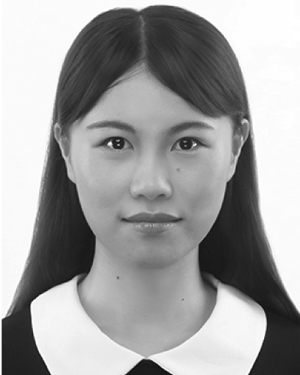 Xinyuan Chen合作论文数16
 Di Yang (杨棣)合作论文数Inria;AI Robotics Lab, Toyota Motor Europe;Woven by Toyota10
 Ziwei Liu (刘子纬)合作论文数College of Computing and Data Science, Nanyang Technological University10
 Cunjian Chen (陈存键)合作论文数Monash Sustainable Development Institute, Monash University;Faculty of Information Technology, Monash University;Department of Data Science & AI, Monash University8
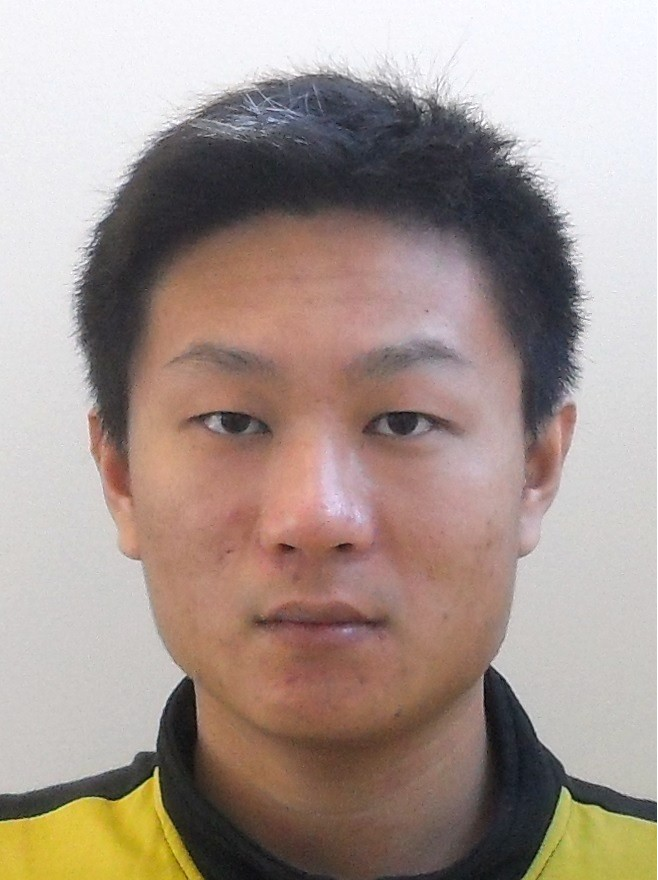 Yali Wang (王亚立)合作论文数University of Chinese Academy of Sciences;Shenzhen Institutes of Advanced Technology, Chinese Academy of Sciences7
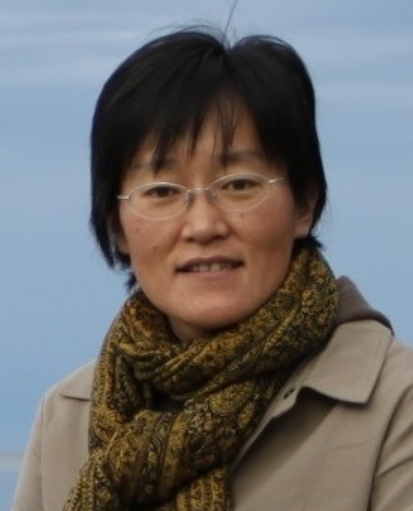 Xin Ma (马昕)合作论文数School of Control Science and Engineering, Shandong University7
 Jiashuo Yu合作论文数Shanghai Artificial Intelligence Laboratory6
 Limin Wang (王利民)合作论文数Multimedia Computing Group, State Key Laboratory for Novel Software Technology, Department of Computer Science and Technology, Nanjing University6
 Gianpiero Francesca合作论文数Dipartimento di Ingegneria, University of Sannio6
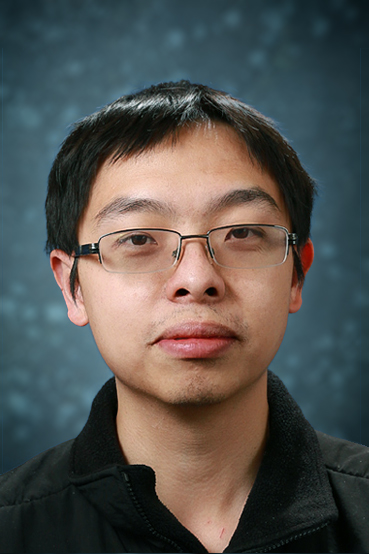 Dahua Lin (林達華)合作论文数Department of Information Engineering, The Chinese University of Hong Kong;Shanghai Artificial Intelligence Laboratory6
 Yinan He合作论文数Shanghai Aritifcal Intelligence Laboratory5
 Lorenzo Garattoni合作论文数5
 Yuming Jiang (姜瑜铭)合作论文数Alibaba DAMO Academy4
 Ziqi Huang (黄子琪)合作论文数MMLab, Nanyang Technological University4
 Chenyang Si (司晨阳)合作论文数Pattern Recognition Laboratory, School of Intelligence Science and Technology, Nanjing University (Suzhou Campus)4
 Bo Dai (戴勃)合作论文数University of Hong Kong;FeelingAI4
 Lin Ma合作论文数Meituan4
 Piotr Bilinski合作论文数ZnanyLekarz;Amazon;University of Warsaw;NASA Frontier Development Lab;Wolfson College, University of Oxford4Baoqi Pei (裴宝琦)合作论文数College of Computer Science and Technology, Zhejiang University3Zehuan Huang合作论文数3
 Yifei Huang (黄逸飞)合作论文数Sato Laboratory, Institute of Industrial Science, University of Tokyo3Lijin Yang合作论文数Institute of Industrial Science, The University of Tokyo3
 Gengyun Jia合作论文数National Laboratory of Pattern Recognition, Intelligent Perception and Computing, Institute of Automation, Chinese Academy of Sciences;School of Artificial Intelligence, University of Chinese Academy of Sciences3
 Kunchang Li (黎昆昌)合作论文数ByteDance Seed3
 Jilan Xu合作论文数Fudan University3
 Lu Sheng (盛律)合作论文数School of Software, Beihang University3
 Xihui Liu (刘希慧)合作论文数Department of Electrical and Electronic Engineering, Faculty of Engineering, The University of Hong Kong;Institute of Data Science, The University of Hong Kong;Department of AI and Data Science, The University of Hong Kong3
 Tianfan Xue (薛天帆)合作论文数Department of Information Engineering, Faculty of Engineering, The Chinese University of Hong Kong3
 Yi Wang (王毅)合作论文数Shanghai AI Laboratory3
 Yuan-Fang Li (李元放)合作论文数3
 Xiaoxue Wu合作论文数Fudan University2
 Qianli Ma合作论文数School of Artificial Intelligence, Shanghai Jiao Tong University2Nattapol Chanpaisit合作论文数2Lingjun Zhang合作论文数2Shaobin Zhuang合作论文数2
 Yuwei Guo合作论文数Multimedia Laboratory, The Chinese University of Hong Kong2
 Haiyu Zhang合作论文数2
 Benoit Lagadec合作论文数2
 Chang Xu (徐畅)合作论文数School of Computer Science, Faculty of Engineering, The University of Sydney2
 Tianxing Wu (吴天星)合作论文数School of Computer Science and Engineering, Southeast University2
 Yutong Ban (班雨桐)合作论文数Distributed Robotics Laboratory, Computer Science & Artificial Intelligence Laboratory, Massachusetts Institute of Technology;Surgical Artificial Intelligence and Innovation Laboratory, Massachusetts General Hospital, Harvard Medical School2
 Jingyuan Chen合作论文数Alibaba DAMO Academy, Alibaba Group2
 Mingfang Zhang (张铭方)合作论文数Woven by Toyota;University of Tokyo2
 Fan (Aaron) Zhang合作论文数School of Computer Science, University of Bristol2
 Hao Chen (陈浩)合作论文数School of Computer Science and Technology, Harbin Institute of Technology (Shenzhen)2




