Automated sleep staging is essential for large-scale and home-based sleep monitoring; however, in routine clinical practice, sleep annotation remains largely dependent on experienced experts performing time-consuming and labor-intensive manual scoring. Existing automatic systems often struggle to adapt reliably to new subjects, limiting their clinical adoption and reinforcing the reliance on expert review. This creates a strong demand for adaptive and efficient sleep staging systems that can substantially reduce annotation workload while preserving expert-level accuracy. We propose BayesSleepNet, a novel framework that integrates Bayesian uncertainty quantification with active learning for adaptive sleep staging. BayesSleepNet employs principled Bayesian modeling by placing distributions over network weights and performing Monte Carlo sampling at inference, enabling explicit quantification of model (epistemic) uncertainty. These uncertainty estimates drive a two-stage sample selection strategy that first fine-tunes the model using representative epochs and subsequently prioritizes persistently uncertain samples for expert review. Across four public sleep datasets, BayesSleepNet consistently improves performance—by 7.60% in accuracy, 8.27% in macro-F1, and 0.104 in Cohen's $\kappa$—while requiring manual annotation of only 20% of data from new subjects. Despite its adaptive learning capability, BayesSleepNet remains computationally lightweight, using substantially fewer parameters than representative high-capacity state-of-the-art models. These results demonstrate the clinical promise of uncertainty-aware active learning as a practical and cost-efficient paradigm for semi-automated sleep staging. Code is available at https://github.com/yuty2009/bayesugal.
Electromagnetic source imaging at superresolution presents a significant challenge, requiring the estimation of several thousand parameters of complex brain activity from a limited number of sensor data. Sparse Bayesian learning offers robustness in reconstructing complex sources compared to classical methods. However, existing Bayesian approaches for super-resolution brain imaging suffer from 1) computational inefficiency due to numerous hyperparameters and iterations, and 2) reliance on arbitrary thresholds for determining active brain sources. This paper introduces a robust and efficient Bayesian approach for reconstructing brain sources and noise at superresolution. Our method incorporates hyperparameter pruning during optimization, where near-zero hyperparameters are dynamically removed to accelerate convergence. This pruning strategy simultaneously improves computational efficiency and determines the sparsity ratio of brain source activity, eliminating the need for arbitrary thresholds. Our algorithm successfully reconstructs complex brain source and noise activities at super-resolution under both Gaussian and real-world noise conditions with statistically significant reconstruction accuracy and runtime efficiency when compared to established benchmark reconstruction algorithms (beamformers, sLORETA etc.) both for simulations and for real data. Importantly, our algorithm achieves efficient reconstruction of complex brain activity, resolving distinct and functionally relevant brain areas even with limited trials in real MEG data, with statistically significant performance improvements when compared to benchmarks. These results demonstrate the feasibility, accuracy, and reliability of super-resolution electromagnetic brain imaging
In robotic fine-grained tasks (e.g., grasping and assembly), precise interaction requires a detailed understanding of object components. While Visual Language Models (VLMs) excel at object-level recognition, they struggle with part-level segmentation (e.g., knife handles), limiting performance in complex scenarios. VLMs face three key challenges: (1) Visual granularity mismatch-object-level features lack part-level details; (2) Semantic hierarchy gaps-parts and objects differ significantly in semantics; (3) Cross-modal bias-CLIP's text-image alignment favors global over local features. To address these, we propose a one-stage VLM-based part segmentation method. First, the Hierarchy-Aware Feature Selection mechanism analyzes Transformer features in different hierarchies to enhance spatial and semantic precision for part segmentation. Second, the Multi-Hierarchy Feature Adapter bridges object-to-part feature granularity via the hierarchical adaptation. Finally, the Hierarchical Multimodal Alignment Module harmonizes classification accuracy and mask integrity via hierarchical alignment of vision-language, mitigating the bias of CLIP's object-level priori knowledge. Experiments show the proposed method improves part segmentation performance for Zero-Shot, achieving 25.86% on Pascal-Part and 13.09% on ADE20K-Part (gains of +0.81% hIoU and +2.96% hIoU over baseline). This work advances robotic visual perception, with applications in intelligent manufacturing and intelligent service.
Granger causality based on multivariate autoregressive (MVAR) models provides a principled way to estimate directed brain networks, represent hidden neural dynamics, and analyze information flow in EEG. However, MVAR parameter estimation is easily affected by intrinsic artifacts, such as muscle and eye-movement contamination, especially when only short EEG windows are available. To construct sparse causal brain networks under these conditions, we propose GG-Lap, a Bayesian MVAR estimation method that combines a generalized Gaussian prior for MVAR coefficients with a Laplace distribution for fitting errors. A scaled-Gaussian variational approximation is introduced to solve the resulting non-Gaussian posterior, allowing the model to jointly suppress outlier effects and induce controllable sparsity. Compared with Lap-SBL, which may over-prune causal coefficients through ARD-type sparsity, and DLap, which may retain relatively dense noisy connections, GG-Lap provides a more balanced sparse and robust estimate. Simulation experiments show that GG-Lap accurately recovers sparse directed connections under severe artifact contamination and short noisy sequences. Applications to motor imagery (MI) and epilepsy EEG further indicate that GG-Lap captures task-related and lesion-related connectivity patterns more clearly than comparison methods. GG-Lap can therefore serve as an effective method for robust causal connectivity inference, with potential applications in brain-computer interfaces (BCI), brain-machine interaction, and neurological or psychiatric network analysis. The source code of GG-Lap is available at https://github.com/yyzcqupt/GG-Lap.
Accurate detection of driver fatigue is critical for preventing traffic accidents. Although electroencephalogram (EEG) signals provide a robust physiological indicator of fatigue, effectively capturing their intricate spatiotemporal-spectral dynamics poses significant challenges. In this paper, we propose MB-STFormer, a novel deep neural network designed for EEG-based fatigue detection, which systematically integrates neurophysiological priors into deep feature learning. The proposed MB-STFormer employs a multi-branch frequency-aware module to extract spatiotemporal features from EEG signals, with each branch dedicated to a distinct frequency sub-band. By leveraging adaptive temporal convolution kernel sizes tailored to each sub-band, the model adeptly captures the inherent rhythmic patterns and temporal dynamics unique to different frequency components. Additionally, we introduce an Efficient Additive Attention mechanism to aggregate global contextual information, thereby addressing the over-smoothing of subtle yet critical features often encountered with conventional transformer self-attention mechanisms. Extensive experiments conducted on three publicly available datasets demonstrate that MB-STFormer achieves state-of-the-art performance while maintaining superior interpretability and generalizability. The proposed framework offers a promising solution for real-world fatigue monitoring systems.
Traditional spiking neural networks (SNNs) transmit only spike timing to downstream neurons, discarding rich subthreshold dynamics and limiting network capacity. To address this, we propose a Complex-valued Widening Spiking Neural Network (CWSNN), which encodes temporal information (spike time) and spatial information (subthreshold membrane potential derivative) in the real and imaginary parts of complex neurons, respectively. This design enables simultaneous processing and interaction of spatiotemporal features, effectively widening the network and increasing representational capacity without increasing depth. Experiments on seven tabular and four image datasets demonstrate that CWSNN consistently outperforms existing SNNs in accuracy, convergence speed and generalization, and also shows competitive performance on regression tasks, which remain challenging for conventional SNNs.
This paper studies the consensus tracking control of networked stochastic leader-following multi-agent systems (MASs) with multiplicative and additive time-varying actuator failures under random communication topology switching. Considering the measurement noise generated by information transmission in networked systems, the stochastic MASs model with multiplicative noise is established. Meanwhile, the random time-varying loss of actuator effectiveness failure and bias faults are taken into account. Based on the neighbors’ and leaders’ state, the distributed adaptive fault-tolerant consensus tracking control protocols are proposed under the case of Markovian and semi-Markovian switching topology. Using stochastic system theory and Lyapunov theorem, sufficient conditions of the mean-square practical stability for leader-following consensus tracking are obtained. Results show that under the proposed distributed adaptive fault-tolerant control (DAFTC) protocols, the follower agents can track the leader under actuator constrains and random switching topology. Finally, the effectiveness of the mentioned control protocols are verified the numerical simulations.
Electroencephalography (EEG) source imaging (ESI) methods aim to reconstruct cortical sources from scalp EEG signals, a crucial task for understanding the normal brain as well as brain disorders. Traditional model-driven ESI methods face challenges in real-time reconstruction, while deep neural network (DNN)-based ESI methods often struggle with generalization to new data. To address these issues, we propose ADMM-ESINet, a novel deep unfolding neural network for robust and efficient reconstruction of EEG extended sources. ADMM-ESINet leverages a structured sparsity constraint within a regularization framework and employs the Alternating Direction Method of Multipliers (ADMM) to achieve iterative solutions. By unrolling the ADMM algorithm into a cascaded network architecture, ADMM-ESINet effectively integrates prior knowledge, enabling end-to-end, real-time ESI. Crucially, both the regularization parameters and the spatial transform operator are learned directly from the training data. Numerical results demonstrate that ADMM-ESINet surpasses traditional DNN-based methods in generalization ability and accurately reconstructs the location, extent, and temporal dynamics of extended sources, establishing ADMM-ESINet as a promising method for real-time ESI.
This paper investigates a new SEIQR(susceptible-exposed-infected-quarantined-recovered)epidemic model with quarantine mechanism on heterogeneous complex networks.Firstly,the nonlinear SEIQR epidemic spreading dynamic differential coupling model is proposed.Then,by using mean-field theory and the next-generation matrix method,the equilibriums and basic reproduction number are derived.Theoretical results indicate that the basic reproduction number significantly relies on model parameters and topology of the underlying networks.In addition,the globally asymptotic stability of equilibrium and the permanence of the disease are proved in detail by the Routh-Hurwitz criterion,Lyapunov method and LaSalle's invariance principle.Furthermore,we find that the quarantine mechanism,that is the quarantine rate(γ1,γ2),has a significant effect on epidemic spreading through sensitivity analysis of basic reproduction number and model parameters.Meanwhile,the optimal control model of quarantined rate and analysis method are proposed,which can optimize the government control strategies and reduce the number of infected individual.Finally,numerical simulations are given to verify the correctness of theoretical results and a practice application is proposed to predict and control the spreading of COVID-19.
EEG (Electroencephalography)-based emotion recognition has emerged as a crucial area of research due to its potential applications in mental health, brain-computer interfaces (BCIs), and affective computing. However, the inherent variability in EEG signals across individuals, coupled with limited dataset sizes, significantly hinders the development of robust and generalizable emotion recognition models. To overcome these challenges, we propose the Sparse Bayesian Learning with Enhanced Covariance Alignment (SBLECA) algorithm. SBLECA formulates cross-subject emotion recognition as an end-to-end decoding problem, integrating spatiotemporal filtering and classification within a sparse Bayesian learning (SBL) framework. Crucially, SBLECA incorporates a novel covariance alignment technique to mitigate inter-subject variability in EEG patterns. Rigorous evaluations on two publicly available emotion datasets demonstrate that SBLECA consistently outperforms state-of-the-art methods. Furthermore, SBLECA offers valuable insights into the neural correlates of emotion through interpretable visualizations of learned spatial and temporal filters. SBLECA holds promise as a valuable EEG decoding tool to advance the development and translation of neurotechnologies and biomarkers for brain disorders.
Emotion recognition from EEG signals offers significant advantages in affective computing, as EEG more accurately reflects internal emotional states than other modalities, such as facial expressions or peripheral physiological signals. Modeling and capturing subtle affective changes over time is crucial for real-world applications to achieve better human-computer interaction. However, training such models usually requires segment-level emotion labels, which are costly and may not be feasible. Assigning the overall label to all EEG segments within a trial can lead to inaccurate model training and degraded performance, as emotions evolve continuously. This highlights the need for models capable of learning from trial-wise emotion labels while capturing temporal dynamics of emotional responses within each segment because trial-wise post-stimulus labels are more accessible. To this end, we propose EmotionMIL, an end-to-end EEG-based emotion recognition framework that leverages recent advances in deep multiple instance learning (MIL). This framework enables robust emotion recognition from weakly labeled EEG signals and identifies the most prominent emotional responses. EmotionMIL captures the temporal dynamics of emotions using a retentive self-attention mechanism, which adaptively assigns weights to EEG segments based on their relevance in predicting the overall emotion label. A pseudo-bag augmentation strategy is also introduced to enhance the model's generalization ability by generating additional pseudo-bags from the original ones. Evaluated on three benchmark datasets-DEAP, DREAMER, and SEED-EmotionMIL outperforms state-of-the-art non-MIL and MIL models in both subject-dependent and subject-independent tasks, achieving superior accuracy and F1-score. Ablation study further validates the model design, while visualization results demonstrate that EmotionMIL effectively identifies both spatial EEG patterns and temporal emotional dynamics. These findings underscore EmotionMIL's potential for robust, interpretable emotion recognition, paving the way for real-world applications in emotion-aware systems.
Objective.electroencephalography (EEG) and magnetoencephalography (MEG) are widely used non-invasive techniques in clinical and cognitive neuroscience. However, low spatial resolution measurements, partial brain coverage by some sensor arrays, as well as noisy sensors could result in distorted sensor topographies resulting in inaccurate reconstructions of underlying brain dynamics. Solving these problems has been a challenging task. This paper proposes a robust framework based on electromagnetic source imaging for interpolation of unknown or poor quality EEG/MEG measurements.Approach.This framework consists of two steps: (1) estimating brain source activity using a robust inverse algorithm along with the leadfield matrix of available good sensors, and (2) interpolating unknown or poor quality EEG/MEG measurements using the reconstructed brain sources using the leadfield matrices of unknown or poor quality sensors. We evaluate the proposed framework through simulations and several real datasets, comparing its performance to two popular benchmarks-neighborhood interpolation and spherical spline interpolation algorithms.Results.In both simulations and real EEG/MEG measurements, we demonstrate several advantages compared to benchmarks, which are robust to highly correlated brain activity, low signal-to-noise ratio data and accurately estimates cortical dynamics.Significance.These results demonstrate a rigorous platform to enhance the spatial resolution of EEG and MEG, to overcome limitations of partial coverage of EEG/MEG sensor arrays that is particularly relevant to low-channel count optically pumped magnetometer arrays, and to estimate activity in poor/noisy sensors to a certain extent based on the available measurements from other good sensors. Implementation of this framework will enhance the quality of EEG and MEG, thereby expanding the potential applications of these modalities.
EEG emotion recognition is crucial in both human-machine interaction and healthcare. However, recognizing emotions across different subjects remains challenging due to individual variability. While existing multi-source domain adaptation methods have been utilized for cross-subject EEG emotion decoding, they often struggle with irrelevant or weakly relevant source domains, leading to negative transfer. Additionally, variations within subdomains are often neglected in these studies. We propose a joint domain adaptation method, Adaptive Source Joint Domain Adaptation (ASJDA) to address these issues. ASJDA utilizes an unsupervised adaptive source selection strategy to select a subset of source domains by evaluating the Jensen-Shannon divergence between the source and target domains, choosing those most relevant to the target. Subsequently, it implements joint domain adaptation with these chosen sources at both the domain and category subdomain levels. Our proposed method outperforms existing state-of-the-art methods, achieving cross-subject accuracies of 96.81% in SEED, 89.69% in SEED-IV, and 69.31% in DEAP. This work significantly advances the state of the art in EEG emotion recognition by effectively addressing the challenges of cross-subject variability.
Nowadays, spiking neural networks (SNNs) with great computing capacity and low-power consumption have been widely applied in many fields. Due to their inherent discontinuity and complex nonlinear mechanisms, improving the performance of SNNs at the learning algorithm level has become a popular research topic. Unfortunately, some details inside neurons are often overlooked, and only the firing times are transmitted to postsynaptic neurons. Since the time cost for firing by neurons varies in both real biological networks and SNNs, this paper presents a new concept, called neuronal activity degree, to extract latent interval information underlying neurons. The neuronal activity degree is then embedded within the SpikeProp algorithm. This new algorithm ensures that a more active neuron, as determined by its neuronal activity degree, will have a greater impact on the change in the weight of the synapses connected to it during the learning process. The experimental results on five benchmark static datasets and two neuromorphic datasets show that the proposed method, ADSNN, improves the accuracy, generalization and stability of SNNs.
Edge is a low-dimensional visual structure feature that has an important impact on advanced tasks such as image analysis and understanding, and is the primary step in biometric object recognition and information processing. As a theoretical achievement inspired by biological vision, artificial neural networks have strong theoretical and practical significance. In the edge detection tasks, neural network models based on VGG16 can achieve recognition accuracy similar to that of humans through repeated training. However, many current artificial neural networks are unable to solve lightweight problems, and their "black box" structure limits the optimization space of the model. Therefore, through in-depth research on the structural characteristics of biological visual receptive fields, bio-inspired color opponent and orientation selectivity network for edge detection (COS-Net) is constructed. The features of RGB color channels and luminance channel are extracted by the color opponent receptive field, in order to enhance the ability to extract the edge information from color images. The orientation selectivity receptive fields are used to extract the different orientation features, improving edge positioning ability and refining edge information. By inhibition-facilitation receptive fields, the edge feature extraction ability of specified orientation is enhanced, while the texture noise is weakened. This paper conducts experiments on BSDS, NYUD, and Multicue datasets, the number of parameters required by COS-Net is only 1.484 M and can achieve excellent results (ODS=0.811, 0.750, 0.881/0.820 and OIS=0.833, 0.772, 0.907/0.834) without pre-trained parameters. Results show that COS-Net with biomimetic vision construction has certain advantages in edge detection tasks, providing new ideas for constructing deep learning models guided by biological vision.
Recently, the research on mobile manipulators has attracted increasing attention. Ensuring that mobile manipulators can meet obstacle avoidance constraints and efficiently accomplish assigned tasks in dynamic environments remains a significant challenge. To address this issue, this paper proposes an integrated framework for environment perception, real-time planning, and control optimization. Firstly, we develop a fusion map that combines euclidean signed distance field (ESDF) with clustered point clouds occupying cubes, enabling robots to perceive more precise environmental information in complex and changing conditions. Secondly, we introduce a novel rapid generation strategy for 6-DOF guide point sequences, which directs the mobile manipulator to follow the most efficient path to the target location while making real-time adjustments to avoid dynamic obstacles. Additionally, utilizing optimized nonlinear model predictive control (NMPC), we design a whole-body motion controller for the mobile manipulator to prevent the system from becoming trapped in local optima, thereby allowing the manipulator to adjust its state tracking guide points promptly in complex indoor environments. Finally, the proposed algorithm was implemented on a mobile manipulator with an Ackerman base and tested through both simulations and real-world experiments.
 Jie Yang (杨洁)合作论文数School of Mathematical Sciences, Dalian University of Technology34
 Zhuliang Yu (俞祝良)合作论文数Center for Brain Computer Interfaces and Brain Information Processing, School of Automation Science and Engineering, South China University of Technology30
 Yuanqing Li (李远清)合作论文数Center for Brain Computer Interfaces and Brain Information Processing, School of Automation Science and Engineering, South China University of Technology;Panzhou Lab30
 Amit Etkin合作论文数Wu Tsai Neurosciences Institute, Stanford University;Alto Neuroscience25
 Liu Ke合作论文数Chongqing Key Laboratory of Computational Intelligence, Chongqing University of Posts and Telecommunications20
 Zhenghui Gu (顾正晖)合作论文数School of Automation Science and Engineering, South China University of Technology20
 Yan Liu合作论文数14
 Chao Zhang (张超)合作论文数School of Mathematical Sciences, Dalian University of Technology13
 Zhengxue Li (李正学)合作论文数School of Mathematical Sciences, Dalian University of Technology13feifei qi (齐菲菲)合作论文数11
 Jacek M. Zurada合作论文数Department of Electrical and Computer Engineering, J. B. Speed School of Engineering, University of Louisville11
 Jian Wang (王健)合作论文数College of Science, China University of Petroleum10
 Shangkai Gao (高上凯)合作论文数School of Medicine, Tsinghua University10Tianyou Yu (余天佑)合作论文数School of Automation Science and Engineering, South China University of Technology9
 Yu Zhang合作论文数9Xiongding Liu (柳雄顶)合作论文数8Corey J. Keller合作论文数8Yetian Fan (范业田)合作论文数School of Mathematics, Liaoning University8
 Srikantan Nagarajan合作论文数Department of Radiology and Biomedical Imaging, University of California, San Francisco;Biomagnetic Imaging Lab, University of California, San Francisco;Department of Bioengineering and Therapeutic Sciences, University of California, San Francisco8Emmanuel Shpigel合作论文数7
 Russell T Toll合作论文数Department of Psychiatry, University of Texas Southwestern Medical Centre at Dallas7
 Molly V. Lucas合作论文数Yale Child Study Center, Yale University;Yale Child Study Center, Yale University7Chang Cai (蔡畅)合作论文数Faculty of Artificial Intelligence in Education, Central China Normal University;National Engineering Research Center for E-Learning, Central China Normal University;National Engineering Research Center of Educational Big Data, Central China Normal University7
 Xiaorong Gao (高小榕)合作论文数IDG/McGovern Institute for Brain Research at Tsinghua University;Tsinghua Medicine, Tsinghua University7Faizan Badami合作论文数6
 Parker Longwell合作论文数6
 Feng Li (李锋)合作论文数School of Science, Dalian Maritime University6
 Hongmei Shao (邵红梅)合作论文数College of Science, China University of Petroleum6
 Witold Pedrycz合作论文数School of Intelligent Systems Science and Engineering, Jinan University;Department of Electrical & Computer Engineering, Faculty of Engineering, University of Alberta6Kamron Sarhadi合作论文数5Greg Fonzo合作论文数5
 Sibo Yang (杨思博)合作论文数School of Science, Dalian Maritime University5
 JunHong Zhao合作论文数Zhengzhou University, Zhengzhou University5
 Yanpeng Qu (曲衍鹏)合作论文数College of Artificial Intelligence, Dalian Maritime University5
 Jing Wang (王兢)合作论文数Dalian University of Technology5
 Long Li合作论文数5
 Madhukar Trivedi合作论文数Department of Psychiatry, University of Texas Southwestern Medical Center5
 Bo Hong (洪波)合作论文数Department of Biomedical Engineering, School of Medicine, Tsinghua University;Tsinghua Laboratory of Brain and Intelligence, Tsinghua University5
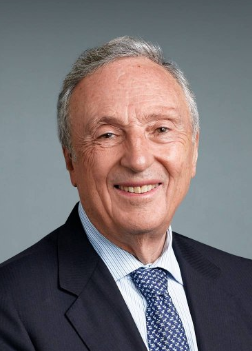 Charles R. Marmar合作论文数Department of Psychiatry, Grossman School of Medicine, New York University5
 Jun Zhang合作论文数5
 Camarin Rolle合作论文数Department of Psychiatry and Behavioral Sciences, School of Medicine, Stanford University4Silas Mann合作论文数4
 Bryan Gonzalez合作论文数Steven & Alexandra Cohen Vet Ctr Posttraumat Stre, NYU4
 Roland Hart合作论文数4
 Cherise Chin Fatt合作论文数Center for Depression Research and Clinical Care, University of Texas Southwestern Medical Center;Peter O'Donnell Jr. Brain Institute, University of Texas Southwestern Medical Center;University of Texas Southwestern Medical Center, University of Texas Southwestern Medical Center4
 Atlas Khan合作论文数Division of Nephrology, Department of Medicine, Vagelos College of Physicians and Surgeons, Columbia University, New York, New York, USA.4
 Qinwei Fan合作论文数Xian Polytech Univ, Sch Sci, Xian 710048, Peoples R China4
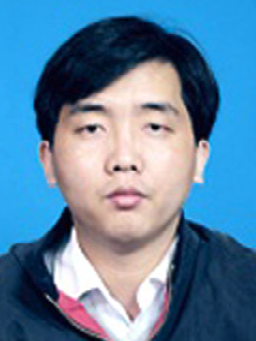 Huisheng Zhang (张会生)合作论文数School of Science, Dalian Maritime University;College of Artificial Intelligence, Dalian Maritime University4
 Crystal M Cooper合作论文数4




