The importance of parental influences in their children’s mathematics learning is widely recognised, but there exist research gaps regarding the multilingual and multicultural perspectives on non-English contexts and the roles of siblings. This study investigated two immigrant secondary students (Russian and Vietnamese) in Shanghai to explore the multilingual and multicultural resources their family provided and how these resources were enacted through language practices to influence students’ perceived mathematics learning. A conceptual framework was established to explore various types of multilingual and multicultural resources, language practices and perceived mathematics learning, and data were collected by interviews and analysed using thematic analysis. Results reveal dialogical resources for school-directed homework and curricular content as most important in both cases, with the Russian student additionally benefiting from cultural resources regarding the diversity of mathematical notations and mathematics content. The Russian parents enacted their dialogical resources through various language practices evenly and their cultural resources through juxtaposing mathematics content in different languages and cultures, which eventually influenced their daughter’s conceptual understanding and solving of problems. The Vietnamese family (parents and an elder sibling) generally enacted their resources through their heteroglossia in mathematics communications, which predominantly influenced their child in solving problems. With these results, we argue schools should invite immigrant students’ families to share their funds of knowledge, and future studies need to consider various influences from siblings and other family members as well as broader cultural resources.
Science, Technology, Engineering, and Mathematics (STEM) content in mathematics education has gained increasing attention in various countries. However, despite the critical role that textbooks play in mathematics teaching and learning, existing research on mathematics textbooks has largely overlooked examining STEM content and their characteristics. This study aims to analyze the state-of-the-art of STEM content in U.S. and China’s middle school mathematics textbooks. Using content analysis, this study identified and examined 993 units of STEM content in Big Idea Maths (BIM), a U.S. series and 448 units in the People’s Education Press (PEP), a China series. For this study, a “unit” was either a single section or subsection, one to several paragraphs, or a picture/graph and its caption. The majority of the STEM content in both series were from the natural sciences (79.1
Textbooks are an essential source for the implementation of new curriculum in many countries. However, the role of textbooks in the process is not a fixed entity, as it is shaped by individual teachers’ practices. This study aims to investigate, through the lens of teachers’ views, what role textbooks play in the implementation of curriculum development in two educational settings, Shanghai, China and Central Java, Indonesia. Using a mixed-methods approach, including surveys and interviews, to collect data from 84 mathematics teachers in both countries, the study examined the interplay between curriculum development with a focus on three dimensions - teaching strategies, content, and assessment - and the role of textbooks in its implementation. The results showed that overall textbooks play an important role in the implementation of curriculum development in both Chinese and Indonesian educational settings, but differences were also found about the role of textbooks in different dimensions of the implementation; while Chinese teachers view the content of teaching, Indonesian teachers chose teaching strategies as the most important aspects of textbooks in implementing new curriculum, and the differences are related to the fact that curriculum reform in each country has different characteristics, and in particular, Indonesian teachers are more encouraged to construct their content according to the needs of their students, allowing for differentiated learning, which contributes to the discretionary use of textbooks by both teachers and students. The paper argues that these characteristics should be supported by textbooks that are aligned with curriculum reform in different educational settings.
This paper aims to provide readers with an overview of recent advances in research on mathematics textbooks in relation to curriculum development and instructional reform. It consists of two main parts, with the first part presenting a targeted micro-scoping review of 13 related research articles published over the last decade (2015–2024), and the second part giving an overview of the 13 research articles published in this special issue of ZDM – Mathematics Education on the same theme. Overall, the research shows that textbooks serve the important function of not only supporting teachers’ instructional practices and change, but also facilitating the rollout or maintenance of new curricula, although how and to what extent mathematics textbooks can play this role depend on a variety of factors, including the design of the textbooks, their alignment with the curriculum changes and pedagogical approaches advocated, and how teachers perceive them. It was observed that while curriculum development can affect teachers’ selection and use of textbooks, textbook research can also have an impact on subsequent curriculum reform. Further research is needed to better understand how textbooks can be used effectively in the classroom to support teaching, how professional development can support teachers’ optimal use of textbooks, and how the quality of textbooks, especially digital instructional resources, can be evaluated. The paper ends with a discussion of possible future research directions for related issues.
This paper presents a systematic survey of research on digital mathematics textbooks (DMTs), with a particular focus on the design and development of DMTs. A total of 65 studies on DMTs were identified and collected from different data sources including journal articles, dissertations and theses, conference proceedings and research reports over the last three decades, and among them, about one third focused on the design and development of DMTs. The results show that the forms of DMTs have gradually moved from CD-based to web-based, tablet-based, and combined-platform-based, which often incorporate multi-media, multi-representation, feedback and evaluations, interactives, and hyperlinks features. Most of them were on one lesson/chapter, with a limited and narrow scope of mathematics content. There is a need for more collaborations between teachers, researchers, textbook designers, and IT developers in the design and development of DMTs. The paper concludes with suggestions for directions for future research.
Facilitators, i.e., individuals who lead professional development (PD) programs, play a crucial role in providing high-quality PD to teachers, which is particularly relevant in the context of teaching mathematics with technology given the ubiquitous calls to exploit the potential of digital mathematical tools (DMT). However, quantitative research investigating facilitators’ beliefs and practices remains scarce, particularly research comparing countries. In this cross-national study conducted in China and Germany, we developed an online questionnaire and surveyed n = 340 facilitators to provide a comprehensive quantitative picture of facilitators’ beliefs and practices concerning PD for teaching mathematics with DMT. The results highlight various commonalities and differences between facilitators in China and Germany. We reveal significant differences concerning cooperation among facilitators, adaptation of PD materials, how facilitators professionalise themselves, and beliefs about when and how to use DMT. Furthermore, Chinese facilitators emphasise technical competence more strongly, while German facilitators focus more on developing teachers’ pedagogical content knowledge. A critical commonality was that facilitators’ self-efficacy concerning teaching with DMT and their self-efficacy for conducting PD for teaching mathematics with DMT was low. We discuss how the results can be linked to differences in the educational and cultural context and outline possible complements and enrichments for both countries’ educational systems.
Textbooks, as potentially implemented curricula, play an important role in supporting classroom teaching and learning. Mathematical connections, one of the essential and hot topics advocated in mathematics education, have been emphasized in national curriculum reforms in various countries. However, little is known about the connection networks represented in school textbooks; even less has been done to compare textbooks from different countries. In this study, we propose an innovative method for examining how connections are represented in two popular U.S. (the UCSMP series) and Chinese (the PEP-A series) high school textbook problems involving quadratic relations. By using social network analysis, we identified 1129 connections, characterized connection networks into dense, moderate, and sparse digraphs, identified influential, prominent, and dual concepts and representations, and evaluated the strength between typical and reverse connections. The results revealed that the Chinese series presented a denser network of balanced between-concept connections but limited within-concept connections. The U.S. series exhibited more within-concept connections but emphasized typical connections, thus validating the potential of this innovative method. From this study, we suggest that our novel method provides a theoretical contribution to textbook analysis and connection analysis, which has rich implications for practice, for example, examining the network of connections students construct as a way to assess and to promote their conceptual understanding, and our approach opens the possibility of adopting new and efficient analytical tools from social network analysis in mathematics education research.
We conducted a study on how Shanghai secondary mathematics teachers interact with textbooks. A conceptual framework was established for the study. Data were collected from 133 teachers in 13 randomly selected schools through a questionnaire survey and follow-up interviews with 24 of them. Results show that Shanghai mathematics teachers interacted with textbooks to a varying extent, and they adapted most frequently on mathematical thinking and methods, and least frequently on affects, attitudes and values. Meanwhile, mathematics teachers in high-performing schools and private schools adapted textbooks more frequently, while there was overall no statistically significant difference between teachers with different demographic features. Furthermore, teachers interacted more frequently with student books and teacher manuals than with exercise books. Implications and suggestions are discussed.
Professional development (PD) for mathematics teachers in China, especially in Shanghai, has received growing international attention. However, most of available research concerning Chinese PD has focused on successful practices, and far too little attention has been paid to less successfully organized PD practices, particularly for mathematics teachers in Shanghai. This study aims to examine key aspects and underlying reasons for less successfully organized PD practices in Shanghai from teachers’ perspectives. The data were collected from 132 mathematics teachers in 9 randomly selected secondary schools in Shanghai through a questionnaire survey and follow-up interviews. The results show that Shanghai mathematics teachers perceived “time, duration and frequency”, “assessment and management” and “objective” as the three most unsatisfactory aspects in less successfully organized PD they attended, and they considered that organized PD practices were less successful mainly due to lack of assessment for the PD organizers and of necessary coordination between PD organizers at different levels. In addition, there were statistically significant differences in teachers’ perceptions of various specific problems in different aspects about less successfully organized PD between teachers with different demographic features, such as length of teaching experience and gender. Implications of the findings of the study to Chinese educational settings and beyond are discussed at the end of the paper.
数学联结是最近二三十年来在国内外数学教育研究中受到高度关注的热门话题之一,也是中美数学教育课程和教学改革中一个重要的关注点.本研究以人教版高中数学教材(A版)与美国芝加哥大学学校数学项目(UCSMP)高中数学教材中呈现的圆锥曲线例题和习题为研究对象,基于数学联结的视角,从外部问题情境水平以及内部数学联结的类型和方向性进行比较分析,应用社会网络分析方法对双向联结作重点比较分析.研究结果显示,人教版教材的数学问题绝大多数为纯数学背景,而美国UCSMP教材的数学问题有更多真实多样的实际背景;另一方面,人教版教材的数学问题比美国UCSMP教材涵盖了更多不同概念间的数学联结,但同一概念表征间的数学联结较少.此外,两套教材给出的例习题中一半以上的数学联结均是单向的,但在反映双向数学联结的例习题中,人教版教材的双向联结权重集中,正反方向相对权重均衡,而美国UCSMP教材的双向联结内容更丰富,正反两个方向的权重则有强有弱.文章最后讨论了本研究结果的意义和关于数学联结的进一步研究,以及对教材开发与编写的建议.
Textbooks, as potentially implemented curriculum, play an important role in school education. Earlier studies in mathematics education revealed that teaching using mathematics games had a positive effect on students’ learning. However, how mathematics games are presented in mathematics textbooks has rarely been systematically examined. In this study, we aimed to investigate how mathematics games are presented in school mathematics textbooks in China. We selected three series of Chinese secondary mathematics textbooks (Grades 7–9) and identified 112 mathematics games in total; then, we coded and analyzed the games according to an analysis framework we established for the study. The results showed that, across the three series of textbooks, the distribution of games was inconsistent and, within the same series of textbooks, it was irregular across the different grade levels; in terms of locations and cognitive objectives, most games were presented as exercise questions and the main purpose was to improve students’ problem solving ability. Moreover, most of the games were single player games and there were slightly more competitive games than non-competitive games. The implications of the findings for the design and research of mathematics games in mathematics textbooks are discussed at the end of the study.
高考数学是否应该引入计算器是一个学界关心和争议的话题.本研究调查了六大洲30个经济较为发达的国家和地区高考数学计算器的使用规定,从考试模式(单一、混合)、计算器的种类和计算器本身在数学试题及其解答中发挥的作用三方面进行比较分析,并对有代表性的考试样卷进行案例分析.研究发现,当前全球大多数高考数学卷允许使用计算器,且以科学计算器的单一模式为主.高考数学中引入计算器能够突破传统考试对试题内容、类型和情境的限制,为提高试题的情境性、开放性、灵活性、应用性和探究性,拓宽试题内容的范围提供新的途径,并有效提高考试与课程标准的一致性.根据研究结果,我们认为,应充分认识到将计算器引入高考数学的正面价值和信息时代下的必然性,高考改革应积极适应未来社会发展的需要;努力探索将计算器引入高考数学的考试模式和题目设计,开展相关研究,推进考试创新和命题改革;同时,要切实注意到计算器进入高考数学带来的公平性问题,制订和完善有关计算器进入课堂和考试的长期规划.
Macao, a Special Administration Region of China (Macao SAR), is unique in that its mathematics education practice and research have integrated both the eastern and western traditions. Its participation in the Programme for International Student Assessment (PISA) since 2003 inspired the research culture in mathematics education in Macao from international perspectives. In this article, we report on a survey of three kinds of research done in mathematics education in Macao: (1) research related to PISA, in particular PISA 2012 and PISA 2018; (2) research done for master’s and Ph.D. theses/dissertations in higher institutions in Macao; and (3) articles published in educational journals, particularly in mathematics education in Macao. The survey reveals emerging research cultures in mathematics education over the past decade—the interests of researchers and practitioners in topics such as comparative studies, lesson studies, mathematical problem-solving, and the use of information technology in mathematics teaching and learning. Lastly, we summarize what Macao has done well and what it needs to do better for further development of Macao’s research culture within the global trend of literacy-based mathematics education as modeled by the PISA.
在2019年人教A版高中数学教科书中,情境按照与高中学生经历的紧密程度可分为个人情境、简单科学情境、职业情境、社会情境和高级科学情境五个类型,教科书中五类情境均有涉及但所占比例不同.按照情境在"现实情境的数学表达"和"数学结果的现实解释"两个过程中发挥的作用,可各自划分为三个层次水平,教科书中现实问题的情境在两个过程的各层次作用水平上分布比较均衡,总体上高作用水平的情境在教科书中得到重视,并且相对更重视"现实情境的数学表达"过程.整体上教科书中数学应用的情境设置面向全体学生,符合我国新课标基础性和发展性的理念.
文章基于在浙江桐乡召开的教育部教师工作司委托课题成果推广暨助推数学教育数字化研讨会中的"数学教育与技术融合"大家谈环节,从ICTs和数学教育融合的历程、数学课程与教材和技术的融合、数学教学和技术的融合、数学教育评价和技术的融合 4 个方面展开,整理了 5 位专家的现场发言与讨论,以期进一步推动我国数学教育与技术融合的发展.
突如其来的新冠疫情使得整个学校教学包括数学教学从线下快速转移至线上,这对缺乏开展线上教学经验的各级各类学校的数学教师而言是一次巨大的挑战.本研究聚焦高中教学,选取上海和江苏范围内的56位高中数学教师进行调查,探究高中数学教师在线上授课时遇到的挑战,及不同教龄教师是否有差异性.结果显示:教师线上教学感受到的挑战由高到低分别是教学管理、教学实践、技术使用;不同教龄段的教师在技术使用方面及其子方面"线上教学平台操作"感受到的挑战差异显著;与其他学科教师相比,数学教师尤其强调多方位监督学生的数学学习、带领学生讨论等数学课堂活动的开展所遇到的挑战.教师对技术使用方面的挑战感最低,这和沪、苏两地对技术融入教学的一贯重视不无关系.依据调查结果,并结合数学学科特性及疫情反复的现状,本文提出如下建议:(1)适当重构数学课堂任务,建立"以学生为中心"的线上教学模式;(2)充分发掘在线平台优势,发展数学个性化教育;(3)优化课程资源,与线下课堂实现优势互补;(4)关注高阶数学思维,全面发展学生的数学学科核心素养.
It gives me great pleasure to write this introductory editorial firstly to introduce readers to the Asian Journal for Mathematics Education (AJME), a new journal that is dedicated to the advancement of mathematics education research, theory, and practice in Asia and more generally the world, secondly to present the inaugural issue of AJME, and finally to express my gratitude to all who have helped for the establishment of the journal and the publication of the inaugural issue.
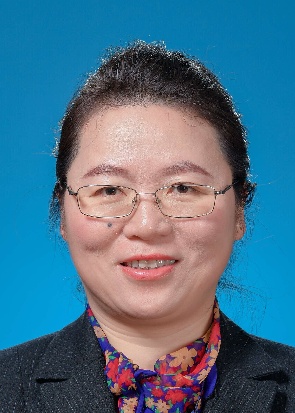 Yɑn Zhu (朱雁)合作论文数College of Teacher Education, East China Normal University;School of Mathematical Sciences, East China Normal University13
 Mailizar Mailizar合作论文数7
 Khiok Seng Quek合作论文数National Institute of Education, Nanyang Technological University7Yeo Shu Mei合作论文数6
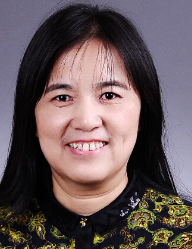 Chunxia Qi (綦春霞)合作论文数Faculty of Education, Beijing Normal University6manahel alafaleq合作论文数5
 Luc Trouche合作论文数Université Montpellier II5
 Sebastian Rezat合作论文数Institut für Didaktik der Mathematik;Justus-Liebig-Universität Giessen;Institut für Didaktik der Mathematik, Justus-Liebig-Universität Giessen5
 Shuhui Li (李淑惠)合作论文数School of Mathematical Sciences, East China Normal University4
 Yi Wang (王祎)合作论文数School of Mathematical Sciences, Beijing Normal University4
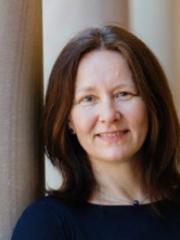 Jana Visnovska合作论文数School of Education, Faculty of Humanities and Social Sciences, The University of Queensland4lionel pereiramendoza合作论文数3Sicheng Xie合作论文数3Jietong Luo合作论文数3Li Shi-qi合作论文数3
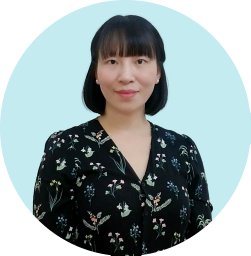 Zhenzhen Miao合作论文数University of Southampton, University of Southampton3
 Jinfa Cai合作论文数University of Delaware3Ngai-Ying Wong合作论文数3Lingzhu Li合作论文数2Yisu WANG (王一粟)合作论文数2Zhu Yan合作论文数2
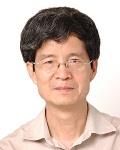 Dong Sheng Zhao合作论文数National Institute of Education, Nanyang Technological University2
 Bin Xiong (熊斌)合作论文数Department of Mathematics, East China Normal University;School of Mathematical Sciences, East China Normal University2
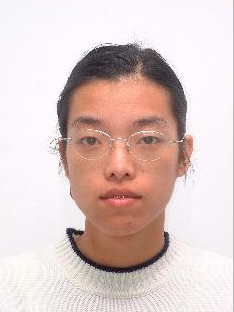 Jing Cheng (程靖)合作论文数School of Mathematical Sciences, East China Normal University2Phong Lee Koay合作论文数2Tan-Foo Kum Fong合作论文数2Lee Peng Yee合作论文数2Cheang Wai Kwong合作论文数2
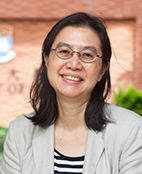 MOK, Ida A.C. (莫雅慈)合作论文数Faculty of Education,The University of Hong Kong2Christina Cheong合作论文数2Xiaomei Liu合作论文数1jingan chen合作论文数1juliana donna chye huat ng合作论文数1Fangchun Zhu合作论文数1xiaolan qiu合作论文数1zongyu zhang (张宗余)合作论文数1Li Shuhui (李淑惠)合作论文数1
 Dyana Wijayanti合作论文数Universitas Islam Sultan Agung1
 Daniel Thurm合作论文数University of Siegen1
 Qimeng Liu合作论文数1Ling-zhi KONG (孔令志)合作论文数1Na Li合作论文数1FenYing Xu (许芬英)合作论文数1WeiQiang Niu (牛伟强)合作论文数1
 Wee Tiong Seah合作论文数Melbourne Graduate School of Education, The University of Melbourne1DianZhou Zhang (张奠宙)合作论文数1
 Lingyuan Gu (顾泠沅)合作论文数1
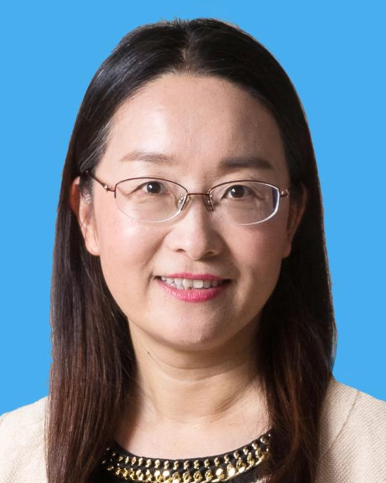 BinYan Xu (徐斌艳)合作论文数School of Mathematical Sciences, East China Normal University;Shandong University;School of Education, Shanghai Jiao Tong University1




