BACKGROUND:Autism Spectrum Disorder (ASD) is a complex neurodevelopmental disorder with a rising global prevalence. Mutations in the CHD8 gene have been implicated in ASD, yet the underlying molecular mechanisms remain insufficiently understood. METHODS:We analyzed transcriptomic data from the CHD8A and CHD8B allelic deletion sample dataset GSE236993 to identify differentially expressed genes (DEGs). We intersected these DEGs with genes related to the Notch signaling pathway and performed functional enrichment analyses, including Gene Ontology (GO) and Kyoto Encyclopedia of Genes and Genomes (KEGG) pathway enrichment, as well as protein-protein interaction (PPI) analyses, to identify key genes. These key genes were validated using the CHD8-deficient sample dataset GSE85417, resulting in the identification of seven common key genes. We then constructed drug-gene interaction networks and microRNA (miRNA) regulatory networks to further elucidate the mechanisms by which CHD8 impacts ASD. RESULTS:Seven hub genes-IGF2, FN1, CXCR4, COL11A1, ITGA6, LOX, and FBN2-were identified, all involved in the Notch signaling pathway and playing significant roles in neurodevelopment and extracellular matrix regulation. Among these, IGF2 and CXCR4 were particularly crucial in ASD pathogenesis, suggesting their potential as diagnostic biomarkers and therapeutic targets. MiRNA regulatory network analysis revealed several miRNAs that may modulate these hub genes, offering new insights into ASD pathogenesis. Drug-gene interaction analysis suggested possible therapeutic small-molecule compounds, such as AMD3100 and IGF-1R inhibitors. CONCLUSIONS:Our multi-level bioinformatics analysis identified key genes and regulatory networks potentially involved in ASD associated with CHD8 deficiency. These findings enhance the understanding of ASD's molecular mechanisms and highlight potential therapeutic targets, paving the way for future diagnostic and treatment strategies.
Recently, the loss-of-function, heterozygous, and de novo mutations of the CTNNB1 gene have been proven to be partially responsible for intellectual disability in some patients. Herein, we report two unrelated children with neurodevelopmental disorder, abnormal facial features, speech impairments, microcephaly, and dystonia. Based on whole exome sequencing (WES), two new heterozygous and pathogenic mutations in exon 10 (c.1586dupA:p.Q530Afs*42) and exon 4 (c.257dup:p.Y86*) were identified in the CTNNB1 gene for the first time. These findings not only enrich the genetic spectrum of the CTNNB1 gene but also provide evidence for its role in neuronal development.
Objective:To observe the effect of rich environmental rehabilitation training on the physical system and ner-vous system development of newboms with hypoxic-ischemic encephalopathy(HIE). Method:Sixty-one HIE newboms were divided into the observation group(n=31)and the control group(n=30).The control group was given the routine clinical treatment and care,and the observation group was supplemented with enriched environmental rehabilitation training on the basis of the control group for 3 weeks.The body length and weight,and the head circumference of the two groups were measured to assess the physical development at admis-sion and 3 weeks after the intervention,and the neonatal behavioral neurological assessment(NBNA)and test of in-fant motor performance(TIMP)were used to evaluate the neurological development and motor function. Result:After the intervention,the changes of body length and weight changes in the observed group were bet-ter than the control group(P<0.05),no significant difference in head circumference(P>0.05),and the NB-NA score and TIMP score were higher than those of the control group(P<0.05). Conclusion:The application of rich environmental rehabilitation training can promote the rapid development of physique and nervous system of the newboms with HIE and improve the motor function.
Microglia mediated inflammation plays a crucial role in cellular events and functional recovery post ischemic stroke. In the current study, we profiled the proteome changes of microglia treated with oxygen and glucose deprivation (OGD). Bioinformatics analysis identified that differentially expressed proteins (DEPs) were enriched in pathways associated with oxidate phosphorylation and mitochondrial respiratory chain at both 6h and 24h post OGD. We next focused on one validated target named endoplasmic reticulum oxidoreductase 1 alpha (ERO1a) to study its role in stroke pathophysiology. We showed that over-expression of microglial ERO1a exacerbated inflammation, cell apoptosis and behavioral outcomes post middle cerebral artery occlusion (MCAO). In contrast, suppression of microglial ERO1a significantly reduced activation of both microglia and astrocyte, along with cell apoptosis. Furthermore, knocking down microglial ERO1a improved the efficacy of rehabilitative training and enhanced the mTOR activity in spared corticospinal neurons. Our study provided novel insights into the identification of therapeutic targets and the design of rehabilitative protocols to treat ischemic stroke and other traumatic CNS injuries.
Objective:To observe the effect of repetitive transcranial magnetic stimulation(rTMS)combined with local vibra-tion(LVB)therapy on lower limb spasticity,balance function and gait function in children with hemiplegic cerebral palsy(HCP).Methods:A total of 66 children with HCP,who were treated in the Children's Hospital of Soochow University from January 2022 to December 2022 were randomly divided into control group,rTMS group and combined group,with 22 cases in each group.The control group received routine rehabilitation training(physical modality therapy,spasmodic muscle stretching training,postural transfer training,standing blance training and gait training,etc),30 minutes a time,once a day,five days a week,lasting for twelve weeks.The rTMS group received low-frequency rTMS treatment additionally,with a frequency of five Hz and a stimulation intensity of 35%motor threshold(MT),the stimulation time of 10 s,and the interval of 20 s,20 minutes a time,once a day,five days a week,lasting for 12 weeks.The combined group received LVB therapy in addition to the treatment of the rTMS group,and the vibration frequency was set to 15-20 Hz,within seven mm displacement,10 minutes a time,once a day,five days a week,lasting for 12 weeks.Before and after treatment,the modified Ashworth scale(MAS)was used to evaluate the muscle tone;the balance subscale of Fugl-Meyer test(FM-B)was used to evaluate the balance function,and the Gait Watch three-dimensional gait analysis system was used to evaluate the three-dimensional gait parameters(stride speed,stride length,hip flexion,knee flexion and ankle flexion of the affected side).Results:Compared with that before treatment,MAS scores of the rTMS group and the combined group after treat-ment decreased significantly,the FM-B scores and gait parameters(stride speed,stride length,hip flexion,knee flexion and ankle flexion of the affected side)increased significantly,and the differences were statistically significant(P<0.05).Compared with the control group,MAS scores of the rTMS group and the combined group after treatment decreased significantly,FM-B score,stride length and stride speed increased significantly(P<0.05);compared with the rTMS group,MAS score of the combined group after treatment decreased significantly,FM-B score and gait parameters(stride speed,stride length,hip flexion,knee flexion and ankle flexion of the affected side)increased significantly,and the differences were statistically significant(P<0.05).Conclusion:The rT-MS combined with LVB therapy can effectively improve the lower limb spasticity,balance function and gait function of children with HCP,which is recommended for clinical application.
孤独症谱系障碍(ASD)是一组持续存在的复杂的儿童神经系统发育障碍,以社交和互动障碍为特征,非语言交流能力(包括手势的使用),在早期即可发现异常,且与随后的语言发展形成紧密联系,本文就常见的手势对语言的影响作一综述.
目的 探讨重复经颅磁刺激联合感觉统合训练治疗注意缺陷多动障碍(ADHD)儿童的临床效果.方法 选择2019年10月—2021年9月本院收治的69例ADHD患儿作为研究对象,采用随机数表法分为感觉统合(SI)组、重复经颅磁刺激(rTMS)组和联合组,每组各23例.SI组给予针对性的感觉统合训练,rTMS组以10Hz高频刺激右侧背外侧前额叶皮质,联合组先进行SI训练,随后以rTMS刺激.三组治疗持续12周.治疗前后以Conners父母用症状问卷(PSQ),中文版斯诺佩第4版评估量表(SNAP-Ⅳ)和视听整合持续操作测试(IVA-CPT)进行疗效评估.结果 治疗12周后,三组患儿PSQ评分和SNAP-Ⅳ评分各因子分较治疗前均显著下降,差异有统计学意义(P<0.05),联合组各因子分均优于SI组和rTMS组,差异有统计学意义(P<0.05),而SI组和rTMS组间比较,差异无统计学意义(P>0.05).IVA-CPT评分较治疗前显著提升,联合组各因子分均优于SI组和rTMS组,差异有统计学意义(P<0.05).SI组和rTMS组间比较,差异无统计学意义(P>0.05).结论 重复经颅磁刺激联合感觉统合训练可显著改善ADHD儿童的核心症状,提高抑制控制能力,增强注意力水平,且效果优于单一疗法.
MN1 C‐terminal truncation (MCTT) syndrome is a newly recognized neurodevelopmental disorder due to heterozygous gain‐of‐function C‐terminal truncating mutations clustering in the last or penultimate exon of MN1 gene (MIM: 156100). Up to date, only 25 affected patients have been reported. Here, we report a 2‐year‐old Chinese girl with MCTT syndrome. The girl presented with the characteristic features of the syndrome, including global developmental delay (GDD), facial dysmorphism and hearing impairment. Notably, the patient did not have other frequently observed symptoms such as hypotonia, cranial or brain abnormalities, indicating variability of the phenotype of patients with MN1 C‐terminal truncating mutations. Trio whole‐exome sequencing revealed a novel de novo heterozygous nonsense variant in the extreme 3′ region of penultimate exon of MN1 (NM_002430.3: c.3743G > A, p.Trp1248*). This rare truncating variant was classified as pathogenic due to its predicted gain‐of‐function effect, given that the gain‐of‐function MN1 truncating variants producing C‐terminally truncated proteins have been confirmed to cause the recognizable syndrome. Additionally, a systematic review of previously reported MN1 variants including C‐terminal truncating variants and N‐terminal truncating variants shows that different location of MN1 truncating variants causes two distinct clinical subtypes. To our knowledge, this is the first reported case of MCTT syndrome caused by a novel MN1 C‐terminal truncating variant in a Chinese population, which enriched the mutation spectrum of MN1 gene and further supporting the association of the novel MCTT syndrome with MN1 C‐terminal truncating variants.
BACKGROUND:Neurodevelopmental disorder with absent language and variable seizures (NEDALVS, OMIM # 618707) is a newly described autosomal dominant condition caused by heterozygous de novo mutation in WASF1 gene. WASF1 is a key component of the WAVE regulatory complex (WRC) required for actin polymerization. So far, only 3 distinct truncating variants clustering at the WCA domain, 3 missense variants localized to the meander region and a copy number variant (CNV) of WASF1 have been identified among 11 NEDALVS cases previously reported. CASE REPORT:We report a pediatric patient carrying novel de novo heterozygous missense variant (NM_003931.2: c.481T > C, p.Trp161Arg) in WASF1 gene. During the first hospitalization at age of 5.5 months, the patient was initially diagnosed with infantile spasms, developmental delay (DD) and microcephaly due to nodding-like epileptic spasms in clusters and hypsarrhythmia on video-electroencephalography, lacking head control and body rollover, and abnormal head circumference 39 cm (<-2SD). The genetic diagnosis with a causal WASF1 variant detected by trio exome sequencing indicated the rare NEDALVS. LITERATURE REVIEW:All the reported NEDALVS cases published in the PubMed English literature were reviewed to summarize the genetic and phenotypic spectrum of this novel disorder. CONCLUSION:We describe the third patient with a recurrently mutated amino acid site at p.Trp161 in WASF1, currently the 12th patient with NEDALVS. This hotspot missense variant and the truncating variants in WASF1 lead to similar phenotypic patterns with core features of severe DD/ID, and seizures, hypotonia, and microcephaly frequently observed. Our finding expands the WASF1 mutation spectrum and confirms the de novo hotspot missense variant at p.Trp161, further supporting the association of the novel NEDALVS with WASF1 gene and the actin regulatory pathway.
MN1 C-terminal truncation (MCTT) syndrome is a newly recognized neurodevelopmental disorder due to heterozygous gain-of-function C-terminal truncating mutations clustering in the last or penultimate exon of gene (MIM: 156100). Up to date, only 25 affected patients have been reported. Here, we report a 2-year-old Chinese girl with MCTT syndrome. The girl presented with the characteristic features of the syndrome, including global developmental delay (GDD), facial dysmorphism and hearing impairment. Notably, the patient did not have other frequently observed symptoms such as hypotonia, cranial or brain abnormalities, indicating variability of the phenotype of patients with C-terminal truncating mutations. Trio whole-exome sequencing revealed a novel de novo heterozygous nonsense variant in the extreme 3′ region of penultimate exon of (NM_002430.3: c.3743G > A, p.Trp1248*). This rare truncating variant was classified as pathogenic due to its predicted gain-of-function effect, given that the gain-of-function truncating variants producing C-terminally truncated proteins have been confirmed to cause the recognizable syndrome. Additionally, a systematic review of previously reported variants including C-terminal truncating variants and N-terminal truncating variants shows that different location of truncating variants causes two distinct clinical subtypes. To our knowledge, this is the first reported case of MCTT syndrome caused by a novel C-terminal truncating variant in a Chinese population, which enriched the mutation spectrum of gene and further supporting the association of the novel MCTT syndrome with C-terminal truncating variants.
目的 探讨以家庭为中心的引导式教育在脑瘫高危儿早期康复护理中的应用效果.方法 2018年6月至2019年6月采用便利抽样法选取苏州大学附属儿童医院康复科收治的80例6月至12个月年龄的脑瘫高危儿,随机分为试验组(n=40)和对照组(n=40),对照组进行常规康复治疗和护理,试验组在此基础上进行以家庭为中心的引导式教育,分别比较两组早期康复护理前和早期康复护理3个月后Peabody运动发育量表中总运动商(TMQ)评定结果.结果 护理前两组患儿TMQ差异无统计学意义;护理3个月后,两组患儿TMQ值均有提高,试验组的TMQ值提高更多,与对照组比较差异有统计学意义(P<0??05).结论 对脑瘫高危儿进行以家庭为中心的引导式教育可以有效提高患儿TMQ,进一步促进患儿运动功能、社会适应性及日常生活能力的改善.
目的 探讨1例genitopatellar综合征患儿的临床及分子遗传学特征及其康复治疗.方法 分析1例genitopatellar综合征患儿的临床特点及基因突变资料,并评估其康复干预的疗效.结果 患儿存在骨骼、生殖器、胼胝体、心脏、肾脏等多脏器发育不良以及严重的精神运动发育迟缓,全外显子组测序分析结果显示患儿的KAT6B基因c.3845delA.(p.E1282Gfs*6)杂合移码变异,该杂合变异未见文献报道,早期干预、定期评估、避免二次损伤对患儿具有重要临床意义.结论 KAT6B基因c.3845delA.(p.E1282Gfs*6)杂合移码变异可能为患儿的致病原因,系统规范化的康复干预对患儿运动及语言发育方面有一定的积极作用.
目的:针对家庭康复及随访对于儿童发育迟缓展开治疗后,儿童的康复效果进度的影响.方法:数字表随机选择 2018 年 3 月 2018 年 10 月收治的在我院确诊为儿童发育迟缓患儿共计 37 例.选择 20 例为对照组展开我院常规康复治疗措施,剩余 17 例观察组选择常规康复治疗措施联合家庭康复及随访.探究 2 组患儿在功能发育上的表现.结果:比较 2 组患儿的儿心量表评分,GMFM量表评分,治疗前 2 组患儿均未出现显著差异,治疗后观察组明显高于对照组,差异显著 P<0.05 .结论:全面发育迟缓患儿积极进行家庭康复及随访,对于患儿康复情况有显著效果,更有利患儿身心发育,值得在临床上推广.
Objective:To explore the effect of combining repetitive transcranial magnetic stimulation (rTMS) with constraint-induced movement therapy (CIMT) in rehabilitating the upper limb functioning of children with hemiplegic cerebral palsy.Methods:Sixty children with hemiplegic cerebral palsy were recruited and randomly divided into a control group ( n=30) and an experimental group ( n=30). Both groups were given conventional rehabilitation therapy and intensive one-to-one CIMT of the affected hand for 30 minutes 5 times a week for 4 successive weeks. The healthy hand was immobilized in a hand cushion for 3 hours. The experimental group was additionally provided with 20 minutes of rTMS at 1.0Hz, 5 times a week for the same 4 weeks. Before and after the treatment, both groups were evaluated using the Peabody Developmental Motor Scales (PDMS-2 FM) and an upper extremities function test (UEFT). Results:After 4 weeks of treatment there was significant improvement in both groups with regard to the average PDMS-2 FM and UEFT scores. The improvement in the experimental group was significantly better.Conclusions:rTMS combined with CIMT can effectively improve upper limb motor function and promote the fine motor development of children with hemiplegic cerebral palsy.
Objective: In this study, we examined the effect of early rehabilitation on exercise and mental development in high-risk infants. Methods: twenty-three patients with high risks in neonatal intensive care unit (NICU) were treated with rehabilitation as the intervention group in The Children's Hospital of Soochow University, forty-six high risk infants without early rehabilitation treatment who were hospitalized during the same period were selected as the control group. The Intervention group was treated with early reha-bilitation twice a week (including visual, auditory, tactile stimulation, vestibular exercise stimulation, and the head and limbs exercise training) during hospitalization and received a one-year follow-up and early rehabilitation guidance after discharge. Control group was taken regular children care. Neuropsychological and behavioral evaluations in children were performed at 3, 6, and 12 months by Alberta Infant Motor Scale (AIMS) and Gesell infant development scale. Results: The total score and percentile of AIMS in the intervention group significantly increased from 3 months to 6 months, and form 6 months to 12 months respectively (P<0.01). There was no statistical difference in the exercise area (EA), adaptive behavior area (AA), speech act area (SA), and personal social behavior area (PA) of development quotient (DQ) at 3 months between intervention group and control group (P>0.05). However, exercise and adaptive behaviors of the DQ at 6 months in the intervention group were higher than that in the control group (P<0.01). At 12 months, four aspects (EA, AA, SA, PA) of the DQ in the intervention group were much higher than that in the control group (P<0.01). Conclusion: Early Rehabilitation Intervention in patients with high risk improved children's exercise quality, adaptive behaviors, personal social behaviors, the perception of cognitive ontology experience and the ability to adapt to the surrounding environment.
目的探讨ALDH5A1基因突变致琥珀酸半醛脱氢酶缺陷症(SSADHD)的临床特征,基因突变及致病机制。方法回顾分析1例SSADHD患儿的临床资料和基因测序结果,并复习相关文献。结果患儿,女,3岁6个月,表现为反复发作的发作性肌张力障碍。头颅磁共振成像、视频脑电图、血液生化检查、血尿遗传代谢筛查均无异常。基因测序显示,ALDH5A1基因外显子区域有2处杂合突变,c.112G>A(p.A38T)(致病性尚不明确)、c.1529C>T(p.S510F)(已报道的致病突变);2处杂合突变分别来自其父母,为复合杂合突变,符合常染色体隐性遗传规律。确诊为ALDH5A1突变致SSADHD。检索到相关文献26篇,报道75种ALDH5A1突变,分别位于外显子1~11,涉及错义突变、缺失突变、插入突变、剪切突变和无义突变。结论 ALDH5A1基因突变与SSADHD发生密切相关,基因检测有助SSADHD确诊。
目的:观察重复性外周磁刺激联合口部运动治疗对脑瘫患儿口咽期吞咽功能障碍的影响.方法:将60例口咽期吞咽障碍脑瘫患儿随机分为观察组和对照组,每组30例.2组患儿均给予常规口部运动治疗,观察组患儿在此基础上辅以重复性外周磁刺激治疗,治疗6周.采用临床疗效评价,吞咽障碍评价(DDS)及吞咽障碍分级标准(VFSS)评定2组患儿吞咽功能改善情况.结果:治疗后,观察组患儿临床治疗总有效率显著高于对照组(分别为96.7%、66.6%,P<0.05).治疗后,2组患儿DDS评分均较治疗前明显降低(P<0.05,0.01),且观察组明显低于对照组(P<0.05);2组患儿VFSS评分均较治疗前明显上升(P<0.05,0.01),且观察组明显高于对照组(P<0.05).结论:重复性外周磁刺激联合口部运动治疗能明显改善脑瘫患儿口咽期吞咽功能障碍,其疗效优于单纯口部运动治疗,该联合疗法值得在脑瘫患儿吞咽障碍患儿中推广、应用.
目的:针对痉挛型脑瘫患儿探究以重复经颅磁刺激(rTMS)展开治疗后,患儿痉挛和运动功能的影响.方法:数字表随机选择2017年10月-2018年10月收治的在我院确诊为痉挛型脑瘫患儿共计83例,选择20例为对照组展开我院常规康复治疗措施,剩余63例为观察组选择常规康复治疗措施联合重复经颅磁刺激展开治疗.探究2组患儿在痉挛和运动功能上的表现.结果:痉挛程度上,2组均未出现0级和4级,但观察组和对照组未见显著差异(P>0.05);粗大运动功能:观察组得分(85.8±2.7)分,对照组得分(59.8±9.8)分,观察组明显高于对照组,差异显著,P<0.05.患儿治疗前后踝关节活动度对比:治疗前2组患儿均未出现显著差异,P>0.05;治疗后观察组的踝关节活动度明显高于对照组,显著差异,P<0.05.并发症发生情况上,2组患儿均未出现严重并发症.结论:痉挛型脑瘫患儿选择重复经颅磁刺激治疗痉挛和运功功能效果显著,相对更加安全,关节活动度更高,值得在临床上推广.
Objective To observe the effect of speech therapy in group on children with autism spectrum disorders(ASD). Methods From July,2014 to July,2015,60 children with ASD were randomly divided into control group(n=30)and ex-perimental group(n=30).Both groups accepted regular rehabilitation training,while the experimental group ac-cepted speech therapy in group in addition,for six months.They were assessed with Autism Behavior Checklist (ABC)and Autism Treatment Evaluation Checklist(ATEC)before and after training,. Results The scores of ABC in both groups decreased after training(t>3.079,P<0.01),and decreased more in the experi-mental group(t=3.149,P<0.01).The score of Health/Physical/Behavior and total score of ATEC decreased in the control group(t>3.018,P<0.01),while the scores of all the items of ATEC decreased in the experimental group (t>2.498,P<0.05)after treatment.The scores of all the items of ATEC decreased more in the experimental group than in the control group(t>2.027,P<0.05). Conclusion The addition of speech therapy in group can further improve the behavior in children with ASD.
Objective: To study the role and duration of application of assistive devices in children with cerebral palsy (CP). Methods: We randomly assigned forty-five children with dyskinetic CP: (1) no sitting chair group (DN group, fifteen children); (2) 1-3 hours of daily chair sitting group (DA group, fifteen children); and (3) 4-6 hours of daily chair sitting group (DB group, fifteen children). After six months of regular rehabilitation, both gross motor skills and fine motor skills were evaluated and compared. Additionally, we randomly assigned one hundred and twenty children with spastic CP who received walking training to the following groups: (1) no ankle-foot orthosis (AFO) wearing group (SN group, forty children); (2) 1-3 hours of daily AFO wearing group (SA group, forty children); (3) 4-6 hours of daily AFO wearing group (SB group, forty children). After six months of regular rehabilitation, both gross motor skills and fine motor skills were evaluated and compared. Results: The application of the sitting chair improved the gross motor function of children with dyskinetic CP. In addition, application of the assistive device improved fine motor activities. The ability Gross Motor Function Measure 66 (GMFM-66) Area II score of children from group DB was significantly higher than that of children from group DA (55.70 +/- 2.58 vs. 40.89 +/- 2.64, P < 0.05). Moreover, the ability Fine Motor Function Measure (FMFM) score of children from group DB was significantly higher than that of children from group DA (35.80 +/- 0.73 vs. 32.49 +/- 0.64, P < 0.05). Wearing AFO could improve the walking ability in children with spastic CP. In addition, it improved fine motor activities. The ability GMFM-66 Area II score of children from group SB was 63.45 +/- 2.66, while that of children from group SA was 59.22 +/- 2.71 (P < 0.05). The ability FMFM score of children from group SB was 47.28 +/- 2.31, while that of children from group SA was 44.01 +/- 2.30 (P < 0.05). Conclusion: Appropriate daily use of assistive devices has a great effect on the motor function and fine motor activity of children with CP. It further expands the children's range of movement and improves their social participation, in accordance to the idea of rehabilitation under ICF-CY framework.
 Jihong Tang (汤继宏)合作论文数Children's Hospital of Soochow University21
 Yan Li (李岩)合作论文数Children's Hospital of Soochow University;Suzhou Wujiang District Children's Hospital;Suzhou Science & Technology Town Hospital17
 XuJun Cao (曹徐君)合作论文数11Hewei Zhang合作论文数9guanjun liang (梁冠军)合作论文数9HongLiang Huo (霍洪亮)合作论文数9YongChun Ji (吉永春)合作论文数7
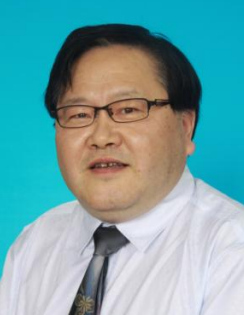 Zhedong Wang (王浙东)合作论文数Clinical Pediatrics School, Soochow University7MingDi Li (李明娣)合作论文数6Siming Hu (胡斯明)合作论文数5
 Xuqin Chen (陈旭勤)合作论文数Children′s Hospital, Soochow University5
 Liya Zhang (张利亚)合作论文数Children's Hospital of Soochow University;Clinical Pediatrics School, Soochow University4Zhiyan Hao (郝志艳)合作论文数3Chen Xiaoming (陈小明)合作论文数3Huanlan XU (徐欢岚)合作论文数3YueFeng Qi (戚月凤)合作论文数3XiaoYan Shi (师晓燕)合作论文数3BingBing Zhang (张兵兵)合作论文数3
 Xing Feng (冯星)合作论文数Children's Hospital of Soochow University3
 Jian Wang (王剑)合作论文数Shanghai Key Laboratory of Embryo Original Diseases;Shanghai Children's Medical Center, School of Medicine, Shanghai Jiao Tong University3Yao Ru-en合作论文数3
 Yiping Shen (沈亦平)合作论文数Boston Children's Hospital;Department of Neuroscience, Harvard Medical School, Harvard University3
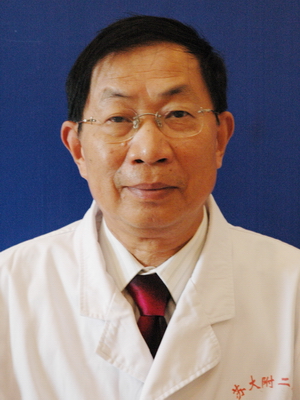 Shiyao Bao (包仕尧)合作论文数苏州大学附属第二医院神经内科3
 Hai-tao Lv (吕海涛)合作论文数Children's Hospital of Soochow University3Lai Wei (魏来)合作论文数3Dandan Shu合作论文数2Arman Zhao合作论文数2Hua Huang (黄华)合作论文数2hexiu yuan (袁和秀)合作论文数2Bin Yang合作论文数Soochow University(Soochow University,Suzhou University),Suzhou,China2Xuan Du合作论文数2chengyi zou (邹晟怡)合作论文数2
 Hongying Wang合作论文数2LiPing Qian (钱丽萍)合作论文数2Min Su (苏敏)合作论文数2
 Chunfeng Liu (刘春风)合作论文数Institute of Neuroscience, Soochow University2
 Xin Ding (丁欣)合作论文数Children's Hospital, Soochow University2Jianhua Jin (金建华)合作论文数2
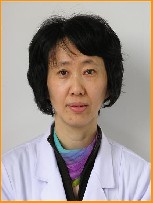 Bimin Shi (施毕旻)合作论文数Dept of Endocrinology,the First Hospital Affiliated to Soochow University,Jiangsu Suzhou ,China2Dali Zhang (张大力)合作论文数2Miao Po (缪珀)合作论文数2Tianyan HU (胡天燕)合作论文数2Weiwei Wang合作论文数1Liyi Hong合作论文数1Xuanchen Qian合作论文数1
 Yuanyuan Yang合作论文数1Daxue Zhang合作论文数1Qiuyan Tian合作论文数1Andi Wang合作论文数1




