Objective This study aims to characterize pathogenic somatic mutations in patients with autoinflammatory or autoimmune diseases lacking disease-causing germline mutations, explore their contribution to disease pathogenesis and progression, and evaluate their implications for diagnosis and targeted therapy.Methods We performed a systematic analysis of somatic mutations in a selected panel of 185 immune-related genes in 2,912 patients with autoinflammatory or autoimmune diseases, recruited from 41 medical centers across China, who were previously negative for germline mutations based on whole-exome sequencing.Results We identified both previously reported and novel somatic mutations in genes such as UBA1, KRAS, and NLRP3. Pathogenic somatic mutations in TNFAIP3 were discovered first in patients with autoinflammatory diseases. The pathogenic somatic mutation detection rate was 1.35% in adults and 0.97% in children, emphasizing the importance of genetic diagnosis and novel gene discovery for somatic mutations. In addition, somatic mutations in Ras-related genes were identified in seven patients, and 39 clonal hematopoiesis-associated mutations were identified in 36 adult patients. Moreover, myeloid cells harboring somatic mutations expanded during disease flare and reduced during remission. Disregarding the dynamic elevation of the variant allele fraction during disease progression led to therapeutic failure.Conclusion This study delineated the genetic landscape of pathogenic somatic mutations underlying autoinflammatory and autoimmune diseases, offering valuable insights for genetic diagnosis and targeted therapies.
ABSTRACT:Intensive chemotherapy is standard for acute myeloid leukemia (AML) but carries high risks of life-threatening complications, particularly in vulnerable patients. We aimed to compare the efficacy and safety of a low-dose chemotherapy (LDC) regimen for induction of AML. A randomized, multicenter, noninferiority trial was conducted in patients with AML aged <18 years. Patients received low-dose cytarabine, mitoxantrone or idarubicin, and granulocyte colony-stimulating factor (G-CSF) or standard-dose chemotherapy (SDC; cytarabine, daunomycin, and etoposide). All patients received postremission consolidation with standard chemotherapy and/or hematopoietic stem cell transplantation. The primary end point was to compare response rates between treatments. The secondary end points were to compare the outcomes, toxicity, and safety of the LDC and SDC regimens. The 2 treatment arms showed no significant differences in outcomes. Complete remission (CR)/CR with incomplete count recovery rates after induction were 95.1% and 95.3% in the LDC and SDC arms, respectively. Measurable residual disease <0.1% after induction II was observed in 87.4% and 87.1% of patients in the LDC and SDC arms, respectively. Median time to neutrophil and platelet recovery was significantly shorter among patients receiving the LDC regimen. Patients in the LDC arm had a 4-year overall survival (OS) of 81.3% vs 83.6% (P = .611), and a 4-year event-free survival (EFS) of 61.5% vs 63.1% (P = .832). In conclusion, the LDC regimen was well tolerated, and was associated with CR, EFS, and OS rates that were not inferior to those of patients treated with the SDC regimen. The trial was registered at www.chictr.org.cn as ChiCTR1800015883.
Tea polyphenols (TPs), the primary bioactive components derived from tea, play an important role in maintaining gut function and metabolic homeostasis. Emerging evidence indicates that the regulatory functions of TP within the intestine are intricately linked to their interactions with the gut microbiota. Serotonin (5-hydroxytryptamine, 5-HT), a key signaling molecule in the gastrointestinal tract, has been implicated in preserving intestinal function and metabolic health. Notably, the modulation of gut microbiota by TPs, the microbial biotransformation of TPs into bioactive metabolites, and the potential regulation on intestinal 5-HT homeostasis may collectively constitute an interconnected axis relevant to gut health and metabolic balance. However, direct experimental evidence linking these components into a unified mechanistic pathway remains limited, and the molecular basis of this putative TP-microbiota-5-HT axis requires further validation. This review systematically summarizes and discusses the regulatory effects of TPs on gut microbiota, and the microbial biotransformation of TPs into metabolites, as well as the microbial modulation of intestinal 5-HT and the roles of 5-HT and its receptors in intestinal function and homeostasis, with a particular focus on critically evaluating the extent to which current data support the proposed interactions among TPs, gut microbiota, and 5-HT in metabolic disorders. A deeper understanding of this tripartite interaction may ultimately inform the development of TP-based dietary approaches targeting gut microbiota-5-HT interactions in gut function and metabolic health, although such translational applications remain speculative in the absence of robust causal evidence.
As a typical marker of dietary advanced glycation end products (AGEs), Nε-carboxymethyllysine (CML) exists in both free and protein-bound forms in foods, exhibiting distinct intestinal transport behaviors. This study aimed to characterize the transepithelial transport, intracellular accumulation and transport pathways of free CML (FC) and protein-bound CML (BC, BSA-CML) using Caco-2 cell monolayers. Since protein-bound CML undergoes digestion in the gastrointestinal tract, BC was subjected to simulated gastrointestinal digestion before transport experiments to better mimic human digestion (BC digests). The results showed that FC exhibited significantly greater transepithelial transport across Caco-2 cell monolayers than BC digests. The transport rate of CML from FC across Caco-2 cell monolayers was 13.04%, significantly higher than that of BC digests (0.99%). Consistently, the intracellular accumulation of total CML was higher for FC (2.62%) than for BC digests (0.14%). Furthermore, FC transport appeared to occur mainly via simple diffusion, whereas the transepithelial transport of CML derived from BC digests likely involved a peptide transporter 1 (PepT1)-associated transport pathway. These findings provide insights into the transepithelial transport pathways and intracellular accumulation of dietary free and bound AGEs.
Poor early treatment response in T-cell lymphoblastic lymphoma (T-LBL) is associated with an unfavorable prognosis. This multicenter prospective study evaluated the efficacy of the response-adjusted Chinese Children's Cancer Group (CCCG–LBL-2016) protocol for pediatric T-LBL and examined clinical and molecular prognostic factors. Clinical and laboratory data from seven pediatric oncology centers were analyzed. A sub-cohort of 23 patients underwent exploratory integrated genomic analysis, including targeted next-generation sequencing, RNA sequencing, and copy-number array analysis. Survival was evaluated using the Kaplan–Meier method, and prognostic factors were analyzed using multivariable Cox proportional hazards regression. A total of 163 patients (median age: 108 months; 116 males, 47 females) were enrolled, most with advanced disease (stage III: 81.0
No standard salvage regimen exists for relapsed/refractory (R/R) pediatric AML. In this prospective, multicenter Phase II trial, 101 evaluable patients (
Abstract Acute lymphoblastic leukemia (ALL) is the most common childhood cancer. While genomic studies have identified key molecular subtypes and aberrations in ALL, it requires integrating multi-omics data to complete complex and time-consuming analyses in large retrospective cohorts. It is challenging to perform individualized clinical genomic analysis in real-world. We present a nationwide precision genomic study as part of the Chinese Children Cancer Group ALL 2020 clinical trial. Between 2020 and 2023, 6486 pediatric ALL patients were enrolled from 25 medical centers across 15 provinces in China. RNA-seq was performed for 5103 patients during diagnosis. We developed the National Children's Medical Center ALL Bio-Cloud (NCMC-ABC), an automated, cloud-based framework for real-time RNA-seq data process. NCMC-ABC is designed to analyze multiple clinically relevant genomic aberrations from single RNA-seq data, including molecular subtypes, coding and noncoding driver mutations, fusions and CNVs. The median turnaround time from sample collection to clinical reporting was 14 days across all hospitals, aligning with clinical treatment timelines. We established a molecular subtype classification framework for pediatric ALL, and successfully classified 94.94% of B-ALLs into 20 subtypes and 86.38% of T-ALLs into 11 subtypes. This framework significantly improved the traditional MICM approach, which classified only 48.58% of B-ALLs and did not account for T-ALL subtypes. The enhanced classification is due to the improved detection of key fusions (DUX4, PAX5, ZNF384, MEF2D rearrangements) and mutations (PAX5 P80R and IKZF1 N159Y). Meanwhile, we achieved more precise subtyping of HYPO, HYPER and KMT2A BALLs. The refined subtypes unveiled a distinct profile of Chinese B-ALL patients, with higher frequencies of HYPER, ETV6, DUX4 and PH subtypes, and lower frequencies of Ph-like, iAMP21 and HYPO, compared to Western cohorts. Importantly, the refined framework directly improved the risk stratification of patients. We identified a median of 2.44 pathogenic SNPs/indels and 1.28 fusions per patient. The driver mutations were detected in 259 genes in B-ALL and 156 in T-ALL. We observed different driver mutation profiles in our cohort compared to the Western cohort. Mutations in RAS pathway (NRAS, KRAS and PTPN11) were more frequent in Chinese patients, whereas the JAK-STAT (JAK2, IL7R, SH2B3 and CRLF2) pathway was more frequently mutated in Western cohort. We observed direct clinical relevance of these aberrations. For example, patients with TP53 and NR3C1 mutations showed inferior treatment response. The implementation of NCMC-ABC in a nationwide multicenter pediatric ALL clinical trial demonstrated its effectiveness and feasibility in real-world, improving risk stratification and therapeutic decision making in clinic. Citation Format: Han Wang, Jiaoyang Cai, Jie Yu, Shaoyan Hu, Yongjun Fang, Ju Gao, Jian Li, Hua Jiang, Xiuli Ju, Sixi Liu, Wenyong Kuang, Runming Jin, Liangchun Yang, Xuedong Wu, Xiaowen Zhai, Qun Hu, Hui Jiang, Ningling Wang, Chi Kong Li, Lirong Sun, Jiao Jin, Chun Li, Changda Liang, Yan Dai, Kaili Pan, Hao Xiong, Ching-Hon Pui, Shuhong Shen, Yu Liu. Cloud-based computational framework for individualized genomic analysis in pediatric acute lymphoblastic leukemia: A nationwide multi-center real-world clinical study [abstract]. In: Proceedings of the American Association for Cancer Research Annual Meeting 2026; Part 1 (Regular Abstracts); 2026 Apr 17-22; San Diego, CA. Philadelphia (PA): AACR; Cancer Res 2026;86(7 Suppl):Abstract nr 5283.
Background Neuroblastoma (NB) is the most common malignant extracranial solid tumor in children, with poor prognosis, inadequate therapeutic responses, and high recurrence rates. Zinc fingers and homeoboxes protein 2 (ZHX2) functions in various cancers, but its role in NB remains unclear. Retinoic acid (RA) has been used as a pro-differentiation agent in NB, but its limited response rate necessitates novel combinations. This study aims to explore key transcription factors (TFs) in improving RA efficacy and NB prognosis. Methods ZHX2 was identified as the key TF related to RA efficacy via RNA-seq analysis of RA-treated NB cell lines. Based on TARGET and GEO databases, we analyzed the correlation of ZHX2 with NB prognosis, survival, and clinical characteristics. Effects of ZHX2 knockdown/overexpression on NB cell proliferation, migration, colony formation, and apoptosis were assessed, with confirmation in subcutaneous xenografts. Bioinformatic analysis identified ZHX2’s downstream targets, verified by PCR, WB, CHIP-qPCR, and histopathology. ZHX2’s impact on RA efficacy was evaluated via cell proliferation, apoptosis, cell cycle, differentiation markers, spheroid formation, and in vivo tumor growth. Results ZHX2 presented as the key TF that potentially influences the sensitivity of NB to RA. Its expression was lower in NB patients with poor prognostic factors. ZHX2 overexpression inhibited NB malignancy (reduced proliferation, migration, tumor growth; increased apoptosis). Notably, ZHX2 enhanced RA efficacy by transcriptionally repressing CRABP1 to modulate retinoid metabolism, augmenting RA-induced neuronal differentiation and reducing tumor growth in mice. Conclusion Transcription factor ZHX2 acts as a tumor suppressor in NB, which enhances RA’s therapeutic effects via CRABP1-mediated retinoid metabolism regulation.
ABSTRACT:Asparaginase-associated pancreatitis (AAP) is a significant complication in pediatric acute lymphoblastic leukemia (ALL) therapy, often leading to treatment delays or discontinuation. This study aimed to identify AAP risk factors, assess outcomes after first and second episodes, and evaluate the impact of asparaginase rechallenge. We retrospectively analyzed 7640 patients (aged 1 month to 18 years) treated under the Chinese Children Cancer Group ALL 2015 protocol. Patients were stratified as low risk (LR), intermediate risk (IR), or high risk (HR) based on clinical features and measurable residual disease (MRD). AAP was categorized as early or late onset depending on treatment phase. Older age and IR/HR status were independent risk factors for AAP. The cumulative AAP incidence was 2.2% in LR and 5.8% in IR/HR groups. Among 298 patients who developed AAP, 92 were rechallenged with asparaginase; second episodes occurred in 20.8% of LR and 33.8% of IR/HR patients, with no increase in severity. Lack of rechallenge and day 46 MRD of ≥0.01% were independently associated with inferior event-free survival (EFS). Among patients with early-onset AAP, those who were rechallenged had superior 5-year EFS than those who were not rechallenged (80.1% vs 60.2%; P = .003). Similarly, among IR/HR group, those who were rechallenged had better 5-year EFS than those who were not rechallenged (82.4% vs 60.6%; P = .004). IR/HR patients with early-onset AAP who were not rechallenged had especially poor outcomes (5-year EFS, 53.3%). These findings support considering asparaginase rechallenge in IR/HR patients with early-onset AAP when alternative therapies are limited. This trial was registered at www.chictr.org.cn as #ChiCTR2000032211.
The Realgar-Indigo Naturalis formula (RIF) is a proprietary Chinese medicine, which is one of the important drugs in the treatment of pediatric acute promyelocytic leukemia (APL). However, the dose of RIF in clinical application is not uniform and the long-term effectiveness and safety of combining RIF with all-trans retinoic acid (ATRA) in a larger population of pediatric APL patients remains undocumented. We conducted a multicenter single-arm clinical trial (ChiCTR-OIC-16010014) in China. Individuals newly diagnosed with APL were treated with CCCG-APL-2017 protocol which is based on RIF and ATRA in consolidation. The event-free survival (EFS) and overall survival (OS) outcomes were evaluated. We recruited 200 patients diagnosed with APL. The six-year OS rate was 100% in the low-risk (LR) group and 97.6% in the high-risk (HR) group. The six-year EFS rate was 98.3% in the LR group and 97.6% in the HR group. Plasma levels of arsenic remained stable after the administration of RIF at a dosage of 60 mg/kg/d for seven days and returned to baseline levels within fourteen days after discontinuation of RIF administration, which is consistent with a concentration of 135 mg/d/kg. Furthermore, controlling white blood cells (WBC) to maintain levels at or below 30 × 109/L during induction therapy can decrease the incidence of induced differentiation syndrome (DS) or alleviate its symptoms. Our study demonstrated that the CCCG-APL-2017 protocol, which combines RIF with ATRA, is both effective and safe in treating children with APL.
To identify early risk factors for disseminated intravascular coagulation (DIC), particularly severe DIC (grade 4-5), in paediatric acute promyelocytic leukaemia (APL). One hundred and eighty-six paediatric APL patients enrolled in the Chinese Children Leukemia Group (CCLG)-APL 2016 study across 38 hospitals nationwide were grouped based on the occurrence and severity of DIC during induction therapy. DIC occurred in 52.2% of patients during induction therapy, with 7.5% developing grade 4-5 DIC. Significant differences were observed between the DIC and non-DIC groups in the proportion of patients with initial white blood cells (WBC) ≥5 × 10⁹/L, initial platelets (PLT) ≤26 × 109/L and arsenic trioxide (ATO) use (p < 0.05). Multivariate analysis identified initial PLT ≤26 × 109/L (p = 0.002, odds ratio [OR] = 2.679, 95% confidence interval [CI]: 1.438-4.992) as an independent risk factor, while induction therapy using realgar-indigo naturalis formula (RIF) was a protective factor (p = 0.030, OR = 0.465, 95% CI: 0.232-0.929). Further analysis revealed that Fms-like tyrosine kinase 3 (FLT3) mutation (p = 0.023, OR = 11.742, 95% CI: 1.405-98.149), initial PLT ≤26 × 109/L (p = 0.017, OR = 13.784, 95% CI: 1.598-118.905) and initial bone marrow blasts ≥90% (p = 0.030, OR = 5.289, 95% CI: 1.178-23.744) were significant risk factors for grade 4-5 DIC. Initial WBC ≥5 × 10⁹/L and PLT ≤26 × 109/L are associated with an increased risk of DIC, with PLT ≤26 × 109/L as an independent risk factor. Compared with ATO, RIF is a protective factor during induction therapy. Additionally, FLT3 mutation, PLT ≤26 × 109/L and initial bone marrow blasts ≥90% are independent risk factors for grade 4-5 DIC.
Advanced glycation end products (AGEs) are a heterogeneous group of compounds formed both endogenously and exogenously through reactions between reducing sugars and amino acids within the proteins. The digestive tract may also serve as a site for endogenous AGEs generation. This study examined whether additional AGEs are formed during the digestion of glycated protein diets and meal-resembling systems (dietary proteins with fructose or glyoxal). The digestion of glycated protein showed that free AGEs were gradually released, but no additional AGEs were generated. In contrast, co-digestion of dietary proteins with fructose or glyoxal resulted in the formation of additional AGEs, and the reaction substrates (fructose or glyoxal) were depleted during digestion. Additionally, the lysine released from proteins decreased, leading to a loss of nutritional value of the food during co-digestion. The formation of AGEs and the depletion of essential amino acids in the gut may have significant implications for human health.
Background: Our phase 3 randomized trial (CALSIII-AML18; n = 497) previously demonstrated non-inferior complete remission (CR/CRi) rates with low-dose chemotherapy (LDC) compared to standard-dose chemotherapy (SDC) in pediatric acute myeloid leukemia (AML) (ASH 2023). In this expanded retrospective analysis (n = 661), we evaluated induction response, long-term outcomes, toxicity, and subgroup-specific efficacy to define the clinical utility of LDC further. Patients and Methods: We analyzed 661 patients aged <18 years with newly diagnosed AML, treated at 12 centers in China between 2018 and 2024. Patients received either LDC (n = 325)—cytarabine 10 mg/m² subcutaneously every 12 hours for 10 days (20 doses), anthracycline 5 mg/m² intravenously on days 1, 3, and 5, plus G-CSF—or SDC (n = 336)—cytarabine 100 mg/m² intravenously every 12 hours for 10 days (20 doses), combined with daunomycin and etoposide. Post-remission therapy consisted of 2 (low-risk), 3 (intermediate-risk) chemotherapy blocks and hematopoietic stem cell transplantation (HSCT) for patients at high risk of relapse. The median follow-up was 40.4 months (range, 1–80). Endpoints included CR/CRi rates, measurable residual disease (MRD), 4-year event-free survival (EFS), overall survival (OS), cumulative incidence of relapse (CIR), toxicity, and subgroup outcomes. Results: Baseline clinical characteristics were similar between treatment arms. After Induction I, CR/CRi was achieved in 71.4% (LDC) vs. 71.7% (SDC); following Induction II, rates increased to 96.3% and 95.7%, respectively (P = .923 and P = .741). MRD <0.1% by flow cytometry was observed in 55.4% (LDC) vs. 61.3% (SDC) after Induction I, and 86.6% vs. 85.3% after Induction II (P = .139 and P = .667). Grade 3–4 toxicities were significantly lower in the LDC group during induction. Early mortality was also reduced with LDC (1.5% vs. 4.2%, P = .043). Four-year EFS was 63.5% (95% CI, 57.9 – 69.6) for LDC vs. 62.8% (95% CI, 57.5 – 68.5) for SDC (P = .684); 4-year OS was 83.5% (95% CI, 79.2 – 87.9) vs. 85.0% (95% CI, 81.1 – 89.1) (P = .740). CIR was comparable between groups (29.4% [95% CI, 24.0 – 34.9] for LDC vs. 25.4% [95% CI, 20.6 – 30.5] for SDC; P = .270). In multivariate analysis, adjusting for known prognostic factors, the treatment arm was not independently associated with outcome. Subgroup analysis revealed that patients <3 years of age had superior EFS with LDC compared to SDC (80.6% vs. 59.9%; HR 0.38 [95% CI, 0.18–0.79]; P = .009). Improved EFS with LDC was also seen in cases with NUP-rearrangement (68.3% vs. 21.4%; HR 0.18 [95% CI, 0.06–0.53]; P = .002) or WT1 mutations (63.2% vs. 31.5%; HR 0.47 [95% CI, 0.24–0.91]; P = .025). Conversely, patients with core-binding factor (CBF) AML and co-occurring KIT mutations had superior EFS with SDC (69.2% vs. 46.4%; HR 1.85 [95% CI, 1.08–3.18]; P = .026). Conclusions: This expanded retrospective analysis of the CALSIII-AML18 trial confirms that LDC achieves remission rates, survival outcomes, and relapse risk comparable to SDC, with reduced induction toxicity and early mortality. Notably, LDC appears particularly beneficial in younger children and those with NUP rearrangements or WT1 mutations. In contrast, SDC may offer greater benefit for patients with CBF AML harboring KIT mutations. These findings support a risk-adapted approach to induction therapy in pediatric AML.
Fucoxanthin (FUC), a carotenoid naturally occurring in marine environments, has demonstrated various nutritional benefits. However, its application in the food industry is limited due to its inherent instability. This study aims to evaluate the ability of two types of lactoferrin (LF)-carboxymethyl chitosan (CMCS) complexes to encapsulate and stabilize FUC. These complexes were formed through physical mixing and enzymatic glycosylation. In the presence of CMCS, fluorescence spectra analysis revealed a static quenching interaction between LF and FUC. Furthermore, at a CMCS concentration of 0.3 wt%, the physical mixture and glycosylated LF exhibited enhanced binding affinity for FUC. FUC was encapsulated in the complexes via the antisolvent method, yielding FUC-loaded composite nanoparticles. FTIR spectroscopy and X-ray diffraction analyses confirmed the successful encapsulation of FUC within the nanoparticles, mediated by hydrogen bonding, electrostatic interactions, and hydrophobic forces. The higher FUC encapsulation efficiency and loading capacity were achieved in composite nanoparticles when the mass ratio was 10:2. Compared to free FUC and FUC-LF nanoparticles, the FUC-LC and FUC-LCTG nanoparticles exhibited superior stability, encompassing thermal stability, light stability, and storage stability. Moreover, when the nanoparticles were applied as active fillers in sodium alginate hydrogel beads, the network structure of the gel was enhanced. These complexes hold promise as novel and efficient delivery systems for carotenoid-like active molecules, with potential for diverse commercial applications.
Childhood cancer survivors (CCSs) are at increased risk of long-term treatment-related complications. Although international guidelines support risk-based long-term follow-up (LTFU) care, its standardized implementation in China has been limited. To address this gap, the National Children’s Medical Center–Shanghai convened a multidisciplinary expert panel to develop disease-based LTFU care plans tailored to the Chinese healthcare context. Guided by established international frameworks (Children’s Oncology Group, International Guideline Harmonization Group, and PanCareFollowUp), an expert group representing 25 institutions across China developed consensus-based LTFU care plans for common pediatric cancer patients and post-hematopoietic cell transplant survivors. Each care plan includes core components: a treatment summary, risk stratification for late effects, recommended surveillance, psychosocial evaluation, and lifestyle guidance. The panel also developed a consensus on the specific roles of oncologists, primary care providers, and subspecialists. Finalized care plans provide structured, risk-adapted follow-up pathways for CCSs. The model emphasizes multidisciplinary collaboration, clinical feasibility, and scalability across diverse settings. As part of the care process, a centralized survivorship database has been integrated to facilitate clinical use and data collection. This system supports the generation of standardized treatment summaries and longitudinal documentation of late effects across the continuum of survivorship care. Tools, such as clinician checklists and survivor education templates, were also developed to support clinical use and promote consistency across institutions. A list of outcome metrics was proposed to evaluate the implementation outcomes of this initiative. This expert consensus establishes an innovative, nationally coordinated, disease-specific LTFU care framework for CCSs in China. This study provides a practical foundation for improving survivorship care quality and guiding clinical practice nationwide. This model can serve as a blueprint for other low- and middle-income countries seeking to strengthen LTFU care for CCSs.
Abstract Background: As of 2018, no standard salvage regimen had been established for pediatric relapsed or refractory acute myeloid leukemia (R/R AML).Methods: In this prospective, multicenter Phase II trial, 101 evaluable patients under 18 years of age with R/R AML received one course of decitabine priming followed by low-dose idarubicin, cytarabine, and G-CSF (DP-IAG) as remission reinduction therapy. The primary objective was to determine the rate of complete remission, including remission with incomplete hematologic recovery (CR/CRi).Results: Seventy-four patients (73.3%; 95% CI: 64.6–81.9%) achieved CR/CRi and four patients achieved PR. The overall response rate (ORR) was 77.2% (95% CI: 68.9–85.5%). Among them, 20 proceeded to allogeneic hematopoietic stem cell transplantation (allo-HSCT) after reinduction I. Among the remaining patients, 55 underwent a second reinduction course with either DP-IAG (n = 33) or standard induction chemotherapy (n = 22). After this, 31 proceeded directly to allo-HSCT. At a median follow-up of 36.4 months (IQR: 10.3–51.3 months), the estimated 3-year overall survival rate was 60.8% (95% CI: 55.9–65.7%). Infections were the most common non-hematologic adverse events, and three patients died from treatment-related toxicity after the first DP-IAG course.Conclusions: These results support DP-IAG as an effective and tolerable salvage regimen, providing a feasible bridge to HSCT and a new reference point for future trials in pediatric R/R AML.
The variety and drying stage of goji berries (GBs) may affect their final physical and chemical properties. This study investigated the differences in physical phenotypic parameters and major chemical composition parameters of 20 GBs varieties during four stages of hot air-drying (HD). The results indicated that the color difference values L*, a*, and b* decreased during the HD process. The contents of all amino acids decreased, with significant reductions in amino acids involved in the Maillard reaction. Correspondingly, the level of 5-hydroxymethylfurfural, a Maillard chemical reaction intermediates, increased. Furthermore, the decreased L* values were closely linked to the decomposition of carotenoids. Notably, the differences in constituents among different varieties of dried GBs were smaller than those in fresh GBs. These findings provide a theoretical basis for optimization of the GBs drying process, contributing to the expansion of GBs breeding programs and their use in global functional food and pharmaceutical industries.
Bronchopulmonary dysplasia (BPD) is a chronic lung disease driven by inflammation and oxidative stress. Mesenchymal stem cells (MSCs) have shown protective effects against hyperoxic lung injury. However, few studies have thoroughly examined the significantly differentially expressed genes (DEGs) in the lungs before and after MSC treatment. In this study, we analyzed the significant DEGs in lung tissues during both in vivo and vitro umbilical cord-derived mesenchymal stem cells (UCMSCs)-mediated repair of hyperoxic lung injury and investigated their potential mechanisms of action. Neonatal rats were exposed to hyperoxia and subsequently treated with UCMSCs. Inflammatory responses were quantified via ELISA and RT‒qPCR, while Western blotting (WB) and immunohistochemistry (IHC) were used to examine NLRP3 inflammasome and IL-1β expression. Transcriptomic analysis of UCMSC-mediated lung repair revealed 46 DEGs, which were validated by RT‒qPCR, and WB verified the significant differential expression of ALDH1A2. In RLE-6TN cells, Aldh1a2 expression was reduced during MSC-mediated repair of H2O2-induced oxidative stress injury. Functional evaluations were performed. WB further analyzed NLRP3 inflammasome and IL-1β expression in these processes. A recombinant adenoviral overexpression vector was intratracheally administered to hyperoxia-exposed neonatal rats. Arterial blood gas and RT‒qPCR were performed, and ELISA, WB, and IHC were used to evaluate the impact of Aldh1a2 overexpression on lung inflammation and oxidative stress, focusing on the NLRP3 inflammasome. UCMSCs ameliorated hyperoxia-induced alveolar simplification and microvessel loss, reduced inflammation and oxidative stress injury, and inhibited the expression of the NLRP3 inflammasome. RT‒qPCR and WB analyses revealed significant differential expression of Aldh1a2 in UCMSC-treated hyperoxia-induced lung injury. UCMSCs also mitigated H2O2-induced oxidative stress injury in RLE-6TN cells. Inhibition of Aldh1a2 expression exacerbated oxidative stress, upregulated NLRP3 inflammasome and IL-1β expression, and impaired the reparative effects of UCMSCs. Conversely, Aldh1a2 overexpression or UCMSC intervention ameliorated hyperoxia-induced alveolar simplification and microvascular abnormalities, suppressed inflammation, and enhanced lung ventilation and angiogenesis. These findings indicated that Aldh1a2 overexpression inhibits NLRP3 inflammasome activation and IL-1β release. Aldh1a2 was significantly differentially expressed in hyperoxic lung injury, with hyperoxia suppressing its expression and UCMSC treatment promoting its upregulation. Aldh1a2 mitigates lung inflammation and oxidative stress by inhibiting NLRP3 inflammasome activation.
Background: The incidence of testicular relapse in pediatric acute lymphoblastic leukemia (ALL) has been reduced to 2% or lower with the application of modern intensive chemotherapy. However, testes remain the second most common sites for relapsed ALL in children and the management of testicular relapse has not been fully depicted. Herein, we performed a multicenter retrospective study to analyze the clinical features and outcome of pediatric ALL with testicular relapse. Methods: Sixty-seven childhood testicular relapsed ALL patients were enrolled in this study from 13 centers in China. They were all initial treated with the CCCG-ALL-2015 protocol between January 2015 and December 2019. The clinical features, treatment regimens and outcomes of patients were collected. The overall survival (OS) was estimated by the Kaplan-Meier methods and the differences between groups were compared by the log-rank test. Cox proportional-hazards regression model was used for multivariate analysis to evaluate the influencing factors of OS. Results: The median age was 7 years old. The median time from initial diagnosis to testicular relapse was 37 months. Sixty-six patients (99%) were B-ALL. Forty-one patients (61%) were diagnosed as isolated testicular relapse and the remaining 26 patients (39%) were testis combined with bone marrow and/or central nervous system relapse. Eight of 67 patients were abandoned treatment. Fifty-nine patients (88%) accepted treatment with subsequent evaluation. The median follow-up was 33 months and the 4-year OS was 80.1%. Treatment were heterogenous, including chemotherapy alone, irradiation, orchiectomy, CD19-chimeric antigen receptor T (CAR-T) cell therapy and hematopoietic stem cell transplantation (HSCT). The 4-year OS of patients treated with CAR-T cell therapy, orchiectomy and chemotherapy alone were 93.8%, 90.0% and 38.1% (P<0.05), respectively. The 4-year OS of patients accepted HSCT was 77.1%. The 4-year OS of patients with isolated testicular relapse and combined relapse were 87.9% and 68.4% (P=0.064), respectively. Among thirty-seven isolated testicular relapsed children, 19 patients (51%) accepted CD19-CART cell therapy and 10 patients (27%) accepted orchiectomy. The 4-year OS were 92.9% and 100% (P>0.05), respectively. Multivariate analysis identified combined relapse (HR=5.901, 95%CI 1.237-28.158) and chemotherapy alone (HR=6.322, 95%CI 1.393-28.702) were independent prognostic factors for 4-year OS (all P<0.05).Conclusion: Testicular relapse of pediatric ALL mainly occurred 3 years after initial diagnosis. Patients with isolated testicular relapse had a favorable outcome. For isolated testicular relapse, CART cell therapy and orchiectomy were both effective. Orchiectomy would affect fertility, while CART cell therapy is safe and effective and has an advantage in improving life-quality of survivors. For the testicular relapsed patients, chemotherapy alone was less effective, CAR-T cell therapy and/or HSCT are suggested.
 Dong Li (李栋)合作论文数山东大学齐鲁医院低温医学研究室67
 Qing Shi (时庆)合作论文数58Yong Zhuang (庄泳)合作论文数27HuaiShui Hou (侯怀水)合作论文数23Wang Ning-Ling合作论文数22Xiaowen Zhai合作论文数22BaiJun Shen (沈柏均)合作论文数18
 Shaoyan Hu (胡绍燕)合作论文数Children's Hospital of Soochow University18LiRong Sun (孙立荣)合作论文数17Huicui Liu合作论文数17
 Yongjun Fang (方拥军)合作论文数Children's Hospital of Nanjing Medical University16Xiaojin Yuan合作论文数15Chenxi Nie合作论文数15
 Min Zhang (张敏)合作论文数College of Food Science and Engineering, Northwest A&F University15
 Ju Gao (高举)合作论文数West China Second University Hospital, Sichuan University15Jinqiu Fu (付金秋)合作论文数15Yang Liangchun合作论文数14Panpan Zhou合作论文数13
 Zhifei Chen (陈志飞)合作论文数College of Food Science and Engineering, Northwest A&F University13Jiao-Yang Cai合作论文数13
 Xiaofan Zhu (竺晓凡)合作论文数Blood Diseases Hospital, Chinese Academy of Medical Sciences12
 Qun Hu (胡群)合作论文数Tongji Hospital, Tongji Medical College, Huazhong University of Science and Technology12NianZheng Sun (孙念政)合作论文数11
 Xin Tian合作论文数Office of Biostatistics Research, National Heart, Lung, and Blood Institute11Liu Yu-feng合作论文数10Linghong Liu合作论文数10JiXia Luo (罗继霞)合作论文数10
 Shuhong Shen (沈树红)合作论文数Shanghai Children's Medical Center Guizhou Hospital, School of Medicine, Shanghai Jiao Tong University10
 Hui Jiang (蒋慧)合作论文数Shanghai Children's Hospital, School of Medicine, Shanghai Jiao Tong University10
 Runming Jin (金润铭)合作论文数Union Hospital, Tongji Medical College, Huazhong University of Science and Technology10Huasu Zhu (朱华甦)合作论文数9Xue Li合作论文数9Qingyu Ma合作论文数9Hongsheng Wang合作论文数9
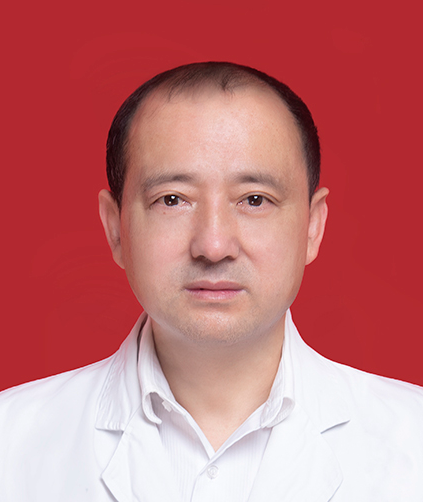 Changda Liang (梁昌达)合作论文数Jiangxi Provincial Children's Hospital9Ning Liao合作论文数9
 Xuedong Wu (吴学东)合作论文数南方医科大学南方医院儿科9Xiaoqing Xie合作论文数8
 Jun Lu (卢俊)合作论文数Children's Hospital of Soochow University;Clinical Pediatrics School, Soochow University8
 Hailong He (何海龙)合作论文数Children's Hospital, Soochow University8
 Ching-Hon Pui (裴正康)合作论文数Leukemia/Lymphoma Division, Department of Oncology, St. Jude Children's Research Hospital8
 Xinzhong Hu (胡新中)合作论文数陕西师范大学食品学院8
 Jingyan Tang (汤静燕)合作论文数Shanghai Children's Medical Center, Shanghai Jiao Tong University School of Medicine8Chi Kong Li合作论文数8
 Baoming Tian (田保明)合作论文数School of Life Sciences, Zhengzhou University;State Key Laboratory of Cotton Bio-breeding and Integrated Utilization8Kaili Pan合作论文数7Aijun Zhang合作论文数7HaiLian Wang (王海莲)合作论文数7ZhiWei Huang (黄志伟)合作论文数7




