Changes in human diets and cropping systems have led to a growing global dependence of agriculture on pollination, but pollinators are experiencing decline worldwide. Key stressors contributing to pollinator decline include natural habitat loss, a reduction in flower resources, and exposure to pesticides. In this study, we investigated effects of land use and estimated agrochemical use (fertilizer, biocides and plant growth regulators) on the abundance and diversity of pollinators across 24 landscape sites in the North China Plain using data from pan trapping across three seasons. We quantified agrochemical use as the average use intensity in agricultural production land (comprising arable land, orchards, agroforestry, and planted trees) and the landscape-wide exposure. The most abundant potential pollinators were bees (mainly Halictidae) and flies (mainly Muscidae and Syrphidae). Pollinator abundance, diversity and species composition were significantly affected by sampling season, with higher abundance and species diversity in autumn than in spring and summer. Pollinator abundance was positively associated with the proportion of arable land but negatively related with the proportion of orchard land and the agrochemical use intensity in agricultural production land and to the landscape-wide agrochemicals use. Overall, this study uncovered a weak signal of agrochemical use but a strong effect of season on pollinator diversity in the landscape setting of the North China Plain. Lower agrochemical use and a greater proportion of arable land were associated with higher abundance of some pollinator species in this intensive cereal production region. Results suggest that in the context of the North China Plain, pollinator abundance might be shaped more by aphid populations that support dominant species of hoverflies and by bare soil that favours nesting of wild bees, rather than by floral resources. Findings suggest that reducing agrochemical use intensity in agricultural production land, especially in orchards and other systems with trees, might facilitate pollinator conservation.
Crop diversification could enhance economic and environmental sustainability of crop farming, but achieving this requires careful planning that accounts for crop interrelationships in a rotation or spatial layout. Several models have been devised to design diversified crop rotations or crop spatial layouts, but they often fail to capture farm settings, production constraints, and sustainability objectives specific to a farm at both temporal and spatial scales. To fill this gap, we developed a novel rule-based whole-farm planning model, FarmSTEPS, for systematically exploring diversified and sustainable farm crop sequence plans in a spatial-temporally explicit manner. FarmSTEPS comprises multiple farm characterization modules, an algorithm for generating farm crop sequence plans, and a multi-attribute decision-aid tool. Users first characterize farm configurations and plot properties, and parameterize candidate crops according to the actual situation of farms. Subsequently the algorithm generates and evaluates all feasible crop sequence plans for each plot from the first planning period until the end of the planning window, subject to user-defined sequence- and farm-level constraints. Eventually, the model suggests a set of superior farm plans using the multi-attribute decision-aid tool. We illustrate the model with a Chinese wheat-maize farm to explore future three-year cropping plans targeting five sustainability objectives: maximizing gross margin and minimizing four environmental impacts (groundwater depletion, pesticide input, aquatic eutrophication, GHG emission). The model generated 213,679 feasible plans, with 128 being Pareto-optimal in terms of the five objectives. Overall, relative to the wheat-maize baseline, these optimal plans increased gross margin by 3-50
Considering the persistent ecological risks posed by phosphate byproducts to aquatic systems during organophosphorus pollutant degradation, this study developed an aminated polyacrylonitrile fiber-immobilized nanozero-valent cobalt composite (PANAF-Co), which was utilized to activate peroxymonosulfate (PMS) for degrading phenylphosphonic acid (PPOA) and simultaneously recovering the generated phosphate. Experimental results demonstrated that the PANAF-Co/PMS system achieved 98% PPOA degradation within 60 min across pH 3-9, with 95% efficiency retained under complex matrices (1 mmol·L-1 anions and 20 mg·L-1 humic acid). Furthermore, the modifications of amine groups and metallic cobalt significantly improved phosphate removal efficiency, endowing PANAF-Co with an enhanced adsorption capacity (16.45 mg P·g-1 within 60 min) and robust pH tolerance (4-7). Additionally, PANAF-Co exhibited excellent reusability, retaining 75.3% of its effectiveness after 5 cycles. It also effectively removed organophosphorus from Chaohu Lake water (91.6% removal) and agricultural tailwater (84.7% removal) in practical applications. Mechanistic studies revealed that SO4·- and ·OH were dominant reactive oxygen species, while phosphate removal was mediated through cobalt-phosphorus coordination and protonated amine synergistic adsorption. In conclusion, this work proposes a novel remediation strategy that simultaneously targets organophosphorus and phosphate, thereby providing a scalable solution for organophosphorus-contaminated wastewater remediation.
Sustainably producing sufficient food for a growing population is a major challenge, as intensive monocultures are highly vulnerable to climate change, pests, and disease outbreaks. Intercropping offers a promising alternative, improving land productivity while delivering multiple ecological benefits. However, the effect of intercropping on temporal yield stability remains poorly understood, and how this stability is affected by different management practices remains uncertain. To address this gap, we conducted a meta-analysis of 511 records from 94 experiments across 45 publications on the effect of intercropping on temporal yield stability, taking into account a wide range of management practices. Temporal yield stability was measured by two metrics, i.e., the coefficient of variation of yield across years, and the yield loss during “poor years” (i.e., years characterized by below-average yields). At the intercropping system level, the values of coefficient of variation in intercropping and monocropping were similar when all types of intercropping were considered together, but yields were significantly more stable in cereal/cereal (8.3
Soil biotic and abiotic properties can affect plant-soil feedback (PSF), which subsequently modifies plant growth, but how nitrogen (N) fertilization and crop diversity influence PSF is poorly understood. We collected soils from a 5-year field intercropping experiment with maize and faba bean and with or without N fertilization. The untreated (living) or sterilized soils were used for a PSF greenhouse experiment, testing soil biotic and abiotic PSF of N fertilization and crop diversity on growth of maize and faba bean. On their home soil, sterilization increased the shoot biomass of maize with and without N fertilization, but decreased them in faba bean under N fertilization, indicating negative biotic PSF for maize and positive for faba bean, especially with N fertilization. Nitrogen fertilization intensified the negative biotic PSF on maize. The negative biotic PSF on maize was less pronounced in intercropping compared to its home soil, but only under N-fertilized conditions. Moreover, in sterilized soils, N fertilization reduced faba bean shoot biomass in its home soil to levels comparable to that in monocultured maize soil, shifting its abiotic PSF from positive to neutral. Under N-fertilized and sterilized conditions, however, faba bean produced higher shoot biomass in intercropping soil than in its home soil, resulting in negative abiotic PSF. Our results underscore that N fertilization exacerbates negative biotic PSF in maize and weakens positive abiotic PSF in faba bean. In contrast, intercropping showed positive effects by mitigating the negative biotic and abiotic effects of long-term N-fertilization.
Soil biota can enhance plant P acquisition, but the extent of this enhancement varies considerably across crop species, and how soil biota modulates root physiological and morphological strategies employed by different crop species for P mobilization remains poorly understood. Eight crop species were cultivated in sterilized and unsterilized soil amended with sodium phytate (100 mg P kg−1) as an organic P source. Multiple parameters were measured to characterize three P mobilization and acquisition strategies: microbial strategies, root physiological strategies, and root morphological strategies. Microbial community composition was analyzed using 16S rRNA and ITS sequencing. Principal component analysis (PCA) was used to evaluate the diversity of P mobilization and acquisition strategies among the crop species. The P content of Zea mays, Cicer arietinum, Arachis hypogaea, and Medicago sativa was higher in unsterilized soil compared to sterilized soil. Soil biota modified other P mobilization and acquisition strategies, including reducing root carboxylate exudation in Glycine max and Medicago sativa. The PCA revealed distinct P mobilization and acquisition strategies with soil biota: Zea mays was closely associated with mycorrhizal symbiosis, Arachis hypogaea and Medicago sativa were associated with specific microorganisms, and Vicia faba mobilized P through root carboxylates. Soil biota significantly enhanced P uptake in microbial dependent species. Moreover, soil biota modulated P acquisition strategies across species. These results suggest that optimizing species-specific plant–microbe interactions could be a practical approach to improve P use efficiency in low P soils.
AimsCereal/legume intercropping is well documented to enhance soil phosphorus (P) utilization through interspecific rhizosphere interactions. Growing evidence reveals microbes play important roles in changing soil P availability, but little is known about how intercropping reshapes microbial communities and then affects P pool dynamics under long-term P deficiency. This study aimed to examine those changes under long-term P deficiency and elucidate the linkage between them.MethodsIn a long-term field experiment established in 2009, we measured aboveground P content, soil P pools (0-20 cm), and microbial community composition/functional profiles under sole maize, sole faba bean, and maize/faba bean intercropping in 2023.ResultsCompared with the corresponding sole crop, intercropped maize or faba bean showed an increased aboveground P content of 22% or 17%, respectively, and accelerated soil P cycling in crop-specific ways. Intercropped maize enhanced the turnover of labile P only, whereas intercropped faba bean increased the turnover of both labile and moderately-labile P. In parallel, relative to sole maize, intercropped maize enriched bacteria harbouring genes for P solubilization (pqqC + 46%, phoD + 38%) and increased soil phosphatase activity by 26%, whereas relative to sole faba bean, intercropped faba bean favoured taxa carrying genes for P transport and uptake.ConclusionsIntercropped maize and faba bean each enriched distinct soil microbial communities, allowing the two crops to access different soil P fractions, thereby improving whole-system P-use acquisition.
A significant proportion of phosphorus (P) applied as fertilizer is fixed in soil or lost through runoff, resulting in low P use efficiency (PUE). This inefficiency increases production costs and contributes to water pollution, threatening agricultural productivity and environmental sustainability. Given the depletion of phosphate rock resources, enhancing P fertilizer efficiency through product innovation is increasingly important. However, limited research has explored the effects of novel P fertilizers on rice growth and soil P dynamics. This study evaluated the impact of new P fertilizer types on rice crop yield, P uptake and soil P fractions in paddy soils of the Chaohu Basin, China. A two-year field experiment was conducted with four treatments: CK (no P application), CSP (calcium superphosphate), LCA (loss-controlled activation diammonium phosphate), and ZHA (zinc humic acid diammonium phosphate). Measurements include rice grain yield, P uptake, soil available P, and change in soil P pools. On average, LCA and ZHA increased grain yield by 8.0-12.2 % relative to the CSP (0.61-0.93 t ha-1), primarily by increasing number of effective panicles. Under LCA, aboveground P uptake at anthesis and maturity, P remobilization, and post-anthesis P uptake increased by 23.1 % and 23.1 %, 26.5 %, and 23.0 %, respectively, over CSP. Furthermore, LCA application significantly improved PUE by 209.1 %, agronomic P efficiency by 266.7 %, and the partial productivity of P fertilizer by 12.1 %, while reducing environmental costs by 9.1 %. In addition, LCA increased soil available P at anthesis by 22.9 % and19.1 % at maturity compared to the CSP. Hedley-P fraction analysis showed that the new P fertilizer types increased the concentrations and proportions of labile P (H2O-P and NaHCO3-Pi) and reduced more stable forms (HCl-P and residual-P). Notably, for every 1 mg kg- 1 increase in H2O-P, NaHCO3-Pi, NaHCO3-Po, and NaOH-Pi, soil available P increased by 1.70, 0.28, 0.29, and 0.17 mg kg- 1, respectively. Novel P fertilizer, particularly LCA, improved rice grain yield and PUE while promoting the formation of an available P pool in the soil. Compared to conventional CSP, LCA more effectively enhanced P absorption, transport, and allocation in rice, reduced stable P forms, increased labile P, and strengthened the soil's P-supplying capacity. These effects increased P uptake and utilization, resulting in higher crop yields. These findings provide valuable guidance for P fertilizer management in paddy fields within rice-wheat rotation system and support the development of sustainable agricultural strategies by extension services.
Humic acid (HA) prevents phosphorus (P) fixation and promotes P absorption by plants, thereby effectively increasing the efficiency of phosphate fertiliser utilisation. Although nano-sized HA (NHA) might exhibit superior effects compared to conventional-sized HA (CHA), evidence is limited. Therefore, we investigated the effects of CHA and NHA applied with conventional phosphate fertiliser (CHA+CP and NHA+CP, respectively) on chilli pepper biomass, P uptake, and root morphology, as well as soil available P content, and evaluated CHA, NHA, and their residues in the soil for differences in specific surface area, functional groups, molecular weight distribution, and surface elemental compositions in a 40-d pot cultivation experiment. Results showed that the CHA+CP and NHA+CP treatments significantly increased pepper biomass and P uptake by 15.2%-24.7% and 37.9%-49.0%, respectively, compared to the conventional phosphate fertiliser applied alone (CP) treatment (P < 0.05), with NHA exhibiting a greater effect than CHA. This was primarily related to NHA's stronger ability to reduce P fixation than that of CHA. Soil available P content significantly increased by 5.8% and 3.8% in the NHA+CP treatment compared with CHA+CP on days 22 and 40 of cultivation, respectively (P < 0.05). Nano-sized HA contained more small-molecule components and carboxyl groups than CHA, which can more stimulate root elongation and thus promote root P uptake. Furthermore, fertiliser-derived P gradually entered the structure of CHA or NHA during cultivation. The presence of more plant-available forms (e.g., H-2 PO4 and HPO42-) in NHA compared to CHA also contributed to better regulation of phosphate fertiliser efficacy. In conclusion, NHA is superior to CHA in improving phosphate fertiliser efficiency, making it a potential alternative material for the development of high-efficiency phosphate fertilisers. This presents an excellent opportunity to minimise P resource waste.
Climate change and increasing uncertainty in global food trade pose major challenges to China’s food security. This study aimed to evaluate the potential of maize/soybean intercropping across China under current and projected 2050 climate scenarios. A database of 637 field experiments from 56 publications, combined with climate and soil datasets, was trained Random Forest machine learning model to predict yield potential and assess the impacts of replacing varying proportions of maize cropland with maize/soybean intercropping under 2050 climate change. Our results indicate that suitable intercropping zones will expand northwards, with the North China Plain and Northeast China showing particular promise, while land equivalent ratios are expected to remain stable or increase, especially in Southwest China. Scenario analyses suggest that converting 30–50% of maize land to intercropping could double soybean production while maintaining maize yields, and full conversion under low-demand scenarios could achieve near self-sufficiency in maize (96.8%) and exceed self-sufficiency in soybean (104.7%). These results demonstrate the strategic potential of maize/soybean intercropping to enhance national food security. Furthermore, this study provides an exploratory and novel methodological framework that integrates multi-source datasets and machine learning to assess the potential performance of maize/soybean intercropping under climate change, offering a useful reference for future research and model refinement.
Degradation of organic phosphorus in water has received widespread attention. However, the synchronous recovery of generated phosphate remains a challenge. Herein, a novel nano zero-valent iron (nZVI) supported polyacrylonitrile fiber (PAN(A)F-Fe-0) was constructed to activate persulfate (PDS) for simultaneously degradation of organic P and removal of the generated phosphate. The results revealed that nZVI loading significantly increased the activation ability of PDS to degrade phenyl phosphonic acid (PPOA) with degradation rate over 99 % in 2 h, the SO4-center dot and center dot OH generated in the PAN(A)F-Fe-0/PDS system had major contributions. Furthermore, PAN(A)F-Fe-0 showed a high capacity of 5.12 mg P g(-1) for the removal of generated phosphate mainly via the formation of Fe-P complexes on the fiber surface. Besides, the PAN(A)F-Fe-0 possesses advantages of wide pH application range, remarkable anti-interference ability and excellent reusability, which provides an innovative technology of universal significance for the recovery of aquatic organic P.
CONTEXT Intensive agriculture is under pressure from changing demands from society, prompting the need to redesign agricultural landscapes to provide multiple ecosystem services (ESs). However, implementation of changed practices requires positive engagement from stakeholders. Therefore, their perspective on ecosystem services needs to be known. OBJECTIVE This study investigates stakeholders' perspectives on multiple ESs in Quzhou County, an area in the North China Plain used for intensified cereal production. We aim to elucidate perspectives within and across diverse stakeholder groups (farmers, companies, citizens, academics, village and township heads, and county government staff). METHODS Employing the Q methodology, we identified differences in perspectives within stakeholder groups and we compared the similarities and differences of those perspectives across stakeholder groups. We also investigated how farmers' personal and household characteristics were related to the perspectives they held. RESULTS AND CONCLUSIONS Significant differences in preference emerged among stakeholder groups. Academics assigned higher importance to regulating and supporting services than other stakeholder groups and companies assigned less importance to cultural services. We identified 18 distinct perspectives across seven stakeholder groups. These perspectives showed a combination of preferences for at least two different ES categories. Most of the perspectives prioritize provisioning services whereas only few perspectives prioritize supporting services. SIGNIFICANCE This study exemplifies a bottom-up approach for systematically analyzing stakeholder perspectives on the relative importance of ESs derived from agricultural landscapes. The revealed differences and complexity of stakeholder perspectives can inform decision-making on the redesign of agricultural landscapes with stakeholder engagement. Recognizing areas of consensus and conflict can guide efforts to promote agroecologically sound practices and policies.
Many studies used physical barriers to separate the roots of different species to dissect the contributions of above- and below-ground interspecies interactions to yield and phosphorus (P) uptake. However, the extent to which the presence of barriers itself alters these contributions remains unknown. The field study, conducted in 2010 and 2011, used root barriers in both sole cropped and intercropped maize at two P levels. We examined the contributions of interspecies interactions to yield, biomass and P content in all treatments. The field experiment followed a split plot design with two P levels (P0: 0 kg ha−1, and P35: 35 kg P ha−1), three cropping systems (sole maize, sole faba bean and maize/faba bean intercropping), and two types of root separation (solid barrier -SB- and no barrier -NB-). The presence of a solid barrier negatively impacted the yield of sole maize, reducing it by 26
Pesticides assured food security for decades, but have left humanity with degraded soils, polluted water, and biodiversity losses1. Enhanced crop diversity contributes to the regulation of insect pests, weeds, and diseases2, 3-4, and is therefore assumed to allow pesticide reduction. At the cropping system scale, pesticide use is affected more by crop species than by the number of crops5, because crops have contrasting sensitivities to pests and contrasting pesticide requirements. Here, we disentangled the effects of diversity from the effects of crop species, for 1285 cropping systems in French commercial arable farms, using 28 indicators of functional diversity. A composite diversity metric, combining indicators with the greatest explanatory power, accounted for 8% of the pesticide use variance, much less than the variance due to crop species. The results suggest that reducing agricultural reliance on pesticides through diversification is feasible when different components of diversity-namely, crop species and diversity features-are combined.
Context: Rice blast, caused by the fungus Magnaporthe oryzae, is the most important disease of rice globally. Variety mixture can greatly reduce the incidence of rice blast and increase yield. However, the effectiveness of variety mixture as a disease control method varies across studies, and no overarching synthesis of the available data has been made to date. Objective: Here, we synthesized the available experimental data on the effect of variety mixture on rice blast and yield by quantifying the disease reduction and yield gain in mixtures of glutinous and hybrid rice cultivars in relation to nitrogen (N) fertilization and the use of fungicides. Methods: We searched the global literature for field studies on disease control and yield benefits from variety mixture in rice and synthesized 1255 observations from 38 publications using meta-analysis and meta-regression. Results: The disease odds were reduced by 68 % on average in variety mixtures as compared to pure stands, and the reduction was substantially greater in blast-susceptible glutinous rice varieties (80 %) than in the more blastresistant hybrid rice varieties (34 %). Variety mixture provided a similar level of disease control in glutinous rice as the use of fungicides. Blast-resistant hybrid rice varieties became susceptible to blast at high fertilizer N input but the disease controlling effect of mixture was unaffected by fertilizer N input. The relative yield total in mixture relative to pure stands increased with disease pressure; from 1.08 to 1.36 if the disease incidence in the pure stands increased from 0 % to 100 %. At the same time, the relative yield increased from 0.92 to 1.06 for hybrid rice (land share 0.84), and from 0.16 to 0.30 for glutinous rice (land share 0.16). Conclusions: Variety mixture significantly decreases blast incidence while increasing grain yield of rice as compared with pure stands. The level of blast control by mixture is not significantly impacted by the quantity of N fertilizer, the use of fungicides, or the phase of the epidemic. The control effectiveness of variety mixture on susceptible cultivars is similar to that of fungicides. The relative increase in yield due to variety mixture is greater at high than low disease incidence in the pure stands. Implications: Variety mixture offers a sustainable and environmental friendly solution for promoting the cultivation of indigenous rice varieties with high market and cultural value but low resistance to blast.
Pesticides have caused significant losses of biodiversity and pose a threat to human health. Crop diversification is proposed as a major solution to achieve the needed pesticide reduction in agriculture, by moderating the pressure of weeds, insect pests, and fungal diseases. According to the pest triangle framework, the impact of a pest outbreak depends on the interactions between crop, pest, and the environment. Diversifying crop sequences in a cropping system could impact the interactions between the three factors and recalibrate the need for pesticides to control pests and avoid yield losses. A previous study found that pesticide use, measured by the Treatment Frequency Index at the cropping system level, is affected both by crop species and crop diversity (assessed in this study through the number of crops), with crop species having a greater impact. However, to our knowledge, no study has quantified the role of the farming environment in the effect of crop diversity on regulating pest pressure, and limiting the need for pesticides. In this study, we used the classification and regression trees method to identify six clusters of production situations with contrasting levels of pesticide use, taking into account the nature of crop species grown. Our results show that production situations, the crop species, and crop diversity, jointly shaped pesticide reliance at the cropping system level. Specifically, production situations explained 5.6
Microorganisms in intercropping systems accelerate nitrogen (N) cycling in soil and supply N for crops compared to monoculture. However, whether fungi increase the organic N mineralization under intercropping systems compared to soils with sole crops remains unknown. We hypothesized that the fungal-mediated N mineralization in intercropping under low N conditions increases soil N mineralization because fungi decompose complex organic substances by secreting extracellular enzymes. Soil was sampled in a 13-year field experiment with monocultures of maize and soybean as well as maize/soybean intercropping without N input (N0) or with 180 kg N ha−1 input (N180). The net N mineralization and the enzymes (urease and protease) as well as fungal community structure were analyzed in soil during vegetation season to assess the role of fungi in N mineralization in intercropping systems. Intercropping increased the net N mineralization in soil by 1.6 times compared to monocultured maize while the fungi did not correlate with N mineralization under N0. The redundancy analysis showed that the soil chemical properties and enzyme activities explained 68
Interspecific belowground interactions can facilitate phosphorus (P) uptake in cereal/legume intercropping. However, the role of mycorrhizal symbioses and their interaction with root exudates in the improved P uptake in intercropping is not clear. This study aimed to investigate how the interaction between roots, root exudates and mycorrhizal fungal hyphae affected P uptake by maize mixed with faba bean. Microcosms with two compartments and low-P soil were used, separated by solid plastic sheet, 0.45 μm nylon mesh, 30 μm nylon mesh, or no barrier. One compartment contained maize, and the other contained maize or faba bean. Plant biomass, P content, root exudates, mycorrhizal colonization rate and root morphological parameters were determined. The contribution of root proximity, root exudates and mycorrhizal networks to plant biomass and P uptake were calculated. For maize/faba bean mixture, biomass and shoot P content of maize with no barrier and 30 μm mesh were similar and higher than with solid plastic sheet and 0.45 μm mesh, indicating the beneficial effect of mycorrhizal networks. There was no difference in biomass and P content among different root separation treatments for monocultured maize. Rhizosphere pH and acid phosphatase activity of maize were different among barrier treatments regardless of mixture or monoculture. The mycorrhizal networks among the interspecific belowground interactions played a major role in promoting the growth and P uptake of mixed maize in a maize/faba bean mixture, which is important to understand the mechanisms underlying improved P uptake in cereal/legume intercropping.
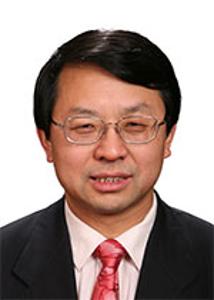 Fusuo Zhang (张福锁)合作论文数Shanxi Agricultural University;China Agricultural University50
 Wopke Van Der Werf合作论文数Centre for Crop Systems Analysis, Wageningen University & Research23
 Xinxin Ye合作论文数20
 Wenfeng Cong (丛汶峰)合作论文数College of Resources and Environmental Sciences, China Agricultural University15
 Xinping Chen (陈新平)合作论文数College of Resources and Environment, Southwest University13RuShan Chai (柴如山)合作论文数12
 Haigang Li合作论文数11
 Qizhong Xiong (熊启中)合作论文数10
 Yuanxue Chen (陈远学)合作论文数College of Resources, Sichuan Agricultural University10Laichao Luo (罗来超)合作论文数School of Resources and Environment, Anhui Agricultural University, China
College of Natural Resources and Environment, Northwest A&F University, China10HongJian Gao (郜红建)合作论文数9
Yuanxue Chen (陈远学)合作论文数College of Resources, Sichuan Agricultural University10Laichao Luo (罗来超)合作论文数School of Resources and Environment, Anhui Agricultural University, China
College of Natural Resources and Environment, Northwest A&F University, China10HongJian Gao (郜红建)合作论文数9 Chunjie Li (李春杰)合作论文数College of Resources and Environmental Sciences, China Agricultural University9
 Kaiwei Xu (徐开未)合作论文数College of Resources, Sichuan Agricultural University9
 Rongfeng Jiang (江荣风)合作论文数College of Resources and Environmental Sciences, China Agricultural University9Zhan Xu合作论文数8
 Chengdong Huang (黄成东)合作论文数College of Resources and Environmental Sciences, China Agricultural University8
 Jianbo Shen (申建波)合作论文数College of Resources and Environmental Sciences, China Agricultural University;National Academy of Agriculture Green Development, China Agricultural University8TIAN Da (田达)合作论文数7
 Laurent Bedoussac合作论文数UMR 1248 AGIR Equipe VASCO, INRA Toulouse7
 Ruibo Sun合作论文数6
 Liang Zhengyuan合作论文数Key Lab Plant Soil Interact, Minist Educ, China Agr Univ6
 Hans Lambers合作论文数School of Biological Sciences, University of Western Australia;Institute of Agriculture, University of Western Australia;National Academy of Agriculture Green Development, China Agricultural University6
 Chong Wang (王冲)合作论文数College of Resources and Environmental Sciences, China Agricultural University6
 Xiaolin Li (李晓林)合作论文数College of Resources and Environmental Sciences, China Agricultural University6
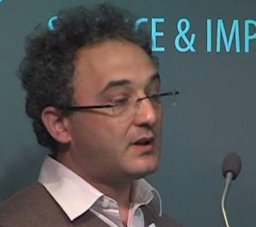 David Makowski合作论文数UMR211 INRA/AgroParisTech, INRA6
 Jiali Cheng合作论文数5Liangliang Zhang合作论文数5Dan Liao (廖丹)合作论文数5QuanQing Liu (刘全清)合作论文数5Li Tang (汤利)合作论文数5
 Kadambot H.M. Siddique合作论文数Institute of Agriculture, University of Western Australia5
 Hongyan Zhang (张宏彦)合作论文数Quzhou Experimental Station, China Agricultural University;College of Resources and Environmental Sciences, China Agricultural University5
 Yang Yu (杨玉)合作论文数5
 Zhenling Cui (崔振岭)合作论文数College of Resources and Environment Sciences, China Agricultural University5Guoli Lu合作论文数4Xiaotong Yang (杨晓彤)合作论文数4Gang Xu合作论文数4Yi Zhang (张艺)合作论文数4Jing Liu (刘静)合作论文数4
 Long Li (李隆)合作论文数College of Resources and Environmental Sciences, China Agricultural University4
 Weifeng Zhang (张卫峰)合作论文数College of Resources and Environmental Science, China Agricultural University;Quzhou Experimental Station, China Agricultural University4
 Nicolas Munier-Jolain合作论文数4
 Tjeerd Jan Stomph合作论文数Wageningen University4
 Paul Cross合作论文数School of Environmental & Natural Sciences, College of Science & Engineering, Bangor University;School of Environment, Natural Resources and Geography, Bangor University;Conservation Science Group, Bangor University4Xiaoru Zhang合作论文数3Mingxue Han合作论文数3Shangyuan Zhao合作论文数3Peisen Liu合作论文数3
 Jianyuan Jing合作论文数3




