Underwater artifacts are often fragile and prone to damage and loss of archeological information during extraction. This study proposes an integrated extraction method using an epoxy resin carbon fiber multilayer composite combined with support plate insertion. The multilayer material consists of epoxy resin adhesive, carbon fiber fabric, and plastic film. The epoxy resin adhesive is formulated from bisphenol-A epoxy resin, JH-5553 hardener, propylene carbonate diluent, and DMP30 accelerator. By adjusting the JH-5553 content, the operating time, curing time, curing degree, glass transition temperature, and mechanical properties of the epoxy resin can be regulated. The Tg of the cured resin ranged from −3.80 °C to 28.52 °C, enabling adaptation to different seawater temperatures while ensuring conformal wrapping and artifact safety. The optimized formulation, with a resin: diluent: hardener: accelerator ratio of 100:20:70:3, was successfully applied to extract a deteriorated anchor rope from the Shengbeiyu shipwreck at a depth of 30 m.
You-Man, a traditional adhesive material in polychrome painting of Ancient Chinese architectural, is made by mixing tung oil, flour, and lime water. However, You-man has notable shortcomings, including a long drying time and poor aging resistance, which can lead to cracking and peeling of the pigment layer in architectural polychrome painting, thereby affecting the lifespan of the painted cultural heritage. This study aims to obtain a modified You-Man with a shorter drying time and better weather resistance by adding various functional modification materials, such as toluene diisocyanate (TDI), silica, and bentonite. The modified You-Man from the three groups were evaluated for drying time, hardness, adhesion, hydrophobicity, thermal expansion coefficient, moisture expansion coefficient, moisture absorption, and aging resistance. Comprehensive performance evaluations revealed that group Modified You-Man 2 (MYM-2, is composed of 58.00 % You-Man, 2.00 % TDI, and 40.00 % silica), demonstrated the best performance: compared to traditional You-man, the drying time was reduced by 75.00 %, the thermal expansion coefficient decreased by 48.69 %; the moisture expansion coefficient decreased by 51.79 %. Furthermore, no significant structural damage was observed after 100 days of accelerated aging experiment. MYM-2 has been initially used for the restoration of the polychrome painting on ancient architecture in the Forbidden City, and after nearly two years of outdoor testing, it has shown promising results. Notably, this study introduces a novel approach combining thermomechanical analyzer (TMA) and module of humidity generation (MHG) to test the thermal and moisture expansion coefficients of key You-Man and wooden substrates, providing valuable guidance for assessing the weather resistance of the modified You-Man.
Consolidation before dehydration is the major procedure to conserve waterlogged archaeological wood (WAW). Polyethylene glycol (PEG) has been widely used since 1960s. However, if not combined with freeze-drying technique, PEG alone sometimes fails to provide adequate dimensional stability for heavily degraded WAW. A water-solution based ternary formula PAT, standing for PEG, 3-aminopropyltriethoxysilane (APTES) and 4-trifluoromethyl phenylboronic acid (TFMPBA) is studied using WAW of Sapium sp. and Pinus massoniana from the Nanhai No. 1 shipwreck. Compared to 20% PEG treatment, the optimized 20% PAT treatment reduces shrinkage from 71.8% to 51.0% for sapium WAW and from 14.1% to 5.6% for pine WAW after air-drying. Scanning electron microscope and low field nuclear magnetic resonance shows the PAT consolidant preferentially fills the micro cavities in cell walls and changes the drying behavior of PEG treated WAW. Finally, PAT treated samples exhibit lower hygroscopicity than PEG treated one, presumably improving their long-term stability.
This study used portable Raman spectroscopy and X-ray fluorescence to non-destructively analyze pigments in the architectural decorative patterns of Prince Kung’s Palace, Beijing. Focusing on eight representative patterns, it identified a complex palette of pigments, including historical mineral, modern synthetic, and plant-derived ones. The mineral pigments identified are cinnabar, red lead, hematite, orpiment, lead white, chalk, carbon black, azurite, and atacamite. Synthetic pigments include Hansa red, chrome yellow, titanium white, Prussian blue, ultramarine blue, phthalocyanine blue, emerald green, and phthalocyanine green. Indigo was found in certain areas. Degradation products such as lead sulfate and gypsum were also detected. The analysis suggests multiple creation periods for the patterns, providing evidence of historical restorations. Some patterns date to around the 45th year of the Qianlong period, while others might be from the Republic of China period (1912–1949 CE). This research offers insights into the conservation and restoration of the decorative patterns.
The removal of iron deposits on shipwreck surfaces by mechanical cleaning is labour-intensive work. This study develops an in situ gel and peeling cleaning method, utilising a carboxymethyl chitosan/tannic acid (CMCS/TA) colloidal solution spray on the surface of ferruginous deposits, promoting their removal by adhesion, chelation, and electrostatic bonding processes. The investigation confirmed that the CMTA-2 sample exhibited a sprayable viscosity of 263 mPa/s, the largest single removal thickness of 1.01 mm, a significant reduction in the fe/s atomic ratio by 2.53 units, and enhanced the deposit removal homogeneity. The field testing of the Nanhai I cultural relic showed a 14.37% reduction in iron concentration and a significant decrease in red colour (Δa* = 4.36). The synergistic mechanism involves TA chelating Fe2+/Fe3+ ions, while the CMCS gel network facilitates interfacial adhesion and mechanical peeling, hence promoting efficient and controllable cleaning.
Mingjiao Temple is located in Chengdu,Sichuan Province.The Juehuang Hall is the only surviving structure of the original Mingjiao Temple complex.The main part of the hall was constructed during the early Hongwu period of the Ming Dynasty(1368-1382)and was completed no later than the first year of the Chenghua reign(1465).The interior of Juehuang Hall retains a significant number of Ming Dynasty murals,which exhibit the distinctive characteristics of the official architectural style of the Northern country.These murals are a rare example of Ming Dynasty architectural painting and hold significant research value.Previous research on the paintings in the Juehuang Hall has focused on their form and aesthetic style,with no scientific analysis of their production techniques and materials.This study employs a high-resolution digital microscope,laser Raman spectrometer,scanning electron microscope,and energy dispersive spectrometer to analyze and identify the pigments from the paintings in the Juehuang Hall.The results indicate that the green pigments in the Mingjiao Temple's Juehuang Hall paintings are malachite and copper chloride,the red pigments are iron oxideand red lead,the white pigment is lead white,the blue pigment is indigo,and the black pigment is carbon black.Furthermore,the eaves paintings within the Juehuang Hall exhibit multi-layered paintings and the practice of mixing pigments for color adjustment.Synthetic ultramarine and Paris green are absent in these eaves paintings,which were commonly used in the Qing Dynasty's middle and later periods.The painting technique,characterized by the direct application of pigments onto the wooden components without a preparatory ground layer,suggests that these paintings are likely remnants from the Ming Dynasty,aligning with the documented period of the paintings'creation.This study is the first scientific analysis of the production techniques and materials of the Juehuang Hall paintings,and the preliminary findings have enriched the understanding of the application of pigments in Ming Dynasty architectural paintings,providing a reference for subsequent research and conservation efforts.
Cultural heritage objects, including traditional Chinese polychrome paintings on architectures (Caihua) and wooden architectural components, frequently exhibit surface defects that are highly sensitive to environmental factors, resulting in progressive deterioration. However, due to limited data acquisition methods and quantitative analysis models, the stability and risks of defects such as cracks during environmental changes remain unclear. This study integrates photogrammetry and digital image processing to investigate through-cracks and craquelures on the surface of a well pavilion within the Palace Museum, Beijing. We confirmed the activity of these cracks, quantified crack widths, and studied the environmental influences on their development. Over a monitoring period of more than 15 months, the widths of seven cracks on four beams were measured alongside various environmental factors. Correlation analyses identified air humidity as the most significant factor influencing crack width fluctuations (p < 0.01). Numerical simulations revealed that short-term humidity exposure induces surface swelling and crack closure, whereas prolonged humidity leads to internal moisture transport and crack reopening. Furthermore, fitting parameters indicating the severity of crack variation correlated well with the degradation levels of the wooden components. In summary, this study establishes a monitoring and quantification procedure for assessing crack activity, explores the influence of humidity through numerical simulations, and identifies a potential indicator for the non-destructive assessment of timber component stability. The proposed framework offers an exploratory approach to addressing critical challenges in the health monitoring of wooden architectural components.
To address the challenges of non-destructive evaluation and limited sample availability for waterlogged archaeological wood (WAW), this study developed a predictive model for physico-mechanical properties using near-infrared (NIR) spectroscopy. Furthermore, we proposed a data augmentation framework based on the Wasserstein Generative Adversarial Network with Gradient Penalty (WGAN-GP) to extend the NIR spectral data of WAW and associated physico-mechanical parameters-maximum water content (MWC), basic density (BD), modulus of rupture (MOR), and fracture strain (FS). Tree-based ensemble learning models (LGBM and Multi-Scale Derivative Enhanced Gradient Boosting Machine, MSDE-GBM) were built using the data generated by WGAN-GP, and the effect of extended dataset size on model performance was systematically investigated. The results showed significant correlations among the four physico-mechanical parameters of WAW, validating the feasibility of a multi-target generation mechanism to simultaneously synthesize spectral data corresponding to MWC, BD, MOR, and FS. Analysis of the generated data revealed that the WGAN-GP-generated spectral data exhibited significant noise during the initial training epochs; however, the morphology and smoothness of the synthetic spectra progressively approximated the real data with increasing training cycles, improving both diversity and authenticity. Further experiments identified optimal training epochs for different augmented dataset sizes: 40 0 0 epochs for datasets expanded to 300 and 900 samples, and 60 0 0 epochs for the 60 0-sample dataset. Subsequent modeling using data generated at these optimal epochs confirmed that WGAN-GP augmented datasets significantly improved the performance of LGBM and MSDE-GBM in predicting MWC and BD. Compared to the original dataset, the optimal models achieved RMSE reductions of 47.9 % (LGBM) and 59.9 % (MSDE-GBM) for MWC, 29.2 % (LGBM) and 13.3 % (MSDE-GBM) for BD. In contrast, the lower prediction accuracy for MOR and FS (R 2< 0.7) highlighted the complex mapping relationships between micro-scale mechanical parameters (tested via thermomechanical analysis, TMA) and NIR spectral data. This study pioneers the simultaneous prediction of multiple WAW performance parameters, providing a novel paradigm for small sample regression modeling in heritage conservation. The generated data were successfully applied to assess the degradation of wooden components from the Southern Song Dynasty "Nanhai I" shipwreck and the Qing Dynasty "Zhiyuan" shipwreck, providing critical data-driven support for scientific conservation strategies of waterlogged archaeological artifacts. (c) 2025 Elsevier Masson SAS. All rights are reserved, including those for text and data mining, AI training, and similar technologies.
Lignin-like materials share chemical similarities with wood and exhibit excellent mechanical properties along with resistance to aging and microbial degradation. This study focuses on eugenol as a target lignin-like monomer. Three eugenol nanoemulsions with concentrations of 10%, 20%, and 30% were prepared using surfactant Pesticide Emulsifier 1602 and co-surfactant diethylene glycol mono butyl ether (DEGBE). Laccase facilitated the in-situ polymerization of eugenol on the cell walls of waterlogged archeological wood (WAW) from the Nanhai No.1 shipwreck at temperatures of 35 degrees C degrees C, 45 degrees C, and 55 degrees C for dehydration and consolidation purposes. The 30 wt% eugenol emulsion at 45 degrees C showed the best consolidation effectiveness, with a minimal shrinkage rate of 3.62% and a 400-1000% increase in bending strength compared to controls. The polymer reinforced the decayed wood while preserving cellular lumens, offering an innovative, environmentally sustainable conservation method for WAW.
Maring benthic organisms frequently form bioconcretions on submerged ceramics. These deposits obscure the original appearance of artifacts and, through biomineralization, damage the glaze, posing a threat to preservation. This study investigates a Yuan Dynasty (1271 1368) Longquan celadon bowl recovered from the Shengbeiyu shipwreck in Zhangzhou. Fujian, The analysis focuses on the microscopic morphology and spectroscopic characteristics of attached bio-concretions and their interfaces with the glaze, to clarify the mechanisms of biofouling induced deterioration in underwater ceramics. A range of analytical techniques was employed, including a three dimensional optical microscope (OM) with ultra deep field of view. scanning electron microscopy with energy dispersive X-ray spectroscopy (SEM EDS), X-ray diffraction (XRD), Raman spectroscopy, and Fourier transform infrared spectroscopy (FTIR). These methods enabled detailed characterization of the microstructure and chemical composition of bio-concretions, as well as their interactions with the glaze layer, Micro-Raman mapping and micro-FTIR imaging were further applied to perform non-destructive two-dimensional compositional visualization of the tubeworm-glaze interface. The results show that the biofouling deposits on the Longquan celadon bowl originated primarily from large benthic organisms, including serpulid polychaetes, bryozoans, and corals. Their compositions are dominated by aragonite and calcite type calcium carbonates, with minor amounts of organic matter likely associated with mineral nucleation. growth and particle binding. Distinct attachment modes were observed: bryozoan and coral skeletons (or shells) adhered superficially to the glaze surface, whereas tubeworm shells penetrated and interlocked with the glaze, Infrared and Raman imaging revealed compositional diffusion across the interface, suggesting a robust interfacial bonding mechanism analogous to root-soil interlocking, strengthened by organic-mediated adhesion. By integrating spectroscopic imaging with microscopic morphological analyses, thisstudy elucidates the compositional, structural, and spatial interactions between marine bio-concretions and the glaze of submerged celadon. These findings advance understanding of biofouling deterioration mechanisms and provide a scientific basis for conservation-oriented interventions to mitigate biofouling deterioration of marine-recovered celadon
The use of epoxy resin/carbon fiber multilayer materials can effectively prevent damage to artifacts during underwater archaeological artifact extraction. However, the high viscosity of epoxy resin limits the coating ability and curing quality. To solve this problem, propylene carbonate (PC) was used as a diluent to reduce the viscosity and improve the properties. This study investigated the gel time, curing time, curing degree, and mechanical strength of the cured products by varying PC concentrations. It was found that the PC significantly enhanced the flowability of epoxy resin blends, extending the gel time from 22 min to 38 min, with minimal impact on the curing time. The glass transition temperature (Tg) ranged from 25.80 °C to 12.28 °C. Compared to E44/PC0, PC reduced the CTE values in the weft direction. The multilayer materials exhibited good temperature stability. The cured product had good mechanical properties and toughness, and could wrap irregular artifacts. The E44/PC10 formulation was used to prepare the epoxy resin/carbon fiber multilayer material. Waterlogged wooden artifacts were successfully extracted from 13 m deep calm water, using the multilayer material.
Consolidation has always been a major conservation issue for waterlogged archaeological wood (WAW), which aims to prevent shrinkage and cracking upon drying. Here we developed a new organic solvent-free consolidation method using water-soluble amino silanes and dialdehydes, which involves versatile cross-linking processes between wood components and polysiloxane. Evaluations by shrinkage measurements after air-drying, Fourier transform infrared spectroscopy, static thermal dynamic analysis, and dynamic vapour sorption suggest the combination of N-(2-aminoethyl)-3-aminopropyltrimethoxysilane and glutaraldehyde provides the most satisfying dimensional stability, mechanical strength and hygroscopicity. The anti-shrinkage efficiency reached as high as 96.9
A comprehensive multi-analytical investigation was conducted on a piece of Longquan celadon excavated from the Shengbeiyu shipwreck site in the East China Sea. This study focused on a representative type of tubular bio-concretions attached to the submerged celadon, believed to have been formed through the construction activities of a marine tubeworm belonging to the benthic phylum of Polychaeta Annelids. The research examined the microstructure, composition and adhesion form of these tubular bio-concretions, aiming to elucidate their developmental and attachment patterns from a biomineralization and biofouling perspective. The tubular bio-concretions were found to have a bimineralic composition, with notably higher content of aragonite than calcite, and display diverse yet highly ordered microstructures. The presence of organic matter within the bio-concretions indicates an organic matrix-controlled crystallization model, commonly observed in the construction of benthic calcareous tubes. Microscopic analyses revealed the primary degradation microstructures and corresponding phases of the glaze to which calcareous tubes attached. These findings closely resembled the corrosion characteristics observed in submerged ceramic glaze without bio-concretion attachments, as documented in earlier studies. OM and SEM observations also indicated that the calcareous tubes intricately intermeshed with the cracked glaze layer of the celadon. Additionally, Raman spectroscopic analysis detected the presence of proteins at the interface, likely residual adhesives secreted by fouling organisms to cement themselves to the settlement substrata, suggesting the occurrence of organic-mediated bio-adhesion mechanisms. These results shed new light on the formation process of bio-concretions and their interaction with attached underwater ceramics. A simplified formation mechanism of this biologically-induced degradation has been discussed.
Tetraethoxysilane (TEOS) is the most commonly used silicon-based reinforcement agent for conserving art relics due to its cost-effectiveness and commercial maturity. However, the resulting silica gel phase is prone to developing cracks as the gel shrinks during the sol–gel process, potentially causing severe damage to the objects being treated. In this study, dodecyltrimethoxysilane (DTMS) was introduced into TEOS to minimize this shrinkage by adding elastic long chains to weaken the capillary forces. The gel formed from the DTMS/TEOS hybrid material was transparent and crack-free, featuring a dense microstructure without mesopores or micropores. It exhibited excellent thermal stability, with a glass transition temperature of up to 109.64 °C. Evaluation experiments were conducted on artificially aged, handmade bamboo paper. The TEOS-based hybrid material effectively combined with the paper fibers through the sol–gel process, polymerizing into a network structure that enveloped the paper surface or penetrated between the fibers. The surface of the treated paper displayed excellent hydrophobic properties, with no significant changes in appearance, color, or air permeability. The mechanical properties of the treated bamboo paper improved significantly, with longitudinal and transverse tensile strengths increasing by up to 36.63% and 44.25%, respectively. These research findings demonstrate the promising potential for the application of DTMS/TEOS hybrid materials in reinforcing paper relics.
Organosilicon materials have shown potential as dehydration agents for waterlogged wooden artifacts. These materials can polymerize under normal conditions to form polymers with favorable mechanical strength, antibacterial properties, and aging resistance. However, the insolubility of most organosilicon hindered their penetration into waterlogged wood, which may lead to an unwanted cracking. This study aimed to evaluate the effectiveness of polydimethylsiloxane (PDMS) and hydroxy-terminated polydimethylsiloxane (PDMS-OH) with low viscosity and moderate reactivity for dehydrating waterlogged wooden artifacts from the Nanhai No.1 shipwreck. Four surfactants ((3–aminopropyl) triethoxysilane (APTES), alkyl polyoxyethylene ether (APEO), tri-methylstearylammonium chloride (STAC), and fatty alcohol polyoxyethylene ether (AEO)) and cosurfactant were employed to transform the two kinds of water-repellent silicone oils into eight groups of highly permeable oil-in-water (O/W) emulsions. Under the catalysis of a neutral catalyst, in situ polymerization occurred within the wood cells. Group P2-2 formulated with PDMS-OH and APEO showed the best efficiency in maintaining the dimensions of the wood during dehydration. The dehydrated wood exhibited a natural color and texture with a minimal volume shrinkage rate of 1.89%. The resulting polymer adhered uniformly to the cell walls, effectively reinforcing the wood cell structure. The weight percent gain of the wood was only 218%, and the pores of the cell lumen were well maintained for future retreatment. This method effectively controlled the sol–gel reaction process of the organosilicon and prevented damage to the wooden artifact during the dehydration process. Moreover, the dehydrated wood samples only experienced a low weight gain of 17% at 95% relative humidity (RH), indicating their great environmental stability.
Block lifting is a key step in stabilizing and removing fragile remains at archaeological excavation sites. Due to its favorable working properties and adhesive effect, menthol has recently been proposed as a volatile binding medium for temporary consolidation in archaeological conservation. This paper presents a case study on the use of menthol in the extraction and restoration of a large wooden coffin lid, approximately 1.9 m long and 0.9 m wide, from tomb 11 (M11) at Xie’ertala, located east of a Xie’ertala town in Hailar City, Inner Mongolia, dating to the 7th to 10th centuries CE. This coffin lid had fragmented into numerous wooden pieces, and was preserved in a relatively arid steppe environment, necessitating the extraction of the lid as a consolidated block. The use of menthol for consolidating and lifting the highly fragmented wooden coffin lid was intended to preserve critical archaeological information while avoiding damage to the underlying objects. An analysis of the physicochemical properties of these wooden remains suggests that the timber used for the coffin lid belongs to a common pine species from the Hulunbuir region. The degradation of the coffin lid was relatively mild, as shown by Fourier Transform Infrared Spectroscopy (FT-IR) and Scanning Electron Microscope (SEM) results. Dynamic Vapor Sorption (DVS) tests indicated that the hygroscopicity of the archaeological wood was 23.4%, compared to 21.1% for the reference sample, demonstrating good environmental stability. The safety of menthol as a treatment for fragile wooden remains was evaluated by comparing changes in the morphological and porosity characteristics of the coffin lid before and after menthol treatment. After treatment, the widths of the fissures remained largely unchanged, with all relative variations being less than 1%, and the porosity as well as pore size distribution of the wood showed negligible changes. Gas Chromatography–Mass Spectrometry (GC-MS) results showed that only 0.6% of menthol residue remained after 8 days of sublimation. This pilot study demonstrates that menthol is a safe temporary consolidant for block lifting and offers a promising alternative to the widely used cyclododecane. In conclusion, this research provided a new approach for conservators to safely lift similarly large and fragile wood remains during archaeological excavations.
Purpose The color painting of ancient buildings has high historical and artistic value but is prone to aging due to long-term outdoor exposure. The purpose of this study is to develop a new type of sealing coating to mitigate the impact of ultraviolet (UV) light on color painting. Design/methodology/approach The new coating was subjected to a 500-h UV-aging test. Compared with the existing acrylic resin Primal AC33, the UV aging behavior of the new coating, such as color difference and gloss, was studied with aging time. The Fourier infrared spectra of the coatings were analyzed after the UV-aging test. Findings Compared with AC33, the antiaging performance of SF8 was substantially improved. SF8 has a lower color difference value and better light retention and hydrophobicity. The Fourier transform infrared spectroscopy results showed that the C-F bond and Si-O bonds in the resin of the optimized sealing coating protected the main chain C-C structure from degradation during the aging process; thus, the resin maintained good stability. The hindered amine light stabilizer TN292 added to the coating inhibited the antiaging process by trapping active free radicals. Originality/value To address the problem of UV aging of oil-decorated colored paintings, a new type of sealing coating with excellent antiaging properties was developed, laying the foundation for its demonstration application on the surface of ancient buildings.
Dehydration is the principal conservation process for waterlogged archaeological wood (WAW), with the aim of preventing shrinkage and cracking. For well-preserved WAW, shrinkage mainly takes place when the moisture content is below the fiber saturation point. Here, we conduct a new trial using ionic liquid as a dimensional stabilizer to maintain a stable swollen state of WAW. Molecular dynamics simulation (MD), shrinkage measurement, Fourier transform infrared spectroscopy (FTIR), and dynamic vapor sorption (DVS) were adopted to investigate the interactions and effects of 1-Butyl-3-methylimidazolium chloride ([Bmim][Cl]) on WAW (Dipterocarpaceae Dipterocarpus sp. with a maximum moisture content of 80.3%) in comparison with the conventional material polyethylene glycol (PEG). The results show that [Bmim][Cl] and its water mixtures have a comparable or slightly greater ability to swell amorphous cellulose than does water at room temperature, while crystalline cellulose is left intact. The samples treated with [Bmim][Cl] show less shrinkage than the PEG 300- and PEG 2000-treated samples at all tested concentrations after air-drying. The best dimension control was achieved by 40 wt% [Bmim][Cl], with volumetric shrinkage reduced from 5.03% to 0.47%. DVS analysis reveals that [Bmim][Cl] reduces moisture contents at moderate and low relative humidity (<80%) when the concentration is at or below 20 wt%, which suggests that good dimensional stability was not achieved by simply preserving the moisture content but possibly through the interaction of the ionic liquid with the wood polymers.
Craquelure is the most common defect on ancient polychrome paintings, which may deteriorate further to paint loss. Previous image processing methods, which can accurately recognize paint loss, have limited precision and efficiency in segmenting craquelure. This paper proposes a semantic segmentation method, Res-UNet, for the recognition of craquelure and paint loss in the Palace Museum, Beijing. The residual structure of ResNet-50 enables the avoidance of network degradation, and image features can be fully extracted. Using the unique skip connection module of U-Net, features of different levels are fused to improve segmentation accuracy and provide smoother craquelure edges. Three loss functions are combined to accelerate stable convergence. The model was tested on a newly built dataset based on 600 images. Experimental results supported by statistical tests show that Res-UNet is a capable method of craquelure recognition, with an accuracy rate of 98.19%, and F1-score of 93.42%. Hence, the proposed hybrid approach is a promising tool to support the preservation and restoration of valuable traditional Chinese polychrome architectural paintings.
Hygroscopicity is one of the most important properties of wood and plays a decisive role in its dimensional stability. In this context, conservation plans for waterlogged archaeological wood (WAW) and relevant waterlogged artefacts must be created. The size of the sample required for a moisture sorption assessment may affect the results for (and thus the perception of) the hygroscopicity of a testing artefact. Herein, to investigate the effects of the sample size on the hygroscopicity of WAW as measured via dynamic vapour sorption (DVS), typical WAW and recent (i.e., sound) wood are processed into four differently sized samples, ranging in thickness from 200 mesh to millimetre. The equilibrium moisture contents (EMCs) of the wood samples are simultaneously measured using simultaneous DVS. The sorption isotherms show that the EMC values of the recent wood at each relative humidity increase as the sample size decreases, with the superfine powder sample achieving the highest EMC of all of the recent samples. Although the WAW has a higher EMC than that of recent wood, the effect of the size of the WAW sample on its hygroscopic properties is surprisingly not as pronounced as that for the recent wood. In addition, the hysteresis between the samples of different sizes of the archaeological wood is significantly smaller than that for the reference samples. Furthermore, regarding the standard deviations of the parameters obtained from the Guggenheim Anderson de Boer and Hailwood–Horrobin models, the values for WAW are all much smaller than those for the reference wood. This further verifies the disappearance of the size effect of the hygroscopicity for WAW.
 Liuyang Han合作论文数11
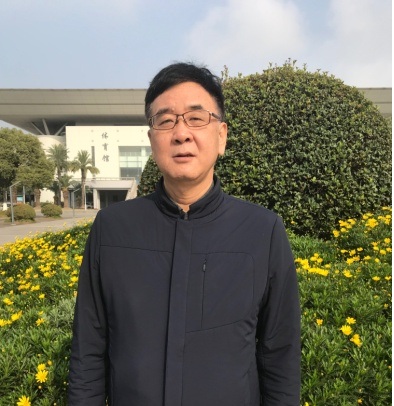 Hong Guo (郭宏)合作论文数Institute of Cultural Heritage and History of Science & Technology, University of Science and Technology Beijing9
 Zhiguo Zhang (张治国)合作论文数国家文物局水下文化遗产保护中心9
 Wu Meng-ruo合作论文数8
 Kunlong Chen (陈坤龙)合作论文数北京科技大学科技史与文化遗产研究院7Xiao Huang (黄晓)合作论文数6Guanglan Xi合作论文数6
 Bo Rong (容波)合作论文数Emperor Qinshihuangs Mausoleum Site Park6
 Bingjian Zhang (张秉坚)合作论文数Department of Chemistry, Zhejiang University6HUANG Qijun (黄琦钧)合作论文数5Yafang Yin (殷亚方)合作论文数Research Institute of Wood Industry, Chinese Academy of Forestry5
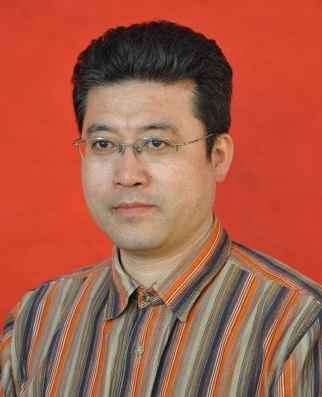 Hongjie Luo (罗洪杰)合作论文数School of Metallurgy, Northeastern University5Qin Zhenfang (秦振芳)合作论文数4ZHANG Wenjie (章文杰)合作论文数4Jianrui Zha合作论文数3GONG Xin (龚欣)合作论文数3
 Yihang Zhou (周谊航)合作论文数Shenzhen Institutes of Advanced Technology, Chinese Academy of Sciences;University of Chinese Academy of Sciences3
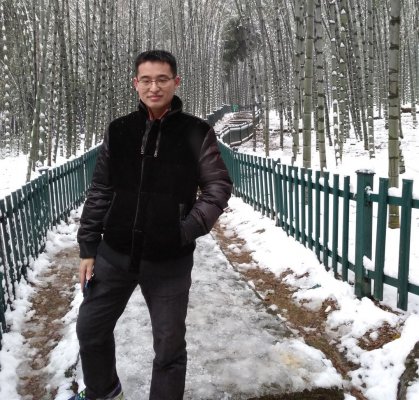 Xiang He (贺翔)合作论文数Institute of Cultural Heritage and History of Science & Technology, University of Science and Technology Beijing3Liu Tiantian合作论文数2YOU Guimei (尤贵媚)合作论文数2Wenjin Zhang合作论文数2Jian SUN (孙键)合作论文数2Xiao-hong TANG (唐小红)合作论文数2ZHAO Wenhua (赵文华)合作论文数2ZhenWei Cao (曹振伟)合作论文数2XingLing Tian (田兴玲)合作论文数2
 Jianquan Wang (王健全)合作论文数北京科技大学自动化学院2
 Weidong Li (李伟东)合作论文数Shanghai Institute of Ceramics, Chinese Academy of Sciences2
 Naisheng Li (李乃胜)合作论文数青岛国家海洋科学研究中心2Mengyang You合作论文数2
 Suqin Sun (孙素琴)合作论文数Department of Chemistry, Tsinghua University2
 Na Li (李娜)合作论文数Northeast Institute of Geography and Agroecology, University of Chinese Academy of Sciences2
 Chaoyi Zhang合作论文数Faculty of Engineering, The University of Sydney;Facebook AI Research2
 Zhangchao Ma (马彰超)合作论文数University of Science and Technology Beijing2
 Xiaolin Wang (汪筱林)合作论文数Institute of Vertebrate Paleontology and Paleoanthropology, Chinese Academy of Sciences;University of Chinese Academy of Sciences;Changchun College of Geology;Yunnan University;University of Science and Technology Beijing2Ye Lin合作论文数1Sun Zhen-gang (孙振港)合作论文数1Liu Jia-ru (刘珈如)合作论文数1
 Yan Yao合作论文数1CHEN Ai-hua (陈爱华)合作论文数1Ning-yuan WANG (王宁远)合作论文数1Jiujiang Bai合作论文数1Lifu ZHANG (张笠夫)合作论文数1CHEN Cong (陈熜)合作论文数1Jian-qing YU (俞剑清)合作论文数1Fang Ma合作论文数1




