PURPOSE:To characterize the normative distribution of wide-field retinal and choroidal thickness in a large cohort of Chinese children aged 7 to 19 years and to evaluate the associations with age, sex, intraocular pressure(IOP), and refractive status. METHODS:This cross-sectional study included 2032 healthy Chinese students (1,487 primary school students and 545 middle school students). Primary school students underwent comprehensive ocular examinations including IOP, axial length (AL), refractive status, corneal curvature, and wide-field optical coherence tomography (OCT); middle school students received basic examinations and OCT. Correlation analyses assessed relationships between retinal/choroidal thickness and ocular parameters. RESULTS:Longer AL was associated with higher IOP, lower vertical corneal curvature (K2), and greater myopia. Older age correlated with greater myopia, longer AL, and reduced K2. Men had longer AL; women had higher K2. The mean subfoveal retinal thickness was 267.69 ± 20.80 µ m, progressively decreasing toward the temporal periphery, up to 15 mm from the fovea. By contrast, the mean subfoveal choroidal thickness was 304.11 ± 65.61 µ m, with the thinnest region located nasally, near the optic nerve. Choroidal thickness decreased with age, AL, myopia severity, and lower K2. Retinal and choroidal thickness showed opposite spatial trends. CONCLUSION:Wide-field retinal and choroidal thickness exhibited distinct distribution patterns associated with age, myopia, and multiple ocular parameters in children, providing normative data to facilitate early detection, monitoring, and research of ocular development and pediatric eye diseases.
Myopia remains a major global ophthalmic challenge, as existing interventions can slow but rarely halt disease progression or reverse the underlying pathological remodelling. Recent advances in bioelectronics, nanotechnology and neuroengineering have enabled the development of self-powered bioelectronic interfaces for precision ophthalmic therapy. This Review discusses triboelectric and piezoelectric nanogenerators for restoring vision pathways and regulating ocular homeostasis. Key mechanisms underlying myopia progression, including retinal neurotransmission imbalance, scleral remodelling and aberrant visual feedback signalling, are summarized to establish a mechanistic framework for bioelectronic intervention. The therapeutic and diagnostic potential of multifunctional bioelectronic platforms for ocular modulation, targeted drug delivery, controlled release and real-time sensing is then examined. The integration of wearable and implantable ophthalmic devices with artificial intelligence and closed-loop regulation is further highlighted. To provide broad engineering and translational perspectives, representative ophthalmic bioelectronics,such as wireless contact lenses and photovoltaic retinal prostheses-are discussed as architectural reference models. Finally, major translational challenges including long-term biocompatibility, device miniaturization, energy stability and regulatory considerations, are discussed. These next-generation biointerfaces may enable adaptive neuromodulation, real-time visual decoding and seamless integration with digital therapeutics, establishing a new paradigm for precision ophthalmology and functional vision restoration.
Automatic segmentation of retinal Optical Coher ence Tomography (OCT) images plays a vital role in the early diagnosis and treatment of ocular diseases. However, the scarcity of labeled OCT data poses a significant challenge for existing supervised learning methods. In contrast, Color Fundus Photography (CFP) provides clearer visualization of key anatomical regions, such as the optic disc and cup, making it easier to acquire high-quality annotations. To address the issue of insufficient OCT annotations, we propose a Cross-Modality Anatomy Knowledge Distillation (CMAKD) framework. This method leverages a large amount of annotated CFP data to learn cross-modality structural priors related to retinal layer organization and vessel-associated landmarks, which are then used to regularize the OCT model for retinal layer segmentation. In other words, CFP serves as a source of weak structural priors, providing spatial and contextual guidance for OCT feature learning rather than depth-resolved layer supervision or a direct supervisory signal. To achieve this goal, we design a Domain-invariant Contrastive Learning (DoCL) module to reduce the modality gap between CFP and OCT by aligning their feature distributions. Furthermore, we introduce a Layer-aware Self-ensembling Mean-Teacher (LA-MT) framework to fully exploit unlabeled OCT data and enhance the model’s ability to recognize layered boundary structures. Experimental results on three public datasets — Duke DME, MS, and GOALS — demonstrate that CMAKD significantly improves segmentation performance while reducing the reliance on OCT annotations. Under semi-supervised domain adaptation settings, CMAKD achieves relative performance gains of 17.8% and 8.2% on the Duke DME and MS datasets, respectively, and approaches the performance of fully supervised models on the GOALS dataset. Our code is available at: https://github.com/lixiangcog/CMAKD.
BackgroundHigh-risk differentiated thyroid cancer in 2015 American Thyroid Association risk stratification system (ATA-RSS) exhibits a significantly increased probability of recurrence and poor outcomes. This study aimed to investigate the molecular profiles of high-risk differentiated thyroid cancer and to assess the role of molecular testing in enhancing prognostic risk stratification.MethodsIn a single-center study conducted at Fujian Cancer Hospital, Fujian Province, China, a consecutive cohort of differentiated thyroid cancer patients identified as high-risk under 2015 ATA-RSS criteria were retrospectively assessed, spanning from November 1, 2019, to March 31, 2022. Molecular characterize groups were conducted using an 18-gene next-generation sequencing assay. Patients harboring mutations in the TERT promoter, TP53, or PIK3CA genes were categorized as the high molecular risk group, while all others were assigned to the non-high molecular risk group.ResultsAmong the 108 cases, 32 (29.6%) fell into the high molecular risk group, characterized by a significantly older mean age (57.8 vs. 42.6 years, p < 0.001), larger tumor size (3.1 cm vs. 2.0 cm, p = 0.003), a higher incidence of aggressive pathological subtypes (43.8% vs. 7.9%, p < 0.001), and an increased occurrence of distant metastasis (34.4% vs. 7.9%, p = 0.001). Over a median follow-up period of 32.5 months, this high-risk group demonstrated an elevated risk of local recurrence (32.1% vs. 9.5%, HR: 3.18, 95% CI: 1.15-8.78) and metachronous distant metastasis (38.1% vs. 2.9%, HR: 12.54, 95% CI: 2.60-60.41). Multivariate COX regression analysis confirmed that molecular characterize groups (HR: 5.77, 95% CI: 2.18-15.23, p < 0.001) and tumor size (HR: 1.32, 95% CI: 1.00-1.74, p = 0.047) independently predicted recurrence-free survival.ConclusionATA-RSS high-risk differentiated thyroid cancer often presents with late-hit genetic alterations, which are strongly associated with increased likelihood of structural recurrence. Molecular testing offers a precise approach to recurrence risk stratification in high-risk cases, enabling personalized follow-up and treatment strategies tailored to the specific prognostic profile.
The perception of night scenes is of crucial importance for driving safety. In the dimly lit night environment, as the visibility of objects decreases, both experienced and inexperienced drivers often struggle to fully notice the objects closely related to the driving task. Moreover, because the contours of many objects are blurred in dim night, locating and detecting objects are much more difficult than that in daytime scenes, especially for the small traffic objects, which undoubtedly greatly increases the potential road hazards. Till now, there are few studies specifically focusing on the night object detection based on driver’s attention. This research is dedicated to solving the detection problem of significant objects in night scenes, particularly small salient objects. First, we constructed a Night Eye-Tracking Object Detection Dataset (NETOD), which can provide a benchmark for research on attention-driven object detection in night scenes. Then, we proposed a salient object detection model for night traffic scenes, named NS-YOLO. NS-YOLO integrates a Bio-Inspired Spotlight Attention Module (BSAM) that combines bottom-up feature enhancement with top-down semantic guidance to accurately localize salient objects. Additionally, a hierarchical multi-scale detection architecture is introduced, leveraging cross-layer feature pyramid and dynamic upsampling to enhance the detection of small objects. The experimental results on the NETOD dataset show that the proposed salient small object detection model for night traffic scenes achieved mean Average Precision (mAP) value of 93.0%, outperforming other advanced models. It has important potential application values in driver assistance, danger warning, and other aspects, and is expected to significantly improve the safety and intelligence of night driving. Beyond technical advancements, this work highlights the necessity of human-centric attention mechanisms in autonomous systems, paving the way for safer and more interpretable AI-driven vehicles.
Identifying the genetic risk factors of diabetic retinopathy (DR) is essential for discovering the potential pathogenesis of DR. This study determined the association of DR with five single nucleotide polymorphisms (SNPs) specifically in type 2 diabetes mellitus (T2DM) patients, including rs10061133(MIR-449B), rs17883901(GCLC), rs2070744(eNOS), rs3759890 (SORD) and rs7754561 (ENPP1). A total of 1433 individuals were enrolled in this study, comprising healthy controls (ctrls = 480), individuals with diabetes mellitus without retinopathy (DNR = 480), non-proliferative DR(NPDR = 378), and proliferative DR(PDR = 95). The five SNPs were genotyped utilizing Mass ARRAY MALDI-TOF technology. Odds ratio (OR) and 95% confidence intervals (95% CI) were calculated for the risk of genotype and allele. We performed a literature search in PubMed published before July 16, 2023. The Newcastle Ottawa Scale was used to evaluate the overall quality of the case-control studies. Consequently, we found that there were statistically significant differences between PDR cases and healthy controls for rs10061133 (P = 0.007, OR = 1.59, 95% CI = 1.32-2.23) and rs17883901 (P = 0.020, OR = 1.67, 95% CI = 1.08-2.57), rs17883901 was significantly associated with NPDR (P = 0.023, OR = 1.39, 95% CI = 1.05-1.85), there was a significant association between DR cases and healthy controls (P = 0.048, OR = 1.22, 95% CI = 1.00-1.48) for rs3759890 in the allelic model. DR show no relationships with the other two SNPs compared to healthy controls. In multivariate analyses comparing the DR and DNR groups, rs7754561(A), rs10061133(G), and rs17883901(A) were identified as risk loci for DR in individuals with a duration of diabetes of >= 5 years (P = 0.0023, P = 0.0037, and P = 0.0376, respectively). Furthermore, individuals carrying rs10061133(G) exhibited a higher risk of DR in the hyperglycemic group (glucose >= 8 mmol/L). Secondly, we showed that one polymorphism in eNOS (rs2070744, T > C) showed a suggestive association with DR in the meta-analysis (allelic model:P < 0.05, OR = 1.18, 95% CI: 1.07-1.30, Z = 3.46, I-2 = 34%). Subsequently, including studies that used either healthy subjects or diabetic subjects without DR as controls, the association of eNOS rs2070744 with DR was consistently significant (P = 0.002) and exhibited intermediate heterogeneity (I-2 = 48%). Furthermore, polymorphisms in GCLC (rs17883901) and SORD (rs3759890) were also associated with DR, with P-values of 0.004 (I-2 = 93%) and 0.03 (I-2 = 3%), respectively, suggesting their potential involvement in the disease. In conclusion, this study documented that rs10061133(G), rs17883901(A), and rs3759890(G) could be the independent risk factors for retinopathy in Chinese patients with T2DM, offering a foundation for genetic risk assessment in clinical practice. Furthermore, our meta-analysis reveals a significant association between rs2070744 and DR, implying the potential involvement of the MIR-449B, GCLC, SORD, and eNOS variants in the development of DR, which could be a promising direction for developing new treatments aimed at mitigating the risk of DR in susceptible populations.
The increasing incidence of central nervous system lymphoma (CNSL) is hindered by the blood-brain barrier and costly prolonged drug development. To overcome these obstacles, we developed a carboplatin lock-designed MOF (Pt-MOFs@Glu) targeting intestinal macrophages for brain-directed drug transport. Single-cell RNA sequencing analyses revealed that intestinal macrophages migrate to the brain in response to chemokines. Building on this insight, Pt-MOFs@Glu was designed to engage these cells for precise delivery. Comprising carboplatin, pyrazine-quinoxaline, and β-glucan, the system induces an “avalanche effect” in the CNSL microenvironment, promoting tumor apoptosis and inhibiting metastasis. Combining pyrazine-quinoxaline to lock carboplatin and β-glucan to boost targeting, immunity, and oral absorption, the system enables ROS-triggered drug release, efficiently crosses the gastrointestinal tract and BBB, and synergizes chemo-immunotherapy to enhance therapeutic efficacy. This approach redefines CNSL treatment by harnessing the gut-brain axis, offering a transformative pathway to overcoming therapeutic barriers and improving patient outcomes.
Purpose:To develop a more accurate glaucoma grading framework by combining multiple examination modalities, aiming to overcome the limitations of single-modality diagnostic systems for comprehensive glaucoma diagnosis. Methods:This paper proposes a novel multi-modal-based glaucoma grading framework to classify healthy, mild glaucoma, and moderate-to-severe glaucoma patients. The method simulates the clinical diagnosis process by leveraging multiple examination modalities and integrating prior knowledge of ocular structure to enhance feature learning. A multi-modal feature fusion framework (M2F3) is developed, utilizing a multi-layer transformer (MLT) for efficient combination of modalities. A contrastive learning strategy is also employed to improve feature learning further. Results:Experimental results demonstrated that the proposed M2F3 glaucoma grading method shows a substantial 0.0465 increase in Cohen's kappa (κ) coefficient compared to state-of-the-art (SOTA) methods on the Glaucoma grAding from Multi-Modality imAges (GAMMA) dataset. Conclusions:The proposed multi-modal-based glaucoma grading framework offers a more accurate diagnostic tool by integrating multiple examination modalities and prior knowledge, representing a substantial improvement over existing single-modality-based systems.
Age-related macular degeneration (AMD), particularly its atrophic (dry) form, is a leading cause of irreversible blindness in the elderly. Limited treatment efficacy stems from its complex pathogenesis, highlighting an urgent need for novel therapeutic targets. This study investigates the contribution of the choroidal immune microenvironment, focusing on intercellular communication involving resident fibroblasts-a cell type whose role in AMD remains poorly defined. By analyzing single-cell RNA sequencing data from human choroid, we interrogated crosstalk between fibroblasts, macrophages, and NK/T cells, identifying interferon-gamma (IFNγ) and tumor necrosis factor-alpha (TNFα) signaling pathways as central mediators. We demonstrate that activated choroidal fibroblasts release key inflammatory mediators, including IL6, CCL2, CSF1, CXCL9, and CXCL10, which functionally recruit macrophages and CD8+ T cells, thereby shaping the local immune landscape. Critically, targeting these pathways in vivo using TAPI-1 (inhibiting TNFα processing) and Tofacitinib (inhibiting IFNγ signaling) significantly ameliorated retinal, RPE, and choroidal pathology in a NaIO3-induced murine model of dry AMD. Our findings underscore the pathogenic role of fibroblast-mediated choroidal inflammation driven by TNFα and IFNγ signaling in dry AMD, presenting these pathways as promising therapeutic targets.
Hair cell (HC) damage is a leading cause of sensorineural hearing loss, and in mammals supporting cells (SCs) are unable to divide and regenerate HCs after birth spontaneously. Procollagen C-endopeptidase enhancer 2 (Pcolce2), which encodes a glycoprotein that acts as a functional procollagen C protease enhancer, was screened as a candidate regulator of SC plasticity in our previous study. In the current study, we used adeno-associated virus (AAV)-ie (a newly developed adeno-associated virus that targets SCs) to overexpress Pcolce2 in SCs. AAV-Pcolce2 facilitated SC re-entry into the cell cycle both in cultured cochlear organoids and in the postnatal cochlea. In the neomycin-damaged model, regenerated HCs were detected after overexpression of Pcolce2, and these were derived from SCs that had re-entered the cell cycle. These findings reveal that Pcolce2 may serve as a therapeutic target for the regeneration of HCs to treat hearing loss.
Infertility poses a global health and social challenge, affecting approximately 15% of couples at childbearing age, with half of the cases attributed to male factors, wherein genetic factors exert a substantial role. In our prior investigation, we identified loss-of-function variants within the gene encoding glutamine-rich protein 2 (QRICH2) in two consanguineous families, leading to various morphological abnormalities in sperm flagella and male infertility. Moreover, our observations in Qrich2 knockout mice revealed a pronounced reduction in spermatozoa count. However, the underlying mechanism remains elusive, prompting further investigation in the current study. By conducting experiments such as Hematoxylin-eosin (HE) staining, immunofluorescence staining, flow cytometry, and single sperm metabolism analysis on the testes and spermatozoa of Qrich2 knockout mice, we found a strong antioxidant capacity mediated by QRICH2 both in vivo and in vitro. Qrich2 knockout led to elevated levels of ROS, consequently inducing DNA damage in spermatids, which in turn triggered increased autophagy and apoptosis, ultimately causing a significant decrease in spermatozoa count. Incubation with the N-terminal purified protein of QRICH2 exhibited potent strong antioxidant activity at the cell and spermatozoa levels in vitro, thereby enhancing spermatozoa viability and motility. Therefore, QRICH2 plays a crucial role in safeguarding spermatids from excessive ROS-induced damage by augmenting antioxidant capacity, thereby promoting spermatozoa survival and improving motility. Furthermore, the N-terminal purified protein of QRICH2 shows promise as an additive for protecting spermatozoa during preservation and cryopreservation.
From the perspective of Computer vision, both visual saliency and object detection have attracted hot attention in the field of traffic scene perception. However, these two tasks are often seen as independent missions, and their correlations have rarely been explored. In real driving scenarios, drivers mainly care about the salient objects closely related to the current driving task under the guidance of visual selective attention. This process highly integrates saliency perception and object detection, leading to efficient and quick decision-making, thus achieving safe driving. In this study, with reference to human drivers’ perception of traffic scenes, we focus on detecting fixated objects within the regions attracting the drivers’ attention. Firstly, we build a new fixated object detection dataset based on drivers’ fixations, which can serve as a benchmark for studying traffic object detection from the driver’s point of view. Then, we propose a fixated object detection model based on saliency prior, named FOD-Net. FOD-Net takes advantage of the predicted salient regions as saliency priors to guide the detection of the fixated objects that are closely relevant to the driving task, thus improving detection accuracy. Experimental results on the proposed dataset show that FOD-Net achieves a mAP value of 78.4% with small model parameters, which is higher than other state-of-the-art models. Our work combines the driver’s attention mechanism with object detection to narrow the gap between visual saliency and object detection in traffic scenes, showing potential supplemental or referential value for developing high-intelligence assisted/automatic driving systems. The dataset and code are available in https://github.com/YiShi701/Fixated-object-detection.
Oral drug administration is the preferred method for delivering medications due to its safety, ease of ingestion, high patient compliance, absence of pain, and adaptability to a wide range of drugs. However, the low oral bioavailability of many drugs poses a significant challenge, limiting the effectiveness of oral drug delivery. This comprehensive review presents recent advances in the rational design of metal-organic frameworks (MOFs) to improve oral drug delivery, along with the associated challenges and opportunities. The review provides an overview of different types of MOFs, synthesis methods, and various strategies for carrying and releasing drugs with spatiotemporal manipulation. The mechanisms behind these strategies utilizing MOFs spatiotemporal manipulation for precision medicine are discussed. Additionally, the review explores naturally sourced materials as potential new MOFs for oral delivery. Moreover, the review offers insights into the application of MOFs as oral drug delivery systems for precision medicine. By facilitating the development of customized MOFs nanoplatforms for specific diseases, this review aims to advance the field of precision medicine and enhance its practicality in oral drug delivery.
ObjectiveTo evaluate the performance of optical genome mapping (OGM) in identifying an inversion located in the short arm of chromosome 8 (8p, 8p23.1), flanked by regions of complex segmental duplication (SD), using the GRCh38 and telomere-to-telomere (T2T) genome references.MethodsWe investigated a couple suspected of carrying the 8p23.1 inversion due to a terminal deletion combined with an interstitial duplication of 8p found in their abortus. OGM was performed on both individuals. The data were mapped to the current GRCh38 and the updated T2T genome references, respectively.ResultsThe 8p23.1 inversion was observed in the female when mapping OGM data to the T2T assembly. In contrast, under the GRCh38 reference, the orientation between the suspected breakpoints within the SD regions could not be distinguished. Additional variants of uncertain significance were also identified in both individuals.ConclusionOur findings highlight the superiority of the T2T reference in recognizing structural variations involving SD regions. The enhanced SV detection using the T2T reference may contribute to a better understanding of genome instability and human diseases.
Driving at night is more challenging and dangerous than driving during the day. Modeling driver eye movement and attention allocation during night driving can help guide unmanned intelligent vehicles and improve safety during similar situations. However, until now, few studies have modeled a drivers' true fixations and attention allocation in specific night circumstance. Therefore, we collected an eye tracking dataset from 30 experienced drivers while they viewed night driving videos under a hypothetical driving condition, termed Driver Fixation Dataset in night (DrFixD(night)). Based on DrFixD(night) which includes multiple drivers' attention allocation, we proposed a spatio-temporal dual-encoder network model, named as STDE-Net, to improve saliency detection in night driving condition. The model includes three modules: i) spatio-temporal dual encoding module, ii) fusion module based on attention mechanism, and iii) decoding module. A convolutional LSTM is employed to learn the time connection of video sequences, and a convolution neural network combined pyramid dilated convolution is adopted to extract spatial features in the spatio-temporal dual encoding module. The attention mechanism is exploited to fuse the temporal and spatial features together and selectively highlight the significant features in night traffic scene. We compared the proposed model with other traditional methods and deep learning models, both qualitatively and quantitatively, and found that the proposed model can predict driver's fixation more accurately. Specifically, the proposed model not only predicts the main goals, but also predicts the important sub goals, such as pedestrians, bicycles and so on, showing excellent prediction of dimly lit targets at night.
Colon cancer (CC) stands as a formidable global health challenge, ranking as the third leading cause of cancerrelated mortality. Traditional photodynamic therapy encounters limitations stemming from the limited penetration depth of light and the effective regulation of reactive oxygen species (ROS). Here, we present an in-situ ROS spatiotemporal manipulation system that synergizes the power of piezoelectric nanoparticles with potent immune adjuvants. This exclusive ROS nanogenerator exhibits precision in targeting colon tumor sites, inducing controlled oxidative stress to eliminate malignant cells, while simultaneously unleashing the full potential of the immune system to suppress cancer cell growth and impede metastasis. Notably, this system achieves spatiotemporal manipulation of ROS through piezocatalytic mechanisms triggered self-generated ROS. Moreover, it skillfully customizes ROS production in response to tumor size, optimizing therapeutic efficacy with precision. To enhance the therapeutic efficacy, glucan, a bioactive polysaccharide that augments the immune response while simultaneously inhibiting the spread of cancer cells, is integrated. This cancer treatment approach is enabling precise ROS generation and immune modulation at the tumor site, ushering in a new era of dynamic immunotherapy.
Traffic scene perception has a significant impact on driving safety. Inexperienced or distracted drivers usually do not allocate enough attention to the objects closely related to the driving task, which causes potential road hazards. In contrast, experienced drivers pay close attention to the objects highly relevant to the driving task under the guidance of visual selective attention, thus achieving driving safety. However, apart from traffic saliency prediction, few existing works have integrated human driver’s perception with computer models to detect the objects attracting the attention of experienced drivers in traffic videos. In this work, we aim to detect these objects, specifically referred to as traffic fixated objects. To achieve this goal, a new eye-tracking-based video fixated object detection dataset (ET-VFOD) is firstly built, which can be as a benchmark for researchers interested in attention-inspired fixated object detection. Then, we propose a traffic video fixated object detection network named VFOD-Net. VFOD-Net decodes the information closely related to the driving task from the reference frames. The information is used as a top-down prior to modulate the model’s encoding process of the current frame, thus improving the detection performance. Considering the high cost of manual annotation, a weakly supervised traffic video fixated object detection pipeline is developed. Experimental results on the ET-VFOD dataset show that our proposed weakly supervised method achieves detection performance close to that of the fully supervised model, which verifies the effectiveness of the proposed method. Our work combines bottom-up and top-down attention to detect the vital objects in traffic videos from the perspective of human drivers, showing potential applications in intelligent driving, such as driver monitoring and warning systems. The dataset and code are available in https://github.com/YiShi701/VFOD_Net.
The estimation of pain intensity is critical for medical diagnosis and treatment of patients. With the development of image monitoring technology and artificial intelligence, automatic pain assessment based on facial expression and behavioral analysis shows a potential value in clinical applications. This paper reports a framework of convolutional neural network with global and local attention mechanism (GLA-CNN) for the effective detection of pain intensity at four-level thresholds using facial expression images. GLA-CNN includes two modules, namely global attention network (GANet) and local attention network (LANet). LANet is responsible for extracting representative local patch features of faces, while GANet extracts whole facial features to compensate for the ignored correlative features between patches. In the end, the global correlational and local subtle features are fused for the final estimation of pain intensity. Experiments under the UNBC-McMaster Shoulder Pain database demonstrate that GLA-CNN outperforms other state-of-the-art methods. Additionally, a visualization analysis is conducted to present the feature map of GLA-CNN, intuitively showing that it can extract not only local pain features but also global correlative facial ones. Our study demonstrates that pain assessment based on facial expression is a non-invasive and feasible method, and can be employed as an auxiliary pain assessment tool in clinical practice.
BACKGROUND:The 5-year survival rate of multiple myeloma (MM) in China is less than 40%, with considerable individual heterogeneity. Gene mutations are important predictive biomarkers that influence MM treatment decision. The aim of our study was to uncover the clinical significance of mutated genes in MM in the Chinese population.METHODS:Targeted exon panel sequencing was performed of 400 genes to detect the gene mutation status in plasma cells from 50 patients with MM. DAVID was used to explore the functions and pathways of mutated genes. Detection of mutant gene expression, prognosis and immune cell infiltration with GSE6477. GEO2R was utilized to identify differentially expressed genes (DEGs). Kaplan-Meier and CIBERSORT were applied to compare survival distributions and evaluate the gene expression associated with immune cell infiltration, respectively.RESULTS:Mutations of 337 genes were identified in MM. The mutation types included SNP, INS, and DEL, but the dominant mutation type was SNP. Function and pathway analysis of mutant genes were performed to elucidate DNA modifications. We identified a total number of 660 downregulated and 587 upregulated genes from the GSE6477 dataset. Thirty-three common genes were present in both the mutant genes and DEGs. The functions and pathways of the mutated genes were enriched in myeloid cell differentiation, regulation of hemopoiesis, etc. Moreover, we found that the low expression of BCL6, BIRC3, HLA-DQA1, and VCAN was correlated with poor prognosis in MM.CONCLUSIONS:The mutations and low expression of BCL6, BIRC3, HLA-DQA1, and VCAN were correlated with poor prognosis and immune cell infiltration in MM. This study is the first to reveal the spectrum of mutations in the Chinese population by the use of an NGS panel.
 Zhenglin Yang (杨正林)合作论文数Sichuan Provincial People’s Hospital;Chinese Academy of Sciences;School of Medicine, University of Electronic Science and Technology of China;University of Chinese Academy of Sciences25
 Bo Gong (龚波)合作论文数School of Medicine, University of Electronic Science and Technology of China20
 Xiaoqi Liu (刘小琦)合作论文数电子科技大学医学院15
 Fang Lu (鲁芳)合作论文数School of Medicine, University of Electronic Science and Technology of China14Shi Ma合作论文数13
 Lingxi Jiang (蒋玲曦)合作论文数Ruijin Hospital, Shanghai Jiao Tong University School of Medicine10Chunbao Xie合作论文数9
 Lulin Huang (黄璐琳)合作论文数Sichuan Provincial People's Hospital;School of Medicine, University of Electronic Science and Technology of China7
 Hongmei Yan (颜红梅)合作论文数School of Life Science and Technology, University of Electronic Science and Technology of China7
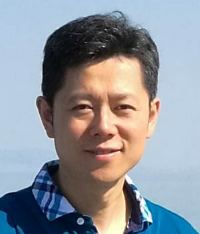 Hao Fang (方浩)合作论文数Department of Medicinal Chemistry, School of Pharmaceutical Sciences, Shandong University7Chao Dai合作论文数6
 Ling Zhong (钟凌)合作论文数Chengdu University of Traditional Chinese Medicine6
 Chao Qu (曲超)合作论文数School of Medicine, University of Electronic Science and Technology of China6
 Zhengzheng Wu (吴峥峥)合作论文数School of Medicine, University of Electronic Science and Technology of China6Jing Cheng合作论文数6Yang-Bao Miao合作论文数5Liang Zou (邹亮)合作论文数成都学院(成都大学)5
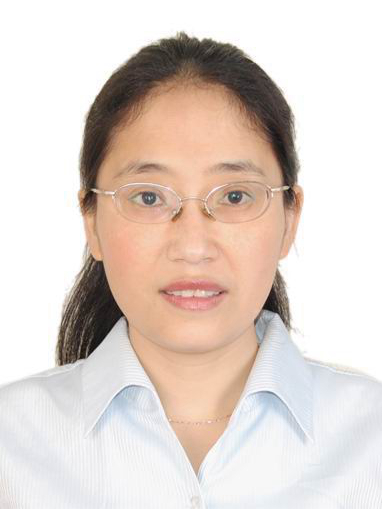 Dingding Zhang (张丁丁)合作论文数School of Medicine, University of Electronic Science and Technology of China5Suyang Duan合作论文数4Jian-bin Hu合作论文数4Fei He合作论文数4Qingwei Wang合作论文数4ZhiLi Li (李志立)合作论文数4
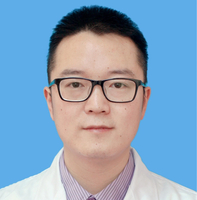 Cheng Yin (殷成)合作论文数电子科技大学医学院4
 Haibin Tan (谭海斌)合作论文数电子科技大学附属医院,四川省人民医院4
 He Lin (林何)合作论文数School of Foreign Languages, University of Electronic Science and Technology of China4
 Yu Zhou (周玉)合作论文数School of Medicine, University of Electronic Science and Technology of China4
 Jiyun Yang (杨季云)合作论文数School of Medicine, University of Electronic Science and Technology of China;Sichuan Provincial People's Hospital, University of Electronic Science and Technology of China4Huijuan Xu合作论文数4Renchi Gao (高壬驰)合作论文数3Weiming Ren合作论文数3Yao Wei合作论文数3
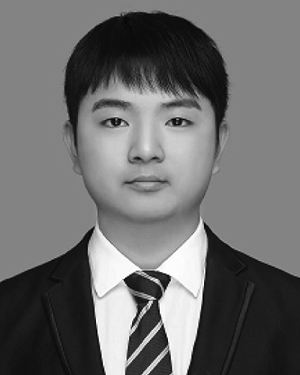 Long Qin合作论文数3Guo Huang合作论文数3Dan Jiang合作论文数3Ling Liu合作论文数3Jialing Xiao合作论文数3ShiHuang Liao (廖世煌)合作论文数3
 Ying Lin (林婴)合作论文数电子科技大学医学院3
 Peiquan Zhao (赵培泉)合作论文数Xinhua Hospital Affiliated to Shanghai Jiao Tong University School of Medicine3Huang Guang-fu合作论文数3
 Li Jiang (蒋黎)合作论文数School of Medicine, University of Electronic Science and Technology of China3
 Xianshi Zhang (张显石)合作论文数School of Life Science and Technology, University of Electronic Science and Technology of China3
 Zhenyu Wang (王振宇)合作论文数北京大学第三医院3Longyi Chen (陈隆益)合作论文数3Bin Chen合作论文数3
 Lixin Duan (段立新)合作论文数School of Computer Science and Engineering, University of Electronic Science and Technology of China3




