Purposes Tumor deposits (TDs) are considered poor prognostic factors in esophageal squamous cell carcinoma (ESCC). However, the impact of tumor deposits-positivity (TDP) on ESCC prognosis and recurrence remains unclear. This multicenter retrospective cohort study aimed to investigate the influence of TDP on recurrence and the potential benefit of adjuvant therapy in ESCC. Methods Data were collected from four large-scale hospitals on ESCC patients who underwent R0 esophagectomy for stage T1-4N0-3M0 from January 2008 to January 2019. The clinicopathological features, prognosis, and risk factors for TDP were evaluated. Subgroup analyses were conducted based on adjuvant chemotherapy status and recurrence patterns. Results A total of 2244 patients were enrolled in our study. 688 patients were analyzed after propensity score matching. Patients who were categorized as T1-4N0M0 with TDP status had a similar prognosis to T1-4N1M0 (P = 0.95) or T1-4N2M0 (P = 0.42) with tumor deposits-negativity (TDN) status. In the T1-4N0M0 and T1-4N1M0 stage groups, the 5-year RFS rate and 5-year OS in the TDP group differed significantly from the TDN group (P < 0.001). Among T1-4N0M0 with adjuvant chemotherapy patients, TDP patients had significantly worse OS compared to TDN patients (P < 0.001). Furthermore, TDP patients exhibited a higher cumulative incidence for local recurrence (P < 0.001) and distant recurrence rate (P < 0.001). Conclusions TDP is a risk factor for recurrence in ESCC and plays a significant role in the discussion of ESCC treatment strategies. TDP patients may benefit from adjuvant chemotherapy, emphasizing the importance of monitoring these patients during follow-up.
4076 Background: In the era of immunotherapy, whether neoadjuvant immunochemotherapy (NAIC) would be standard treatment of locally advanced esophageal squamous cell carcinoma (ESCC) is without conclusion. The HCHTOG1909 was aimed to compare the safety and long-term efficacy of NAIC followed by minimally invasive esophagectomy (MIE) with those of neoadjuvant chemotherapy followed by MIE. This second interim analysis was aim to compare the short term results of two groups. Methods: A prospective, single-center, open-label, randomized phase III clinical trial. Between May 15, 2020 and April 23, 2024, 401 resectable ESCC with clinical stage T1N1-3M0 to T2-3N0-3M0 were enrolled(8th UICC-TNM), 196 in the toripalimab group and 205 in the chemotherapy group. The patients receive either neoadjuvant paclitaxel (175 mg/m2) and cisplatin (75 mg/m2) plus toripalimab (240mg) (toripalimab group) or paclitaxel and cisplatin alone (chemotherapy group) every 3 weeks for 2 cycles. After MIE, the toripalimab group received toripalimab (240 mg every 3 weeks for up to 6 months). The event-free survival (EFS) was the primary endpoint. The pathological complete response (pCR) was the key secondary endpoints. Other endpoints included postoperative complications, mortality, adverse events, overall survival and disease free survival. We planned 3 interim analyses. This was a planned second interim analysis. The sample size was calculated based on the primary endpoint EFS. The hazard ratio assumed to be 0.68 between two groups. A type I error allocated (two-sided) 0.05, 90% power and drop-out rate of 10% in 5 years. The χ 2 test and the Fisher exact test was employed for categorical parameters, the t test or analysis of variance was adopted for continuous variables. Results: Among 401 patients ( 305 men [76.1%]; mean [SD] age, 70.7 [3.5] years; most frequent clinical stages III 213 [53.1%] ). The toripalimab group had a higher pCR rate (26.1% vs. 6.2%; P < 0.001). The 90-day perioperative mortality rate was 2.42%(4) for the toripalimab group and 2.5%(4) for the chemotherapy alone group ( P = 0.9790). The most frequent irAE was hypothyroidism. There was no significant difference observed for postoperative complication rate ( P = 0.453). The grade 3 or 4 treatment-related adverse events did not differ between the two groups (13.8% versus 10.8%). Conclusions: The interim results of HCHTOG1909 showed the addition of perioperative toripalimab to NAC is safe in resectable ESCC, and the pCR rate is significantly improved. Clinical trial information: NCT04280822 .
Introduction:This study aimed to assess the knowledge, attitudes, and practices (KAP) of esophageal cancer patients concerning pulmonary rehabilitation training. Methods:A cross-sectional study was conducted at the Henan Cancer Hospital from July 1, 2024, to August 31, 2024. Data were collected through questionnaires that gathered demographic information and KAP scores. Results:A total of 530 esophageal cancer patients participated, including 197 (37.17%) regular smokers and 145 (27.36%) regular alcohol consumers. The mean ± SD scores were 7.78 ± 4.56 for knowledge (range: 0-20), 40.42 ± 4.66 for attitudes (range: 10-50), and 21.13 ± 3.08 for practices (range: 5-25). Correlation analyses showed positive relationships between knowledge and attitude scores (r = 0.335, p < 0.001), knowledge and practice scores (r = 0.323, p < 0.001), and attitude and practice scores (r = 0.567, p < 0.001). Structural Equation Modeling (SEM) indicated significant effects of knowledge on attitude (β = 0.420, p < 0.001) and attitude on practice (β = 0.711, p < 0.001). Conclusion:Esophageal cancer patients showed inadequate knowledge but positive attitudes and proactive practices regarding pulmonary rehabilitation. These findings highlight the need for targeted educational interventions to improve patient knowledge, enhancing overall engagement in rehabilitation practices.
The goal of this study was to compare the advantages of conventional laparoscopic surgery (CLS) and the split-leg supine position single-port plus one laparoscopic surgery (SSP SILS + 1) in esophageal surgery. This study enrolled 73 patients who previously underwent radical esophagectomy for esophageal cancer from August 2021 to February 2023. Among them, 36 patients underwent SSP SILS + 1, whereas the remaining 37 patients underwentCLS. Surgical time, bleeding volume, number of dissected lymph nodes, incision length, and postoperative abdominal pain score between the two groups of patients were compared using either the Student’s t-test or chi-square test. Time of abdominal incision (1.4 ± 0.2 min vs. 5.2 ± 0.7 min, p < 0.001) was shorter in patients in the SSP SILS + 1 group compared with those in the CLS group. However, the average incision length was shorter in the SSP SILS + 1 group compared with that in the CLS group (35.4 ± 4.0 cm vs. 4.6 ± 4.1 cm, p < 0.001). Notably, the pain score on postoperative day (POD) 1 was lower in the SSP SILS + 1 group compared with that in the CLS group (5.7 ± 0.7 vs.6.3 ± 0.7, p = 0.001). The SCAR score was also lower in the SSP SILS + 1 group compared with that in the CLS group (3.5 ± 0.9 vs. 8.3 ± 1.4, p = 0.019). There was no significant difference in the number of dissected abdominal lymph nodes and positive lymph nodes (p > 0.01) between the two groups. The SSP SILS + 1 intervention offers multiple benefits over conventional surgical procedures, encompassing shorter incision length and pain scores on POD 1. In accelerated rehabilitation surgery for esophageal cancer, this surgical procedure demonstrated high safety, feasibility.
BackgroundIn the era of immunotherapy, neoadjuvant immunochemotherapy (NAIC) for the treatment of locally advanced esophageal squamous cell carcinoma (ESCC) is used clinically but lacks of high-level clinical evidence. This study aimed to compare the safety and long-term efficacy of NAIC followed by minimally invasive esophagectomy (MIE) with those of neoadjuvant chemotherapy (NAC) followed by MIE.MethodsA prospective, single-center, open-label, randomized phase III clinical trial was conducted at Henan Cancer Hospital, Zhengzhou, China. Patients were randomly assigned to receive either neoadjuvant toripalimab (240 mg) plus paclitaxel (175 mg/m2) + cisplatin (75 mg/m2) (toripalimab group) or paclitaxel + cisplatin alone (chemotherapy group) every 3 weeks for 2 cycles. After surgery, the toripalimab group received toripalimab (240 mg every 3 weeks for up to 6 months). The primary endpoint was event-free survival (EFS). The pathological complete response (pCR) and overall survival (OS) were key secondary endpoints. Adverse events (AEs) and quality of life were also assessed.ResultsBetween May 15, 2020 and August 13, 2021, 252 ESCC patients ranging from T1N1-3M0 to T2-3N0-3M0 were enrolled for interim analysis, with 127 in the toripalimab group and 125 in the chemotherapy group. The 1-year EFS rate was 77.9% in the toripalimab group compared to 64.3% in the chemotherapy group (hazard ratio [HR] = 0.62; 95% confidence interval [CI] = 0.39 to 1.00; P = 0.05). The 1-year OS rates were 94.1% and 83.0% in the toripalimab and chemotherapy groups, respectively (HR = 0.48; 95% CI = 0.24 to 0.97; P = 0.037). The patients in the toripalimab group had a higher pCR rate (18.6% vs. 4.6%; P = 0.001). The rates of postoperative Clavien-Dindo grade IIIb or higher morbidity were 9.8% in the toripalimab group and 6.8% in the chemotherapy group, with no significant difference observed (P = 0.460). The rates of grade 3 or 4 treatment-related AEs did not differ between the two groups (12.5% versus 12.4%).ConclusionsThe interim results of this ongoing trial showed that in resectable ESCC, the addition of perioperative toripalimab to NAC is safe, may improve OS and might change the standard treatment in the future.
Background: Negative evidence for the use of neoadjuvant chemotherapy (NAC) to treat oesophageal squamous cell carcinoma (ESCC) has been reported in Western countries in the past century. However, in China, most ESCC patients underwent paclitaxel and platinum-based NAC without evidence from local RCTs. Empiricism or a lack of evidence does not necessarily mean that the evidence is negative. However, there was no way to compensate for the missing evidence. The only way to obtain evidence is by conducting a retrospective study using propensity score matching (PSM) to compare the effects of NAC and primary surgery on overall survival (OS) and disease-free survival (DFS) among ESCC patients in China, which is the country with the highest prevalence of ESCC patients. Methods: From January 1, 2015, to December 31, 2018, a total of 5443 patients with oesophageal cancer/oesophagogastric junction carcinoma who underwent oesophagectomy were retrospectively identified at Henan Cancer Hospital. After PSM, 826 patients were selected for the retrospective study and divided into the NAC and primary surgery groups. The median follow-up period was 54.08 months. Toxicity and tumour responses to NAC, intraoperative and postoperative outcomes, recurrence, DFS and OS were analysed. Results: The postoperative complication rates were not significantly different between the two groups. The 5-year DFS rates were 57.48% (95% CI, 52.05% to 62.53%) for the NAC group and 49.93% (95% CI, 44.56% to 55.05%) for the primary surgery group (P=0.0129). The 5-year OS rates were 62.95% (95% CI, 57.63% to 67.79%) for the NAC group and 56.29% (95% CI, 50.99% to 61.25%) for the primary surgery group (P=0.0397). Conclusion: Compared with primary surgery, NAC with paclitaxel and platinum-based chemotherapy and two-field extensive mediastinal lymphadenectomy might be associated with long-term survival benefits among ESCC patients.
Objective:To investigate the expression level of PPP2R2A in non-small cell lung cancer (NSCLC) and its correlation with the clinical significance of NSCLC.Methods:Quantitative reverse transcriptase-polymerase chain reaction (RT-PCR) analysis was used to examine the expression of PPP2R2A in 37 pairs of NSCLC tissues and matched normal tissues. Chi-square test was used to analyze the correlation between miR-136 expression level and clinical features.Results:The results of quantitative RT-PCR revealed that the relative expression of PPP2R2A in NSCLC tissues and matched normal tissues was 1.15±0.38 and 3.78±1.77 respectively ( P<0.01). The low expression of PPP2R2A in NSCLC tissues was not correlated with the characteristics of patients with NSCLC including age, gender, TNM stage and lymph node metastasis ( P>0.05), but significantly with pathological types and tumor differentiation of NSCLC ( P<0.05). Conclusion:The low expression of PPP2R2A in NSCLC may be beneficial to the evaluation of biological characteristics of NSCLC.
Introduction Difference of the short diameter of lymph nodes in the main regions of esophageal squamous cell carcinoma (ESCC) and its value in the diagnosis of lymph nodes need to explore. Methods The clinical data of patients with thoracic ESCC who underwent surgical treatment in our hospital were collected. The short diameters of the largest lymph node in each region of the patient were measured by preoperative enhanced computed tomography (CT) and were compared with the postoperative pathology. Results A total of 477 patients with thoracic ESCC who did not receive neoadjuvant therapy were enrolled in this study. The receiver operating characteristic curve suggested that the short diameters of the paracardial nodes, the left gastric nodes, the right recurrent laryngeal nerve nodes, and the left recurrent laryngeal nerve nodes could well predict the postoperative pathology of the lymph nodes, with area under curve (AUC) of 0.958, 0.937, 0.931, and 0.915, the corresponding cut-off values of 5.7 mm, 5.7 mm, 5.5 mm, and 4.8 mm, the corresponding sensitivities of 94.7%, 85.4%, 88.7%, and 79.4%, and the corresponding specificities of 93.7%, 96.3%, 86.2%, and 95.0%, respectively. The AUC of the thoracic paraesophageal lymph nodes, the subcarinal nodes and all regional lymph nodes were 0.845, 0.688, and 0.776, respectively. Conclusion Region-based criterion for lymph node metastasis of thoracic ESCC is beneficial to improve the diagnostic efficiency of preoperative CT.
Background:Surgery is the main treatment for esophageal cancer, but postoperative incision pain seriously reduces patients' quality of life. The aim of this study was to investigate the feasibility and effectiveness of preemptive analgesia of the upper abdomen with ropivacaine in the "non-tube no fasting" fast track recovery program for esophageal carcinoma.Methods:We retrospectively analyzed the medical records of patients who underwent minimally invasive esophagectomy (MIE) from February 2014 to August 2014. Patients in the study group underwent a conventional analgesia program together with local infiltration injection of ropivacaine in the upper abdominal incision 30 min before the operation, while patients in the control group underwent the conventional analgesia program alone. Ropivacaine was injected locally around the planned surgical incision, including intradermally, subcutaneously, in the fascial muscles, and in the parietal peritoneum layers. Li's anastomosis method was performed in the neck after MIE. No indwelling chest tube or abdominal cavity tube was placed in any patients. The use of analgesic pumps in the two groups of patients was recorded.Results:A total of 102 patients were enrolled in the study, with 52 patients in the study group and 50 patients in the control group. Patients in both groups completed the surgery successfully as planned, and the anesthesia methods and drugs used during the operation were the same. The surgical duration, blood loss, and the number of resected lymph nodes did not differ significantly between the two groups. Three patients in the study group and 10 patients in the control group used analgesia pumps (P=0.031). The visual analog scale (VAS) score at 30 days after surgery in the group with preemptive analgesia was significantly better than that in the control group (P=0.048).Conclusions:Preemptive analgesia for the upper abdomen with ropivacaine in the "non-tube no fasting" fast track recovery program for esophageal carcinoma is feasible and worthy of promotion.
Background:Esophageal cancer in China accounts for nearly half of the global esophageal cancer cases. The relationship between the occurrence of postoperative complications of esophageal cancer surgery and seasonal changes is not clear. Our purpose is to clarify the relationship between postoperative complications of esophageal cancer and season, so as to reduce the incidence of complications.Methods:We retrospectively analyzed the medical records of patients undergoing esophageal cancer surgery in our hospital between January 2013 and December 2014. Patients were divided into the summer group (March-August) and the non-summer group (September-February) according to the seasonal climate. Pulmonary, cardiac, and other complications were recorded. Differences in postoperative complications were compared between the two groups by the chi-squared test.Results:In the 251 patients enrolled, the total postoperative complication rate was 37.8%. The occurrence of incision complications in the summer group was significantly higher than that in the non-summer group (10.1% vs. 3.5%, P=0.044). Pulmonary and cardiac complications in summer group were significantly rarer than those in the non-summer group (16.7% vs. 27.4%, P=0.039; and 8.0% vs. 16.8%, P=0.032, respectively).Conclusions:During the warm months of the year, clinicians should focus on preventing postoperative incision complications, and they should focus on preventing pulmonary and cardiac complications during the cold months.
Background:Postoperative pneumonia (PP) is the most common pulmonary complication of esophagectomy. It is of great importance to identify any high-risk factors and prevent pulmonary complications to improve the prognosis of patients with esophageal cancer undergoing esophagectomy. Thus, we established a predictive model of PP in patients with neoadjuvant immunochemotherapy for resectable esophageal squamous cell carcinoma (ESCC), and provide suggestions for the best strategy for the perioperative period of the patients.Method:We retrospectively analyzed 78 patients who underwent esophagectomy for squamous cell carcinoma after neoadjuvant immunochemotherapy between September 2019 and August 2021.We used the "glmnet" language package in R to perform least absolute shrinkage and selection operator (LASSO) regression to screen the best predictors of PP, and nomograms predicting PP were constructed utilizing screened factors. The performance of nomograms was internally validated by calibration curves, concordance index (C-index), and the Brier score for overall performance.Results:Twenty-six patients (33.3%) had postoperative pneumonia. After LASSO regression, the factors that were independently associated with PP were diffusing capacity of the lungs for carbon monoxide (DLCO) (P=0.0002), white blood cell (WBC) difference before vs. after neoadjuvant immunochemotherapy (P=0.0133). We constructed a prediction model, plotted the nomogram, and verified its accuracy. Its Brier score was 0.147, its calibration slope was 0.98, and its C-index was 0.85 (95% CI: 0.75-0.95). Internal validation demonstrated a good discrimination power that the actual probability corresponds closely with the predicted probability.Conclusions:Our prediction model can predict the possibility of PP in patients with neoadjuvant immunochemotherapy for resectable esophageal squamous cell carcinoma and may facilitate physicians' efforts to reduce the incidence of postoperative pneumonia.
Objective:To analyze the clinical efficacy of different treatment modalities and prognostic factors of patients with Masaoka-Koga stage Ⅲ thymoma.Methods:Clinical data of patients diagnosed with Masaoka-Koga stage Ⅲ thymoma admitted to Affiliated Cancer Hospital of Zhengzhou University from January 2000 to December 2018 were analyzed retrospectively. A total of 133 patients had complete treatment and follow-up data. Kaplan-Meier method was used to calculate the cumulative survival rate, log-rank method was used to compare the survival between two groups, and Cox regression model was used for multivariate analysis.Results:The median follow-up time was 50 months (3-221 months). The median overall survival (OS) was 51 (3-221) months, and the median disease-free survival (DFS) was 45 (2-221) months. The survival rate in the radical surgery group was better than that in the palliative surgery group. The 5- and 10-year OS rates in radical surgery group were 88.2% and 74.4% respectively, while in palliative surgery group were 51.8% and 32.4% respectively ( P<0.001). The 5- and 10-year DFS rates in radical surgery group were 72.2% and 45.5%, respectively, while in palliative surgery group were 32.3% and 16.1% respectively ( P=0.001). The OS in the surgery combined with radiotherapy group was better than that in the surgery alone group. The 5- and 10-year OS rates in the radical surgery group were 82.8% and 64.2% respectively, while in the palliative surgery group were 55.8% and 50.2% ( P=0.033). There was no significant difference in DFS between two groups ( P=0.176). Multivariate analysis showed that age < 50 years old ( HR=0.264, P=0.001), radical resection ( HR=0.134, P<0.001), surgery combined with radiotherapy ( HR=2.778, P=0.009) were independently associated with better OS. Age < 50 years old ( HR=0.550, P=0.046), radical resection ( HR=0.555, P=0.042), and invasion of single organ ( HR=0.111, P=0.003) were independently associated with better DFS. Conclusions:OS and DFS in patients undergoing radical surgery are significantly better than those in their counterparts treated with palliative surgery, which is the most important factor affecting prognosis. Surgery combined with radiotherapy yields better OS. It is necessary to design a rigorous and reasonable multicenter prospective study to evaluate the efficacy of various treatment modalities and prognostic factors.
Our non-tube no fasting (early oral feeding and no nasogastric tube) fast-track surgery (FTS) was safe and effective to combine with neoadjuvant chemotherapy for McKeown minimally invasive esophagectomy. In addition, the two groups were similar in terms of the recovery time, hospital discharge day, and early resumption of oral feeding.ObjectivesTo evaluate the safety of early oral feeding (EOF) combined with neoadjuvant chemotherapy (NAC) of esophagectomy.Summary Background DataOur non-tube no fasting (early oral feeding and no nasogastric tube) fast-track surgery (FTS) was safe and effective for primary surgery esophageal cancer patients.MethodsWe retrospectively evaluated consecutive patients who underwent non-tube no fasting and McKeown minimally invasive (MIE). They were divided into two groups: one received NAC, and the other received primary surgery. Complications after the operation, postoperative CRG complications, operative time, operative bleeding, and length of stay were evaluated.ResultsBetween 01/2014 and 12/2017, there hundred and eighty two consecutive patients underwent MIE with total two-field lymphadenectomy under the non-tube no fasting fast-track surgery program. A total of 137 patients received NAC, and 245 accepted primary surgery. Propensity score matching was used to compare NAC patients with 62 matched patients from each group. The NAC group had a similar number of total complications as the primary surgery group (32.26% in the primary surgery group vs. 25.81% in the NAC group; p=0.429) and had the same median postoperative hospitalization duration (8 days, p=0.723).ConclusionsAfter McKeown MIE, the patients receiving NAC combined with “non-tube no fasting” FTS had a similar incidence of postoperative complications outcomes as those without NAC. In addition, the two groups were similar in terms of the recovery time, hospital discharge day, and early resumption of oral feeding.
Background. This study aimed to investigate the feasibility of early oral feeding (EOF) after neoadjuvant chemotherapy (nCT) combined with ''non-tube no fasting''-enhanced recovery after minimally invasive esophagectomy (MIE). Methods. This retrospective study investigated patients who underwent nCT combined with non-tube no fasting-enhanced recovery after MIE in the Department of Thoracic Surgery, Ward I, of the authors' hospital from January 2014 to August 2017. These patients were divided into an early oral feeding (EOF) group (n = 112) and a late oral feeding (LOF) group (n = 69). The postoperative complications were compared between the two groups. Results. The study enrolled 181 patients (112 patients in the EOF group and 69 patients in the LOF group). No significant differences were found between the two groups in the incidence rates of complications such as anastomotic leakage (P = 0.961), pneumonia (P = 0.450), respiratory failure (P = 0.944), heart failure (P = 1.000), acute respiratory distress syndrome (ARDS) (P = 0.856), and unplanned reoperation (P = 0.440), whereas the time to the first postoperative flatus/bowel movement (P < 0.001) and the postoperative length of stay (P < 0.001) were significantly better in the EOF group than in the LOF group.. Conclusions. In this study, EOF after nCT combined with non-tube no fasting-enhanced recovery after MIE did not significantly increase complications, but significantly shortened the time to the first postoperative flatus/bowel movement and the postoperative length of stay.
McKeown minimally invasive esophagectomy (McKeown-MIE) offers advantages in short-term outcomes compared with McKeown open esophagectomy (McKeown-OE); however, debate as to whether MIE is equivalent or better than OE regarding survival outcomes is ongoing. The aim of this study was to compare long-term survival between McKeown-MIE and McKeown-OE in a large cohort of esophageal cancer (EC) patients. We used a prospective database (independently managed by LinkDoc company) of the Thoracic Surgery Department at Henan Cancer Hospital and included patients who underwent McKeown-MIE and McKeown-OE for EC from 1 January 2015 to 6 January 2018. The perioperative data and overall survival (OS) rate in the two groups were retrospectively compared. We included 502 patients who underwent McKeown-MIE (n = 306) or McKeown-OE (n = 196) for EC. The median age in the total patient population was 63 years. All baseline characteristics were well-balanced between the two groups. There was a significantly shorter mean operative time (269.76 min vs. 321.14 min, p < 0.001) in the OE group. The 30-day and in-hospital mortality rates were 0, and there was no difference in 90-day mortality (p = 0.053) between the groups. The postoperative stay was shorter in the MIE group and was 14 days and 18 days in the MIE and OE groups, respectively (p < 0.001). The OS at 60 months was 58.8% and 41.6% in the MIE and OE groups, respectively (p < 0.001) [hazard ratio 1.783, 95% confidence interval 1.347–2.359]. These results showed that McKeown-MIE was associated with better long-term survival than McKeown-OE for patients with resectable EC.
Circular RNAs (circRNAs) are known to regulate tumorigenesis. In this study, circRNAs microarray was used to analyze the circRNA expression in lung adenocarcinoma (LUAD) tissues, and CircRNA zinc finger MYM-type containing 4(circZMYM4) was selected for further analysis. In this study, we detected circZMYM4 expression in LUAD specimens and cell lines using RT-PCR. The expression of circZMYM4 was further verified in the GEO datasets and TCGA datasets. Gain-of-function and loss-of-function experiments were used to analyze the effects of circZMYM4 on LUAD in vivo and in vitro. The relationship between miR-587 and circZMYM4 or ODAM was predicted by bioinformatics tools and confirmed using dual-luciferase reporter assays and RNA-pull down. We found that circZMYM4 was distinctly down-regulated in LUAD tissues and cell lines. Functional assays revealed that circZMYM4 overexpression suppressed LUAD cell proliferation, metastasis and suppressed apoptosis, while miR-587 overexpression could weaken these effects. Importantly, circZMYM4 upregulated ODAM expression via sponging miR-587 to suppress LUAD progression. ODAM knockdown could reverse the repressive effect of circZMYM4 overexpression on cell proliferation, migration and invasion abilities. Overall, circZMYM4 regulates the miR-587/ODAM axis to suppress LUAD progression, which may become a potential biomarker and therapeutic target.
BACKGROUND:Neoadjuvant chemotherapy (NAC) and neoadjuvant chemoradiotherapy (NACR) are the standard treatments for esophageal squamous cell carcinoma (ESCC). However, the 5-year overall survival (OS) rate is still far from satisfactory. In recent years, immune checkpoint inhibitors (ICIs) have shown promising results in the treatment of ESCC. More than 20 phase II clinical trials have been launched to explore combinations of ICIs in the neoadjuvant setting for ESCC. Based on our phase II clinical trial, a two-arm phase III trial was launched in Henan Cancer Hospital. ICIs combined with NAC may usher in a new era and may benefit locally advanced, resectable ESCC patients.METHODS:A two-arm phase III trial was launched in April 2020 in Henan Cancer Hospital. Patient recruitment will be completed within 18 months. The primary endpoint is event-free survival (EFS). The secondary endpoints include pathologic complete response (pCR), disease-free survival (DFS) rate, overall response rate (ORR), R0 resection rate, major pathologic response (MPR), adverse events (AEs), complication rate and quality of life (QOL). A biobank of pretreatment, resected tumor tissue and paired blood samples will be built for translational research in the future.DISCUSSION:This RCT directly compares NAC with neoadjuvant toripalimab plus chemotherapy in terms of EFS for locally advanced ESCC. The results may usher in a new era of resectable ESCC treatment.TRIAL REGISTRATION:NCT04280822 (https://www.clinicaltrials.gov/ct2/show/NCT04280822). Registered title: "A Phase III, Randomized Controlled Study of Neo-adjuvant Toripalimab (JS001) in Combination with Chemotherapy versus Neo-adjuvant Chemotherapy for Resectable Esophageal Squamous Cell Carcinoma". Version 1.0/Nov. 21, 2019.
Objective:To evaluate the value and identify the prognosic factors of postoperative radiotherapy (PORT) in completely resected stage Ⅲ(pN 2) lung adenocarcinoma patients with epidermal growth factor receptor (EGFR) wild-type who received adjuvant chemotherapy. Methods:Clinical data of 172 patients with stage Ⅲ(pN 2) EGFR wild-type lung adenocarcinoma who underwent radical resection and adjuvant chemotherapy from 2009 to 2016 were retrospectively analyzed. All patients received platinum-based adjuvant chemotherapy combining two drugs for>4 cycles, and divided into the PORT group and the non-PORT group. The survival rate was calculated by Kaplan- Meier method and log-rank test, and multivariate prognostic analysis was performed by Cox’s regression model. Results:Among 172 patients, the median overall survival (OS), 3-year and 5-year OS rates were 40 months, 55.9% and 28.3%, respectively. The median disease-free survival (DFS), 3-year and 5-year DFS rates were 17 months, 24.5% and 13.0%, respectively. DFS was significantly improved in the PORT group (29 months vs. 13 months, P=0.001), whereas OS did not significantly differ between two groups (51 months vs. 38 months, P=0.151). In subgroup analysis, DFS of patients with multistation N 2 or the number of N 2 metastases of≥3 or skip N 2 in the PORT group was significantly longer ( P<0.05), whereas PORT exerted no significant effect on OS ( P>0.05). Conclusions:For patients with completely resected stage Ⅲ(N 2) EGFR wild-type lung adenocarcinoma receiving adjuvant chemotherapy, PORT might increase DFS and have a trend toward longer OS. However, these findings remain to be validated by large sample size investigations.
目的 探讨拓扑替康(TPT)对非小细胞肺癌荷瘤小鼠存活和肿瘤细胞转移的影响及相关机制.方法 对雄性裸鼠皮下注射H1993细胞建立非小细胞肺癌裸鼠模型,分别给予0.5、1.0、1.5 mg/kg TPT,以生理盐水作为对照.记录不同方法处理的荷瘤小鼠的存活率和皮下移植瘤的体积变化.采用TUNEL法检测肿瘤细胞的凋亡情况,蛋白质印迹法(Western blot)检测肿瘤组织中增殖细胞核抗原Ki-67、胱天蛋白酶3(caspase 3)、血管内皮生长因子C(VEGFC)和基质金属蛋白酶2(MMP2)的表达水平,酶联免疫吸附试验检测小鼠血清中胱抑素C的浓度.结果 TPT作用30天后,荷瘤裸鼠的存活率高于未用TPT的小鼠,TPT用药浓度越高,体积增长越慢.TPT作用30天后,肿瘤组织中凋亡细胞数目增加,Ki-67表达水平降低,caspase 3表达水平升高,VEGFC和MMP2表达水平降低,血清中胱抑素C的浓度降低.结论 TPT可以抑制非小细胞肺癌转移,提高荷瘤小鼠的存活率,其作用机制与抑制肿瘤细胞增殖、增加细胞凋亡相关分子的表达及降低胱抑素C水平有关.
目的 探讨全胸腔镜手术(cVATS)、胸腔镜辅助小切口手术(VAMT)与传统开胸手术对肺癌患者生存及术后并发症发生情况的影响.方法 根据手术方式的不同将133例肺癌患者分为cVATS组(n=43例)、VAMT组(n=46)和传统开胸组(n=44).比较3组患者的术中指标、术后指标、术后并发症发生情况和5年生存率.结果 cVATS组、VAMT组患者的术中出血量、术后数字评价量表(NRS)评分、胸腔引流时间、术后住院时间均少于传统开胸组,且cVATS组患者的术后NRS评分、胸腔引流时间、术后住院时间均少于VAMT组(P﹤0.05).cVATS组、VAMT组患者的术后并发症总发生率均低于传统开胸组(P﹤0.05).3组患者的术后5年累积生存率比较,差异无统计学意义(P﹥0.05).结论 cVATS、VAMT和传统开胸手术治疗对肺癌患者术后5年累积生存率的影响无明显差别.cVATS、VAMT更能减少术中出血量,缩短胸腔引流时间和术后住院时间,减轻疼痛,减少术后并发症的发生.
 Xianben Liu合作论文数58Zhang Ruixiang合作论文数48
 Yan Zheng (郑燕)合作论文数郑州大学附属肿瘤医院46Sun Hai-bo合作论文数42
 Li Yin (尹丽)合作论文数The Fourth School of Clinical Medicine34Liu Shilei合作论文数32Xiankai Chen合作论文数22Wenqun Xing合作论文数21Yu Yongkui合作论文数19
 qi Liu (刘奇)合作论文数18Li Haomiao合作论文数16
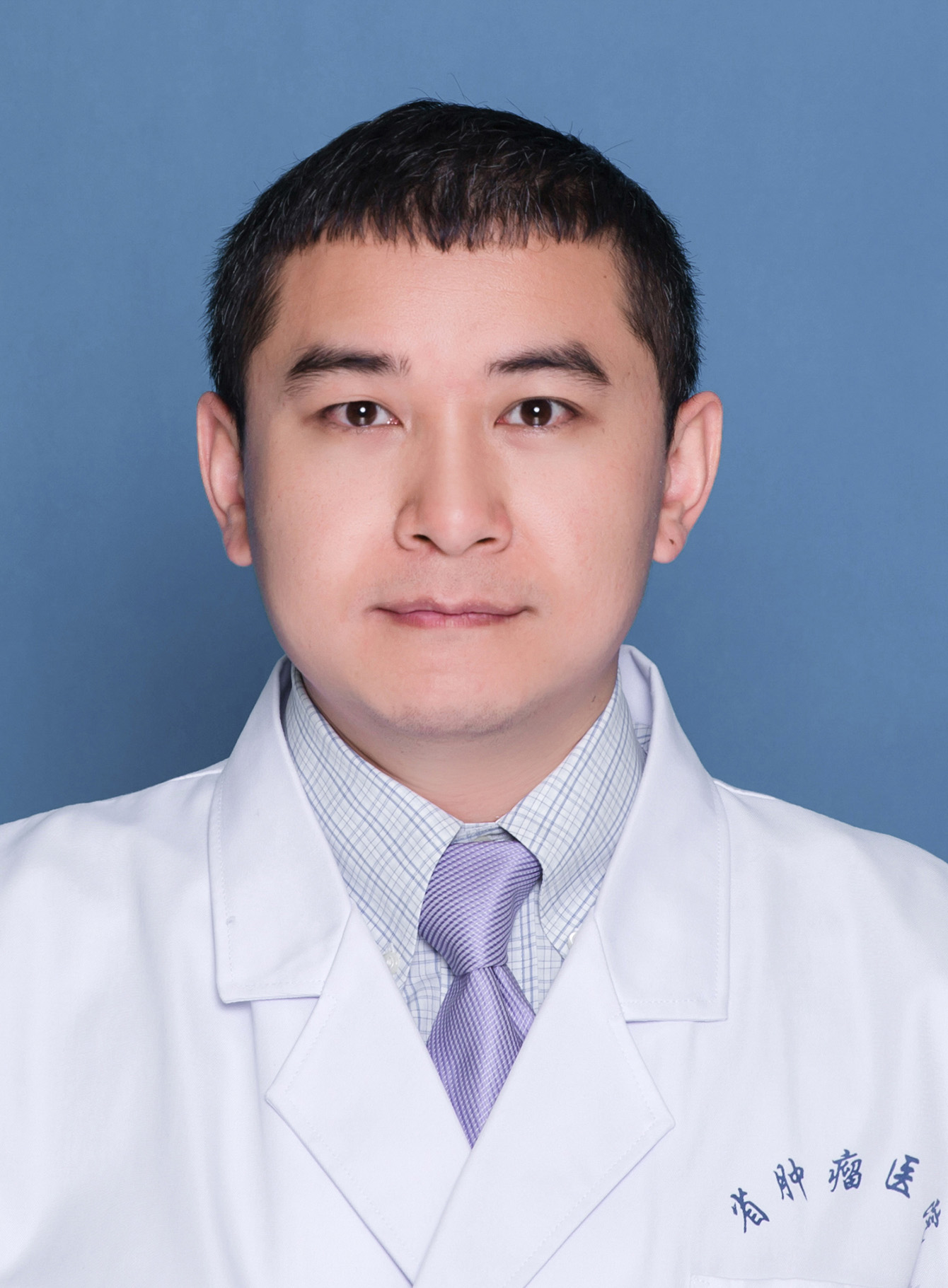 Haibo Sun (孙海波)合作论文数郑州大学附属肿瘤医院15Jianjun Qin合作论文数12Guanghui Liang合作论文数8SiNing Shen (申思宁)合作论文数8Xiufeng Wei合作论文数7Lei Xu合作论文数7Zhengshuai Zhu合作论文数6Pei-Nan Chen合作论文数6Hua Xionghuai合作论文数6Yufeng Ba (巴玉峰)合作论文数6Zhen-Xuan Li合作论文数5Baoxing Liu合作论文数5Jun Zhang (张军)合作论文数School of Mechanical and Power Engineering, Zhengzhou University5Haoran Wang合作论文数4Huiyuan Yang (杨慧远)合作论文数4Changsen Leng合作论文数3Wentao Hao合作论文数3Wei Wang合作论文数3Dongfeng Yuan合作论文数3
 Haibo Ma合作论文数3ZiMin Qin (秦子敏)合作论文数3Kun Gao (高坤)合作论文数3Zhang Jun合作论文数3
 Ming Yan (晏明)合作论文数3Keting Li合作论文数2MA Xiaochao (马晓超)合作论文数2Jianping Zhu合作论文数2Funa Yang合作论文数2Chengcheng Fan合作论文数2Dengyun Wang合作论文数2Hong Ge合作论文数2Zhao Wu (吴钊)合作论文数2Zhang Jiangong合作论文数2
 Peiyu Wang (王培玉)合作论文数School of Public Health, Peking University2
 Weijun Zhu (朱维军)合作论文数Institute of Computing Theory and Advance Computational Technology, Zhengzhou University2Jun Ma (马军)合作论文数郑州大学第二附属医院消化内科2Toni Lerut合作论文数2




