RPC has stable thermal performance in ultra-low temperature environments, with significantly lower thermal conductivity than ordinary concrete. Its thermal parameters are less affected by temperature changes, providing key data support and engineering application verification for the full concrete design of liquefied natural gas storage tanks. This article investigates the thermal properties of reactive powder concrete (RPC) in ultra-low temperature environments inside liquefied natural gas storage tanks. The study found that within the temperature range of -165 degrees C to 20 degrees C, the specific heat capacity of RPC decreases linearly with decreasing temperature, while the addition of coarse aggregates and steel fibers has little effect on it. Meanwhile, the thermal expansion coefficient of the material does not show significant changes with decreasing temperature, but the addition of coarse aggregates and steel fibers can reduce this coefficient. The thermal conductivity of RPC increases first and then decreases with the decrease of temperature, but the overall change is small, and its thermal conductivity is significantly lower than that of ordinary concrete; Coarse aggregates and steel fibers will moderately improve their thermal conductivity. Through temperature field simulation verification, the experimental test results can accurately reflect the thermal parameter characteristics of the material under actual ultra-low temperature conditions, supporting its feasibility for application in liquefied natural gas storage tank engineering.
The valorization of construction and demolition waste (C&DW) into new building materials is essential for achieving the circular economy and low-carbon targets. This study introduces the concept of totally recycled concrete (TRC), produced entirely from thermoactivated recycled cement (RC) and recycled aggregates (RA). The mechanical, durability, and microstructural properties of TRC were evaluated, alongside a quantitative assessment of embodied carbon emissions. Results show that although TRC exhibits moderate strength reductions, its performance remains within acceptable engineering ranges. The transport properties are governed by RA, with a clear correlation identified between water absorption and gas permeability, providing indicators for service-life prediction. Most importantly, carbon footprint analysis revealed that TRC reduces embodied CO2 emissions to only 29.6% and 26.1% of conventional concrete, respectively, demonstrating substantial mitigation potential. These findings highlight that integrating 100% recycled binders and aggregates enables complete C&DW recycling and offers a scalable route for carbon reduction in the construction.
Unmodified thermal-activated recycled cement (RC) has short setting time, low fluidity and high water demand. Substitution of 30 wt.% of RC with coal gangue (CG) thermally treated under 600, 700, 800, and 900 degrees C was explored, aiming to explore the modification of RC with CG through fluidity, setting time, compressive strength, X-ray diffraction (XRD), thermogravimetry (TGA), micron indentation (MI), Fourier transform infrared spectroscopy (FT-IR), and scanning electron microscopy (SEM) tests. The findings show that amorphous Al2O3 and SiO2 in calcined CG quickly reacted with CaO in RC and formed C(-A)-S-H. The inactive ingredients in CG could fill into the loose C-S-H gel, which was rapidly formed at the initial stage. RC paste modified with CG could reach a maximum 28-day compressive strength of 28.6 MPa anda 27% higher fluidity and 70% longer setting time than unmodified RC paste. In addition, more than 400% higher strength development from 3 d to 28 d was observed in CG modified RC compared to the unmodified RC. The study highlights a dual mechanism of chemical reactions and physical pore-filling, which significantly improved the performance of RC.
Aerogels are renowned for their ultra-low density and thermal conductivity, making them ideal candidates for thermal insulation. However, their inherently poor mechanical properties often require reinforcement through polymer incorporation. Nevertheless, under extreme conditions such as high temperatures or fire, the collapse of the porous structure, especially in polymer-enhanced aerogels, frequently results in the loss of insulation performance. Herein, we report a clay-based aerogel featuring excellent mechanical strength, outstanding thermal insulation, and exceptional thermal stability. By exfoliating chemically inert natural clay into two-dimensional nanosheets as the structural backbone and leveraging the synergistic effect between ionic crosslinking and polymer crosslinking, the aerogel achieves significant mechanical enhancement with a low amount of polymer addition while preserving superior thermal stability. The resulting aerogel maintains structural integrity, exhibiting 100% volume retention after 180 s exposure to a butane flame with an approximate temperature of 1300 degrees C, and shows remarkable flame retardancy under simulated fire conditions. Practical application simulations demonstrate that a 50 mm layer of the aerogel can reduce energy consumption by 87.1% in building insulation scenarios. Owing to its simple fabrication process, low cost, and easy scalability, the clay-based aerogel holds great promise as an advanced thermal insulation and flame-retardant material.
Geopolymers are emerging as a sustainable alternative to ordinary Portland cement (OPC), offering reduced CO2 emissions, excellent mechanical and durability performance, and the potential to utilize industrial byproducts. Although numerous studies have reviewed the properties of geopolymers, limited attention has been given to their durability, environmental impact, and cost analysis. This paper explores the geopolymerization process and atomic structure of geopolymers. The durability properties, cost, and environmental impacts of geopolymer concrete were comprehensively reviewed and compared with those of OPC concrete. In addition, alternative alkaline activator replacements with commercial alkaline activators have been introduced. The literature indicates that the global warming potential (GWP) of geopolymer concrete is 16 % to 90 % lower than that of OPC concrete. However, geopolymer concrete has some minor drawbacks, including higher costs and other environmental impacts. The results also reveal that using alternative activators can reduce GWP by up to 61 % and the cost of geopolymer concrete by up to 58 % compared to commercially available activators. Finally, future perspectives are outlined to address current challenges and promote the wider adoption of geopolymers in construction.
Calcium silicate hydrate (C(-A)-S-H) and its aluminosilicate counterpart (C-A-S-H) constitute the principal binding phases in Portland cement and blended systems, governing mechanical strength and durability. This paper presents a summary of the work related to dehydration of C(-A)-S-H and rehydration of dehydrated C(-A)-S-H. Their thermal dehydration, a key process for cement recycling, induces profound multi-scale transformations: at the atomic level, it alters calcium and aluminum coordination environments and disrupts chemical bonding; at the chain-structure level, it causes depolymerization of the silicate/aluminosilicate networks; and at the microstructural level, it leads to changes in nanoscale particle morphology, aggregation state, and pore structure, creating a metastable, defect-rich, high-energy state distinct from the original C(-A)-S-H. The subsequent rehydration of this dehydrated C(-A)-S-H, which is not a simple reversal but a distinct dissolution-precipitation process, enables microstructural reconstruction and restored reactivity upon contact with water. This rehydration capacity is fundamentally exploited in thermally activated recycled cement-a novel binder concept that leverages dehydration-induced metastability for renewed strength development. Understanding these interconnected processes, influenced by factors like temperature, humidity, rate, and aluminum content, is critical for advancing sustainable cement technology, enabling the design of high-performance recycled cement and concrete, and facilitating the recycling of cementitious materials.
This study investigates the synergistic hydration and sustainability of thermally activated waste concrete powder (WCP) combined with recycled cement (RC) for developing fully recycled, low-carbon binders. At replacement levels above 50%, WCP regulates hydration through coupled dilution, nucleation, and filling effects, while the rehydration of β-C2S in RC governs long-term strength. Quantitative XRD, TG, and SEM analyses revealed that the RC-based system forms predominantly amorphous C-S-H with strong interfacial bonding, whereas the CEM-based system yields more crystalline but less integrated hydrates. The R30 mixture, containing 70% WCP and 30% RC, achieved the best synergy, with 28-day strength exceeding that of the corresponding CEM system. The inert phase content of R30 is approximately 15%. The WCP-RC paste combination exhibits superior synergistic effects compared to the WCP-CEM paste combination, and the WCP-CEM system demonstrates that thermally activated WCP possesses cementitious activity. From a sustainability perspective, substituting clinker with thermally activated WCP is estimated to reduce 2.47-4.94 × 10⁸ t CO2 annually, providing a practical pathway for high-value recycling of construction waste into sustainable cementitious materials.
Limestone calcined clay cement (LC3) is a promising low-carbon binder, yet its large-scale application is constrained by the availability and processing of calcined clay. This study investigates the feasibility of thermally activated recycled cement (RC), derived from waste Portland cement paste and activated at 650 degrees C, as a functional component in LC3 systems, acting as a partial substitute for Portland cement or calcined clay. Hydration kinetics, phase assemblage, microstructure, pore structure, and mechanical performance were systematically examined using isothermal calorimetry, compressive strength testing, quantitative X-ray diffraction (QXRD), thermogravimetric analysis (TGA), mercury intrusion porosimetry (MIP), and scanning electron microscopy (SEM). The results indicate that RC actively participates in hydration, modifies early hydration kinetics through nucleation and seeding effects, and alters portlandite consumption and carboaluminate (hemicarboaluminate and monocarboaluminate) formation. An optimal RC dosage is identified, at which comparable or slightly improved 28-day compressive strength (within +/- 5 % of conventional LC3) is achieved while reducing clinker content. Microstructural analyses suggest that the precipitation of carboaluminate phases contributes to pore refinement, whereas excessive RC leads to reduced matrix compactness and strength loss. Overall, the findings demonstrate that thermally activated recycled cement can function as an effective component in LC3 systems, providing a viable pathway for integrating construction waste into low-carbon cementitious binders without compromising mechanical performance.
This comprehensive review examines the application of fractal theory and technology in the study of cementitious materials, with a focus on cement and concrete. We begin by introducing the fundamental concepts of fractal geometry and the various fractal dimensions used to quantify material features. We then explore how fractal analysis has been applied to key aspects of cementitious materials, including pore structure, particle size distribution, fracture surfaces, and crack propagation. Each section highlights the methodologies employed, the insights gained, and the implications for material design and performance. Additionally, we discuss the use of fractal-based techniques in the non-destructive testing and monitoring of structures. Finally, we address the challenges and limitations of fractal approaches and propose future directions for research in this interdisciplinary field. Fractal theory can become a useful tool in the study of cementitious materials, aiding a deeper understanding of their physical properties and long-term durability, and guiding the design of more durable and efficient construction materials by giving engineers the required knowledge on the technology and its limitations.
Cooling is the final thermal stage of Portland cement clinker production, but it has often been treated mainly as a process step for heat removal, heat recovery, and production continuity rather than as a kinetic stage governing clinker structure. This review conceptualizes clinker cooling as a phase-fixation process and shows that cooling effects cannot be fully described by a single averaged cooling rate, because different clinker phases and structural features evolve within distinct phase-critical temperature windows. Based on this temperature-window perspective, the concept of an effective cooling regime is introduced, in which clinker structure is governed by the residence time of particles within these windows. Focusing primarily on ordinary Portland cement clinker, this review critically synthesizes cooling-controlled effects on phase-specific structural evolution, including silicate polymorphism, foreign-ion-assisted polymorph stabilization, interstitial-phase crystallization, glass retention, crystal growth, and free-oxide distribution. Properly controlled rapid cooling generally favors metastable and defect-rich silicate structures, β-C₂S retention, higher glass retention, and finer dispersion of potentially deleterious free oxides, whereas slow cooling promotes structural ordering, crystal coarsening, more complete crystallization, and transformation toward more stable but often less reactive states. By synthesizing representative phase-critical temperature windows for major clinker phases/features, this review provides a temperature-window-based framework for interpreting cooling-controlled phase fixation, distinguishing phase-specific cooling-sensitive intervals rather than treating cooling as a single high-temperature stage. These windows are linked with structure-mediated performance responses, including hydration, strength development, soundness, durability-related behavior, and grindability. From an industrial perspective, model-assisted reconstruction of local cooling profiles is highlighted as a route for translating cooler operating variables into particle temperature–time histories and phase-critical thermal exposure. This structure–property perspective shifts cooling optimization from maximizing cooling intensity to controlling phase-specific thermal exposure within a balanced process window, and provides a basis for extending cooling control to low-carbon and alternative clinker systems. Insufficient consideration of cooling-controlled structural evolution may lead to inconsistent clinker reactivity, unstable strength development, increased grinding-energy demand, and higher soundness risk. For example, periclase coarsening or clustering may increase delayed-expansion risk because hydration of MgO to Mg(OH)₂ is associated with a theoretical molar solid-volume increase of approximately 118%, thereby affecting cement quality consistency in construction applications.
Untreated coral aggregates (CA) create weak interfacial transition zones (ITZs) in CA concrete. This study systematically compared seven modification techniques on CA to enhance the ITZ's micro-mechanical properties. Results show that combined modification using superfine cement, metakaolin, sand, and epoxy resin (SFCMSER) was most effective through the synergistic effect, which combines rigid reinforcement from inorganic matrix and the ductile epoxy resin to create a robust, functionally graded interphase. Compared to unmodified CA, this treatment increased the cylinder compressive strength of CA by 147%, reduced 1-h water absorption by 85.77%, and decreased the ITZ thickness from 60 mu m to 15-25 mu m. Microhardness testing revealed that the porous ITZs were transformed to dense and high-strength platforms with smoothly transitioning mechanical properties. By constructing functionally graded interfacial phases (FGI), this reinforcement method transformed the microscopic damage mode from brittle fracture to plastic energy dissipation in ITZs.
This study proposes an effective strategy to simultaneously enhance the mechanical performance and CO2 sequestration capacity of limestone calcined clay cement (LC3) incorporating low-grade calcined clay through aqueous carbonation. 25% of the cement fraction in LC3 was subjected to aqueous carbonation for 10 to 40 min with a water-to-solid ratio of 2.0, leading to the in-situ precipitation of nano-sized CaCO3. A maximum CO2 uptake of 15.78% was achieved after 40 min of carbonation. After mixing with the remaining materials of the LC3 formulation, the synergistic dilution and nucleation effects of in-situ nano CaCO3 promoted the hydration of silicate and aluminate phases, thereby refining the pore structure of LC3. At 3 days, the fraction of fine capillary pores (10-50 nm) increased remarkably, reaching 54% and 60% after 30 and 40 min of carbonation, respectively, and this refinement was largely preserved at 28 days. Consequently, the 28-day compressive strength of LC3 mortars increased by 34.93% and 32.07% at carbonation durations of 30 and 40 min, respectively, compared with the control group. However, substantial consumption of portlandite during pre-carbonation constrained the later development of carboaluminate phases, which highlights a trade-off between enhanced early hydration and limited availability of secondary hydration products. These findings offer new insights into the role of in-situ CaCO3 precipitation in modifying hydration and pore structure, demonstrating that aqueous carbonation is an effective route to enhance LC3 performance while facilitating CO2 sequestration.
The transportation of natural aggregates to remote islands incurs substantial logistical costs, driving increased utilization of locally available coral aggregates (CA) in marine construction. However, CA application in coral aggregate concrete (CAC) remains constrained by the material's inherent limitations, including low mechanical strength, high porosity, and elevated salt content. While existing studies predominantly focus on singular modification strategies, understanding the synergistic mechanisms of combined modification techniques remains insufficient. This research systematically examines five modification methods, specifically contrasting individual treatments with composite approaches. Results demonstrate that, the composite technique integrating cement paste coating and corrosion inhibitor (CI) immersion (C-CI) yielded the most pronounced improvements: cylinder compressive strength surged by 91.9 %, and the crushing index decreased by 19.2 % compared to untreated CA. Additionally, the use of this method resulted in a 31.0 % increase in the compressive strength of CAC. These improvements stem from synergistic pore-filling, chloride adsorption, and enhanced bonding at the interfacial transition zone (ITZ) between CA and cement matrix. The research establishes a methodology for optimizing CAC in marine engineering through integrated modification approaches that address CA's intrinsic deficiencies.
The effects of replacing calcined clay with sewage sludge ash (SSA) treated under room temperature and high temperature ranging from 500 °C to 900 °C in limestone calcined clay cement (LC3) have been investigated in this paper. The optimal calcination temperature for SSA was found to be 800 °C based on the results of strength and microstructure observations. The main inorganic components of sludge ash are Fe2O3, SiO2, Al2O3, and CaO, which are very similar to the components of calcined clay in LC3, but with a very high content of Fe2O3 (55–61%) and P2O5 (9–10%). With different levels of the replacement of calcined clay with calcined SSA, setting time, compressive strength, XRD, TG/DSC, and SEM analyses of the modified LC3 pastes were conducted to identify the chemical compositions, physical properties, hydration products, microstructure, and the heavy metal contaminants within the pastes, which were compared to the results for normal LC3 paste. The incorporation of SSA significantly altered the morphologies of Ca(OH)2 and CaCO3, as well as modified the microstructure of the LC3 paste. In comparison to the pure OPC group, the LC3 pastes containing SSA exhibited a reduced Ca(OH)2 content and an increased CaCO3 content. Furthermore, the modified LC3 pastes with calcined SSA effectively facilitated the immobilization of heavy metal ions in SSA. The findings indicate the potential viability of utilizing calcined SSA as a replacement for calcined clay in LC3.
Concrete structures in the Hong Kong–Zhuhai–Macau (HZM) sea link project are designed for a working life of 120 years; to ensure this length of service life, an efficient yet rational strategy for the long-term durability planning and management must be established. Herein, we comprehensively review various data-driven and model-based approaches to the long-term durability planning and management of these concrete structures. To this purpose, we constructed a smart durability database with self-cleaning and self-predicting capacities. Durability models used in the durability assessment and planning are described, together with their different combinations adapted to different scenarios. Using the constructed database and models, we developed a method for durability planning based on life cycle cost analysis and devised basic maintenance schemes and plans. Lastly, several crucial aspects related to long-term durability maintenance and planning of concrete structures were highlighted.
Hydration of synthesized C3S samples (93.7% C3S + 6.3% C2S) with different water-solid ratios and the subsequent carbonation of the hydration products (mainly hydrated calcium silicate (C-S-H)) were investigated through FTIR, TG, and XRD experiments. It was observed that a higher water-solid ratio induced a faster hydration rate of C3S and a higher amount of C-S-H, but the C-S-H was found to have a higher carbonation rate because of a looser microstructure and a lower Ca/Si ratio compared to that in low water-solid groups. In addition, the carbonation products CaCO3 became less stable in the high water-solid groups, and changed from calcite to aragonite with increasing water-solid ratios. However, upon surpassing a particular threshold of the water-solid ratio, both the hydration rate of C3S and the carbonation rate of C-S-H became stable. This study could provide a better understanding on key factors influencing cement hydration and C-S-H carbonation.
White marble is widely used in many historical architectures. After prolonged exposure to environmental and human factors, white marble often suffers from damage such as cracking, surface deterioration and crusting. This study investigates the relationship between ultrasonic velocity attenuation and the surface deterioration within white marble samples, as well as the correlation between the depth of surface-deterioration layer and other deterioration indicators. To assess this, white marble samples from the same source of stones in Forbidden City of China underwent three types of deterioration experiments: acid dissolution, salt crystallization, and acid-salt coupling, over 72 days of cyclic testing. Ultrasonic testing revealed that the acid-salt coupling group exhibited the highest deterioration rate, with a 20.5 % attenuation of ultrasonic wave velocity after 30 cycles. The acid dissolution group showed a 18.6 % velocity attenuation, while the salt crystallization group demonstrated minimal deterioration (4.4 % velocity attenuation). Scanning electron microscopy and X-ray diffraction confirmed that the deterioration primarily involved dolomite particle dissolution, with no new chemical phases formed. The exponential relationship between ultrasonic velocity attenuation (Delta Vp in %) and deterioration depth (Delta in mm) was established, enabling non-destructive quantification of surface deterioration. These findings provide valuable quantitative metrics for assessing and preserving white marble cultural heritage.
To mitigate the environmental impacts of cement production, which contributes to more than 7 % of global CO2 emissions, strategies such as the use of supplementary cementitious materials (SCMs), the development of new low-carbon cementitious materials, and the incorporation of recycled waste materials have been implemented. This study comprehensively investigates the chemical changes and microstructural evolution of CO2-cured recycled cement pastes from different waste SCMs blends, including silica fume (SF), fly ash (FA), groundgranulated blast-furnace slag (GGBS), and limestone (LS). Using 29Si NMR, TG, QXRD, SEM, TEM, MIP, and mechanical tests, we identify distinct carbonation patterns between different recycled SCMs-blended cement (RBC) pastes. These differences are attributed to variations in (3-C2S, calcium hydroxide, and C2AS (gehlenite) content. The thermal activation temperature plays a significant role in the carbonation behavior of RBC pastes, with higher temperatures leading to increased crystallization of (3-C2S and a reduction in crystalline defects. The enhanced compressive strength of RBC pastes under CO2 curing is linked to the carbonation of portlandite and belite at the surface, resulting a "C-S-H and silica gel matrix inlaid with a polycrystalline CaCO3 hoop layer" that markedly improves microstructural densification and decreases total porosity. With a low-carbon emission of 0.237-0.316 tCO2/t during RBC paste production and its potential for CO2 capture, RBC presents an obvious potential as a negative-carbon cementitious material.
 Lei Xu合作论文数31
 YuLi Wang (王雨利)合作论文数School of Materials Science and Engineering, Henan Polytechnic University24
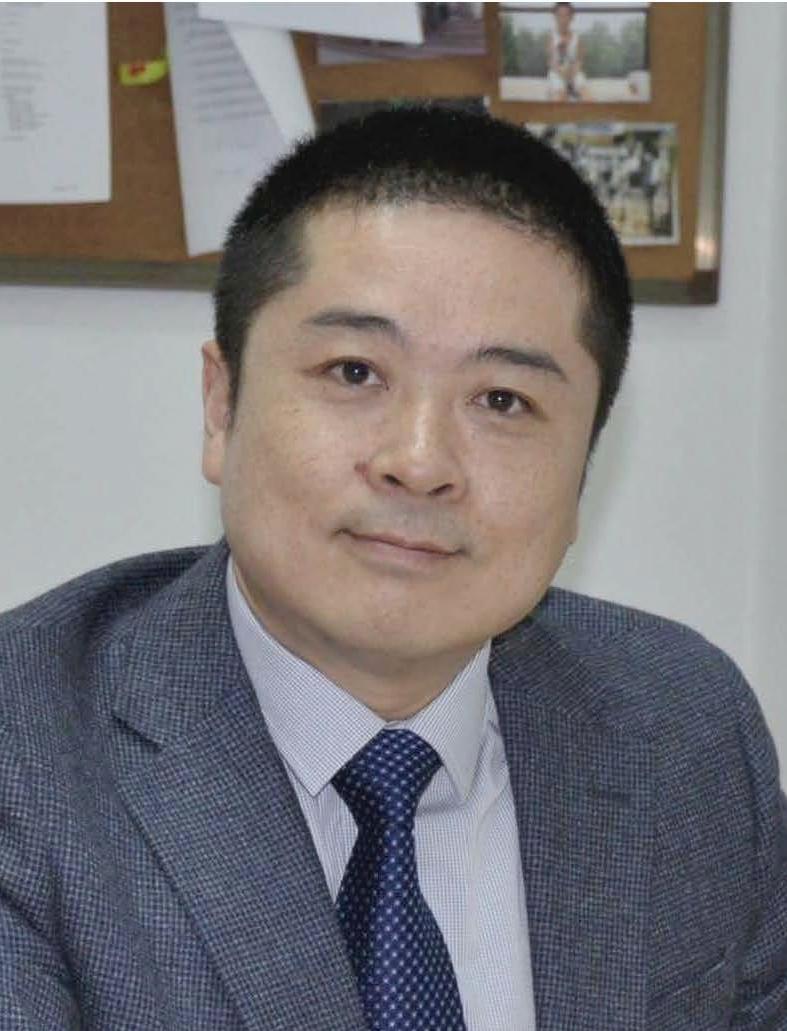 Kefei Li (李克非)合作论文数Department of Civil Engineering, School of Civil Engineering, Tsinghua University22
 Jianhe Xie (谢建和)合作论文数School of Civil and Transportation Engineering, Guangdong University of Technology15
 Bo Ran (冉波)合作论文数College of Materials Science and Engineering, Chongqing University13
 Hang He (贺航)合作论文数11Rong Huang合作论文数10Molan Li合作论文数9
 Yi Zhang (张熠)合作论文数School of Civil Engineering, Southeast University8Chi Fang合作论文数7
 Dong Xiang (向东)合作论文数School of New Energy and Materials, Southwest Petroleum University7
 Yongliang Liu (刘永亮)合作论文数School of Mechanical and Aerospace Engineering, Jilin University7
 Xiaochuan Hu合作论文数6Huiyu Tang合作论文数6
 Le Li (李乐)合作论文数School of Public Health, University of South China6Siyu Lin合作论文数5Engui Liu合作论文数5Mulan Mu合作论文数5Jianbai Zhao合作论文数4Yun Bai合作论文数Department of Civil, Environmental and Geomatic Engineering, Faculty of Engineering Sciences, University College London4
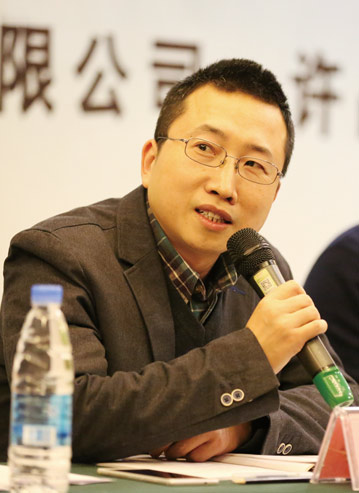 Tingyu Hao (郝挺宇)合作论文数Central Research Institute of Building and Construction Co., Ltd., MCC Group4
 Hailong Wang (王海龙)合作论文数College of Civil Engineering and Architecture, Zhejiang University4
 Sreejith V. Nanukuttan合作论文数Belfast School of Planning Architecture and Civil Engineering David Keir Building, Queen’s University4
 Xiangming Zhou合作论文数Department of Civil Engineering, The Hong Kong University of Science and Technology4Pukang He合作论文数3Lifan Zheng合作论文数3
 Jiuwen Bao合作论文数3
 Shenghua Wu合作论文数University of South Alabama3Chonghao Wang合作论文数3
 Xue Shanbin (薛善彬)合作论文数3
 Lijuan Li (李丽娟)合作论文数3
 Peng Zhang (张鹏)合作论文数School of Civil Engineering, Qingdao University of Technology3
 Zheng Ling (凌铮)合作论文数School of Energy and Power Engineering, Dalian University of Technology3
 Liu Feng合作论文数3
 Xiaoyan Sun (孙晓燕)合作论文数College of Civil Engineering and Architecture, Zhejiang University3
 Sudong Wu (吴苏冬)合作论文数3
 Yahong Ding (丁亚红)合作论文数河南理工大学土木工程学院3
 P A Muhammed Basheer合作论文数School of Civil Engineering, Faculty of Engineering and Physical Sciences, University of Leeds3daoxun ma合作论文数2Yuanjin Zhao合作论文数2Taisen Zhao合作论文数2Bingxue Zhang合作论文数2Zhibin Gao合作论文数2Yong Lai合作论文数2
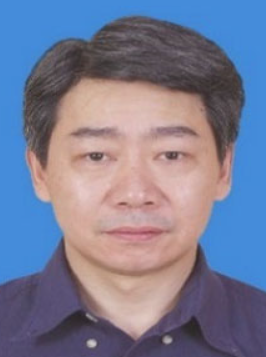 Shengnian Wang (王胜年)合作论文数China Communications Fourth Navigation Engineering Bureau Co., Ltd.;Southern Marine Science and Engineering Guangdong Laboratory (Zhuhai)2Yaopu Guo合作论文数2Tingyu Wang合作论文数2
 Qihang Zhang合作论文数2Jiahui Cheng合作论文数2




