Several reports have indicated that chimeric antigen receptor (CAR) T-cell therapy following autologous hematopoietic stem cell transplantation (ASCT) is a promising strategy for refractory/relapsed (r/r) central nervous system lymphoma (CNSL), but the number of reported cases is limited. The cohort in this retrospective study consisted of 38 patients with r/r CNSL who received CAR T-cell therapy following ASCT at our center between January 2019 and April 2024. Group comparisons of continuous variables were tested using the unpaired Student’s t-test or the Mann–Whitney U-test, while categorical variables were analyzed using Fisher's exact test. The Kaplan–Meier method was employed to estimate survival curves, and group comparisons were performed using the log-rank test. The cohort comprised 38 patients with r/r CNSL, all of whom had active CNS involvement. After therapy, the best overall response rate (ORR) of all patients was 78.9
BackgroundAnaplastic lymphoma kinase-positive anaplastic large cell lymphoma (ALK+ ALCL) is a rare, mature T-cell non-Hodgkin lymphoma. The prognosis of patients with relapsed or refractory ALCL following first-line chemotherapy is extremely poor. NCCN guidelines recommend intensified chemotherapy with or without ASCT consolidation for r/r ALCL, however, this is not an effective treatment for all ALK+ALCL.Case reportHerein, we report a patient with relapsed/refractory ALK+ ALCL who received crizotinib and brentuximab vedotin as bridging therapy, followed by autologous stem cell transplantation and sequential anti-CD30 CAR T cell therapy.ConclusionThe patient achieved complete remission and long-term disease-free survival of months and continues to be followed up. The combination therapy model in this case may provide guidance for the management of relapsed/refractory ALK+ ALCL, and further prospective trials are needed to confirm its effectiveness.
1000G 1000 Genomes Project allo-HSCT allogeneic hematopoietic stem cell transplantation anti-PD-1 anti-programmed cell death protein 1 antibody
Abstract Purpose The characteristic of RENT3B in cancer remains ambiguous. We aimed to study the relationship between RENT3B and immune infiltration in liver hepatocellular carcinoma (LIHC) and lung squamous cell carcinoma (LUSC). Patients and methods We investigated the expression levels of RENT3B using ONCOMINE and TIMER databases, and assessed the interrelationship between RENT3B expression and survival using PrognoScan, GEPIA, and Kaplan–Meier plotter. Additionally, we examined the association between RENT3B and immune cells in the tumor microenvironment (TME), as well as markers of immune cells, using TIMER. Subsequently, we performed prognostic analysis based on the expression level of RENT3B within specific immune cell subgroups. Furthermore, we evaluated the promoter methylation profile of RENT3B between tumor and normal tissues in LIHC and LUSC using the DNMIVD database. Results RENT3B exhibited increased levels in both in LIHC and LUSC. High RENT3B expression was associated with unfavorable prognosis in LIHC, whereas it indicated a beneficial prognosis in LUSC. In LIHC, the expression of RENT3B positively correlated with immune infiltration levels of B cells, CD4 + T cells, CD8 + T cells, neutrophils, macrophages, and dendritic cells. However, in LUSC, the expression of RENT3B showed a negative correlation with immune infiltration levels of B cells, CD8 + T cells, neutrophils, macrophages, and dendritic cells. RENT3B exhibited positive correlations with 42 immune markers in LIHC, while it displayed negative associations with 10 immune markers in LUSC. Despite variations in immune cell enrichment and reduction subgroups, high RENT3B expression consistently indicated poor prognosis in LIHC, whereas it remained favorable in LUSC. Additionally, there were no significant differences observed in RENT3B promoter methylation between tumor and normal tissues in both LIHC and LUSC. Conclusion RENT3B can affect the overall tumor prognosis and is associated with immune infiltration, especially in LIHC and LUSC. Consequently, RENT3B can become a prognostic biomarker for LIHC and LUSC.
滤泡性淋巴瘤(follicular lymphoma,FL)是非霍奇金淋巴瘤(non-Hodgkin lymphoma,NHL)中常见的类型之一[1].对于复发难治FL患者的治疗,目前仍缺乏统一标准的治疗方案[2,3].
Background: TP53-mutated DLBCL may be refractory to rituximab plus cyclophosphamide, doxorubicin, vincristine, and prednisone (R-CHOP). The A53 subtype was reported to be sensitive to Bruton's tyrosine kinase inhibitors (BTKi). Orelabrutinib (O), a novel BTKi with high selectivity for B-cell lymphomas, combined with R could produce higher anti-tumor effects. O plus R-CHOP-like regimens have shown an encouraging efficacy and acceptable safety in the first-line therapy of DLBCL. Methods: This study retrospectively collected data on the efficacy and safety of patients (pts) with TP53-mutated DLBCL who received OR-CHOP-based regimens as the first-line therapy between Mar 2021 and Mar 2023. The primary endpoint was complete response (CR) rate at the end of treatment (EOT). Results: Seven pts (4 males; median age, 56.0 years) were included. Key baseline characteristics included 71.4% IPI score 2-5, 57.1% Ann Arbor stage III-IV, 57.1% non-GCB, 28.6% ECOG PS 2-3, 42.9% MYD88&CD79B co-mutations, 57.1% extranodal lesions, 14.3% HBV and 0% EBV. Two pts had transformed DLBCL from follicular lymphoma. Of 7 pts, 5 pts received OR-CHOP, 2 OR-CHOP plus lenalidomide. With a median follow-up of 9.1 months (range, 3.5-11.8 months), 4 pts completed first-line therapy and 1 died due to progressive disease after 2.5-month discontinuation of medication for economic reasons. Of these 5 pts, 4 (80.0%) achieved a CR at the EOT. During the whole therapy, 4 of 7 (57.1%) pts had a CR as best response; 2 (28.6%) pts with a PR remained on treatment (Table 1 and Figure 1). As cut-off date (March 26, 2023), median progression-free survival and overall survival were not reached, with 12-month PFS rate of 80.0% and 12-month OS rate of 75.0%. Most common adverse events (AEs) of any grade were erythropenia (6 [85.7%]), infection (5 [71.4%]), fever (4 [57.1%]), and anemia (4 [57.1%]), with 71.4% grades 3-4. AEs associated with BTKi off-target activities such as atrial fibrillation, hypertension, and hemorrhage were not reported. Conclusions: These data supported that OR-CHOP-based regimens had favorable anti-tumor activity and manageable safety profile in pts with TP53-mutated DLBCL. BTKi related off-target AEs were rarely observed. More prospective studies are warranted to validate our findings.
This file contains sequence validation of β-catenin in lentiviral expression vector.
Background Long-term outcome is unfavourable for relapsed/refractory (r/r) lymphoma patients who are resistant to salvage chemotherapy, even after subsequent autologous stem-cell transplantation (ASCT). Although anti-CD30 chimeric antigen receptor (CAR30) T-cell therapy induces high response rates in these patients, the duration of response is relatively limited. Methods This open-label, single-center and single-arm pilot study investigated the safety and efficacy of ASCT in tandem with CAR30 T-cell infusion in r/r CD30 + lymphoma. The primary endpoint was safety and key secondary endpoint was overall response rate, overall survival, progression-free survival, and duration of response. Results Five classical Hodgkin lymphoma (cHL) patients and 1 anaplastic lymphoma kinase (ALK)-negative anaplastic large cell lymphoma (ALCL) patient were enrolled. The median age was 24 years. No patient had prior ASCT. Three patients (50.0%) relapsed for ≥ 2 times and 3 patients (50.0%) had primary refractory diseases. All had a Deauville score of 4 or 5, and 5 patients (83.3%) had a stable or progressive disease (SD/PD) at enrollment. All patients received myeloablative chemotherapy and infused CD34-positive hematopoietic stem cells (HSCs) and CAR30 T cells in tandem, with a median dose of 3.9 × 10 6 /kg and 7.6 × 10 6 /kg, respectively. Five paitents presented with cytokine release syndrome (CRS), all of which were grade 1. No neurotoxicity was observed. All patients had successful HSCs engraftment and reached an objective response, including 5 (4 cHL and 1 ALCL, 83.3%) with a complete response (CR) and 1 with a partial response (PR). With a median follow-up of 20.4 (range, 12.1–34.4) months, all remained alive and maintained their responses. Conclusion Our work demonstrates the combined administration of ASCT and CAR30 T-cell therapy is well-tolerate and highly effective in r/r cHL and ALCL, even in PET-positive or chemorefractory patients who are expected to have inferior outcome after ASCT, although further large-scaled validation in prospective clinical trial is warranted. Trial registration The trial was registered with the Chinese Clinical Trial Registry (ChiCTR, number ChiCTR2100053662).
Central nervous system lymphoma (CNSL) includes primary and secondary subtypes. It is associated with poor prognosis even after aggressive therapies. Primary CNSL involves mainly the brain, eyes, leptomeninges and spinal cord, without evidence of systemic non-Hodgkin’s lymphoma (NHL). Secondary CNSL refers to involvement of the CNS secondary to systemic NHL. Chimeric antigen receptor T (CAR-T) cells are genetically engineered T-cells directed against tumor target antigens. CAR-T-cells have shown encouraging results in treating B-cell malignancies. Clinical data on CAR-T-cells in CNSL treatment are limited, because of concerns regarding the immunoprivileged status of the CNS and the possibility of immune effector cell-associated neurotoxicity syndrome. Clinical trials on CAR-T therapy for CNSL are increasingly being conducted to evaluate its efficiency and safety since CAR-T-cells have been detected in the cerebrospinal fluid from a patient with PMBCL who received CAR-T-cell therapy. Current data suggest that CAR-T-cells are an emerging therapeutic modality for CNSL with clinical benefits and acceptable adverse effects. However, whether CAR-T therapy may be a promising therapeutic avenue remains controversial, because evidence from large-scale randomized clinical trials remains lacking. Herein, we provide a review of existing clinical data on CAR-T-cell therapy for CNSL, discuss the limitations of CAR-T-cells in CNSL treatment and hypothesize strategies to overcome these challenges.
Periodontitis involves the loss of connective tissue attachment and alveolar bone. Single cell RNA-seq experiments have provided new insight into how resident cells and infiltrating immune cells function in response to bacterial challenge in periodontal tissues. Periodontal disease is induced by a combined innate and adaptive immune response to bacterial dysbiosis that is initiated by resident cells including epithelial cells and fibroblasts, which recruit immune cells. Chemokines and cytokines stimulate recruitment of osteoclast precursors and osteoclastogenesis in response to TNF, IL-1β, IL-6, IL-17, RANKL and other factors. Inflammation also suppresses coupled bone formation to limit repair of osteolytic lesions. Bone lining cells, osteocytes and periodontal ligament cells play a key role in both processes. The periodontal ligament contains cells that exhibit similarities to tendon cells, osteoblast-lineage cells and mesenchymal stem cells. Bone lining cells consisting of mesenchymal stem cells, osteoprogenitors and osteoblasts are influenced by osteocytes and stimulate formation of osteoclast precursors through MCSF and RANKL, which directly induce osteoclastogenesis. Following bone resorption, factors are released from resorbed bone matrix and by osteoclasts and osteal macrophages that recruit osteoblast precursors to the resorbed bone surface. Osteoblast differentiation and coupled bone formation are regulated by multiple signaling pathways including Wnt, Notch, FGF, IGF-1, BMP, and Hedgehog pathways. Diabetes, cigarette smoking and aging enhance the pathologic processes to increase bone resorption and inhibit coupled bone formation to accelerate bone loss. Other bone pathologies such as rheumatoid arthritis, post-menopausal osteoporosis and bone unloading/disuse also affect osteoblast lineage cells and participate in formation of osteolytic lesions by promoting bone resorption and inhibiting coupled bone formation. Thus, periodontitis involves the activation of an inflammatory response that involves a large number of cells to stimulate bone resorption and limit osseous repair processes.
Introduction: Two murine anti-CD19 scFv based chimeric antigen receptors T cell (CAR-T) products have been approved by FDA for children and adults R/R B-ALL patients, with about 50%-70% complete remission (CR) rates. Humoral and/or cellular immune responses against murine scFv may attenuate the efficacy. To reduce immunogenicity of murine scFv, we developed an optimal humanized anti-CD19 CAR-T product named pCAR-19B, which have a CAR structure including humanized CD19 specific scFv following 4-1BB and CD3ζ cytoplasmic domain. Here we report the preliminary safety and efficacy data for the adults R/R B-ALL patients in a phase I clinical trials. Methods: In the phase Istudy (NCT04888442), Eligible patients were histologically confirmed CD19+ B-ALL, KPS>60, relapsed or refractory to standard therapies. Patients received single-dose of pCAR-19B at dose level 1 (DL1) (0.6×10⁶ CAR/kg), level 2 (DL2) (2×10⁶ CAR/kg) after fludarabine (25-30 mg/m2 × 3 days) and cyclophosphamide (10-20mg/ kg× 3 days) based pre-condition. Toxicity was graded by CTCAE, CRS and ICANS were graded by ASTCT criteria. Primary endpoint is the incidence of dose-limiting toxicities (DLTs) in the first 28 days. Secondary endpoints are cellular kinetics, overall response rate (CR/CRi), duration of response, and overall survival. Results: As of June 30, 2022, nine patients (3 in DL1, 6 in DL2) were infused with pCAR-19B and all patients have finished at least 6 months follow up visit. Demographics, baseline disease, prior treatment and special concerned adverse events are presented in the table. CAR-T-related adverse events occurred in 9 patients (9/9, 100%), no adverse events leading to patient withdrawal from the study occurred. 8 patients (8/9, 89%) experienced cytokine release syndrome (CRS), including 5 (5/9, 56%) grade 1, 3 (3/9, 33%) grade 2, and no grade 3 or higher CRS occurred. Two patients (2/9, 22%) experienced immune effector cell-associated neurotoxicity syndrome (ICANS), including 1 (1/9, 11%) grade 1, 1 (1/9, 11%) grade 2, and no grade 3 or higher ICANS occurred. No DLTs were reported. 100% (9/9) CR/CRi was achieved in the first month after CAR-T infusion. The relapse-free survival (RFS) is presented in the figure. The median OS and RFS is not reached yet. No anti-CAR antibody was detected in any patients in 1M and 3M after CAR-T infusion. Conclusion: pCAR-19B has demonstrated a good safe profile and 100% CR rate in phase I study for adults R/R CD19+ B-ALL. The muti-center pivotal study is going to recruit patients soon in China. Figure 1View largeDownload PPTFigure 1View largeDownload PPT Close modal
7532 Background: Long-term outcome is unfavorable for patients with relapsed/refractory (r/r) classical Hodgkin lymphoma (cHL) who are resistant to salvage chemotherapy, even followed by autologous stem cell transplantation (ASCT). Long-term survival is most likely achieved in patients who are sensitive to salvage therapy and have a complete response (CR) before ASCT, while outcome is poor in patients with residual disease. Although CD30-directed chimeric antigen receptor (CAR30) T-cell therapy induces high response rates in these patients, the duration of response is limited. Methods: We conducted an open-label, single-center and single-arm pilot study to explore the safety and efficacy of ASCT in tandem with CAR30 T-cell infusion in r/r CD30 + lymphoma (Chinese Clinical Trial Registry, number ChiCTR 2100053662). Patients will receive BEAM as preconditioning. HSCs are infused at day zero and followed by the infusion of 3rd generation CAR30 T cells in the next week. Between June 1, 2019 to May 1, 2021, 6 patients enrolled, including 5 with cHL and 1 with anaplastic lymphoma kinase-negative anaplastic large cell lymphoma (ALCL). The median age was 24 years. No patient had a prior history of ASCT. Three patients (50.0%) relapsed ≥ 2 times and 3 patients (50.0%) had primary refractory diseases. All had a Deauville score of 4 or 5, and 5 patients (83.3%) had a stable or progressive disease (SD/PD) to previous treatments at enrollment. Results: CD34 + cells were infused at day zero with a median dosage of 3.9 (IQR, 3.2-6.1) × 10 6 /kg and followed by the infusion of CAR30 T cells with a median dosage of 7.6 (IQR, 5.5-9.7 ) ×10 6 /kg at +2 to +6 days. Cytopenias represented the most commonly severe advers events (≥ grade 3). The engraftments of neutrophil or platelet occured at a median time of 13.5 (IQR,12.3-14.0 ) days or 11.5 (IQR, 11.0-12.8) days, respectively, suggesting rapid multilineage engraftments post-ASCT. Cytokine release syndrome (CRS) was observed in 5 (83.3%) patients, all of which were grade 1. No neurotoxicity or severe infection was observed. At month 3 after HSC infusion, all patients achieved objective responses, including 5 (83.3%) with a CR and 1 with a patial response (PR). With a median follow-up of 18.2 (range, 9.9-32.1) months, the median PFS and OS were not reached. At January 31, 2022, the data-cutoff date, all patients maintained their responses and remained alive without disease relapse or progression. Of note, responses were sustained in all 5 patients who had a SD/PD at enrollment. Conclusions: Our work demonstrates tandem administration of ASCT and CAR30 T-cell therapy was well-tolerated and highly active in r/r HL and ALCL, even in PET-positive or chemorefractory patients who were expected to have inferior outcome after ASCT, although further large-scale validation in prospective clinical trial is warranted. Clinical trial information: ChiCTR2100053662.
Acute myeloid leukemia (AML) is a deadly cancer characterized by an expanded self-renewal capacity that is associated with the accumulation of immature myeloid cells. Emerging evidence shows that methyl-CpG-binding domain protein 2 (MBD2), a DNA methylation reader, often participates in the transcriptional silencing of hypermethylated genes in cancer cells. Nevertheless, the role of MBD2 in AML remains unclear. Herein, by using an MLL-AF9 murine model and a human AML cell line, we observed that loss of MBD2 could delay the initiation and progression of leukemia. MBD2 depletion significantly reduced the leukemia burden by decreasing the proportion of leukemic stem cells (LSCs) and inhibiting leukemia cell proliferation in serial transplantation experiments, thereby allowing leukemic blasts to transition to a more mature state reflecting normal myelopoiesis. Both gene expression analyses and bioinformatic studies revealed that MBD2 negatively modulated genes related to myeloid differentiation, and was necessary to sustain the MLL-AF9 oncogene-induced gene program. We further demonstrated that MBD2 could promote LSC cell cycle progression through epigenetic regulation of CDKN1C transcription probably by binding to its promoter region. Taken together, our data suggest that MBD2 promotes AML development and could be a therapeutic target for myeloid malignancies.
Cholangiocarcinoma (CCA) still has a very unfavorable prognosis with a very high mortality, which is complicated by a lack of prognostic biomarkers. In this study, CCA patients in the Gene Expression Omnibus (GEO) cohort were categorized into two subtypes. Differentially expressed and methylated genes were identified, and the impact of DNA methylation in the trans‐regulation of gene expression was investigated. Finally, a CIMP‐related methylation signature specific for CCA (CMSC) was trained in GEO and validated in the Tongji cohort. A subset of patients with CIMP‐H was identified, which was correlated with an unfavorable prognosis. Gene enrichment analysis implied the potential mechanism of CIMP as a promoter of carcinogenesis by regulating proliferation. The trans‐regulation among differentially methylated CpG sites and genes with the same change trends was positively correlated, while the converse situation showed a negative correlation. Notably, CMSC based on four genes could significantly classify CCA patients into low‐ and high‐risk groups in the GEO cohort, and the robustness of CMSC was validated in the Tongji cohort. The results of receiver operating characteristic analysis further indicated that CMSC was capable of highly sensitive and specific prediction of the patient outcomes in CCA. In conclusion, our work highlights the clinical significance of CMSC in the prognosis of CCA.
DNA methylation alters the expression of certain genes without any alteration to the DNA sequence and is a dynamic process during normal hematopoietic differentiation. As an epigenetic regulator, methyl-CpG-binding domain protein 2 (MBD2) is an important member of the MBD protein family and is acknowledged as a "reader" of DNA methylation. We used a mouse model to study the effects of MBD2 on the early development of T cells. Here, we found that MBD2 deficiency led to retardation of T cell differentiation at the DN3 stage. Meanwhile, decreased proliferative capacity and increased apoptosis were detected in Mbd2(-/-) DN thymocytes. Furthermore, we found the WNT pathway was significantly down-regulated in Mbd2(-/-) DN thymocytes: DKK1 (Dickkopf-1) expression was significantly increased, while TCF7 (transcription factor 7) and c-MYC were downregulated. Thus, these findings established that MBD2 acted as a dominant regulator to imprint DN T cell development via the WNT pathway.
Hematopoietic stem cells constitute a unique subpopulation of blood cells that can give rise to all types of mature cells in response to physiological demands. However, the intrinsic molecular machinery that regulates this transformative property remains elusive. In this paper, we demonstrate that small GTPase Rheb1 is a critical regulator of proliferation and differentiation of hematopoietic stem cells in vivo. Rheb1 deletion led to increased phenotypic hematopoietic stem cell/hematopoietic progenitor cell proliferation under a steady state condition. Over-proliferating Rheb1-deficient hematopoietic stem cells were severely impaired in functional repopulation assays, and they failed to regenerate the blood system when challenged with hematopoietic ablation by sublethal irradiation. In addition, it was discovered that Rheb1 loss resulted in a lack of maturation of neutrophils / caused neutrophil immaturation by reducing mTORC1 activity, and that activation of the mTORC1 signaling pathway by mTOR activator 3BDO partially restored the maturation of Rheb1-deficient neutrophils. Rheb1 deficiency led to a progressive enlargement of the hematopoietic stem cell population and an eventual excessive myeloproliferation in vivo, including an overproduction of peripheral neutrophils and an excessive expansion of extramedullary hematopoiesis. Moreover, low RHEB expression was correlated with poor survival in acute myeloid leukemia patients with normal karyotype. Our results, therefore, demonstrate a critical and unique role for Rheb1 in maintaining proper hematopoiesis and myeloid differentiation.
Aberrant methylation of tumour suppressor genes is associated with the progression to a blast crisis in chronic myeloid leukaemia (CML). Methyl-CpG-binding domain protein 2 (MBD2) has been studied as a "reader" of DNA methylation in many cancers, but its role in CML is unclear. We constructed cell models of a homozygous deletion mutation of MBD2 using gene-editing technology in K562 cells and BV173 cells. Here, we demonstrated that the deletion of MBD2 inhibited cell proliferation capacity in vitro. MBD2 deletion also significantly inhibited K562 cell proliferation in a xenograft tumour model in vivo. Additionally, the JAK2/STAT3 signalling pathway, which is abnormally active in CML, was inhibited by MBD2 deletion, and MBD2 deletion could up-regulate the expression of SHP1. In conclusion, our findings suggest that MBD2 is a candidate therapeutic strategy for the CML blast phase.
Abstract Aberrant DNA methylation patterns in leukemia might be exploited for therapeutic targeting. In this study, we employed a genetically deficient mouse model to explore the role of the methylated DNA binding protein MBD2 in normal and malignant hematopoiesis. MBD2 ablation led to diminished lymphocytes. Functional defects of the lymphoid compartment were also observed after in vivo reconstitution of MBD2-deficient hematopoietic stem cells (HSC). In an established model of Notch1-driven T-cell acute lymphoblastic leukemia (T-ALL), MBD2 ablation impeded malignant progression and maintenance by attenuating the Wnt signaling pathway. In clinical specimens of human T-ALL, Wnt signaling pathway signatures were significantly enhanced and positively correlated with the expression and function of MBD2. Furthermore, a number of typical Wnt signaling inhibitory genes were abnormally hypermethylated in primary human T-ALL. Abnormal activation of Wnt signaling in T-ALL was switched off by MBD2 deletion, partially by reactivating epigenetically silenced Wnt signaling inhibitors. Taken together, our results define essential roles for MBD2 in lymphopoiesis and T-ALL and suggest MBD2 as a candidate therapeutic target in T-ALL. Significance: This study highlights a methylated DNA binding protein as a candidate therapeutic target to improve the treatment of T-cell acute lymphoblastic leukemias, as a new starting point for developing epigenetic therapy in this and other lymphoid malignancies. Cancer Res; 78(7); 1632–42. ©2018 AACR.
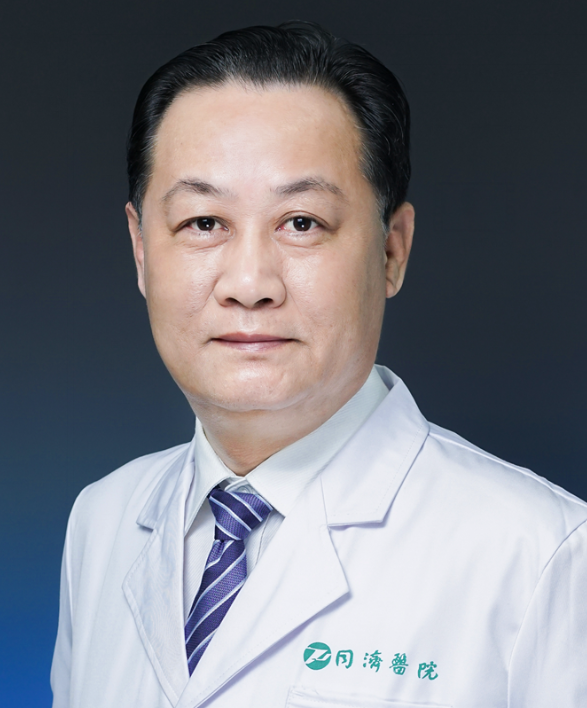 Jianfeng Zhou (周剑峰)合作论文数Tongji Hospital, Tongji Medical College, Huazhong University of Science and Technology14
 Liang Huang (黄亮)合作论文数Peking Union Medical College;Chinese Academy of Medical Sciences9
 Weiping Yuan (袁卫平)合作论文数Institute of Hematology, Chinese Academy of Medical Sciences;Blood Diseases Hospital, Chinese Academy of Medical Sciences7
 Zhen Shang合作论文数5Kuangguo Zhou (周匡果)合作论文数5
 Xiaomin Wang合作论文数Photonics Research Institute, National Institute of Advanced Industrial Science and Technology (AIST),5Xing Chen合作论文数4
 Congyi Wang (王从义)合作论文数Tongji Hospital, Tongji Medical College of Huazhong University of Science & Technology;The Second Xiangya Hospital of Central South University4Wang Jue合作论文数4Yang Cao (曹阳)合作论文数4
 Tao Cheng (程涛)合作论文数State Key Laboratory of Experimental Hematology, Chinese Academy of Medical Sciences & Peking Union Medical College4
 Ding Ma (马丁)合作论文数Department of Obstetrics and Gynecology, Tongji Hospital, Tongji Medical College, Huazhong University of Science and Technology;School of International Education, Huazhong University of Science and Technology4
 Na Wang合作论文数3Jiaying Wu合作论文数3Zhang Peiling合作论文数3Qi-Lin Yu (余其林)合作论文数3
 Hui Cheng (程辉)合作论文数Institute of Hematology, Chinese Academy of Medical Sciences & Peking Union Medical College3
 Di Wang (王迪)合作论文数3
 Lei Zhao (赵雷)合作论文数Union Hospital, Tongji Medical College, Huazhong University of Science and Technology3Xiaoxi Zhou合作论文数3
 Yingchi Zhang (张英驰)合作论文数3Xiuxiu Yang合作论文数2Ganxun Li合作论文数2Wanying Liu合作论文数2
 Huidong Guo合作论文数2Liting Chen合作论文数2Shu Zhang合作论文数2Jiachen Wang合作论文数2JinHong Wang (王金宏)合作论文数2
 Yicheng Zhang (张义成)合作论文数Tongji Hospital, Tongji Medical College, Huazhong University of Science & Technology2Xiaojian Zhu合作论文数2Jin Guan-Nan合作论文数2Ding Ze-Yang合作论文数2
 Yi Xiao (肖奕)合作论文数School of Physics, Huazhong University of Science and Technology;Biomolecular Physics and Modeling Group, Department of Physics, Huazhong University of Science and Technology2Ling Cheng (程灵)合作论文数School of Pharmacy, Huazhong University of Science and Technology2
 Jiachen Bu (卜佳晨)合作论文数Beijing Institute of Genomics, Chinese Academy of Sciences/China National Center for Bioinformation2Chunlan Hua (华春兰)合作论文数2
 Yajing Chu合作论文数2
 Fuhong He (和夫红)合作论文数Beijing Institute of Genomics, Chinese Academy of Sciences2
 Mingjiang Xu合作论文数Department of Molecular Medicine, The University of Texas Health Science Center at San Antonio2
 Min Xiao (肖敏)合作论文数School of Materials Science and Engineering, Sun Yat-sen University1Delian Zhou合作论文数1Zekai Mao合作论文数1Jue Wang合作论文数1Yinchi Zhang合作论文数1




