Antibiotic residues persist in water because continuous discharge, molecular stability and the formation of bioactive transformation products cannot be eliminated by adsorption alone. Nevertheless, integrating pollutant enrichment with in situ photocatalytic conversion in a single material remains difficult because suspension photocatalysis is hindered by weak interfacial affinity, short radical lifetimes, and the spatial mismatch between adsorbed pollutants and photoactive domains. Herein, we knit triazine units into waste-plastic-derived hyper-crosslinked polymers (HCP-Ns) to couple microporous enrichment with visible-light-driven tetracycline (TC) oxidation, in which the HCP skeleton supplies the enrichment microenvironment while triazine domains concurrently tune the porous architecture, narrow the optical band gap, and accelerate interfacial charge transfer to drive oxygen activation. The optimized HCP-N-4 combines a BET surface area of 1164.71 m2 g-1, a hierarchical micro/mesoporous network, and a 2.29eV band gap, and removes 92.62% of TC at pH 6.0 with 0.15gL-1 catalyst and 80mgL-1 TC. LC-MS, EPR, and scavenger experiments reveal that TC transformation proceeds through adsorption-assisted demethylation, deamidation, dehydroxylation, and ring-opening routes, with ·O2- showing the strongest measured contribution among the reactive species probed, while ·OH and h⁺ also. This work establishes a structure-activity relationship in which triazine-regulated waste-plastic polymers unify pore enrichment, charge separation and oxygen activation, linking plastic-waste valorization to the adsorption-photocatalysis synergistic removal of antibiotics.
Nickel-based electrocatalysts are pivotal for converting biomass-derived 5-hydroxymethylfurfural to 2,5-furandicarboxylic acid (FDCA), a key renewable precursor for biopolymers. However, their industrial adoption is limited by sluggish proton transfer kinetics, which restricts current density (targeting >= 200 mA cm-2) and triggers catalyst corrosion via proton accumulation, reducing stability. Inspired by biological phosphate buffers that regulate protons to stabilize intracellular pH, we engineered a phosphate-built protective layer (PO4-BPL) on a CuNiO catalyst. The PO4-BPL serves dual roles: creating rapid proton channels to enhance proton-coupled electron transfer and protecting the catalyst from proton-induced corrosion. The PO4-BPL/CuNiO delivers a current density exceeding 700 mA cm-2 with FDCA faradaic efficiency above 90% over 36 cycles, showcasing 7-fold stability improvement versus unmodified catalysts. In a continuous-flow electrolyzer, PO4-BPL/CuNiO operates for 70 h, far exceeding the 6 h lifetime of the CuNiO. Density functional theory calculations confirm PO4-BPL lowers proton migration energy barriers, enhancing mass transfer and preventing structural damage. This biomimetic strategy not only enables robust electrocatalysts for high current density applications, but also represents a green advance toward the sustainable and efficient production of biopolymer precursors.
Carbon quantum dots (CQDs) are promising photosensitizers for photoelectrochemical (PEC) water splitting. In this work, biomass-derived CQDs were synthesized by a bottom-up approach using 13 precursors. Among them, cinnamaldehyde-, isoflavone-, and hydroxy-2,5-dimethyl-3(2H)-furanone-derived CQDs were selected for further tuning based on their relatively higher quantum yields (QYs), and acceptable yields. To tune the optical properties, three nitrogen sources, namely urea, m-phenylenediamine, and neutral red, were introduced, yielding blue-, green-, and red-emitting CQDs (B-CQDs, G-CQDs, and R-CQDs) with QYs of 13.20%, 20.40%, and 25.20%, respectively. Their absorption edges were located at 376, 470, and 579 nm, corresponding to bandgaps of 3.30, 2.64, and 2.14 eV. CQDs-sensitized titanium dioxide homojunction (THJ) photoelectrodes were fabricated via surface silanization. The R-CQDs/THJ photoelectrode achieved the highest photocurrent density among the three CQDs-decorated photoelectrodes during the water splitting process. The photocurrent density of the pure THJ photoelectrode was increased markedly from 1.45 mA cm-2 to 2.56 mA cm-2 with the decoration of R-CQDs, while the hydrogen evolution rate increased from 26.17 to 44.73 mu mol cm-2h-1, corresponding to a 1.7-fold enhancement. This work provides insight into the relationship between the tunable optical properties of biomass-derived CQDs and their PEC sensitization behavior on TiO2 photoelectrodes. The enhanced PEC performance is attributed to the combined effects of broadened spectral absorption and improved interfacial charge separation and transfer after decoration with CQDs.
Although cobalt (Co) and phosphorus (P) are widely employed to enhance the electrooxidation performance of Ni-based electrocatalysts, their synergistic roles in regulating metal-site activation and interfacial reconstruction during 5-hydroxymethylfurfural (HMF) oxidation remain unclear. Herein, by comparatively studying the electrochemical behavior and structural evolution of Ni-P/NF and Ni0.8Co0.2-P/NF during the HMF oxidation reaction (HMFOR), we identify a Co-P synergistic reconstruction mechanism that governs the dynamic formation of active interfaces. Ni0.8Co0.2-P/NF delivers a low onset potential of 1.33 V (vs. RHE) in 50 mM HMF-containing alkaline electrolyte and achieves a high current density of 900 mA cm- 2 at 1.60 V (vs. RHE), with a Faradaic efficiency of 97 % toward FDCA. Mechanistic studies reveal that Co modulates the initial electronic structure of Ni sites, while P stabilizes the evolution of Co species into CoOOH under reaction conditions. The in situ generated CoOOH dynamically couples with neighboring Ni sites, thereby promoting the low-potential reconstruction of Ni2+ into active NiOOH. In situ Raman spectroscopy further confirms the formation of a stable NiOOH/CoOOH composite active interface during HMFOR, which accounts for the reduced onset potential and accelerated reaction kinetics. This work highlights the importance of coupling static electronic modulation with dynamic electrochemical reconstruction, providing mechanistic insights for the rational design of multicomponent electrocatalysts for biomass-derived 5-hydroxymethylfurfural electrooxidation.
The precise regulation of Cu surface electronic structure governs C-C coupling pathways and intermediate adsorption to enhance ethylene selectivity. However, how heteroatom dopants modulate the flux of oxygen-bound intermediates remains unclear. Herein, we establish a predictive framework based on six dopant elements' electron orbital characteristics, demonstrating that p-orbital metal doping enables favorable orbital-center proximity for hybridization with Cu active centers. Al-incorporated Cu balances adsorption affinities for *CO, *H, and *O, thereby reducing the *OCCO formation barrier. Controlled Al doping in CuAl single-atom alloy (CuAlSA) induces lattice expansion and d-band center downshifting (ΔεCu = -2.94 eV), achieving favorable d-p orbital proximity (δd, p = -1.00 eV) and a low C-C coupling energy barrier (ΔE = 0.30 eV). In situ Raman spectroscopy confirms that the optimized d-p proximity promotes C-C bond formation and *OCCO hydrogenation to *CH2CHO, redirecting intermediate flux from methane toward ethylene. CuAlSA consequently exhibits 78.8% ethylene Faraday efficiency under pure CO2 and retains 70.2% under 15% CO2. This work establishes a strategy for directing oxygen-bound intermediates in CO2-to-C2H4 electrosynthesis.
Decarbonizing hard-to-abate industrial sectors that require high-temperature process heat, notably steel and cement, demands renewable solid fuels with rigorously predictable properties. Hydrothermal carbonization (HTC) of biomass residues offers a promising route to such fuels, yet feedstock heterogeneity and process variability impede the reliable prediction of hydrochar properties and emissions reduction potential. Here, we introduce a machine learning framework leveraging a Mixture of Experts (MoEs) strategy to overcome these limitations. Our approach integrates clustering algorithms with tailored regression models and a gating network for autonomous model assignment, achieving superior accuracy in predicting critical hydrochar properties of higher heating value (HHV) and energy yield (EY). Through multiobjective optimization, we identify HTC conditions that simultaneously maximize HHV and EY for wood chips, corn straw, and sludge, with experimental validation confirming model robustness. We further demonstrate that optimally produced hydrochar can deliver net energy gains and reduce CO2 emissions by 396.6 million tons annually if deployed across China's agricultural residues and municipal sludge, equivalent to 3.3% of annual national emissions. This MoEs framework establishes a data-driven paradigm for scalable hydrochar design, enabling the targeted decarbonization of emission-intensive industries.
Microbial electrosynthesis (MES) enables CO2 conversion to multi-carbon fatty acids, but selective upgrading to longer-chain products remains limited by inefficient electron supply. This study developed a sequential MES platform using short-chain alcohols (ethanol, propanol, isopropanol) as exogenous electron donors to direct CO2 conversion into C4-C6 fatty acids. Ethanol preferentially promotes the formation of butyrate (C4, 0.42 g/L) and caproate (C6, 0.13 g/L), whereas propanol shifts selectivity towards valerate (C5, 0.51 g/L), while isopropanol exhibits lower chain-elongation efficiency. These trends demonstrate that the carbon skeleton of the electron donor governs elongation pathways and product distribution. Predicted functional profiling and microbial community analyses indicate a higher genetic potential for key chain-elongation pathways in ethanol-fed systems, consistent with improved electron transfer and altered metabolic flux distribution. Collectively, this study establishes short-chain alcohol supplementation as an effective strategy to modulate carbon flux and selectively synthesize multi-carbon fatty acids from CO2.
The utilization of waste-derived volatile fatty acids (VFAs) as carbon sources for polyhydroxyalkanoate (PHAs) biosynthesis offers a promising route toward sustainable bioplastics. However, reliance on single VFAs often limits product diversity and structural tunability. In this study, we developed and optimized a co-feeding strategy using a ternary mixture of formate, acetate, and propionate in Cupriavidus necator to enable tailored PHAs production. Using response surface methodology for multi-objective optimization, a VFA ratio (formate:acetate:propionate = 0:0.38:0.62) was identified that balances PHA titer (1.33 ± 0.13 g/L) with a 3-hydroxyvalerate (3-HV) content of 62.02% (in mol). Formate exerted no beneficial effect on the biosynthesis of PHA or 3-HV under mixed substrate conditions. Fermentation kinetic analysis further revealed that acetate primarily promoted cell growth and PHAs backbone synthesis, whereas propionate enhanced 3-HV formation while competitively inhibiting acetate uptake. The resulting copolymer exhibited improved thermal processability, as evidenced by a lower glass transition temperature (46.81 °C ± 0.01) and a reduced primary melting temperature (81.05 °C ± 0.14). Collectively, this work provides a viable strategy for producing tunable bioplastics from renewable mixed VFAs, advancing circular bio-manufacturing.
Aqueous anodic electrosynthesis is plagued by the parasitic oxygen evolution reaction (OER), which consumes current and limits selectivity. The Kolbe decarboxylative coupling is a prime example: water interception of alkyl radicals diverts the pathway from alkane dimerization to overoxidation. We hypothesized that the carboxylate reactant could dynamically assemble into a hydrophobic adlayer to exclude water without external additives. Testing this concept on a crystalline RuO2/TiO2 anode, we discovered that hexanoate anions spontaneously form a dense, hydrophobic adlayer. This reactant-induced gating reconstructs the interface from hydrophilic to hydrophobic in operando, blocking water and hydroxide while occupying active sites. The pathway switches from OER to selective Kolbe electrolysis, yielding up to 48% Faradaic efficiency for n-decane with over 80% selectivity and 50-hour stability. In situ spectroscopy and wettability measurements confirm the adlayer suppresses water activation and promotes radical dimerization. This self-directing interfacial regulation, where the reactant architects the microenvironment, offers a generalizable strategy for precise control in electro-organic synthesis.
The development of photosynthetic biological systems (PBSs) presents a promising approach to mitigating global climate change. However, the practical application of PBSs remains hindered by their low product yields. Key determinants of production efficiency include light utilization, electron transfer efficiency, and catalyst stability. To address these challenges, we developed a high-performance Cupriavidus necator/CdS@Au@Poly dimethyl diallyl ammonium chloride ( C. necator/CdS@Au@PDDA) biohybrid system for the photocatalytic conversion of CO2 into bioplastic poly(3-hydroxybutyrate) (PHB). The incorporation of Au nanoclusters extends the visible light absorption range and alleviates photocorrosion of CdS, while the PDDA modification enhances electron transfer rates and enables the material to firmly adhere to the bacterial surface. In situ H2 production by CdS@Au@PDDA drives CO2 fixation through bacterial metabolic pathways, achieving a quantum efficiency of 2.76 % +/- 0.22 % and a maximum PHB yield of 53.6 +/- 5.2 mg/L, representing the highest yield reported for C. necator-based artificial PBSs. This biohybrid system demonstrates the effective integration of advanced nanomaterials with microbial processes, offering a robust platform for sustainable bioplastic production through carbon-neutral artificial photosynthesis technology and providing a novel perspective for addressing the global challenge of microplastic pollution. (c) 2026 Published by Elsevier B.V. on behalf of Chinese Chemical Society and Institute of Materia Medica, Chinese Academy of Medical Sciences.
Efficient CO2 delivery remains a key bottleneck in electrocatalytic CO2 reduction due to the low solubility and sluggish diffusion of CO2 in aqueous electrolytes. Here we demonstrate that rational modulation of the interfacial microenvironment can effectively alleviate these mass-transport constraints and substantially enhance reaction efficiency. Hydrophobic channels constructed by embedding polytetrafluoroethylene nanoparticles enrich the local CO2 concentration and facilitate rapid gas-liquid transport, as supported by finite-element simulations. This microenvironmental engineering enables CO Faradaic efficiency of 94.6% at-0.8 V versus the reversible hydrogen electrode. Further incorporation of a conductive and hydrophobic polythiophene layer balances gas accessibility with charge-transfer kinetics, delivering CO Faradaic efficiency exceeding 98.6% and sustaining above 90% during the continuous operation in a flow-cell configuration. This work highlights the pivotal role of interfacial microenvironment regulation in overcoming intrinsic transport limitations, offering a robust strategy for highly efficient and durable CO2-to-CO conversion.
Semi-artificial photosynthesis, integrating biocatalysts with photosensitive materials to enable self-photosensitization in non-photosynthetic microorganisms, is a rapidly evolving interdisciplinary field for solar-driven energy and chemical production using air, water, and sunlight. However, the efficiency of such constructed biocatalysts is often impeded by the limited biocompatibility, prevalent biotoxicity, and narrow spectral response associated with photosensitive materials. Quantum dots (QDs), zero-dimensional crystals, exhibit favorable photoexcitation properties and enhanced biocompatibility, providing essential reducing equivalents for microbial metabolisms. This review examines recent advances in semi-artificial photosynthesis, focusing on the self-assembly of microorganisms in conjunction with QDs. It highlights the biocompatible, directional design of QDs and explores the underlying mechanisms of electron and energy transfer within the microbe-QDs complexes. By leveraging the synergies of solar absorption and biocatalytic activity, this review discusses the future trajectory and potential improvements in semi-artificial photosynthesis, offering a paradigm-shifting approach to sustainable solar energy utilization. The solar-powered QDs-biocatalyst biohybrids for semi-artificial photosynthesis are projected to emerge as a transformative technology in advanced energy production.
Alkaline seawater electrolysis powered by intermittent renewable energy offers a promising pathway for sustainable hydrogen production, yet faces critical challenges in proton supply dynamics and catalyst stability. The dual limitations are addressed through the design of a Cr‐NiCoP v @NF (P v : P vacancy, NF: nickel foam) electrocatalyst featuring frustrated Lewis pairs (FLPs). The metal‐phosphorus FLP architecture demonstrates ultralow overpotentials of 110 mV at the current density of 10 mA cm −2 and 333 mV at an industrial‐grade current density of 1 A cm −2 in a 1.0 m KOH + seawater electrolyte. Key innovation lies in the system's dynamic stability to intermittent operation, maintaining ≈100% activity after 520 h at 0.5 A cm −2 with 12 h start‐shutdown cycles. Combined experimental and theoretical analyzes reveal two crucial mechanisms: 1) FLPs synergistically facilitate H─OH bond dissociation (0.18 eV barrier reduction) and optimize hydrogen desorption energetics (0.13 eV barrier reduction), solving the proton supply limitation. 2) The selective adsorption behavior enables surface‐enriched OH − groups to form a molecular‐level protective shield that repels chlorides through electrostatic effects, effectively mitigating catalyst corrosion. This work establishes a new paradigm for non‐precious metal catalyst design via targeted electronic structure engineering, while providing fundamental insights into the interfacial microenvironment under intermittent operations.
Surface reconstruction is a common and critical process in copper catalysts during electrochemical CO2 reduction reaction (CO2RR), continuously reshaping their structures and compositions into states distinct from the pristine material. Although recognized as central to catalyst performance, the mechanistic pathways and chemical identities of the dissolved Cu species remain unclear. Employing clean and well-defined Cu nanoparticle arrays as a model platform, we directly visualize morphological evolution and simultaneously track reaction intermediates by in situ surface-enhanced Raman spectroscopy (SERS). We resolve three distinct dissolution-redeposition pathways of Cu catalyst: (i) *CO-mediated Cu+ dissolution and facet-selective redeposition at moderate potentials; (ii) field-assisted leaching of neutral Cu0 species at strongly negative potentials; and (iii) oxidative Cu+ dissolution at open-circuit potential, followed by redeposition into Cu2O cubes enabled by CO2RR-generated active sites. These findings reveal a nonlinear, potential-dependent behavior of Cu reconstruction, and provide guiding principles for directing catalyst evolution through control of adsorbates, potential windows, and bias protocols.
Advanced biofuels in the form of liquid hydrocarbons offer a pathway to decarbonize long-distance heavy transport. Integrating biological acidification with electrocatalytic Kolbe-type decarboxylation provides a promising route for selectively producing linear hydrocarbons from biowaste. However, such cascading systems face challenges including suboptimal carbon utilization, limited product selectivity, and energy-intensive separations. This paper explores microbial chain elongation for generating medium-chain carboxylic acids (MCCAs) from biowaste, alongside CO2 reduction to supply biocompatible electron donors and improve carbon efficiency. Particular attention is placed on waveform-controlled electrosynthesis, which enables selective upgrading of MCCAs into alkanes and alkenes under mild conditions. Framed within a circular bioeconomy, key mechanistic, engineering, and techno-economic gaps are identified to advance bio-electrified hydrocarbons as competitive drop-in fuels.
Conversion of CO2 and H2 into biomethane is a promising technology within the concept of power-to-X. However, the integration of high-value-added products can enhance the economic viability and diversify future biobased production chains. Herein, an integrated biosystem converting CO2/H-2 into acetic acid, which is further converted to C4+ fatty acids, was demonstrated with the aim to assess the role of carbonaceous materials (model nanomaterial graphene and cost-effective biochar) and external electron donor (ethanol). With the supplementation of ethanol as the electron donor, carbonaceous materials significantly increased the production and selectivity of butyrate (C4) and caproate (C6) due to enhanced microbial growth and chain elongation efficiency. The highest concentration of butyrate (2512.35 +/- 60.05 mg/L) was observed in the graphene-added group, while the highest concentration of caproate (396.74 +/- 14.83 mg/L) was observed in the biochar group, suggesting different mechanisms induced by carbonaceous materials. Microbial community analysis revealed that carbonaceous materials primarily enriched members of the genus Clostridium_sensu_stricto_12, which are identified as typical carbon chain elongating microorganisms. Functional prediction revealed that carbonaceous materials increased the relative abundance of functional genes encoding crucial enzymes involved in both the Wood-Ljungdahl pathway and the fatty acid biosynthesis pathway. This study demonstrated an integrated approach for the efficient conversion of CO(2 )to value-added green chemicals.
Anaerobic fermentation (AF) for short-chain fatty acid (SCFAs) production from waste-activated sludge (WAS) is a sustainable carbon recovery strategy; however, its efficiency is often constrained by inadequate sludge disintegration. To address this challenge, combined pretreatment methods, including ultrasonic-acidic (US-Ac), ultrasonic-alkali (US-Ak), and ultrasonic-alkali/peracetic acid (US-Ak/PAA) have been proposed as effective solutions. The Results revealed that the US-Ak/PAA pretreatment yielded the highest SCFAs accumulation at 370.5 mg/g VSS at day 6 of AF, surpassing the control, sole PAA, sole pH10, and 0.25US30 reactors by 4.27, 2.7, 2.0, and 1.2-fold, respectively. Furthermore, the US-Ak group (0.25US30) significantly enhanced SCFAs yield by 1.46-fold compared to the US-Ac group (US0.5-30). Mechanistic analysis indicated that the US-Ak/PAA pretreatment effectively disrupted extracellular polymeric substances (EPS), lysed microbial cells, and increased the release of soluble organic matter, thereby optimizing metabolic activity and SCFAs accumulation. The enzymatic activities of protease and α-glucosidase were notably enhanced, demonstrating a strong correlation with improved hydrolysis and acidogenesis processes. Microbial community analysis further revealed that the US-Ak/PAA pretreatment substantially enriched the abundance of hydrolytic and acidogenic bacterial taxa, including Acinetobacter, Petrimonas, Macellibacteroides, Proteiniphilum, Tissierella, and unclassified_c_Clostridia, etc. species. Collectively, the US-Ak/PAA pretreatment strategy not only optimized SCFAs production from WAS but also contributed to mitigating the environmental risks associated with WAS disposal.
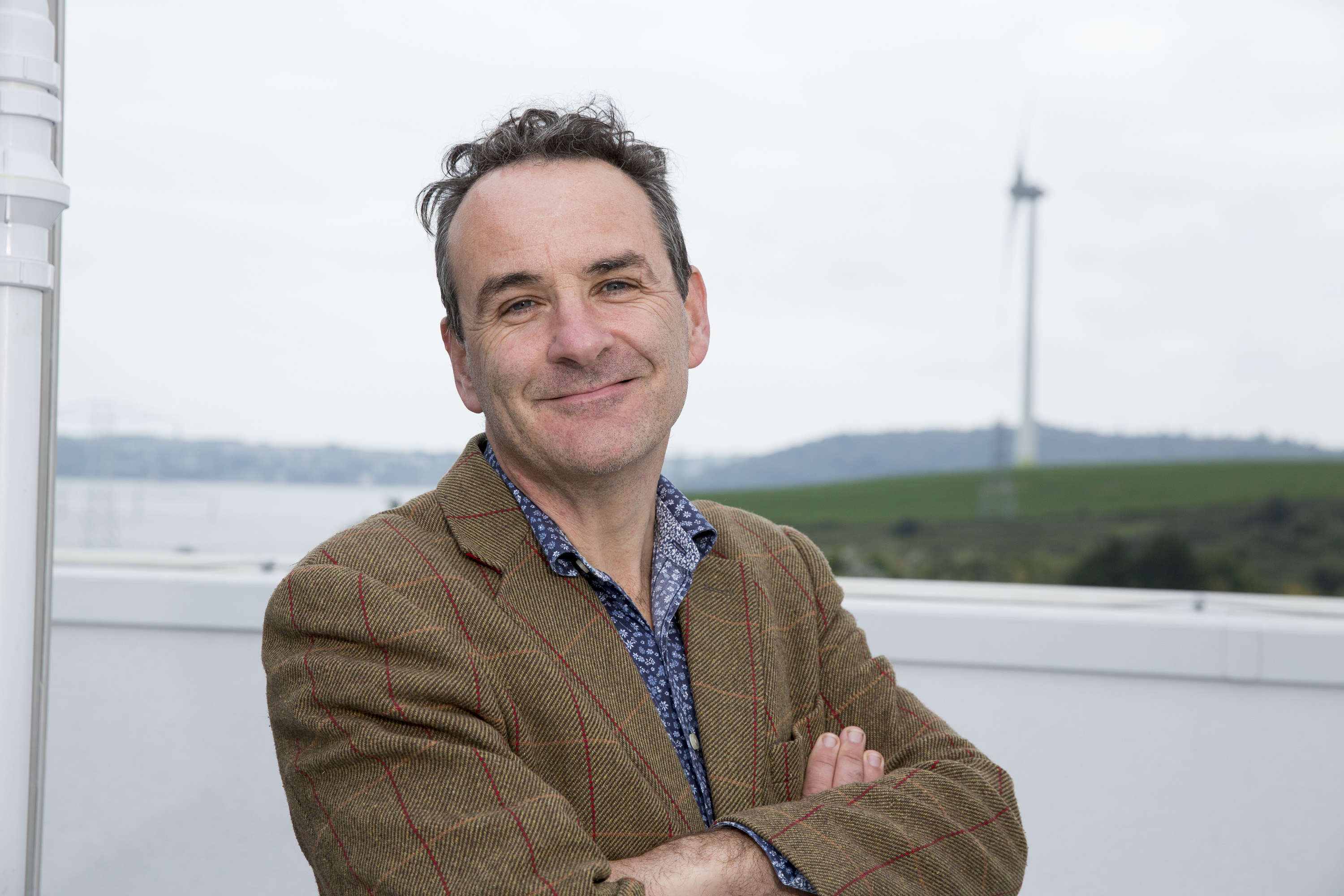 Jerry D Murphy合作论文数University College Cork61
 Jun Cheng (程军)合作论文数School of Energy and Power Engineering, Chongqing University;College of Energy Engineering, Zhejiang University42
 Chen Deng (邓尘)合作论文数School of Chemistry and Chemical Engineering, Southeast University40
 Junhu Zhou (周俊虎)合作论文数State Key Laboratory of Clean Energy Utilization, Zhejiang University;College of Energy Engineering, Zhejiang University34
 Kefa Cen (岑可法)合作论文数College of Energy Engineering, Zhejiang University;Institute for Thermal Power Engineering, Zhejiang University28
 Xihui Kang (康溪辉)合作论文数25
 Lingkan Ding合作论文数Zhejiang University, Zhejiang University25Richard O'Shea合作论文数MaREI - SFI Research Centre for Energy Climate and Marine23
 Ao Xia (夏奡)合作论文数School of Energy and Power Engineering, Chongqing University22
 Benteng Wu合作论文数16Wenlu Song合作论文数12David M. Wall合作论文数11
 Archishman Bose合作论文数MaREI Ctr, Univ Coll Cork11
 Dekui Shen (沈德魁)合作论文数School of Energy and Environment, Southeast University;Southeast University Nanjing Jiangbei New Area Innovation Institute11
 Wenlei Zhu (朱文磊)合作论文数Department of Environmental Engineering, School of Environment, Nanjing University10
 Karthik Rajendran合作论文数Swedish Centre for Resource Recovery, University of Borås10
 David P. Wall合作论文数Assisted Reproduction Program McFarland Clinic9
 Xue Ning合作论文数Ctr Water & Ecol, Tsinghua Univ7Li Hui合作论文数6
 Bing Song合作论文数6Jiabei Zhang合作论文数6
 Daolun Liang (梁导伦)合作论文数School of Energy and Environment, Southeast University6
 Xin Tu合作论文数Department of Electrical Engineering and Electronics, School of Engineering, Faculty of Science and Engineering, University of Liverpool5Li Yu-You合作论文数5
 Yun Huang (黄云)合作论文数School of Energy and Power Engineering, Chongqing University5
 Jianzhong Liu (刘建忠)合作论文数College of Energy Engineering, Zhejiang University;Institute for Thermal Power Engineering, Zhejiang University5
 Lianhua Li合作论文数5Yongming Sun合作论文数R&D, Applied Biosystems Foster City California 94404 USA5Haiquan Dong合作论文数4
 Chihe Sun (孙驰贺)合作论文数School of Biotechnology, Jiangnan University4
 Shangqian Zhu (朱尚乾)合作论文数School of Chemistry and Chemical Engineering, Southeast University4
 Jason Lam合作论文数School of Energy and Environment, City University of Hong Kong4
 Qi Hao (郝祺)合作论文数Department of Applied Physics, School of Physics, Southeast University4
 Alan Dobson合作论文数University College Cork Environmental Research Institute4Yaqiong Liu合作论文数4Aoife Long合作论文数School of Engineering and Architecture, University College Cork3Liangchen Yue合作论文数3
 Liu Juan合作论文数Institute of Functional Nano and Soft Materials (FUNSOM),, Soochow University3
 Qian Fu (付乾)合作论文数School of Energy and Power Engineering, Chongqing University3
 Jiawei Zhu (朱佳伟)合作论文数Qingdao Institute of Bioenergy and Bioprocess Technology, Chinese Academy of Sciences3
 James Denis Browne合作论文数3
 Qiang Liao (廖强)合作论文数School of Energy and Power Engineering, Chongqing University3
 Huiyan Zhang (张会岩)合作论文数School of Energy and Environment, Southeast University3
 Rui Xiao (肖睿)合作论文数School of Energy and Environment, Southeast University3
 Xun Zhu (朱恂)合作论文数School of Energy and Power Engineering, Chongqing University;Institute of Engineering Thermophysics, Chongqing University3
 Wuyuan Zhang (张武元)合作论文数Tianjin Institute of Industrial Biotetechnology, China Academy of Sciences;University of Chinese Academy of Sciences3Xingyu Ren合作论文数2Yuwei Xiong合作论文数2
 Yi Zhang合作论文数2




