Intracerebral hemorrhage (ICH) is a devastating form of acute cerebrovascular disease characterized by high mortality and long-term disability, posing a substantial public health burden. Ferroptosis has emerged as a pivotal mechanism underlying secondary brain injury (SBI) after ICH, driven by reactive iron accumulation, amplification of lipid peroxidation (LPO) cascades, and disruption of cellular antioxidant defenses. Despite growing evidence supporting its involvement, the precise regulatory networks governing ferroptosis after ICH remain to be fully clarified. This review integrates recent advances to delineate how mitochondria, the endoplasmic reticulum (ER), lysosomes, lipid droplets (LDs), peroxisomes, the Golgi apparatus, and inter organelle membrane contact sites (MCSs) contribute to ferroptosis after ICH. We further summarize current therapeutic strategies targeting ferroptosis from an organelle-centered perspective and highlight its potential as a promising avenue for future intervention.
Objective To develop and validate an interpretable prediction model for delayed diagnosis of benign paroxysmal positional vertigo (BPPV). Methods This retrospective study included 10,422 BPPV patients between July 2020 and June 2024 in Beijing, China, of whom 2949 (28.30%) had delayed diagnosis (symptom onset-to-diagnosis interval >14 days). Patients were temporally divided into development (n = 7536; training/test split 7:3) and temporal validation (n = 2886) cohorts. Logistic regression (LR), random forest (RF), extreme gradient boosting (XGB), and light gradient boosting machine (LGBM) models were developed and compared. Results In the temporal validation cohort, LR achieved the highest discrimination (AUC 0.84, 95% CI 0.82, 0.86), and demonstrated stable performance across datasets. Atypical vestibular symptoms emerged as the strongest predictor of delayed diagnosis. Atypical triggers, motion sickness history, headache history, trauma history, and increasing age were also associated with delayed diagnosis. Firth regression yielded similar estimates. Subgroup validation in participants aged ≥65 years also demonstrated stable performance (AUC 0.83, 95% CI 0.79, 0.86). Conclusions An interpretable prediction model based on routinely collected clinical data was developed to estimate the risk of delayed diagnosis in BPPV. The final LR model demonstrated stable predictive performance across validation cohorts.
Lipid nanoparticles (LNPs) have reshaped RNA therapeutics, underpinning the success of mRNA vaccines and emerging gene therapies. Once introduced into the body, LNPs acquire a dynamic biological identity through the rapid adsorption of biomolecules present in biological fluids, resulting in the formation of a biomolecular corona. Rather than being a passive byproduct, the biomolecular corona substantially alters the physicochemical properties of LNPs and governs key biological processes, including cellular uptake, immune recognition, circulation, and biodistribution, therefore acting as a functional interface that modulates biological interactions and therapeutic outcomes. The corona composition is jointly dictated by intrinsic LNP properties and the surrounding biological milieu. Understanding how the corona regulates the LNP fate and function is essential for translating preclinical insights into predictable clinical outcomes. In this review, we provide a comprehensive overview of how corona formation modulates the in vivo fate of LNPs and shapes therapeutic performance. We discuss strategies to modulate corona composition and downstream biological interactions through lipid design and surface functionalization. Finally, we offer a forward-looking perspective on harnessing the corona as a programmable interface to enable safer, more precise delivery of LNPs, with the aim of broadening the clinical applicability of next-generation RNA therapeutics.
Abstract Background and aims Prognostic evidence specific to cerebral amyloid angiopathy (CAA) related lobar intracerebral hemorrhage (ICH) remains limited, our study aimed to develop a short-term prognostic model to provide evidence for long-term outcome prediction and to inform clinical care planning and resource allocation. Methods We retrospectively enrolled 124 patients aged ≥50 years with CAA-related lobar ICH diagnosed based on the Boston criteria version 2.0 and treated at Beijing Tiantan Hospital from 2019 to 2024. Discharge modified Rankin Scale (mRS) was dichotomized as favorable (0–2) versus unfavorable (3-6). Candidate predictors were screened using the Boruta algorithm, followed by multivariable logistic regression with backward selection and multicollinearity assessment. A nomogram was constructed from the final predictors, and performance was evaluated by discrimination, calibration, bootstrap internal validation (500 resamples), and decision-analytic (DCA) measures. Results Of 124 patients, 54 (43.5%) had favorable outcomes and 70 (56.5%) had unfavorable outcomes at discharge. The final model included hematoma volume, glucose, prior cognitive decline, cSS grade, admission NIHSS, and subarachnoid hemorrhage. The nomogram demonstrated good discrimination (AUC 0.917) and calibration, with bootstrap validation supporting robustness; DCA suggested net benefit across clinically relevant thresholds. Conclusions A six-variable, clinically interpretable nomogram provides accurate early risk stratification for discharge functional outcomes in CAA-related lobar ICH and may support individualized in-hospital management and discharge planning. Conflict of interest Yingjie Zhang and Ju Yi: no conflict of interest requiring disclosure.
The assembly of nanostructured materials with tunable properties is of growing interest across fundamental research and industrial applications. Polyphenol-functionalized polymers, which integrate phenolic moieties within polymer backbones, have emerged as versatile building blocks for engineering nanostructured materials with controlled size, morphology, composition, and functionality. Owing to the chemistry of polyphenols, polyphenol-functionalized polymers enable diverse assembly pathways through covalent and noncovalent interactions with metal ions, small molecules, macromolecules, and nano/microstructures, allowing fine control over the physicochemical properties of the resulting materials. In this review, we provide a structured overview of polyphenol-functionalized polymers, beginning with key synthetic strategies, including ring-opening polymerization, radical polymerization, controlled/living radical polymerization, and post-modification of preformed polymers. We then discuss the assembly behaviors of these polymers, driven by synergistic interactions between the polyphenol groups and polymer chains, highlighting metal coordination, molecular complexation, and integration with nano/microstructures. These interactions result in assembled materials with tunable physicochemical properties, including surface charge, hydrophobicity–hydrophilicity balance, biocompatibility, stealth and targeting, stimuli-responsiveness, and bioactivity. Finally, we highlight emerging applications of polyphenol-functionalized polymers in multifunctional interfaces, responsive and adaptive materials, energy and electronic devices, and biomedicine. Overall, this review provides a concise and up-to-date overview of the synthesis, self-assembly mechanisms, and physicochemical tunability of polyphenol-functionalized polymers, and their wide application in materials engineering.
ABSTRACT Lipid nanoparticles (LNPs) have rapidly emerged as the leading delivery platform for nucleic acid therapeutics due to their high encapsulation efficiency, scalable manufacturing, and clinical success in siRNA and mRNA medicines. Poly(ethylene glycol)‐lipids ((PEG)–lipids) have been central to this progress by providing steric stabilization, size control, and tunable biodistribution. However, PEGylation also introduces important limitations, including complement activation, pre‐existing and treatment‐induced anti‐PEG antibodies, and accelerated blood clearance, which increasingly constrain repeated and long‐term dosing strategies. This review focuses on recent advances in PEG‐alternative LNP designs, including non‐PEG polymers, zwitterionic and biomimetic lipids, polypeptides, and structurally modified PEG analogues. We compare how polymer chemistry, anchor geometry, and grafting architecture influence LNP formation, physicochemical properties, biodistribution, cellular uptake, and immunological outcomes. Moreover, we discuss key challenges that remain in translating PEG‐free and PEG‐modified LNPs toward clinical application and propose future directions to better understand in vivo behavior and enable rational design of next‐generation stealth LNPs. Overall, PEG lipid alternatives should not be viewed as simple PEG mimics, but as distinct surface‐engineering materials that create new nano‐bio interfaces and reshape LNP behavior in biological systems.
Abstract mRNA–lipid nanoparticle (LNP) vaccines are detectable in human blood after vaccination, but platform-specific differences in systemic persistence and transcript integrity remain poorly defined. We analyzed serial blood samples from 73 participants receiving Moderna mRNA-1273 (three formulations), Pfizer/BioNTech BNT162b2, or an investigational receptor-binding domain (RBD) mRNA vaccine (three different doses). Using droplet digital polymerase chain reaction (ddPCR) assays, we quantified total and long-range linked (“intact”) vaccine mRNA, and we measured vaccine-specific ionizable lipids by liquid chromatography–mass spectrometry (LC–MS). Across platforms, mRNA decay was fastest for mRNA-1273, intermediate for BNT162b2, and slowest for the RBD vaccine, with ionizable lipid decay following the same rank order. Notably, intact spike mRNA declined two-fold faster after mRNA-1273 than BNT162b2 vaccination. Kinetics modelling revealed platform-dependent coupling of mRNA and lipid kinetics: intact mRNA tracked closely with SM-102 for mRNA-1273, whereas ALC-0315 persisted longer than intact mRNA for BNT162b2. A ten-fragment linkage ddPCR panel spanning the spike transcript showed lower linkage toward 3′-proximal regions that mirrored the administered mRNA-1273 formulation. Together, these data establish a quantitative framework for benchmarking mRNA–LNP platform kinetics and transcript integrity in humans.
BACKGROUND:Intraplaque T2* values help to identify symptomatic carotid plaques and correlate with intraplaque iron deposits in plaque progression. However, intracranial T2* mapping in vivo at 3T magnetic resonance imaging (MRI) is challenging due to limited resolution and signal-to-noise ratio. This study aimed to quantitatively measure T2* value of middle cerebral artery (MCA) atherosclerotic plaques using 7T MRI and to assess its correlation with cerebrovascular symptoms. METHODS:Phantom studies were performed to evaluate the accuracy of T2* mapping obtained with the proposed sequence by comparison with the ground truth acquisition. In the in vivo study, intraplaque T2* values obtained from multi-echo T2* mapping and plaque characteristics from T1-weighted three-dimensional (3D) sampling perfection with application-optimized contrast using different flip angle evolutions sequence on 7T MRI were analyzed and compared between patients with symptomatic and asymptomatic MCA plaques. Multivariate logistic regression was used to determine the odds ratios of T2* values and plaque characteristics in discriminating symptomatic from asymptomatic plaques. Diagnostic performance was evaluated using area under the curve (AUC) values. Correlation analyses were performed between T2* values and intraplaque hemorrhage (IPH). RESULTS:Phantom T2* measurements using the proposed sequence showed excellent agreement with the ground truth sequence (ICC=0.998, p<0.001), with a mean percentage error of 3.97 ± 3.11%. The clinical cohort of this prospective cross-sectional study included 39 symptomatic patients with MCA plaques and 21 age-, sex-, and stenosis degree-matched asymptomatic patients. Scan-rescan reproducibility of T2* mapping was excellent (p<0.001). Symptomatic plaques had significantly lower T2* values than asymptomatic plaques (22.24±5.31 vs. 30.24±7.00 ms, p<0.001). In multivariate analysis, intraplaque T2* values (OR: 0.162, 95% CI: 0.053-0.497, p=0.001) and normalized wall index (NWI) (OR: 2.150, 95% CI: 1.041-4.443, p=0.039) were independently associated with symptomatic plaques. The optimal combination of T2* values and NWI showed the best diagnostic performance (AUC=0.861, 95% CI:0.747-0.937), with 94.9% sensitivity and 66.7% specificity. T2* values were negatively correlated with and IPH (r=-0.290, p=0.027) after age- and sex- adjustments. DISCUSSION:The feasibility of intracranial T2*mapping in vivo on 7T MRI has been proven, indicating its potential as a sensitive tool for characterizing intracranial symptomatic plaques.
BACKGROUND:Acute basilar artery occlusion (BAO) carries a disability rate as high as 80% and its optimal treatment window remains a clinical controversy. While landmark studies such as ATTENTION (Endovascular Treatment for Acute Basilar-Artery Occlusion) and BAOCHE (Basilar Artery Occlusion Chinese Endovascular Trial) have confirmed the efficacy of endovascular treatment (EVT) within 24 hours, there is still a lack of high-level evidence supporting intervention strategies for patients beyond this time window. AIM:The ANGEL (Acute Ischaemic Stroke Cooperation Group of Endovascular Treatment)-BAO trial aims to evaluate the efficacy and safety of EVT plus best medical management (BMM) compared with BMM alone in patients with BAO presenting within an extended time window of 24-72 hours from symptom onset (or last known well). DESIGN:This is a multicentre, prospective, randomised, open-label, blinded endpoint (PROBE) clinical trial. A total of 224 patients will be randomised in a 1:1 ratio to receive either EVT plus BMM or BMM alone. Key inclusion criteria include confirmed BAO, National Institutes of Health Stroke Scale (NIHSS)≥10, prestroke modified Rankin Scale (mRS) 0-2 and diffusion-weighted imaging evidence of limited infarct extent (posterior circulation Acute Stroke Prognosis Early CT Score (pc-ASPECTS)≥6 and Pons-Midbrain Index≤3). OUTCOME:The primary efficacy outcome is the proportion of patients achieving an mRS score of 0-3 at 90 days. Secondary outcomes include mRS distribution, NIHSS scores, quality of life questionnaire (EuroQol 5-Dimension questionnaire) and recanalisation rates. Safety outcomes encompass symptomatic intracranial haemorrhage (per Heidelberg criteria) and mortality within 7 and 90 days. DISCUSSION:ANGEL-BAO addresses a critical gap in evidence regarding EVT for BAO in an extended time window (24-72 hours). By incorporating advanced imaging selection and standardised protocols, the trial aims to provide robust data to guide treatment strategies for this severe stroke subtype. TRIAL REGISTRATION NUMBER:NCT06101667.
Abstract Background and aims Diagnosing cerebral amyloid angiopathy (CAA) with standard imaging remains difficult. Our study explored whether measuring the area of periventricular white matter hyperintensity (PWMH) on standard MRI scans could be used as a supportive feature for CAA in primary lobar intracerebral hemorrhage (ICH). Methods We studied 229 patients (≥50 years) with lobar ICH, classified by Boston v2.0 as CAA (n=123) or CAA-negative (n=106). On FLAIR, the largest anterior and posterior periventricular WMH areas were measured bilaterally; posterior-to-anterior PWMH area ratio (PA-AR) was derived. Results Patients with CAA showed a greater posterior PWMH burden and higher PA-AR (median 1.69 vs. 0.79, p < 0.001). The multivariable model incorporating PA-AR and adjusted for covariates had an AUC of 0.804 (65.9% sensitivity, 81.1% specificity). PA-AR was higher in posterior lobar cortical microbleeds (CMBs) than in no CMBs (p=0.001) and mixed-location hemorrhages (MLH) (p=0.004), whereas PA-AR did not differ across cortical superficial siderosis (cSS) distributions (Kruskal–Wallis p=0.099). Conclusions Posterior-dominant periventricular WMH quantified by the PA-AR is independently associated with CAA among lobar ICH and with posterior-predominant lobar CMBs. PA-AR may serve as an assistive MRI feature for distinguishing CAA within the Boston v2.0 framework. Conflict of interest Yingjie Zhang, Sihui Wang, Ju Yi and Shengjun Sun: no conflict of interest requiring disclosure.
Polyethylene glycol (PEG) is widely used to improve the stability, solubility, and circulation half-life of nanoparticles, proteins, and small-molecule drugs. However, anti-PEG antibodies are increasingly recognized as a clinically relevant variable that can reshape the in vivo fate of PEGylated therapeutics, contributing to accelerated blood clearance, altered biodistribution, loss of efficacy, and, in a subset of individuals, hypersensitivity. This review integrates molecular, formulation, and host determinants of PEG immunogenicity using evidence from preclinical models and human studies. We summarize the prevalence and sources of pre-existing anti-PEG antibodies, including environmental exposure and host genetic associations, and discuss how antibody binding remodels the biomolecular corona, engages Fc- and complement-mediated pathways, and promotes phagocytic uptake that undermines PEG-mediated "stealth". We then evaluate mitigation strategies spanning polymer and lipid design, emerging PEG alternatives, and patient-centered approaches such as baseline antibody profiling and pre-treatment with free PEG in animal models. Finally, we highlight an emerging paradigm that exploits anti-PEG binding for benefit: bispecific anti-PEG antibodies and sequential pre-targeting strategies that convert PEG into a modular handle for active targeting across polymer nanoparticles, liposomes, and mRNA-lipid nanoparticles. Together, this review frames anti-PEG immunity as a central design variable in nanomedicine, linking PEG-mediated stealth, circulation time, targeting efficiency, biomolecular corona formation, and immune recognition. We propose guiding principles for deciding when PEG should be retained and optimized, replaced with alternative stealth materials, managed through patient-level screening or pre-treatment, or deliberately exploited as a modular handle for targeted delivery.
The significance between cerebral small vessel disease (CSVD) markers on MRI and clinical outcome in intracerebral hemorrhage (ICH) patients is unclear. This study aimed to explore the connection between CSVD markers and short-term outcome in ICH patients. We retrospectively included 318 ICH patients. Patients were categorized into unfavorable and favorable prognosis groups based on their 90-day modified Rankin Scale (mRS) score (mRS > 3 indicates unfavorable). We conducted an MRI-based assessment of CSVD markers and investigated the predictive power of individual markers and the overall burden on prognosis. White matter hyperintensities (WMH) with a modified Fazekas score ≥ 2 (95
Objective: We aimed to investigate the prognostic factors associated with lobar Intracerebral Hemorrhage (ICH) and to construct convenient models to predict 3-month unfavorable functional outcomes or all-cause death. Methods: Our study included 322 patients with spontaneous lobar ICH from 13 hospitals in Beijing as a derivation cohort. The clinical outcomes were unfavorable functional prognosis, defined as a modified Rankin Scale (mRS) score of 4-6, or all-cause death. Variable selection was performed using the Least Absolute Shrinkage and Selection Operator (LASSO) analysis, and two nomogram models were constructed. Additionally, multivariable logistic regression analysis was conducted to identify the factors associated with unfavorable prognosis. Finally, the Area Under The Receiver Operating Characteristic Curve (AUROC), calibration curve, and decision curve analyses (DCA) were performed to evaluate the models in both the derivation and external validation cohorts. Results: Predictive factors for unfavorable functional outcomes in lobar ICH included age, dyslipidemia, ICH volume, NIHSS score, Stroke-Associated Pneumonia (SAP), and lipidlowering therapy. The model included age, GCS score, NIHSS score, antihypertensive therapy, in-hospital rehabilitation training, and ICH volume to predict all-cause mortality. Our models exhibited good discriminative ability, with an AUC of 0.897 (95% CI: 0.862-0.933) for unfavorable functional outcomes and 0.894 (95% CI: 0.870-0.918) for death. DCA and calibration curves confirmed the models' excellent clinical decision-making and calibration capabilities. Conclusion: Nomogram models for predicting 3-month unfavorable outcomes or death in patients with lobar ICH were developed and independently validated in this study, providing valuable prognostic information for clinical decision-making.
Monitoring immune reactions via inflammation imaging provides valuable disease prognosis but remains limited by the currently available probes and imaging capabilities. In this study, a bimodal imaging probe was developed from microsized polydopamine matrix-based magnetic particles (M3P) functionalized with antibodies targeting vascular cell adhesion molecule-1 (VCAM-1) and radiolabeled with the radioisotope gallium-68. This probe combines sensitive inflammation detection via positron emission tomography (immuno-PET) and high-resolution mapping via magnetic resonance imaging (immuno-MRI). It represents a powerful disease diagnosis tool to assess the status of systemic inflammation in sepsis, as whole-body immuno-PET enables rapid evaluation of the situation, and immuno-MRI provides a more detailed characterization of the identified affected tissues. The elimination profile of the M3P probe is restricted to the mononuclear phagocyte system and does not undergo renal clearance, which is suitable for applications in kidney disorders. The efficacy of the hybrid immuno-PET-MRI diagnosis protocol was tested in a murine model of rhabdomyolysis. Kidney inflammation was detected by whole-body immuno-PET, and vascular inflammation patterns could be revealed by high-resolution immuno-MRI. This bimodal PET-MRI probe could significantly improve the inflammation monitoring in pathologies characterized by systemic inflammation or lung and kidney dysfunction.
Lipids self-assemble into lipid nanoparticles (LNPs) with different crystalline mesophases, including lamellar and nonlamellar (e.g., cubic and hexagonal) mesophases. Although various additives can modulate lipid curvature, the formation of nonlamellar crystalline mesophases in LNPs typically depends on specific phase-forming lipids, which limits the overall design space and structural versatility for cargo loading. Herein, a new class of nonlamellar LNPs is engineered through the one-step assembly of two components-a polyphenol and a lipid-where the lipid mesophases are modulated by the polyphenols in a concentration-dependent manner. The polyphenol-based LNPs exhibit ordered Im3m micellar cubic or hexagonal nanostructures and can load metal ions, small-molecule drugs, polypeptides, proteins, polysaccharides, and mRNA. The present study establishes an approach to generate nonlamellar LNPs with ordered nanostructures and functional cargos for diverse applications.
We report the assembly of poly(ethylene glycol) nanoparticles (PEG NPs) and optimize their surface chemistry to minimize the formation of protein coronas and immunogenicity for improved biodistribution. PEG NPs cross-linked with disulfide bonds are synthesized utilizing zeolitic imidazolate framework-8 NPs as the templates, which are subsequently modified with PEG molecules with different end groups (carboxyl, methoxy, or amino) to vary the surface chemistry. Among the modifications, the amino and residual carboxyl groups form a pair of zwitterionic structures on the surface of PEG NPs, which minimize the adsorption of proteins (e.g., immunoglobulin, complement proteins) and maximize the blood circulation time. The influence of preexisting PEG antibodies in mice on the pharmacokinetics of zwitterionic PEG NPs is negligible, which demonstrates the resistance of anti-PEG antibodies and inhibition of the accelerated blood clearance phenomenon. This research highlights the importance of the surface chemistry of PEGylated NPs in the design of delivery systems and reveals their translational potential for cancer therapy.
mRNA lipid nanoparticles (LNPs) have emerged as a leading delivery system for mRNA-based vaccines and therapeutics. However, a significant limitation of this system is the presence of poly(ethylene) glycol (PEG). It is widely known that repeated doses of PEG-based therapeutics can induce an anti-PEG antibody response, leading to the accelerated blood clearance (ABC) of LNP therapeutics requiring frequent dosing, as anti-PEG antibodies have been found present in a large proportion of the population. To address this issue, we developed a mouse model for LNP clearance after a repeated dose. We then synthesised LNPs with the PEG component replaced by a library of hydrophilic polymers: poly(oligo(ethylene glycol) methyl ether methacrylate) (POEGMA), POEGMA-methacrylic acid (POEGMA (-)), POEGMA-2-(dimethylamino)ethyl methacrylate (POEGMA (+)), poly(N,N-dimethylacrylamide) (PDMA), and poly(N-(2-hydroxypropyl) methacrylamide) (PHPMA). Our results demonstrated that all three POEGMA LNPs, especially POEGMA (+) LNPs, exhibited minimal ABC effect after two weekly doses; in contrast, PDMA LNPs demonstrated significantly lower clearance in the presence of anti-PEG antibodies. This study highlights the potential of PEG-free polymer-LNPs as promising mRNA carriers that avoid rapid clearance with repeated administration.
 Xingquan Zhao (赵性泉)合作论文数Beijing Tiantan Hospital, Capital Medical University90
 Frank Caruso合作论文数Department of Chemical Engineering, Faculty of Engineering and Information Technology, University of Melbourne75
 Jiwei Cui (崔基炜)合作论文数School of Chemistry and Chemical Engineering, Shandong University27
 Yongjun Wang (王拥军)合作论文数Beijng Tiantan Hospital, Capital Medical University25
 Jingjing Lu (陆菁菁)合作论文数18
 Gaifen Liu (刘改芬)合作论文数Tiantan Hospital, Capital Medical University17
 JJ Richardson合作论文数School of Engineering, RMIT University17Kent Stephen J合作论文数15
 Anxin Wang (王安心)合作论文数Beijing Tiantan Hospital, Capital Medical University;Beijing Neurosurgical Institute14
 Chunxue Wang (王春雪)合作论文数Department of Clinical Psychology, Beijing Tiantan Hospital, Capital Medical University13Shiyao Li合作论文数12
 Shuaijun Pan (潘帅军)合作论文数College of Chemistry and Chemical Engineering, Hunan University12Ruixuan Jiang合作论文数Capital University of Medical Sciences, Capital Medical University12
 Md. Arifur Rahim合作论文数12Cui-Ting ZHU (朱翠婷)合作论文数11Suma Tomoya合作论文数11
 Dandan Wang (王丹丹)合作论文数Beijing Tiantan Hospital, Capital Medical University11
 Liping Liu (刘丽萍)合作论文数Beijing Tiantan Hospital, Capital Medical University11
 Wenjuan Wang (王文娟)合作论文数Capital Medical University11
 Jiajing Zhou (周加境)合作论文数College of Biomass Science and Engineering, Sichuan University10Christina Cortez-Jugo合作论文数Department of Chemical Engineering, School of Chemical and Biomedical Engineering, Faculty of Engineering and Information Technology, The University of Melbourne10JingJing Li (李菁晶)合作论文数10
 Christoph Hagemeyer合作论文数Monash University10
 Yilong Wang (王伊龙)合作论文数Beijing Key Laboratory of Translational Medicine for Cerebrovascular Disease, Capital Medical University;Beijing Tiantan Hospital, Capital Medical University10
 Binbin Sui (隋滨滨)合作论文数Beijing Tiantan Hospital, Capital Medical University10
 Ruijun Ji (冀瑞俊)合作论文数Beijing Tiantan Hospital, Capital Medical University10Meimei Chen合作论文数9
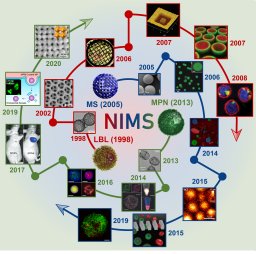 Zhixing Lin合作论文数Univ Melbourne, ARC Ctr Excellence Convergent Bionano Sci & Techn, Parkville, Vic 3010, Australia9
 Kristofer Thurecht合作论文数Australian Institute for Bioengineering and Nanotechnology, The University of Queensland9RuiLe Fang (方瑞乐)合作论文数9
 Björnmalm Mattias合作论文数ARC Ctr Excellence Convergent Bionano Sci & Techn, Univ Melbourne9
 Yunlu Dai (代雲路)合作论文数Faculty of Health Sciences, University of Macau9
 Yanfang Liu合作论文数8
 Junling Guo (郭俊凌)合作论文数College of Biomass Science and Engineering, Sichuan University;Novastra Therapeutics;Suzhou Novastra Biotech8
 Kim Chan-Jin合作论文数Department of Chemical and Biomolecular Engineering, Yonsei University8
 Magdalena Plebanski合作论文数Department of Immunology, Monash University8
 Andrew John Mitchell合作论文数7LI Jiashu (李佳树)合作论文数7Kaijiang Kang合作论文数7
 Qizhi Zhong合作论文数7
 Ting-Yi Wang合作论文数From, the Florey Institute of Neuroscience &Mental Health, The University of Melbourne;From the Florey Institute of Neuroscience & Mental Health, The University of Melbourne7
 Francesca Cavalieri合作论文数University of Melbourne(University of Melbourne),Parkville,Australia7Jiaokun Jia合作论文数6Jingqu Chen合作论文数Department of Chemical Engineering, The University of Melbourne6
 Markus Muellner合作论文数School of Chemistry, Faculty of Science, The University of Sydney6
 Runhua Zhang合作论文数Beijing Tiantan Hospital, Capital Medical University;China National Clinical Research Center for Neurological Diseases (NCRC-ND), Beijing, China.;Beijing Tiantan Hospital, Capital Medical University6
 Kristian Kempe合作论文数Department of Materials Science and Engineering, Faculty of Engineering, Monash University6Kehui Dong (董可辉)合作论文数6Zhentang CAO (曹振汤)合作论文数5




