OBJECTIVE:To test the hypothesis that women assigned to a natural ovulation regimen before frozen embryo transfer compared with a programmed regimen would have an increased chance of a healthy live birth and a reduced risk of pre-eclampsia or eclampsia. DESIGN:Multicentre, randomised, parallel group, assessor blinded clinical trial. SETTING:24 academic fertility centres in China. PARTICIPANTS:4376 ovulatory women (aged 20-40 years) planning to undergo a frozen single blastocyst transfer. INTERVENTIONS:Eligible participants were randomised (1:1) to receive a natural ovulation regimen or a programmed regimen of hormone replacement for endometrial preparation. Endometrial preparation and frozen embryo transfer timing were determined in the natural ovulation regimen group by monitoring natural follicle development and measuring serum levels of luteinising hormone, oestradiol, and progesterone. In the programmed regimen group, endometrial preparation was achieved by sequential administration of oestrogen and progesterone. MAIN OUTCOMES AND MEASURES:Primary outcomes were a healthy live birth and pre-eclampsia or eclampsia after a frozen embryo transfer. Secondary outcomes were cycle cancellation, biochemical pregnancy, clinical pregnancy, ongoing pregnancy, pregnancy loss, ectopic pregnancy, live birth, birth weight, and maternal, fetal, and neonatal complications. RESULTS:In the intention-to-treat analyses, 910 (41.6%) of 2185 patients in the natural ovulation regimen group and 890 (40.6%) of 2191 in the programmed regimen group achieved a healthy live birth (relative ratio 1.03 (95% confidence interval (CI) 0.96 to 1.10); P=0.49). The risk of pre-eclampsia was lower in the natural ovulation regimen group among patients who achieved clinical pregnancy than in the programmed regimen group (2.9% (38 of 1302) v 4.6% (61 of 1326); 0.63 (0.43 to 0.94); P=0.02). The incidences of early pregnancy loss (12.1% (158 of 1302) v 15.2% (201 of 1326); 0.80 (0.66 to 0.97)), placental accreta spectrum (1.8% (24 of 1302) v 3.6% (48 of 1326); 0.51 (0.31 to 0.83)), caesarean section (69.5% (776 of 1117) v 75.6% (831 of 1100); 0.92 (0.87 to 0.97)), and postpartum haemorrhage (2.0% (22 of 1117) v 6.1% (67 of 1100); 0.32 (0.20 to 0.52)) were lower in the natural ovulation regimen group. No differences between groups were observed for birth weight or neonatal complications. The rate of cycle cancellation was higher in the natural ovulation regimen (16.2% (354 of 2185) v 11.5% (251 of 2191), P<0.001). The prespecified per protocol and subgroup analyses yielded results consistent with the intention-to-treat analyses. CONCLUSIONS:In ovulatory women, a natural ovulation regimen for endometrial preparation was as effective as programmed regimen in terms of achieving a healthy live birth after frozen embryo transfer, but with a lower risk of maternal complications during pregnancy. TRIAL REGISTRATION:Chinese Clinical Trial Registry ChiCTR2200057990.
Background:Ambient air pollutants, a major global public health concern, have been widely documented in recent years as key risk factors for adverse reproductive system outcomes. Assisted reproductive technology (ART) has become an important therapeutic means for infertility, but its pregnancy outcomes are influenced by various environmental factors. Thus, we explored the effects of ambient air pollutants on populations undergoing ART. Methods:The retrospective cohort study included 3478 infertility patients with fresh embryo transplantation residing in Qingdao City who underwent in vitro fertilization and intracytoplasmic sperm injection in China from 2021 to 2023. We employed multivariable logistic regression to assess the effects of contaminants on oocyte quality, embryonic development, and pregnancy outcomes. Stratified analysis was conducted to identify potential vulnerable subpopulations. Results:Regression showed that NO2 exposure showed negative association with biochemical pregnancy rates (aOR=0.967, 95% CI=0.935-0.999) and clinical pregnancy rates (aOR=1.044, 95% CI=1.001-1.088). CO exposure was positively correlated with cleavage rate (aOR=1.293, 95% CI=1.048-1.594) and day 3 high-quality embryo rate (aOR=1.462, 95% CI=1.054-2.028). PM2.5 and NO2 exposure were negatively associated with the number of oocyte retrieval and MII oocytes. WQS index was negatively correlated with MII oocyte count (aOR=0.916, 95% CI=0.857-0.978). BKMR analysis confirmed PM2.5 correlated negatively with MII oocyte count. Stratified analyses revealed women aged ≥35 were more sensitive to NO2, while those <35 were to O3. Women with ≥7 oocytes were more sensitive to PM2.5 and NO2. Conclusion:Ambient air pollutants exert significant negative effects on ART-related reproductive outcomes. Women aged ≥35 were more sensitive to NO2, whereas those <35 were O3. Women with ≥7 oocytes were more sensitive to PM2.5 and NO2. This study provides a scientific basis for the prevention of air pollution and clinical decision-making in ART population. It is necessary to develop personalized intervention strategies for sensitive populations and strengthen the environmental control of related pollutants.
Introduction Acupuncture therapy has been widely used as a complementary and alternative treatment for frozen-thawed embryo transfer (FET) procedures in clinical practice worldwide. Herein, we aimed to evaluate the impact of acupuncture therapy on the pregnancy outcomes in patients undergoing their first FET and to identify the population most responsive to acupuncture. Methods This retrospective cohort analysis included clinical data from 2830 patients who underwent their first cycle of FET at the Reproductive Medicine Center of Women and Children's Hospital, affiliated with Qingdao University, from March 2021 to March 2024. Patients were divided into a control group undergoing routine FET without acupuncture (n = 1085) and an acupuncture group receiving routine FET plus acupuncture performed before and after the transfer day (n = 1745). Generalized linear and binary logistic regression models were used to analyze and adjust for potential confounding factors to evaluate the effect of acupuncture on pregnancy outcomes between the two groups. Results The clinical pregnancy rate and implantation rate in the acupuncture group were higher than those in the control group (54.56 % vs. 48.85 %; adjusted odds ratios [aOR]=1.184, 95 % confidence interval [CI] = 1.011-1.387; p = 0.036; and 43.59 % vs. 39.17 %; aOR=0.034, 95 %CI=1.011-1.387; p = 0.045). There was no significant difference in the biochemical pregnancy rate, miscarriage rate, or live birth rate between the two groups (all p > 0.05). Stratified analysis showed that acupuncture increased the likelihood of clinical pregnancy (aOR=1.225, 95 %CI=1.001-1.499; p = 0.048) in women <35 years, but had no effect in women >= 35 years. Acupuncture was associated with a higher implantation rate (aOR=1.053, 95 %CI=1.013-1.095; p = 0.009), clinical pregnancy (aOR=1.256, 95 %CI=1.054-1.496; p = 0.011), and biochemical pregnancy (aOR=1.229, 95 %CI=1.025-1.473; p = 0.026) in women with normal ovarian reserve function, but showed no significant effect in those with decreased ovarian reserve function. Conclusion Acupuncture therapy can improve the implantation rate and clinical pregnancy rate in the first cycle of FET, and appears more beneficial in women <35 years and those with normal ovarian reserve function, without associated adverse effects, indicating high safety. Nonetheless, more high-quality multicenter prospective randomized controlled trials are needed to further confirm these findings.
OBJECTIVE:To evaluate whether vitamin D supplementation improves live birth rates in women with polycystic ovary syndrome undergoing in vitro fertilisation. DESIGN:Multicentre, double blind, placebo controlled, randomised clinical trial. SETTING:24 fertility centres in China. PARTICIPANTS:876 participants with polycystic ovary syndrome undergoing in vitro fertilisation. INTERVENTIONS:Participants were randomised (1:1) to receive vitamin D 4000 IU/day or placebo before in vitro fertilisation for up to 90 days until the trigger day. MAIN OUTCOMES MEASURES:The primary outcome was live birth after the first embryo transfer. Secondary outcomes included serum 25-hydroxyvitamin D (25-OHD) levels on trigger day, pregnancy outcomes, fertility outcomes, and adverse events including severe ovarian hyperstimulation syndrome. RESULTS:Of 876 participants randomised, 865 were included in the modified intention-to-treat analysis, with 435 in the vitamin D group and 430 in the placebo group. Baseline mean serum 25-OHD levels were 16.5±7.2 and 16.1±6.7 ng/mL in the vitamin D and placebo groups, respectively. On the day of triggering, the serum 25-OHD level was significantly higher in the vitamin D group than in the placebo group (32.3±11.2 v 18.2±7.6 ng/mL, adjusted mean difference 13.6, 95% confidence interval 10.9 to 16.3). 226 (52.0%) live births occurred in the vitamin D group and 216 (50.2%) in the placebo group (adjusted risk ratio 1.03, 95% confidence interval 0.91 to 1.18). Severe ovarian hyperstimulation syndrome occurred in three and six participants in the vitamin D and placebo groups, respectively (adjusted risk difference -0.7%, 95% confidence interval -2.0% to 0.6%). CONCLUSIONS:Although vitamin D supplementation (4000 IU/day) for up to 90 days increases serum 25-OHD levels, this does not translate to improved live birth rates after the first transfer for patients with polycystic ovary syndrome. TRIAL REGISTRATION:ClinicalTrials.gov NCT04082650.
As climate change intensifies, the rising frequency of extreme cold events (ECEs) and the known effects of fine particulate matter (PM2.5) on reproductive health highlight a gap in understanding their combined impact on in vitro fertilization-embryo transfer (IVF-ET) success rate. We conducted a multicenter retrospective cohort study in China to explore the association between ECEs and the risk of clinical pregnancy failure (CPF) undergoing IVF-ET, and the combined effects of ECEs and PM2.5 on CPF risk. The study included a total of 96,623 women undergoing IVF-ET, including 40,798 women undergoing fresh embryo transfers and 55,645 women undergoing frozen embryo transfers, with CPF rates of 48.1 % and 46.6 %, respectively. Our results showed that ECEs exposure were positively associated with CPF risk in women undergoing fresh embryo transfer, with the maximum relative risk (RR) of 1.05 (95 % CI: 1.02, 1.08). Furthermore, combined exposure to ECEs and high concentration of PM2.5 further increased the risk of CPF, with the RR of 1.07 (95 % CI: 1.03, 1.11). However, there was no significant association between ECEs and CPF risk in women undergoing frozen embryo transfer. Similarly, no association was found between the combined exposure to ECEs and high concentration of PM2.5 and the CPF risk. Our study provided novel evidence for the adverse effects of ECEs, and the combined exposure to ECEs and PM2.5 on IVF-ET success rate.
Objective:This study aimed to assess the impact of performing diagnostic hysteroscopy prior to the first in vitro fertilization (IVF) cycle on clinical pregnancy rates and live birth rates. Methods:A retrospective descriptive study was conducted from October 2019 to March 2023 at Qingdao Women and Children's Hospital, China. The study population included women under 45 years old with ultrasonographically normal uterine cavities who were undergoing their first fresh embryo transfer through in vitro fertilization (IVF) or intracytoplasmic sperm injection (ICSI). Primary outcomes included: (1) prevalence of abnormal uterine findings detected by hysteroscopy, and (2) comparative analysis of reproductive outcomes between hysteroscopy and non-hysteroscopy groups. Results:Among patients undergoing hysteroscopy, 49.63% patients exhibited abnormal uterine findings, with endometrial polyps being the most common pathology (30.03%). A significantly lower rate of good-quality embryos was observed in the hysteroscopy group compared to the non-hysteroscopy group (50.38% vs. 75.11%, p < 0.05). After adjusting for embryo quality, age, BMI, AMH, duration of infertility, and endometrial thickness, multivariable analysis confirmed that the hysteroscopy group had a significantly higher clinical pregnancy rate (OR: 1.51, 95% CI: 1.142-1.997, P = 0.004) compared to the non-hysteroscopy group. In the subgroup, the clinical pregnancy rate in these two groups (the endometrial polyp group 63.49%, p = 0.014; the chronic endometritis group 64.12%, p = 0.032) was significantly higher. No statistically significant difference in live birth rate was observed between the groups. Conclusions:Diagnostic hysteroscopy effectively identifies and facilitates treatment of intrauterine abnormalities in IVF/ICSI candidates to optimize endometrial receptivity. And performance of hysteroscopy prior to IVF is significantly associated with increased clinical pregnancy rates. These findings support the recommendation for pre-transfer hysteroscopic evaluation in the first embryo transfer cycles.
Background: It has been shown that antinuclear antibodies (ANAs) are associated with adverse reproductive events. The presence of ANAs may reduce the pregnancy rate in women undergoing assisted reproductive technology (ART) treatment. Methods: This study aimed to investigate the potential effect of ANAs on the outcomes of infertile women undergoing in-vitro fertilization and embryo transfer (IVF-ET) or intracytoplasmic sperm injection (ICSI) for the first time. In total, 907 women were enrolled, with 192 (21.14 %) cases in the ANA+ group and 715 (78.86 %) cases in the ANA- group. Baseline data were collected, and associations between ANAs and oocyte maturation rate, high-quality embryo rate, clinical pregnancy rate, live birth rate and miscarriage rate were analysed. Results: Compared with the ANA- group, the ANA+ group had a considerably lower oocyte maturation rate (0.69 +/- 0.31 vs 0.77 +/- 0.26; P = 0.003) and a lower high-quality embryo rate (0.53 +/- 0.30 vs 0.78 +/- 0.92; P < 0.01). ANAs had no effect on clinical pregnancy rate, live birth rate and miscarriage rate in infertile women receiving ART for the first time. Conclusions: These findings suggest that ANAs reduce oocyte maturation rate and high-quality embryo rate in infertile women undergoing IVF-ET/ICSI for the first time, but do not have a significant effect on clinical pregnancy rate, live birth rate and miscarriage rate. When testing for ANAs is part of the planned treatment protocol, this should be undertaken in advance of starting IVF-ET/ICSI.
INTRODUCTION:Premature Ovarian Insufficiency (POI) is the most common reproductive aging disorder in women of reproductive age, which is characterized by decreased ovarian function in women before the age of 40. Etiology research of POI has garnered interest and attention from scholars worldwide over the past decades. METHODS:However, to the best of our knowledge, no comprehensive survey with bibliometric analysis has been conducted yet on the research trends of POI etiology. This article aimed to analyze current scientific findings on the etiology of POI, offering innovative ideas for further research. Research articles on the etiology of POI from 1994 to 2023 were collected from the Web of Science Core Collection. A total of 456 research articles were included, and the total number of publications increased annually. We used VOSviewer and bibliometric.com to analyze the keywords, terms, institution, publication country/region, author name, publication journal, and the sum of times the articles have been cited. RESULTS:This study has shown that a research hotspot is the genetic etiology of POI; however, there is still a lack of research on the impact of epigenetic alterations, iatrogenic injuries, environmental pollution, social stress, and unhealthy lifestyles on the pathogenesis of POI. CONCLUSION:The factors illustrated here represent potential future directions for POI etiology research and warrant more attention from researchers.
Ovulatory dysfunction and oocyte maturation arrest are among the common causes of female infertility, but the genetic etiology of these phenotypes is not well understood. The ZP3 gene is responsible for coding the oocyte zona pellucida (ZP), and ZP3 mutation clinically manifests as abnormal zona pellucida or empty follicle syndrome. Nevertheless, its role in the process of ovulation and maturation of oocytes has rarely been reported. In our study, we performed whole-exome sequencing in a 26-year-old proband with ovulatory dysfunction and oocyte maturation arrest, and we identified a novel heterozygous mutation in ZP3 (NM_001110354.1: c. 662 C > T, p.Pro221Leu), which is located within the ZP domain. The effects of the mutation were investigated through in vitro studies in HeLa cells, which revealed that the mutation resulted in a significant decrease in ZP3 protein levels. Additionally, the maturity of oocytes obtained from the patient with ZP3 mutation was significantly improved through the dual trigger treatment protocol, and the proband ultimately had a successful live birth. Our findings expanded the pathogenetic spectrum of the ZP3 gene, which provided insights for treating patients with ovulatory dysfunction and oocyte maturation arrest related to ZP3 mutations. Not applicable.
Infertility, as a major human reproductive health problem, affects approximately 17.5
Male fertility has declined recently, mainly due to reduced sperm quality. While common factors contribute to this issue, they do not adequately explain all cases. Environmental pollutants, especially trace elements, significantly affect sperm quality, but the link between trace element exposure in seminal plasma and male fertility decline is still poorly understood. Here, inductively coupled plasma mass spectrometry was employed to detect 25 trace elements in seminal plasma from 209 Chinese men of reproductive age. The study utilized logistic regression and restricted cubic splines to examine the relationship between specific trace elements and semen parameters across different groups. Group comparisons revealed that the concentrations of Mg, Ca, Fe, Cu, Zn, Mn, Sr, Cd, and Co were significantly higher in patients with asthenozoospermia. The concentration of Mo was significantly lower in patients with teratozoospermia. Notably, the trace element exposure levels in patients with oligozoospermia were comparable to those of healthy individuals. Additionally, correlation analyses indicated that Mg, Ca, Fe, Zn, As, and Cd levels positively correlated with sperm DFI. Furthermore, significant positive correlations were identified between the Mg, Fe, Zn, and Tl concentrations and sperm concentration. Low Cu, Mn, and Co levels positively correlated with sperm concentration. Mg, Zn, Cd, and low concentrations of Co were negatively correlated with sperm motility. This study presents the largest-scale profile of trace element exposure in seminal plasma to date, emphasizing the significance of seminal trace elements as biomarkers that accurately reflect the environmental exposure levels of male germ cells. Our findings suggest that increased trace elements, particularly metal elements, in seminal plasma primarily reduce sperm motility rather than affecting sperm concentration or morphology. Further studies are needed to explore the biological mechanisms that link seminal trace elements to male fertility decline.
Recent years have seen a global increase in infertility, affecting up to 17.5% of the population. For successful human reproduction, the proper development process of the oocyte, fertilization, and early embryo is required. Assisted reproductive technology (ART), which is the primary treatment for infertility, uses the morphology of oocytes and zygotes as parameters to predict ART outcomes. However, factors such as large perivitelline space (PVS), centrally located granular cytoplasm (CLGC), multi-pronuclei (MPN) formation, and final early embryonic development arrest often lead to repeated failure of ART treatment. Genetic analysis has identified various pathogenic genetic factors contributing to infertility, suggesting that genetic variation plays a significant role in recurrent ART treatment failure. However, maternal genes responsible for large PVS, CLGC, and MPN formation are rarely reported. In this study involving Whole Exome Sequencing (WES) and Sanger sequencing validation, three novel heterozygous missense mutations (p.M403V, p.R306H, p.H190Y) in TUBB8 were identified as being associated with large PVS, CLGC, MPN formation, and early embryonic development arrest. These mutant sites are evolutionarily conserved in different species. Additionally, in silico and in vitro experiments demonstrate that these variants disrupt the conformation, expression, and microtubule structures of the TUBB8 protein. Therefore, these findings contribute significantly to understanding TUBB8-related large PVS, CLGC, and MPN formation in the context of ARTs. This broadens our insight into the genetic connection in human reproduction and emphasizes the importance of comprehensive genetic screening and personalized intervention strategies for PVS, CLGC, and MPN formation.
Premature ovarian insufficiency (POI), affecting 3.5 % of women under 40, significantly impacts reproductive health. The unknown etiology in over 50 % of POI cases impedes accurate diagnosis and treatment. Evidence shows that environmental agents can adversely affect health and reduce fertility. Trace elements are critical pollutants impacting human health. However, research on populations with POI and their links to these elements is limited. We enrolled 367 female patients, dividing them into a POI group and a control group. We employed ICP-MS to measure 25 trace elements in follicular fluid. Bayesian kernel machine regression analyzed combined exposure effects and restricted cubic splines evaluated the relationships between individual trace elements and ovarian reserve markers, focusing on anti-Müllerian hormone (AMH) and basal FSH (bFSH). Logistic regression assessed the association between specific element concentrations and POI occurrence, and the posterior inclusion probability model tested the robustness of key driving factors. The study identified 24 trace elements in follicular fluid samples, revealing significant differences in 23 elements between the two groups. There were positive correlations between Cu, I, Se, and Zn with AMH levels, while negative correlations were observed for Ca, Co, Li, and AMH. Nonlinear relationships were noted for Ba, Cd, Fe, Mg, Mn, Mo, and Pb. Ca, Li, and Ni showed a significant positive correlation with bFSH, while Cu, I, Mg, Se, and Zn demonstrated a significant negative correlation with bFSH. Additionally, Ba, Mn, and Pb exhibited a nonlinear correlation with bFSH. Individuals in the medium and high tertiles for Cu, I, Pb, Se, and Zn were less likely to develop POI. In contrast, those in the medium and high tertiles for Ba, Ca, Cd, Li, Mn, and Ni had an increased likelihood of POI. Our study addresses a crucial gap by examining trace element exposure in follicular fluid and its link to POI risk, enhancing understanding of their effects on female ovarian function. This study lays a foundation for monitoring female fertility and emphasizes the importance of environmental pollutants on reproductive health.
What is the optimal regimen for endometrial preparation before frozen embryo transfer in ovulatory women? Compared with programmed regimen, natural ovulation regimen resulted in comparable live birth rate, but lower risks of miscarriage, hypertensive disorder of pregnancy, and postpartum hemorrhage. Over the last decade, the number of FET cycles has progressively increased. During the FET cycle, endometrial preparation is an essential step. In ovulatory women, natural ovulation and programmed regimens are the most commonly used regimens for endometrial preparation. Previous randomized trials comparing these two regimens mainly focus on the rates of pregnancy and live birth, and were unpowered to detect the difference in obstetric and neonatal complications. However, recent observational studies suggested programmed regimen was associated with a higher risk of maternal hypertensive disorder of pregnancy (HDP). The findings are warranted to be tested in large-sample randomized trials. In this multicenter randomized controlled trial, a total of 4376 women were enrolled between July 2022 and November 2023, of whom 2185 women were randomly assigned to the natural ovulation regimen group and 2191 women to the programmed regimen group. We recruited ovulatory women aged between 20 and 40 years who were planning to undergo a single frozen blastocyst transfer cycle. In natural ovulatory regimen, follicle development was monitored by transvaginal ultrasound. In programmed regimen, exogenous estrogen was administered from day 1-3 of the menstrual cycle, and exogenous progesterone was administered when the endometrial thickness reached ≧7 mm and serum progesterone level <1.5ng/ml. FET was performed on day 5 after ovulation or progesterone administration. The primary outcome was healthy live birth. We also designed the trial to provide sufficient statistical power for the risk of HDP. The rate of healthy live birth was 41.7% (910/2185) in the natural ovulatory regimen group and 40.9% (896/2191) in the programmed regimen group (relative ratio, 1.02; 95% confidence interval (CI), 0.95 to 1.09). Live birth occurred in 1119 women (51.2%) of the natural ovulatory regimen group and 1097 women (50.1%) of the programmed regimen group (relative ratio, 1.02; 95% CI, 0.96 to 1.08). The natural ovulatory regimen group had lower risks of clinical pregnancy loss (14.0% vs. 17.0%; relative ratio, 0.82; 95% CI, 0.69 to 0.99), hypertensive disorder of pregnancy (6.1% vs. 8.8%; relative ratio, 0.69; 95% CI, 0.52 to 0.91), and postpartum hemorrhage (2.0% vs. 6.1%; relative ratio, 0.32; 95% CI, 0.20 to 0.52) than the programmed regimen group. We did not standardize the medication regimen for luteal phase support but followed the local clinical routine. In natural ovulation regimen, both true natural cycles and modified natural cycles were allowed. The trial was still unpowdered for rare maternal and neonatal outcomes. Natural ovulation regimen seemed to be safer in terms of maternal obstetric complications. Clinicians should weigh the convenience and safety when determining the regimen for endometrial preparation before FET. Yes
The aim of this study is to investigate the characteristics and etiology of endometrial hyperemia in patients with polycystic ovary syndrome (PCOS) through two complementary approaches: clinical data analysis to characterize endometrial hyperemia and clinical trials to elucidate its underlying causes. ELISA was employed to quantify inflammatory mediators in endometrial tissue, while reverse transcription quantitative polymerase chain reaction (RT-qPCR) and Western blot analyses were conducted to assess the expression levels of molecules associated with endoplasmic reticulum stress (ERS). Additionally, RT-qPCR was used to determine the mRNA expression levels of HIF-1α, VEGF, and EPO. Compared with non-PCOS patients, those with PCOS exhibited a significantly higher prevalence of chronic endometritis (CE) (P < 0.05) along with increased levels of inflammatory factors (P < 0.05). Furthermore, the mRNA expression levels of HIF-1α, VEGF, and EPO, as well as ERS-related molecules, were significantly elevated in PCOS patients (P < 0.05). These findings indicate that women with PCOS are more likely to suffer from CE and that endometrial hyperemia is the primary manifestation of CE in these patients. The results further suggest that endometrial hypoxia-induced ERS may contribute to the development of endometrial hyperemia in PCOS patients.
Introduction:The infertile patient’s knowledge, attitude, and practice (KAP) toward embryo transfer may affect treatment outcomes and the mental health of women who underwent in vitro fertilization-embryo transfer (IVF-ET). This study aimed to investigate the KAP of embryo transfer among women who underwent IVF-ET.MethodsThis cross-sectional study was conducted on women who underwent IVF-ET at our Hospital between May 2023 and November 2023, using a self-designed questionnaire.ResultsA total of 614 valid questionnaires were finally included. The mean KAP scores were 19.46 ± 5.06 (possible range: 0 28), 39.41 ± 5.20 (possible range: 12–60), and 48.02 ± 6.75 (possible range: 0–60), respectively. The structural equation model demonstrated that knowledge has a direct effect on attitude (β = 0.27, p < 0.001) and attitude has a direct effect on practice (β = 0.55, p < 0.001) and anxiety (β = 0.59, p < 0.001). Moreover, multivariable linear regression analysis showed that anxiety score [coefficient = 0.09, 95% confidence interval (CI): 0.03–0.16, p = 0.003], BMI (coefficient = 0.09, 95%CI: 0.03–0.16, p = 0.003), education (coefficient = 5.65–6.17, 95%CI: 1.09–10.7, p < 0.05), monthly per capita income (coefficient = 1.20–1.96, 95% CI: 0.21–3.07, p = 0.05), reasons for IVF (coefficient = −1.33–1.19, 95% CI: −2.49–0.09, p < 0.05), and more than 5 years of infertility (coefficient = −1.12, 95% CI: −2.11–0.13, p = 0.026) were independently associated with sufficient knowledge. Knowledge (coefficient = 0.19, 95% CI: 0.12–0.26, p < 0.001), anxiety (coefficient = 0.39, 95% CI: 0.34–0.45, p < 0.001), monthly per capita household income >10,000 (coefficient = 1.52, 95% CI: 0.61–2.43, p < 0.001), and three or more cycles of embryo transfer (coefficient = −2.69, 95% CI: −3.94–1.43, p < 0.001) were independently associated with active attitude. Furthermore, attitude (coefficient = 0.21, 95% CI: 0.11–0.30, p < 0.001) and anxiety (coefficient = 0.57, 95% CI: 0.49–0.65, p < 0.001) were independently associated with proactive practice.DiscussionWomen who underwent IVF-ET had inadequate knowledge and negative attitudes but proactive practice toward embryo transfer, which were affected by anxiety, income, and reasons for IVF. It is necessary to strengthen the continuous improvement of patient education to improve the management of embryo transfer.
Polycystic ovary syndrome (PCOS) represents a significant cause of infertility among women of reproductive age. Studies have established a close association between granulosa cells (GCs) and the abnormal follicle formation and ovulation processes characteristic of PCOS. The interactions among hsa_circ_0043533, miR-409-3p, and BCL2 were verified through luciferase activity assays. In PCOS patients, granulosa cells exhibit notably reduced apoptosis but enhanced growth, leading to their accumulation and the development of polycystic ovaries. The involvement of non-coding RNAs in PCOS has been documented, with elevated levels of hsa_circ_0043533 observed in this condition. A comprehensive series of experiments were conducted to explore the role of hsa_circ_0043533 in PCOS and elucidate its underlying mechanisms. Silencing hsa_circ_0043533 was found to promote apoptosis and hinder the migration, proliferation, and viability of KGN cells. Furthermore, we uncovered the regulatory effects of hsa_circ_0043533 on the miR-409-3p/BCL2 axis and key markers of EpithelialMesenchymal Transition (EMT). Additionally, it was observed that metformin modulates the hsa_circ_0043533/miR-409-3p/BCL2 axis. Overall, this study provides novel insights into the molecular mechanisms regulating granulosa cell proliferation and apoptosis in PCOS, further elucidating the molecular pathogenesis of this condition.
Platelet-rich plasma (PRP) intrauterine infusion has been demonstrated to be effective in treating thin endometrium and achieving pregnancy. However, the rapid release of growth factors limits its effectiveness in clinical applications, and thus, multiple intrauterine infusions are often required to achieve therapeutic efficacy. In this study, a GelMA hydrogel microsphere biomaterial is developed using droplet microfluidics to modify the delivery mode of PRP and thus prolong its duration of action. Its biocompatibility is confirmed through both in vivo and in vitro studies. Cell experiments show that PRP-loaded microspheres significantly enhance cell proliferation, migration, and angiogenesis. In vivo experiments show that the effects of PRP-loaded microspheres on repairing the endometrium and restoring fertility in mice could achieve the impact of triple PRP intrauterine infusions. Further mechanistic investigations reveal that PRP could facilitate endometrial repair by regulating the expression of E2Fs, a group of transcription factors. This study demonstrates that hydrogel microspheres could modify the delivery of PRP and prolong its duration of action, enabling endometrial repair and functional reconstruction. This design avoids repeated intrauterine injections of PRP in the clinic, reduces the number of patient visits, and provides a new avenue for clinical treatment of thin endometrium.
Machine learning (ML) models can be used to improve therapeutic schedule and predict outcomes for the women undergoing in vitro fertilization embryo transfer (IVF-ET). However, there is still lacking of a high-quality platform to facilitate the user-interactive modeling and the key predictors are under discussion. We aimed to build an analytical framework to predict reproductive outcomes of IVF-ET and ascertain the crucial clinical factors. Our study adopted various clinical features of 53,156 IVF-ET fresh cycles of 45,559 women from eight typical IVF-ET centers in China during 2012–2021. We built a framework to mine the IVF-ET data named “IVFPred”. It was cross-validated by six typical ML algorithms using data adopted. Overall, our developed freely-accessed platform for the public can provide an efficient streamlined framework to facilitate the related modeling by both online website operation (http://www.exposomex.cn/#/IVFPred) and R package (https://github.com/ExposomeX/IVFPred). Taking the clinical pregnancy as an application example, we found that very few parameters can realize the best prediction performance, e.g., female age (AGEF) and total number of high-quality embryos (TNHQE). In addition, better prediction model can be built by using the local center-based data than that using the multi-center. Furthermore, by using the partial dependence analysis, dramatic changes were found when AGEF ≥ 37 and NHQE ≤ 3. The anti-Müllerian hormone had weaker contribution of < 3% to prediction, and its testing may be less considered from the aspect of outcome prediction. Overall, our platform could potentially assist in building the ML models for improving the clinical practices of IVF-ET.Funding: Dr. Bin Wang was supported by the National Key Research & Development Program of Ministry of Science and Technology of China (2022YFE0134900, 2023YFC3708305, and 2022YFC2704404), the National Natural Science Foundation of China (Grant No. 42077390, 41771527), and Yunnan Major Scientific and Technological Projects (Grant No. 202202AG050019).Declaration of Interest: The authors declare no competing interests.Ethical Approval: This study was approved by the Ethical Review Committee of Peking University People's Hospital (2021PHB358-001).
 HongChu Bao (包洪初)合作论文数43QingLan Qu合作论文数39Xinrong Wang合作论文数21Lili Zhuang合作论文数19
 Zijiang Chen (陈子江)合作论文数Institute of Women, Children and Reproductive Health, Shandong University17Ning Zhang合作论文数14Huang Xin合作论文数14yangying xu (徐仰英)合作论文数13Wang Wen-Juan合作论文数11Liu Zhenteng合作论文数10Jianye Fang合作论文数9XiaoFang Shen (沈肖方)合作论文数9YingHua Dan (单英华)合作论文数9Shouxin Zhang (张守信)合作论文数9
 Yuhua Shi (石玉华)合作论文数Guangdong Academy of Medical Sciences9XiaoYan Liu (刘晓妍)合作论文数8Xuemei Liu合作论文数8Huangguan Dai合作论文数7Meimei Wang合作论文数7
 Yun Sun (孙贇)合作论文数Renji Hospital, School of Medicine, Shanghai Jiao Tong University7Yingxue Liu合作论文数6PengZhen Zhou (周朋珍)合作论文数6MeiMei Wang (王梅梅)合作论文数6
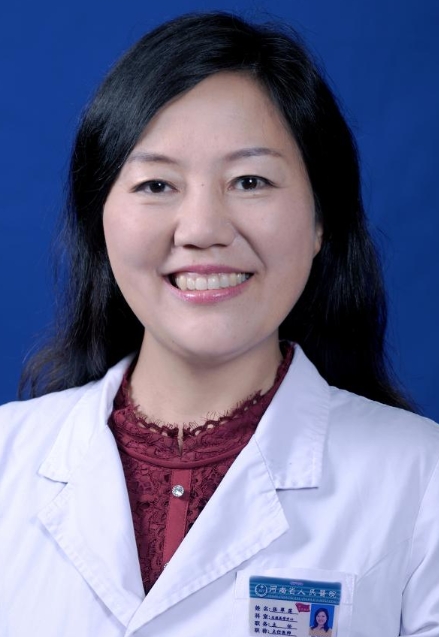 Cuilian Zhang (张翠莲)合作论文数Henan Provincial People's Hospital6
 Qun Lu (鹿群)合作论文数Peking University People's Hospital6Hongyan Lu合作论文数5Xin Huang合作论文数5ZHAO Ming-zi (赵明子)合作论文数5Bo Zhang合作论文数5Fenghua Li合作论文数5JunZhao Zhao (赵军招)合作论文数5AiJun Yang (杨爱军)合作论文数5
 Junli Zhao (赵君利)合作论文数General Hospital of Ningxia Medical University5Cui Yuanqing合作论文数5
 Han Zhao (赵涵)合作论文数Institute of Women, Children and Reproductive Health, Shandong University;Hospital for Reproductive Medicine Affiliated to Shandong University5Yu-Hua Zhang (张玉花)合作论文数5Xiong Wang (王雄)合作论文数5
 Richard S. Legro合作论文数Department of Obstetrics and Gynecology, Penn State College of Medicine;Department of Public Health Sciences, Penn State College of Medicine5
 Yingying Qin (秦莹莹)合作论文数State Key Laboratory of Reproductive Medicine and Offspring Health, Institute of Women, Children and Reproductive Health, Shandong University5
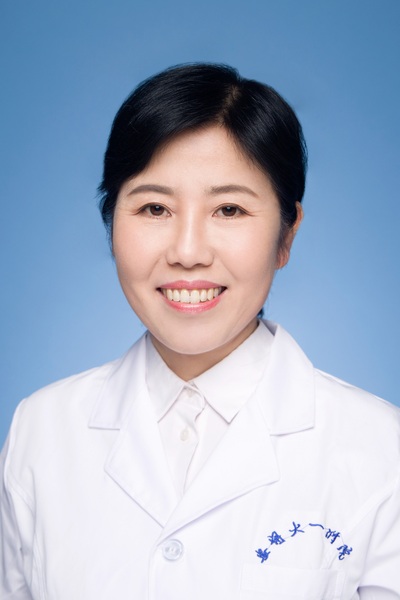 Yunxia Cao (曹云霞)合作论文数The First Affiliated Hospital of Anhui Medical University5
 Junhao Yan (颜军昊)合作论文数Hospital for Reproductive Medicine Affiliated to Shandong University5Yan-ling WAN (万彦伶)合作论文数4Xin Du合作论文数4Jianxiang Cong合作论文数4Yuhui Huang合作论文数4Guanghui Yuan合作论文数4




