Background The stone burden based management strategy reported in the guidelines published by different associations is well known for a long time. Staghorn calculi, representing the largest burden and most complex stones, is one of the most challenging cases to practicing urologists in clinical practice. The International Alliance of Urolithiasis (IAU) has released a series of guidelines on the management of urolithiasis. Purpose To develop a series of recommendations for the contemporary management management of staghorn calculi and to provide a clinical framework for urologists treating patients with these complex stones. Methods A comprehensive literature search for articles published in English between 01/01/1976 and 31/12/2022 in the PubMed, OVID, Embase and Medline database is performed. A series of recommendations are developed and individually graded following the review of literature and panel discussion. Results The definition, pathogenesis, pathophysiology, preoperative evaluation, intraoperative treatment strategies and procedural advice, early postoperative management, follow up and prevention of stone recurrence are summarized in the present document. Conclusion A series of recommendations regarding the management of staghorn calculi, along with related commentary and supporting documentation offered in the present guideline is intended to provide a clinical framework for the practicing urologists in the management of staghorn calculi.
Over the past three decades, there has been increasing interest in miniaturized percutaneous nephrolithotomy (mPCNL) techniques featuring smaller tracts as they offer potential solutions to mitigate complications associated with standard PCNL (sPCNL). However, despite this growing acceptance and recognition of its benefits, unresolved controversies and acknowledged limitations continue to impede widespread adoption due to a lack of consensus on optimal perioperative management strategies and procedural tips and tricks. In response to these challenges, an international panel comprising experts from the International Alliance of Urolithiasis (IAU) took on the task of compiling an expert consensus document on mPCNL procedures aimed at providing urologists with a comprehensive clinical framework for practice. This endeavor involved conducting a systematic literature review to identify research gaps (RGs), which formed the foundation for developing a structured questionnaire survey. Subsequently, a two-round modified Delphi survey was implemented, culminating in a group meeting to generate final evidence-based comments. All 64 experts completed the second-round survey, resulting in a response rate of 100.0%. Fifty-eight key questions were raised focusing on mPCNLs within 4 main domains, including general information (13 questions), preoperative work-up (13 questions), procedural tips and tricks (19 questions), and postoperative evaluation and follow-up (13 questions). Additionally, 9 questions evaluated the experts' experience with PCNLs. Consensus was reached on 30 questions after the second-round survey, while professional statements for the remaining 28 key questions were provided after discussion in an online panel meeting. mPCNL, characterized by a tract smaller than 18 Fr and an innovative lithotripsy technique, has firmly established itself as a viable and effective approach for managing upper urinary tract stones in both adults and pediatrics. It offers several advantages over sPCNL including reduced bleeding, fewer requirements for nephrostomy tubes, decreased pain, and shorter hospital stays. The series of detailed techniques presented here serve as a comprehensive guide for urologists, aiming to improve their procedural understanding and optimize patient outcomes.
OBJECTIVE:This study aimed to evaluate the combined efficacy of hyperthermia and chemotherapy using a bladder cancer organoid model and to explore hyperthermia-related molecular pathways. METHOD:Tumor organoids were generated by embedding RT4 bladder cancer cells into Matrigel. The resulting organoids were treated with pirarubicin or gemcitabine at 37 °C or 42 °C. Proliferation was determined by Ki67 immunofluorescence staining, and apoptosis was assessed using a TdT-mediated dUTP nick end labeling (TUNEL) assay. RNA sequencing was used to identify the differentially expressed genes. RESULTS:Bladder cancer organoids were successfully established and exhibited robust proliferative abilities. Treatment with gemcitabine or pirarubicin under hyperthermic conditions caused pronounced structural damage to the organoids and increased cell death compared to that in the normothermically treated group. Furthermore, Ki67 labeling and TUNEL assays showed that the hyperthermia chemotherapy group showed a significantly reduced proliferation rate and high level of apoptosis. Finally, RNA sequencing revealed the IFN-γ signaling pathway to be associated with hyperthermia. CONCLUSION:Overall, hyperthermia combined with chemotherapy exerted better therapeutic effects than those of normothermic chemotherapy in grade 1-2 non-muscle-invasive bladder cancer, potentially through activation of the IFN-γ-JAK-STAT pathway.
The aim of this study was to construct the sixth in a series of guidelines on the treatment of urolithiasis by the International Alliance of Urolithiasis (IAU) that by providing a clinical framework for the management of pediatric patients with urolithiasis based on the best available published literature. All recommendations were summarized following a systematic review and assessment of literature in the PubMed database from January 1952 to December 2023. Each generated recommendation was graded using a modified GRADE methodology. Recommendations are agreed upon by Panel Members following review and discussion of the evidence. Guideline recommendations were developed that addressed the following topics: etiology, risk factors, clinical presentation and symptoms, diagnosis, conservative management, surgical interventions, prevention, and follow-up. Similarities in the treatment of primary stone episodes between children and adults, incorporating conservative management and advancements in technology for less invasive stone removal, are evident. Additionally, preventive strategies aiming to reduce recurrence rates, such as ensuring sufficient fluid intake, establishing well-planned dietary adjustments, and selective use pharmacologic therapies will also result in highly successful outcomes in pediatric stone patients. Depending on the severity of metabolic disorders and also anatomical abnormalities, a careful and close follow-up program should inevitably be planned in each pediatric patient to limit the risk of future recurrence rates.
Supplementary Figure from Alternative Splicing of EZH2 pre-mRNA by SF3B3 Contributes to the Tumorigenic Potential of Renal Cancer
膀胱癌是泌尿系肿瘤中最常见的肿瘤之一,根据肿瘤是否侵犯肌层可分为非肌层浸润性膀胱癌(non-muscle invasive bladder cancer, NMIBC)和肌层浸润性膀胱癌(muscle invasive bladder canc-er, MIBC).对于MIBC,新辅助化疗联合根治性膀胱切除术(radical cystectomy, RC)是标准的治疗方案.但RC存在较高风险,有1%~4%的患者会在围手术期死亡[1-2].此外,RC及尿流改道也给患者的生活质量带来严重影响.较高的手术风险及生活质量的降低使部分患者不适于或拒绝行RC.
Different international associations have proposed their own guidelines on urolithiasis. However, the focus is primarily on an overview of the principles of urolithiasis management rather than step-by-step technical details for the procedure. The International Alliance of Urolithiasis (IAU) is releasing a series of guidelines on the management of urolithiasis. The current guideline on shockwave lithotripsy (SWL) is the third in the IAU guidelines series and provides a clinical framework for urologists and technicians performing SWL. A total of 49 recommendations are summarized and graded, covering the following aspects: indications and contraindications; preoperative patient evaluation; preoperative medication; prestenting; intraoperative analgesia or anesthesia; intraoperative position; stone localization and monitoring; machine and energy settings; intraoperative lithotripsy strategies; auxiliary therapy following SWL; evaluation of stone clearance; complications; and quality of life. The recommendations, tips, and tricks regarding SWL procedures summarized here provide important and necessary guidance for urologists along with technicians performing SWL. PATIENT SUMMARY: For kidney and urinary stones of less than 20 mm in size, shockwave lithotripsy (SWL) is an approach in which the stone is treated with shockwaves applied to the skin, without the need for surgery. Our recommendations on technical aspects of the procedure provide guidance for urologists and technicians performing SWL.
PURPOSE:To compare the oncologic outcomes of bladder cancer (BCa) patients after partial cystectomy (PC) or radical cystectomy (RC) combined with lymph node dissection (LND). METHODS:Relevant data from BCa patients who had >3 lymph nodes (LNs) removed were retrieved from the Surveillance, Epidemiology, and End Results (SEER) database. Different thresholds of LN count in LND were tested to eliminate potential selection bias, and the optimal threshold was applied to screen patients who underwent adequate LND. After propensity score matching, the oncologic outcomes after PC or RC were compared in patients who underwent adequate LND. RESULTS:After preliminary screening, 6,785 BCa cases diagnosed between 2004 and 2015 with removal of > 3 LNs were enrolled in the analysis, including 633 (9.3%) PC cases and 6,152 (90.7%) RC cases. The PC and RC groups presented entirely different profiles in clinical parameters such as sex, T stage, number of lymph nodes (LNs) removed, and adjuvant therapy. In particular, the LN-positive rate and count were higher in the RC group, even after adjusting for other confounding factors. After comparison using different thresholds, the LN positive rate and count were similar when the LN count in LND was restricted to > 12. In patients who had > 12 LNs removed, after propensity score matching, PC and RC presented similar oncologic outcomes. Further exploration found that the prognosis of patients was associated with age, T stage, and the number of positive LNs. CONCLUSION:PC and RC could provide equivalent oncologic outcomes in BCa when combined with adequate LND. The conclusion needs further validation in future studies.
This article has been retracted. Please see the Retraction Notice for more detail: https://doi.org/10.1186/s13046-020-01606-x.
Dear Editor, Kidney stones are one of the most common clinical diseases in urology.Approximately 80%of renal calculi are composed of calcium oxalate(CaOx)crystals,which are gradually deposited in the medullary collecting duct or in the renal interstitium,causing nephrocalcinosis.1 Although CaOx nephrocalcinosis is usually asymptomatic,it can also induce severe inflammation and necrosis of renal tubular epithelial cells(TECs).
Prostate cancer (PCa) is one of the malignant tumors of urinary system with a high morbidity. Enhancer RNA is a subclass of long non-coding RNA transcribed from active enhancer regions, which plays a critical role in gene transcriptional regulation. However, the role of enhancer RNA (eRNA) in PCa remains extremely mysterious. This study is aimed at exploring key prognostic eRNAs in PCa. First, we downloaded gene expression data and clinical data of 33 cancer types from UCSC Xena platform. Second, we selected reported putative eRNA-target pairs and performed the Kaplan–Meier survival and correlation analysis to determine the crucial eRNAs most related to biochemical recurrence (BCR)-free survival. Third, we explored the clinical characteristics with the key eRNA GAS1 adjacent regulatory RNA (GAS1RR) and performed a computational difference algorithm and the Cox regression analysis. Next, Gene Ontology (GO) and Kyoto Encyclopedia of Genes and Genomes (KEGG) analyses were performed to explore the underlying mechanisms. Finally, we used the pan-cancer data from The Cancer Genome Atlas (TCGA) and performed reverse transcription-quantitative polymerase chain reaction (RT-qPCR) of 18 pairs of specimens to prove the results we acquired. Among all 2695 putative eRNAs, 6 pairs of eRNA-target genes were prominently related to BCR-free survival. Growth arrest-specific protein 1 ( GAS1) was a target gene of GAS1RR ( r = 0.86, P < 0.001). Patients with low GAS1RR expression were likely to have unfavorable clinical characteristics. The result of computational Cox regression analysis demonstrated that GAS1RR may predict the prognosis of PCa independently. RT-qPCR results illuminated that GAS1RR and GAS1 were both downregulated in PCa tissues, and they show a strong positive correlation. GO and KEGG analyses revealed biological processes that GAS1RR was mainly associated with. Immune infiltration analysis indicated that GAS1RR expression is correlated with the infiltration level of six kinds of immune cells. Our results suggest that GAS1RR may be clinically useful in the prediction of PCa prognosis. Moreover, it may also be a prognostic predictor and theoretic target with great promise in PCa.
Nanotechnology-enhanced photodynamic therapy (PDT) and immunotherapy are emerging as exciting cancer therapeutic methods with significant potential for improving patient outcomes. By combining these approaches, synergistic effects have been observed in preclinical studies, resulting in enhanced immune responses to cancer and the capacity to conquer the immunosuppressive tumor microenvironment (TME). Despite challenges such as addressing treatment limitations and developing personalized cancer treatment strategies, the integration of nanotechnology-enabled PDT and immunotherapy, along with advanced photosensitizers (PSs), represents an exciting new avenue in cancer treatment. Continued research, development, and collaboration among researchers, clinicians, and regulatory agencies are crucial for further advancements and the successful implementation of these promising therapies, ultimately benefiting cancer patients worldwide.
尿路结石术前进行肾功能评估的必要性已得到广泛认可.但国内外同行在基于肾功能考量的结石术前检查、术后尿路内引流及随访等方面还存在较多问题尚未达成共识.为进一步规范和指导国内成人尿路结石手术术前肾功能评估、术后尿路内引流及随访,由中华医学会泌尿外科学分会尿路结石学组、中国尿石症联盟牵头组织专家研讨会,参考国内外指南及文献,结合问卷调查,编写了本专家共识,以期为国内同行的临床实践提供参考意见,逐步形成行业规范.
The final analysis of the phase 3 Targeted Investigational Treatment Analysis of Novel Anti-androgen (TITAN) trial showed improvement in overall survival (OS) and other efficacy endpoints with apalutamide plus androgen deprivation therapy (ADT) versus ADT alone in patients with metastatic castration-sensitive prostate cancer (mCSPC). As ethnicity and regional differences may affect treatment outcomes in advanced prostate cancer, a post hoc final analysis was conducted to assess the efficacy and safety of apalutamide in the Asian subpopulation. Event-driven endpoints were OS, and time from randomization to initiation of castration resistance, prostate-specific antigen (PSA) progression, and second progression-free survival (PFS2) on first subsequent therapy or death. Efficacy endpoints were assessed using the Kaplan-Meier method and Cox proportional-hazards models without formal statistical testing and adjustment for multiplicity. Participating Asian patients received once-daily apalutamide 240 mg ( n = 111) or placebo ( n = 110) plus ADT. After a median follow-up of 42.5 months and despite crossover of 47 placebo recipients to open-label apalutamide, apalutamide reduced the risk of death by 32% (hazard ratio [HR]: 0.68; 95% confidence interval [CI]: 0.42-1.13), risk of castration resistance by 69% (HR: 0.31; 95% CI: 0.21-0.46), PSA progression by 79% (HR: 0.21; 95% CI: 0.13-0.35) and PFS2 by 24% (HR: 0.76; 95% CI: 0.44-1.29) relative to placebo. The outcomes were comparable between subgroups with low- and high-volume disease at baseline. No new safety issues were identified. Apalutamide provides valuable clinical benefits to Asian patients with mCSPC, with an efficacy and safety profile consistent with that in the overall patient population.
Intrarenal calcium oxalate (CaOx) crystals induce renal tubular epithelial cell (TEC) inflammatory and oxidative injury. This study is aimed at exploring potential therapeutic lipid components in kidney stones because lipids are involved in the development of several diseases and indicate the risk of kidney stones. Serum specimens were collected from 35 kidney stone patients and 35 normal controls. The lipid components in serum were measured, and differences were analyzed. The documented biological importance was comprehensively reviewed to identify lipids that differed significantly between the two groups to find potential agents associated with kidney stones. CaOx nephrocalcinosis mouse model was established to examine the therapeutic effects of specific lipids on CaOx deposition and CaOx-induced oxidative renal injury. Several lipids with significantly different levels were present in the serum of patients with stones and normal controls. Resolvin D1 (RvD1) (4.93-fold change, P < 0.001) and protectin D1 (PD1) (5.06-fold change, P < 0.001) were significantly decreased in the serum of patients with kidney stones, and an integrative review suggested that these factors might be associated with inflammatory responses, which is a crucial mechanism associated with stone damage. The administration of RvD1 and PD1 significantly inhibited kidney CaOx deposition and suppressed CaOx-induced renal tubular cell inflammatory injury and necrosis in a CaOx nephrocalcinosis mouse model. Furthermore, RvD1 and PD1 facilitated the expression of the oxidative indicator superoxide dismutase 2 (SOD2), inhibited NADPH oxidase 2 (NOX2) expression, and diminished intracellular reactive oxygen species (ROS) levels. This study preliminarily elucidated the role of lipids in kidney stones. The inhibitory effects of RvD1 and PD1 on oxidative damage induced by CaOx deposition provide a promising perspective for kidney stone treatment strategies.
[This corrects the article DOI: 10.7150/thno.44054.].
Supplementary Data from Flightless I Homolog Represses Prostate Cancer Progression through Targeting Androgen Receptor Signaling
目前,局限性前列腺癌(prostate cancer,PCa)有两种标准治疗方案,一种是主动监测(active sur-veillance,AS ),另一种是全腺体(whole gland, WG)治疗,即根治性前列腺切除术(radical prosta-tectomy,RP)和放疗[1-2].而 WG 治疗后若出现并发症(尿失禁、勃起功能障碍和直肠损伤)则会导致患者的生活质量下降[3-4],并且 WG 治疗对患者预后的改善作用也不明确.ProTecT 试验表明,对于中低风险 PCa 患者,WG 治疗的 10 年癌症特异性生存率(cancer-specific survival,CSS)与 AS 相似,但AS存在较高的疾病进展率和转移风险[5].针对部分患者存在过度治疗或治疗不足的情况,有泌尿外科医生认为使用局部治疗可以在最大限度减少并发症的同时获得与 WG治疗相当的肿瘤控制效果.近年来,局部治疗的理念不断更新,本文系统性回顾了PCa局部治疗的适应证、局部病灶的诊断和治疗方式及随访方面的研究进展.
尿路支架在治疗尿路梗阻的过程中发挥着引流及支撑的双重作用,已广泛应用于泌尿外科相关疾病治疗工作中.尿路支架按材质不同可以分为聚合物支架、金属支架和生物可降解支架三大类[1].传统的聚合物支架在体内停留时间短,需要频繁更换,且在尿液中易形成支架壳,并出现一系列相关并发症[2].
 Weimin Yang (杨为民)合作论文数Tongji Hospital, Tongji Medical College, Huazhong University of Science and Technology210
 Shaogang Wang (王少刚)合作论文数Tongji Hospital, Tongji Medical College, Huazhong University of Science and Technology193
 Jihong Liu (刘继红)合作论文数Tongji Hospital, Tongji Medical College, Huazhong University of Science and Technology154
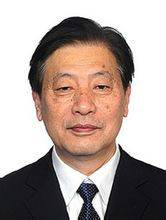 Siwei Zhou (周四维)合作论文数Tongji Hospital, Tongji Medical College of Huazhong University of Science and Technology125
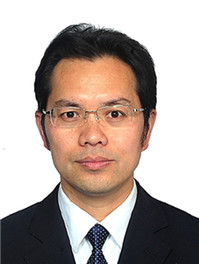 Zhiquan Hu (胡志全)合作论文数Tongji Hospital, Tongji Medical College of Huazhong University of Science & Technology119
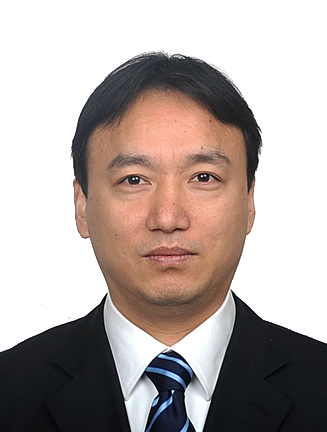 Hua Xu (徐华)合作论文数Department of Urology, Tongji Hospital, Tongji Medical College, Huazhong University of Science and Technology104
 Zhiqiang Chen (陈志强)合作论文数Tongji Hospital, Tongji Medical College of Huazhong University of Science and Technology89
 Zhong Chen (陈忠)合作论文数Tongji Hospital, Tongji Medical College, Huazhong University of Science and Technology85
 Guanghui Du (杜广辉)合作论文数74QianYuan Zhuang (庄乾元)合作论文数67
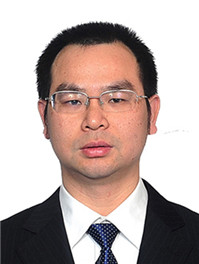 Tao Wang (王涛)合作论文数Tongji Hospital, Tongji Medical College of Huazhong University of Science and Technology67
 Xu Zhang (张旭)合作论文数Chinese PLA General Hospital56
 Xiaolin Guo (郭小林)合作论文数Tongji Hospital, Tongji Medical College, Huazhong University of Science and Technology54
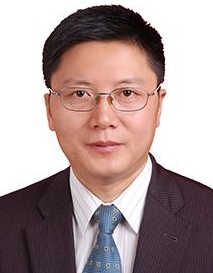 Zhihua Wang (王志华)合作论文数Department of Urology, Tongji Hospital, Tongji Medical College of Huazhong University of Science and Technology46
 Xiao Yu (余虓)合作论文数Tongji Hospital, Tongji Medical College, Huazhong University of Science & Technology44
 Xiaoyong Zeng (曾晓勇)合作论文数Tongji Hospital, Tongji Medical College, Huazhong University of Science and Technology43XiaoDong Song (宋晓东)合作论文数42
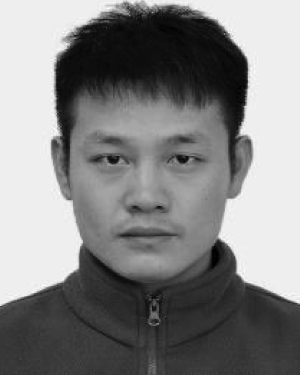 Tang Kun合作论文数40
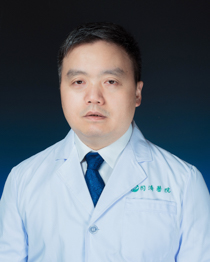 Ruzhu Lan (蓝儒竹)合作论文数Tongji Hospital, Tongji Medical College, Huazhong University of Science & Technology39Gan Yu (余淦)合作论文数39
 Jun Yang (杨军)合作论文数Union Hospital, Tongji Medical College, Huazhong University of Science and Technology36
 Xia Ding (丁霞)合作论文数School of Traditional Chinese Medicine, Beijing University of Chinese Medicine34
 Wei Guan (管维)合作论文数33
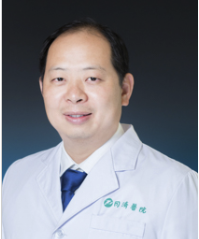 Xiaoyi Yuan (袁晓奕)合作论文数Tongji Hospital, Tongji Medical College of Huazhong University of Science and Technology31
 Xin Ma (马鑫)合作论文数Chinese PLA General Hospital31Dan Cai (蔡丹)合作论文数29
 Haoran Liu合作论文数Institute of Pharmacy, Huazhong University of Science and Technology29Weimin Yao合作论文数28
 Heng Li (李恒)合作论文数Union Hospital, Tongji Medical College, Huazhong University of Science and Technology28JiaGui Li (李家贵)合作论文数26
 Ke Chen (谌科)合作论文数Tongji Hospital Affiliated to Tongji Medical College of Huazhong University of Science & Technology26Yongshang ZHANG (章咏裳)合作论文数25
 Huiping Zhang (章慧平)合作论文数Institute of Reproductive Health, Tongji Medical College, Huazhong University of Science and Technology25XiCai Zhou (周惜才)合作论文数24Wei Xiao (肖巍)合作论文数24Libin Yan合作论文数Huazhong Univ Sci & Technol, Tongji Hosp, Tongji Med Coll, Dept Urol, Wuhan, Hubei, Peoples R China23Wei GUAN (管维)合作论文数23
 Xiongbing Zu (祖雄兵)合作论文数Department of Urology, Xiangya Hospital, Central South University22
 Qianyuan Zhuang (庄乾元)合作论文数Tongji Hospital, Tongji Medical College, Huazhong University of Science and Technology22Ejun Peng合作论文数21TieJun Pan (潘铁军)合作论文数21
 Junhui Hu合作论文数19
 Hongzhao Li (李宏召)合作论文数Chinese PLA General Hospital19Xiao Haibing合作论文数19Xiaoqi Yang合作论文数19
 Lin Qi (齐琳)合作论文数Xiangya Hospital, Central South University19




