Soy sauce residue (SSR), a by-product of soy sauce production industry that is rich in protein and amino acids, was investigated for its effects on the growth and organ development, plasma biochemical parameters, meat quality, and breast muscle metabolites of Pekin ducks. A total of 280 healthy male 1-day-old ducks were randomly divided into 5 groups (7 replicates, 8 birds/replicate). The ducks were fed a corn-soybean meal supplemented with varying levels of SSR (0%, 2%, 4%, 6%, and 8%). The study found that the addition of 4% SSR had no significant effect on growth performance, organ development, and meat quality of Pekin ducks (P > 0.05). In terms of plasma biochemistry parameters, the contents of ALT, AST, TP, ALB, DBIL, CK, CHO, and HDLC in the 6% and 8% SSR groups were significantly decreased (P < 0.05). CK showed a liner decrease with the increasing SSR level (P < 0.05). Additionally, the contents of proline, histidine, aspartic and acetic acid in the breast muscle of the 8% SSR group were significantly decreased (P < 0.05). Analysis of breast muscle metabolites revealed that there was a total of 71 differential metabolites between the control and 8% SSR groups, which were associated with anti-inflammatory and antioxidant functions. In summary, SSR may serve as a novel feed ingredient in meat duck production, and an inclusion level of 4% appears to be safer in this experiment.
The study aimed to investigate the metabolic characteristics and reproductive regulatory mechanisms of the ovary in Xueduo yaks during gestation (RS), red body phase (RT), and luteal phase (YT) using non-targeted metabolomics. Ovarian tissues were collected from healthy Xueduo yaks at different reproductive stages and analyzed by liquid chromatography-mass spectrometry (LC-MS). Multivariate statistical analysis was employed to screen differential metabolites (DEMs), and functional annotation and pathway enrichment analysis were performed using the Kyoto Encyclopedia of Genes and Genomes (KEGG) database. The results showed that a total of 3 250 metabolites were identified, and the ovarian metabolic profiles at different reproductive stages exhibited significant differences, with steroids, lipids, and amino acid derivatives being the predominant DEMs. Metabolic pathway enrichment analysis revealed that these metabolites were mainly involved in pathways such as steroid hormone biosynthesis, oxidative phosphorylation, the pentose phosphate pathway, ferroptosis, and terpenoid backbone biosynthesis, exhibiting stage-specific regulatory characteristics. Among them, metabolites related to progesterone synthesis, energy metabolism, and antioxidant defense showed significant changes at specific stages. The study shows that the ovary of Xueduo yaks achieves precise adaptation to the physiological demands of different reproductive stages through the coordinated regulation of multiple metabolic pathways, with metabolic reprogramming playing a key role in its reproductive regulation.
To investigate the genetic regulatory mechanism of supplementary feeding on muscle development in Oula sheep, we employed transcriptomic analysis to explore the differentially expressed genes (DEGs) in the longissimus dorsi muscle of Oula sheep at different ages under conditions of supplementary feeding and non-supplementary feeding, as well as the significantly enriched Gene Ontology (GO) terms and Kyoto Encyclopedia of Genes and Genomes (KEGG) signaling pathways of DEGs. Moreover, by combining with the method of weighted gene co-expression network analysis, we screened for the potential hub genes that might play crucial roles. The results demonstrated that the CD4 and ICAM1 genes and the PI3K-Akt signaling pathway might exert important functions during the lamb stage. At the growth stage, the AGL, PGM2L1, PRKAA2, NEDD4, and GBE1 genes might serve as core genes to regulate the growth of skeletal muscle in Oula sheep after supplementary feeding through signaling pathways such as starch and sucrose metabolism and insulin signaling pathway. This outcome provides a molecular-level interpretation of the regulatory mechanism of supplementary feeding on muscle growth and development in Oula sheep at different ages, offering a theoretical basis for the further improvement of the meat quality of Oula sheep and the enhancement of the quality of livestock products in the Qinghai–Tibet Plateau region.
To investigate the gene regulatory mechanisms underlying muscle development in Oula sheep at different growth stages, under supplementary feeding, particularly the shift in core regulatory mechanisms governing muscle development from the fetal stage to the postnatal period, we conducted transcriptomic sequencing and comparative analysis of the longissimus dorsi muscle collected during the embryonic, lamb, and adult stages. Differentially expressed genes (DEGs) potentially associated with muscle growth and development were identified across various age phases. Furthermore, Short Time-series Expression Miner (STEM) analysis was employed to decipher the temporal expression patterns of these DEGs. The results indicated that metabolic processes related to carbohydrates, energy, and amino acids were enhanced with increasing age in Oula sheep muscle. Comparative analysis between different growth stages revealed that the functional enrichment of DEGs was directly associated with changes in skeletal muscle development, with significant enrichment in biological pathways such as ECM–receptor interaction, PI3K-AKT signaling pathway, and protein digestion and absorption. Additionally, we observed that PTPRC, IL10, NDUFAB1, BUB1, BUB1B, CDK1, ITGB3, and ITGB2 may play pivotal roles in the regulation of muscle growth and development across different stages in Oula sheep. These findings provide theoretical support for the understanding of the genetic regulatory mechanisms underlying muscle development in Oula sheep.
The present study aimed to determine whether rubber seed oil (RSO) could simultaneously increase antioxidant capacity and enrich n-3 PUFAs in Pekin ducks by evaluating growth performance, fatty acid profile, and antioxidant capacity. A total of 192 male Pekin ducks (1 day old, 51.9 +/- 0.3 g) were randomly allocated to four treatment groups, each consisting of four replicates with 12 ducklings per replicate. Ducks were fed with experimental diets supplemented with 0 (Control), 1% (RSO1), 2% (RSO2), and 3% (RSO3) RSO, respectively, for 42 days. Dietary RSO supplementation improved weight gain (p < 0.05), decreased feed/gain (p < 0.05), and reduced the yield of abdominal fat and liver (p < 0.05) of Pekin ducks. Total cholesterol and triglyceride contents were decreased (p < 0.05), whereas the contents of n-3 PUFAs in plasma, liver, and breast meat increased in Pekin ducks with increasing dietary RSO levels (p < 0.05). Simultaneously, the antioxidant activities in plasma, liver, and breast meat were enhanced in Pekin ducks after feeding RSO diets (p < 0.05). Additionally, dietary RSO increased the mRNA expression levels related to cholesterol transport (p < 0.05) and decreased the mRNA expression levels related to lipid synthesis in the liver of Pekin ducks (p < 0.05). In summary, dietary RSO supplementation improved growth performance, enriched n-3 PUFAs, and enhanced antioxidant capacity in Pekin ducks. These findings suggest that RSO could serve as a novel source of n-3 PUFAs and an antioxidant for Pekin ducks, with the potential to contribute to the generation of animal functional foods.
The experiment aimed to explore the effects of autumn supplementary feeding on the serum biochemical indexes of Oula sheep at different age stages. A total of 24 healthy and similar-conditioned Oula ewes at the ages of 6, 12, and 36 months were selected for each age group. The Oula sheep at each age stage were randomly divided into a grazing group (group Ⅰ) and a grazing + supplementary feeding group (group Ⅱ), with three replicates in each group and four sheep in each replicate. The pre-feeding period was 10 days and the formal experimental period was 60 days. The results showed that the average daily weight gain of the group Ⅱ was higher than that of the group Ⅰ for 6-month-old and 12-month-old sheep (P<0.05). In 6-month-old sheep of the group Ⅱ, the serum E2 and GH levels were higher than those in the group Ⅰ (P<0.05). In 12-month-old and 36-month-old sheep of the group Ⅱ, the ALP activity was higher than that in the group Ⅰ(P<0.05). In 6-month-old sheep of the group Ⅱ, the serum GLB level was higher than that in the group Ⅰ(P<0.05). In 12-month-old sheep of the group Ⅱ, the IL-2 level was higher than that in the group Ⅰ(P<0.05). In 36-month-old sheep of the group Ⅱ, the levels of GLB, IgM, IL-4, and IL-6 were higher than those in the group Ⅰ (P<0.05). In 6-month-old sheep of the group Ⅱ, the serum GSH-Px activity was higher than that in the group Ⅰ (P<0.05). In 12-month-old and 36-month-old sheep of the group Ⅱ, the SOD activity was higher than that in the group Ⅰ (P<0.05). The study suggests that autumn supplementary feeding promotes the rapid maturation of 6-month-old ewes, enhances the growth, metabolic capacity, immune function, and antioxidant ability at different age in Oula sheep.
Black Tibetan sheep is a branch of Tibetan sheep on the Qinghai-Tibet Plateau (QTP). It is mainly distributed in Guinan County, Qinghai Province. In order to accurately identify the core regulatory genes in the process of muscle development of black Tibetan sheep, further explore the physiological processes of growth, development and myogenesis of black Tibetan sheep, and carry out molecular breeding of black Tibetan sheep, this experiment took the unique black Tibetan sheep on the Qinghai-Tibet Plateau as the experimental object, and selected three stages of 4-month-old embryo (embryonic stage, MF group), 10-month-old(breeding stage, ML group) and 36-month-old (adult, MA group). The longissimus dorsi tissues of 3 sheep were taken at each stage to quantify the expression of genes during muscle development at different developmental stages. Meanwhile, overexpression and interference techniques were used to detect the role of core genes in the proliferation of primary muscle cells of black Tibetan sheep. In the process from embryonic stage to mature stage and adulthood, more than 1000 genes were up-regulated and more than 4000 down-regulated in black Tibetan sheep, while from breeding to adulthood, there were only 51 up-regulated genes and 83 down-regulated genes. About 998 genes were newly identified in each group. During muscle development from embryonic stage to mature stage to adulthood, two significant differential trend gene sets of Profile1 and Profile 6 were screened and identified, in which there were 121 and 31 core regulatory genes identified, respectively. In the trend of first decreasing and then stable expression in the whole development stage, 121 genes are core regulatory transcripts, which are mainly related to axonal guidance, cell cycle and other functions. 31 genes are core regulatory transcripts in the first rising and then stable expression, which are mainly related to biological metabolic pathway, oxidative phosphorylation and other processes. In the MF-ML stage, 75 genes were selected as the core regulatory gene set, the core genes were PTEN, AKT3, etc., and there were 134 differentially expressed genes in the ML-MA stage, and the core regulatory genes were IL6, ABCA1 and so on. In the MF-ML stage, the core gene set widely plays a role in cell components, cell matrix and other biological processes, while in the ML-MA stage, the core gene set widely plays a role in cell migration, cell differentiation, tissue development and so on. Adenovirus vector overexpressed and interfered with the core gene PTEN in primary muscle satellite cells of black Tibetan sheep shown that, interference and overexpression of PTEN would correspondingly increase and decrease the expression of other core genes, like AKT3, CKD2, CCNB1, ERBB3, HDAC2, but the specific interaction mechanism of each gene still needs to be further explored.
[目的]本试验旨在研究填饲对北京鸭生长发育、胸肌生化指标和肉品质的影响.[方法]选用120只体重相近(2 529 g+40 g)的35日龄北京鸭,随机分为2组(正常饲喂组和填饲组),每组6个重复,每重复10只鸭.试验周期为7 d,正常饲喂组1~7 d每只饲喂260 g/d,填饲组第1和2天每只分别饲喂260和300 g/d,第3~7天每只饲喂420 g/d.于试验鸭42日龄时,空腹12 h,每重复选取2只鸭,翅静脉取血5 mL后进行屠宰,对屠体、胸肌和腿肌进行称重,计算屠体率、胸肌率和腿肌率,并测定其血浆和胸肌生化指标、胸肌肉品质以及脂肪酸含量.[结果]①填饲组北京鸭平均体重、平均日增重、屠体重、屠体率和胸肌重显著高于正常饲喂组(P<0.05),腿肌重和腿肌率显著低于正常饲喂组(P<0.05),料重比和胸肌率在两组间无显著差异(P>0.05).②填饲组北京鸭血浆中的谷丙转氨酶(ALT)活力和谷丙转氨酶/谷草转氨酶(ALT/AST)显著高于正常饲喂组(P<0.05),谷草转氨酶(AST)活力显著低于正常饲喂组(P<0.05).填饲组北京鸭胸肌中的水分、粗蛋白质含量和苹果酸脱氢酶(MDH)活力显著低于正常饲喂组(P<0.05),肌内脂肪和甘油三酯(TG)含量显著高于正常饲喂组(P<0.05).③填饲组北京鸭胸肌亮度(L*)、黄度(b*)和蒸煮损失显著高于正常饲喂组(P<0.05).④填饲组北京鸭胸肌中C22:5 n-6含量和多不饱和脂肪酸/饱和脂肪酸(PUFA/SFA)显著低于正常饲喂组(P<0.05),C14:0,C16:1 n-7、C18:1 n-9、C20:2 n-6、C20:3 n-6、C22:0、总脂肪酸(FA)、不饱和脂肪酸(UFA)和单不饱和脂肪酸(MUFA)含量显著高于正常饲喂组(P<0.05).[结论]填饲可促进北京鸭生长发育,增强北京鸭脂肪代谢,提高胸肌肌内脂肪、不饱和脂肪酸和总脂肪酸含量,降低胸肌水分和粗蛋白质含量,且填饲组北京鸭胸肌肉蒸煮损失更高.
Black Tibetan sheep (Ovis aries) is a unique branch of Tibetan sheep in Qinghai province, which was used for wool and meat. The third-generation transcriptome was sequenced and compared with the sheep genome to explore the new transcriptome and genes of black Tibetan sheep. PacBio Iso-seq mixed cell sequencing was performed on longissimus dorsi muscle tissues of black Tibetan sheep at different ages. There was a total of 96596073037 bp base data of Iso-seq, with N50 2822 bp. Iso-seq sequencing depth was about 34.5. There were 36191 isoforms mapped to 8665 reference genes and there were 1846 novel isoforms and 25,680 new isoforms in black Tibetan sheep compared with sheep database. Among these transcripts, there were 25,323 new coding RNA and 1065 novel coding RNA, 357 new long non-coding RNA, and 781 novel long non-coding RNA. Using hmmscan compared isoforms to the animal transcription factor (TF) database, there were 519 and 156 isoforms respectively associated with ZF-C2H2 and TF family including TF-bZIP. The next family of transcription factors enriched in isoforms was bHLH, Homeobox, MYB, and others. All these results would provide a valuable genetic resource that could be further used for future genetics and genomics studies.
Horn is a unique organizational structure of the cloven-hoofed ruminant suborder,which is a tool for animals to fight and resist foreign enemies,but it is easy to cause damage to livestock houses and casualties to staff in modern intensive breeding.The horns of cattle and sheep are different from deer,which are non-value-added animal products,and will reduce feed remuneration,reduce feed con-version rate,and do not adapt to the development trend of modern and efficient breeding.Man-made cor-ner removal,while violating animal welfare,will waste huge manpower and material resources,which is easy to cause animal stress.The cultivation of hornless cattle and sheep breeds through genetic improve-ment is an important task in the development of efficient animal husbandry.The hole horns of cattle and sheep are relatively special,hollow and externally keratinized,which is difficult to directly carry out the regulation of tissue development,but mostly explore its genetic mechanism from the genome level.This paper reviews the research progress of the main gene of hornless traits in cattle and sheep at home and abroad,which provides a scientific reference for further research on the presence or absence of horns and horn development,and the development of molecular breeding of cattle and sheep,and provides a reference for the subsequent use of mo-lecular biology technology to carry out the cultiva-tion of hornless cattle and sheep breeds.
The SMAD1 and SMAD5 genes belong to mothers against decapentaplegic proteins family, which participate in the BMP pathway to control skeletal myogenesis and growth. In the present study, we analyzed the associations between polymorphisms of SMAD1 and SMAD5 genes promoter and important economical traits in Qinchuan cattle. Four SNPs in the SMAD1 gene promoter and three SNPs in the SMAD5 promoter were identified by sequencing of 448 Qinchuan cattles. Allelic and frequency analyses of these SNPs resulted in eight haplotypes both in the promoters of the two genes promoter and identified potential cis-regulatory transcription factor (TF) components. In addition, correlation analysis showed that cattle SMAD1 promoter activity of individuals with Hap4 (P < 0.01) was stronger than that of individuals with Hap2. while the transcriptional activity of individuals with Hap3 within SMAD5 gene promoter was significantly (P < 0.01) higher followed by H2. Uniformly, diplotypes H4-H6 of SMAD1 gene and H1-H3 of SMAD5 gene performed significant (P < 0.01) associations with body measurement and improved carcass quality traits. All these results have indicated that polymorphisms in SMAD1 and SMAD5 genes promoter could impact the transcriptional regulation and then affect muscle content in beef cattle. Moreover, both the SMAD1 and SMAD5 genes were expressed ubiquitously in 10 tissues and had higher expression in the longissimus thoracis tissue from 6-month-old and 12-month-old cattle than in cattle of other ages. We can conclude that SMAD1 and SMAD5 genes may play an important role in muscle growth and development, and the variants mapped within SMAD1 and SMAD5 genes can be utilized in molecular marker assisted selection for cattle carcass quality and body measurement traits in breed improvement programs of Qinchuan cattle.
Adipogenesis involves complex interactions between transcription and metabolic signalling. Exploration of the developmental characteristics of intramuscular adipocyte will provide targets for enhancing beef cattle marbling without increasing obesity. Few reports have compared bovine perirenal and intramuscular adipocyte transcriptomes using the combined analysis of transcriptomes and lipid metabolism to explore differences in adipogenic characteristics. We identified perirenal preadipocytes (PRA) and intramuscular preadipocytes (IMA) in Qinchuan cattle. We found that IMA were highly prolific in the early stages of adipogenesis, while PRA shows a stronger adipogenic ability in the terminal differentiation. Bovine perirenal and intramuscular adipocytes were detected through the combined analysis of the transcriptome and metabolome. More triglyceride was found to be upregulated in perirenal adipocytes; however, more types and amounts of unsaturated fatty acids were detected in intramuscular adipocytes, including eicosapentaenoic acid (20:5 n-3; EPA) and docosahexaenoic acid (22:6 n-3; DHA). Furthermore, differentially expressed genes in perirenal and intramuscular adipocytes were positively correlated with the eicosanoid, phosphatidylcholine (PC), phosphatidyl ethanolamine (PE), and sphingomyelin contents. Associated differential metabolic pathways included the glycerolipid and glycerophospholipid metabolisms. Our research findings provide a basis for the screening of key metabolic pathways or genes and metabolites involved in intramuscular fat production in cattle.
Additional file 6: Table S5. GO analysis of DEGs before (day 0) and after adipogenic differentiation (day 5) in MYOD1KO, MYOD1NC and MYOD1OE cells.
以235头高原型牦牛为研究材料,通过PCR扩增和DNA测序检测ACACA基因5'UTR上存在的SNPs,并分析其与牦牛泌乳性状的关联性.结果表明,ACACA基因5'UTR上存在2个SNP,分别为g.43478T>A和g.43569C>T,均存在3种基因型;χ2检验表明,两个位点均处于Hardy Weinberg平衡状态(P>0.05),且为中度多态(0.50>PIC>0.25).与泌乳性状关联性分析发现g.43478T>A位点上的AA基因型泌乳性状表现最优,乳脂率和乳蛋白率均极显著高于TT基因型(P<0.01);g.43569C>T位点上的不同基因型的泌乳性状差异不显著(P>0.05).单倍型和连锁不平衡分析发现两个位点存在4种单倍型,位点间不存在强的连锁性(r2=0.027).进一步分析双倍型发现H2H2个体的乳脂率极显著高于其他类型双倍型(P<0.01),不同双倍型之间乳蛋白率和乳糖率差异不显著(P>0.05).
为揭示八眉猪DRD1基因多态性对其繁殖性能及生长性能的影响,以青海八眉猪为研究对象,对DRD1基因多态性与生长性状、产仔数进行相关性分析;利用生物信息学工具分析猪及其他近缘物种DRD1蛋白结构的保守性,作为评估八眉猪DRD1基因功能的基础.结果表明:猪DRD1蛋白在一、二、三级结构上与人等哺乳动物存在大量相似性结构;在遗传进化上和牛关系较近.青海八眉猪DRD1外显子区域存在一个多态性位点,但存在2种突变类型:Type1(g.1159C>T)和Type2(g.1159C>G),其中Type1位点是主要突变类型,在整个检测群体中处于哈代-温伯格平衡状态,Type2型分布不平衡.Type1和Type2型突变有利于青海八眉猪产仔数提高,其中Type1型突变纯合型TT产仔数显著高于野生纯合CC和杂合CT型(P<0.05)o Type1和Type2的多态性引起了体高、体长等生长性状变化,但未达到显著水平(P>0.05).因此,青海八眉猪DRD1基因的此SNP位点可考虑作为其产仔性状相关分子标记的候选基因位点,为青海八眉猪的分子辅助选育工作提供基础.
Additional file 10: Table S9. Predicted binding miRNAs on 3′-UTR of c-Met gene.
The TORC2 gene is responsible for nutrient metabolism, gluconeogenesis, myogenesis and adipogenesis through the PI3K-Akt, AMPK, glucagon and insulin resistance signaling pathways. Sequencing of PCR amplicons explored three novel SNPs at loci g.16534694G>A, g.16535011C>T, and g.16535044A>T in the promoter region of the TORC2 gene in the Qinchuan breed of cattle. Allelic and genotypic frequencies of these SNPs deviated from Hardy-Weinberg equilibrium (HWE) (P < 0.05). SNP1 genotype GG, SNP2 genotype CT and SNP3 genotype AT showed significantly (P <0.05) larger body measurement and improved carcass quality traits. Haplotype H1 (GCA) showed significantly (p<0.01) higher transcriptional activity (51.44%) followed by H4 (ATT) (34.13%) in bovine preadipocytes. The diplotypes HI-H3 (GG-CC-AT), H1-H2 (GG-CT-AT) and H3-H4 (GA-CT-TT) showed significant (P<0.01) associations with body measurement and improved carcass quality traits. Analysis of the relative mRNA expression level of the TORC2 gene in different tissues within two different age groups revealed a significant increase (P<0.01) in liver, small intestine, muscle and fat tissues with growth from calf stage to adult stage. We can conclude that variants mapped within TORC2 can be used in marker-assisted selection for carcass quality and body measurement traits in breed improvement programs of Qinchuan cattle.
采用SPSS17.0软件对成年欧拉羊公、母羊的体重(Y)、体高(X1)、体长(X2)、胸宽(X3)、胸深(X4)、尻宽(X5)、胸围(X6)等7项生长参数进行相关性分析、通径分析和多元线性回归分析,建立体重与体尺指标间的最优线性回归模型.结果 表明:成年欧拉羊公、母羊的6个所测体尺指标均与体重呈极显著正相关(P<0.01).其中,胸围是影响欧拉羊公、母羊体重的最主要体尺因素,辅助其他体尺对体重产生较大的间接影响,建议在今后的选育中加强对胸围的选择力度,以提高欧拉羊的平均体重.成年欧拉羊公、母羊的体重与相关体尺间的最优回归模型分别为:Y=-71.363+0.508X2+0.789X4+0.759X6(R=0.848,P<0.01);Y=-129.206+ 0.725X1+0.670X2+1.016X3 +0.644X6(R=0.863,P<0.01).
The genetic regulation of lipolytic enzyme is closely related to carcass quality traits through deposition of intramuscular fat (marbling) in beef cattle breeds. The alpha/beta hydrolase domain containing 5 (ABHD5) is an accelerating factor of adipose triglyceride lipase (ATGL), which plays a key role in triglyceride metabolism. In this study, we determined that bovine ABHD5 gene was highly expressed in adult bovine adipose tissue. To elucidate the molecular mechanisms involved in bovine ABHD5 regulation, we cloned and characterized the promoter region of ABHD5. Applying 5'-rapid amplification of cDNA end analysis (RACE), we identified transcriptional start site (TSS) found in the predicted CpG island within promoter region of ABHD5 gene. Using the recombinant dual fluorescent reporter vectors, the fragment of -109/ + 307 was identified as proximal minimum core promoter region of ABHD5 in bovine intramuscular adipocytes. Site directed mutagenesis and electrophoretic mobility shift assay (EMSA) confirmed the role of two transcription factors, namely Ectopic viral integration site 1 (Evil) and CCAAT/enhancer binding protein alpha (C/EBP alpha), in the regulation of ABHD5 gene. Taken together these findings we can conclude that ABHD5 gene regulated by Evil and C/EBP alpha could be used as potential marker in marker assisted selection for the improvement of Qinchuan cattle breed for carcass quality traits.
The genetic regulation of lipolytic enzyme is closely related to carcass quality traits through deposition of intramuscular fat (marbling) in beef cattle breeds. The α/β hydrolase domain containing 5 (ABHD5) is an accelerating factor of adipose triglyceride lipase (ATGL), which plays a key role in triglyceride metabolism. In this study, we determined that bovine ABHD5 gene was highly expressed in adult bovine adipose tissue. To elucidate the molecular mechanisms involved in bovine ABHD5 regulation, we cloned and characterized the promoter region of ABHD5. Applying 5'-rapid amplification of cDNA end analysis (RACE), we identified transcriptional start site (TSS) found in the predicted CpG island within promoter region of ABHD5 gene. Using the recombinant dual fluorescent reporter vectors, the fragment of -109/+307 was identified as proximal minimum core promoter region of ABHD5 in bovine intramuscular adipocytes. Site directed mutagenesis and electrophoretic mobility shift assay (EMSA) confirmed the role of two transcription factors, namely Ectopic viral integration site-1 (Evi1) and CCAAT/enhancer binding protein alpha (C/EBPα), in the regulation of ABHD5 gene. Taken together these findings we can conclude that ABHD5 gene regulated by Evi1 and C/EBPα could be used as potential marker in marker assisted selection for the improvement of Qinchuan cattle breed for carcass quality traits.
 Linsen Zan (昝林森)合作论文数College of Animal Science and Technology, Northwest A&F University10
 Rajwali Khan合作论文数9
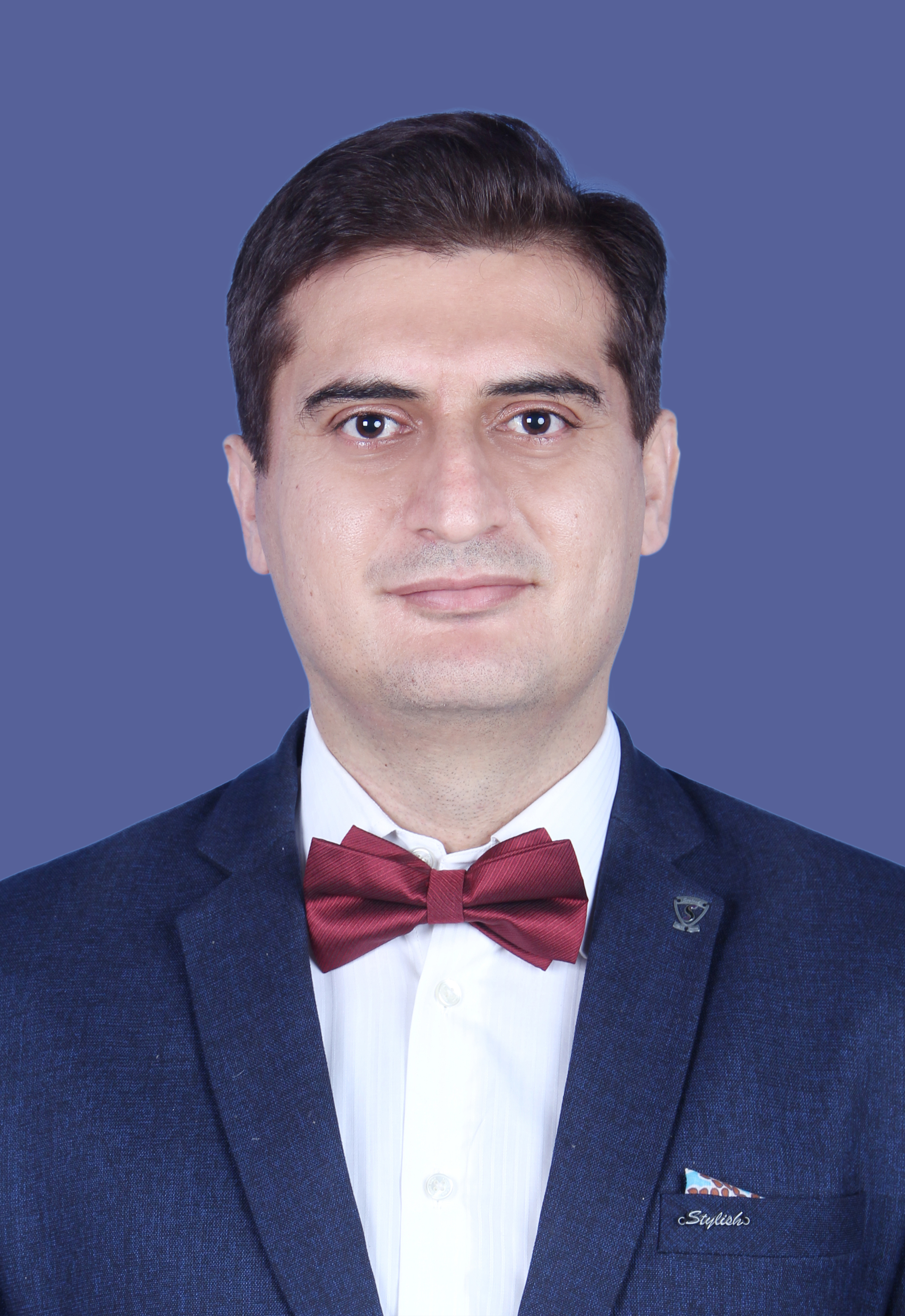 Sayed Haidar Abbas Raza合作论文数School of Life Sciences, Sun Yat-sen University9
 Xiaoyu Wang (王晓宇)合作论文数College of Food Engineering and Nutritional Science, Shaanxi Normal University6
 Guo Hongfang合作论文数5Le Zhang合作论文数4Yue Ning合作论文数4Junting Cao合作论文数3Zhanyue Wu (吴占月)合作论文数3
 Liang Chengcheng合作论文数3LinSheng Gui (桂林生)合作论文数3
 Irfan Ullah合作论文数Nanjing University of Information Science & Technology3
 Dawei Wei (魏大为)合作论文数Ningxia University3
 Anning Li (李安宁)合作论文数College of Animal Science and Technology, Northwest A&F University3
 Wucai Yang (杨武才)合作论文数College of Animal Science and Technology, Northwest A&F University3Zhiguo Wen (闻治国)合作论文数3
 Nicola M. Schreurs合作论文数UR1213 Recherches sur les Herbivores, INRA Theix3Qiang-Sen Zhao (赵强森)合作论文数中国农业大学动物科技学院2Mingyi Yan合作论文数2ZHUANG Lei (庄蕾)合作论文数2
 Meng Liu合作论文数Joint Int Lab Metab & Dev Sci, Shanghai Jiao Tong Univ2Zhong-Tao Yin合作论文数National Engineering Laboratory for Animal Breeding, Key Laboratory of Animal Genetics, Breeding and Reproduction of the Ministry of Agriculture, College of Animal Science and Technology, China Agricultural University, Beijing, China2Xiaoqin Li合作论文数Yunnan Agriculture University(Yunnan Agricultural University),Kunming,China2
 Seyed Mahdi Hosseini合作论文数College of Animal Science and Technology, Ministry of Education, Huazhong Agricultural University2Qiang-long ZHANG (张强龙)合作论文数2MingYi Yan (阎明毅)合作论文数2
 Hongbao Wang (王洪宝)合作论文数College of Animal Science and Technology, Northwest A&F University2
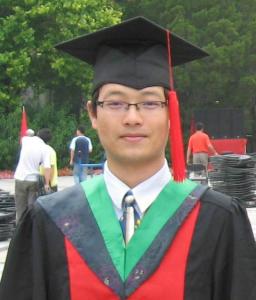 Sirui Chen (陈思睿)合作论文数College of Animal Science and Technology, China Agricultural University2
 Chugang Mei (梅楚刚)合作论文数College of Grassland Agriculture, Northwest A&F University2
 Zhuocheng Hou (侯卓成)合作论文数College of Animal Science and Technology, China Agricultural University2
 Ning Yang (杨宁)合作论文数College of Animal Science and Technology, China Agricultural University2
 Song Zhang合作论文数Department of Medicine, Mayo Clinic2Matthew D. Garcia合作论文数1Hubdar Ali Kaleri合作论文数1Xingxing Xue合作论文数1Ruqaih Alghsham合作论文数1Qichun Han合作论文数1Zitao Zhao (赵子涛)合作论文数1Lei Zhuang合作论文数1Mingzhe Fu合作论文数1Yousef Alharbi合作论文数Dept Vet Med, Qassim Univ1
 Zeinab Manzari合作论文数Univ Coll Agr & Nat Resources, Univ Tehran1
 Akil Alshawi合作论文数Sch Life Sci, Univ Nottingham1Yongbao Wu合作论文数1MA Xueyao (马雪瑶)合作论文数1
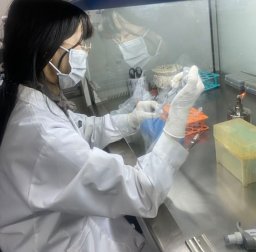 Feng Long (龙凤)合作论文数College of Animal Science and Technology, Northwest A&F University1Wenbo Wang合作论文数1
 Yaning Wang (王亚宁)合作论文数Zhongshan School of Medicine, Sun Yat-sen University1




