Recent advancements in personalized Text-to-Video (T2V) generation have made significant strides in synthesizing character-specific content. However, these methods face a critical limitation: the inability to perform fine-grained control over motion intensity. This limitation stems from an inherent entanglement of action semantics and their corresponding magnitudes within coarse textual descriptions, hindering the generation of nuanced human videos and limiting their applicability in scenarios demanding high precision, such as animating virtual avatars or synthesizing subtle micro-expressions. Furthermore, existing approaches often struggle to preserve high identity fidelity when other attributes are modified. To address these challenges, we introduce MotionCharacter, a framework for high-fidelity human video generation with precise motion control. At its core, MotionCharacter explicitly decouples motion into two independently controllable components: action type and motion intensity. This is achieved through two key technical contributions: (1) a Motion Control Module that leverages textual phrases to specify the action type and a quantifiable metric derived from optical flow to modulate its intensity, guided by a region-aware loss that localizes motion to relevant subject areas; and (2) an ID Content Insertion Module coupled with an ID-Consistency loss to ensure robust identity preservation during dynamic motions. To facilitate training for such fine-grained control, we also curate Human-Motion, a new large-scale dataset with detailed annotations for both motion and facial features. Extensive experiments demonstrate that MotionCharacter achieves substantial improvements over existing methods. Our framework excels in generating videos that are not only identity-consistent but also precisely adhere to specified motion types and intensities.
Instance shadow detection, a recently proposed task, is more challenging than traditional shadow detection, as it aims to detect shadow instances paired with the associated objects that cast shadows. Previous works focus on outdoor natural light scenes, featuring unique shadow per object. These methods utilized an offset-based bidirectional relational learning mechanism requiring dual matching, which struggled in scenarios with artificial light where an object may cast multiple shadows. In this paper, we propose a pairwise grouping strategy enabling the model detecting objects and their corresponding shadows in conjunction, eliminating the need for dual matching. The model incorporates the pairwise query, serving as the matching entities for objects and their corresponding shadows, and the pairwise masked attention to enforce the network focus more on the relational features between object and shadow. Additionally, we introduce a morphological representation of object-shadow pairs, and employ contrastive morphological alignment to further refine the pairwise relational features. In this way, the Pairwise Grouping with Contrastive Morphological Alignment (PGCMA) enables the model to detect instance shadows through single-time matching. Moreover, we propose a Universal Scene Shadow-Object dataset (USSO), which is more comprehensive and includes a broader range of scenes than previous datasets. Extensive experiments conducted on both existing and our newly proposed benchmarks demonstrate the superiority of our method over current state-of-the-art approaches. The source code and our proposed dataset are publicly available at https://github.com/ssecv/USSO/.
Video captioning aims to generate comprehensive and coherent descriptions of the video content, contributing to the advancement of both video understanding and generation. However, existing methods often suffer from motion-detail imbalance, as models tend to overemphasize one aspect while neglecting the other. This imbalance results in incomplete captions, which in turn leads to a lack of consistency in video understanding and generation. To address this issue, we propose solutions from two aspects: 1) Data aspect: We constructed the Harmonizing Motion-Detail 270K (HMD-270K) dataset through a two-stage pipeline: Motion-Detail Fusion (MDF) and Fine-Grained Examination (FGE). 2) Optimization aspect: We introduce the Caption Set Equivalence Reward (CSER) based on Group Relative Policy Optimization (GRPO). CSER enhances completeness and accuracy in capturing both motion and details through unit-to-set matching and bidirectional validation. Based on the HMD-270K supervised fine-tuning and GRPO post-training with CSER, we developed OwlCap, a powerful video captioning Multi-modal Large Language Model (MLLM) with motion-detail balance. Experimental results demonstrate that OwlCap achieves significant improvements compared to baseline models on two benchmarks: the detail-focused VDC (+4.2 Acc) and the motion-focused DREAM-1K (+4.6 F1).
With the rapid development of computational pathology, many AI-assisted diagnostic tasks have emerged. Cellular nuclei segmentation can segment various types of cells for downstream analysis, but it relies on predefined categories and lacks flexibility. Moreover, pathology visual question answering can perform image-level understanding but lacks region-level detection capability. To address this, we propose a new benchmark called Pathology Visual Grounding (PathVG), which aims to detect regions based on expressions with different attributes. To evaluate PathVG, we create a new dataset named RefPath which contains 27,610 images with 33,500 language-grounded boxes. Compared to visual grounding in other domains, PathVG presents pathological images at multi-scale and contains expressions with pathological knowledge. In the experimental study, we found that the biggest challenge was the implicit information underlying the pathological expressions. Based on this, we proposed Pathology Knowledge-enhanced Network (PKNet) as the baseline model for PathVG. PKNet leverages the knowledge-enhancement capabilities of Large Language Models (LLMs) to convert pathological terms with implicit information into explicit visual features, and fuses knowledge features with expression features through the designed Knowledge Fusion Module (KFM). The proposed method achieves state-of-the-art performance on the PathVG benchmark. The source code and dataset have been available at https://github.com/ssecv/PathVG .
Accurate and efficient grade assessment of tumor budding (TB) in hematoxylin and eosin-stained whole slide images (H&E-stained WSIs) of colorectal cancer (CRC) remains challenging. This study proposes a full-automated TB annotation approach to assist in manual grade assessment by extracting tumor invasive front boundaries, annotating TBs in tumor invasive front patches, and transferring annotations to WSIs. Our approach demonstrates exceptional performance in tumor invasive front boundary extraction, achieving AUCs of 0.988, 0.921, and 0.929 on three different validation datasets. For TB annotations in tumor invasive front patches, the approach shows better recalls of 0.850, 0.753, and 0.720 on the same datasets. The average time of TB grade assisted by the approach in each WSI from different datasets is limited to 21 s, 15 s, and 18 s, respectively. These results demonstrate that this approach significantly improves assessment efficiency while guaranteeing accuracy, offering a reliable tool for CRC clinicopathological diagnosis.
While the human visual system employs distinct mechanisms to perceive salient and camouflaged objects, existing models struggle to disentangle these tasks. Specifically, salient object detection (SOD) models frequently misclassify camouflaged objects as salient, while camouflaged object detection (COD) models conversely misinterpret salient objects as camouflaged. We hypothesize that this can be attributed to two factors: (i) the specific annotation paradigm of current SOD and COD datasets, and (ii) the lack of explicit attribute relationship modeling in current models. Prevalent SOD/COD datasets enforce a mutual exclusivity constraint, assuming scenes contain either salient or camouflaged objects, which poorly aligns with the real world. Furthermore, current SOD/COD methods are primarily designed for these highly constrained datasets and lack explicit modeling of the relationship between salient and camouflaged objects. In this paper, to promote the development of unconstrained salient and camouflaged object detection, we construct a large-scale dataset, USC12K, which features comprehensive labels and four different scenes that cover all possible logical existence scenarios of both salient and camouflaged objects. To explicitly model the relationship between salient and camouflaged objects, we propose a model called USCNet, which introduces two distinct prompt query mechanisms for modeling inter-sample and intra-sample attribute relationships. Additionally, to assess the model's ability to distinguish between salient and camouflaged objects, we design an evaluation metric called CSCS. The proposed method achieves state-of-the-art performance across all scenes in various metrics. The code and dataset will be available at https://github.com/ssecv/USCNet.
This paper tackles the challenge of accurately segmenting images of Ming-style furniture, an important aspect of China’s cultural heritage, to aid in its preservation and analysis. Existing vision foundation models, like the segment anything model (SAM), struggle with the complex structures of Ming furniture due to the need for manual prompts and imprecise segmentation outputs. To address these limitations, we introduce two key innovations: the material attribute prompter (MAP), which automatically generates prompts based on the furniture’s material properties, and the structure refinement module (SRM), which enhances segmentation by combining high- and low-level features. Additionally, we present the MF2K dataset, which includes 2073 images annotated with pixel-level masks across eight materials and environments. Our experiments demonstrate that the proposed method significantly improves the segmentation accuracy, outperforming state-of-the-art models in terms of the mean intersection over union (mIoU). Ablation studies highlight the contributions of the MAP and SRM to both the performance and computational efficiency. This work offers a powerful automated solution for segmenting intricate furniture structures, facilitating digital preservation and in-depth analysis of Ming-style furniture.
The depth/thermal information is beneficial for detecting salient object with conventional RGB images. However, in dual-modal salient object detection (SOD) model, the robustness against noisy inputs and modality missing is crucial but rarely studied. To tackle this problem, we introduce Conditional Dropout and LAnguage-driven(CoLA) framework comprising two core components. 1) Language-driven Quality Assessment (LQA): Leveraging a pretrained vision-language model with a prompt learner, the LQA recalibrates image contributions without requiring additional quality annotations. This approach effectively mitigates the impact of noisy inputs. 2) Conditional Dropout (CD): A learning method to strengthen the model's adaptability in scenarios with missing modalities, while preserving its performance under complete modalities. The CD serves as a plug-in training scheme that treats modality-missing as conditions, strengthening the overall robustness of various dual-modal SOD models. Extensive experiments demonstrate that the proposed method outperforms state-of-the-art dual-modal SOD models, under both modality-complete and modality-missing conditions. The code is avaliable at https://github.com/ssecv/CoLA.
A comprehensive understanding of surgical scenes allows for monitoring of the surgical process, reducing the occurrence of accidents and enhancing efficiency for medical professionals. Semantic modeling within operating rooms, as a scene graph generation (SGG) task, is challenging since it involves consecutive recognition of subtle surgical actions over prolonged periods. To address this challenge, we propose a Tri-modal (i.e., images, point clouds, and language) confluence with Temporal dynamics framework, termed TriTemp-OR. Diverging from previous approaches that integrated temporal information via memory graphs, our method embraces two advantages: 1) we directly exploit bi-modal temporal information from the video streaming for hierarchical feature interaction, and 2) the prior knowledge from Large Language Models (LLMs) is embedded to alleviate the class-imbalance problem in the operating theatre. Specifically, our model performs temporal interactions across 2D frames and 3D point clouds, including a scale-adaptive multi-view temporal interaction (ViewTemp) and a geometric-temporal point aggregation (PointTemp). Furthermore, we transfer knowledge from the biomedical LLM, LLaVA-Med, to deepen the comprehension of intraoperative relations. The proposed TriTemp-OR enables the aggregation of tri-modal features through relation-aware unification to predict relations so as to generate scene graphs. Experimental results on the 4D-OR benchmark demonstrate the superior performance of our model for long-term OR streaming.
In the rapidly evolving field of artificial intelligence, the creation and utilization of synthetic datasets have become increasingly significant. This report delves into the multifaceted aspects of synthetic data, particularly emphasizing the challenges and potential biases these datasets may harbor. It explores the methodologies behind synthetic data generation, spanning traditional statistical models to advanced deep learning techniques, and examines their applications across diverse domains. The report also critically addresses the ethical considerations and legal implications associated with synthetic datasets, highlighting the urgent need for mechanisms to ensure fairness, mitigate biases, and uphold ethical standards in AI development.
Recent advancements in personalized Text-to-Video (T2V) generation highlight the importance of integrating character-specific identities and actions. However, previous T2V models struggle with identity consistency and controllable motion dynamics, mainly due to limited fine-grained facial and action-based textual prompts, and datasets that overlook key human attributes and actions. To address these challenges, we propose MotionCharacter, an efficient and high-fidelity human video generation framework designed for identity preservation and fine-grained motion control. We introduce an ID-preserving module to maintain identity fidelity while allowing flexible attribute modifications, and further integrate ID-consistency and region-aware loss mechanisms, significantly enhancing identity consistency and detail fidelity. Additionally, our approach incorporates a motion control module that prioritizes action-related text while maintaining subject consistency, along with a dataset, Human-Motion, which utilizes large language models to generate detailed motion descriptions. For simplify user control during inference, we parameterize motion intensity through a single coefficient, allowing for easy adjustments. Extensive experiments highlight the effectiveness of MotionCharacter, demonstrating significant improvements in ID-preserving, high-quality video generation.
In this study, we propose a novel approach for RGB-D salient instance segmentation using a dual-branch cross-modal feature calibration architecture called CalibNet . Our method simultaneously calibrates depth and RGB features in the kernel and mask branches to generate instance-aware kernels and mask features. CalibNet consists of three simple modules, a dynamic interactive kernel (DIK) and a weight-sharing fusion (WSF), which work together to generate effective instance-aware kernels and integrate cross-modal features. To improve the quality of depth features, we incorporate a depth similarity assessment (DSA) module prior to DIK and WSF. In addition, we further contribute a new DSIS dataset, which contains 1,940 images with elaborate instance-level annotations. Extensive experiments on three challenging benchmarks show that CalibNet yields a promising result, i.e ., 58.0% AP with 320×480 input size on the COME15K-E test set, which significantly surpasses the alternative frameworks. Our code and dataset will be publicly available at: https://github.com/PJLallen/CalibNet.
High-accuracy Dichotomous Image Segmentation (DIS) aims to pinpoint category-agnostic foreground objects from natural scenes. The main challenge for DIS involves identifying the highly accurate dominant area while rendering detailed object structure. However, directly using a general encoder-decoder architecture may result in an oversupply of high-level features and neglect the shallow spatial information necessary for partitioning meticulous structures. To fill this gap, we introduce a novel Unite-Divide-Unite Network (UDUN) that restructures and bipartitely arranges complementary features to simultaneously boost the effectiveness of trunk and structure identification. The proposed UDUN proceeds from several strengths. First, a dual-size input feeds into the shared backbone to produce more holistic and detailed features while keeping the model lightweight. Second, a simple Divide-and-Conquer Module (DCM) is proposed to decouple multiscale low- and high-level features into our structure decoder and trunk decoder to obtain structure and trunk information respectively. Moreover, we design a Trunk-Structure Aggregation module (TSA) in our union decoder that performs cascade integration for uniform high-accuracy segmentation. As a result, UDUN performs favorably against state-of-the-art competitors in all six evaluation metrics on overall DIS-TE, i.e., achieving 0.772 weighted F-measure and 977 HCE. Using 1024X1024 input, our model enables real-time inference at 65.3 fps with ResNet-18. The source code is available at https://github.com/PJLallen/UDUN.
Salient instance segmentation (SIS) can be considered as the next generation task for the saliency detection community. Most of the existing state-of-the-art methods used for this novel challenging task are built on the mainstream Mask R-CNN architecture. However, this mechanism relies heavily on hand-designed anchors and NMS post-processing. In this paper, we provide a one stage SIS framework with transformers, termed Orientative Query Transformer (OQTR). To leverage the long-range dependencies of transformers, a cross fusion module is designed to efficiently fuse the global features in the encoder and salient query features for salient mask prediction. Furthermore, derived from the center prior in traditional saliency models, we propose an orientative query that is considered as the initial salient object query to accelerate convergence. In addition, to mitigate the issue of the lack of a large-scale dataset with salient instance labels, we collect a new SIS dataset (SIS10 K) containing over 10 K images elaborately annotated with both object- and instance-level labels to promote the community. Without any post-processing, our end-to-end OQTR framework significantly surpasses the top-1 RDPNet by an average of 13.1% AP scores across all three challenging datasets, demonstrating the strong performance of the proposed OQTR. The code and the dataset proposed in this work are available at: https://github.com/ssecv/OQTR .
Depth provides complementary information for salient object detection (SOD). However, the performance of RGB-D SOD methods is usually hindered by low quality depth map, semantic gap cross-modality and intrinsic gap between multi-level features. Although recent RGB-D SOD methods have been embedded into depth quality assessment, these methods do not consider the inconsistency of the depth format across datasets. In this paper, we propose an interpretable and effective mechanism called interference degree (ID) to assess depth quality and reweight the contribution of single-modality features without extra annotation. Then, a cross-modality interaction block (CMIB) is designed to reduce the semantic gap between RGB and depth features with the help of ID mechanism, and a mutually guided cross-level fusion (MGCF) module is designed to reduce the intrinsic gap among multi-level features. Finally, a refinement branch is proposed to enhance the salient regions and suppress the non-salient regions of fused features. Extensive experiments on six benchmark datasets show that the proposed depth-induced gap-reducing network (DIGR-Net) outperforms 20 recent state-of-the-art methods.
Pixel-wise prediction with deep neural network has become an effective paradigm for salient object detection (SOD) and achieved remarkable performance. However, very few SOD models are robust against adversarial attacks which are visually imperceptible for human visual attention. The previous work robust saliency (ROSA) shuffles the pre-segmented superpixels and then refines the coarse saliency map by the densely connected conditional random field (CRF). Different from ROSA that rely on various pre- and post-processings, this paper proposes a light-weight Learnable Noise (LeNo) to defend adversarial attacks for SOD models. LeNo preserves accuracy of SOD models on both adversarial and clean images, as well as inference speed. In general, LeNo consists of a simple shallow noise and noise estimation that embedded in the encoder and decoder of arbitrary SOD networks respectively. Inspired by the center prior of human visual attention mechanism, we initialize the shallow noise with a cross-shaped gaussian distribution for better defense against adversarial attacks. Instead of adding additional network components for post-processing, the proposed noise estimation modifies only one channel of the decoder. With the deeply-supervised noise-decoupled training on state-of-the-art RGB and RGB-D SOD networks, LeNo outperforms previous works not only on adversarial images but also on clean images, which contributes stronger robustness for SOD. Our code is available at https://github.com/ssecv/LeNo.
In recent years, saliency ranking has emerged as a challenging task focusing on assessing the degree of saliency at instance-level. Being subjective, even humans struggle to identify the precise order of all salient instances. Previous approaches undertake the saliency ranking by directly sorting the rank scores of salient instances, which have not explicitly resolved the inherent ambiguities. To overcome this limitation, we propose the ranking by partition paradigm, which segments unordered salient instances into partitions and then ranks them based on the correlations among these partitions. The ranking by partition paradigm alleviates ranking ambiguities in a general sense, as it consistently improves the performance of other saliency ranking models. Additionally, we introduce the Dense Pyramid Transformer (DPT) to enable global cross-scale interactions, which significantly enhances feature interactions with reduced computational burden. Extensive experiments demonstrate that our approach outperforms all existing methods. The code for our method is available at https://github.com/ssecv/PSR.
Convolutional neural networks (CNNs) have become a major driving force for visual saliency prediction. However, since the features of different layers have diverse characteristics, not all of them are effective for saliency detection, and some even cause interference. To effectively fuse multiscale features from different layers, in this paper, we propose a feature and Gaussian optimization network (FGO-Net) for saliency prediction. Specifically, we first design a novel attention ConvLSTM (ACL) module that contains circular soft layer attention to iteratively reweight multilevel features from different layers. Besides, previous works generally employed Gaussian blur with fixed kernel size after saliency maps generation as post-processing. To this end, we design an adaptive Gaussian blur (AGB) module that can automatically select the appropriate Gaussian kernel size to blur the saliency map without post-processing. Extensive experiments on several public saliency datasets demonstrate that the proposed FGO-Net achieves competitive results in terms of various evaluation metrics.
Effective segmentation of skin scars is an important part of judicial scar identification. The current evaluation procedure mainly focuses on visual examination, and the accuracy needs to be improved. This paper proposes an unsupervised scar segmentation method based on saliency detection, which can correctly extract scars in complex scar conditions. The image Gaussian pyramid feature map is extracted for feature extraction, and the clustering algorithm is used to fuse the contrast features and spatial features to establish the skin scar saliency map. Finally, the skin scar region is segmented through post-processing. The experimental results show that the precision of the proposed method is improved by 18.4 % over the suboptional method compared with seven unsupervised methods on private datasets provided by a local forensic department, which proves that the proposed method supports the optimization and improvement of skin scar segmentation.
We present OSFormer, the first one-stage transformer framework for camouflaged instance segmentation (CIS). OSFormer is based on two key designs. First, we design a location-sensing transformer (LST) to obtain the location label and instance-aware parameters by introducing the location-guided queries and the blend-convolution feed-forward network. Second, we develop a coarse-to-fine fusion (CFF) to merge diverse context information from the LST encoder and CNN backbone. Coupling these two components enables OSFormer to efficiently blend local features and long-range context dependencies for predicting camouflaged instances. Compared with two-stage frameworks, our OSFormer reaches 41% AP and achieves good convergence efficiency without requiring enormous training data, i.e., only 3,040 samples under 60 epochs. Code link: https://github.com/PJLallen/OSFormer.
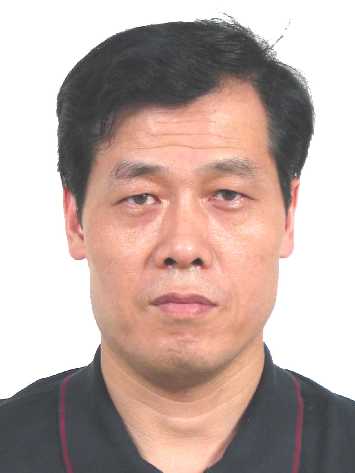 Chuanbo Chen (陈传波)合作论文数School of Software Engineering, Huazhong University of Science and Technology17
 Jialun Pei合作论文数12
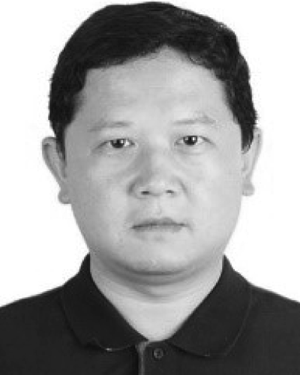 Hu Liang合作论文数7
 Xiaobing Pei (裴小兵)合作论文数School of Software Engineering, Huazhong University of Science and Technology6
 Shuang Hao (郝爽)合作论文数School of Software Engineering, Huazhong University of Science and Technology5jun shang合作论文数5
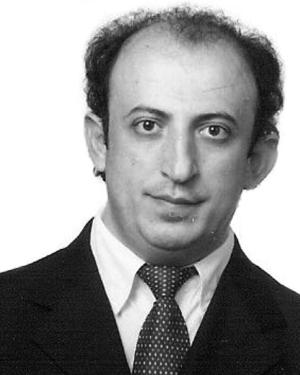 Mudar Sarem合作论文数5
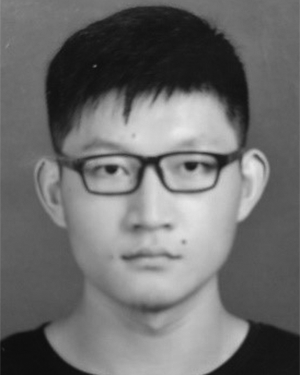 Tianyang Cheng合作论文数4
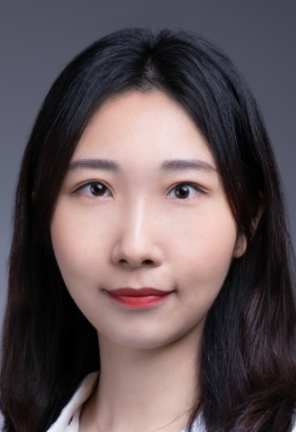 Yueming Jin合作论文数Department of Biomedical Engineering, National University of Singapore;Department of Electrical and Computer Engineering, College of Design and Engineering, National University of Singapore3
 Zehua Lyu (吕泽华)合作论文数School of Software Engineering, Huazhong University of Science and Technology3
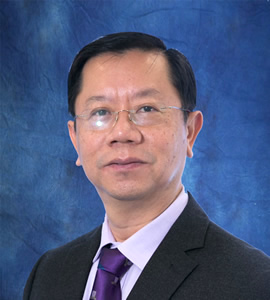 Pheng Ann Heng (王平安)合作论文数Department of Computer Science and Engineering, The Chinese University of Hong Kong3
 Xiang Bai (白翔)合作论文数School of Artificial Intelligence and Automation, Huazhong University of Science and Technology;School of Software Engineering, Huazhong University of Science and Technology3Chunlin Zhong合作论文数2Zhangjun Zhou合作论文数2Haopeng Fang合作论文数2ZeHua Lv (吕泽华)合作论文数2
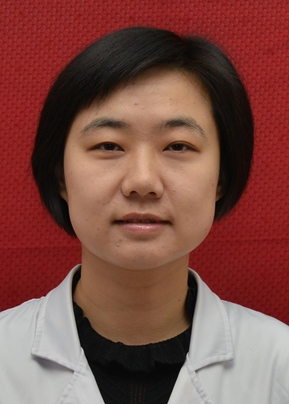 Xin Li (李欣)合作论文数Union Hospital, Tongji Medical College, Huazhong University of Science and Technology2
 Shilong Huang (黄仕龙)合作论文数Tongji Hospital, Tongji Medical College, Huazhong University of Science & Technology2Binjie Mao合作论文数State Key Laboratory of Multimodal Artificial Intelligence Systems, Institute of Automation, Chinese Academy of Science;School of Artificial Intelligence, University of ChineseAcademy of Sciences2
 Xiu Nie (聂秀)合作论文数Union Hospital, Tongji Medical College, Huazhong University of Science and Technology2
 Deng-Ping Fan (范登平)合作论文数College of Computer Science, Nankai University2Hua Li合作论文数1Jianuo Huang合作论文数1Yiping Li合作论文数1Diandian Guo合作论文数1Wenjiao Bian合作论文数1Yan Xu (晏旭)合作论文数1Ming Yang合作论文数1Haihui Tong合作论文数1
 Tao Wu合作论文数1
 Xiaolong Cheng合作论文数Center for Genetic Medicine Research, Children’s National Hospital1Jirui Lin合作论文数1Shengrong Zhao合作论文数1Manxi Lin合作论文数1haonan lu合作论文数1He Wang合作论文数1Hu LIANG (梁虎)合作论文数1Ming Li (李明)合作论文数复旦大学中山医院1
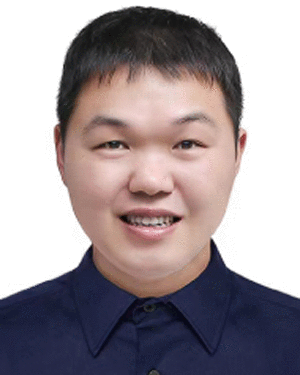 Chuang Ma合作论文数1
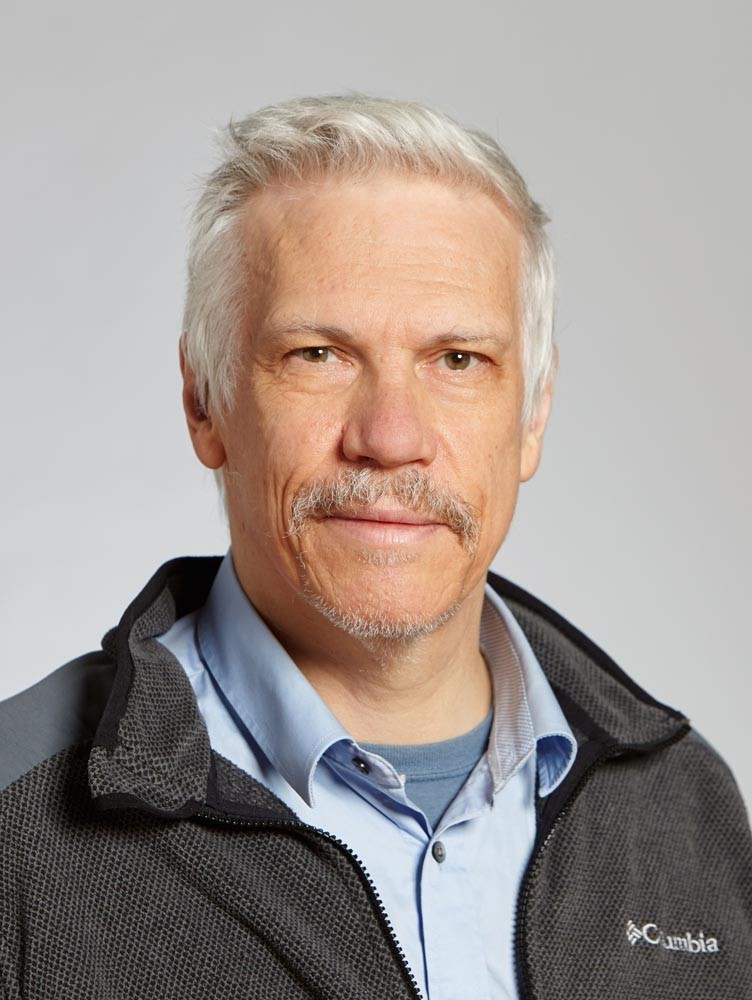 Luc Van Gool合作论文数Computer Vision Lab, Department of Information Technology and Electrical Engineering, ETH Zurich;Institute for Computer Science, Artificial Intelligence and Technology1
 Jun Gao合作论文数1
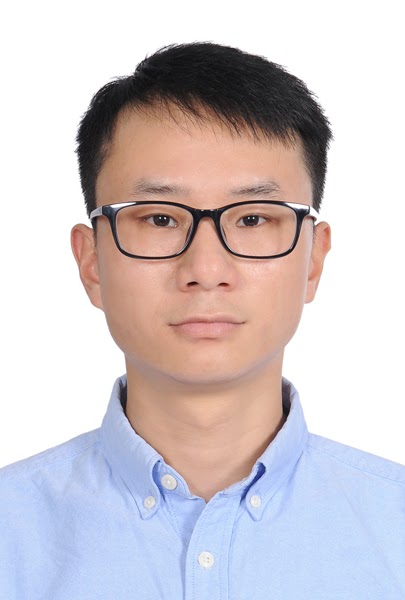 Nian Liu (刘念)合作论文数Intelligent Visual Analytics Lab, Mohamed Bin Zayed University of Artificial Intelligence1
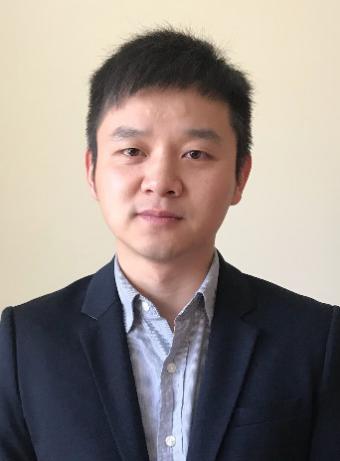 Tao Zhou (周涛)合作论文数School of Computer Science and Engineering, Nanjing University of Science & Technology1
 Di Qiu合作论文数Google1
 Lin Wan (万琳)合作论文数School of Software Engineering, Huazhong University of Science and Technology1




