Abstract Background Besides tumorous information, synergistic liver parenchyma assessments may provide additional insights into the prognosis of hepatocellular carcinoma (HCC). This study aimed to investigate whether 3D synergistic tumor-liver analysis could improve the prediction accuracy for HCC prognosis. Methods A total of 422 HCC patients from six centers were included. Datasets were divided into training and external validation datasets. Besides tumor, we also performed automatic 3D assessment of liver parenchyma by extracting morphological and high-dimensional data, respectively. Subsequently, we constructed a tumor model, a tumor-liver model, a clinical model and an integrated model combining information from clinical factors, tumor and liver parenchyma. Their discrimination and calibration were compared to determine the optimal model. Subgroup analysis was conducted to test the robustness, and survival analysis was conducted to identify high- and low-risk populations. Results The tumor-liver model was superior to the tumor model in terms of both discrimination (training dataset: 0.747 vs. 0.722; validation dataset: 0.719 vs. 0.683) and calibration. Moreover, the integrated model was superior to the clinical model and tumor-liver model, particularly in discrimination (training dataset: 0.765 vs. 0.695 vs. 0.747; validation dataset: 0.739 vs. 0.628 vs. 0.719). The AUC of the integrated model was not influenced by AFP level, BCLC stage, Child–Pugh grade, and treatment style in training (6 months p value: 0.245–0.452; 12 months p value: 0.357–0.845) and validation (6 months p value: 0.294–0.638; 12 months p value: 0.365–0.937) datasets. With a risk score of 1.06, high- and low-risk populations demonstrated significant difference for progression-free survival (p < 0.001 in both datasets). Conclusions Combined with clinical factors, 3D synergistic tumor-liver assessment improved the efficacy prediction of HCC.
Abstract Background Previous studies evaluating antiangiogenic agents plus immune checkpoint inhibitors for unresectable hepatocellular carcinoma (HCC) have shown encouraging results. This study was conducted to investigate the efficacy and safety of donafenib combined with sintilimab (Don-Sin) for advanced HCC. Methods This was a single-center, single-arm phase II trial recruiting patients with BCLC stage C HCC. A safety run-in cohort was planned with the first 6 patients receiving oral donafenib 200 mg twice daily and intravenous sintilimab 200 mg once every 3 weeks. Dose-limiting toxicities (DLTs) were evaluated to determine the recommended dose of donafenib for those enrolled thereafter. The primary endpoint of this study was progression-free survival (PFS) per mRECIST. Results 30 patients were enrolled. As 3 patients (50.0%) experienced DLTs during safety run-in, the initial dose of donafenib was adjusted to 200 mg once daily for subsequent patients. The primary endpoint was met with a median PFS of 6.2 (95% confidence interval [CI], 4.4-8.0) months per mRECIST (6.3 [95% CI, 5.4–7.2] months per RECIST 1.1). The objective response rate was 23.3% per mRECIST and 16.7% per RECIST 1.1, while the disease control rate reached 76.7% per mRECIST/RECIST 1.1. The median overall survival was 16.0 (95% CI, 13.5–18.5) months. Treatment-related adverse events (TRAEs) occurred in 28 patients (93.3%) and grade 3 TRAEs were observed in 9 patients (30.0%). Conclusions Don-Sin showed promising antitumor effects with an acceptable safety profile in patients with advanced stage HCC. The preliminary findings need to be further evaluated in phase III randomized controlled trials. Trial registration ClinicalTrials.gov (identifier: NCT05162352; date of registration: December 4, 2021).
The development of manganese oxide-based chemodynamic immunotherapy is emerging as a key strategy against solid tumors. However, the limited efficacy of nanoplatform in inducing efficient tumor therapeutic effects and creating the prominent antitumor immune responses remains a crucial issue. In this study, we construct a novel multifunctional biomimetic nanovaccine comprising manganese oxide-loaded poly(2-diisopropylaminoethyl methacrylate) (MP) nanoparticles and a coating layer of hybrid cell membrane (RHM) derived from manganese oxide-remodeled 4T1 cells and dendritic cells (DCs) (collectively called MP@RHM) for combination chemodynamic immunotherapy. Compared with the nanovaccines coated with the single cell membrane, the MP@RHM nanovaccine highly efficiently activates both DCs and T cells to boost tumor-specific T cell, owing to the synergistic effects of abundant damage-associated molecular patterns, Mn2+, and T cell-stimulating moieties. Upon peritumoral injection, the MP@RHM nanovaccine targets both the tumor site for focused chemodynamic therapy and the lymph nodes for robust tumor-specific T cell priming, thereby achieving highly efficient chemodynamic immunotherapy. Moreover, as a preventive cancer nanovaccine, MP@RHM generates strong immunological memory to inhibit postoperative tumor metastasis and recurrence. Our study findings highlight a promising approach to construct a multifunctional biomimetic nanovaccine for personalized chemodynamic immunotherapy against solid tumors.
Background: The management of hepatocellular carcinoma (HCC) with high tumor burden and major portal vein tumor thrombosis (PVTT) remains a great challenge. The authors aimed to investigate the efficacy and safety of lenvatinib plus drug-eluting bead transarterial chemoembolization (DEB-TACE) and hepatic arterial infusion chemotherapy (HAIC) with oxaliplatin, fluorouracil and leucovorin (Len+DEB-TACE+HAIC) versus lenvatinib plus DEB-TACE (Len+DEB-TACE) for HCC greater than 7.0 cm accompanied with major PVTT. Materials and methods: This multicenter retrospective cohort study evaluated consecutive patients with HCC (> 7.0 cm) and major PVTT who received Len+DEB-TACE+HAIC (Len+DEB-TACE+HAIC group) or Len+DEB-TACE (Len+DEB-TACE group) between July 2019 and June 2021 from eight institutions in China. Objective response rate (ORR), time to progression (TTP), overall survival (OS), and treatment-related adverse events (TRAEs) were compared between the two groups by propensity score matching (PSM). Results: A total of 205 patients were included. After PSM, 85-paired patients remained in the study cohorts. Patients in the Len+DEB-TACE+HAIC group had higher ORR (61.2% vs. 34.1%, P < 0.001), longer TTP (median, 9.8 vs. 5.9 months, P < 0.001), and prolonged OS (median, 16.7 vs. 12.5 months, P < 0.001) than those in the Len+DEB-TACE group. The ORR and TTP of both intrahepatic tumor (ORR: 64.7% vs. 36.5%, P < 0.001; median TTP: 10.7 vs. 7.0 months, P < 0.001) and PVTT (ORR: 74.1% vs. 47.1%, P < 0.001; median TTP: 17.4 vs. 7.6 months, P < 0.001) were better in the Len+DEB-TACE+HAIC group than the Len+DEB-TACE group. The frequency of grade 3-4 TRAEs in the Len+DEB-TACE+HAIC group were comparable to those in the Len+DEB-TACE group (38.8% vs. 34.1%, P = 0.524). Conclusion: The addition of HAIC to Len+DEB-TACE significantly improved ORR, TTP, and OS over Len+DEB-TACE with an acceptable safety profile for large HCC with major PVTT.
BACKGROUND & AIMS: Cirrhotic portal hypertension (CPH) is the leading cause of mortality in patients with cirrhosis. Over 50% of patients with CPH treated with current clinical pharmacotherapy still present variceal bleeding or sometimes death owing to insufficient reduction in portal pressure. Elevated intrahepatic vascular resistance (IHVR) plays a fundamental role in increasing portal pressure. Because of its potent effect in reducing portal pressure and maintaining normal portal inflow to preserve liver function, lowering the IHVR is acknowledged as an optimal anti-CPH strategy but without clinical drugs. We aimed to investigate the protective effect of microbial-derived Urolithin A (UroA) in IHVR and CPH. METHODS: Carbon tetrachloride or bile duct ligation surgery was administered to mice to induce liver fi brosis and CPH. 16S rRNA gene sequencing was used for microbial analysis. Transcriptomics and metabolomics analyses were employed to study the host and cell responses. RESULTS: UroA was remarkably deficient in patients with CPH and was negatively correlated with disease severity. UroA deficiency fi ciency was also confirmed fi rmed in CPH mice and was associated with a reduced abundance of UroA-producing bacterial strain ( Lactobacillus murinus, , L. murinus). ). Glutaminolysis of hepatic stellate cells (HSCs) was identified fi ed as a previously unrecognized target of UroA. UroA inhibited the activity of glutaminase1 to suppress glutaminolysis, which counteracted fi brogenesis and contraction of HSCs and ameliorated CPH by relieving IHVR. Supplementation with UroA or L. murinus effectively ameliorated CPH in mice. CONCLUSIONS: We for the first time identify the deficiency of gut microbial metabolite UroA as an important cause of CPH. We demonstrate that UroA exerts an excellent anti-CPH effect by suppressing HSC glutaminolysis to lower the IHVR, which highlighted its great potential as a novel therapeutic agent for CPH.
BACKGROUND & AIMS:Our retrospective study has suggested encouraging outcomes of lenvatinib combined with PD-1 inhibitor and transarterial chemoembolization (TACE) on advanced hepatocellular carcinoma (HCC). This phase II trial was conducted to prospectively investigate the efficacy and safety of lenvatinib, sintilimab (a PD-1 inhibitor) plus TACE (Len-Sin-TACE) in patients with advanced stage HCC. METHODS:This was a single-arm phase II trial. Patients with BCLC stage C HCC were recruited. They received lenvatinib (bodyweight ≥60 kg, 12 mg; bodyweight <60 kg, 8 mg) orally once daily, sintilimab (200 mg) intravenously once every 3 weeks, and on demand TACE. The primary endpoint was progression-free survival (PFS) per mRECIST. RESULTS:Thirty patients were enrolled. The primary endpoint was met with a median PFS of 8.0 (95% confidence interval [CI]: 6.1-9.8) months per mRECIST, which was the same as that per RECIST 1.1. The objective response rate was 60.0% per mRECIST and 30.0% per RECIST 1.1. The disease control rate was 86.7% per mRECIST/RECIST 1.1. The median duration of response was 7.4 (95% CI: 6.6-8.2) months per mRECIST (n = 18) and 4.3 (95% CI: 4.0-4.6) months per RECIST 1.1 (n = 9). The median overall survival was 18.4 (95% CI: 14.5-22.3) months. Treatment-related adverse events (TRAEs) occurred in 28 patients (93.3%) and grade 3 TRAEs were observed in 12 patients (40.0%). There were no grade 4/5 TRAEs. CONCLUSIONS:Len-Sin-TACE showed promising antitumour activities with a manageable safety profile in patients with advanced stage HCC. The preliminary results need to be further evaluated with phase III randomized trials.
Microwave ablation (MWA) is a frequently adopted regional therapy for treating hepatocellular carcinoma (HCC) in clinic. However, incomplete microwave ablation (IMWA) is often inevitable due to the restraint of ablating large tumors or tumors in special locations, resulting in a high recurrence rate of HCC. Moreover, the most promising immune checkpoint blockade (ICB)-based immunotherapy is raising hindered by the toxicity and insufficient immune response. To overcome these barriers, we conjugate small nanovesicle (smDV)-derived from matured dendritic cells (mDCs) with anti-CTLA-4 antibody (smDV-aCTLA-4) using a metabolic tagging technology, which could trigger the infiltration of cytotoxic T cells (CTLs) and adopted tumor-infiltrating lymphocytes (TILs) in residual HCC after IMWA. In HCC microenvironment, the administration of smDV-aCTLA-4 could promote antigen presentation and immune checkpoint suppression to activate CTLs and improve the safety of anti-CTLA-4 antibody. Moreover, the anti-tumor efficacy of CTLs elicited by smDV-aCTLA-4 could also be further enhanced by anti-programmed death 1 (aPD-1) antibody. In addition, compared to the adoptive TILs therapy, the treatment using smDV-aCTLA-4-bonded TILs (smDV-aCTLA-4@TILs) could promote the proliferation and infiltration of cytotoxic TILs in residual HCC after IMWA. Our results clearly evidenced the potency of a new type of engineered DC nanovesicles in reducing HCC recurrence after IMWA.
Objective:To construct hepatocellular carcinoma (HCC) cells lines that can mimic sub-lethal heat shock (HS) in vitro and orthotopic HCC mouse model that received incomplete thermal ablation.Methods:The suspension H22 cells were grown in 6-well plates, and the medium was replaced with fresh complete medium 8 hours before heat treatment. Then, the cells were divided into 4 groups for constant temperature water bath at 37°C, 42°C, 47°C, 50°C for 15 min, respectively. After the heat treatment was completed, the cells were maintained in a 37℃ incubator until detection. The phenotype of epithelial-mesenchymal transition (EMT) was detected by Western blot 48 hours later, and the cell viability was detected by Cell Counting Kit-8 (CCK-8) kit. The liver of mice was exposed by laparotomy along the abdomen midline and H22 cells (5×10⁶) were injected through the hepatic capsule to conduct orthotopic HCC model. When the longest diameter of the tumor reached approximately 8 mm, the mice were randomly divided into complete ablation group (cMWA), incomplete ablation group (iMWA) and Control group treated with sham operation. Microwave ablation along the long axis of tumor was performed to establish the incomplete thermal ablation model of orthotopic HCC. MRI was performed for tumor measurement and liver specimens were collected for histopathological assessment at day 14 after microwave ablation.Results:14 daysafter inoculation of H22 cells, the tumors reached average tumor diameter of 9.32 ± 0.83 mm which was predetermined to be suitable for microwave ablation. 14 days after microwave ablation, the average tumor diameter reached 12.93 ± 1.51mm in iMWA group, which were significantly bigger than preoperative period. In addition, immunofluorescence staining showed a large number of infiltrated neutrophils in the residual tumor of iMWA group. Western blot was used to observe the change in EMT-phenotype, results showed that the expressions of Vimentin and α-SMA were up-regulated and the expressions of E-cadherin were down-regulated.Conclusions:HCC cells lines that can mimic Sub-lethal heat shock (HS) in vitro and orthotopic HCC mouse model that received incomplete thermal ablation were successfully constructed. There was substantial staining for neutrophils infiltration after incomplete ablation. Incomplete ablation may allow HCC cells to become more prone to migrate and to become more invasive.
BACKGROUND:It is now understood that HBV can induce innate and adaptive immune response disorders by affecting immunosuppressive macrophages, resulting in chronic HBV infection. However, the underlying mechanism is not fully understood. Dysregulated protein acetylation can reportedly influence the differentiation and functions of innate immune cells by coordinating metabolic signaling. This study aims to assess whether HBV suppresses macrophage-mediated innate immune responses by affecting protein acetylation and to elucidate the underlying mechanisms of HBV immune escape.METHODS:We investigated the effect of HBV on the acetylation levels of human THP-1 macrophages and identified potential targets of acetylation that play a role in glucose metabolism. Metabolic and immune phenotypes of macrophages were analyzed using metabolomic and flow cytometry techniques. Western blot, immunoprecipitation, and immunofluorescence were performed to measure the interactions between deacetylase and acetylated targets. Chronic HBV persistent infected mice were established to evaluate the role of activating the tricarboxylic acid (TCA) cycle in macrophages for HBV clearance.RESULTS:Citrate synthase/pyruvate dehydrogenase complex hyperacetylation in macrophages after HBV stimulation inhibited their enzymatic activities and was associated with impaired TCA cycle and M2-like polarization. HBV downregulated Sirtuin 3 (SIRT3) expression in macrophages by means of the toll-like receptor 2 (TLR2)-NF-κB- peroxisome proliferatoractivated receptor γ coactivator 1α (PGC-1α) axis, resulting in citrate synthase/pyruvate dehydrogenase complex hyperacetylation. In vivo administration of the TCA cycle agonist dichloroacetate inhibited macrophage M2-like polarization and effectively reduced the number of serum HBV DNA copies.CONCLUSIONS:HBV-induced citrate synthase/pyruvate dehydrogenase complex hyperacetylation negatively modulates the innate immune response by impairing the TCA cycle of macrophages. This mechanism represents a potential therapeutic target for controlling HBV infection.
Hepatocellular carcinoma (HCC) with lung metastasis is associated with poor prognosis and poor therapeutic outcomes. Studies have demonstrated that stiffened stroma can promote metastasis in various tumors. However, how the lung mechanical microenvironment favors circulating tumor cells remains unclear in metastatic HCC. Here, we found that the expression of cell migration-inducing hyaluronan-binding protein (CEMIP) was closely associated with lung metastasis and can promote pre-metastatic niche formation by increasing lung matrix stiffness. Furthermore, upregulated serum CEMIP was indicative of lung fibrotic changes severity in patients with HCC lung metastasis. By directly targeting CEMIP, pirfenidone can inhibit CEMIP/TGF-β1/Smad signaling pathway and reduce lung metastases stiffening, demonstrating promising antitumor activity. Pirfenidone in combination with sorafenib can more effectively suppress the incidence of lung metastasis compared with sorafenib alone. This study is the first attempt to modulate the mechanical microenvironment for HCC therapy and highlights CEMIP as a potential target for the prevention and treatment of HCC lung metastasis. CEMIP mediating an HCC-permissive microenvironment through controlling matrix stiffness. Meanwhile, Pirfenidone could reduce metastasis stiffness and increases the anti-angiogenic effect of Sorafenib by directly targeting CEMIP.
Abstract The protective blood‐brain barrier (BBB) prevents most therapeutic agents from entering the brain. Currently, focused ultrasound (FUS) is mostly employed to create microbubbles that induce a cavitation effect to open the BBB. However, microbubbles pass quickly through brain microvessels, substantially limiting the cavitation effect. Here, we constructed a novel perfluoropropane‐loaded microbubble, termed ApoER‐Pep‐MB, which possessed a siloxane bonds‐crosslinked surface to increase the microbubble stability against turbulence in blood circulation and was decorated with binding peptide for apolipoprotein E receptor (ApoER‐Pep). The microbubble with tailor‐made micron size (2 µm) and negative surface charge (−30 mV) performed ApoER‐mediated binding rather than internalization into brain capillary endothelial cells. Consequently, the microbubble accumulated on the brain microvessels, based on which even a low‐energy ultrasound with less safety risk than FUS, herein diagnostic ultrasound (DUS), could create a strong cavitation effect to open the BBB. Evans Blue and immunofluorescence staining studies demonstrated that the DUS‐triggered cavitation effect not only temporarily opened the BBB for 2 h but also caused negligible damage to the brain tissue. Therefore, various agents, ranging from small molecules to nanoscale objects, can be efficiently delivered to target regions of the brain, offering tremendous opportunities for the treatment of brain diseases.
Purpose To investigate the efficacy and safety of tyrosine-kinase inhibitor (TKI) combined with iodine-125 seed brachytherapy (TKI-I) versus TKI alone for patients with hepatocellular carcinoma (HCC) refractory to transarterial chemoembolization (TACE). Methods Data of patients with TACE-refractory HCC who received TKI (sorafenib or lenvatinib) or TKI-I from September 2018 to December 2020 were retrospectively analyzed. A propensity score matching (PSM) was performed to diminish potential bias. The primary endpoints were overall survival (OS) and time to progression (TTP). Tumor responses and treatment-related adverse events (TRAEs) were also compared between the two groups. Results A total of 132 patients were included in this study. Under PSM, 48 paired patients were selected for comparison. The median OS was 23.2 (95% CI 20.9–25.1) months in the TKI-I group versus 13.9 (95% CI 11.1–16.7) months in the TKI group ( P < 0.001). The median TTP was 12.8 (95% CI 10.1–15.5) months in the TKI-I group versus 5.8 (95% CI 5.0-6.6) months in the TKI group ( P < 0.001). Patients in the TKI-I group had higher objective response rate (68.8% vs. 33.3%, P = 0.001) and disease control rate (89.6% vs. 66.7%, P = 0.007) than those in the TKI group. The incidence and severity of TRAEs in the TKI-I group were comparable to those in the TKI group (any grade, 89.7% vs. 92.2%, P = 0.620; ≥grade 3, 33.8% vs. 32.8%, P = 0.902). Conclusions TKI-I was safe and significantly improved survival over TKI alone in HCC patients with TACE refractoriness.
Immune checkpoint inhibitor (ICI) shows low response rate in hepatocellular carcinoma (HCC) but the mechanisms underlying ICI resistance remains unclear. Interferon-γ (IFN-γ) has been widely determined as a prototypical antitumor cytokine. However, growing studies suggest that IFN-γ also mediates immunosuppression to promote tumor progression. Herein, we explored whether ICI-induced IFN-γ could activate immunosuppressive TGF-β1 to mediate ICI resistance. We demonstrated that cholesterol biosynthetic enzyme, NSDHL, was decreased in HCC tissues and associated with poor clinical prognosis. ICI-induced IFN-γ decreased NSDHL to activate SREBP1, which promoted TGF-β1 production, reduced T cell toxicity and enhanced Tregs infiltration, leading to ICI resistance. We also found that novel tyrosine kinase inhibitor, regorafenib, significantly reverse the above immunosuppressive effects by regulating NSDHL/SREBP1/TGF-β1 axis, which strengthened the effects of regorafenib plus ICI therapy against HCC. Noteworthily, regorafenib plus ICI therapy was more effective in HCC patients with higher serum TGF-β1. In conclusion, IFN-γ induced TGF-β1 to mediate ICI resistance. Regorafenib promotes anti-tumor immune response of ICI by regulating IFN-γ/NSDHL/SREBP1/TGF-β1 axis. Serum TGF-β1 may serve as a biomarker for predicting efficacy of regorafenib plus ICI therapy in HCC.
574 Background: Tyrosine kinase inhibitor combined with immune checkpoint inhibitor has been reported to confer a survival benefit in patients with unresectable hepatocellular carcinoma (HCC). This phase II study (NCT04599777) aimed to evaluate the safety and efficacy of sorafenib plus tislelizumab (Sor-Tis) for patients with advanced HCC who received transarterial chemoembolization (TACE). Methods: The key inclusion criteria were: age ≥ 18 years; BCLC C stage HCC; no prior systemic therapy; Child-Pugh score ≤7; ECOG PS ≤1. The key exclusion criteria were: tumor thrombus involving the main portal vein or vena cava; central nervous system metastasis; history of malignancies other than HCC; history of organ and stem cell transplantation. Sorafenib (400 mg Bid) and tislelizumab (200 mg Q3W) was started at 3-7 days after the first TACE (TACE was repeated on demand). The primary endpoint was overall survival (OS). The secondary endpoints included treatment-related adverse events (TRAEs), progression free survival (PFS), objective response rate (ORR), and disease control rate (DCR). Results: Thirty patients were enrolled in this study. Among these patients, 27 (90.0%) had macrovascular invasion, 12 (40.0%) had extrahepatic metastasis and 14 (46.7%) had intrahepatic tumor number >3. The mean largest tumor diameter was 11.4±3.9 cm. Till cutoff date (September 15th, 2022), the mean follow-up for the patients was 16.6±3.8 months. The median OS was not reached. The ORR per RECIST 1.1 and mRECIST was 20.0% and 53.3%, respectively. The DCR per RECIST 1.1 or mRECIST was 86.7%. During follow-up, 29 patients (96.7%) experienced disease progression (per RECIST 1.1 or mRECIST). The median PFS was 6.8 (95% confidence interval [CI] 4.5-9.0) months. TRAEs occurred in 28 patients (93.3%) and ≥grade 3 TRAEs was observed in 11 patients (36.7%). There was no treatment-related death in these patients. Conclusions: Sor-Tis showed preliminary clinical benefits and was tolerated in advanced HCC patients treated with TACE. This study is still ongoing and further follow-up is required to obtain final survival results. Clinical trial information: NCT04599777 .
Thermal ablation is a crucial therapeutic modality for hepatocellular carcinoma (HCC), but its efficacy is often hindered by the high recurrence rate attributed to insufficient ablation. Furthermore, the residual tumors following insufficient ablation exhibit a more pronounced immunosuppressive state, which accelerates the disease progression and leads to immune checkpoint blockade (ICB) resistance. Herein, evidence is presented that heightened intratumoral lactate accumulation, stemming from the augmented glycolytic activity of postablative residual HCC cells, may serve as a crucial driving force in exacerbating the immunosuppressive state of the tumor microenvironment (TME). To address this, an injectable nanoparticles-hydrogel composite system (LOX-MnO2 @Gel) is designed that gradually releases lactate oxidase (LOX)-loaded hollow mesoporous MnO2 nanoparticles at the tumor site to continuously deplete intratumoral lactate via a cascade catalytic reaction. Using subcutaneous and orthotopic HCC tumor-bearing mouse models, it is confirmed that LOX-MnO2 @Gel-mediated local lactate depletion can transform the immunosuppressive postablative TME into an immunocompetent one and synergizes with ICB therapy to significantly inhibit residual HCC growth and lung metastasis, thereby prolonging the survival of mice postablation. The work proposes an appealing strategy for synergistically combining antitumor metabolic therapy with immunotherapy to combat postablative HCC recurrence.
BACKGROUND:Immune checkpoint blockade (ICB) monotherapy provides poor survival benefit in hepatocellular carcinoma (HCC) due to ICB resistance caused by immunosuppressive tumor microenvironment (TME) and drug discontinuation resulting from immune-related side effects. Thus, novel strategies that can simultaneously reshape immunosuppressive TME and ameliorate side effects are urgently needed.METHODS:Both in vitro and orthotopic HCC models were used to explore and demonstrate the new role of a conventional, clinically used drug, tadalafil (TA), in conquering immunosuppressive TME. In detail, the effect of TA on M2 polarization and polyamine metabolism in tumor-associated macrophages (TAMs) and myeloid-derived suppressor cells (MDSCs) was identified. After making clear the aforementioned immune regulatory effect of TA, we introduced a nanomedicine-based strategy of tumor-targeted drug delivery to make better use of TA to reverse immunosuppressive TME and overcome ICB resistance for HCC immunotherapy. A dual pH-sensitive nanodrug simultaneously carrying both TA and programmed cell death receptor 1 antibody (aPD-1) was developed, and its ability for tumor-targeted drug delivery and TME-responsive drug release was evaluated in an orthotopic HCC model. Finally, the immune regulatory effect, antitumor therapeutic effect, as well as side effects of our nanodrug combining both TA and aPD-1 were analyzed.RESULTS:TA exerted a new role in conquering immunosuppressive TME by inhibiting M2 polarization and polyamine metabolism in TAMs and MDSCs. A dual pH-sensitive nanodrug was successfully synthesized to simultaneously carry both TA and aPD-1. On one hand, the nanodrug realized tumor-targeted drug delivery by binding to circulating programmed cell death receptor 1-positive T cells and following their infiltration into tumor. On the other hand, the nanodrug facilitated efficient intratumoral drug release in acidic TME, releasing aPD-1 for ICB and leaving TA-encapsulated nanodrug to dually regulate TAMs and MDSCs. By virtue of the combined application of TA and aPD-1, as well as the efficient tumor-targeted drug delivery, our nanodrug effectively inhibited M2 polarization and polyamine metabolism in TAMs and MDSCs to conquer immunosuppressive TME, which contributed to remarkable ICB therapeutic efficacy with minimal side effects in HCC.CONCLUSIONS:Our novel tumor-targeted nanodrug expands the application of TA in tumor therapy and holds great potential to break the logjam of ICB-based HCC immunotherapy.
BackgroundImmune checkpoint inhibitor (ICI) shows low response rate in hepatocellular carcinoma (HCC). It remains urgent to elucidate mechanisms underlying ICI resistance and develop more effective strategy for HCC immunotherapy. We determined whether ICI-induced IFN-γ could activate TGF-β1 to mediate ICI resistance in HCC. Based on finding that regorafenib effectively inhibited TGF-β1, we investigated anti-tumor efficacy of regorafenib plus ICI in HCC and explored target population that benefit from this combination.MethodsHCC cell lines were used to access how IFN-γ and regorafenib, alone or in combination, affected TGF-β1 signaling. Therapeutic efficacy of regorafenib and ICI, alone or in combination, was investigated in orthotopic HCC mice. Data from HCC patients were included to verify our findings.FindingsDecreased NSDHL was found in HCC tissues and associated with poor clinical prognosis. ICI-induced IFN-γ inhibited NSDHL to activate SREBP1 and promoted TGF-β1 production, which reduced T cell toxicity and enhanced Tregs infiltration, leading to ICI resistance in HCC. Regorafenib reversed the above immunosuppressive effects caused by IFN-γ-induced TGF-β1 via regulating NSDHL/SREBP1 signaling, which strengthened the effects of regorafenib plus ICI therapy against HCC. Regorafenib plus ICI was more effective in HCC patients with higher serum TGF-β1.Interpretation: IFN-γ-induced TGF-β1 can mediate ICI resistance. Regorafenib promoted anti-tumor efficacy of ICI by regulating IFN-γ/NSDHL/SREBP1/TGF-β1 axis. Serum TGF-β1 serves as biomarker for predicting efficacy of regorafenib plus ICI therapy in HCC.Funding Information: National Natural Science Foundation of China (81873920, 82172043, 82001929 and 81903071), Science and Technology Project of Guangzhou (202002030135, 202102020393 and 202102010082), Featured Clinical Technique of Guangzhou (0F04022), Youth Innovative Talents Project of Guangdong Province University (2020KQNCX057).Declaration of Interests: The authors have declared no conflict of interest.Ethics Approval Statement: The above study was approved by the Medical Ethics Committee of The Second Affiliated Hospital of Guangzhou Medical University. All animal experiments were performed following the protocols approved by the Institutional Animal Care and Use Committee of Guangzhou Medical University.
Small cell lung cancer (SCLC) is characterized by a high relapse rate, drug tolerance, and limited treatment choices. Chimeric antigen receptor (CAR)-modified NK cells represent a promising immunotherapeutic modality for cancer treatment. However, their potential applications have not been explored in SCLC. Delta-like ligand 3 (DLL3) has been reported to be overexpressed in SCLC and may be a rational target for CAR NK immunotherapy. In this study, we developed DLL3-specific NK-92 cells and explored their potential in the treatment of SCLC. A coculture of DLL3+ SCLC cell lines with DLL3-CAR NK-92 cells exhibited significant in vitro cytotoxicity and cytokine production. DLL3-CAR NK-92 cells induced tumor regression in an H446-derived pulmonary metastasis tumor model under a good safety threshold. The potent antitumor activities of DLL3-CAR NK-92 cells were observed in subcutaneous tumor models of SCLC. Moreover, obvious tumor-infiltrated DLL3-CAR NK-92 cells were detected in DLL3+ SCLC xenografts. These findings indicate that DLL3-CAR NK-92 cells might be a potential strategy for the treatment of SCLC.
To the Editor: Portal vein tumor thrombus (PVTT) is present in 10% to 40% of patients with hepatocellular carcinoma (HCC) at diagnosis and has a profound adverse effect on progno-sis. Sorafenib is recommended as the first-line treatment for patients with advanced HCC, including those who have PVTT. However, its efficacy is modest. A combination of transarterial chemoembolization (TACE) and sorafenib (TACE-S) has been reported to be associated with improved outcomes. But unfortunately, its efficacy in controlling PVTT remained limited, with an objective response rate (ORR) of only 9.7%. Previous studies have demonstrated that iodine125 (I) seed brachytherapy targeting PVTT can lead to a significant reduction in tumor thrombus with few complications. We hypothesized that TACE-S combined with I seed brachytherapy (TACE-S-I) could improve the control of PVTT and confer a greater survival benefit. Therefore, we conducted this study to evaluate the efficacy and safety of TACE-S-I compared with TACE-S in HCC patients with PVTT.
Objective:To investigate the clinical efficacy and safety of transarterial chemoembolization (TACE) combined with lenvatinib plus PD-1 inhibitor (TACE+Len+PD-1) versus TACE combined with lenvatinib (TACE+Len) for patients with unresectable intermediate-advanced hepatocellular carcinoma (HCC).Methods:The data of 94 patients with intermediate-advanced HCC who received TACE+Len+PD-1 (One week after TACE, the patient were treated with lenvatinib and PD-1 inhibitor. lenvatinib, 8 or 12 mg/d, orally; PD-1 inhibitor, 200 mg/3 weeks, iv) or TACE+Len (One week after TACE, the patient were treated with lenvatinib.lenvatinib, 8 or 12 mg/d, orally) in the Second Affiliated Hospital of Guangzhou Medical University from June 2019 to February 2021 were collected and retrospectively analyzed. Among these patients, 44 were in the TACE+Len+PD-1 group and 50 were in the TACE+Len group. Tumor responses were evaluated according to modified response evaluation criteria in solid tumors. Objective response rate (ORR), disease control rate (DCR), progression-free survival (PFS), overall survival (OS) and adverse events (AEs) were compared between the two groups. The potential prognostic factors for PFS and OS were determined.Results:The ORR of TACE+Len+PD-1 group and TACE+Len group was 72.8% (32/44) and 52.0% (26/50) (χ2=4.25, P=0.039), respectively. The DCR of TACE+Len+PD-1 group and TACE+Len group was 86.4% (38/44) and 62.0% (31/50) (χ2=7.12, P=0.008), respectively. The median PFS and median OS in TACE+Len+PD-1 group were significantly longer than those in TACE+Len group (PFS, 7.9 vs. 5.6 months, χ2=7.91, P=0.005; OS, 18.5 vs. 13.6 months, χ2=4.40, P=0.036). Multivariate Cox regression analyses showed that TACE+Len (HR=2.184,95%CI 1.366-3.493), incomplete tumor capsule (HR=2.002,95%CI 1.294-3.209) and extrahepatic metastasis (HR=1.765,95%CI 1.095-2.844) were the independent risk factors for PFS, while TACE+Len (HR=2.081,95%CI 1.097-3.948) and BCLC stage C (HR=7.325,95%CI 2.260-23.746) were the independent risk factors for OS. The incidence of ≥grade 3 AEs in TACE+Len+PD-1 group was similar to that in TACE+Len group (χ2=0.45, P=0.501). Conclusion:Compared with TACE+Len, TACE+Len+PD-1 resulted in a better tumor response and a longer PFS and OS in patients with intermediate-advanced HCC.
 Kangshun Zhu (朱康顺)合作论文数The Second Affiliated Hospital of Guangzhou Medical University54
 Wensou Huang (黄文薮)合作论文数49Liteng Lin合作论文数34Yongjian Guo合作论文数34Jingjun Huang合作论文数Guangzhou Med Univ, Affiliated Hosp 2, Dept Minimally Invas Intervent Radiol, 250 East Changgang Rd, Guangzhou 510260, Guangdong, Peoples R China27Licong Liang (梁礼聪)合作论文数19Ye Chen合作论文数10
 Hong Shan (单鸿)合作论文数Molecular Imaging Center, The Fifth Affiliated Hospital, Sun Yat-Sen University9Hui Lian合作论文数8Junwei Chen合作论文数8
 Xintao Shuai (帅心涛)合作论文数School of Chemistry, Sun Yat-sen University;School of Materials Science and Engineering, Sun Yat-sen University;Zhongshan School of Medicine, Sun Yat-sen University8Bihui Cao合作论文数7Zhimei Zhou合作论文数7
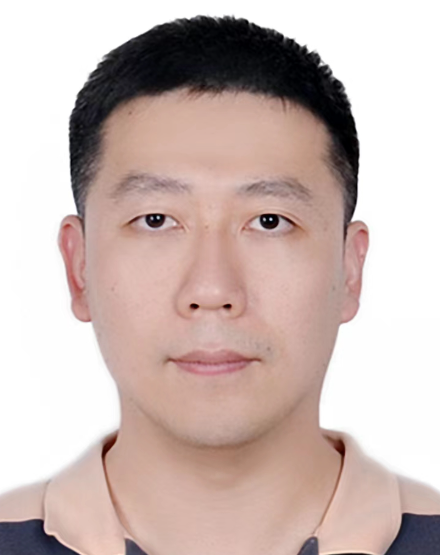 Bo Li (李博)合作论文数School of Basic Medical Sciences, Southern Medical University;Zhongshan School of Medicine, Sun Yat-Sen University6
 Mingsheng Huang合作论文数6Xiao-Chun Meng合作论文数6Xiaobin Wang合作论文数5Lulu Xie合作论文数5
 Mingyu Liu (刘宇明)合作论文数The Third Affiliated Hospital of Guangzhou Medical University5MingJi He (何明基)合作论文数5HONG Xiaoyang (洪笑阳)合作论文数4Weiguo Cai合作论文数4
 Haofan Wang合作论文数4
 Zecong Xiao合作论文数4ZhaoLin Ceng (曾昭吝)合作论文数4JingQiang Wu (吴景强)合作论文数4Wenbo Shi合作论文数3Jianxin Liu合作论文数3Jiaxin Bei合作论文数3Yongcheng An合作论文数3Zhaolin Zeng合作论文数3Manting Liu合作论文数3Gengjia Chen合作论文数3Cheng Zhi合作论文数3Zhou Bin合作论文数3Miaoling LAI (赖妙玲)合作论文数3Lisha Lai合作论文数3
 Rui Li (李锐)合作论文数Chengdu University3
 Qi Zhao (趙琦)合作论文数Institute of Translational Medicine, Faculty of Health Sciences, University of Macau3Jiesheng Qian合作论文数3
 Zhengran li合作论文数3Xiaodie Ye合作论文数2Xiaoxiao Qin合作论文数2Zining Xu (徐梓宁)合作论文数2Yitong Tan合作论文数2
 Shaohui Deng (邓少辉)合作论文数School of Materials, Sun Yat-sen University2Yuling Hu合作论文数2Jinping He合作论文数2Hong Hu合作论文数2




