BACKGROUND:Non-obstructive azoospermia (NOA) is a major cause of male infertility, frequently associated with congenital factors. Nevertheless, the genetic underpinnings of NOA remain largely unclear. OBJECTIVES:This study aimed to identify and characterize novel genetic variants contributing to NOA, with a focus on TEX14, a gene critical for intercellular bridge (ICB) formation during meiosis. MATERIALS/METHODS:Exome sequencing was performed on genomic DNA from a cohort of 673 patients with NOA, 143 individuals with oligozoospermia, and 100 fertile controls. Potentially pathogenic TEX14 variants were identified and confirmed by Sanger sequencing. Functional analysis, including qPCR and Western blot, was performed to assess TEX14 expression levels in patient and mouse testicular samples and the effects of TEX14 variants on spermatogenesis and ICB formation in both mice and humans. RESULTS:We identified six novel TEX14 variants in four unrelated infertile Chinese men, including three frameshift mutations (c.2908dupC, p.Arg970Profs5; c.1881dupA, p.Gly628Argfs8; c.1728_1729del, p.Leu577Argfs*58), two missense mutations (c.1121A>G, p.Tyr374Cys; c.865G>A, p.Glu289Lys), and one splicing mutation (c.417+2T>C). To functionally validate the pathogenicity of the frameshift variant c.2908dupC, a mouse model carrying an analogous mutation (Tex14MT1/MT1) was generated. These mice recapitulated the human NOA phenotype, showing a complete loss of TEX14 expression in the testis. Immunofluorescence and histological analyses revealed that spermatogenesis in Tex14MT1/MT1 mice was arrested at the zygotene stage due to a complete failure of the ICB formation. Consistent with this, testicular histology from the patient carrying the c.2908dupC variant also showed meiotic arrest at zygotene and absent ICBs. Furthermore, mass spectrometry analysis of purified ICBs indicated that ICB-associated proteins are predominantly involved in RNA processing and ribonucleoprotein complex biogenesis. DISCUSSION AND CONCLUSION:Our results demonstrate that loss-of-function mutations in TEX14 disrupt meiotic ICB formation, leading to zygotene arrest and NOA in both mice and humans, expand the spectrum of pathogenic variants associated with NOA, and establish the essential role of TEX14 in meiotic progression, underscoring the functional importance of TEX14 in male fertility.
Eukaryotic translation initiation factor 5A (eIF5A) facilitates protein synthesis and impacts diverse biological processes, yet its role in transcriptional regulation is poorly understood. Here eIF5A highly expressed in diverse spermatogenic cell types are found. Conditional knockout of Eif5a (SKO) causes complete infertility in male mice due to round spermatid arrest. Interestingly, eIF5A deletion severely compromises chromocenter integrity in round spermatids. Proteomic profiling reveals widespread dysregulation in eIF5A-deficient round spermatids, downregulated proteins are enriched for chromatin-associated functions, likely contributing to chromocenter dysfunction. Notably, ATAC-seq (Assay for Transposase-Accessible Chromatin with high-throughput sequencing) analysis shows increased chromatin accessibility upon eIF5A depletion, accompanied by transcriptional dysregulation of genes critical for acrosome and manchette formation. This data underscore that eIF5A not only regulates the translation of chromatin-organizing proteins required for chromocenter stability but also influences transcriptional regulation by modulating chromatin landscape. These findings illuminate a previously uncharacterized and germ cell-specific pathway coupling translational control and transcriptional regulation via chromatin reorganization.
The early-onset transcriptional phenotype of senescence has been revealed in spermatogenic dysfunctional testes of patients at childbearing age. However, limited studies have reported the biomarker and function of testicular senescence-associated genes (SAGs) in the spermatogenic dysfunction of young men. In this study, two single-cell RNA sequencing (scRNA-seq) datasets, three bulk microarray datasets, and testicular tissue from older mice, older male, patients at childbearing age with full spermatogenesis or spermatogenic dysfunction were employed to recognize the aging-related biomarker for early-onset alterations of testicular SAGs. We found RPS14, an upregulated testicular SAGs in testes of older men, was an important biomarker for early-onset alterations of testicular SAG in young spermatogenic dysfunctional testes. RPS14 was significantly upregulated in young patients' testes with spermatogenic dysfunction. Importantly, RPS14 showed significant correlation with Johnsen scores and follicle-stimulating hormone levels and had potential predictive value in sperm retrieval surgery. Besides, RPS14 was found to be deeply involved in the testicular immune microenvironment and significantly correlated with testicular mast cells. The scRNA-seq analyses and immunofluorescence illustrated the partially similar expression pattern and distribution of RPS14 in testes of both older males and young males with spermatogenic dysfunction. Moreover, the ribosome pathway might be the core mechanism through which this gene regulates the function of testicular cells. RPS14 was shown to be an aging-related biomarker, which might be involved in the pathogenesis of spermatogenic dysfunction of young patients. The findings might offer a potential diagnostic marker as well as a therapeutic target for young patients diagnosed with male infertility.
During spermatogenesis, the unsynapsed XY chromosomes undergo meiotic sex chromosome inactivation (MSCI) and form a heterochromatic XY body. Defects in MSCI lead to meiotic arrest and male infertility. Although DNA damage response (DDR) factors are established as key initiators of MSCI, how transcriptional silencing is subsequently achieved remains elusive. Here, we identify the nucleolar components NPM1, SENP3, and rRNA as essential downstream effectors of DDR signaling in MSCI. During pachytene, these components migrate to and transiently cover the XY body during MSCI establishment, before becoming restricted to a corner of the XY body. Genetic deletion of Npm1 or Senp3, or inhibition of rRNA transcription severely impairs MSCI. Mechanistically, SENP3-mediated deSUMOylation of NPM1 promotes its interaction with rRNA, enabling liquid-liquid phase separation, via which they exclude Pol II from the XY body. Together, these data reveal a critical role of nucleolar components in the transcriptional regulation of MSCI in mammalian spermatogenesis.
BACKGROUND:Organophosphate esters (OPEs), widely used as flame retardants and plasticizers in consumer products, are toxicologically linked to potential adverse effects on male reproductive health. However, epidemiological evidence remains limited and inconsistent. OBJECTIVES:This study aimed to investigate the associations between exposure to individual OPEs and their mixture with semen quality among men in China. METHODS:We enrolled 796 sperm donors from the Shanghai Human Sperm Bank. Semen quality was assessed based on normal morphology, sperm concentration, progressive motility, semen volume, and semen concentration. Urinary concentrations of fourteen OPEs metabolites (including 8 organophosphate flame retardants [OPFRs] and 6 organophosphate pesticides [OPPs]) were quantified using high-performance liquid chromatography/tandem mass spectrometry (HPLC/MS-MS). Multiple linear regression assessed associations between individual OPEs and semen quality parameters. The joint effects of the OPE mixture were evaluated using quartile-based g-computation (QGC) and Bayesian kernel machine regression (BKMR). RESULTS:Low semen quality was observed in 26.5 % of donors. Compared to the first tertile, subjects in the third tertile of urinary O,O-dimethyl thiophosphate (DMTP) and O,O-diethyl phosphate (DEP) exhibited decreases in progressive motility of 3.81 % (95 % confidence interval [CI]: -6.61 %, -1.01 %) and 3.06 % (95 % CI: -5.80 %, -0.32 %), respectively. QGC analysis revealed a significant negative association between the OPE mixture and progressive motility (β = -2.24; 95 % CI: -4.16, -0.31). BKMR analysis confirmed this inverse relationship and identified DMTP as the primary contributor. CONCLUSIONS:Environmental exposure to OPEs, particularly OPP metabolites such as DMTP, was associated with reduced sperm progressive motility in healthy men.
Purpose:This pilot study aimed to explore the necessity for 47,XYY syndrome males (couples) to perform PGT rather than conventional In Vitro Fertilization (IVF)/Intracytoplasmic Sperm Injection (ICSI) cycles. Methods:A retrospective cohort study was conducted with 36 nonmosaic and mosaic 47,XYY syndrome patients (couples) undergoing 43 oocyte retrieval cycles (37 planned for PGT and 6 for IVF/ICSI) between December 2017 and December 2023. The couples were given either next-generation sequencing-based PGT or conventional IVF/ICSI followed by 45 embryo transfer (ET) cycles (38 from PGT and 7 from IVF/ICSI). The detailed cytogenetic results of the 129 embryos from PGT were analyzed, and the pregnancy and neonatal outcomes between PGT-ET and conventional IVF/ICSI-ET cycles were compared. Results:The PGT results showed that the chance of sex chromosome abnormalities was low (1.55%), with chromosomal errors being observed more often in autosomes. Importantly, no differences were observed in the rates of biochemical pregnancy, implantation, clinical pregnancy, ongoing pregnancy, pregnancy loss, live birth, and preterm delivery between PGT-ET cycles and conventional IVF/ICSI-ET cycles. Comparable results regarding gestational age, birthweight, low birthweight rate, macrosomia rate, male rate, as well as the rate of congenital anomalies were also observed between the two groups. Conclusions:Preimplantation genetic testing might not be necessary to conduct for 47,XYY syndrome males unless there are other indications. Studies with large populations are in demand to confirm the present results.
BACKGROUND:Unexplained male infertility (UMI) accounts for 15%-30% of cases of male infertility, but it is poorly understood. We investigated potential risk factors for UMI leveraging data from a sperm bank with a "one male to multiple females" structure to reduce confounding arising from female factors. METHODS:Data on sperm donation provided by the Shanghai Human Sperm Bank (SHSB) to 39 qualified reproduction centres across China, along with information on IVF (In Vitro Fertilization) donor insemination cycles (DICs) performed at these centres and their reported outcomes, were retrieved from the Shanghai Human Sperm Bank (SHSB) for the period from 2004 to 2018. The association between semen parameters, demographic factors, and Cumulative Live Birth Rate from Donor Insemination (cLBR -DI) was analysed using linear regression analysis. Recurrent Failure of Sperm Donation IVF (RFDI) was defined as ≤1 pregnancy despite ≥4 DICs (indicating a cLBR -DI of ≤25%). Progressive Motility Rate (PR) refers to the percentage of grade (a + b) sperm among all sperm ((a + b)/(a + b + c + d)%). Forward Motility Rate (FR) refers to the percentage of grade (a + b) sperm among (a + b + c) sperm ((a + b)/(a + b + c)%). Sperm concentration<100 × 106/mL and FR > 95% was termed as normal group. The group with sperm concentration>200 × 106/mL or FR < 90% was termed high-risk RFDI (HR-RFDI). Logistic regression was used to assess correlations of RFDI. Propensity score matching (PSM) was used to match the RFDI and non-RFDI populations. Miscarriage conditions were also analysed in this study. FINDINGS:We included 4734 qualifying sperm donors and 17,307 IVF DICs, of which 2447 donors had more than 4 DICs per donor, forming a Pseudo-Polygyny Cohort. 8.05% of the 2447 donors with normal semen parameters and more than 4 DICs met RFDI criteria. RFDI donors exhibited higher sperm concentration (96.00 [75.00, 130.00] vs. 90.00 [72.00, 122.22], p = 0.057) and lower Forward Motility Rate (95.12 [89.02, 97.01] vs. 96.59 [93.33, 97.30], p < 0.001) compared to non-RFDI. Forward Motility Rate, rather than Progressive Motility Rate, correlated with cLBR -DI Compared to the normal group, HR-RFDI had an over three-fold higher risk of RFDI before (RR = 3.48, 95% CI [1.94, 6.25], p < 0.0001) and after (OR = 3.04, 95% CI [1.92, 4.81], p < 0.0001) PSM adjustment. Notably, RFDI donors had higher miscarriage rates (10.80 ± 14.20% vs. 3.90 ± 8.50%, p < 0.0001) compared to non-RFDI donors. High-risk RFDI donors also had higher miscarriage rates (5.40 ± 9.20% vs. 4.20 ± 9.40%, p = 0.011) compared to low-risk RFDI donors. INTERPRETATION:The negative impact of high sperm concentration on pseudo-polygyny cohort in vitro fertilization (IVF) outcomes strongly supports the hypothesis of a potential "inverted U-shape" relationship between sperm concentration and fertility. The superior correlation of FR with sperm donation IVF outcomes compared to PR suggests that FR may be a more meaningful measure of sperm motility in this context. The identification of an RFDI population, characterized by recurrent IVF failure and high miscarriage rates despite normal semen parameters, provides substantial evidence that the prevalence and severity of unexplained male infertility (UMI) may be greater than currently recognized. Therefore, a more comprehensive evaluation of male fertility should be considered in couples experiencing these issues. FUNDING:National Key R&D Program of China (2023YFC2705503), Fujian Province's Third Batch of Flexible Introduction of High-Level Medical Talent Teams (TD202307) and the National Key Technologies R&D Program (2023YFC2306700).
OBJECTIVE:The objective of this study was to investigate the relationship of estradiol or body roundness index (BRI), respectively, or the coexistence of their changes with accelerated biological aging in male individuals. METHODS:A cross-sectional study with 1818 male individuals aged 20 to 79 years who participated in the National Health and Nutrition Examination Survey 2015-2016 was conducted, in which positive phenotypic age acceleration value was defined as the occurrence of accelerated biological aging. Weighted multivariate logistic regression models were established to evaluate the independent and joint associations of estradiol and BRI with male accelerated biological aging. Restricted cubic spline models were used to explore whether a nonlinear relationship existed. RESULTS:An independent association of either serum estradiol or BRI with male accelerated biological aging was significantly shown after adjusting for important covariates. For BRI, such an association was nonlinear, but estradiol did not exhibit a similar nonlinear correlation. Moreover, the coexistence of a high level of serum estradiol and a high level of BRI obviously strengthens such an association in adjusted models, suggesting the cooperative impact of estradiol with BRI. CONCLUSIONS:Both serum estradiol and BRI are significantly associated with accelerated biological aging in male individuals. Integrating high estradiol with high BRI might noticeably reinforce this association.
RESEARCH QUESTION:How does a compound heterozygous DMC1 variant, a meiosis-specific recombinase, affect homologous search and chain invasion during spermatocyte meiosis in a patient with non-obstructive azoospermia (NOA)? DESIGN:A patient with a compound heterozygous DMC1 variant associated with NOA was identified. Reverse transcription polymerase chain reaction and western blot were used to study the effect of this variant. Standard histological analysis and immunofluorescence staining investigated the patient's spermatogenic arrest. The accumulation of replication protein A (RPA), a single-stranded DNA-binding protein, was detected through immunofluorescence staining on chromosome spreads of spermatocytes. Dmc1 knockout (Dmc1-/-) mice were constructed to replicate the results of chromosome spreads observed in the patient. RESULTS:The patient's compound heterozygous DMC1 variants (c.494+4A>G/c.597G>C) were associated with NOA. This patient showed nonsense-mediated mRNA decay of DMC1, significantly reducing DMC1 protein levels in germ cells. Spermatogenic arrest occurred during meiosis, with defects in chromosome pairing and DNA double-strand break repair. Dmc1-/- mice precisely replicated the human phenotype of defects in chromosome pairing and double-strand break repair. Further analysis revealed that, in the absence of DMC1, RPA (single-stranded DNA-binding protein) failed to be replaced by meiosis recombinase, leading to an accumulation in zygotene stage spermatocytes. This was confirmed by the Dmc1 knockout mouse model. CONCLUSIONS:This novel compound heterozygous DMC1 variant disrupts germ cell meiosis and expands the known mutational spectrum of DMC1.
BACKGROUND:The current study aimed to explore the potential associations between Phenotypic Age (PhenoAge)/PhenoAge acceleration (PhenoAgeAccel) and erectile dysfunction (ED). METHODS:We carried out a cross-sectional study based on data from 2360 male participants from the National Health and Nutrition Examination Survey program in the year 2001-2004. ED was evaluated according to a self-administered questionnaire. PhenoAge and PhenoAgeAccel were employed to evaluate the biological aging speed as previously reported. Weighted logistic regression analyses were performed to reveal the association between either PhenoAge or PhenoAgeAccel and ED. We also applied restricted cubic spline (RCS) models to explore the non-linearity in such associations. Sensitivity analyses were performed to detect the robustness of the main finding. RESULTS:Significantly higher PhenoAge and PhenoAgeAccel were observed in participants with ED compared with no ED group (both p < 0.0001). Multivariate logistic analyses exhibited significant associations of both PhenoAge and PhenoAgeAccel, either in continuous or categorical forms, with ED, with comprehensive adjustment. RCS models revealed the non-linear relationship between either PhenoAge or PhenoAgeAccel and ED. Sensitivity analyses showed the associations between PhenoAge/PhenoAgeAccel and ED remained significant. CONCLUSIONS:Our results suggested a significantly positive association between either PhenoAge or PhenoAgeAccel and ED. Future researches are needed to verify our findings.
Manual semen evaluation methods are subjective and time-consuming. In this study, a deep learning algorithmic framework was designed to enable non-invasive multidimensional morphological analysis of live sperm in motion, improve current clinical sperm morphology testing methods, and significantly contribute to the advancement of assisted reproductive technologies. We improved the FairMOT tracking algorithm by incorporating the distance and angle of the same sperm head movement in adjacent frames, as well as the head target detection frame IOU value, into the cost function of the Hungarian matching algorithm. For sperm morphology, we used the BlendMask segmentation method to segment individual sperm. SegNet was used to separate the head, midpiece, and principal piece comments from each sperm. Experienced in vivo sperm physicians confirmed a morphological accuracy percentage of 90.82%. A total of 1272 samples were collected from multiple tertiary hospitals for validation of the system, which were also evaluated by physicians. The results of our system were highly consistent with those of manual microscopy. This study realized the automated detection of progressive motility and morphology of sperm simultaneously, which is crucial for selection of morphologically normal and motile sperm for intracytoplasmic sperm injection.
The progression of spermatogenesis along specific developmental trajectories depends on the coordinated regulation of pre-mRNA alternative splicing (AS) at the post-transcriptional level. However, the fundamental mechanism of AS in spermatogenesis remains to be investigated. Here, it is demonstrated that CWF19L2 plays a pivotal role in spermatogenesis and male fertility. In germline conditional Cwf19l2 knockout mice exhibiting male sterility, impaired spermatogenesis characterized by increased apoptosis and decreased differentiated spermatogonia and spermatocytes is observed. That CWF19L2 interacted with several spliceosome proteins to participate in the proper assembly and stability of the spliceosome is discovered. By integrating RNA-seq and LACE-seq data, it is further confirmed CWF19L2 directly bound and regulated the splicing of genes related to spermatogenesis (Znhit1, Btrc, and Fbxw7) and RNA splicing (Rbfox1, Celf1, and Rbm10). Additionally, CWF19L2 can indirectly amplify its effect on splicing regulation through modulating RBFOX1. Collectively, this research establishes that CWF19L2 orchestrates a splicing factor network to ensure accurate pre-mRNA splicing during the early steps of spermatogenesis.
Spermiogenesis defines the final phase of male germ cell differentiation. While multiple deubiquitinating enzymes have been linked to spermiogenesis, the impacts of deubiquitination on spermiogenesis remain poorly characterized. Here, we investigated the function of UAF1 in mouse spermiogenesis. We selectively deleted Uaf1 in premeiotic germ cells using the Stra8-Cre knock-in mouse strain (Uaf1 sKO), and found that Uaf1 is essential for spermiogenesis and male fertility. Further, UAF1 interacts and colocalizes with USP1 in the testes. Conditional knockout of Uaf1 in testes results in disturbed protein levels and localization of USP1, suggesting that UAF1 regulates spermiogenesis through the function of the deubiquitinating enzyme USP1. Using tandem mass tag-based proteomics, we identified that conditional knockout of Uaf1 in the testes results in reduced levels of proteins that are essential for spermiogenesis. Thus, we conclude that the UAF1/USP1 deubiquitinase complex is essential for normal spermiogenesis by regulating the levels of spermiogenesis-related proteins.
Per- and polyfluoroalkyl substances (PFAS) are persistent, ubiquitous pollutants, and the current epidemiological evidence regarding the impact of in utero exposure to PFAS on anogenital distance (AGD) is limited and inconclusive. The primary aim of this study was to investigate the potential associations between maternal exposure to PFAS during pregnancy and AGD in newborns. A total of 2273 mother–child pairs were recruited for this study, and both PFAS levels and AGD were measured. Multiple linear regression models were utilized to explore the relationships between individual PFAS and AGD. Additionally, quantile-based g-computation (QGC) was employed to assess the joint effects of mixtures of PFAS on AGD. Our findings showed that maternal exposure to PFOS (β = 0.518, 95
Background Considerable attention has been paid to reproductive toxicity of fine particulate matter (PM 2.5 ). However, the relationship between prenatal PM 2.5 exposure and anogenital distance (AGD) has not been well studied. We aim to investigate the potential effects of prenatal exposure to PM 2.5 on newborn AGD. Methods Prenatal PM 2.5 exposure of 2332 participates in Shanghai (2013–2016) was estimated using high-performance machine learning models. Anoscrotal distance (AGDas) in male infants and anofourchette distance (AGDaf) in female infants were measured by well-trained examiners within 3 days after birth. We applied multiple linear regression models and multiple informant models to estimate the association between prenatal PM 2.5 exposure and AGD. Results Multiple linear regression models showed that a 10 μg/m 3 increase in PM 2.5 exposure during full pregnancy, the second and third trimesters was inversely associated with AGDas (adjusted beta = − 1.76, 95% CI: − 2.21, − 1.31; − 0.73, 95% CI: − 1.06, − 0.40; and − 0.52; 95% CI: − 0.87, − 0.18, respectively) in males. A 10 μg/m 3 increase in PM 2.5 exposure during the full pregnancy, the first, second, and third trimesters was inversely associated with AGDaf (adjusted beta = − 4.55; 95% CI: − 5.18, − 3.92; − 0.78; 95% CI: − 1.10, − 0.46; − 1.11; 95% CI: − 1.46, − 0.77; − 1.45; 95% CI: − 1.78, − 1.12, respectively) in females after adjusting for potential confounders. Multiple informant models showed consistent but slightly attenuated associations. Conclusion Our study observed a significant association between gestational PM 2.5 exposure during pregnancy and shortened AGD in newborns, and provided new evidence on potential reproductive toxicity of prenatal PM 2.5 exposure.
Recurrent implantation failure (RIF) is one of the most common conditions affecting In Vitro Fertilization (IVF)/Intracytoplasmic sperm injection (ICSI) outcomes. Aneuploidy embryos, one of the main types of embryos-related factors, was reported to be a major contributor to RIF. The present study aimed to examine the association between sperm DNA fragmentation index (DFI) and outcomes of next-generation sequencing (NGS)-based preimplantation genetic testing for aneuploidy (PGT-A) in unexplained RIF patients. This study analyzed 119 couples with unexplained RIF who underwent 119 PGT-A cycles between January, 2017 and March, 2022. The 119 males were divided into 3 groups according to their sperm DFI levels: Group1 (low, DFI ≤ 15%, n = 50), Group2 (medium, 15% < DFI < 30%, n = 41) and Group3 (high, DFI ≥ 30%, n = 28). Sperm DFI was measured by sperm chromatin structure analysis (SCSA) technique. Trophectoderm biopsy on day 5 or 6 were performed with NGS technique. The following outcomes of PGT-A were analyzed and compared: fertilization, good-quality embryos, aneuploidy rate, miscarriage, live birth and newborn defects. The component of aneuploidy embryos was significantly higher in high DFI group (42.71%) than that of medium group (28.39%) and low group (27.80%). The miscarriage rate of high DFI group (27.27%) and medium group (14.29%) is significantly higher than that of low group (0.00%). No significant differences were found regarding fertility, good-quality embryo rate, pregnancy rate, live birth rate or newborn defects among three groups. The sperm DNA damage is associated with blastocyst aneuploidy and miscarriage rate in unexplained RIF cases. Embryo selection by PGT-A and efforts to decrease sperm DFI before IVF/ICSI treatments should be considered for those male patients with high DFI.
BackgroundSpermatogenic dysfunction is an important cause of azoospermia. Numerous studies have focused on germ-cell-related genes that lead to spermatogenic impairment. However, based on the immune-privileged characteristics of the testis, the relationship of immune genes, immune cells or immune microenvironment with spermatogenic dysfunction has rarely been reported.ResultsUsing integrated methods including single-cell RNA-seq, microarray data, clinical data analyses and histological/pathological staining, we found that testicular mast cell infiltration levels were significantly negatively related to spermatogenic function. We next identified a functional testicular immune biomarker, CCL2, and externally validated that testicular CCL2 was significantly upregulated in spermatogenic dysfunctional testes and was negatively correlated with Johnsen scores (JS) and testicular volumes. We also demonstrated that CCL2 levels showed a significant positive correlation with testicular mast cell infiltration levels. Moreover, we showed myoid cells and Leydig cells were two of the important sources of testicular CCL2 in spermatogenic dysfunction. Mechanistically, we drew a potential "myoid/Leydig cells-CCL2-ACKR1-endothelial cells-SELE-CD44-mast cells" network of somatic cell-cell communications in the testicular microenvironment, which might play roles in spermatogenic dysfunction.ConclusionsThe present study revealed CCL2-relevant changes in the testicular immune microenvironment in spermatogenic dysfunction, providing new evidence for the role of immunological factors in azoospermia.
The acrosome is a membranous organelle positioned in the anterior portion of the sperm head and is essential for male fertility. Acrosome biogenesis requires the dynamic cytoskeletal shuttling of vesicles toward nascent acrosome which is regulated by a series of accessory proteins. However, much remains unknown about the molecular basis underlying this process. Here, we generated Ssh2 knockout (KO) mice and HA-tagged Ssh2 knock-in (KI) mice to define the functions of Slingshot phosphatase 2 (SSH2) in spermatogenesis and demonstrated that as a regulator of actin remodeling, SSH2 is essential for acrosome biogenesis and male fertility. In Ssh2 KO males, spermatogenesis was arrested at the early spermatid stage with increased apoptotic index and the impaired acrosome biogenesis was characterized by defective transport/fusion of proacrosomal vesicles. Moreover, disorganized F-actin structures accompanied by excessive phosphorylation of COFILIN were observed in the testes of Ssh2 KO mice. Collectively, our data reveal a modulatory role for SSH2 in acrosome biogenesis through COFILIN-mediated actin remodeling and the indispensability of this phosphatase in male fertility in mice.
PURPOSE:To reveal the underlying roles that pyroptosis-related genes (PRGs) played in human spermatogenic dysfunction. METHODS:One discovery set and three validation sets were employed to inspect the previously reported 33 PRGs in the human testis with different status of spermatogenesis. PRGs that differentially expressed in all sets were considered as key differentially expressed pyroptosis-related genes (PR-DEGs). The relationships between key PR-DEGs and samples' clinicopathological, therapeutic, and immune patterns were respectively studied. Single-cell RNA sequencing (scRNS-seq) analyses were conducted to show the expression changes and related mechanisms of key PR-DEGs at a single-cell resolution. RESULTS:CASP4 and GPX4 were identified as two key PR-DEGs. These two genes were significantly dysregulated in spermatogenic dysfunctional samples, but with opposite tendency. CASP4 was negatively correlated with Johnsen scores but positively correlated with follicle-stimulating hormone (FSH) levels (all p < 0.05), while GPX4 exhibited significant positive correlations with Johnsen scores and negative relevance with FSH. For treatments, both molecules showed a prospective value of being predictors for sperm retrieval surgeries. Moreover, CASP4 and GPX4 were potential immunoregulators in the testicular immune microenvironment and showed significant correlations to testicular macrophages and mast cell infiltration. In scRNA-seq analyses, GPX4 was highly expressed in germ cells, which therefore suffered a sharp reduction with the loss of germ cells in spermatogenic dysfunction. On the other hand, CASP4 were basically somatic cell-derived, and the proportion of CASP4-positive Leydig cells significantly increased in disease testes (p = 0.0001). CONCLUSION:In all, we revealed two key PRGs of human testes that might be functional in spermatogenic dysfunction.
 Yiran Huang (黄翼然)合作论文数Renji Hospital, School of Medicine, Shanghai Jiao Tong University15
 Ping Ping (平萍)合作论文数School of Medicine, Shanghai Jiaotong University12
 Zheng Li (李铮)合作论文数Department of Urology and Androlgoy, Renji Hospital, School of Medicine, Shanghai Jiao Tong University;Shanghai General Hospital12
 Zijiang Chen (陈子江)合作论文数Institute of Women, Children and Reproductive Health, Shandong University10
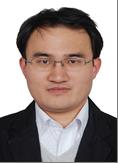 Hongbin Liu (刘洪彬)合作论文数山东大学生殖医院9
 ZhenGuo Luo (罗振国)合作论文数8
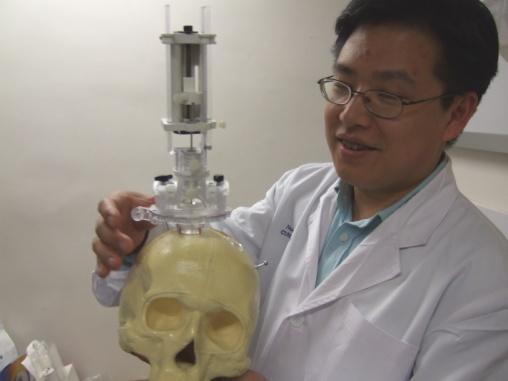 Gang Lu (路鋼)合作论文数School of Biomedical Sciences,The Chinese University of Hong Kong8YiDong Liu (刘毅东)合作论文数6
 Lixin Zhou (周立新)合作论文数Renji Hospital, School of Medicine, Shanghai Jiao Tong University6ziyou bao (包子游)合作论文数5
 Jianming Tan (谭建明)合作论文数The 900 Hospital of the Joint Service Support Force of the People's Liberation Army of China5Shasha Zou (邹沙沙)合作论文数5
 Jun Zhang (张军)合作论文数Shanghai Jiao Tong University School of Medicine5Ziqi Wang合作论文数4Fan Dong合作论文数4Qianlong Zhang合作论文数4Kai Sun合作论文数4HongXiang Wang (王鸿祥)合作论文数4YanPing Huang (黄燕平)合作论文数4Jing Leng (冷静)合作论文数4XuYuan Huang (黄旭元)合作论文数4
 Jianwei Lv (吕坚伟)合作论文数Gongli Hospital;School of Gongli Hospital Medical Technology, University of Shanghai for Science and Technology4
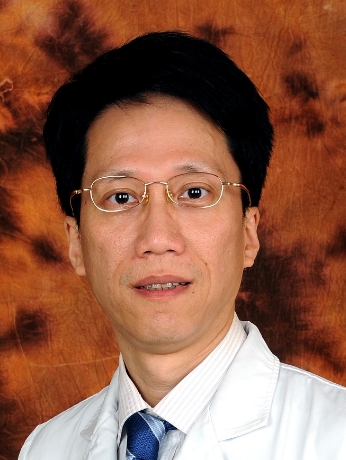 Bin Chen (陈斌)合作论文数Renji Hospital, School of Medicine, Shanghai Jiao Tong University4
 Zhaojian Liu (刘招舰)合作论文数Advanced Medical Research Institute, Shandong University3Si-Qi Wang合作论文数3Yuqing Wang合作论文数3Mengjing Li合作论文数3Chen Jiang (蒋晨)合作论文数3YongXiang Li (李永翔)合作论文数3
 Wai-yee Chan (陳偉儀)合作论文数School of Biomedical Sciences, The Chinese University of Hong Kong3
 Yun Sun (孙贇)合作论文数Renji Hospital, School of Medicine, Shanghai Jiao Tong University3
 Wei Xue (薛蔚)合作论文数School of Medicine, Shanghai Jiaotong University3
 Tak Wah Dominic Chan (陳德華)合作论文数Department of Chemistry, The Chinese University of Hong Kong3Yuan Lin合作论文数2Chenliang Xiong合作论文数2Yin-Ci Zhu合作论文数2Tongtong Li合作论文数2Jingyuan Shan (单镜源)合作论文数2Yulin Liu合作论文数2Huixing Chen合作论文数2Yining Liu合作论文数2Zhong Zheng合作论文数2Shiyu Wang合作论文数2Zhao Qing (赵庆)合作论文数2
 Min Nian合作论文数School of Medicine, Shanghai Jiao Tong University2Xiaochen Yu合作论文数2Yi Ma合作论文数2




