Royal Canadian Mounted Police (RCMP) frequently encounter potentially psychologically traumatic events (PPTEs) which include direct (e.g., happened to me) or indirect (e.g., part of my job) exposure to actual or threatened death, serious injury, or sexual violence, and subsequently demonstrate an increased risk of developing posttraumatic stress injuries (PTSIs). Although PTSIs include mental health disorders, physical impairments such as the development of chronic pain and cardiovascular conditions are also implicated. The current study was designed to assess for changes in cardiac function among RCMP within their first three years of field service. Participants (n=96) were mostly male (71.6%), men (71.6%), White (85.6%), with a mean age of 30.22±6.22 years. The current results evidenced deteriorations in cardiac function; diastolic cardiac function began to deteriorate as early as the second year of field service, with changes in systolic function occurring concurrently, or within the following year, suggesting that deteriorating cardiac function may constitute a PTSI. Incorporating bestpractice cardiac rehabilitation exercise prescription guidelines tailored to the maintenance or improvement of diastolic function into existing occupational health and wellness programs may support a mechanistic role in reducing the risk of major adverse cardiac events among RCMP officers and other high-risk occupational populations.
A substantial proportion of Veterans experience mental and physical health difficulties, including post-traumatic stress disorder and chronic pain, for which cannabis is sometimes medically authorized. However, relatively little is known about cannabis use among Canadian Veterans. Information on the prevalence of use, as well as the mental health profiles and help-seeking behaviours of Veterans who use cannabis, is important for developing more targeted prevention and intervention services and supports. The current study used data from Veteran respondents (n = 1992) of the 2018 Canadian Armed Forces Members and Veterans Mental Health Follow-up Survey. Descriptive statistics and logistic regression models were used to examine associations between past 12-month cannabis use and concurrent mental disorders, chronic pain conditions, use of other substances, suicide behaviours, perceived need for care, and help-seeking behaviours. Several participating Veterans (16.7
The prevalence of anxiety among young adults in Canada and the United States has increased in the past 30 years. Underlying mechanisms may include increases in intolerance of uncertainty (IU), the incapacity to endure the perceived absence of important information. IU is thought to motivate safety behaviors such as reassurance seeking and cognitive avoidance, which can maintain and worsen anxiety and IU. A prior meta-analysis of research using the long-form Intolerance of Uncertainty Scale (IUS) evidenced an increase in IU in Canadian and U.S. college samples between 1992 and 2014. We extended this meta-analysis to 2022 and replicated it using published literature on the short-form version of the IUS, integrating data from 33,864 young adults. In linear meta-regression models weighted by studies’ sample size, adjusted for age and sex/gender, mean long-form IU in Canadian and U.S. college samples increased between 1992 and 2022 by an average 0.65 points per year on a 27-135 scale (95% C.I. = [0.46, 0.83]). This effect was replicated in short-form IU between 2012 and 2022, where we found an average increase of 0.66 points per year on a 12-60 scale (95% CI = [0.45, 0.87]). Aggregating long-form and short-form IUS results in standardized units, the annual rate of change in IU was about three times greater in 2012-2022 (0.06 standard deviation per year, 95% CI = [0.04, 0.08]) than in 1992-2011 (0.02 s.d. per year, 95% CI = [0.00, 0.04]). These findings motivate further research into the role of uncertainty in the epidemiology of anxiety.
Objective: Royal Canadian Mounted Police (RCMP) have a higher prevalence of mental health challenges than the general population despite having comparatively lower scores on putative risk factors and higher self-perceived resilience after completing the Cadet Training Program and first year of service. The current study assessed for changes in putative risk and resilience factors during the first three years of service. Methods: Participants (n = 490; 67.3% men) completed self-report measures of sociodemographic characteristics, anxiety sensitivity, state anger, illness and injury sensitivity, intolerance of uncertainty, fear of negative evaluation, pain anxiety, and self-perceived resilience. Linear mixed models were used to assess for changes in RCMP putative risk and resilience factors over time after controlling for sociodemographic characteristics; independent samples t-tests were used to compare RCMP and young adult general population scores on all putative risk and resilience variables examined. Results: Years of service were statistically significantly positively associated with state anger, intolerance of uncertainty, and pain anxiety; however, participants scored lower on all putative risk variables examined, and statistically significantly higher on self-perceived resilience, than young adult general population norms. Conclusion: The current results indicate a higher prevalence of mental health challenges among RCMP exist despite relatively lower putative risk, suggesting individual difference variables may interact with occupational stressors to result in mental health challenges.
BACKGROUND:The well-being of individuals within their workplace (i.e., workplace mental health) has important implications for their productivity and mental health. The extensive literature on the effectiveness of individual workplace interventions does not yet include a comprehensive synthesis of occupational interventions delivered in workplace settings. OBJECTIVE:The proposed scoping review is designed to identify and categorize occupational interventions studied in the literature; and 2) map reported effects on work-related outcomes and mental health outcomes. METHODS:The review will examine five online databases to identify relevant articles: Embase, CINAHL, APA PsycINFO, MEDLINE, and Web of Science. The inclusion criteria will encompass peer-reviewed English-language studies published from 2005 to 2025, focusing on the effects of occupational interventions designed to improve workplace mental health. The results will support work participation among working adults. DISCUSSION:The review will examine the effects of current occupational interventions on workers' mental health and well-being, as well as on work-related outcomes (e.g., work participation, productivity). The review results can inform researchers designing future studies assessing the effectiveness of occupational interventions on mental health and guide the development of new interventions.
Trauma-exposed professionals (TExP) are repeatedly exposed to potentially psychologically traumatic events as a function of their work. TExP include health care workers (e.g., nurses, physicians), first responders (e.g., firefighters, paramedics, police), and other public safety personnel (e.g., border services, correctional workers, Indigenous emergency managers, public safety communicators, search and rescue), military, and Veterans. The exposures interact with other organizational, operational, environmental, and socio-geo-political stressors, resulting in TExP reporting substantially more mental health challenges, including suicidal behaviours, than the general public. The past decade has evidenced growing research and clinical efforts to better support TExP with evidence-informed and evidence-based solutions. There have also been national and federal initiatives, such as Canada's Federal Framework on Posttraumatic Stress Disorder and National Action Plan on Posttraumatic Stress Injuries, alongside provincial and local initiatives, all designed to mitigate the challenges TExP experience when serving their communities. The current article summarizes the current intersecting challenges facing TExP, recent efforts to support TExP, potential benefits from exploring positive psychology concepts, and recommendations for how psychologists can help TExP and, by extension, all Canadians.
In contrast to anger, a natural and often adaptive emotion, problematic anger is difficult to predict and regulate in a healthy manner. Emerging evidence from studies with military personnel and veterans indicates that problematic anger often leads to significant functional impairment and is linked to exposures to potentially psychologically traumatic events (PPTEs) and a range of mental health disorders. By virtue of their work, public safety personnel (PSP) are exposed to numerous PPTEs and may therefore be at a similarly elevated risk for problematic anger. The current study was designed to assess the prevalence of problematic anger and associations between problematic anger and mental health disorder symptoms among Canadian PSP, extending research with problematic anger among Canadian military personnel and Veterans. Serving correctional workers, firefighters, paramedics, municipal/provincial police, and Royal Canadian Mounted Police completed measures of problematic anger, mental health disorder symptoms, and sociodemographic characteristics via an online self-report survey. Descriptive statistics examined the prevalence of problematic anger and mental health disorder symptoms; bivariate correlations assessed for associations between problematic anger and mental health disorder symptoms; and linear and logistic regressions assessed for associations between problematic anger and mental health disorder symptoms and positive screens, respectively, controlling for sociodemographic covariates. Problematic anger was associated with every mental health outcome assessed and remained a strong predictor of positive screens after controlling for sociodemographic factors. These findings reinforce problematic anger as a common, clinically relevant mechanism linking PPTE exposure to mental health challenges across trauma‑exposed professions.
Posttraumatic stress disorder (PTSD) has been associated with alterations in heart rate variability (HRV) following exposure to potentially psychologically traumatic events . HRV has long been widely believed to reflect the autonomic nervous system (ANS) and associated modulatory cardiac impacts; however, recent evidence does not support the association. The current narrative review evaluates the current literature on HRV in relation to PTSD and other posttraumatic stress injuries (PTSI), focusing solely on empirically observed changes in HRV metrics, independent of unverified physiological interpretations. The current review highlights substantial methodological heterogeneity, inconsistent measurement approaches, and the lack of longitudinal data needed to establish causality. Results suggest that, while HRV is altered in individuals with PTSD compared to controls, the differences are small, variable, and context dependent. Substantial limitations in measurement reliability and interpretive validity preclude recommending HRV as a standalone clinical or screening tool for assessing PTSI currently. Furthermore, the HRV results should be discussed as a direct measure of a physiological signal, not as a theoretical ANS construct.
Royal Canadian Mounted Police (RCMP) cadets complete the Cadet Training Program with lower putative risk and greater self-perceived resilience than young adults in the general population, implicating occupational stressors as possible risk factors for mental health disorders in RCMP officers. The current study assessed for changes in putative risk and resilience factors among RCMP officers after their first year of service (i.e. from pre-deployment to 1-year follow-up). Participants (n = 181; 72.8% men) completed self-report measures of several putative risk variables (i.e. anxiety sensitivity, fear of negative evaluation, illness and injury sensitivity, intolerance of uncertainty, pain anxiety, state anger) and self-perceived resilience at 1-year follow-up. Participants' scores were compared to their respective pre-deployment scores and to young adult control samples. At 1-year follow-up, RCMP officers scored statistically significantly (ps < .05) higher on global anxiety sensitivity, the cognitive and social domains of anxiety sensitivity, illness sensitivity, and state anger (ds = 0.16-0.35) than they did as cadets at pre-deployment; however, scores on all putative risk variables remained statistically significantly lower (ps < .01; ds = 0.25-1.25), and self-perceived resilience remained statistically significantly higher (p < .01; d = 0.82), compared to young adult general population norms. Women and female participants scored statistically significantly lower than men and male participants, respectively, on self-perceived resilience (ds = 0.63 and 0.57; ps < .05). Neither gender nor sex moderated changes in putative risk and resilience scores from pre-deployment to 1-year follow-up. The current results suggest that occupational stressors may influence individual putative risk and resilience factors, which in turn impact RCMP officers' risk of developing mental health challenges.
The Royal Canadian Mounted Police (RCMP) changed the cadet admission requirements in February 2022. The current study was designed to assess whether changes to admissions were associated with differences in putative risk and resilience factors (i.e., relatively modifiable individual difference variables) for mental health challenges among cadets. RCMP cadets recruited before (STC; n = 772; 72.2
In response to inherent occupational and operational stress in public safety personnel (PSP), multiple policies and interventions have been implemented, often with sparse or low-quality research. The National Standard of Canada for Psychological Health and Safety in the Workplace (the Standard) is a comprehensive framework aimed at promoting mental health and preventing psychological harm in Canadian workplaces. This longitudinal multiple-cohort implementation science project describes mental health strategies implemented and associated organizational outcomes across five PSP organizations implementing change within the standard framework. Data were collected at two levels over a three-year span from the five public safety organizations that identified priority areas for improvement within the Standard based on local data and consultations. The organization selected and implemented a range of proactive mental health interventions, including resiliency training. Individual pre-post surveys assessed a variety of mental health disorders and work-related items. Annual organizational data included sick leave hours and extended health benefits for psychological services. Survey responses were aggregated at the organizational level. Rank-based correlation analyses (Kendall's tau) described associations among occupational stress, work engagement, stigma, and organizational indicators. Organizations demonstrated multiple indicators of progress in meeting the Standard. Post-mental health symptom scores were positively correlated with extended health costs. Higher organizational stress scores were associated with higher extended health costs (psychological) (τ = 1.0 at pre-intervention; 0.67 post-intervention). Positive changes in organizational stress scores and higher engagement scores over the implementation process were both associated with lower average extended health costs (τ = 1.0/-1.0 respectively). Resilience scores were inversely related to health costs (τ = -0.67), consistent with the protective role of resilience. The Standard can serve as a framework for improving workplace health and safety when integrated with multi-modal action plans and structured resilience programs.
Mental health disorders are prevalent among public safety personnel (PSP; e.g., correctional workers, firefighters, paramedics, police, public safety communicators) due to frequent exposures to occupational stressors. PSP report having minimal time for research participation and needing efficient screening tools validated for their unique needs. The current study evaluates the validity of short-form mental health disorder questionnaires as alternatives to the full-length versions. Using data from 5838 PSP, the psychometric properties of the 4-item PTSD Checklist for DSM-5, 2-item Patient Health Questionnaire; 2-item Generalized Anxiety Disorder Scale; Brief Panic Disorder Severity Scale-Self Report; and Alcohol Use Disorders Identification Test-Concise were assessed. Classification accuracy, internal consistency, and convergent validity were assessed using correlations, Cronbach's alphas, and receiver operating characteristic analyses (e.g., area under the curve [AUC], sensitivity, specificity, predictive values, likelihood ratios, Youden Index). The short and full-length versions were highly correlated (rs = 0.93-0.96), with adequate to good internal consistency (Cronbach's alphas.70-0.84). Using previously established cutoff scores, analyses evidenced low to high sensitivity (0.57-0.98) and high specificity (0.78-0.98), evidencing consistent classification of positive screens (AUCs = 0.92-0.99) between the short-form and full-length versions using a sample of PSP. The short-form measures offer an efficient standardized method for PSP to report mental health disorder symptoms, facilitating efficient and early screening.
Negative media attention, prolonged investigations by oversight agencies, and misinformed anti-police rhetoric related to police use of force can worsen mental health risks for officers who may already be at high risk due to various organizational and operational stressors. Despite what the public might think, Crown referrals by oversight agencies have been stable since 2012 at less than 0.08% of all police occurrences. The rate of deaths for members of the public per police occurrence has also remained stable at less than 0.001% since 2000. In that time, only three Canadian police officers have been convicted in cases where their use of force resulted in a death. It is worth questioning whether widespread criticism of police and calls for major police reforms are fully justified. Concerted efforts are needed to accurately contextualize narratives about Canadian police interactions with the public and to offset misinformation and biases about police use of force.
The concept of moral injury (MI) appears broadly relevant for paramedics and firefighters, but little research has been conducted on MI within law enforcement personnel and public safety communicators (PSCs). The current study was designed as a preliminary effort to examine and understand the concept and experience of MI among law enforcement and PSCs located in Canada. Qualitative reflexive thematic analysis was used to explore the conception(s), experiences, and challenges faced by police, PSCs, and sheriffs, clarifying the impact of moral conflicts, ethical dilemmas, and potentially psychologically traumatic events on their mental well-being. We conducted one focus group (1 female; 4 males) and 14 individual interviews (4 females; 10 males). Several participants identified many morally challenging situations or potentially morally injurious events as frequently encountered when doing their work, such as witnessing acts of violence, coping with psychologically traumatic event sequelae, or navigating ethical dilemmas in decision-making. The results suggest a single meta-theme that MI is “all part of the job” and five supporting themes: 1) the nature and the culture of the job; 2) MI as unseen suffering; 3) potential sources of MI; 4) the consequences of unseen suffering; and, 5) moral resilience. The results underscored the complexities and challenges associated with defining MI. These results help improve our understanding of MI experiences among police, PSCs, and sheriffs, providing insights for developing targeted interventions and support strategies to mitigate the effects of potentially traumatic and morally injurious events and promote resilience among all public safety personnel.
ObjectivesThe present study evaluated the psychometric properties of the Brief Fear of Negative Evaluation Scale—straightforward items (BFNE-S) within an Italian sample. Specifically, the study was designed to validate the scale factor structure, reliability, concurrent validity, and measurement invariance across sexes.MethodA total of 652 participants (70.71% female and 29.29% males, aged 18–66) completed the BFNE-S and additional related scales including the Social Interaction Anxiety Scale (SIAS), Social Phobia Scale (SPS), Rosenberg Self-Esteem Scale (RSES), Depression Anxiety Stress Scales (DASS-21), and the SCOFF Questionnaire. Confirmatory factor analyses (CFA) were conducted to assess for a unidimensional structure, followed by testing of measurement invariance test between sexes. Reliability was evaluated using Cronbach's alpha and McDonald's Omega, and concurrent validity was tested through correlations with related measures.ResultsThe CFA supported the unidimensional structure of the BFNE-S with excellent fit indices (CFI = 0.998, RMSEA = 0.058). No measurement invariance violations were observed between sexes, despite their frequencies being slightly unbalanced. The BFNE-S demonstrated excellent internal consistency (Cronbach's α = 0.96, McDonald's ω = 0.97). There were positive correlations among BFNE-S, the SIAS (ρ = 0.67), SPS (ρ = 0.67), as well as with DASS-21 subscales (i.e., depression, anxiety, stress) and SCOFF, and inverse correlations with RSES.ConclusionThe BFNE-S exhibited robust reliability, validity, and measurement invariance across sexes in an Italian sample. Psychometric evidence supports the BFNE-S as a reliable tool for measuring fear of negative evaluation in the nonclinical population, providing a valuable resource for research and clinical assessments.
Police recruit training signifies a major shift in social roles that may change personality. While personality measurement is often used for police recruitment and selection processes, less is known about changes in personality following police recruit training. The current study examines changes in personality profiles of Royal Canadian Mounted Police (RCMP) cadets after completing the RCMP Cadet Training Program and compares to the general population. Participants were RCMP cadets (n = 449) from the larger RCMP Longitudinal PTSD Study who completed the RCMP Cadet Training Program and self-reported personality using the HEXACO-100 personality inventory at pre-training and pre-deployment. The current results indicated small, but statistically significant, differences on several HEXACO personality factors and facets among RCMP cadets completing the RCMP Cadet Training Program when compared to pre-training measures. However, despite small changes in personality, RCMP cadets completing training retained personality profiles different from the general population. The current results appear to contradict suggestions that the RCMP Cadet Training Program negatively impacts cadets' personality and suggests instead that cadets completing the training display personalities suitable for contemporary policing. The current results provide insights into the impact police training may have on cadet personalities and personality development associated with life events.
Lifetime exposures to potentially psychologically traumatic events (PPTEs) among Royal Canadian Mounted Police (RCMP) cadets starting the Cadet Training Program (CTP) appear lower than exposures reported by serving RCMP, but the prevalence of PPTE exposures during the CTP remains unknown. The current study assessed PPTE exposures during the CTP and examined associations with mental disorders among RCMP cadets. Participants were cadets ( n = 449, 24.7% women) from the larger RCMP Longitudinal Study who self-reported critical incidents, PPTE exposures, and mental health disorder symptoms at pretraining and predeployment. Most participants reported no exposures to a PPTE ( n = 374, 83.3%) during the CTP. Participants who reported any PPTE exposure ( n = 75, 16.7%; i.e., direct or indirect) most commonly reported serious transport accidents, physical assault, and sudden accidental death. The most common direct PPTEs (i.e., “happened to me”) during the CTP were physical assault ( n = 13), other unwanted or uncomfortable sexual experience ( n = 11), and serious transportation accident ( n = 8). The total number of PPTE types reported at predeployment was associated with increased odds of screening positive for any mental health disorder, a OR = 1.22, 95% CI [1.01, 1.49], p = .049, and positively associated with mental health disorder symptoms, p s < .001. These results provide the first assessment of PPTE exposure among RCMP cadets during the CTP, indicating that 16.7% of cadets experience PPTEs directly or indirectly. The PPTEs reported by cadets may help inform additional opportunities to further increase safety during training.
PURPOSE:The study was designed to assess the adaptation, implementation, and delivery of the Resilient Minds program for volunteer firefighters in Prince Edward Island. METHODS:A concurrent triangulation mixed-methods approach was used. Survey data were collected from firefighters who participated in the training, and semi-structured interviews were performed with peer trainers, members of leadership, and firefighters who participated in the implementation. Summary statistics were performed to summarize the survey data, and thematic analysis was performed to analyze the qualitative data following interpretive description methods. We followed the Consolidated Framework for Implementation Research to guide our data collection and analyses. RESULTS:The relative advantage of Resilient Minds (i.e., created for firefighters) and the high-priority need for mental health training promoted buy-in from stakeholders and facilitated program implementation. Most participants described the training as helpful (84 %), and reported high intention to use the information (86 %). At three-month follow-up, most reported being able to recall the training (83 %), and reported increased support from colleagues (59 %) and leadership (50 %). Our qualitative data identified improvements in coping and awareness of mental health issues, and decreases in mental health stigma. Suggestions were provided to improve the adaptation and implementation (e.g., simplifying the content, obtaining funding). CONCLUSION:Our results support the adaptation, implementation, and delivery of Resilient Minds among Canadian volunteer firefighters. Scaled delivery of the training across Canada will require collaborations among the developers, local implementation leads, and other stakeholders in the local fire services to adapt the course content and implementation procedures for the needs of each fire department.
Public safety personnel (PSP) face an elevated risk of encountering potentially psychologically traumatic events, leading to higher prevalences of mental health challenges such as posttraumatic stress disorder, major depressive disorder, generalized anxiety disorder, panic disorder, and alcohol use disorder. This scoping review aimed to map the prevalence of mental health challenges studied among various PSP sectors across Canada to identify research gaps. Following the Preferred Reporting Items for Systematic Reviews and Meta-Analyses Extension for Scoping Review Reviews guidelines and a preregistered protocol, this review focuses on literature published since 2013. Using the Population/Exposure/Outcome framework, we identified populations, exposures, and outcomes. The search strategy began with Medline (Ovid) and was refined for APA PsycInfo, CINAHL Plus, and the Web of Science Core Collection. The 27 articles curated show that research has been primarily conducted across Canada and Ontario, focusing on police officers and correctional workers, with an emphasis on anxiety disorders and posttraumatic stress disorder. A variety of scales and cutoffs were employed across different articles, leading to some discrepancies in reported prevalence proportions. Most (i.e., 66%) of the curated studies (n = 18) used secondary data sets, which may further limit the robustness of results. The review reveals an increase in research publications since 2013, predominantly addressing a limited range of mental health challenges and specific PSP sectors and regions. There is a need for more longitudinal studies to capture the evolution of mental health challenges among PSP, with future research aiming for methodological consistency, the inclusion of diverse sectors and locations, and a broader spectrum of mental health challenges.
The current study was designed to assess for associations between self-report mental health disorder symptom change scores and the frequency of monthly mental health self-monitoring surveys, amongst Royal Canadian Mounted Police (RCMP) cadets during training (i.e., starting the Cadet Training Program [CTP] to pre-deployment). Participants were RCMP cadets (n = 355). Multiple linear regression models were conducted to assess relationships between mental health disorder symptom change scores and the frequency of monthly self-monitoring during the CTP, adjusting for sociodemographic variables and pre-training mental health disorder symptom scores. The frequency of monthly self-monitoring was statistically significantly inversely associated with changes in mental health disorder symptoms during the CTP (R2 = .13 to .47), meaning more frequent monthly self-report monitoring was related to decreases in symptoms. Regular mental health self-monitoring may help to directly mitigate mental health challenges among RCMP through increased self-awareness, and by facilitating proactive self-care and earlier access to evidence-based care. Trial registration: Pre-registration with aspredicted.org for the RCMP Study and associated hypotheses occurred on 7 November 2019 with the name, “Risk and resiliency factors in the RCMP: A prospective investigation” (#30654).
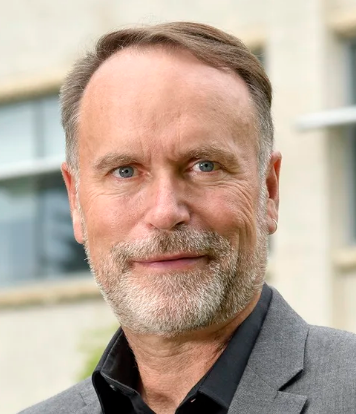 Gordon Asmundson合作论文数Anxiety and Illness Behaviour Laboratory, Department of Psychology, Faculty of Arts, University of Regina;Faculty of Kinesiology and Health Studies, University of Regina;Mood and Anxiety Disorders Research Group, Faculty of Medicine, University of Manitoba88
 Rosemary Ricciardelli合作论文数Memorial University of Newfoundland45
 Laleh Jamshidi合作论文数Canadian Institute for Public Safety Research and Treatment - Institut Canadien de recherche et de traitement en sécurité publique (CIPSRT-ICRTSP), 6846University of Regina, Regina, Saskatchewan, Canada.36
 Tracie Afifi合作论文数Department of Community Health Sciences, Max Rady College of Medicine, Rady Faculty of Health Sciences, University of Manitoba;Children’s Hospital Research Institute of Manitoba36
 Robyn E Shields合作论文数Anxiety & Illness Behav Lab, Univ Regina28
 Katie L. Andrews合作论文数Inst Canadien Rech & Traitement Secur Publ CIPSRT, Univ Regina26
 Sauer-Zavala Shannon合作论文数Ctr Anxiety & Related Disorders, Boston Univ24
 Taylor A. Teckchandani合作论文数Canadian Institute of Public Safety Research and Treatment, University of Regina23
 Gregory S. Anderson合作论文数Fac Sci, Thompson Rivers Univ23
 Jolan Nisbet合作论文数22
 Gregory P Krätzig合作论文数20Tamara L. Taillieu合作论文数20
 Patrick Neary合作论文数19
 Heidi Cramm合作论文数Queen's University17
 Sherry Stewart合作论文数Department of Psychiatry, Faculty of Medicine, Dalhousie University;Department of Psychology and Neuroscience, Faculty of Medicine, Dalhousie University;Department of Community Health and Epidemiology, Faculty of Medicine, Dalhousie University16
 Dianne Groll合作论文数Department of Psychiatry, Queen's University16
 Amber J. Fletcher合作论文数Department of Sociology & Social Studies, University of Regina15Kirby Q. Maguire合作论文数14
 Andrea M Stelnicki合作论文数Dept Psychol, Univ Regina14
 Alain Brunet合作论文数Department of Psychiatry, Faculty of Medicine and Health Sciences, McGill University13
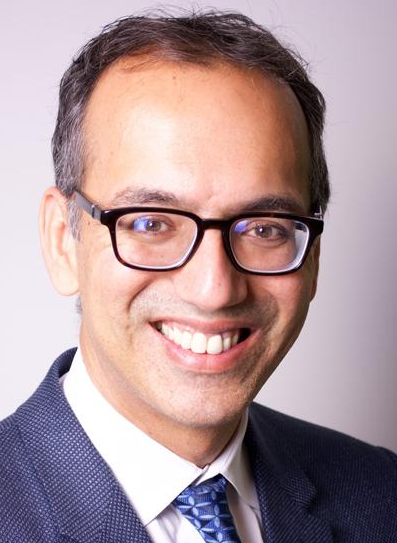 Jitender Sareen合作论文数Department of Psychiatry, Max Rady College of Medicine, Rady Faculty of Health Sciences, University of Manitoba12
 Lisa M. Lix合作论文数Department of Community Health Sciences, Max Rady College of Medicine, Rady Faculty of Health Sciences, University of Saskatchewan12Kelsey C. Collimore合作论文数12
 Randi E. Mccabe合作论文数Anxiety Treatment and Research Centre, St. Joseph's Healthcare11
 Nicholas A Jones合作论文数10
 Heather Hadjistavropoulos合作论文数Department of Psychology, University of Regina10
 Michelle J. N. Teale Sapach合作论文数9
 Terence M. Keane合作论文数Department of Psychiatry, Chobanian & Avedisian School of Medicine, Boston University;VA Boston Healthcare System9MacPhee Renee合作论文数9
 Murray P Abrams合作论文数University of Regina9
 Daniel L. Peluso合作论文数Anxiety and Illness Behaviours Laboratory and Department of Psychology, University of Regina9Jill A B Price合作论文数8
 Rachel L Krakauer合作论文数Anxiety & Illness Behav Lab, Univ Regina8
 Steven Taylor合作论文数Department of Psychiatry, Faculty of Medicine, The University of British Columbia;Division of Neuroscience and Translational Psychiatry, The University of British Columbia;Vancouver Coastal Health Research Institute8
 Andreanne Angehrn合作论文数Dept Psychol, Univ Regina8
 Thibodeau Michel A合作论文数8Lorraine Smith-MacDonald合作论文数7
 Horswill Samantha C合作论文数Department of Psychology, University of Regina.7
 Suzette Bremault-Phillips合作论文数Faculty of Rehabilitation Medicine, University of Alberta7
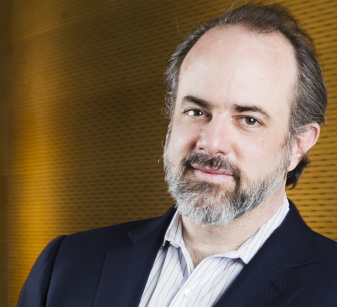 Martin M. Antony合作论文数Department of Psychology,Ryerson University7Alexandra Heber合作论文数6Liana Lentz合作论文数Dept Philosophy, Kings Univ Coll Western6Hugh C McCall合作论文数6
 Matthew Johnston合作论文数Fisheries and Marine Institute, Memorial University of Newfoundland6
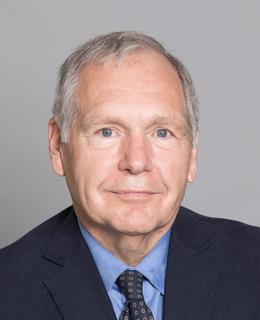 Keith Stephen Dobson合作论文数Department of Psychology, Faculty of Arts, University of Calgary6
 Michelle C. Mccarron合作论文数Department of Psychology, University of Regina6
 Paul Boelen合作论文数Department of Clinical Psychology, Utrecht University;ARQ Nationaal Psychotrauma Centrum6
 Mathew G. Fetzner合作论文数Department of Psychology, University of Regina6
 Peter M Mcevoy合作论文数5




