Background:Obesity has become a major global public health challenge, closely associated not only with metabolic and cardiovascular disorders but also with male sexual dysfunction. Emerging evidence suggests that bariatric surgery may improve sexual function in obese men by enhancing hormonal balance, reducing visceral adiposity, and restoring endothelial function. However, existing studies show strong heterogeneity in design, surgical approaches, and sample sizes, underscoring the need for an updated systematic review and meta-analysis. Objective:To systematically evaluate and meta-analyze the effects of bariatric surgery on sexual function and related hormonal levels in obese men. Methods:PubMed, Web of Science, Embase, and the Cochrane Library were systematically searched for relevant studies published up to June 2025. A random-effects model was applied to pool effect sizes, and heterogeneity was assessed using the I² statistic. Changes in International Index of Erectile Function (IIEF) scores and hormone levels before and after surgery were evaluated. Subgroup analyses, sensitivity analyses, and publication bias assessments were conducted, with all analyses performed using Stata 17.0. Results:A total of 21 studies involving 695 participants were included. Pooled analyses showed significant improvements in both IIEF-5 and IIEF-15 total scores after surgery (MD = 6.45 and 9.03, respectively; p < 0.001), indicating overall enhancement in sexual function. Domain-specific results demonstrated significant improvements in erectile function, orgasmic function, sexual desire, intercourse satisfaction, and overall satisfaction, with erectile function showing the greatest improvement (SMD = 0.76); however, differences between domains were not statistically significant. Regarding hormonal outcomes, total testosterone increased significantly after surgery (MD = 8.21, p < 0.001), whereas free testosterone showed no significant change. Body mass index (BMI) decreased markedly (MD = -13.86, p < 0.001). Subgroup analyses consistently supported the beneficial effects of surgery. Sensitivity analyses confirmed the robustness of the results, and Egger's test indicated no significant publication bias. Conclusions:Bariatric surgery significantly improves sexual function in obese men, particularly erectile function, and increases total testosterone levels. These findings suggest that, beyond weight reduction and metabolic improvement, bariatric surgery may also play an important role in enhancing sexual health and overall quality of life. Further studies, including randomized controlled trials with standardized hormonal assessment and extended follow-up, are required to establish the causal relationship between surgery and sexual function.
OBJECTIVE:To investigate the ameliorative effects of quercetin (QE) on spermatogenic function and elucidate the underlying molecular mechanisms in vivo. METHODS:Thirty male C57BL/6 mice (6-8 weeks old) were randomly divided into 5 groups using a random number (n=6 per group): control, triptolide (TP) model (0.1 mg/kg per day), and different doses of quercetin (QE) treatment groups (25, 50, and 100 mg/kg per day, intragastrically). Except for controls, all mice received TP to induce spermatogenic impairment, with concurrent QE administration in treatment groups. The intervention lasted 35 days, covering 1 complete spermatogenic cycle, and mice were euthanized on day 38. Histopathological damage and apoptosis in spermatogenic cells were evaluated using hematoxylin and eosin (H&E) staining, TUNEL assay, and Western blot analysis for Bcl-2, Bax, and cleaved caspase-9. Blood-testis barrier (BTB) integrity was assessed by immunofluorescence and Western blot for tight junction proteins, including zonula occludens-1 (ZO-1) and junctional adhesion molecule A (JAMA). The PI3K/AKT signaling pathway was investigated through Western blot analysis of PI3K, AKT, and phosphorylated AKT (p-AKT). Network pharmacology and molecular docking simulations were performed to predict QE's molecular mechanisms, followed by experimental verification. RESULTS:QE treatment significantly ameliorated TP-induced testicular damage, increased spermatogenic epithelial thickness and spermatogonial tubule diameter, and decreased apoptosis of spermatogenic cells (P<0.05 or P<0.01). QE also improved the distribution and expression of key BTB proteins, including ZO-1 and JAMA (P<0.05 or P<0.01). Network pharmacology and molecular docking studies suggested that QE influences the PI3K-AKT signaling pathway, which was confirmed by increased AKT phosphorylation levels observed in Western blot results (P<0.05 or P<0.01). CONCLUSIONS:QE can mitigate TP-induced spermatogenic dysfunction, reduce apoptosis of spermatogenic cells, and preserve BTB structural integrity by upregulating the PI3K-AKT signaling pathway. QE may be a potential therapeutic agent for treating TP-induced spermatogenic disorders.
The male reproductive system (MRS) is composed of multiple highly organized components that are relatively separated and adopt special histological and immunological microenvironments. The inflammatory conditions are most frequent pathological states of the MRS. Retrograde microbial infections are pivotal etiological factors contributing to acute inflammation in the MRS. However, the majority of inflammatory conditions in the MRS can be caused by non-infectious factors and manifest chronic inflammation, which may significantly affect quality of life and fertility. The mechanisms underlying the non-infectious inflammation in the MRS remain largely elusive. Therefore the diagnosis and treatment of the non-infectious inflammation in the MRS are confusing. Recent studies demonstrated that immunogenic spermatozoa could be potential triggers of the non-infectious inflammation in the MRS. This review article outlines current status of the diagnosis and the treatment of inflammation and underlying mechanisms in the MRS. We also highlight the prioritized issues for future studies.
Observational studies have identified a significant co-morbidity between urinary tract infections (UTIs) and psychiatric disorders, yet the causal relationship remains uncertain. We conducted a bidirectional Mendelian randomization (MR) analysis to evaluate the causal relationship between psychiatric disorders (schizophrenia [SC], bipolar disorder [BD], major depressive disorder [MDD], autism spectrum disorder [ASD], attention-deficit/hyperactivity disorder [ADHD], obsessive-compulsive disorder [OCD], anorexia nervosa [AN]) and UTIs using data from the Psychiatric Genomics Consortium and UK Biobank. To account for potential confounding factors and investigate the independent effects of multiple psychiatric disorders, we further employed multivariable Mendelian randomization (MVMR). Inverse variance weighted analysis demonstrated that genetic susceptibilities of MDD and ASD increased UTI risk with odds ratios (ORs) of 1.31 (95% CI: 1.15-1.48, p < .001) and 1.08 (95% CI: 1.03-1.15, p = .004), respectively. UTIs were associated with a slight increase in the risk of MDD, evidenced by an OR of 1.061 (95% CI: 1.01-1.12, p = .019). Multivariate MR analysis revealed that MDD, after adjusting for type 2 diabetes mellitus and urinary stones, increased UTI risk (OR = 1.25, 95% CI: 1.08-1.45, p = .002), with smoking mediating 13.6% (p = .006) of MDD's effect on UTIs. Our study establishes a causal relationship between psychiatric disorders and UTIs, identifying smoking as a mediator. These findings provide valuable guidance for clinicians to develop effective prevention and management strategies for patients with coexisting mental disorders and UTIs.
Wu Zi Yan Zong Wan (WZYZW) is a traditional Chinese formula known for treating male infertility, though its mechanism of action is unclear. This study investigates how WZYZW may alleviate spermatogenic dysfunction in mouse testes induced by triptolide (TP). We established a TP-induced spermatogenic dysfunction mouse model and randomly divided 30 male C57BL/6J mice into five groups: control, model, and low-, medium-, and high-dose WZYZW groups (six mice per group). After a 35-day intervention, testicular tissues were analyzed for histopathology via hematoxylin-eosin and TUNEL staining. Protein expression of type I collagen, laminin, fibronectin, and spermatogonial stem cell (SSC) markers, including GFRα1, Ret, and PLZF, were evaluated by immunohistochemical staining. GDNF and CSF1 levels were measured by ELISA, and the PLCγ/PKC pathway was analyzed via Western blotting and quantitative reverse transcription polymerase chain reaction (qRT-PCR). Compared with the model group, WZYZW significantly increased testicular index (high-dose, p < .01), improved Johnsen score (all doses, p < .05), reduced spermatogenic cell apoptosis, and improved the spermatogenic microenvironment by increasings type I collagen (high-dose, p < .01), laminin (low-dose, p < .01; medium/high-dose, p < .05), fibronectin (high-dose, p < .01), GDNF (medium/high-dose, p < .05), and CSF1 (high-dose, p < .05). It significantly upregulated the expression of GFRα1, PLZF, C-kit, Ret, and SCF, with the improvement of GFRα1(medium/high-dose vs. low-dose, p < .01), Ret (medium/high-dose vs. low-dose, p < .05), SCF (high-dose vs. low-dose, p < .05) showing a certain dose-dependency. The qRT-PCR and Western blotting results showed that WZYZW significantly enhanced PLCγ/PKC pathway activity. The study indicates that WZYZW can improve the spermatogenic microenvironment and promote the self-renewal and differentiation of SSCs through the PLCγ/PKC pathway, thereby improving spermatogenic function.
Objective To provide the mechanism-based pharmacotherapy of the Huatan Qushi formula (HTQS formula), for the health management and treatment of non-alcoholic fatty liver disease (NAFLD). Methods A rat model of NAFLD was employed to examine the efficacy and safety of the HTQS formula. In vivo active components and potential mechanisms of the HTQS formula were identified using UPLC‒MS/MS combined with network pharmacology. The influence of the HTQS formula on the dominating proteins in PI3K/Akt pathway was validated in vivo using western blot. Finally, 16S rRNA sequencing of the gut microbiome was conducted followed by targeted metabolomics detecting fecal short-chain fatty acids (SCFAs) and bile acids to determine the impact of the HTQS formula on gut microbiota. Results The HTQS formula reduced weight gain and hepatic steatosis in NAFLD rats and decreased serum total cholesterol (TC), triglycerides, blood glucose, and insulin resistance (IR) without causing liver or kidney injury. We detected 28 components using UPLC‒MS/MS and identified 439 shared targets between NAFLD and the HTQS formula. Primarily, we focused on the PI3K/Akt signaling pathway based on protein‒protein interaction network analysis. We validated that the HTQS formula inhibited liver steatosis and inflammation by increasing the phosphorylation levels of PI3K, AKT, P27, GSK3β in the PI3K/Akt signaling pathway. 16S rRNA sequencing revealed that the HTQS formula reduced the abundance of the genus Family_XIII_AD3011_group, which was positively correlated with IR and taurodeoxycholic acid. In addition, Lachnospiraceae_UCG_010 inversely correlated with TC and five bile acids, which could be essential to the therapeutic effect of the HTQS formula against NAFLD. Conclusions The HTQS formula proved to be an effective pharmacotherapy for NAFLD without causing liver or kidney injury. Multiple potent components of the HTQS formula could alleviate liver steatosis and lipid metabolism disorder by modulating the PI3K/Akt signaling pathway and restoring gut microbiota composition.
In recent years, there has been a global decline in the quality of human semen, leading to a gradual increase in the incidence of infertility, which significantly impacts men’s health. Due to the complex etiology of male infertility, clinical treatment is predominantly confined to drugs, surgery, and assisted reproductive technology. However, the efficacy of these approaches often falls short of meeting clinical needs, prompting the exploration of new treatment methods. Acupuncture, a crucial component of traditional Chinese medicine (TCM), has gained increasing prominence in the treatment of male infertility, yielding noteworthy results. This article offers an overview of TCM’s perspective on male infertility, explores the clinical efficacy of acupuncture in treating male infertility and the corresponding mechanisms, and summarizes the existing challenges in the current acupuncture-based treatment of male infertility. It also clarifies the validity of acupuncture and provides references for the future development of acupuncture in the treatment of male infertility.
目的 观察雷公藤甲素(Triptolide,TP)连续给药小鼠整个生精周期(35 d)对睾丸组织的损伤效应、产生损伤的量效关系及与氧化应激机制之间的联系.方法 将 36 只雄性C57 小鼠分为正常组及雷公藤甲素不同剂量组(TP 0.05 mg/kg组;TP 0.1 mg/kg组;TP 0.2 mg/kg组;TP 0.4 mg/kg组;TP 0.8 mg/kg组),每组各6 只.根据分组分别以DMSO/0.9%NaCl溶液及TP不同剂量组溶液连续灌胃 5 周.计算睾丸脏器指数、观察病理结果及生精细胞凋亡情况,检测睾丸组织的活性氧(ROS)及氧化酶(MDA、NO)/抗氧化酶(CAT、GSH-PX、T-SOD)表达水平.结果 与正常组比较,TP 0.05 mg/kg组睾丸脏器指数下降;部分生精小管出现损伤(生精细胞排列紊乱、间隙增加、精子减少等);凋亡细胞数增加;ROS及氧化酶(MDA、NO)表达水平上升,差异无统计学意义(P>0.05);抗氧化酶(CAT、GSH-PX、T-SOD)活性下降,差异无统计学意义(P>0.05).与TP 0.05 mg/kg组比较,TP 0.1 mg/kg组~TP 0.8 mg/kg组睾丸脏器指数随着剂量增加而下降,其中TP 0.2 mg/kg~TP 0.8 mg/kg组较正常组,差异有统计学意义(P<0.05);TP 0.1 mg/kg组~TP 0.8 mg/kg组生精功能损伤随着给药剂量增加逐渐加重,其中TP 0.4 mg/kg组及TP 0.8 mg/kg组管腔内未见生精细胞、仅存在支持细胞;TP 0.1 mg/kg组凋亡细胞增加,TP 0.2 mg/kg组~TP 0.8 mg/kg组因各级生精细胞大量丢失,凋亡细胞反而较少(其中TP 0.2 mg/kg组较TP 0.1 mg/kg组凋亡细胞减少,TP 0.4 mg/kg 组、TP 0.8 mg/kg 组几乎无凋亡细胞存在);TP 0.1 mg/kg 组~TP 0.8 mg/kg组ROS及氧化酶(MDA、NO)表达水平呈上升趋势,差异无统计学意义(P>0.05);抗氧化酶(CAT、GSH-PX、T-SOD)活性呈下降趋势,差异无统计学意义(P>0.05).结论 在小鼠整个生精周期(35 d)内,TP给药建立生精功能损伤模型的最合适剂量为0.1 mg/(kg·d),这种损伤与氧化应激引起的细胞凋亡相关.
Aconiti Lateralis Radix Preparata, a traditional Chinese medicine to excite renal yang, which is hot and toxic. Prudence used by ancient and modern doctors. In recent years, andrology diseases have attracted more and more attention.Due to their complex symptoms, various pathogenesis, and cold-heat and asthenia-sthenia may appear. It has brought certain difficulties to clinical treatment. HU-FENG’s medical system is based on the theory of six meridians, eight cardinal guides, and the syndrome differentiation and treatment of the body’s symptoms. It is believed that the symptoms of andrology diseases are complex and often manifested as the combination of two or three meridians. However, the main manifestation is the decline of body function. Therefore, attention should be paid to the effect of aconite on stimulating human function in clinical treatment.From the perspective of the classical medical system, this paper summarizes the application of Aconiti Lateralis Radix Preparata in andrology diseases for reference.
Lipid parameters have been shown to have significant predictive value for cardiovascular disease, but few studies have evaluated their correlation with erectile dysfunction (ED) in young men. The case-control study encompassed 186 young ED patients (ages 20–40) and 186 healthy controls. Lipid parameters, including total cholesterol (TC), triglycerides (TG), low-density lipoprotein cholesterol (LDL-C), high-density lipoprotein cholesterol (HDL-C), TC/HDL ratio, TG/HDL ratio, and LDL-C/HDL-C ratio, were assessed in all participants. The International Index of Erectile Function (IIEF-5) scores were collected for all participants to evaluate erectile status. Multivariate logistic regression analysis was utilized to appraise the association of lipid-related parameters with ED. Single-nucleotide polymorphisms (SNPs) significantly correlated with lipid parameters (TC, TG, LDL-C, HDL-C) were selected from genome-wide association studies (GWAS) as instrumental variables (IV) (P < 5.0 × 10⁻⁸). Summary data for ED was gathered from a GWAS with a sample size of (n = 17,353 cases/28,210 controls). The inverse variance weighted (IVW) method was employed as the primary mendelian randomization (MR) analysis method to assess causal effects. Causal estimates were represented as odds ratios (OR) with 95
BackgroundThe prevalence of diabetes mellitus-induced erectile dysfunction (DMED) has recently increased, which has prompted numerous DMED studies. Here, we conduct a bibliometric analysis of relevant literature in the field of DMED and to discuss the research hotspots and future development directions.MethodsThe Web of Science Core Collection database was searched for literature on DMED, and literature characterization including the number of articles, journals, countries/regions, institutions, authors, keywords, and other information was performed using VOS viewer and CiteSpace software. In addition, Pajek software was used for visual map adjustment, and GraphPad Prism was used to generate line graphs.ResultsA total of 804 articles concerning DMED were included in this study. The Journal of Sexual Medicine issued the most documents(92 articles). The United States and China were in the leading position in the field of DMED research, and cross-institutional collaboration on DMED research worldwide needs to be further strengthened. Ryu JK were the authors with the highest number of documents issued (22 articles) while Bivalacqua TJ was the author with the most co-citated(249 co-citated). The keywords analysis shows that the main research hotspots in the field of DMED were mechanism discussions and disease treatment and management.ConclusionsGlobal research on DMED is expected to increase further. The investigation of the mechanism of DMED and the exploration of new therapeutic means and targets are the focus of future research.
Male infertility is a common condition in urology with complex etiology. This article explores the understanding of male infertility through the theories of traditional Classic prescriptions based on the text "Jin Gui Yao Lue". The aim is to provide references for clinical diagnosis and treatment of male infertility.
The occurrence of varicocele infertility can be attributed to the small and flexural spermatic plexus which constitutes the main structure of spermatic cord.Obstruction of blood circulation, stagnation of qi and blood, ultimately leading to infertility. The spermatic plexus ' physiological and pathological symptoms are consistent with the theory of visceral collateral. Based on the theory of visceral collaterals, the varicocele infertility caused by stagnation of liver collateral and deficiency of kidney collateral. And the acupuncture is used to directly act on the relevant points on the meridians, so as to dredge the meridians, strengthen the healthy and expel the evil, and harmonize the yin and yang of visceral, which is more in line with the therapeutic principle of " unblocking the meridians " for collateral diseases. For varicocele infertility caused by liver meridian stasis, it can regulate the liver meridian Chong Ren, eliminate blood stasis and promote stagnation, and be combined with LR3, LI4, GB34, SP6, CV3. For varicocele infertility caused by kidney deficiency and meridian syndrome, it can tonify the kidney meridian Du Yang, warm and disperse the essence, and mainly focus on GV4, CV4, KI3, BL23 and BL43.
目的 探讨睾丸微石症(TM)的危险因素及其对睾丸体积、精液质量的影响.方法 选取2021 年 10 月至2022 年 10 月中日友好医院收治的 179 例经超声检查确诊的TM患者作为研究对象,设为TM组.其中局限型TM(LTM组)118 例,经典型TM(CTM组)61 例.另选择同期入院体检的 165 例非TM患者作为对照组.详细询问患者既往病史(包括腮腺炎、睾丸附睾炎、睾丸外伤等),根据既往是否有腮腺炎患病史分为腮腺炎组(n =108)和非腮腺炎组(n =236),同时行精索静脉曲张的体格检查,追溯患者的精液分析结果.结果 腮腺炎是TM的危险因素(OR =2.58,95%CI:1.58~4.19).TM组双侧睾丸体积均显著小于对照组(P<0.05);CTM组的精子浓度、正常精子百分率显著低于对照组(P<0.05);LTM组、TM组的精子浓度、精子活率、正常精子百分率均略低于对照组,但差异无统计学意义(P>0.05);腮腺炎组与非腮腺炎组的睾丸体积、精子浓度、精子活率、正常精子百分率比较,差异无统计学意义(P>0.05).结论 腮腺炎是TM的危险因素.TM患者的睾丸体积较正常男性明显缩小,精液质量下降,其中CTM患者的精子浓度、正常精子百分率降低程度更明显.而腮腺炎患者与非腮腺炎患者的睾丸体积和精液质量均无明显差异.
BACKGROUND:The causal relationship between obesity-related anthropometric indicators/body composition and erectile dysfunction has not been established in previous observational studies. METHOD:We screened single nucleotide polymorphisms significantly associated with exposure from genome-wide association studies as instrumental variables (p < 5.0 × 10⁻⁸ ). The summary statistics for erectile dysfunction were collected from a genome-wide association study with a sample size of 223,805. Exposure and outcome populations included are of European ancestry. We used univariate and multivariate Mendelian randomization (i) to investigate the causal relationship between genetically predicted obesity-related anthropometric indicators/body composition and erectile dysfunction and (ii) to examine the mediating role of coronary artery disease. Mendelian randomization analysis was conducted using an inverse variance weighted method. A series of sensitivity analyses validated the results of the Mendelian randomization analysis. Causal estimates are expressed as odds ratios with 95% confidence intervals. RESULTS:Obesity-related anthropometric indicators/body composition were associated with an increased risk of erectile dysfunction in univariate Mendelian randomization analyses. For the 1-SD increase in body mass index, the odds ratio was 1.841 (95% confidence interval: 1.049-1.355, p = 0.006). For the 1-SD increase in waist circumference and hip circumference, the odds ratios were 1.275 (95% confidence interval: 1.101-1.478, p = 0.001) and 1.156 (95% confidence interval: 1.015-1.317, p = 0.009), respectively. The odds ratio for the 1-SD increase in whole body fat mass was 1.221 (95% confidence interval: 1.047-1.388, p = 0.002). For the 1-SD increase in leg fat percentage (left and right), the odds ratios were 1.256 (95% confidence interval: 1.006-1.567, p = 0.044) and 1.285 (95% confidence interval: 1.027-1.608, p = 0.028), respectively. For the 1-SD increase in leg fat mass (left and right), the odds ratios were 1.308 (95% confidence interval: 1.108-1.544, p = 0.001) and 1.290 (95% confidence interval: 1.091-1.524, p = 0.003), respectively. For the 1-SD increase in arm fat mass (left and right), the odds ratios were 1.269 (95% confidence interval: 1.113-1.447, p < 0.001) and 1.254, respectively. Multivariate Mendelian randomization analysis showed that after adjusting for coronary artery disease, some genetic predispositions to obesity-related anthropometric indicators and body composition were still associated with an increased risk of erectile dysfunction. Significant associations were found for waist circumference-erectile dysfunction (odds ratio: 1.218, 95% confidence interval: 1.036-1.432), leg fat percentage (left)-erectile dysfunction (odds ratio: 1.245, 95% confidence interval: 1.035-1.497), leg fat mass (left)-erectile dysfunction (odds ratio: 1.264, 95% confidence interval: 1.051-1.521), arm fat mass (right)-erectile dysfunction (odds ratio: 1.186, 95% confidence interval: 1.024-1.373), and arm fat mass (left)-erectile dysfunction (odds ratio: 1.17, 95% confidence interval: 1.018-1.360). Meanwhile, coronary artery disease mediated the effects of fat on erectile dysfunction, and the proportion of coronary artery disease-mediated cases ranged from 10% to 22%. CONCLUSION:There is a potential causal relationship between obesity-related anthropometric indicators/body composition and erectile dysfunction. Higher waist circumference, leg fat percentage, and arm fat mass may increase the risk of erectile dysfunction, and coronary artery disease partly mediates this overall effect. Understanding the causal relationship between obesity and erectile dysfunction and the mediating role of coronary artery disease may provide more information for erectile dysfunction intervention and prevention strategies.
目的 探讨血生化指标中心血管疾病(CVD)的危险因素与年轻(20~40 岁)勃起功能障碍(ED)患者之间的关系.方法 选取2019 年 10 月至 2020 年 2 月中日友好医院收治的 85 例 20~40岁ED患者作为研究对象,设为ED组.另选取同期340 例20~40 岁勃起功能正常男性作为对照组.检测两组的血生化指标,包括血糖(BG)、同型半胱氨酸(Hcy)、尿酸(UA)、肌酐(CR)、谷丙转氨酶(ALT)、谷草转氨酶(AST)、总胆固醇(TC)、甘油三酯(TG)、低密度脂蛋白胆固醇(LDL-C)、高密度脂蛋白胆固醇(HDL-C).采用二元Logistic回归分析血生化指标与ED的相关性.结果 ED组年龄小于对照组(P<0.01).两组TC、TG、HDL-C、LDL-C、AST比较,差异无统计学意义(P>0.05).ED组的BG、Hcy、ALT、UA、CR高于对照组(P<0.01).BG、UA是年轻ED的相关因素(OR =1.796、1.008).灵敏度为70.6%,特异度为62.1%.结论 在年轻男性人群中,ED患者的BG、UA、CR、Hcy、ALT高于正常人群,BG、UA升高是年轻ED的相关因素.
OBJECTIVE:To observe the changes in semen parameters after COVID-19 infection and clarify its impact on male fertility. METHODS:We collected semen samples from 82 male patients infected with COVID-19 in the past 2 months (the infection group) and 14 normal healthy men (the control group), obtained their semen parameters and compared them between the two groups before and after COVID-19 infection. RESULTS:There were no statistically significant differences in the baseline semen parameters between the infection and control groups (P > 0.05), nor in the semen volume within the infection group before and after infection (P > 0.05). Compared with the normal controls, the patients showed significantly decreased sperm concentration, total sperm count, percentage of progressively motile sperm, sperm motility and percentage of morphologically normal sperm after COVID-19 infection (P < 0.05), which were reduced even more significantly in those with than in those without fever during infection (P < 0.05). No statistically significant difference was observed in the semen quality of the patients with normal body temperature before and after COVID-19 infection (P > 0.05). Spearman correlation analysis showed no significant correlation between semen parameters and the severity of fever during infection (P > 0.05). CONCLUSION:COVID-19 infection decreases the semen quality of the patient, and fever during infection is a significant influencing factor. The severity of fever, however, is not related to the reduction of semen quality.
目的 观察年轻勃起功能障碍(erectile dysfunction,ED)患者甲状腺激素水平异常情况,包括促甲状腺激素(TSH)、游离甲状腺素(FT4)、游离三碘甲状腺原氨酸(FT3)、总甲状腺素(TT4)、总三碘甲状腺原氨酸(TT3).方法 纳入108例年轻ED患者,通过电化学发光法测定其甲状腺激素水平,观察患者甲状腺激素水平异常比例.结果 患者年龄31(27,35)岁;甲状腺激素水平如下:TSH:1.805(1.283,2.375)uIU/mL,异常4例(3.7%,其中TSH升高3例,TSH降低伴FT4升高1例);FT4:1.365±0.195ng/dL,异常3例(2.8%,FT4均升高);FT3:3.483±0.373pg/mL,异常1例(0.9%,FT3升高);TT4:7.599±1.445ug/dL,异常1例(0.9%,TT4降低);TT3:1.195±0.185ng/mL,异常1例(0.9%,TT3降低).结论 甲状腺激素水平异常在年轻ED患者中比例较低.
精索静脉曲张是男科常见病,属中医"筋瘤"、"筋疝"范畴,它是精索静脉蔓状丛发生扩张、伸长、迂曲,呈蔓状如蚯蚓盘区在阴囊内,从而导致一系列临床症状的疾病.此病对男性危害主要体现在两方面:一是对男性生育的影响,二是引起睾丸坠胀、睾丸潮湿等不适症状影响生活质量.对于精索静脉曲张的治疗目的也集中于这两方面.它是男性不育的最常见病因[1].大多数轻度精索静脉曲张患者,一般无明显不适症状,只有2%~10%患者可引起阴囊坠胀疼痛[2],因此通过治疗精索静脉曲张导致男性不育的研究较为常见.本文专注于探讨精索静脉曲张导致不适症状的中医治疗,而对其所导致的男性不育症不予讨论.
Varicocele is a common disease in men, with a global incidence of approximately 25%. A comprehensive and systematic analysis of the knowledge map on it will help in assessing frontier research and identify knowledge gaps. In total, 4103 articles published from 2002 to 2021 in 1066 journals were included. They represent the current research status worldwide, potential hotspots and future research directions. In the past decades, the number of publications and citations of varicocele-related studies have increased steadily. Academic institutions in the United States played a leading role in varicocele research. The country, institution, journal and author with the most publications were the United States (779), Cleveland Clinic Foundation (132), Andrologia (246) and Agarwal A (106), respectively. The most frequently used keywords were Varicocele (1620), Male Infertility (944), Varicocelectomy (288), Testis (245), Sperm (166), Oxidative Stress (144), Azoospermia (119), Semen Analysis (118), Laparoscopy (116) and Adolescent (97). Currently, the main focus of current varicocele research is its surgical treatment method and effect on sperm quality. The frontier research hotspot is the specific mechanism of varicocele-induced decrease in sperm quality.
 MingHui Ke (柯明辉)合作论文数18XiuPing Zhang (张秀平)合作论文数18Mao Qin (秦茂)合作论文数17
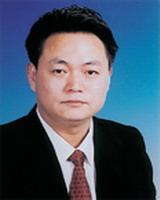 Chuanhang Wang (王传航)合作论文数China-Japan Friendship Hospital17Binghao Bao合作论文数15TianWei Cui (崔天薇)合作论文数15
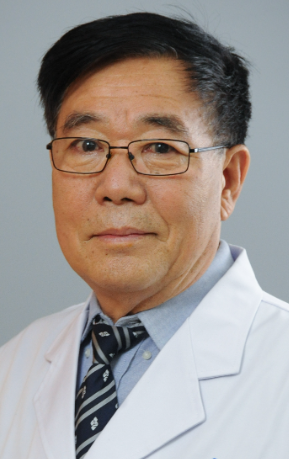 Zhongcheng Xin (辛钟成)合作论文数Second Hospital of Tianjin Medical University15WenJing Ma (马文静)合作论文数14Zhenghao Ke (柯正浩)合作论文数12YunXiao Gao (高云霄)合作论文数12LanQun Li (李兰群)合作论文数12
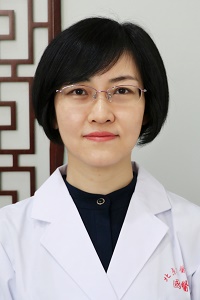 Ji Wang (王济)合作论文数School of Traditional Chinese Medicine, Beijing University of Chinese Medicine9
 Qiang Zhou (周强)合作论文数北京中日友好医院中医男科9Jianqiang Guo合作论文数8Zhen-kun PAN (潘振坤)合作论文数8
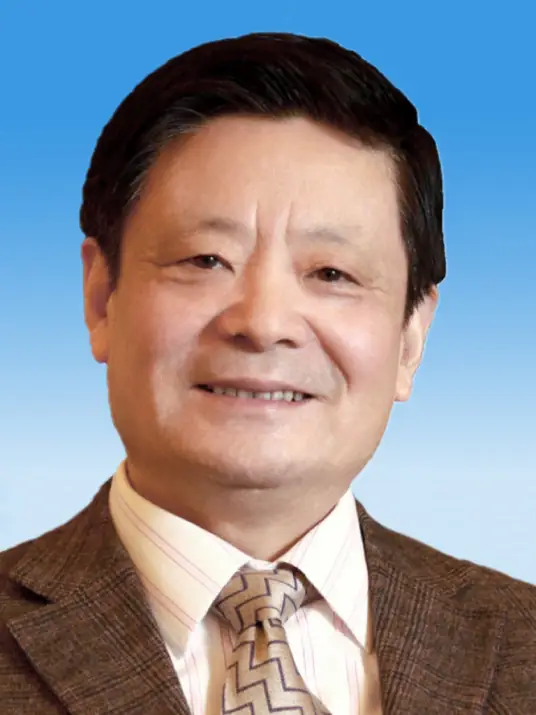 Qi Wang (王琦)合作论文数School of Traditional Chinese Medicine, Beijing University of Chinese Medicine8Dong-huan LI (李东桓)合作论文数7WeiDong Song (宋卫东)合作论文数7Huaiguo Yao (姚怀国)合作论文数7ChunYu Xie (谢春雨)合作论文数6Long Tian (田珑)合作论文数6Tie Zhang (张铁)合作论文数6ShengQiang Zhang (张圣强)合作论文数6Jicheng Zheng (郑继成)合作论文数6
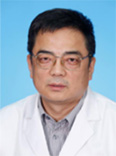 Zhichao Zhang (张志超)合作论文数Peking University First Hospital6Haonan Huang合作论文数5PeiLun Zhang (张培伦)合作论文数4YiGuang Wu (吴意光)合作论文数4jinming wang (王进明)合作论文数3Aiping Song合作论文数3ZhuoJun Yuan (袁卓珺)合作论文数3
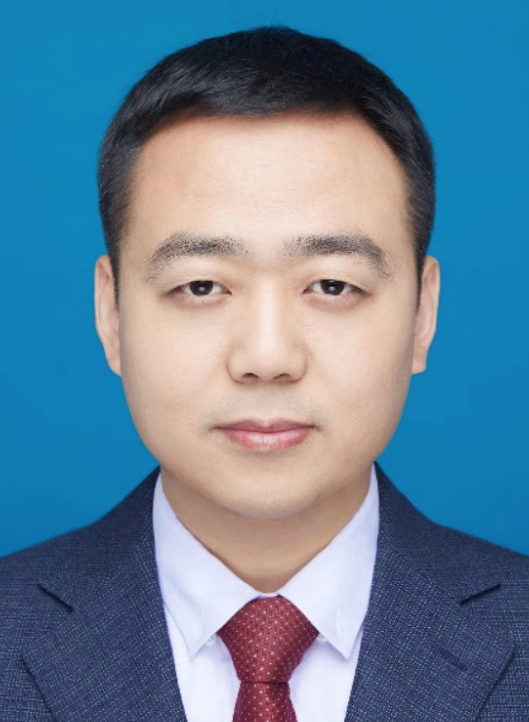 Minghua Bai (白明华)合作论文数National Institute of TCM Constitution and Preventive Medicine, Beijing University of Chinese Medicine3WenZeng Yang (杨文增)合作论文数3GuoHong Chen (陈国宏)合作论文数3
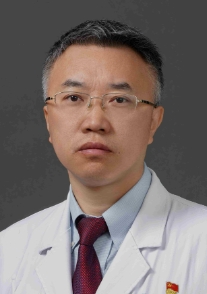 Xiaofeng Zhou (周晓峰)合作论文数China-Japan Friendship Hospital;Health Science Center, Peking University;Peking Union Medical College3
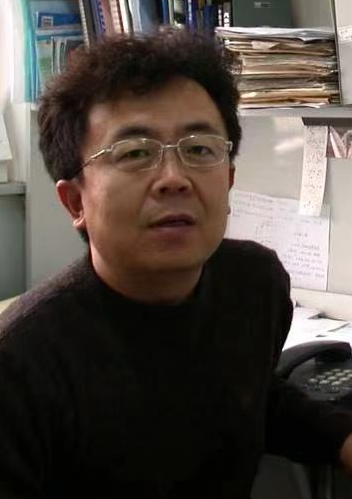 Daishu Han (韩代书)合作论文数Peking Union Medical College3
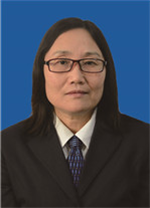 Xiuping Zhang (张秀萍)合作论文数Zaozhuang Hospital, Beijing University of Chinese Medicine3Fei Wang合作论文数3
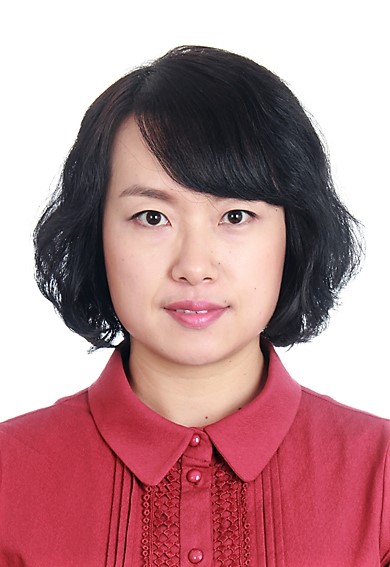 Huimin Zhang (张惠敏)合作论文数School of Traditional Chinese Medicine, Beijing University of Chinese Medicine3Yaping Xu合作论文数3Bing Gao合作论文数3Jing Peng合作论文数3
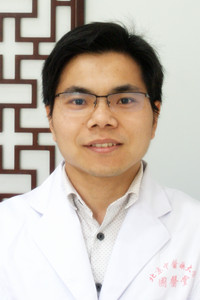 Yanfei Zheng (郑燕飞)合作论文数School of Traditional Chinese Medicine, Beijing University of Chinese Medicine3Zhongjian Qin合作论文数2Zhengkun Pan合作论文数2chaowei yang合作论文数2Guozhen Wang合作论文数2
 Xuejing Yang合作论文数Ctr Cell Engn, Mem Sloan Kettering Canc Ctr2ChunLi Zhao (赵春利)合作论文数2




