INTRODUCTION:Huoxue San (HXS) is a traditional Chinese medicinal formulation widely used to treat bone fractures and blood stasis. Comprising seven herbs-Siphonostegia chinensis Benth, Kochia scoparia (L.) Schrad, Scutellaria barbata D.Don, Polygonum cuspidatum Sieb. et Zucc, Arisaema erubescens (Wall.) Schott, Phellodendron chinense Schneid, and Eupolyphaga sinensis Walker-HXS has been administered at Nanjing Chinese Medicine Hospital for over 50 years. It is effective in promoting fracture healing, supporting soft tissue repair, and rarely causing adverse reactions such as skin allergies. The present study aimed to elucidate the molecular mechanisms underlying HXS's therapeutic effects. METHODS:Ultrahigh-performance liquid chromatography-quadrupole time-of-flight mass spectrometry (UHPLC-Q-TOF MS) was used to identify HXS components absorbed into the bloodstream. Network pharmacology, molecular docking, and molecular dynamics simulations were then conducted to explore the active ingredients and their regulatory mechanisms in fracture healing and blood stasis. RESULTS:Transdermal absorption tests identified 20 active compounds from HXS. Network pharmacology analyses using the Traditional Chinese Medicine Systems Pharmacology Database and Analysis Platform highlighted vanillic acid, demethyleneberberine, palmatine hydrochloride, luteolin, apigenin, and wogonin as key active ingredients. Molecular dynamics simulations further validated the stability, conformational changes, and interactions of these compounds with their target proteins. DISCUSSION:Analysis of the transdermal absorption samples revealed 291 potential active targets for HXS in treating fractures and blood stasis, of which 159 were common to both conditions. Protein-protein interaction (PPI) network analysis identified core targets including AKT1, ALB, EGFR, STAT3, and CTNNB1. Molecular docking confirmed strong binding interactions between HXS compounds and these core targets, while molecular dynamics simulations validated the stability and mechanistic plausibility of these interactions. CONCLUSION:This study provides a systematic elucidation of HXS's molecular mechanisms in fracture healing and blood stasis. Identification of active compounds, core targets, and their interactions offers a scientific basis for the therapeutic effects of HXS and supports the rational development of herbal-medicine-based interventions for fracture management and blood stasis treatment.
A comprehensive assessment of the total flavonoid content and antioxidant activities of 13 medicinal materials was conducted utilizing high-performance liquid chromatography with ultraviolet-visible detector (HPLC-UVD) and spectral-effect relationship analysis. The contents of seven flavonoids were quantified, and chemometric methods including hierarchical cluster analysis (HCA), principal component analysis (PCA), and orthogonal partial least squares-discriminant analysis (OPLS-DA) were applied to differentiate the samples. One-way analysis of variance (ANOVA) identified specific herbs for which both flavonoid profiles and antioxidant capacity varied significantly with geographical origin, underscoring the impact of provenance on bioactive quality. The results revealed significant variations in flavonoid composition, with isoquercitrin, quercetin, kaempferol, isorhamnetin, and hyperoside being identified as the key contributors to quality. A structure-activity relationship analysis was employed to elucidate how specific molecular features, such as hydroxylation and glycosylation patterns, influenced antioxidant efficacy. In vitro antioxidant assays (2,2-diphenyl-1-picrylhydrazyl (DPPH) and 2,2'-azino-bis (3-ethylbenzothiazoline-6-sulfonic acid) (ABTS) radical scavenging) ranked Houttuyniae Herba as the most potent, followed by Rubi Fructus and Albiziae Flos. Grey relational analysis (GRA) identified isoquercitrin, astragalin, and hyperoside as the primary flavonoids correlated with antioxidant capacity. This work provides a scientific basis for quality assessment and bioactive component screening in multi-source medicinal materials.
ETHNOPHARMACOLOGICAL RELEVANCE:As a classical prescription, Wuwei Xiaodu Decoction (WWXDD) () is composed of five medicinal components: Lonicerae Japonicae Flos, Taraxaci Herba, Chrysanthemi Indici Flos, Violae Herba, and Semiaquilegiae Radix. Originating from the Qing Dynasty, WWXDD has been widely employed in Traditional Chinese Medicine (TCM) for treating inflammatory diseases. Although numerous studies have explored various aspects of WWXDD, few comprehensive reviews have systematically synthesized its ethnopharmacological basis, phytochemistry, pharmacology, and clinical applications, which hinders the further application and commercialization of WWXDD. AIM OF THE STUDY:This review aims to provide a comprehensive summary of the traditional theory, chemical composition, pharmacological activity, and clinical evidence related to WWXDD, with a focus on current challenges and future perspectives. MATERIALS AND METHODS:The literature was systematically searched in databases including Web of Science, PubMed, Scopus, and China National Knowledge Infrastructure (CNKI). The search period covered publications from 2013 to 2025. Keywords included "Wuwei Xiaodu Decoction", "WWXDD", "traditional Chinese medicine", "phytochemistry", "pharmacology", and "clinical application". Original research articles, reviews, and clinical studies relevant to the composition, pharmacological activities, quality control, and clinical applications of WWXDD were included. Duplicates, unrelated studies, and articles lacking sufficient methodological information were excluded. Chemical structures were drawn using ChemDraw 23, and the graphical abstract and schematic illustrations were created using BioRender and PowerPoint. RESULTS:This review firstly summarized the progress of the chemical constituents of WWXDD and discussed the advanced methods in monitoring quality of WWXDD and its herbal ingredients. Meanwhile, the attribution of each herb in WWXDD provides some theoretical basis for its efficacy. Pharmacological investigations reveal that WWXDD exhibits anti-inflammatory, anticancer, and antibacterial properties, attributable to its constituent herbs. Clinically, it has demonstrated efficacy in managing facial acne and preventing postoperative infections. Finally, it is important to note in WWXDD use that even though there is no toxicity, most drugs are cold in nature, so it is important to pay attention to the people for whom the use is contraindicated. CONCLUSIONS:Through systematic investigation of WWXDD's herbal components, this study enhances the mechanistic understanding of its therapeutic actions. Both preclinical and clinical evidence underscores its potential in managing complex diseases. On this basis, we summarize an actionable compound-level quality-control framework (chemical fingerprinting/multi-component quantification-spectrum-effect and bioactivity consistency-mutual confirmation with mechanistic and clinical evidence), and highlight that standardization and formula-level indicators remain key bottlenecks. In this review, current issues are discussed to inform and inspire subsequent research of WWXDD and other classical prescriptions.
Agarwood is a resinous heartwood valued as both a fragrance and a medicinal resource. Here, agarwood samples from four major producing regions (Hainan, China; Vietnam; Indonesia; and Malaysia) were systematically compared using headspace solid-phase microextraction coupled with comprehensive two-dimensional gas chromatography–time-of-flight mass spectrometry (HS-SPME–GC×GC–TOFMS). Tentative identifications were assigned against NIST 2020 with retention indices (RI) calculated from a C7-C30 n-alkane series. After de-duplication across 12 samples, 1990 non-redundant volatile features were obtained. Hydrocarbons (22.0–36.1%) and alcohols (6.5–15.0%) predominated, followed by aldehydes, ketones and esters. Principal component analysis and OPLS-DA achieved clear origin-based discrimination. Relative odor activity value (ROAV) analysis highlighted vanillin, (E)-2-nonenal, heptanal, 2-undecanone, 2,3-butanedione and 2-ethylhexanol (ROAV ≥ 1) as key aroma-impact volatiles underpinning sweet, fruity and woody notes. These results establish a volatile–aroma linkage for agarwood and provide a chemical basis for origin authentication, industrial quality grading, and standardization of agarwood-derived ingredients.
Scutellariae barbatae Herba, the dried whole plant of S.barbatae D. Don, has been documented in the Chinese Pharmacopoeia since 1985. The chemical constituents of S. barbatae Herba are complex. And comprehensive analysis of the chemical components in S. barbatae Herba is still scarcely studied. In this study, ultra-high performance liquid chromatography coupled with quadrupole time-of-flight mass spectrometry was used in both negative and positive ion modes to comprehensively analyze chemical constituents of S. barbatae Herba. Moreover, the fragmentation pathways of compounds were explained in brief. According to tandem mass spectrometry fragmentation data and previous reports, a total of 39 compounds were identified, including 19 flavonoids, 4 neo-clerodane diterpenoids, 1 neo-clerodane diterpenoid alkaloid, 3 triterpenes, 5 fatty acids, 1 lignin, 1 monoterpene phenol, and 4 other constituents. More fragments of information are formed in the compounds, and the fragmentation pathways were explained simply. The developed analytical method is simple, reliable, and effective, providing comprehensive information on the metabolite profile of S. barbatae Herba, which may enhance its quality control and further utilization.
Caffeoylquinic acids (CQAs), commonly referred to as chlorogenic acids, are a structurally diverse group of hydroxycinnamate esters widely distributed in plant-derived foods, medicinal plants, and other botanical matrices. Their diversity arises from the esterification of quinic acid with one or more caffeoyl groups, generating mono-, di-, tri-, and tetra-caffeoylated derivatives with multiple positional isomers. This structural variation strongly influences polarity, stability, chromatographic behavior, natural abundance, and biological interpretation. This review provides an isomer-aware and evidence-based synthesis of CQAs by integrating structural classification, biosynthetic relationships, natural occurrence, isomer-resolved analytical strategies, and structure-dependent bioactivities. Particular attention is given to acyl migration, matrix effects, and analytical challenges that complicate the reliable identification and quantification of closely related CQA isomers. Representative natural concentration values or ranges are also summarized to support the assessment of biological relevance across selected plant-derived matrices. Current evidence indicates that CQAs are associated with antioxidant, anti-inflammatory, antiviral, neuroprotective, anticancer-related, and metabolic regulatory effects. However, these activities should be interpreted according to compound identity, experimental model, applied concentration or dose, control treatment, bioavailability, metabolism, and evidence type. By connecting chemical diversity with analytical rigor and biological evidence, this review highlights current limitations and provides a framework for future isomer-specific studies and the rational evaluation of CQA-containing plant-derived products.
Farfarae Flos (FF) is a traditional Chinese medicine with a long-standing history in treating respiratory diseases, as documented in classical pharmacopoeias. This study aims to establish comprehensive quality standards for Honey-fried Farfarae Flos (HFF) and to elucidate its therapeutic mechanisms against pneumonia.To investigate the dynamic chemical changes occurring during the honey-frying process, we optimized several processing parameters, including frying time, temperature, and the honey-to-water ratio. The resulting chemical variations were systematically analyzed and compared. Subsequently, we integrated network pharmacology, molecular docking, and molecular dynamics (MD) simulations to evaluate 11 primary phenolic compounds identified in FF.The optimal processing parameters for HFF were successfully established. Network pharmacology revealed that quercetin and isochlorogenic acid C are the primary active ingredients of FF for pneumonia treatment. These compounds appear to exert their effects by modulating core targets—including AKT1, PIK3R1, MMP2, TNF, and RAF1—thereby regulating the TNF signaling pathway, IL-17 signaling pathway, and apoptosis, etc. Molecular docking (MD) confirmed strong binding affinities between these active ingredients and their respective targets. Furthermore, MD simulations validated the conformational stability and interaction mechanisms of the protein-ligand complexes.This study provides a systematic basis for the standardized production of HFF and clarifies the multi-target mechanisms by which FF treats pneumonia. Our findings offer a theoretical foundation for the development of FF as a functional agent in the clinical management of respiratory conditions.
Purpose:Bone metabolism disorders are strongly associated with T helper type 17/regulatory T (Th17/Treg) cell imbalance and inflammatory dysregulation. Qing'e pills (QEP) is a classical prescription for treating osteoporosis with both safety and clinical effectiveness. However, the mechanism of its immune action remains unclear. Methods:QEP components were identified via HPLC. Anti-osteoporotic effects of QEP were assessed through biochemical, micro computed tomography, bone biomechanical and histopathological analyses. Th17/Treg balance and related inflammatory factors were analyzed using flow cytometric, biochemical, immunohistochemical, and quantitative real-time PCR assays. The effects of QEP on gut microbiota and endogenous metabolites were analyzed via 16S rRNA analysis, co-incubation experiments and untargeted metabolomics. Integrative correlations analysis was used to explore the relationships among gut-bone-Th17/Treg balance interactions. Results:QEP improved bone mineral density and bone biomechanical properties and reduced bone conversion in ovariectomized rats. After treatment, QEP restored intestinal barrier integrity, and reduced serum LPS levels. QEP significantly decreased Th17-related inflammatory cytokines TNF-α, IL-17 levels, reduced the transcription of Th17-related genes RORγt and IL-17A and the percentage of CD4+IL-17A+ Th17 cells in the gut-bone axis, and concurrently restored the anti-inflammatory cytokines levels of TGF-β and IL-10, the expression of Foxp3 and the percentage of CD4+ CD25+ Foxp3+ Treg cells in the gut-bone axis. Notably, QEP improved the disorganization of gut microbiota composition and structure in ovariectomized rats. On genus level, QEP can significantly increase the relative abundance of Lactobacillus in vitro and in vivo. Furthermore, gut microbe-derived endogenous metabolites potentially mediating QEP's regulation of Th17/Treg balance in gut-bone axis and anti-osteoporotic effects. Conclusion:QEP ameliorates osteoporosis by improving the intestinal flora disorders and immune status, and restoring the balance of Th17/Treg in the gut-bone axis, highlighting its clinical potential in the treatment of postmenopausal osteoporosis.
Farfarae Flos (FF) has long been recognized as a staple in traditional Chinese medicine for treating respiratory ailments, with its use documented in classical medical texts. Its processed form, honey-processed Farfarae Flos (PFF), undergoes a specific honey-processing treatment that alters its chemical composition. Despite its historical significance, the complex chemical profiles of FF and PFF remain inadequately explored. This study enhances analytical methodologies by combining Ultra-high performance liquid chromatography quadrupole time-of-flight mass spectrometry (UPLC-Q-TOF-MS) with two-dimensional gas chromatography-time-of-flight mass spectrometry (GC×GC-TOF-MS) to comprehensively profile the chemical compositions of both FF and PFF. A total of 78 components were identified from FF, including both positive and negative ion modes, while 87 components were detected in PFF. Detailed fragmentation patterns were analyzed, revealing unique fragments for several key compounds. GC×GC-TOF-MS analysis identified 324 volatile constituents in FF, whereas PFF contained 328 distinct compounds, all compared against an extensive TCM library spanning various chemical classes. Using the relative odor activity value (ROAV) to quantify flavor contributions, aldehydes emerged as dominant key flavor compounds while ketones and organoheterocyclic compounds acted as secondary contributors, and most alcohols/esters had negligible effects. This work represents the first thorough cataloging of the primary chemical constituents in FF and PFF, leveraging the integration of UPLC-Q-TOF-MS and GC×GC-TOF-MS techniques. The systematic identification and characterization of these constituents provide a solid analytical framework for future efforts in quality control and standardization. The findings not only deepen the scientific understanding of FF and PFF but also establish a foundational methodology for the evaluation and regulatory standardization of herbal medicines.
BACKGROUND:Pulsatillae radix (PR), a medicinal root plant and a well-known Chinese herbal remedy, is primarily used for its heat-clearing, detoxifying, blood-cooling, and antiinflammatory properties. This study aimed to investigate the underlying mechanisms by which PR exerts therapeutic effects on ulcerative colitis (UC) through an integrated approach, combining ultra-high performance liquid chromatography with quadrupole time-of-flight mass spectrometry (UHPLC-Q-TOF-MS/MS), network pharmacology, and molecular docking. METHODS:The constituents of PR were systematically analyzed using UHPLC-Q-TOF-MS/MS. Potential targets of active components were identified via the SwissTargetPrediction and PharmMapper databases, while UC-related disease targets were retrieved from GeneCard, OMIM, and other relevant databases. Overlapping targets between PR and UC were determined using Venn analysis. Cytoscape software facilitated the construction of the compound-disease-target network. The STRING database was employed to generate a protein-protein interaction (PPI) network for the intersecting targets, and core targets were identified using the CytoNCA plugin. Gene Ontology (GO) and Kyoto Encyclopedia of Genes and Genomes (KEGG) pathway enrichment analyses were conducted using the DAVID platform. Lastly, molecular docking of key components with target proteins was carried out using PyMOL. RESULTS:A total of 27 active compounds, 237 drug targets, and 4622 disease targets were identified. Intersection analysis revealed 141 shared targets, while the PPI network identified 10 hub targets. GO and KEGG enrichment analyses indicated that the hub targets were primarily associated with phosphorylation, cytoplasmic functions, nuclear receptor activity, as well as pathways related to the advanced glycation end products-receptor for advanced glycation end products (AGE-RAGE) signaling, T cell receptor (TCR) signaling, lipid and cholesterol metabolism, and various cancer-related pathways. Molecular docking experiments demonstrated that (+)- pinoresinol, cichoric acid, β-ecdysone, pulsatilla saponin D, 23-HBA, and AB4 exhibited stable binding to PIK3R1, TLR4, and ESR1, with AB4 forming the most stable complex with ESR1. CONCLUSION:This study established a rapid and effective UHPLC-Q-TOF-MS/MS method for characterizing the main chemical components of PR. Using network pharmacology and molecular docking, the active components and potential mechanisms of PR involved in the UC treatment were investigated, providing a foundation for future experimental studies on pharmacodynamics and the underlying mechanisms.
Choerospondias axillaris is a medicinal plant used for treating coronary heart disease (CHD) due to its broad spectrum of anti-inflammatory activities. Cyclooxygenase 2 (COX-2) and lipoxygenase 5 (5-LOX) were immobilized on magnetic nanoparticles for selective ligand-extraction of these two enzymes present in C. axillaris. Sixteen extracted components were identified and analyzed using ultraperformance liquid chromatography plus Q-Exactive Orbitrap tandem mass spectrometry (UHPLC-Q-ExactiveOrbitrap-MS/MS), including flavonoids Curcumin and Epicatechin. The metabolization of the aforementioned 16 components in rats with acute blood stasis indicated a solid pharmacodynamic foundation. This method offers an effective approach for conducting basic research on the enrichment, analysis, and efficacy evaluation of active components in complex natural products.
Traditional Chinese medicine (TCM) processing is a unique pharmaceutical technique in China. It is characterized by methodological complexity, procedural diversity, and important scientific implications. TCM processing plays a critical role in the TCM system. Understanding the chemical composition changes before and after the processing of TCM has remained a critical research focus. These compositional shifts are pivotal to elucidating the mechanistic basis of TCM processing and enhancing its clinical efficacy. The application of advanced analytical techniques, such as spectrometry and chromatography, has significantly contributed to these efforts. These methodologies have provided a robust foundation for characterizing chemical transformations of TCM preparation. This review summarizes current research progress on the changes in material basis associated with TCM processing. Particular emphasis is placed on in vitro and in vivo analytical methods. The review aims to offer new insights and useful references to support the chemical studies of TCM processing.
Seaweed (Sargassum pallidum (turn.) C.Ag.) and kelp (Laminaria japonica Aresch.) are two common marine plants, typical Chinese herbs with the same use as medicine and food. They are widely distributed in China and exhibit biological properties such as antioxidant, hypolipidemic, antitumor and hypoglycemic effects. This study developed an ultra-high performance liquid chromatography-quadrupole time-of-flight mass spectrometry (UHPLC-Q-TOF-MS) method coupled with chemometric techniques to identify the chemical components in seaweed and kelp from different origins and examine the similarities and differences between the two herbs. A total of 48 constituents were identified, including fatty acids, alkaloids, terpenoids, amino acids, sterols, etc. For two compounds, Aurantiamide and Linoleic acid, the identification and fragmentation patterns were analyzed. Seaweed and kelp demonstrated a clear distinction. Principal component analysis, orthogonal partial least squares discriminant analysis, and cluster heatmap analysis were performed on seaweed and kelp. The seaweed samples were found to have high similarity and aggregation among different origins, while the kelp samples showed greater dispersion. Heatmap analysis further revealed the similarities and differences between seaweeds and kelp from different origins. This study provides a reliable foundation for the clinical application of the two herbs.
Astragali radix and Arctii Fructus are extensively utilized in traditional Chinese medicine and have demonstrated efficacy in mitigating renal damage associated with early diabetic nephropathy. To facilitate the comprehensive extraction and application, this study aimed to devise a streamlined and efficacious approach for the preparative purification of lignans, flavonoids, and phenolic acids from Astragali Radix, as well as stir-fried Arctii Fructus, using macroporous resin column chromatography. Initially, the adsorption and desorption characteristics of these compounds on six distinct macroporous resins were investigated, leading to the selection of XDA-8 resin. Subsequently, a combination of column chromatography, single factor testing, and orthogonal experimental design was employed to optimize the technological parameters for the purification process.The desorption rates achieved were notable: lignans at 80.61
Lower extremity erysipelas (LEE), a frequently seen skin and soft tissue infection caused predominantly by streptococci, usually presents with fever, erythema and pain. Wushen Decoction (WSD), a Compound traditional Chinese medicine, has been used historically to treat LEE, though its exact mechanism of action remains unclear. In this study, we explored the therapeutic mechanisms of WSD in treating LEE by employing a combination of serum pharmacochemistry, network pharmacology, and molecular docking techniques. Initially, using UPLC-Q-Exactive Orbitrap-MS/MS, 39 candidate active compounds in the serum of rats treated with WSD were identified. Subsequently, network pharmacology analysis identified 35 overlapping targets between LEE and the active components, and 23 related signaling pathways. Further analysis and molecular docking studies have confirmed that the key active components (rutin, hyperoside and luteoloside) possess potential for effective therapeutic effects with the core targets (PTGS 2 and TNF). Furthermore, in vitro experiments demonstrated that WSD significantly downregulated the expression of PTGS 2 and TNF, thereby validating the network pharmacology findings and providing insights into the potential mechanisms. Results suggested that WSD may exert its therapeutic effects on LEE by modulating the TNF and NF-kappa B signaling pathway, offering a promising approach for the prevention and treatment of LEE.
Semiaquilegiae Radix demonstrates significant anti-inflammatory potential. However, comprehensive investigations into its anti-inflammatory effects remain sparse. This study seeks to systematically explore the chemical composition of Semiaquilegiae Radix and its underlying anti-inflammatory mechanisms utilizing Ultra-high-performance liquid chromatography coupled with quadrupole time-of-flight mass spectrometry (UHPLC-Q-TOF-MS/MS), network pharmacology, and molecular docking techniques. Initially, the chemical constituents of Semiaquilegiae Radix were identified and characterized via UHPLC-Q-TOF-MS/MS. Subsequently, the relevant targets were predicted and screened through databases such as PharmMapper and SwissTargetPrediction, in conjunction with protein-protein interaction (PPI) network analysis. Next, Gene Ontology (GO) and Kyoto Encyclopaedia of Genes and Genome (KEGG) enrichment analyses were performed using the Metascape platform. Eventually, molecular docking was carried out via AutoDock Vina and visualized results with PyMOL. From Semiaquilegiae Radix, 19 active compounds were identified, 18 showing activity against inflammation-related targets. 510 drug targets were identified, 188 of which intersected with inflammation-related targets and PPI network analysis pinpointed six core potential targets. These overlapping targets are involved in several critical signaling pathways, including the AGE-RAGE signaling pathway in diabetic complications and pathways related to lipid metabolism and atherosclerosis. Molecular docking showed the primary seven active compounds can effectively bind to key targets. This study elucidates the chemical constituents of Semiaquilegiae Radix and highlights its multi-compound, multi-target, and multi-pathway mechanisms of action against inflammation. This research method provides a robust theoretical foundation for further experimental validation and the development of novel anti-inflammatory therapies.
Lotus leaf ( Nelumbo nucifera Gaertn.), extensively used in culinary and medicinal applications, is abundant in flavonoids and alkaloids with notable antioxidant and anti-inflammatory effects. This study utilized a response surface methodology to refine the extraction process of total flavonoids (TFs) from lotus leaf (LL) and to evaluate TF content across different sources in relation to antioxidant properties. Ethanol concentration, material-liquid ratio, enzyme dosage, enzyme digestion time, enzyme digestion temperature and ultrasonication time were analyzed through single-factor experiments to assess their impact on TF yield. The Box-Behnken design identified optimal extraction conditions. In vitro antioxidant activity of LL was measured via free radical scavenging assays. The optimized extraction parameters included an enzyme concentration of 30 mg/g, an ethanol volume fraction of 40% (v/v), a material-liquid ratio of 1:40 g/mL,a enzyme digestion time of 50 min, enzyme digestion temperature of 38 degrees C and an ultrasonication time of 20 min. Extracts produced through ultrasound-assisted enzyme extraction demonstrated superior TF levels compared to conventional ultrasonic extraction and hot water extraction. Compared with the existing extraction methods, this experiment greatly improved the extraction rate of LL and further enriched the antioxidant activities of TF.
Choerospondias axillaris (C. axillaris), recognized as an effective herbal remedy for coronary heart disease (CHD), has been clinically utilized. Although the angiotensin-converting enzyme (ACE) has been extensively investigated as a pertinent target for CHD treatment, there is currently limited research on screening potential ACE inhibitors from C. axillaris. To advance the broader utilization of C. axillaris in coronary heart disease treatment, the target active components of ACE in C. axillaris were analyzed through the integration of magnetic-targeted fishing technology with functionalized magnetic nanospheres. Magnetic nanospheres functionalized with GO@Fe3O4@SiO2-ACE (SMGO-ACE) were characterized using a vibrating sample magnetometer (VSM), scanning electron microscopy (SEM), and transmission electron microscope (TEM). The specific binding of lisinopril with the angiotensin-converting enzyme was employed to optimize the performance of the synthesized material and the relevant conditions during targeted fishing. Subsequently, five active ingredients were identified as (2R,3S)-Dihydrodehydroconiferyl alcohol, isovanillin, quinic acid, chrysin, and isorhamnetin. This study provides a precedent for the targeted extraction and separation of active ingredients in complex mixtures.
Bone repair remains an important target in tissue engineering, making the development of bioactive scaffolds for effective bone defect repair a critical objective. In this study, β-tricalcium phosphate (β-TCP) scaffolds incorporated with processed pyritum decoction (PPD) were fabricated using three-dimensional (3D) printing-assisted freeze-casting. The produced composite scaffolds were evaluated for their mechanical strength, physicochemical properties, biocompatibility, in vitro pro-angiogenic activity, and in vivo efficacy in repairing rabbit femoral defects. They not only demonstrated excellent physicochemical properties, enhanced mechanical strength, and good biosafety but also significantly promoted the proliferation, migration, and aggregation of pro-angiogenic human umbilical vein endothelial cells (HUVECs). In vivo studies revealed that all scaffold groups facilitated osteogenesis at the bone defect site, with the β-TCP scaffolds loaded with PPD markedly enhancing the expression of neurogenic locus Notch homolog protein 1 (Notch1), vascular endothelial growth factor (VEGF), bone morphogenetic protein-2 (BMP-2), and osteopontin (OPN). Overall, the scaffolds developed in this study exhibited strong angiogenic and osteogenic capabilities both in vitro and in vivo. The incorporation of PPD notably promoted the angiogenic-osteogenic coupling, thereby accelerating bone repair, which suggests that PPD is a promising material for bone repair and that the PPD/β-TCP scaffolds hold great potential as a bone graft alternative.
Viticis Fructus (VF), esteemed in traditional Chinese medicinal practices, is frequently prescribed to mitigate symptoms of colds with concurrent headaches. Its processed variant, referred to as processed Viticis Fructus (PVF), undergoes a specific stir-frying treatment that modifies its intrinsic chemical properties. The intricate compounds of VF and PVF has not been extensively explored in previous research. This study advances the analytical methodology by integrating UPLC-Q Exactive HRMS with comprehensive two-dimensional GC x GCTOF-MS to thoroughly characterize the chemical profiles of both VF and PVF. The implementation of an automated alignment process using library data with an exceptional mass accuracy of 5 parts per million (ppm) enabled the prompt and precise identification of multiple compounds. The investigation confirmed the presence of 78 distinct phytochemicals, encompassing categories such as flavonoids, phenolic acids, terpenoids, amino acids, and anthraquinones. Additionally, detailed analysis illuminated the fragmentation behaviors and distinct fragments of several notable compounds. Through the GC x GC-TOF-MS technique, a total of 571 volatile constituents were identified in VF, whereas PVF contained 429 distinct compounds, each compared against the robust NIST 2020 library, covering a range of chemical classes including benzenoids, ketones, alcohols, and aldehydes, etc.. This research provides the first extensive cataloging of the primary chemical constituents identified in VF and PVF using both UPLC-Q Exactive HRMS and GC x GC-TOF-MS, laying a foundational framework for future quality assurance and standardization efforts pertaining to these herbal medicines.
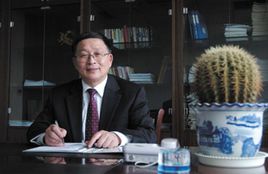 BaoChang Cai (蔡宝昌)合作论文数Department of Pharmacy,NanJing University of Chinese Medicine148
 Hao Cai (蔡皓)合作论文数Nanjing University of Chinese Medicine60
 Weidong Li (李伟东)合作论文数Nanjing University of Chinese Medicine48
 Xiao Liu (刘晓)合作论文数Nanjing University of Chinese Medicine48
 Xun Gao (高珣)合作论文数School of Medicine, Southeast University;Zhongda Hospital Southeast University42
 JunJie Jin (金俊杰)合作论文数39Shi Yun合作论文数37
 Shen Jinyang合作论文数22Yachun Shu (束雅春)合作论文数16
 Gang Cao (曹岗)合作论文数Zhejiang Chinese Medical University15Zibo Dong合作论文数14DanNi Chen (陈丹妮)合作论文数14Qian-bo FANG (方前波)合作论文数13LinWei Chen (陈林伟)合作论文数13Bing Yang合作论文数12Jing Hu (胡静)合作论文数12ZongLiang Chi (迟宗良)合作论文数11YuTing Huang (黄雨婷)合作论文数11
 Tulin Lu (陆兔林)合作论文数Nanjing University of Chinese Medicine11Lijuan Zheng合作论文数10FaPing Bai (白发平)合作论文数10Bin Wang (王彬)合作论文数10
 Zhipeng Chen (陈志鹏)合作论文数Nanjing University of Chinese Medicine10Yajing Lou (娄雅静)合作论文数9Xiaoli Wang (汪小莉)合作论文数9
 Fangzhou Yin (殷放宙)合作论文数Nanjing University of Chinese Medicine9NIU Shu-rui (牛淑睿)合作论文数8Kan-ping SUN (孙戡平)合作论文数8Meng-xue FAN (范孟雪)合作论文数8ZhongQing Yao (姚仲青)合作论文数8Yanshuang Zhuang合作论文数8
 Baochang Cai (蔡宝昌)合作论文数Nanjing University Of Chinese Medicine8Huangjin Tong合作论文数7SI Xin-xin (司鑫鑫)合作论文数7JI Jing (吉敬)合作论文数7MAO Yin-xue (毛银雪)合作论文数7LIU QiDi (刘启迪)合作论文数7Yajun Chen (陈亚军)合作论文数7Ke Pei (裴科)合作论文数7YanPing Zheng (郑艳萍)合作论文数7
 Ting Cai (蔡挺)合作论文数China Pharmaceutical University7
 Li Wu (吴丽)合作论文数Nanjing University of Chinese Medicine7Huan Li (李嬛)合作论文数7Baojia Shen (沈保家)合作论文数7
 Weixing Ma (马卫兴)合作论文数淮海工学院化学工程学院7Mian Fu合作论文数6Xinghai Zhang合作论文数6LI Jiaojiao (李姣姣)合作论文数6




