Post-stroke depression (PSD) poses a serious impact on patients' life quality. Effective drugs to treat this annoying disease are still being sought. Yi-nao-jie-yu (YNJY) prescription has been found to relieve PSD; however, the underlying mechanisms remain unelucidated. This work elucidated the therapeutic effects and mechanisms underlying YNJY prescription in PSD. PSD rat model was treated with YNJY prescription and ML385. Depression-like behaviors of rats was appraised. Hematoxylin-eosin, Nissl, and NeuN immunofluorescence staining were performed to observe hippocampal neuronal damage. Transmission electron microscopy was used to assess hippocampal mitochondrial damage. Commercial kits and western blotting were adopted to research ferroptosis-related factors and Nrf2/GPX4/SLC7A11 signals. In vitro experiments were performed using rat hippocampal neurons to explore the mechanism by which YNJY prescription relieves PSD. In PSD rats, YNJY prescription relieved depression-like behaviors, attenuated hippocampal neuronal damage, mitigated hippocampal ferroptosis and mitochondrial damage, and activated hippocampal Nrf2/GPX4/SLC7A11 pathway. By in vitro experiments, erastin treatment exacerbated hippocampal neuronal damage, ferroptosis, mitochondrial damage, and lipid peroxidation; however, YNJY prescription abolished these erastin-induced effects. In the erastin-treated hippocampal neuronal model of PSD, ML385 treatment increased ferroptosis, hippocampal neuronal damage, and lipid peroxidation; however, YNJY prescription counteracted these ML385-induced effects. By in vivo study, ML385 reversed the relief of YNJY prescription on depressive-like behaviors of PSD rats, and the inhibition on ferroptosis in PSD rats' hippocampus. YNJY prescription relieves PSD by blocking ferroptosis via activating the Nrf2/GPX4/SLC7A11 pathway. It may be a promising agent for treating PSD clinically.
Postpartum depression (PPD) is a prevalent mental disorder affecting approximately 20 % of mothers, with profound implications for maternal and infant health. Current pharmacotherapies pose risks during lactation, highlighting the urgent need for safer alternatives. Shenqi Jieyu Formula (SQJYF) is a traditional Chinese medicine herbal preparation that has demonstrated clinical efficacy in alleviating PPD symptoms, yet its neurobiological mechanisms remain unclear. This study nvestigated the effects of SQJYF on cerebral blood flow and microstructure in the hippocampus (HP) and prefrontal cortex (PFC) using a maternal separation-induced PPD rat model. We established a maternal separation model of PPD. 24 SD rats were randomized into normal group, PPD group, SQJYF-treated group and fluoxetine-treated group. Maternal separation was performed from the first day to the 21st day, 4 hours a day, controls remained undisturbed. Pharmacological intervention was applied from postnatal day 15, SQJYF (1.25 g/100 g/d) or Fluoxetine Hydrochloride Capsules or saline was administered by gavage for 1 week. Forced swim test, sucrose preference test and open field test were conducted post-intervention. Rats were scanned with functional magnetic resonance imaging, arterial spin labeling (ASL) measured cerebral blood flow, and diffusion tensor imaging (DTI) assessed fractional anisotropy (FA) and apparent diffusion coefficient (ADC) in HP and PFC. Results demonstrated that maternal separation induced depressive-like behaviors and also caused hypoperfusion and impaired tissue integrity in the HP and PFC. SQJYF could alleviate depressive-like behavior in PPD rats, also restore cerebral perfusion levels and improve tissue integrity damage. Compared with the PPD group, the horizontal and vertical scores were significantly increased (P < 0.01), sucrose consumption was significantly increased (P < 0.01), and immobility time was significantly reduced (P < 0.01). the perfusion level of bilateral HP and PFC were significantly increased (P < 0.01, P < 0.05), ADC values of bilateral HP and PFC were significantly reduced (P < 0.01, P < 0.05), FA values of bilateral PFC and left HP were significantly increased (P < 0.01). These findings highlight SQJYF;s dual neurorestorative role in ameliorating PPD through enhanced cerebral perfusion and microstructural repair. This study provides the multimodal neuroimaging evidence supporting SQJYF’s efficacy, bridging traditional medicine with modern neurobiological insights to address a critical gap in PPD therapeutics.
Background The gut-brain axis (GBA) has been increasingly recognized as a potential contributor to anxiety pathophysiology. Puerarin possesses anti-inflammatory, antioxidant, and neuroprotective properties, but its anxiolytic mechanism via the GBA remains unclear. The intervention of puerarin on lipopolysaccharide (LPS)-induced anxiety-like behavior (ALB) in mice was investigated based on the GBA theory. Methods Forty mice were allocated at random: control, LPS, LPS+PueL (low-dose puerarin), and LPS+PueH (high-dose puerarin) groups (n = 10 each). ALB was evaluated by the elevated plus maze (EPM). Inflammatory cytokines were measured by ELISA. Tight junction proteins were detected by qPCR and Western blot. Gut microbiota (GM) was analyzed by 16S rRNA sequencing. Results Compared with the Control, open arm entries (OAE) and open arm time (OAT) were decreased, inflammatory cytokine levels were elevated, intestinal tight junction protein expression was down-regulated, microbial diversity was reduced, and the abundance of pro-inflammatory bacterial genera was obviously increased in the LPS. In the LPS+PueH, OAE and OAT, inflammatory cytokine levels, tight junction protein expression, microbial diversity, and abundance of beneficial bacterial genera were evidently improved (P < 0.05). Correlation analysis revealed that Lactobacillus and Akkermansia were positively correlated with OAE and OAT, whereas Escherichia-Shigella was negatively correlated (P < 0.05). Conclusion Puerarin alleviated LPS-induced ALB in mice by suppressing neuroinflammation, restoring intestinal barrier integrity, and modulating GM balance, which was closely associated with GBA regulation.
目的 探讨益肾调气法联合重复经颅磁刺激(rTMS)治疗血瘀型卒中后抑郁的疗效及对患者神经递质及神经细胞因子水平的影响.方法 选取2018年3月-2020年3月北京中医药大学第三附属医院收治的血瘀型卒中后抑郁患者120例,采用随机数字表法分为2组各60例.对照组采用rTMS治疗,观察组在rTMS治疗基础上联合益肾调气法治疗,2组均治疗10 d.观察治疗前后2组患者HAMD评分、NIHSS评分、中医证候积分及血清5-羟色胺(5-HT)、神经生长因子(NGF)、脑源性神经营养因子(BDNF)、神经胶质纤维酸性蛋白(GFAP)水平,比较2组临床疗效和中医证候疗效.结果 治疗后,2组HAMD评分、NIHSS评分、中医证候积分及血清GFAP水平均降低,且观察组均低于对照组,差异均有统计学意义(P均<0.05);2组血清5-HT、NGF、BDNF水平均升高,且观察组均高于对照组,差异均有统计学意义(P均<0.05).观察组临床疗效及中医证候疗效总有效率均高于对照组,差异均有统计学意义(P均<0.05).结论 益肾调气法联合rTMS治疗血瘀型卒中后抑郁,可有效缓解患者抑郁程度,改善患者神经功能,机制与调节神经递质及神经细胞因子水平有关.
目的:观察颐脑解郁方对抑郁大鼠行为学和NOD样受体热蛋白结构域相关蛋白3(NOD-like receptor thermal protein do-main associated protein 3,NLRP3)相关炎性蛋白的影响.方法:采用随机数字表法将32 只雄性Wistar大鼠随机分为正常组、模型组、颐脑解郁方组(6.2g·kg-1)和盐酸氟西汀组(2.3g·kg-1),每组8 只.除正常组外,其余大鼠采用慢性不可预知温和刺激(chronic unpredictable mild stress,CUMS)法连续刺激21d联合孤养法建立抑郁模型,并于应激结束后给予相应药物干预28 d,正常组和模型组灌胃等体积蒸馏水,灌胃体积均为 10 mL·kg-1.采用旷场实验和糖水偏好实验评估各组大鼠的行为学变化;ELISA法检测大鼠血清中白细胞介素-1β(interleukin 1β,IL-1β)、干扰素-γ(interferon γ,IFN-γ)的水平;RT-PCR检测海马和前额叶皮质组织中NLRP3 mRNA的表达量;Western Blot检测海马和前额叶皮质中NLRP3 和gasdermin D(GSDMD)的蛋白表达水平.结果:与正常组比较,模型组大鼠糖水偏好率、活动总路程、水平运动得分和垂直运动得分显著降低,血清IL-1β、IFN-γ水平及海马和前额叶皮质中NLRP3 mRNA、NLRP3 蛋白以及GSDMD蛋白表达水平显著升高;与模型组比较,颐脑解郁方组大鼠糖水偏好率、活动总路程、运动时间、水平运动得分和垂直运动得分显著升高,静止时间显著减少,血清IL-1β、IFN-γ水平及海马和前额叶皮质中NLRP3 mRNA、NLRP3 蛋白以及GSDMD蛋白表达水平下降,差异均具有统计学意义(P<0.05).结论:颐脑解郁方可能通过抑制海马和前额叶皮质中NLRP3 的激活抑制下游GSDMD和炎症因子IL-1β、IFN-γ的成熟和释放,进而改善大鼠的抑郁样行为.
Objective To explore the effects of Yinao Jieyu Formula(YNJYF) on pro-inflammatory factors for depression based on network pharmacology and experimental verification. Methods The ingredients of YNJYF were obtained from TCMSP and HERB databases, and the targets were detected by SwissTargetPrediction. The genes related to depression and inflammation were obtained from GeneCards database. Intersection of ingredients and disease are the potential targets of YNJYF. The network of herbs,ingredients, potential targets and diseases was built by Cytoscape 3.8.0 software. And the degree was calculated by CytoNCA to find the important active ingredients. Then the protein-protein interaction(PPI) network about the potential targets through STRING database was constructed to obtain the core proteins, and the potential targets were analyzed by GO and KEGG with the R language, then the barplot and dotplot were drawn. Finally, the more important core proteins were selected to verify by experiment.SPF male rats were randomly divided into normal group, model group, YNJYF group(Chinese medicine group) and fluoxetine group(western medicine group). Chronic unpredictable mild stress(CUMS) and solitary rearing were used to replicate the depression model, and the depressive-like behavior was evaluated by open field experiment. Finally, the serum of each group was collected for test. Results A total of 272 active ingredients and 1167 targets of YNJYF were obtained. There were 93 targets related to depression and inflammation, and 35 potential targets of YNJYF. The important active ingredients were quercetin and caffeic acid.The core proteins were interleukin-6(IL-6), interferon(TNF), Toll-like receptors 4(TLR4), interleukin-1β(IL-1β), etc. GO and KEGG enrichment analysis showed that YNJYF had multiple targets and multiple pathways, and nuclear factor kappa-B(NF-κB)pathway was more important. Animal experiment showed that YNJYF could reduce the levels of IL-6, TNF-α and IL-1β in depressed rats. Conclusion YNJYF may play an antidepressant role by decreasing the level of pro-inflammatory cytokines in serum,which results from the joint action of multiple components, multiple targets and multiple pathways.
Objective:To observe the clinical effect of nourishing the heart and spleen on major depressive disorder(MDD)with suicidal ideation.Methods:From January 2017 to April 2018,366 MDD patients(deficiency of heart and spleen)in 13 hospitals including traditional Chinese medicine(TCM)hospitals,integrated Chinese and Western medicine hospitals and psychiatric hospi-tals were taken as the study subjects in this cohort.Three cohort groups(TCM,Western medicine,and integrated Chinese and West-ern medicine)were formed naturally according to treatment regime,and they were divided into high,medium and low levels based on the TCM exposure time(TCM-ET).The follow-up interval was 3 months,and the Montgomery-Asberg Depression Rating Scale(MADRS)was used in the follow-up to assess the dynamic status of MDD patients and the occurrence of the endpoint events.Re-sults:The 2-year incidence of suicidal ideation of MDD patients in the TCM,Western medicine,and integrated Western and Chi-nese medicine cohorts was 39.0%,49.1%,and 29.0%,respectively.In the multifactorial comparison of suicidal ideation,com-pared with the condition in Western medicine cohort,the risk of suicidal ideation was reduced by 28.1%(HR=0.719,95%CI 0.476 to 1.087,P>0.05)in TCM cohort,and by 42.1%(HR=0.579,95%CI 0.373 to 0.899,P<0.01)in integrated Chinese and Western medicine cohort.In TCM cohort,compared with the condition under low-level TCM-ET,the risk of suicidal ideation was reduced by 22.2%(HR=0.778,95%CI 0.404 to 1.500,P>0.05)under medium-level TCM-ET,and by 66.6%(HR=0.394,95%CI 0.167 to 0.931,P<0.05)under high-level TCM-ET.In integrated Chinese and Western medicine cohort,com-pared with the condition under low-level TCM-ET,the risk of suicidal ideation was lowered by 70.3%(HR=0.419,95%CI 0.189 to 0.927,P<0.05)with medium-level TCM-ET,and by 83.1%(HR=0.217,95%CI 0.094 to 0.501,P<0.01)with high-level TCM-ET.Conclusion:Western medicine and TCM method of nourishing the heart and spleen present the same effect,and integrat-ed Chinese and Western medicine is more significant in reducing the suicidal ideation of MDD patients(deficiency of heart and spleen).Compared with low-level TCM-ET,medium-level and high-level TCM-ETs are more clinically effective in reducing the sui-cidal ideation.
Objective: To observe the contents of 5-hydroxytryptamine(5-HT) and its metabolite 5-hydroxyindolenacetic acid(5-HIAA) in prefrontal cortex and hippocampus of postpartum depression rats separated from mother and infant, and to explore the intervention effect of different doses of Shenqi Jieyu Formula. Methods: Sixty SD pregnant rats were randomly divided into normal group, model group, high dose group, medium dose group, low dose group and western medicine group. Postpartum depression rats were prepared by mother-infant separation method. After intragastric administration, the behavior of rats was evaluated and the contents of 5-HT and its metabolite 5-HIAA in prefrontal cortex and hippocampus of each group were detected.Results: The forced swim immobility time in the model group was significantly increased compared with that in the normal group(P<0.01), and the sucrose water consumption, the open field test level score, and the vertical score were all significantly decreased compared with the normal group(P<0.01). The immobility time of forced swimming in the Chinese medicine high-, medium-,and low-dose groups and the western medicine group was significantly decreased compared with that in the model group(P<0.01);sucrose water consumption and open field test level scores in the high-, medium-, and low-dose Chinese medicine groups and the western medicine group were increased compared with those in the model group(P<0.01, P<0.05). The vertical scores in the open field test in the high-, medium-dose groups, and western medicine group were significantly increased compared with those in the model group(P<0.01). The contents of 5-HT and its metabolite 5-HIAA in the prefrontal cortex and hippocampus in the model group were significantly lower than those in the normal group(P<0.01). The contents of 5-HT and its metabolite 5-HIAA in the prefrontal cortex and hippocampus in the high-, medium-and low-dose groups and the western medicine group were all higher than those in the model group(P<0.01, P<0.05). Conclusion: Shenqi Jieyu Formula exerts antidepressant effects by regulating the levels of monoamine neurotransmitters and their metabolites in postpartum depressed rats.
目的 采取大样本、多中心的横断面研究方法,探讨精神分裂症患者的中医证候分布规律.方法 2020年5月—2021年4月,在北京市12个分中心(北京中医药大学第三附属医院、北京市朝阳区第三医院、首都医科大学附属北京安定医院、北京回龙观医院、北京市大兴区心康医院、北京市昌平区中西医结合医院、北京市石景山区精神卫生保健所、清华大学垂杨柳医院、北京市延庆区精神病医院、北京市平谷区精神病医院、中国中医科学院广安门医院、北京中医药大学东直门医院)招募精神分裂症患者.共纳入精神分裂症患者4734例,男性2529例,女性2205例,平均年龄50.81岁.通过中医证候学量表、阳性和阴性精神症状评定量表、四诊资料,评价患者精神状态并记录症状,填写《精神分裂症中医证候观察表》.构建症状关系网络图,从中提取证候靶位及证候要素.然后将证候靶位和证候要素应证组合,形成基础证.分别通过关联规则、贝叶斯网络、聚类分析对基础证进行证候提取,最后汇总3种方法得出的证候类型,结合中医理论和专家组意见,同类合并,提取共同的证候.结果 运用关联规则构建了162项症状之间的关系网络图,提取了16个基础证.关联规则提取了痰火扰神、心肝火旺、气滞血瘀、阴虚火旺、肾虚肝郁、痰蒙神窍、脾肾阳虚、心脾两虚、痰气郁结9个证候,聚类分析提取了心肝火旺、痰火伤阴、气滞血瘀、阴亏血少、脾肾阳虚、痰湿内阻、心脾两虚、肾气亏虚、胆气亏虚9个证候,贝叶斯网络提取了痰火扰神、心肝火旺、阴虚火旺、气滞血瘀、瘀热互结、肾虚肝郁、痰蒙神窍、脾肾两虚、心脾两虚、心肾不交和肝肾亏虚11个证候.经过汇总,提取了3种方法重合的痰火扰神、心肝火旺、气滞血瘀、阴虚火旺、痰蒙神窍、心脾两虚、脾肾阳虚和肾虚肝郁8个证候类型.精神分裂症的临床症状包括阴性症状(2893例,占61.11%)和阳性症状(1841例,占38.89%),前者属中医学"癫证"范畴,证候为脾肾阳虚(22.94%)、痰蒙神窍(17.79%)、心脾两虚(13.98%)、肾虚肝郁(6.40%);后者属中医学"狂证"范畴,证候为痰火扰神(12.63%)、气滞血瘀(11.03%)、阴虚火旺(10.25%)、心肝火旺(4.99%).结论 本研究探索了精神分裂症的中医证候规律,总结了常见的8个证候类型,为中医药论治精神分裂症提供了辨证基础.
通过对抑郁障碍(MDD)流行病学、发病机制、诊断筛查、治疗、患者生活质量、中医药证候研究及中医药减少自杀和降低复发方面的总结及评价,提出了中西医研究的热点及误区.指出未来中西医研究的共同方向,包括继续探讨发病机制、不断更新临床诊断标准、开发疗效确切的抗抑郁药物,而中医学研究方向尤其应当重视对MDD新理论、新认识的规范与深化,对MDD特征性症状进行中医机制分析和具有中医特色的治疗,实现在提高疗效基础上降低自杀风险和复发率的目的.
目的:系统评价归脾汤对慢性不可预见温和应激(CUMS)模型大鼠行为学的影响.方法:通过检索期刊数据库包括中文科技期刊数据库、国家知识基础设施数据库、中国学术期刊数据库和PubMed等,筛选归脾汤治疗抑郁症的动物实验研究并提取资料.选用Syrcle动物实验偏倚风险的评估工具作为偏倚风险评估工具,使用RevMan 5.3软件对结局指标(旷场实验数据)进行Meta分析.结果:最后纳入7组随机对照实验研究,总计144只大鼠.通过Meta分析,实验结果显示模型组旷场实验水平得分及垂直得分均显著低于空白组(P<0.01),归脾汤组旷场实验评分显著高于模型组(P<0.01),且归脾汤组旷场实验评分与氟西汀组差异无统计学意义(P>0.05).结论:归脾汤对CUMS模型大鼠的自发活动度及兴趣度等行为学表现具有明显改善作用,其疗效与氟西汀相当.
"五脏苦欲补泻"理论源自《素问·藏气法时论篇》,是以藏象为基础,以五行生克为原则,依据脏腑的生理、病理特性,对脏腑的气血阴阳进行调整而形成的指导临床遣方用药的法则.长期临床实践发现,采用五脏苦欲补泻理论治疗心身疾病,每获良效.结合临床案例,说明心肝苦欲补泻的理论内涵和应用思路,并指出酸味药在不同疾病的理法方药中起不同作用的机理.
强迫症是一类以强迫观念和强迫行为为主要特征的精神障碍,其特点是有意识的强迫和反强迫并存.强迫症的临床表现、发生发展与五神脏中的肺魄、肾志密切相关,从肺藏气、气舍魄,肾藏精、精舍志,肺肾关系的生理基础等方面探讨肺肾生理相关性.强迫症病位在肺肾,肺肾气虚是其病因,肺虚魄扰、肾虚志弱是核心病机,补肺益肾为基本治法.在治疗上,以补肺敛魄、益肾强志为主,结合肺肾之苦欲补泻理论,兼顾肺喜收喜敛、肾喜闭藏的生理特性,应用酸味、苦味药物而施以相应的补法.结合临床病案,对基于肺肾苦欲补泻理论治疗强迫症进行介绍.
目的 基于云数据技术建立中医药防治抑郁障碍(MDD)的信息资源库,评价中医药方案防治MDD患者自杀风险的临床疗效.方法 2017年1月—2018年4月,招募全国7个城市的13家中医医院、中西医结合医院及精神专科医院住院及门诊MDD患者4440例,纳入其中无自杀观念的患者2513例,按照接受的治疗方案自然形成中医治疗、西医治疗与中西医结合治疗3个队列,并根据中医治疗暴露时间水平分为高、中、低水平.随访间隔时间3个月,以蒙哥马利-艾森贝格抑郁评定量表(MARDS)评估患者抑郁症状变化情况及出现自杀观念终点事件的发生.结果 MDD无自杀观念患者的中医治疗队列(896例)、西医治疗队列(744例)、中西医结合治疗队列(873例)的2年自杀观念发生率分别为34.5%(309/896)、46.9%(349/744)、23.0%(201/873).以西医治疗队列为参照,中医治疗队列自杀观念发生风险降低32.9%[HR=0.671,95%CI(0.575~0.784),P<0.001],中西医结合治疗队列自杀观念发生风险降低59.4%[HR=0.406,95%CI(0.341~0.483),P<0.001].在中医治疗队列中,以低水平中药暴露时间(TCM-ET)为参照,中水平TCM-ET自杀观念发生风险降低47.2%[HR=0.528,95%CI(0.414~0.674),P<0.001],高水平TCM-ET自杀观念发生风险降低81.6%[HR=0.184,95%CI(0.127~0.267),P<0.001].在中西医结合治疗队列中,以低水平TCM-ET为参照,中水平TCM-ET自杀观念发生风险降低39.9%[HR=0.601,95%CI(0.438~0.826),P<0.001],高水平TCM-ET自杀观念发生风险降低65.9%[HR=0.341,95%CI(0.235~0.495),P<0.001].结论 中医治疗、西医治疗及中西医结合治疗均可改善MDD患者抑郁症状,运用中医药治疗方案较单纯西药治疗可更好降低MDD患者自杀观念的出现率,且治疗时间达半年以上(中高水平TCM-ET)对防治MDD自杀风险的疗效更为显著.
目的 评价中医药治疗方案对抑郁障碍(MDD)2年复发率的疗效.方法 运用大样本、多中心、前瞻性的队列研究方法,基于博识医疗云数据管理平台,2017年1月—2018年4月在全国13个分中心招募MDD患者,分别运用中医治疗、中西医结合治疗、西医治疗方案进行干预,形成中医治疗队列、中西医结合治疗队列和西医治疗队列,比较3个队列的复发率.并根据中医药方案干预的时间,将中医治疗队列和中西医结合治疗队列分为低、中、高3个暴露水平,比较低、中、高3个暴露水平的复发率,以评价中医药治疗方案降低MDD远期复发率的疗效.结果 共纳入4440例MDD患者,其中中医治疗队列1484例,西医治疗队列1412例,中西医结合治疗队列1544例.中医治疗队列2年复发率25.5%(379/1484),西医治疗队列2年复发率35.4%(500/1412),中西医结合治疗队列2年复发率19.3%(298/1544).其中中医治疗队列中水平暴露组比低水平暴露组复发风险低41.6%[HR=0.584,95%CI(0.467~0.731),P<0.001],高水平暴露组比低水平暴露组复发风险低71.3%[HR=0.287,95%CI(0.214~0.384),P<0.001],中西医结合治疗队列中水平暴露组比低水平暴露组复发风险低54.3%[HR=0.457,95%CI(0.352~0.692),P<0.001],高水平暴露组比低水平暴露组复发风险低75.2%[HR=0.248,95%CI(0.182~0.337),P<0.001].结论 中医药治疗方案能够降低MDD的远期复发率.中医药干预的暴露水平与复发率之间具有密切的关系,较长的暴露水平可以获得较低的患者复发率.
Background: With the growing importance of research about the association between neuroinflammation and major depressive disorder (MDD), anti-inflammatory agents have been used as a new antidepressant therapy in clinical practice. We conducted a network meta-analysis (NMA) with up-to-date evidence to compare different anti-inflammatory agents for improving the treatment of MDD patients. Methods: To identify eligible randomized clinical trials, four databases (i.e, the Cochrane Library, Web of Science, PubMed and Embase) were searched from inception date to May 31, 2020. Anti-inflammatory agents were defined as non-steroidal anti-inflammatory drugs (NSAIDs), corticosteroids, cytokine inhibitors, statins, pioglitazone, minocycline, N-acetylcysteine (NAC) and omega-3 fatty acid (Omega-3 FA). The main outcomes of this NMA were efficacy, acceptability and remission rate. Risk ratio (RR) was adopted for dichotomous outcomes, and the confidence interval (CI) was set at 95%. STATA 14.0 and R 3.6.3 were used to conduct the NMA. The study protocol was registered with PROSPERO (CRD42020182531). Results: A total of 39 studies, involving 2871 participants, were included in quantitative data synthesis. For efficacy, NSAIDs (RR=0.50, 95%CI: 0.26-0.73) and pioglitazone (RR=0.45, 95%CI: 0.20-0.84) were more favorable than placebo. With respect to acceptability, NSAIDs were more acceptable than placebo (RR=0.89, 95%CI: 0.77-0.99) and minocycline (RR=1.22, 95%CI: 1.03-1.49). For remission, NSAIDs were more superior than placebo (RR=0.48, 95%CI: 0.27-0.79) and Omega-3 FA (RR=2.01, 95%CI: 1.09-3.90), while NACs were more favorable than placebo (RR=0.39, 95%CI: 0.13-0.99). Based on the surface under the cumulative ranking curve (SUCRA) value, corticosteroids (0.86) were the best anti-inflammatory agent for MDD patients in terms of efficacy, but the head-to-head comparisons for the efficacy of glucocorticoids and other agents were not statistically significant. As for acceptability, NSAIDs (0.81) were much better than other anti-inflammatory agents. Besides, NAC (0.80) was the best anti-inflammatory agent in the terms of remission. Conclusions: In summary, we found that corticosteroids were more superior than other agents in terms of efficacy according to the SUCRA value. However, this result must be interpreted with caution because the head-to-head comparisons for the efficacy of glucocorticoids and other agents did not reach statistical significance. NSAIDs were recommended for acceptability and NAC for remission rate.
多梦症是指睡眠不实,睡眠中梦境纷纭不休,醒后神疲乏力、头昏的一种病症.根据多梦症的临床表现,结合古代医籍,笔者提出"魂魄飞扬"是多梦症的发病机制,认为因脏腑虚损或邪气侵扰而出现魂不定、魄不平,发病为"多梦症",据此提出"定魂平魄"的治疗法则,临证治疗时根据患者病因病症灵活用药,可平肝定魂、益肺平魄,使得魂定于肝,魄平于肺.
黄元御在《四圣心源》中提出"土枢四象"的学术观点,认为脾胃为枢轴,主阴阳升降浮沉,阴阳一气周流,形成了"枢轴运动"理论.他强调脾气为气机升降之枢,调节五志,且肝升则心神发,这对后世辨治神志病具有重要的启发.产后抑郁症属中医神志病范畴,基于"枢轴运动"理论探讨产后抑郁症,以气血亏虚、肝脾不升为基本病机,以补益气血、升调肝脾为治疗原则,以"医家之药,首在中气"为制方思路,为临床提供又一诊疗思路.
金石类药物是对中药中的部分矿物药及金属类药物的统称,自先秦时期至当代均广泛应用于临床.金石药物内服具有安神、补虚、清热、收涩的功效,外用则有杀虫、防腐的功效.与草木之品比较,具有重以去怯、重以降逆、重以入肾、金石通神的特征.在临床中应用金石类药物治疗各类精神疾病,通过重镇以安神、坠痰以开窍、平肝以潜阳、清热而除烦、化石以护胃治疗各类神经精神疾病,疗效显著.
双相情感障碍是指既有躁狂发作又有抑郁发作的一类情感障碍性疾病,抑郁相与躁狂相之间常相互转化.双相情感障碍的抑郁相和躁狂相分别属于中医"癫证""郁证"与"狂证"的范畴,同时二者在病机上也具有共同的特征和相互转化的规律.张锡纯在论述心脑相通理论的基础上提出了癫狂发病及癫与狂转化的痰火病机,认为情志不遂、气郁化火是癫狂的始动因素,痰火瘀塞心脑相通之窍路是癫狂的核心病机,痰火的郁积与外散是癫狂转化的关键机转.现尝试从痰火的角度出发来分析双相情感障碍的动态病机,探讨抑郁相与躁狂相转化的病机演变规律,为临床治疗本病提供辨证思路.
 Ruizhen Zhao (赵瑞珍)合作论文数Third Affiliated Hospital, Beijing University of Chinese Medicine68
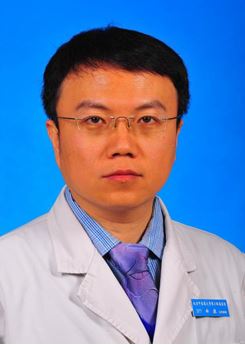 Miao Qu (曲淼)合作论文数Graduate School of Capital Medical University;Xuanwu Hospital, Capital Medical University55
 Xiaoli Li (李小黎)合作论文数Third Affiliated Hospital, Beijing University of Chinese Medicine36
 Wenjun Sun (孙文军)合作论文数Third Affiliated Hospital, Beijing University of Chinese Medicine36
 Xiujuan Hou (侯秀娟)合作论文数Dongfang Hospital, Beijing University of Chinese Medicine31
 Xiangqing Xu (徐向青)合作论文数山东中医药大学附属医院23
 Xinke Yang (杨歆科)合作论文数Third Affiliated Hospital, Beijing University of Chinese Medicine22
 Qinghua Pei (裴清华)合作论文数Third Affiliated Hospital, Beijing University of Chinese Medicine19
 Bin Luo (罗斌)合作论文数Beijing University of Chinese Medicine Third Affiliated Hospital14
 ZiJun Zhao (赵子珺)合作论文数13
 Qing Tian (田青)合作论文数Third Affiliated Hospital, Beijing University of Chinese Medicine11
 Xia Li (李侠)合作论文数Dongzhimen Hospital, Beijing University of Chinese Medicine9
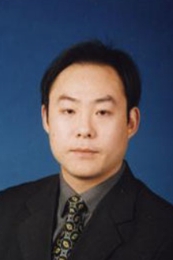 Yinchu Si (司银楚)合作论文数School of Traditional Chinese Medicine, Beijing University of Chinese Medicine9
 Yuling Huang (黄育玲)合作论文数Third Affiliated Hospital, Beijing University of Chinese Medicine8
 Dan Wang (王丹)合作论文数Third Affiliated Hospital, Beijing University of Chinese Medicine8HuiLing Tian (田会玲)合作论文数7
 Ge Wang (王戈)合作论文数Third Affiliated Hospital, Beijing University of Chinese Medicine6
 Jing Zhao (赵晶)合作论文数Third Affiliated Hospital, Beijing University of Chinese Medicine6
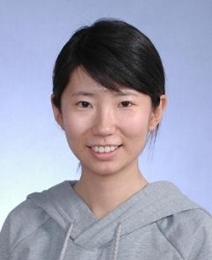 Yushan Gao (高誉珊)合作论文数School of Traditional Chinese Medicine, Beijing University of Chinese Medicine6WenLong Wang (王雯龙)合作论文数5
 Chenjun Zhu (朱晨军)合作论文数Third Affiliated Hospital, Beijing University of Chinese Medicine5
 Wen Zhang (张雯)合作论文数Third Affiliated Hospital, Beijing University of Chinese Medicine5
 Mingjin Zhu (朱明瑾)合作论文数Third Affiliated Hospital, Beijing University of Chinese Medicine5Xinyue Sun (孙新月)合作论文数4Jingya Li合作论文数4YingQiu Mao (毛颖秋)合作论文数4Di Wang (王娣)合作论文数4Liang Ma (马良)合作论文数4
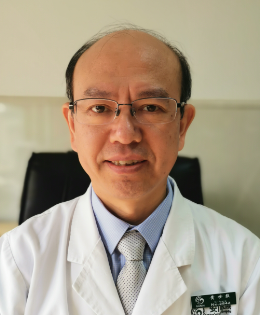 Shijing Huang (黄世敬)合作论文数Guang'anmen Hospital, China Academy of Chinese Medical Sciences4
 Yuelan Zhu (朱跃兰)合作论文数Dongfang Hospital, Beijing University of Chinese Medicine4
 Qian Lin (林谦)合作论文数Dongzhimen Hospital, Beijing University of Chinese Medicine4
 Fang Xu (许芳)合作论文数Third Affiliated Hospital, Beijing University of Chinese Medicine4
 Gang Han (韩刚)合作论文数Dongfang Hospital, Beijing University of Chinese Medicine4
 Rongjuan Guo (郭蓉娟)合作论文数Dongfang Hospital, Beijing University of Chinese Medicine4
 Ruifu Hao (郝瑞福)合作论文数Dongfang Hospital, Beijing University of Chinese Medicine4Qing-meng LI (李庆盟)合作论文数3Yun Zhao (赵芸)合作论文数3Shuo XU (徐硕)合作论文数3Haipeng Liu (刘海鹏)合作论文数3HongNa Yin (尹洪娜)合作论文数3JunRan Zheng (郑军然)合作论文数3
 Dongmei Li (李冬梅)合作论文数Third Affiliated Hospital, Beijing University of Chinese Medicine3Fengchao Zang合作论文数3
 Anji Lin (林安基)合作论文数Xiamen Hospital of T.C.M3
 Fanxing Meng (孟繁兴)合作论文数Dongfang Hospital Beijing University of Chinese Medicine3
 Can Lin (林参)合作论文数Dongfang Hospital, Beijing University of Chinese Medicine3
 Kai Lv (吕凯)合作论文数Third Affiliated Hospital, Beijing University of Chinese Medicine3
 Yuan Zhang (张媛)合作论文数Beijing University of Chinese Medicine3
 Zhigang Chen (陈志刚)合作论文数Dongfang Hospital Beijing University of Chinese Medicine3




