The prognosis for patients diagnosed with hepatocellular carcinoma with bile duct tumor thrombus (HCC-BDTT) remains dismal, and there are presently no universally accepted treatment guidelines to address this complex condition. Long-term outcomes of liver transplantation (LT) for HCC-BDTT patients are unclear, and whether LT is a proper therapeutic option for HCC-BDTT patients remains to be determined. Therefore, we design a clinical trial to evaluate whether LT can improve recurrence-free survival (RFS) and overall survival (OS) in HCC-BDTT patients. This is an open-labeled, single-arm, prospective, multicenter and real-world study aiming to assess the survival outcomes of HCC-BDTT patients in LT. Patients will be enrolled based on histological confirmation of HCC with BDTT. The study is planned to take 4 years, 2 years for enrollment and 2 years for follow-up. We anticipate that LT confers beneficial survival outcomes for HCC-BDTT patients, specifically in terms of the pivotal parameters, such as RFS and quality of life. Upon successful completion of the trial, we will extend our monitoring over a longer follow-up time to accurately estimate important indicators such as OS. We expect that this study provides substantial evidence to refine treatment guidelines through thorough data analysis, ultimately contributing to better patient outcomes and advancing our understanding of the disease.Trial Register: Trial registered at www.clinicaltrials.gov (NCT06928415)
Therapeutic drug monitoring of tacrolimus (TAC) is essential for maintaining immune tolerance after organ transplantation, yet conventional assays often provide delayed and discontinuous measurements that constrain timely dose adjustment during periods of rapid pharmacokinetic fluctuation. Here we report a photoelectrochemical (PEC) TAC sensor that encodes molecular recognition at Ni1Cu2 single-atom pairs anchored on TiO2 photoelectrodes. Cooperative metal sites selectively engage TAC nitrogen and oxygen donors, enabling receptor-free recognition and controlled interfacial oxidation. An antifouling hydrogel interface suppresses nonspecific adsorption and preserves signal fidelity in protein- and cell-rich matrices, enabling minute-scale quantification at clinically relevant concentrations. The assay achieves an LOD of 0.1 ng mL-1 with a linear range of 0.5-20 ng mL-1 and maintains stability under biofouling challenge. In 120 transplant patient samples, PEC readouts agree with routine chemiluminescent immunoassay results across the therapeutic range. Finally, in rat liver and mouse heart transplantation models, monitoring-informed dosing adjustment improved survival compared with conventional dosing. By shortening the measurement-to-decision interval, this work provides a robust PEC sensing framework for TAC TDM in whole blood and supports more timely immunosuppressive management.
Organ transplantation is a crucial life-saving procedure for patients suffering from end-stage organ failure, yet it faces a global shortage. This scarcity not only impacts individual patients but also places strain on healthcare systems worldwide. However, the risk of rejection adds another layer of difficulty to this already intricate medical procedure. Herein, we present the design and synthesis of graft-targeting macrophage membrane coated nanoscale coordination polymers (dNCPs@MM), in which dexamethasone sodium phosphate (DEXp) serves as an effective immunosuppressive drug, Fe3+ acts as bridging ligands for coordination-driven self-assembly with cargo molecules, and macrophage membranes are utilized to reduce uptake by the immune system as well as a retarder to enhance the blood circulation time. The high drug loading, responsive release behavior and targeting capability of the obtained dNCPs@MM promote their biological performance. In a murine allogeneic heart transplantation model, dNCPs@MM exhibited remarkable efficacy in attenuating acute rejection at a low dosage, with a mean survival time of 14.7 days compared to 8.6 days for DEXp and 9.3 days for dNCPs treatment. At a high dosage, dNCPs@MM exhibited the ability to control established rejection by inducing exhaustion in both CD4+ and CD8+ T cell and preventing of alloreactive T cells from acquiring effector (CD44hiCD62L-) functions. Moreover, while high doses of DEXp or dNCPs treatment led to significant adverse effects, the administration of dNCPs@MM demonstrates tolerable adverse effects even at high dosage levels. Therefore, dNCPs@MM exhibits promising potential for clinical application in addressing rejections in allografts and xenografts.
Two-dimensional transition metal sulfides (2D-TMSs) have received considerable attention in recent years owing to their exceptional features and diverse applications. Two-dimensional nanostructures of transition metal sulfides exhibit highly anisotropic properties, excellent mechanical strength, biocompatibility, a large surface area, and the ability to enhance functionality through surface modification methods. These features make them an ideal and attractive material for developing multifunctional platforms. In this review, we provide a comprehensive introduction to various configurations of nanostructures based on 2D-TMSs, including their modified structures such as vacancies and nanoflowers, as well as their composites, which encompass doped structures, alloyed structures, particles/dots on sheets, 2D-TMS-based heterojunctions, and core-shell nanostructures. This chemistry and configuration of 2D-TMSs have captured the attention of many researchers, driving them to delve into the diverse applications of these materials in the biomedical field, especially in drug delivery, photothermal therapy, sonodynamic therapy, and ferroptosis. Finally, the review summarizes the opportunities, challenges, and prospects of 2D-TMSs, emphasizing their crucial role in shaping the future of technology, medicine, and cancer therapy. The distinctive properties of 2D-TMSs make them promising contenders for various applications, and their continued exploration holds tremendous potential for scientific and technological progress.
Introduction With the continuous advancement of surgical technique,com-bined vascular resection has become increasingly common dur-ing complex surgical procedures.In such cases,ensuring the safe and effective reconstruction of blood vessels after resection is of paramount importance.When direct vascular reconstruction is not feasible,the application of vascular grafts becomes necessary to re-store vascular continuity and function.Commonly employed vascu-lar grafts in clinical practice include allogeneic graft vessels(AGVs),autologous vessels,and artificial vessels.Among these,AGVs offer distinct advantages particularly in its complex structures and sat-isfying histocompatibility,making it a valuable option for vascular reconstruction.
BACKGROUND:Polydatin, a glucoside of resveratrol, has shown protective effects against various diseases. However, little is known about its effect on hepatic ischemia-reperfusion (I/R) injury. This study aimed to elucidate whether polydatin protects liver against I/R-induced injury and to explore the underlying mechanism.METHODS:After gavage feeding polydatin once daily for a week, mice underwent a partial hepatic I/R procedure. Serum alanine aminotransferase (ALT)/aspartate aminotransferase (AST), hematoxylin-eosin (H&E) and TdT-mediated dUTP nick-end labeling (TUNEL) staining were used to evaluate liver injury. The severity related to the inflammatory response and reactive oxygen species (ROS) production was also investigated. Furthermore, immunofluorescence and Western blotting were used to detect macrophage polarization and the NF-κB signaling pathway in macrophages.RESULTS:Compared with the I/R group, polydatin pretreatment significantly attenuated I/R-induced liver damage and apoptosis. The oxidative stress marker (dihydroethidium fluorescence, malondialdehyde, superoxide dismutase and glutathione peroxidase) and I/R related inflammatory cytokines (interleukin-1β, interleukin-10 and tumor necrosis factor-α) were significantly suppressed after polydatin treatment. In addition, the result of immunofluorescence indicated that polydatin reduced the polarization of macrophages toward M1 macrophages both in vivo and in vitro. Western blotting showed that polydatin inhibited the pro-inflammatory function of RAW264.7 via down-regulating the NF-κB signaling pathway.CONCLUSIONS:Polydatin protects the liver from I/R injury by remodeling macrophage polarization via NF-κB signaling.
Background: Minimally invasive surgeries are increasingly central to modern medicine, particularly in liver transplantation. These techniques, which offer reduced trauma, precise operations, minimal bleeding, and swift recovery, are, however, unevenly adopted across China. Only a limited number of centers routinely perform minimally invasive donor hepatectomies, indicating a significant imbalance in the development and application of these advanced procedures. Additionally, there lacks a set of standardized guidelines that are tailored to meet China's unique healthcare challenges and conditions. Methods: In August 2023, the Branch of Organ Transplant of Chinese Medical Association and the Branch of Organ Transplant Physicians of Chinese Medical Doctor Association convened a group of national liver transplantation experts to establish a guideline development committee. This committee conducted a thorough review of relevant literature, evaluated existing guidelines and consensus, and assessed factors such as the evidence base, patient preferences, and the cost-effectiveness of interventions within China. After multiple rounds of discussions, both online and offline, the committee finalized the guidelines. Results: This collaborative effort led to the creation of the "Chinese guidelines for minimally invasive donor hepatectomy in living donor liver transplantation (2024 edition)". These guidelines address crucial aspects such as the safety and advantages of minimally invasive surgery for living donor liver transplantation, donor selection criteria, anesthesia strategies, surgical technical details, and learning curves associated with these procedures, resulting in a comprehensive set of 26 recommendations. Conclusions: The formulation of these guidelines represents a significant advancement towards standardizing minimally invasive liver transplantation surgeries in China. They are designed to enhance outcomes for both donors and recipients by synthesizing expert consensus with contemporary research and clinical practices. Moreover, they serve as a crucial reference for surgeons and medical institutions, promoting the refinement and adoption of minimally invasive surgical techniques in liver transplantation.
Background Preoperative prediction of microvascular invasion (MVI) in hepatocellular carcinoma (HCC) may optimize individualized treatment decision-making. This study aimed to investigate the prognostic differences between HCC patients undergoing liver resection (LR) and liver transplantation (LT) based on predicted MVI risks. Methods We analysed 905 patients who underwent LR, including 524 who underwent anatomical resection (AR) and 117 who underwent LT for HCC within the Milan criteria using propensity score matching. A nomogram model was used to predict preoperative MVI risk. Results The concordance indices of the nomogram for predicting MVI were 0.809 and 0.838 in patients undergoing LR and LT, respectively. Based on an optimal cut-off value of 200 points, the nomogram defined patients as high- or low-risk MVI groups. LT resulted in a lower 5-year recurrence rate and higher 5-year overall survival (OS) rate than LR among the high-risk patients (23.6% vs 73.2%, P < 0.001; 87.8% vs 48.1%, P < 0.001) and low-risk patients (19.0% vs 45.7%, P < 0.001; 86.5% vs 70.0%, P = 0.002). The hazard ratios (HRs) of LT vs LR for recurrence and OS were 0.18 (95% confidence interval [CI], 0.09-0.37) and 0.12 (95% CI, 0.04-0.37) among the high-risk patients and 0.37 (95% CI, 0.21-0.66) and 0.36 (95% CI, 0.17-0.78) among the low-risk patients. LT also provided a lower 5-year recurrence rate and higher 5-year OS rate than AR among the high-risk patients (24.8% vs 63.5%, P = 0.001; 86.7% vs 65.7%, P = 0.004), with HRs of LT vs AR for recurrence and OS being 0.24 (95% CI, 0.11-0.53) and 0.17 (95% CI, 0.06-0.52), respectively. The 5-year recurrence and OS rates between patients undergoing LT and AR were not significantly different in the low-risk patients (19.4% vs 28.3%, P = 0.129; 85.7% vs 77.8%, P = 0.161). Conclusions LT was superior to LR for patients with HCC within the Milan criteria with a predicted high or low risk of MVI. No significant differences in prognosis were found between LT and AR in patients with a low risk of MVI.
由浙江大学郑树森院士领衔,汇集全国 28 家肝移植中心的中国首个转移性肝癌肝移植多中心合作项目在上海启动,围绕转移性肝癌肝移植入组条件、转移性肝癌肝移植风险评估与预后判断、转移性肝癌肝移植围手术期用药、多中心合作项目实施细节四项议题,与会专家展开深入交流和讨论,并以调查问卷形式凝聚共识、明确方向,致力于推动国内高质量规范化开展转移性肝癌肝移植临床研究.
Immune cells, including T and B cells, are key factors in the success of liver transplantation. And the repertoire of T cells and B cells plays an essential function in mechanism of the immune response associated with organ transplantation. An exploration of their expression and distribution in donor organs could contribute to a better understanding of the altered immune microenvironment in grafts. In this study, using single-cell 5’ RNA sequence and single-cell T cell receptor (TCR)/B cell receptor (BCR) repertoire sequence, we profiled immune cells and TCR/BCR repertoire in three pairs of donor livers pre- and post-transplantation. By annotating different immune cell types, we investigated the functional properties of monocytes/Kupffer cells, T cells and B cells in grafts. Bioinformatic characterization of differentially expressed genes (DEGs) between the transcriptomes of these cell subclusters were performed to explore the role of immune cells in inflammatory response or rejection. In addition, we also observed shifts in TCR/BCR repertoire after transplantation. In conclusion, we profiled the immune cell transcriptomics and TCR/BCR immune repertoire of liver grafts during transplantation, which may offer novel strategies for monitoring recipient immune function and treatment of rejection after liver transplantation.
Familial hypercholesterolemia(FH)is an autosomal dominant disease.Homozygous FH patients tend to have a high incidence of severe arteriosclerotic cardiovascular disease during adolescence and die at ages of 20-30.Liver transplantation(LT)may correct the dysfunction of LDL receptor on hepatocytes, restore normal lipoprotein metabolism, arrest disease progression and improving patient outcomes.However, due to a great rarity of LT for FH, domestic transplantation centers lack the relevant clinical experiences.This review summarized some important issues of FH patients undergoing LT, such as indications, timing, donor sources, efficacies, complications and reusing diseased liver.The goal was to provide practical references for managing FH.
A wave of Omicron infections rapidly emerged in China in 2022, but large-scale data concerning the safety profile of vaccines and Coronavirus disease 2019 (COVID-19) infection features in liver transplant (LT) recipients have not been collected. Therefore, the aim of this study was to assess the protectiveness and safety profile of the inactivated vaccines in LT patients against severe acute respiratory syndrome coronavirus 2 (SARS-CoV-2) Omicron variant infections. A multi-centre retrospective study was conducted in a cohort with a history of liver transplantation. A total of 1881 participants (487 vaccinated and 1394 unvaccinated patients) were enrolled from seven centres in China. Fourteen of the participants were infected by Omicron, and 50% patients had over 14 days of viral shedding duration. The protection rate of COVID-19 vaccinations to Omicron was 2.59%. The three breakthrough infections occurred more than 6 months after fully vaccinated. A total of 96 (19.7%) vaccinated patients had adverse events, including fatigue, myalgia, liver dysfunction, swelling, and scleroma. There were more Grade 3 adverse events in the preoperative vaccination group than those in the postoperative vaccination group. Inactivated whole-virion SARS-CoV-2 vaccines are safe in patients with post-liver transplantation. The efficacy of inactivated vaccines decreases after 6 months of vaccination, it is recommended that liver transplant patients get boosted vaccinations as early as possible even when they are fully vaccinated. Although clinical manifestations of Omicron infections were mild in LT patients, unvaccinated patients might have a higher risk of liver dysfunction during infections.
目的 研究加入了外源性硫化氢(hydrogen sulfide,H2S)的器官保存液对小鼠离体断肢的保护作用.方法 将24只C57/B6小鼠按数字表法随机分成干燥冷藏保存(对照)组、高渗枸橼酸盐腺嘌呤保存液(HC?A)组以及含有H2S的HC?A保存液(H2S)组,每组8只,同时在4℃下冷藏保存36 h.通过苏木素-伊红(HE)染色观察肌肉组织学形态改变,透射电镜观察骨骼肌细胞超微结构的变化,并用免疫荧光法比较不同组织中微管相关蛋白1轻链3(LC3)蛋白的表达情况.结果 光镜下观察肌肉组织形态发现,H2S组的肌纤维损伤程度最轻,电镜下细胞超微结构表现出一致的结果.免疫荧光结果显示H2S组肌肉组织中LC3蛋白表达量显著升高(P<0.05).结论 添加了外源性H2S的HC?A保存液可以通过提高自噬水平增强小鼠离体断肢的保存效果.
Mammalian target of rapamycin (mTOR) inhibitor as an attractive drug target with promising antitumor effects has been widely investigated. High quality clinical trial has been conducted in liver transplant (LT) recipients in Western countries. However, the pertinent studies in Eastern world are paucity. Therefore, we designed a clinical trial to test whether sirolimus can improve recurrence-free survival (RFS) in hepatocellular carcinoma (HCC) patients beyond the Milan criteria after LT. This is an open-labeled, single-arm, prospective, multicenter, and real-world study aiming to evaluate the clinical outcomes of early switch to sirolimus-based regimens in HCC patients after LT. Patients with a histologically proven HCC and beyond the Milan criteria will be enrolled. The initial immunosuppressant regimens are center-specific for the first 4-6 weeks. The following regimens integrated sirolimus into the regimens as a combination therapy with reduced calcineurin inhibitors based on the condition of patients and centers. The study is planned for 4 years in total with a 2-year enrollment period and a 2-year follow-up. We predict that sirolimus conversion regimen will provide survival benefits for patients particular in the key indicator RFS as well as better quality of life. If the trial is conducted successfully, we will have a continued monitoring over a longer follow-up time to estimate indicator of overall survival. We hope that the outcome will provide better evidence for clinical decision-making and revising treatment guidelines based on Chinese population data.
Objective:To evaluate the safety and efficacy of modified percutaneous transhepatic portal vein islet cell transplantation.Methods:Clinical data of 46 patients undergoing percutaneous transhepatic portal vein islet cell transplantation in Shanghai Changzheng Hospital Affiliated to Naval Medical University from December 2016 to June 2020 were retrospectively analyzed. Among them, 34 patients were male and 12 female, aged from 13 to 74 years, with a median age of 49 years. The informed consents of all patients were obtained and the local ethical committee approval was received. According to different surgical methods, all patients were divided into the conventional intervention group (conventional group, n=25) and modified intervention group (modified group, n=27). In the conventional group, infusion of islet cells was performed with F single-curved arteriographic catheter under real-time pressure monitoring, and the puncture channel was blocked up with steel ring and gelfoam particles. In the modified group, PTCD catheter infusion with manually-cutted inner core was performed under intermittent pressure monitoring, and the puncture channel was blocked up with gelfoam particles. The operation time and portal pressure between two groups were compared by using t test and the rate comparison was analyzed by Chi-square test.Results:46 patients successfully completed 52 times of islet cell transplantation, with a success rate of 100%. Among them, 2 recipients received twice transplantation in the conventional group and 4 in the modified group. The operation time in the conventional and modified group was (124±14) and (110±17) min, respectively, where no significant difference was observed (t=1.35,P>0.05). In the conventional group, the portal vein pressure before and after transplantation were (13±4) and (12±3) mmHg (1 mmHg=0.133 kPa), and (16±3) and (14±5) mmHg in the modified group, where no significant difference was observed between portal vein pressures before and after operation (t=0.34, 0.87;P>0.05). 1 case developed postoperative thoracic hemorrhage in the conventional group and 1 case of intrahepatic hematoma in the modified group, and both were healed after conservative treatments. The incidence of bleeding was 4%(1/25) and 4%(1/27) respectively in the conventional and modified groups, with no significant difference (χ2=0.45,P>0.05). The insulin-free rate in the recipients undergoing initial islet cell transplantation within 6 months was 60%(15/25) and 66%(18/27) respectively in the conventional and modified groups, with no significant difference (χ2=5.32,P>0.05). In the conventional and modified groups, the fasting C-peptide increment was (0.22±0.07) and (0.19±0.06) nmol/L, respectively, and the 2 h postprandial C-peptide increment was (0.67±0.20) and (0.53±0.17) nmol/L, respectively, with no significant differences (t=1.362, 1.722;P>0.05).Conclusions:Compared with the conventional surgery, the modified percutaneous transhepatic portal vein islet cell transplantation is equally safe and efficacious, which possess multiples advantages of less use of intrahepatic steel ring and no artifacts in the postoperative imaging examination.
Background:Ubiquitin conjugating enzyme E2S (UBE2S), a member of the ubiquitin-conjugating enzyme family, is known to play a pivotal role in tumorigenesis and progression in some tumor types. However, whether UBE2S plays an irreplaceable role in the immune-oncology context of tumorigenesis, prognosis, pathogenesis, immune regulation, and therapeutic response through certain common molecular mechanisms remains to be defined. The present pan-cancer study was intended to decipher the landscape of UBE2S in pathologic, immunological, and therapeutic aspects across various cancers.Methods:Data used for UBE2S analysis were obtained from TCGA database. The pan-cancer analysis was mainly focused on the expression patterns, prognostic values, mutation landscapes, biological pathways, tumor microenvironment remodeling, and therapeutic resistance of UBE2S using multiple databases including cBioPortal, Cancer Cell Line Encyclopedia (CCLE) database, Tumor Immune Estimation Resource (TIMER), and Gene Expression Profiling Interactive Analysis (GEPIA). External experimental validation was conducted to delineate the association of UBE2S with tumor phenotypes through assays of proliferation, colony formation, and migration. Data processing, statistical analysis, and plotting were performed using R software and GraphPad Prism software.Results:UBE2S was aberrantly expressed in almost all human cancers, and elevated UBE2S expression was unfavorably associated with the clinical pathological stage and prognosis. DNA methylation and RNA modification were significantly correlated with the UBE2S expression level. The results of enrichment analysis revealed that UBE2S positively regulated MYC, G2M cell cycle, and DNA repair pathways and negatively regulated adipogenesis, fatty acid metabolism, and heme metabolism. In addition, UBE2S exhibited a significantly positive correlation with myeloid-derived suppressor cell MDSC and Th2 subsets in almost all tumors analyzed. UBE2S could confer immune evasion via coexpressed immunoinhibitors and T cell exhaustion. Notably, a higher UBE2S expression indicated a higher level of stemness, TMB, MSI, and MMR deficiency and DNA methyltransferases, as well as chemotherapeutic resistance in various cancers. Notably, in vitro functional validation showed that UBE2S knockdown attenuated the phenotypes of proliferation, clonogenicity, and migration in hepatocellular carcinoma cells.Conclusions:Our study provided meaningful clues to support UBE2S as an immune-oncogenic molecule and shed light on potential applications of UBE2S in cancer detection, prognostic prediction, and therapeutic response assessment.
背景与目的:不可切除的肝内胆管癌(hCCA)患者可考虑行肝移植治疗,但在某些方面仍存在争议.因此,本研究总结6例肝移植治疗不可切除hCCA临床疗效,以期为临床诊治提供参考.方法:回顾性分析2015年1月-2021年3月6例在上海交通大学医学院附属瑞金医院行肝移植治疗并规律随访的hCCA患者临床病理资料与生存情况.结果:6例肝移植术式均为原位经典全肝移植,术后病理:肿块型2例,管壁浸润型2例,内生型2例;肿瘤直径>3 cm者4例;周围神经浸润2例;门静脉侵犯3例;肝内转移2例;腺鳞癌1例,腺癌5例.组织学分级3例中分化G2,3例低分化G3;pTMN分期分别为Ⅱ期1例,Ⅲa期1例,Ⅲb期1例,Ⅲc期2例,Ⅳ期1例.随访期间,3例存活,其中2例合并肝硬化失代偿内生息肉型腺癌患者获得长期无瘤生存,1例肿块型腺癌患者术前经新辅助放化疗后目前无瘤存活20个月;死亡3例,其中1例肿块型腺鳞癌患者术后存活18个月,2例管壁浸润型腺癌患者分别存活2个月与24个月.术前减黄操作,术后联用免疫抑制剂和化疗药物对于患者生存期无明显影响.结论:hCCA患者中,对于合并肝硬化的内生息肉型腺癌,且术前排除淋巴结转移者,即使术前不行新辅助放化疗直接行肝移植也可取得较好的疗效,但对有淋巴结转移与神经周围浸润者疗效差.
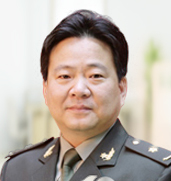 Guoshan Ding (丁国善)合作论文数Department of Liver Surgery and Organ Transplantation, Changzheng Hospital, Navy Medical University165
 Zhengxin Wang (王正昕)合作论文数复旦大学普外科111
 Wen-Yuan Guo合作论文数第二军医大学附属长征医院108
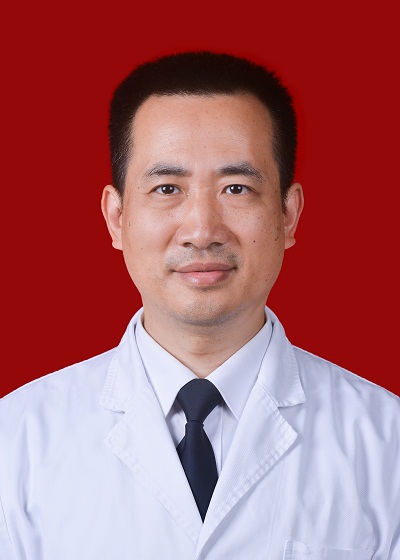 Xiaomin Shi (施晓敏)合作论文数Shanghai Changzheng Hospital81ZhiJia Ni (倪之嘉)合作论文数73Hong Fu (傅宏)合作论文数57Shao-Hua Song合作论文数50XianXing Li (李先兴)合作论文数31Fang Liu合作论文数22Jiayong Dong合作论文数20Jun Ma (马钧)合作论文数20Fei Teng合作论文数19Qiang Wang (王强)合作论文数18
 Quanxing Wang (王全兴)合作论文数中国人民解放军第二军医大学17GAO Xiao-gang合作论文数15YuanHe Wang (王元和)合作论文数15You-Lei Zhang合作论文数15Keyan Sun合作论文数14Guan-Nan XU (徐冠南)合作论文数13XueYun Chen (陈学云)合作论文数12JianJun Zhang (张建军)合作论文数12Hao Yin合作论文数12
 Zhijun Zhu (朱志军)合作论文数Beijing Friendship Hospital, Capital Medical University;Graduate School, Capital Medical University11Hao Liu合作论文数10RuiDong Li (李瑞东)合作论文数10XiaoJun Zhang (张晓君)合作论文数10Liang Xiao (肖亮)合作论文数10HaiLiang Wang (王海梁)合作论文数9Jinghui Yang (杨璟辉)合作论文数9Ruidong Li (李瑞冬)合作论文数9
 YouHua Zhu (朱有华)合作论文数Shanghai Changzheng Hospital9XiaoYun Shen (沈筱芸)合作论文数8
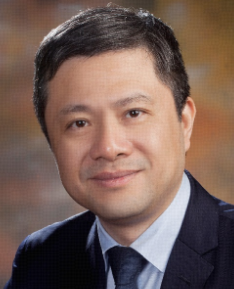 Qiang Xia (夏强)合作论文数Renji Hospital, Shanghai Jiao Tong University School of Medicine;Shanghai Cancer Institute8Yuanyu Zhao合作论文数7JingHui Yang (杨璟辉)合作论文数7JunSong Ji (季峻松)合作论文数7
 Jinzhen Cai (蔡金贞)合作论文数南开大学医学院7
 Xueyin Shi (石学银)合作论文数Xinhua Hospital Affiliated to Shanghai Jiao Tong University School of Medicine7Erxun Ding (丁尔迅)合作论文数7You Zou (邹游)合作论文数7Yi-Feng Tao (陶一峰)合作论文数6Haili Bao (鲍海力)合作论文数6
 Binghua Jiao (焦炳华)合作论文数中国人民解放军第二军医大学生物化学与分子生物学教研室6
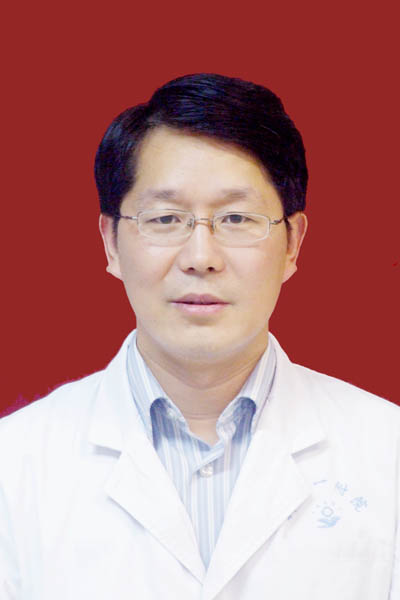 Wenzhi Guo (郭文治)合作论文数The First Affiliated Hospital of Zhengzhou University;Budd-Chiari Syndrome Diagnosis and Treatment Center of Henan Province6
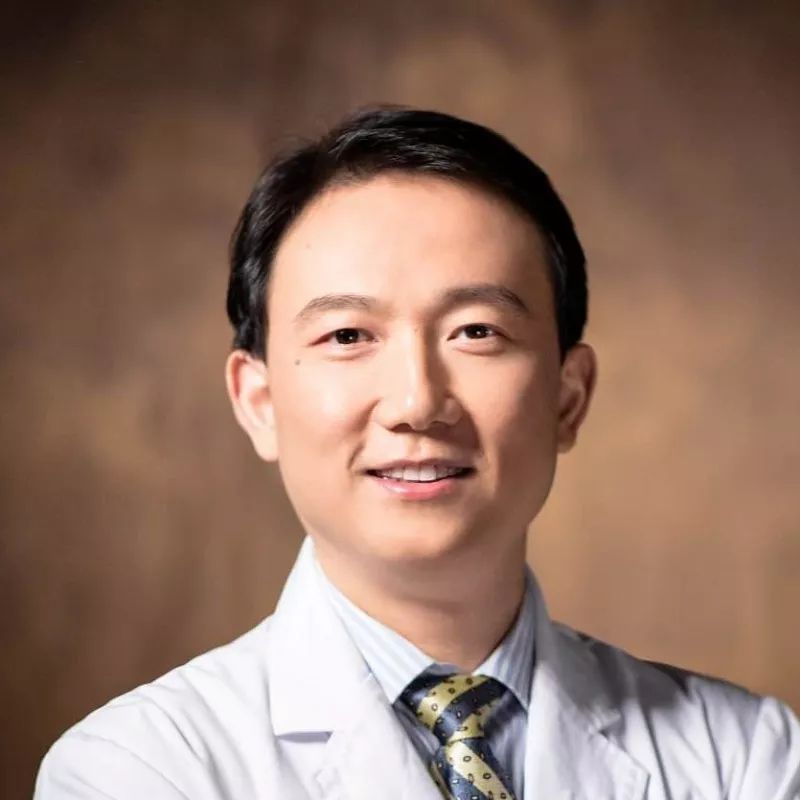 Ming Zhang (张明)合作论文数Renji Hospital, School of Medicine, Shanghai Jiao Tong University6




