The widespread contamination of water by sulfonamide antibiotics necessitates the development of efficient and sustainable remediation technologies. In this study, a copper-nitrogen co-modified sludge biochar (CN-SBC) was synthesized from municipal waste activated sludge and used to activate periodate (PI) for sulfadiazine (SDZ) degradation. The catalyst achieved 92.8% SDZ removal within 60 min under optimized conditions, with a pseudo-first-order rate constant of 0.048 min-1. Electrochemical and quenching experiments confirmed an electron-transfer-dominated non-radical mechanism, rather than a radical pathway. The CN-SBC/PI system exhibited high stability over a wide pH range (3-9) and good tolerance to common anions. After four reuse cycles, 75.2% degradation efficiency was maintained, and copper leaching was only 0.482 mg L-1, below the Chinese drinking water standard. Based on LC-MS/MS and DFT calculations, three degradation pathways were proposed, all involving cleavage of the sulfonamide pharmacophore and leading to eventual mineralization. ECOSAR toxicity prediction and seed germination tests showed a significant reduction in ecological risk after treatment. This work provides a quantitative basis for designing waste-derived biochar catalysts with efficient non-radical periodate activation and offers a low-leaching, stable strategy for antibiotic wastewater treatment.
An efficient method is developed for the synthesis of β‐hydroxysulfones from difunctionalized olefins and substituted sodium sulfinates with Mn(OAc)3/Lewis acid catalyst through aerobic oxidation, which provides β‐hydroxysulfones in middle to high yields with broad compatibility of functional groups. The high efficiency is attributed to the interaction between the Mn(III) species and Lewis acid such as Ce(OTf)3 that enhances its redox potential, thus accelerating Mn(III)‐catalyzed sulfonyl radical formation from sulfonates through single‐electron transfer mechanism.
Iron carbodiimide (FeNCN) was systematically investigated for peroxymonosulfate (PMS) activation, and the influence of secondary metal incorporation (Ca2+, Mg2+, Mn2+, Cu2+) on its catalytic performance was elucidated. Although pristine FeNCN demonstrated inherent PMS activation activity, calcium (Ca), introduced as a secondary metal dopant, enhanced its redox properties. Ca-FeNCN exhibited a more pronounced Fe2+→Fe3+ conversion relative to pristine FeNCN, accompanied by a redistribution of surface oxygen species. These observations indicated that non-redox metal incorporation played an important role in regulating PMS activation through structural and electronic modulation rather than direct redox participation. Density functional theory (DFT) calculations revealed that Ca incorporation within the FeNCN framework was favorable, as indicated by IRI analysis, and resulted in a narrowed HOMO–LUMO energy gap, charge redistribution, and enhanced interactions with PMS and BPA. Radical quenching experiments and electrochemical characterization demonstrated that the Ca-FeNCN/PMS system proceeded predominantly via a singlet oxygen (1O2)-involved non-radical pathway, coupled with electron transfer processes and minor contributions from sulfate (SO4•−) and hydroxyl (•OH) radicals. Structural characterization verified that the NCN2− framework remained intact over three consecutive catalytic cycles. The system exhibited stable bisphenol A (BPA) degradation efficiency and negligible metal leaching (Ca: 0.262 ppm; Fe: 0.429 ppm), indicating good catalytic stability and reusability. Furthermore, the Ca-FeNCN/PMS system retained robust performance under diverse reaction conditions, including variable pH, coexisting anions, humic acid, and real water matrices. These results underscore the promising potential of carbodiimide-based catalysts for efficient PMS activation in advanced wastewater treatment applications.
This study presents the first comprehensive investigation of hydrological rhythm-driven patterns of polycyclic aromatic hydrocarbons (PAHs) and phthalate esters (PAEs) in sediments from Danjiangkou Reservoir (the core water source of the South-to-North Water Diversion Project's central route). Results demonstrate that hydrological rhythms dominate the pollution differentiation of PAHs and PAEs: PAHs peak during the dry season with a mean concentration of 139.7 ng/g (66.6 % contributed by mixed combustion sources), while PAEs peak in the flood season (mean: 286.5 ng/g, with 59.5 % originating from the use and discharge of solvents used in personal care products). These seasonal peaking phenomena systematically reveal hydrology-driven differences in pollutant peak timing and challenges the conventional attribution of PAEs primarily to plasticizer sources. These findings challenge the conventional perception of PAEs as plasticizers. Integrating a multitechnical chain comprising positive matrix factorization for source apportionment, partial least squares structural equation modeling for factor analysis, and machine learning predictive models, the contribution rates from different sources are quantified, providing the first evidence that total phosphorus negatively regulates Sigma PAHs/DEHP (DEHP = di-(2-ethylhexyl)phthalate). The innovation of this study lies in the establishment of an integrated "entire-local" predictive framework for PAE prediction; this framework integrates the Stacking model (which best predicts the PAE concentration over entire the Danjiangkou Reservoir) and the XGBoost model (which can be locally optimized in sub-regions of the reservoir). Considering the risk heterogeneity driven by hydrological periodicity, this study proposes prioritized control of mixed combustion sources for PAHs during the dry season, and the continuous regulation of solvent usage and emissions (e.g., personal care products) for PAEs across three hydrological periods. These findings provide theoretical paradigms and intelligent technological support for sediment risk management in large-scale water diversion projects.
Single-atom catalysts (SACs) are of increasing interest for peroxymonosulfate (PMS) activation in water treatment processes owing to their atomically dispersed active sites and distinct coordination environments. However, the temporal evolution of reactive oxygen species (ROS) during PMS activation on isolated metal sites remains unresolved. This study elucidates a stepwise PMS activation mechanism mediated by a manganese single-atom catalyst (Mn-SAC). PMS activation is initiated through a mediated electron-transfer (MET) pathway involving the pollutant and PMS, facilitated by surface hydroxyl groups on Mn-SAC, leading to the formation of a transient Mn–PMS adduct and subsequent generation of superoxide radicals (O2•−). These O2•− radicals are adsorbed and stabilized on the Mn-SAC surface. As PMS is depleted, the system transitions to the second step, where previously adsorbed O2•− desorbs from the Mn-SAC surface and yields singlet oxygen (1O2), which becomes the dominant ROS. Spectroscopic analyses, solvent isotope effects, catalyst-transfer experiments, and density functional theory (DFT) calculations substantiate the adsorption–desorption behavior of O2•−, in which initial stabilization is associated with MnO coordination via orbital overlap between Mn d orbitals and π* orbitals of O2•−. The subsequent release of O2•− is associated with surface restructuring of Mn-SAC, with a shift in surface oxygen species from adsorbed water to hydroxyl-enriched states as the reaction progresses. These findings elucidate ROS evolution in Mn-SAC–activated PMS processes, establishing a foundation for the rational design of efficient advanced oxidation catalysts.
Catalytic oxidations with dioxygen around ambient temperature have been a long challenge in chemical industry. Inspired by the important roles of hydrogen bond networks in dioxygen activation and catalysis by redox enzymes, here we introduce a new strategy that utilizes Lewis acid to mimic the enzymatic hydrogen bond networks (chemical Lewis acid vs enzymatic Bronsted acid), thereby driving dioxygen activation by iron (II) complexes, and tuning the stability and reactivity of the in situ generated iron(III) superoxo species for catalysis. Mechanistic studies disclosed that, through electrostatic interaction, the presence of Lewis acid could enhance the electrophilicity of the iron(III) superoxo species for olefin oxygenation in catalysis; meanwhile it also simultaneously weakened its nucleophilicity for aldehyde deformylation, leading to efficient electrophilic oxidations through dioxygen activation.
The inefficacy of the conventional activated sludge process (ASP) against high-concentration antibiotic streams, compelling energy-intensive pretreatments, represents a major hurdle for low-carbon wastewater treatment. We resolved this by repurposing waste-activated sludge (WAS), the main ASP byproduct, shifting its function from microbial effect to leveraging its inherent soft-matter interfaces. Owing to its high affinity for trivalent metal ions, WAS is transformed into a high-performance adsorbent via minimal Al3+ functionalization. This enhanced the tetracycline binding capacity by 2.6-fold through coordination-driven immobilization at the Al3+-extracellular polymeric substance interface. A coordination-mediated interfacial shuttling mechanism, involving the rapid "hitchhiking" of antibiotics via precomplexed Al3+ to the interface, enabled 95.6% removal of oxytetracycline from real pharmaceutical wastewater in a prototype reactor. This strategy reduces life-cycle costs to <17% of that of conventional pretreatments and could be extended to other ligand-bearing antibiotics (e.g., fluoroquinolones). Ultimately, this interfacial shuttling effect upgrades the WAS soft interface into a selective separation platform.
Dioxygen activation and catalysis around ambient temperature is a long-standing challenge in chemical industry. Inspired by the significant roles of hydrogen bond networks in dioxygen activation and catalysis by redox enzymes, here, we present a Lewis acid promoted dioxygen activation by manganese(II) complexes toward efficient organophosphine oxygenation (vs. enzymatic Brönsted acid (hydrogen bond)). The active species was assigned to the manganese(III) superoxo species, and its electrostatic interaction with Al3+, that is, LMnIII-O2−•···Al3+, sharply enhanced its electrophilicity for oxygenation.
Industrial oxidation with dioxygen at ambient temperature is a long standing challenge. Here, we present a novel strategy for the catalyst design of methyl isoeugenol oxygenation through dioxygen activation under gentle conditions. It was found that adding a simple Lewis acid (LA) such as Mg(OTf)2 to an iron(ii) complex could substantially promote its dioxygen activation and catalytic oxygenation of methyl isoeugenol toward veratraldehyde and veratone formation with total yields up to 95%. Together with our previous Pd(ii)/LA catalyzed eugenol isomerization to isoeugenol, it has provided an environmental benign route for veratraldehyde and veratone syntheses starting from eugenol, thus avoiding the traditional strong base catalyzed eugenol isomerization and KMnO4 or O3 involved oxidation of isoeugenol in industry.
Wacker-type oxidation can offer olefin functionalization to further valorized chemicals. Here, redox active Lewis acid promoted Pd(II)-catalyzed Wacker-type oxidation and acetalization was explored for transformation of methyl acrylate to 3,3-dimethoxy methyl propionate in methanol. It was found that adding redox active Lewis acid such as Fe(OTf)3 to Na2PdCl4 could substantially improve its catalytic efficiency, which was attributed to plausible formation of chloride bridged Pd(II)/Fe(III) core, thus enhancing its electrophilicity for olefin oxidation, and meanwhile accelerating the regeneration of the Pd(II) species from the reduced Pd(0) in catalysis through inner-sphere electron transfer mechanism.
The activation of peroxymonosulfate (PMS) by biochar has shown promising potential for the efficient degradation and detoxification of antibiotics in wastewater. However, the underlying mechanisms are not fully understood. In this study, Fenton-conditioned sludge-derived biochar (FSBC) was prepared by microwave pyrolysis to activate PMS for the efficient degradation and detoxification of sulfamethoxazole (SMX). The pyrolysis temperature was found to alter the surface structure, defects, surface functional group content and iron (Fe) forms of FSBC, which were critical for the activation of PMS. Reactive oxygen species (ROS) such as SO4•-, •OH, O2•- and 1O2 in the FSBC/PMS system contributed to the degradation of SMX. In addition, sixteen intermediates were produced through the reactions of amino nitration, C-S bond cleavage, hydroxylation and oxazole ring opening during SMX degradation, which effectively reduced the residual toxicity of the system according to the toxicity assessment of the quantitative structure-activity relationship (QSAR) model. This study provides a comprehensive technical strategy for activating PMS via FSBC to remove persistent organic pollutants.
Deep dewatering of sludge is challenging due to the difficulty of disrupting extracellular polymeric substances (EPS), which in conventional processes still necessitates follow-up mechanical pressing and relies on conditioners that cannot be readily recovered. Herein we introduce an eco-friendly, non-mechanical freeze-thaw coupling ionic liquid-based aqueous two-phase system (FT-IA) that couples deep sludge dewatering with the in-situ valorization of industrial waste phosphoric acid. Incorporating the acid into the ionic liquid disrupts the EPS network during freezing-thawing and substantially reduces the sludge moisture content from 98.27 % to 46.63 % without any post-pressing. At the same time, the acid is transformed into sludge-derived hydroxyapatite (SP-HAP), whose heavy-metal adsorption capacity rivals or even surpasses that of commercial HAP. Bromophenol-blue assays, X-ray photoelectron spectroscopy and contact-angle analyses revealed that FT conditioning removed hydrophilic groups (-OH, -COOH), enriched hydrophobic domains, and weakened water-floc interactions, changes that facilitated phase separation during subsequent IA conditioning. Spectroscopic evidence and lactate dehydrogenase quantification confirmed that the ionic liquid concentrated with EPS in a single phase, severely damaging EPS and microbial cells. The resulting porous matrix facilitated protein precipitation, further diminishing water binding and enabling deep dewatering. Furthermore, the system exhibited excellent recyclability, maintaining the dewatered sludge moisture content around 50 % even after five consecutive cycles. The FT-IA co-conditioning thus offered a valuable reference for the green and efficient achievement of deep in situ sludge dewatering and the utilization of waste liquid from downstream sludge dewatering.
Accelerating Fe2+ regeneration emerges as a promising approach to boost Fenton reaction. However, most cocatalysts to accelerate Fe2+ regeneration embrace drawbacks including cumbersome synthesis, expensive precursors and metal leaching. Herein, we report an approach to remarkably accelerate Fe2+ regeneration by metalfree biochar. Quantitatively, the overall reaction rate constant for Fe2+ regeneration by biochar was 9.68 x 10(-4), and correspondingly the concentration of OH center dot generated in biochar/Fe2+/H2O2 system was 2.08 times higher than that in Fe2+/H2O2. Favored by this, satisfying performance on both mineralization and detoxification on sulfamethoxazole was achieved. Moreover, 99.6 % of Chemical Oxygen Demand (COD) was removed from medical wastewater in a biochar-packed fixed-bed column, while comparably the traditional Fenton process achieved only 14.6 %. Distinguished with traditional knowledge, surface carboxyl groups on the surface of biochar were identified as reactive sites to capture Fe3+, while, carbon defects played multifunctional roles as electron donors and shuttle to reduce Fe3+. Besides, advantages including negligible metal leaching, low interferences from water matrixes and suppression of toxic BrO3- generation suggested the strategy promising. The achievements shed light on the acceleration of Fe2+ regeneration in Fenton processes in an economic and environmentally-friendly way, and also the modulation of the reactivity of biochar.
In light of the escalating global challenge posed by antibiotic pollution, the development of an effective, adaptable, and environmentally sustainable treatment technology is imperative. In this study, a bimetal-loaded biochar composed of Fe and Mg (Fe/Mg-SBC) was successfully synthesized utilizing waste sludge from municipal wastewater treatment facility. This biochar was employed to activate periodate (PI) for the removal of sulfamethoxazole (SMX) from aqueous solutions. Material characterization revealed Fe2O3/MgFe2O4 nanoclusters enhancing defect density (ID/IG = 1.07 vs. 0.56) and micro-mesoporous structure (121.7 m2/g surface area, 3.62 nm pores). The catalyst achieved 94.6 % SMX removal within 60 min with robust pH adaptability (3-9) and environmental resilience (<= 10 mM coexisting ions, <= 10 mg/L humic acid). Quenching experiments, electron paramagnetic resonance (EPR) tests, and electrochemical analyses confirmed that electron transfer-dominated non-radical pathways via Fe3+/Fe2+ redox cycling and Mg2+ charge modulation, synergized by oxygen functionalities and defect-enhanced adsorption-catalysis coupling. SMX mineralization involved sequential S-N bond cleavage, isoxazole ring dissociation, and aromatic ring opening, reducing product ecotoxicity. This study presents a novel approach for the design of environmentally friendly and efficient PI catalysts, providing a theoretical foundation for addressing SMX pollution in the environment.
In this study, a novel iron-zinc bimetal-loaded sludge biochar-based biochar (Fe-Zn@SBC) was prepared for efficient removal of sulfamethoxazole (SMX) from aquatic environments through the activation of periodate (Pl). The addition of bimetals resulted in a unique honeycomb-like microstructure within the biochar, significantly affecting its pore distribution, functional group intensity, and defect characteristics. The Fe-Zn@SBC catalyst demonstrated exceptional performance in activating PI across a wide range of pH conditions and exhibited robustness against interference from prevalent contaminants in water bodies. Quenching experiments, electron paramagnetic resonance (EPR) analysis, and electrochemical assessments indicated that the degradation of SMX primarily occurs through a radical pathway driven by superoxide radicals, alongside a non-radical pathway facilitated by electron transfer. The synergistic interaction between Fe-Zn@SBC and PI enhanced the degradation of SMX into various small molecular intermediates, thereby contributing to the safety of aquatic ecosystems. This research presents an innovative modification strategy for sludge biochar, providing an effective and environmentally sustainable approach to mitigating pollution from pharmaceutical active compounds (PhACs) in aquatic systems.
This study demonstrates that biochar carbon materials (BCs) derived from biomass effectively catalyze the dechlorination of trichloroethylene (TCE) in sulfide-containing aqueous solutions. Unlike the complex product profiles typically observed with common iron-based reducing agents, approximately 99 % of TCE was converted to acetylene as the sole dechlorination product within 144 h, achieving a reaction rate constant (kobs) of 0.026 h⁻¹ . The performance of the BCs-sulfide system is contingent upon the generation of reducing sulfur species (S22-), which can be facilitated by the quinone functional groups and mesoporous structure of the BCs. The reactive S₂²⁻ electrostatically adsorbs onto electron-deficient carbon atoms adjacent to nitrogen species on biochar as an electron donor, while the sp²-hybridized carbon conductive zone critically enhances electron transfer for TCE dechlorination, evidenced by the strong positive correlation between electrical resistance and kobs. Furthermore, the proposed MWBC900-sulfide system exhibits highly efficient TCE degradation (>90 % dechlorination) in groundwater samples. These findings provide a fundamental basis for the development of an alternative remediation technique for chlorinated solvent-contaminated groundwater using sulfide-mediated processes.
Electrochemical reductive dechlorination provides an environmentally friendly and sustainable method for the remediation of chlorinated ethenes (CEs) without chemical additives. However, the limited mass and electron transfer of commonly commercial electrodes restricts surface reactions with CEs. Herein, metal-free biochars (BCs) with high adsorption capacity (22.68∼51.32 mg/g) and conductivity (84∼303 Ω) were utilized as cathode materials for the effective dechlorination of CEs. The BC900 cathode exhibited a dechlorination efficiency of 98.14 % for 10 mg/L trichloroethylene (TCE) within 24 h, with a kobs of 0.161 h⁻¹ under an applied potential of -1.0 V. Carbon balance and chloride form analyses indicated that nearly all CCl bonds were cleaved, with ethylene and acetylene identified as the primary end products. Quenching, kinetic, and electrochemical experiments demonstrated that the dechlorination process involves a direct electron transfer reduction pathway via conductive structures of BCs. Moreover, the synergistic effect on TCE dechlorination was superior to that of commercial electrocatalysts, achieving high reusability and wide adaptability in environmental water. This methodology can also be extrapolated to other CEs, including tetrachloroethylene, cis-1,2-Dichloroethylene, and vinyl chloride. These findings highlight an adsorption-coupled electrochemical reductive dechlorination mechanism for CEs, providing a theoretical foundation for the development of high-performance, biomass-based electrocatalysts in environmental applications.
The widespread presence of microplastics (MPs) and nanoplastics (NPs) in aquatic environments poses significant environmental and health risks due to their persistence and potential toxicity. Conventional water treatment methods often fail to effectively remove these contaminants, underscoring the need for more advanced remediation strategies. Adsorption using porous materials has emerged as a promising, cost-effective, and efficient approach. This review summarizes recent advances in the development and application of various porous adsorbents, including sponge-, aerogel-, and hydrogel-based materials, metal-organic frameworks, metal-based materials, and carbon-based adsorbents, aiming to provide a comprehensive understanding of their effectiveness in removing MPs/NPs from aquatic systems. Their performance is critically evaluated in terms of removal efficiency, adsorption capacity, and underlying mechanisms. Furthermore, the current challenges and future prospects of these advanced materials are critically examined, together with proposed research directions to guide the development of practical porous adsorbents for effective mitigation of plastic pollution.
The widespread presence of antibiotic residues in environmental matrices poses significant ecological risks. In this study, N-doped sludge biochar (NSBC) was synthesized through a straightforward and practical method using waste activated sludge and urea. The synthesized NSBC was employed to activate periodate (PI) for the efficient removal of sulfamethoxazole (SMX) from aqueous solutions. The incorporation of urea markedly enhanced the biochar's adsorption capacity and catalytic oxidation performance, achieving complete SMX removal within 60 min, while maintaining high removal efficiency across wide pH conditions (3-9). Interference experiments revealed that common anions (Cl-, SO42-, and NO3-) exerted minor inhibitory effects on SMX removal, while the presence of humic acid and the complex matrices of three natural water systems maintained SMX removal efficiencies above 70 %. Quenching experiments, electron paramagnetic resonance, and electrochemical analyses confirmed that the degradation of SMX primarily occurs via a non-radical pathway facilitated by an electron transfer mechanism. Analysis of degradation products and predictions from the ECOSAR model suggested that SMX was transformed into a series of smaller, low-toxicity intermediate products, significantly diminishing its inhibitory effect on seed germination. This study offers a sustainable strategy for waste sludge valorization and an eco-friendly solution for antibiotic pollution mitigation.
Reusing landfill-mined soil-like materials (SLM) following low-carbon remediation is critical for advancing the ecological transformation of old landfills. However, the durability of stabilized SLM in geotechnical applications remains inadequately characterized, particularly regarding its exposure to acid rain attack and undergoing dry–wet cycles coupled with acid attack. This study aims to systematically investigate the geo-environmental properties of stabilized SLM under simulated acid rain soaking and dry-simulated acid rain (D-A) cycling, focusing on the evolution of strength, mass loss, pH, heavy metal leaching, phase assemblage, micro-morphology, and pore structure. Moreover, the mechanisms underlying the performance degradation of stabilized SLM were revealed at multiple scales through a series of microscopic analyses. The results indicate that the synergistic application of stabilizing materials and oxidants significantly enhances the resistance of stabilized SLM specimens to both simulated acid rain soaking and D-A cycling. Particularly, after 10 D-A cycles, the average strength loss rate of the synergistically stabilized SLM specimens decreased by approximately 29
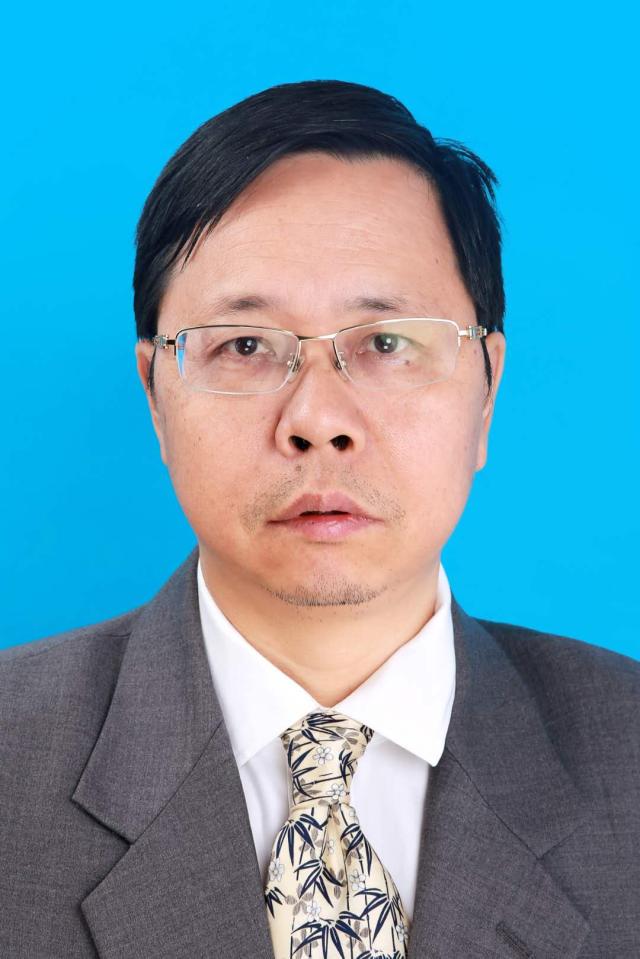 Guochuan Yin (尹国川)合作论文数School of Chemistry and Chemical Engineering, Huazhong University of Science and Technology71
 Ali H. Jawad合作论文数School of Chemistry and Environment, Faculty of Applied Sciences, Universiti Teknologi MARA53
 Jerosha Ifthikar合作论文数School of Chemistry and Chemical Engineering, Huazhong University of Science and Technology44
 Jia Wang (王佳)合作论文数College of Informatics, Huazhong Agricultural University40
 Zhulei Chen (陈朱蕾)合作论文数School of Environmental Science and Engineering, Huazhong University of Science and Technology38
 Liao Zhuwei合作论文数28Siqi Wang合作论文数26Xinquan Zhou合作论文数24
 Lotfi Sellaoui合作论文数Laboratory of Quantum and Statistical Physics, Monastir University20
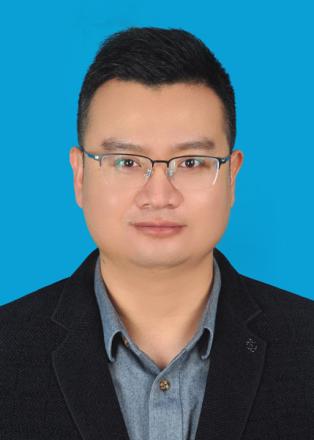 Lie Yang (杨列)合作论文数School of Resources and Environmental Engineering, Wuhan University of Technology19
 Ajmal Shahzad合作论文数School of Environmental Science and Engineering, Huazhong University of Science and Technology18Daniel T. Oyekunle合作论文数School of Chemistry and Chemical Engineering, Huazhong University of Science and Technology17
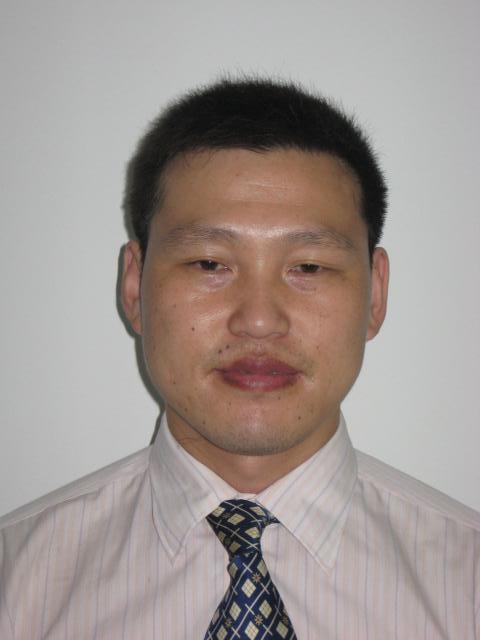 Songlin Wang (王松林)合作论文数School of Environmental Science & Engineering, Huazhong University of Science and Technology16Fang Luo合作论文数15
 Huabin Wang (汪华斌)合作论文数School of Civil and Hydraulic Engineering, Huazhong University of Science and Technology15
 Chunhui Huang (黄春辉)合作论文数College of Chemistry and Molecular Engineering, Peking University15
 Zuqiang Bian (卞祖强)合作论文数College of Chemistry and Molecular Engineering, Peking University15Sicheng Zhang合作论文数Key Lab Mat Chem Energy Convers & Storage, Huazhong Univ Sci & Technol14Kaiwen Li合作论文数14Irshad Ibran Shahib合作论文数13
 Aimal Khan合作论文数School of Chemistry and Chemical Engineering, Wuhan Textile University13Eman Abdelnasser Gendy合作论文数12Hongwu Jiang合作论文数12
 Adrian Bonilla-Petriciolet合作论文数Department of Chemical Engineering, Instituto Tecnológico de Aguascalientes12
 Zouhair Elkhlifi合作论文数School of Chemistry and Chemical Engineering, Huazhong University of Science and Technology10Miao Zeng合作论文数10Lingzhi He合作论文数10
 Lv Zhanao合作论文数10
 Huijie Hou (侯慧杰)合作论文数Department of Environmental Engineering, School of Environmental Science & Engineering, Huazhong University of Science and Technology;Laboratory of Environmental Electrochemistry and Functional Materials, Huazhong University of Science and Technology10
 Michael Badawi合作论文数Unité de catalyse et chimie du solide – UMR CNRS 8181, Université des sciences et technologies de Lille9
 Guilherme Luiz Dotto合作论文数Departamento de Engenharia Química, Universidade Federal de Santa Maria9Mengmeng Zhao合作论文数8Jiayi Cai合作论文数8
 Jiakuan Yang (杨家宽)合作论文数School of Environmental Science and Engineering, Huazhong University of Science and Technology8Zhuo Liu (刘卓)合作论文数8
 Zhiwei Liu (刘志伟)合作论文数College of Chemistry and Molecular Engineering, Peking University8Shuangfeng Dong合作论文数7Qindi Zhao合作论文数7
 Gebremedhin Gebrehawaria Aregay合作论文数7Jing-Wen Xue合作论文数7Haibin Wang合作论文数7Beibei Wu合作论文数7
 Fangfang Chen (陈芳芳)合作论文数Institute of Process Engineering, Chinese Academy of Sciences7Daobo Nie合作论文数7
 Guanfei Shen合作论文数6Yulong Li合作论文数6Lerong Shi合作论文数6Ting Wang合作论文数6
 Ahmed M. Senan合作论文数Glycomics and Glycan Bioengineering Research Center School of Food Science and Technology, Nanjing Agricultural University6




