A Fe-modified biochar crosslinked with β-cyclodextrin (Fe@RSBC-β-CD) was prepared from rice straw and waste siderite via a microwave-assisted crosslinking route and applied to the adsorption of tetracycline (TC) from water. Characterizations revealed a well-developed hierarchical pore network, abundant oxygen-containing functionalities, and a favorable magnetic response. Under the standard batch condition (pH 7.0, 25 ± 1 °C), Fe@RSBC-β-CD exhibited an experimental equilibrium uptake of 219.47 mg·g-1. Isotherm analysis further yielded a Sips-fitted maximum adsorption capacity of 292.46 mg·g-1 at 45 °C. Laboratory fixed-bed experiments demonstrated continuous-flow feasibility under the tested conditions. Machine learning was used as a comparative, in-domain prediction tool. Across 20 group-aware random train–test splits, Extra Trees (ET) provided the strongest overall test performance among six ensembles, while the wide dispersion quantified the uncertainty associated with the small dataset. SHAP analysis identified initial concentration as the largest contributor to the ET model. Isotherm fitting combined with site energy distribution analysis evidenced pronounced surface energetic heterogeneity. Integrating spectroscopic evidence with density functional theory calculations, the results suggest that TC adsorption is synergistically driven by π–π interactions, hydrogen bonding, β-CD-associated microenvironmental interactions, and inner-sphere complexation at Fe–O sites. Life cycle assessment further indicates that the upstream supply chains for β-cyclodextrin and NaOH account for the majority of the cradle-to-gate environmental burdens, providing clear targets for greener process optimization. This work provides a laboratory-scale evaluation of a magnetically responsive adsorbent by integrating materials design, mechanistic analysis, in-domain prediction, and screening-level environmental assessment; validation in real wastewater and at larger continuous-flow scales remains necessary.
This study successfully demonstrated that the Ensemble Machine Learning (stacking) method significantly enhances metal recovery prediction in spent Lithium-ion battery bioleaching. Single models showed limited performance, with XGBoost achieving R2 = 88.5% and KNN at R2 = 66.9%. The best stacking model, XGBoostXGBoost, attained the highest prediction accuracy (R2 = 94.9%) and robust cross-validated performance (R2 = 93.10%). SHAP analysis identified pulp density (optimal 10%), initial pH (optimal 2-3), particle size, and temperature as the most critical process parameters. Furthermore, Aspergillus niger highly promotes the recovery of Lithium and Copper, while Acidithiobacillus ferrooxidans is more effective for Nickel and Cobalt, consistent with their distinct bioleaching mechanisms. In addition, the ML model demonstrated its use in inverse prediction and process optimization: in this case, it successfully predicted that increasing the pulp density from 0.5% to 5% with Acidithiobacillus thiooxidans raised the metal recovery rate from approximately 60% to 99%.
Herein, chitosan biopolymer (CHT) was loaded with copper oxide (CuO) and magnesium oxide (MgO) nanoparticles to fabricate a pH-dependent CHT/CuO/MgO nanocomposite adsorbent for removal of anionic dye namely acid red 88 (AR88) and cationic dye namely neutral red dye (NR) from contaminated wastewater. The surface area and pore diameter of CHT/CuO/MgO were found to be 0.195 m2/g and 8.10 nm respectively. The experimental adsorption conditions, including removal time (20–300 min) for AR88 and (2–30 min) for NR, CHT/CuO/MgO nanocomposite dose (0.02–0.06 g per 100 mL), and solution pH (4–10) were statistically optimized and validated by using Box-Behnken design (BBD) and desirability function approach respectively. The desirability function approach results show high dependency and selectivity of dye removal on dye solution pH. For example, the best AR88 dye removal (88.6
This study aimed to develop a new freeze-dried grafted chitosan-salicylaldehyde/algae/zeolite bio-composite (CT_SAL/AL/ZOL) adsorbent for the removal of cationic Brilliant Green (BG) dye from liquid phase media. A systematic optimization of the Box-Behnken Design (BBD) was employed to conduct the effects of A: CT_SAL/AL/ZOL dosage (0.02–0.1 g), B: pH (4–10), and C: duration (20–180 min) on the adsorption performance of the adsorbent toward BG dye. Furthermore, desirability model analysis was employed to estimate the optimal condition for all parameters. The adsorption isotherms, kinetics, thermodynamics, and reusability were thoroughly evaluated. The developed biocomposite demonstrates a preferable BG adsorption capability of qmax of 177.5 mg/g at a CT_SAL/AL/ZOL dose of 0.092 g and pH 7.3 based on the desirability function of BBD test results. The adsorption profile aligned more accurately with the pseudo-second-order kinetic model, while the equilibrium conditions of the adsorption profile were appropriately described with the Freundlich isotherm model. Multiple intermolecular interactions such as electrostatic, H-bonding, Yoshida-H bonding, and n-π interactions, participate in the adsorption of BG dye onto CT_SAL/AL/ZOL surface. This study offers a bio-composite adsorbent that can potentially be applied for the removal of BG hazardous dye from aqueous media.
Herein, a new biohybrid composite of chitosan/microalgae/kronos was successfully synthesised as a high adsorptive absorbent (Chi-Ma-K) for the removal of brilliant green (BG) dye. The generated Chi-Ma-K was characterised using multiple techniques, i.e., BET, FTIR, elemental analysis, SEM-EDX, pHpzc, and XRD, to determine its physicochemical features. Three input variables of adsorption process (i.e., pH, Chi-Ma-K dosage, and contact time) were employed to formulate a design of experiments and ultimately optimise the independent variable values utilising Box Behnken Design (BBD). The desirability function was utilised to acquire the optimised adsorption conditions which were then applied to the adsorption equilibrium experiments (pH = 8.6; Chi-Ma-K dose = 0.08 g/100 mL; time = 53 min). The adsorption equilibrium data revealed that the BG adsorption process by Chi-Ma-K occurs through chemisorption and adsorption initially happens in a monolayer fashion on the surface which then proceeds to a multilayered adsorption system following the saturation of the active adsorption sites on the surface layer of Chi-Ma-K (concurrent alignment of the Langmuir and Freundlich isotherm models with the equilibrium data obtained). The observed monolayer adsorption capacity of 440.8 mg/g for Chi-Ma-K underscores its strong adsorption capability and supports its potential application in the remediation of BG dye-bearing effluents. Based on the obtained data, a plausible interaction mechanism leading to the adsorption of BG dye by Chi-Ma-K has been proposed with electrostatic attractions, hydrogen bonding, Yoshida-H bonding, and n-π attractions identified as the forces responsible for the adsorption of BG dye by Chi-Ma-K.
The removal of antibiotics from water using sustainable and cost-effective methods remains an environmental challenge. In this study, cotton-stalk biochar (CBC) was used as a substrate and waste eggshells as a calcium source to prepare a β-cyclodextrin-functionalized adsorbent (Ca@CBC/β-CD) via microwave-assisted crosslinking. The obtained material was used for tetracycline (TC) removal from water. Experimental results showed that Ca@CBC/β-CD exhibited the best adsorption performance at approximately pH = 6, and the adsorption kinetics were well described by the pseudo-second-order model. The adsorption isotherm followed the Langmuir model, with the maximum adsorption capacity increasing from 142.36 mg g−1 at 25 °C to 161.91 mg g−1 at 45 °C. The adsorbent also showed good tolerance to common coexisting ions and retained about 84–86
A powder of peach (Prunus persica) stone (PSP) was utilised as a renewable, cost-effective and sustainable adsorbent for the removal of methyl violet (MV) dye. The Box-Behnken Design (BBD) was employed to optimise the adsorption key parameters, including PSP dosage (coded A: 0.02-0.1 g/100 mL), pH of MV dye solution (coded B: 4-10) and contact time (coded C: 10-90 min). The BBD results show that the setting of MV solution pH =10, 0.1 g/100 mL of PSP dosage and contact time = 50 min obtained the best removal of MV (50 mg/L) = 92.1%. The significant interactions between PSP dosage vs pH (AB) and pH vs contact time (BC) were confirmed by analysis of variance (ANOVA). The adsorption kinetic investigation indicates that the adsorption process of MV dye onto the PSP surface can follow both pseudo-first order (PFO) and pseudo-second order (PSO), revealing the possibility of a physicochemical adsorption process. Hence, the adsorption isotherm model was well explained by the Langmuir isotherm model with a monolayer maximum of 141.8 mg/g of MV dye onto the PSP surface. The thermodynamic investigation indicates a spontaneous and endothermic adsorption process of MV onto the surface. Hence, this research work introduces PSP as a natural and renewable adsorbent for toxic dye removal.
Herein, a grafted chitosan (CHT)- benzaldehyde (BZD)/ sepiolite clay (SPL) composite adsorbent was fabricated by hydrothermal process. The adsorptive performance of CHT-BZD/HAP/SPL was assessed towards removal of remazol brilliant orange (RBO) dye and acid red 88 (AR88) dye from aqueous environment. The key adsorption parameters (contact time, solution pH and CHT-BZD/HAP/SPL dose) were optimized by using Box Behnken Design (BBD). The best RBO removal (93
The increasing global demand for sustainable aviation fuels has driven extensive research on developing efficient heterogeneous catalysts. This study investigates the effect of different surface functionalization methods of mesoporous SBA-15 on its catalytic activity for the production of a C16 precursor of bio-aviation fuel. The SBA-15 surfaces were modified by two acid functionalization routes, namely sulfonation and sulfation, to enhance its surface acidity and catalytic activity. Sulfonation was carried out using 3-mercaptopropyltrimethoxysilane (MPTMS) followed by oxidation to obtain the SO3H-SBA-15 catalyst containing sulfonic acid groups (-SO3H), while sulfation using ammonium sulfate as a precursor produced the SO4-SBA-15 catalyst containing sulfate groups (SO42-). Both catalysts were characterized using NH3-TPD and acid-base titration to quantify the total acidity. The catalytic performance was evaluated through hydroxyalkylation-alkylation (HAA) reaction between 2-methylfuran (2-MF) and methyl isobutyl ketone (MIBK) to synthesize a C16 bio-aviation fuel precursor, 5,5 '-(4-methylpentane-2,2-diyl) bis(2-methylfuran) abbreviated as MPM. The results revealed that both modification methods effectively increased the total acid of SBA-15. However, the sulfated SBA-15 catalyst exhibited superior catalytic activity and stronger acid strength than the sulfonated one due to formation of more acid sites on its surface. Therefore, the sulfation route was identified as a more effective strategy for developing highly active solid acid catalysts. This research demonstrates the superior properties of sulfated mesoporous SBA-15 as a promising and sustainable heterogenous catalyst for converting biomass-derived platform chemicals into advanced C16 bio-aviation fuel precursors.
Perfluorooctanoic acid (PFOA), remains a major environmental challenge due to its exceptional chemical stability, resistance to conventional treatment technologies. In this study, a sustainable carboxymethyl cellulose-reinforced graphene oxide/molybdenum disulfide hydrogel (MoS₂/GO/CMC) was developed as a visible-light-responsive photocatalyst for PFOA degradation under low-power LED irradiation. The photocatalytic process was optimized using Response Surface Methodology based on a Box-Behnken Design, evaluating the effects of irradiation power (7-12 W), catalyst dosage (0-0.04 g), and initial PFOA concentration (10-50 mg L-¹). The optimized conditions (12 W, 0.04 g catalyst, and 30 mg L-¹ PFOA) achieved 99.8% degradation efficiency, with the developed quadratic model exhibiting excellent predictive capability (R² = 0.9974). Characterization results confirmed integration of MoS₂ and GO within the CMC matrix, producing a heterostructure with a narrow band gap of 1.12 eV, enhanced charge separation, and suppressed electron-hole recombination. Kinetic analysis revealed pseudo-first-order degradation behaviour with a rate constant of 0.013 min-¹ and a half-life of 0.89 h. Radical scavenging experiments identified superoxide radicals (O₂•-) as the dominant reactive species governing PFOA degradation. LC-MS analysis confirmed a stepwise chain-shortening degradation pathway involving intermediates such as PFHpA, PFPeA, and PFBA, indicating progressive defluorination and carbon-carbon bond cleavage. The hydrogel demonstrated excellent stability, retaining over 96% of its initial activity after seven cycles. An Electrical Energy per Order (EEO) value of 444.6 kWh m-³ order-¹ highlights the feasibility of low-energy operation. These findings demonstrate that MoS₂/GO/CMC hydrogels offer an environmentally benign, recoverable, and energy-efficient for PFAS remediation.
In this work, a feasible conversion of mangosteen peel (MP) waste into mesoporous sulfonated hydrochar (SMP-HC) via hydrothermal assisted sulfuric acid (H2SO4) activation was carried out. The hydrothermal activation process was assisted by 1M H2SO4 for 14 h at 100 0C to produce SMP-HC. The specific surface area (BET SA) analysis shows a mesoporous structure of SMP-HC with remarkable increase of ca. 576 folds (BET SA = 14,4 (m2/g) as compared to the raw MP (0.025 m2/g). Thus, SMP-HC was utilized to be a promising adsorbent for removal of toxic cationic dye namely methylene blue (MB) dye from aqueous environment. Box-Behnken design (BBD) with desirability function was applied to optimize and validate the adsorption working parameters including SMP-HC dosage (coded A:0.02-01 g/0.1L), solution pH (coded B: 4-10), and contact time (coded C:2-8 min). The optimal desirability function conditions for MB dye removal (97.5%) by SMP-HC were found to be SMP-HC dose = 0.07 g/0.1L, solution pH = 9.9, and contact time = 8 min. The maximum adsorption capacity (qm) of SMP-HC for MB dye was found to be 203.5 mg/g at 25 0C. The loading of MB dye onto SMP-HC surface can be attributed to the several possible attractions including electrostatic attraction, pi-pi interaction, pore filling, and hydrogen bonding. This research shows the possibility of MP waste conversion into functionalized hydrochar with preferable adsorptive performance towards MB dye removal from the contaminated water.
In this work, activated carbon (AC) and pyrrole were successfully deposited onto cotton fabric using simple dip and dry methods. First, the fabric was bleached. Next, a mixture of AC derived from rice husk, polyvinyl alcohol (PVA) as a binding agent, and sodium dodecylbenzene sulphonate (SDBS) as a surfactant was prepared. This mixture was applied to the fabric using a brush. After that, the AC treated fabric was submerged in a pyrrole solution of the desired molarity, followed by immersion in a ferric chloride (FeCl₃) solution for 2 h. Four samples were prepared, and structural, morphological, and electrical characterisation was performed using field emission scanning electron microscopy (FESEM), energy dispersive X ray spectroscopy (EDX), and Fourier transform infrared (FTIR) spectroscopy. Electrical characterisation was conducted using a four point probe method at room temperature for 2 min on 1 × 1 cm² samples. Among all the samples, PPy/AC/cotton fabric (2) exhibited the highest conductivity of 5.5 S/cm. The study also demonstrated that increasing the molarity of pyrrole and FeCl₃ initially enhanced the conductivity. However, when the molarities were increased to 0.3 M pyrrole and 0.6 M FeCl₃, as well as 0.4 M pyrrole and 0.8 M FeCl₃, the conductivity decreased, and the fabric became stiffer and more rigid.
Herein, sulfonated pulasan peel hydrochar (SPPH) was upgraded into a phosphate-functionalized mesoporous activated carbon (P-SPPH) via microwave-assisted H3PO4 activation. The chemical and physical characteristics of P-SPPH were investigated by using various analytical methods including BET, XRD, FTIR, pHpzc and SEM–EDX. The surface property of P-SPPH indicates a mesoporous structure with pore diameter of 5.49 nm and surface functionality of P-SPPH indicates the presence of acidic functional groups such as S = O = S, P = O, and OH on its surface. The adsorptive performance of P-SPPH was evaluated for crystal violet (CV) dye removal, and operating adsorption variables (contact time: 20–200 min, pH: 4–10; and P-SPPH dose: 0.02–0.1 g/0.1 L) were optimized by response surface methodology with Box-Behnken design (RSM-BBD). The BBD results indicate the best CV removal (92.6
The increasing global demand for sustainable aviation fuels has driven extensive research on developing efficient heterogeneous catalysts. This study investigates the effect of different surface functionalization methods of mesoporous SBA-15 on its catalytic activity for the production of a C16 precursor of bio-aviation fuel. The SBA-15 surfaces were modified by two acid functionalization routes, namely sulfonation and sulfation, to enhance its surface acidity and catalytic activity. Sulfonation was carried out using 3-mercaptopropyltrimethoxysilane (MPTMS) followed by oxidation to obtain the SO3H–SBA-15 catalyst containing sulfonic acid groups (–SO3H), while sulfation using ammonium sulfate as a precursor produced the SO4–SBA-15 catalyst containing sulfate groups (SO42-). Both catalysts were characterized using NH3-TPD and acid-base titration to quantify the total acidity. The catalytic performance was evaluated through hydroxyalkylation-alkylation (HAA) reaction between 2-methylfuran (2-MF) and methyl isobutyl ketone (MIBK) to synthesize a C16 bio-aviation fuel precursor, 5,5′-(4-methylpentane-2,2-diyl) bis(2-methylfuran) abbreviated as MPM. The results revealed that both modification methods effectively increased the total acid of SBA-15. However, the sulfated SBA-15 catalyst exhibited superior catalytic activity and stronger acid strength than the sulfonated one due to formation of more acid sites on its surface. Therefore, the sulfation route was identified as a more effective strategy for developing highly active solid acid catalysts. This research demonstrates the superior properties of sulfated mesoporous SBA-15 as a promising and sustainable heterogenous catalyst for converting biomass-derived platform chemicals into advanced C16 bio-aviation fuel precursors.
A biocomposite material of chitosan/Staphylococcus epidermidis bacterial biomass (CS/STEPI) was developed for removal of reactive orange 16 (RO16) dye. The properties of the CS/STEPI biocomposite were characterized using XRD, FESEM-EDX, FTIR spectroscopy and pHpzc. The adsorptive capacity of the CS/STEPI biocomposite for removal of RO16 dye was optimized through a Box-Behnken design employing a desirability function to achieve a 92.7 % dye removal. Three types of operational biosorption parameters were considered: CS/STEPI dose (0.02 to 0.1 g/100 mL), contact time (20 to 120 min), and solution pH (4 to 10). Kinetic and equilibrium biosorption isotherms revealed that the biosorption of RO16 dye onto the CS/STEPI biocomposite was described by the pseudo-second-order kinetic and the Langmuir adsorption models, respectively. The maximum dye adsorption capacity was estimated to be 119 mg/g at pH 4.3. The thermodynamic analysis of the biosorption process reveals that the process is exothermic and spontaneous overall. Biosorption of the RO16 dye onto the surface of the CS/STEPI biocomposite is attributed to multiple types of interactions: n-π, electrostatic, and hydrogen bonding. A reusability test shows that CS/STEPI biocomposite was reusable for five cycles of applications. Therefore, the CS/STEPI biocomposite has favourable potential for the removal of anionic dyes from wastewater.
In this study, the adsorptive performance of the hydrothermally crosslinked Chitosan- Benzil/Microalgae/Kronos (TiO2) (Cs/Bz2-Ma-KT) biocomposite was evaluated towards removal of brilliant green (BG) a toxic cationic dye. Box-Behnken-Design from Response Surface Methodology (BBD-RSM) was employed for the design of the experiments, statistical analysis of the variables affecting the adsorption process, and finally for the optimisation of the adsorption parameters. The results revealed that the pH of the adsorption environment has the highest impact on the removal of BG dye due to the electrostatic repulsion and attraction occurring in pH values lower and higher than pHpzc of the adsorbent, respectively. The synthesised Cs/Bz2-Ma-KT exhibited a specific surface area of 1.32 (m2/g) with a pore diameter of 34.42 (nm; pore volume = 0.11 cm3/g) and was categorised as a mesoporous material. The adsorption equilibrium studies revealed that the adsorption of BG dye by Cs/Bz2-Ma-KT happens in a monolayer fashion (best compatibility with the Langmuir isotherm model; R2 = 0.93), while the adsorption process mainly occurs through chemisorption (better compatibility with the PPSO kinetic model). Furthermore, the maximum monolayer adsorption capacity of Cs/Bz2-Ma-KT was found to be 289.2 mg/g, exhibiting a great potential to be employed for the removal of BG dye from effluents. Moreover, the thermodynamic parameters revealed the spontaneity and feasibility of the adsorption process due to the negative values of ΔG, whereas the positive ΔH value signified the endothermic nature of the adsorption process.
Herein, chitosan (CHS) biopolymer was modified with walnut shell (WS) powder by loading different ratios (25 % and 50 %) of WS into the polymeric matrix of CHS to yield a promising bio-adsorbent for cationic methyl violet 2B (MV 2B) dye removal. The best loading ratio of the WS into the polymeric matrix of CHS was found to be 50 % CHS and 50 % WS (CHS/WS-(50:50)). A statistical optimization using Box-Behnken design (BBD) was applied to optimize the influence of three processing variables namely CHS/WS-(50:50) dose (0.02-0.1 g/100 mL), solution pH (4-10), and contact time (10-60 min) on the removal of MV 2B dye. The findings from the equilibrium and kinetic studies suggest that the MV 2B dye is adsorbed onto CHS/WS-(50:50) through a multilayer process according to the Freundlich isotherm model and the pseudo second order (PSO) kinetic model. Thus, CHS/WS-(50:50) shows a maximum adsorption capacity (qmax) of 103.3 mg/g for MV 2B dye removal. The adsorption mechanism of MV 2B involves interactions such as electrostatic forces, n-π stacking, and H-bonding. Reusability study indicates that the CHS/WS-(50:50) could effectively adsorb MV 2B for five cycles. This work introduces CHS/WS-(50:50) as a preferable bio adsorbent for removing harmful cationic dyes from contaminated water.
The rising demand for sustainable substitutes for synthetic polymers has heightened research into polysaccharide-based composites because of their biodegradability, biocompatibility, renewability, and structural plasticity. Nevertheless, intrinsic constraints like inadequate mechanical strength, insufficient water vapor resistance, and thermal instability have constrained their wider industrial utilization. This paper critically evaluates current advancements in the improvement of polysaccharide-based composites by the integration of organic and inorganic fillers. Organic fillers, including microcrystalline cellulose, nanocrystalline cellulose, and plant fibers, alongside inorganic fillers such as montmorillonite, calcium carbonate, and silver nanoparticles, are examined for their contributions to enhancing mechanical properties, thermal stability, and barrier functions. Attention is directed towards the impact of filler type, size, and loading on composite performance, along with the interactions at the filler-matrix interface. The review emphasizes the varied applications of these composites in sectors including food packaging, biomedical engineering, water treatment, medicines, and environmental remediation. Emphasis is placed on enhancing filler integration techniques to customize polysaccharide-based composites for advanced sustainable materials. This review seeks to offer an in-depth analysis of the existing problems and prospective advancements in the creation of high-performance, environmentally sustainable polysaccharide composites.
Herein, Microalgae (Ma) and Titanium dioxide (TiO2) were integrated to modify the matrix of Schiff base crosslinked chitosan-glyoxal (Chi-Gly) via hydrothermal process to produce a Schiff base chitosan-composite derivative adsorbent (Chi-Gly/Ma/TiO2). The modified composite of Chi-Gly/Ma/TiO2 was applied for cationic dye (Brilliant green, BG) removal. The functional groups, crystallinity, surface porosity, morphological features, and surface charge of Chi-Gly/Ma/TiO2 were investigated utilising FTIR, XRD, BET, FE-SEM/EDX, and pHpzc analyses, respectively. The Response surface methodology-Box-Behnken design (RSM-BBD) was employed for optimisation of three input parameters' impact (A: Chi-Gly/Ma/TiO2 dosage (0.05-0.2 g/100 mL), B: pH (4-9), and C: contact time (30-180 min)) on BG dye removal response and the desirability function was employed to determine the optimal parameter values (Chi-Gly/Ma/TiO2 dose = 0.2 g/100 mL; pH = 4.1; time = 180 min). Chi-Gly/Ma/TiO2's adsorptive performance was well identified using pseudo-second order (PSO) kinetic and Langmuir isotherm models (with a maximum monolayer adsorption capacity of 88.3 mg/g) signifying that the adsorption of BG by Chi-Gly/Ma/TiO2 occurs on the surface layer of the adsorbent and mainly through chemisorption. The overall results of this research demonstrate that the produced Chi-Gly/Ma/TiO2 composite absorbent has a high potential as an eco-friendly adsorbent for cationic BG dye removal.
Herein, a mesoporous magnetic chitosan-salicylaldehyde/calcium oxide nanoparticle (CS-SL/CaO/Fe3O4) biocomposite adsorbent that was prepared via freeze-drying. The CS-SL/CaO/Fe3O4 was utilized for the adsorption of ramazol brilliant blue (RBB) dye from aqueous solution. The physicochemical properties of the CS-SL/CaO/ Fe3O4 were evaluated using diverse characterization techniques, including BET, XRD, FTIR, FESEM-EDX, CHNS, and pHpzc. The three main factors for adsorption included the following A: CS-SL/CaO/Fe3O4 dosage (0.02-0.1 g/100 mL), B: pH (4-10), and C: Time (60-540 min). These factors were improved using statistical methods, specifically the Box-Behnken design (BBD). The optimal conditions for achieving maximum RBB removal (62.5 %) are listed: CS-SL/CaO/Fe3O4 dosage of 0.1 g/100 mL, a solution pH of 7, and a contact time of 540 min. The adsorption kinetics and equilibrium isotherms were well described by the pseudo first order (PFO) kinetic and Langmuir isotherm models, respectively. Thus, the CS-SL/CaO/Fe3O4 material has a maximum adsorption capacity (qmax) of 63.3 mg/g for RBB at 25 degrees C. The adsorption mechanism of RBB onto the CS-SL/CaO/Fe3O4 surface was attributed to electrostatic forces, n-pi stacking, H-bonding, and Pi-Pi interactions. Thus, CS-SL/CaO/ Fe3O4 represents a recoverable magnetic adsorbent with potential for capture of organic dyes from wastewater.
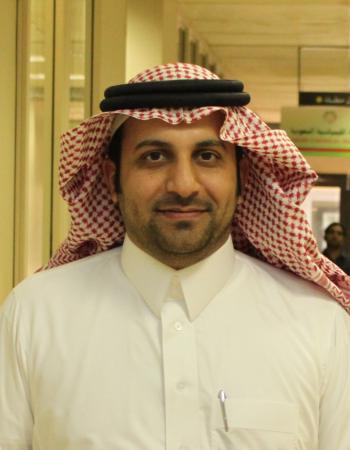 Zeid A. Alothman合作论文数Chemistry Department, College of Science, King Saud University118
 Ahmed Saud Abdulhameed合作论文数Department of Pharmaceutical Chemistry, College of Pharmacy, University of Anbar83
 Lee Wilson合作论文数Department of Chemistry, College of Arts and Science, University of Saskatchewan76
 Zhuqi Chen (陈朱琦)合作论文数School of Chemistry and Chemical Engineering, Huazhong University of Science and Technology53
 Jerosha Ifthikar合作论文数School of Chemistry and Chemical Engineering, Huazhong University of Science and Technology31
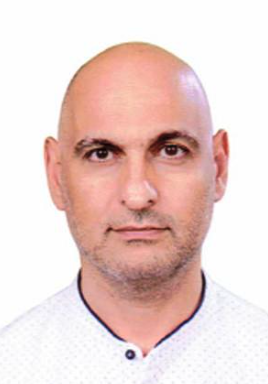 Emad Yousif合作论文数Department of Chemistry, Al-Nahrain University28
 Khudzir Ismail合作论文数School of Applied Science, Universiti Teknologi Mara25
 Zhulei Chen (陈朱蕾)合作论文数School of Environmental Science and Engineering, Huazhong University of Science and Technology23
 Ahmad Hapiz合作论文数22
 Ruihong Wu合作论文数21
 Zaher Mundher Yaseen合作论文数Al-Ayen Scientific Research Center, Al-Ayen University;King Fahd University of Petroleum and Minerals21
 Ajmal Shahzad合作论文数School of Environmental Science and Engineering, Huazhong University of Science and Technology20
 Mohd Azlan Bin Mohd Ishak合作论文数20
 Siti Norasmah Surip合作论文数16
 S. Sabar合作论文数School of Chemical Sciences, Universiti Sains Malaysia15
 Hasan Mohammed Agha合作论文数Fac Appl Sci, Univ Teknol MARA14
 Dina S. Ahmed合作论文数Department of Medical Instrumentation Engineering, Al-Mansour University College14
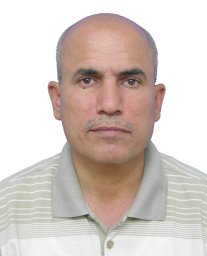 Sameer Algburi合作论文数Al-Kitab University14
 Jia Wang (王佳)合作论文数College of Informatics, Huazhong Agricultural University14Liao Zhuwei合作论文数13
 Mohammed Al-mashhadani合作论文数College of Science, Al-Nahrain University12
 Aimal Khan合作论文数School of Chemistry and Chemical Engineering, Wuhan Textile University12
 Tumirah Khadiran合作论文数Forest Research Institute Malaysia (FRIM)12
 Rangabhashiyam S合作论文数Department of Chemical Engineering, National Institute of Technology Calicut11
 Mohd Sufri Mastuli合作论文数School of Chemistry and Environmental Studies, Universiti Teknologi MARA;Institute of Science, Universiti Teknologi MARA;Universiti Teknologi MARA, Universiti Teknologi MARA11
 W. I. Nawawi合作论文数Faculty of Applied Sciences, Universiti Teknologi MARA10
 Lotfi Sellaoui合作论文数Laboratory of Quantum and Statistical Physics, Monastir University10Mohd Nawi Mohd Asri合作论文数10
 Ahlam Farhan合作论文数10
 Raza Murad Ghalib合作论文数School of Industrial Technology, Universiti Sains Malaysia10
 R. Razuan合作论文数Department of Chemical and Process Engineering, Sheffield University10
 Nurul Najwa Abd Malek合作论文数9Daniel T. Oyekunle合作论文数School of Chemistry and Chemical Engineering, Huazhong University of Science and Technology9
 Nur Shazwani Abdul Mubarak合作论文数9
 Rokiah Hashim合作论文数School of Industrial Technology, Universiti Sains Malaysia9Irshad Ibran Shahib合作论文数8
 Abdallah Reghioua合作论文数Fac Technol, Univ El Oued8
 Muna Bufaroosha Al Falasi合作论文数Corresponding author.8
 Radzun Khairul Adzfa合作论文数Institute for Molecular Bioscience, The University of Queensland;Faculty of Applied Sciences, Universiti Teknologi MARA;The University of Queensland, Universiti Teknologi MARA8
 Syed Shatir A. Syed-Hassan合作论文数8Ramlah Abd Rashid合作论文数7Eman Abdelnasser Gendy合作论文数7
 Gebremedhin Gebrehawaria Aregay合作论文数7Elmira Kashi合作论文数7
 Guochuan Yin (尹国川)合作论文数School of Chemistry and Chemical Engineering, Huazhong University of Science and Technology7
 Muhammad Wajid Ullah合作论文数Department of Chemical Engineering, Kyungpook National University7Khan Mohammad Rizwan合作论文数7
 Songlin Wang (王松林)合作论文数School of Environmental Science & Engineering, Huazhong University of Science and Technology7
 Muhammad Mohiuddin合作论文数Departments of Cardiovascular - Thoracic Surgery;Rush University;Departments of Cardiovascular - Thoracic Surgery, Rush University7




