To reduce the impurity and loss rates during agricultural film fragment separation, an integrated airflow and mechanical separation approach was devised, and the airflow-rotating disc separation device with air suction mechanism and curved disc rotating screening mechanism was designed. The processes of throwing, collision and slipping were analyzed, considering film compressibility. The factors affecting the separation performance were identified as feeding quantity, airflow velocity and disc rotational velocity. Subsequently, a Box-Behnken response surface experiment was conducted, using fan rotational velocity, disc rotational velocity, and feeding quantity as factors, with impurity removal rate and film leakage rate as the evaluation indices. The multiple regression equations were established to depict the relationships between the factors and the indices, followed by the response surface analysis. The optimal parameter combination was a fan rotational velocity of 1450 r/min, a disc rotational velocity of 54 r/min, and a feeding quantity of 130 kg/h, attaining an impurity removal rate of 96.51% and a film leakage rate of 21.92%. The discrepancies between the verification values and the prediction values were 4.61% and 5.30% respectively, signifying the equations’ reliable predictability. This research lays the groundwork for the design of film fragment separation apparatuses.
With the increasing global demand for grafted vegetable seedlings, improving factory-based seedling production efficiency has become a key research focus. To overcome cutting failures of melon rootstocks and achieve optimal cutting performance, this study examines the interaction between the cutter and the seedling stem. First, based on digital image technology, a geometric model of melon rootstock cutting was developed, and a novel grafting robot with a linear cutting mechanism was designed for precise rootstock cutting. Next, a mechanical model of the cutter penetrating the seedling stem was developed, and the cutting process was numerically simulated using the discrete element method (EDEM). The cutting effects under different parameters were evaluated through qualitative analysis of the force chain distribution network at the cutting interface, and quantitative analysis of the force magnitude and maximum displacement at the cut. Next, discrete element response surface experiments and a second-order response surface regression model were used to optimize and determine the optimal cutting parameters. Finally, the performance of the cutting mechanism was validated through bench tests. The results showed that under the optimal parameters from the response surface, the actual cut length increased from 4.71 mm to 4.74 mm, the theoretical value error decreased from 1.06 % to 0.42 %, and the cutting success rate increased from 90 % to 96 %. This study not only achieved precise cutting of melon rootstocks but also revealed the interaction mechanism between the cutter and the seedling stem, providing valuable theoretical and practical guidance for the development of rootstock cutting technology.
Friction affects the crushing effect of materials. It is of great significance to explore the friction characteristics between cotton stalk-residual film-external contact materials for the analysis of the crushing mechanism of residual film. In view of this, the influence characteristics of inter residual films, residual films/external contact materials friction characteristics were explored. The inter-films static sliding friction coefficient fs and dynamic sliding friction coefficient fk are 0.425 and 0.372, the film/40Cr mean fs is 0.439. Meanwhile, the stalk/materials friction characteristics was analyzed. The response model of fs and static rolling stability Angle μe was constructed (Model coefficient p < 0.01, coefficient of determination R2 >0.93, calibration determination coefficient R2adj >0.86, coefficient of variation C.V >2.9%). The effects of different moisture content, sampling sites and external contact materials on the friction characteristics of inter-stalks and stalk/materials were explained.
Nowadays, with the rapid development of quantitative remote sensing represented by high-resolution UAV hyperspectral remote sensing observation technology, people have put forward higher requirements for the rapid preprocessing and geometric correction accuracy of hyperspectral images. The optimal geometric correction model and parameter combination of UAV hyperspectral images need to be determined to reduce unnecessary waste of time in the preprocessing and provide high-precision data support for the application of UAV hyperspectral images. In this study, the geometric correction accuracy under various geometric correction models (including affine transformation model, local triangulation model, polynomial model, direct linear transformation model, and rational function model) and resampling methods (including nearest neighbor resampling method, bilinear interpolation resampling method, and cubic convolution resampling method) were analyzed. Furthermore, the distribution, number, and accuracy of control points were analyzed based on the control variable method, and precise ground control points (GCPs) were analyzed. The results showed that the average geometric positioning error of UAV hyperspectral images (at 80 m altitude AGL) without geometric correction was as high as 3.4041 m (about 65 pixels). The optimal geometric correction model and parameter combination of the UAV hyperspectral image (at 80 m altitude AGL) used a local triangulation model, adopted a bilinear interpolation resampling method, and selected 12 edgemiddle distributed GCPs. The correction accuracy could reach 0.0493 m (less than one pixel). This study provides a reference for the geometric correction of UAV hyperspectral images.
The threshing mixture of Cyperus esculentus (Tiger nut) planted in sandy areas is complex during harvesting, and there are problems of high impurity rate and high cleaning loss rate of the seeds. In this paper, the threshing mixture of Cyperus esculentus is taken as the research object, and the suspension speed of each component is measured to design an "airflow + vibration" sieving device. Use the vector polygon method to explore the law of motion of the vibrating sieve, establish the force model of the seeds on the sieve surface, and analyze the conditions for the seeds to penetrate the sieve. According to the principle of seeds penetrating the sieve and long stalks not penetrating the sieve, the geometric model of sieve blades opening degree adjustment mechanism is constructed. Study of the conditions under which long stalks can be thrown out of the machine. The experiment bench of the cleaning device was built, and the evaluation indexes were the rate of seed impurity and the rate of cleaning loss of the device, and the crank speed, sieve blades opening degree and fan speed were used as the experiment factors to study the influence law of each influencing factor on the evaluation index through single-factor experiment. Using response surface methodology to find the optimal combination of working parameters of the cleaning device. To verify the device's application on the combine harvester to improve the effectiveness of the cleaning operation of the Cyperus esculentus combine harvester.
Assessing the quality of UAV-HSIs (Unmanned aerial vehicle hyperspectral images) is crucial for evaluating sensor performance, identifying distortion types, and measuring data inversion accuracy. Due to the absence of reference images, UAV-HSI quality assessment leans towards no-reference image quality assessment (NR-IQA), offering versatile applications. NR-IQA methods of remote sensing images using machine learning techniques have emerged, however, NR-IQA methods for UAV-HSIs containing multi-type and multiple distortions have not been developed. This paper introduces an NR-IQA method for UAV-HSI, employing machine learning techniques. We summarize and simulate distortion types in UAV-HSIs, constructing a quality assessment dataset based on 23 original high-quality and 806 simulated degraded UAV-HSIs. Extracting 129 features encompassing texture, color, transform domain, structural, and statistical aspects, we form seven feature sets through random and filtered feature selection algorithms. Ten machine learning quality assessment models are trained using this dataset and feature sets. The results showed that the model with the highest evaluation accuracy was extra trees (ET) (R2 = 0.928, RMSE = 0.326, RPD = 3.601), using feature set 1 that fuses Tamura texture, color, wavelet transform, and mean subtracted contrast normalized (MSCN) coefficient for a total of 11 features, the PLCC and SROCC of its predicted and true quality scores reached 0.963 and 0.925, respectively. In addition, the random forest (RF), gradient boosting decision tree (GBDT), generalized regression neural network (GRNN), and extreme learning machine (ELM) also had high evaluation accuracies (R2 > 0.9 and RPD > 2.5). These findings underscore the applicability of our proposed machine learning-based NR-IQA method to assess the quality of the UAV-HSIs containing noise, blur, strip noise, and multiple distortions. Additionally, this study serves as a reference for selecting features and models for other hyperspectral image quality assessments.
This study aimed to enhance the efficiency of tiger nut combine harvesters by reducing impurity and loss rates during processing. Scholars focused on analyzing the composition and suspension speed of the bean mixture, leading to the development of a wind-screen impurity-removal method. The wind-screen-type bean-separation device was designed with a cross-flow fan, louver screen, frame, and driving mechanism. Theoretical analysis was employed to discuss the motion characteristics and behavior of the sieve body and material, thereby revealing the screening dynamics of tiger nuts and impurities. Factors such as crank radius, crank speed, and fan speed were identified as crucial for optimizing separation performance. Initial single-factor tests helped narrow down the range of influencing factors. Subsequently, a three-factor, three-level Box–Behnken test was conducted with crank radius, crank speed, and fan speed as variables and impurity rate and loss rate as evaluation indexes. This led to the establishment of a multiple regression equation linking these factors to the evaluation indexes. Through response surface analysis and multi-objective optimization using the regression model, the optimal operational parameters for the device were determined: crank radius of 45 mm, crank speed of 497 r/min, and the fan speed of 1100 r/min. Theoretical calculations predicted an impurity rate of 2.42% and a loss rate of 0.51%. Verification tests confirmed these findings, showing an average impurity rate of 2.53% and a loss rate of 0.56%, which met the mechanized harvesting standards for tiger nuts. Overall, this study introduces a novel method and technical framework for effectively separating tiger nuts from impurities, thereby advancing the mechanization of tiger nut harvesting processes.
This study addresses the challenge of incomplete separation of mechanically recovered residual films and impurities in cotton fields, examining their impact on resource utilization and environmental pollution. It introduces an innovative screening method that combines pneumatic force and mechanical vibration for processing crushed film residue mixtures. A double-action screening device integrating pneumatic force and a key-type vibrating screen was developed. The working characteristics of this device were analyzed to explore the dynamic characteristics and kinematic laws of the materials using theoretical analysis methods. This led to the revelation of the screening laws of residual films and impurities. Screening tests were conducted using the Central Composite Design method, considering factors such as fan outlet, fan speed, vibration frequency of the screen, and feeding amount, with the impurity-rate-in-film (Q) and film-content-in-impurity (W) as evaluation indexes. The significant influence of each factor on the indexes was determined, regression models between the test factors and indexes were established, and the effect laws of key parameters and their significant interaction terms on the indexes were interpreted. The optimal combination of working parameters for the screening device was identified through multivariable optimization methods. Validation tests under this optimal parameters combination showed that the impurity-rate-in-film was 3.08% and the film-content-in-impurity was 1.94%, with average errors between the test values and the predicted values of 3.36% and 5.98%, respectively, demonstrating the effectiveness of the proposed method. This research provides a novel method and technical reference for achieving effective separation of residual film and impurities, thereby enhancing resource utilization.
Addressing the issues of the sand cat swarm optimization algorithm (SCSO), such as its weak global search ability and tendency to fall into local optima, this paper proposes an improved strategy called the multi-strategy integrated sand cat swarm optimization algorithm (MSCSO). The MSCSO algorithm improves upon the SCSO in several ways. Firstly, it employs the good point set strategy instead of a random strategy for population initialization, effectively enhancing the uniformity and diversity of the population distribution. Secondly, a nonlinear adjustment strategy is introduced to dynamically adjust the search range of the sand cats during the exploration and exploitation phases, significantly increasing the likelihood of finding more high-quality solutions. Lastly, the algorithm integrates the early warning mechanism of the sparrow search algorithm, enabling the sand cats to escape from their original positions and rapidly move towards the optimal solution, thus avoiding local optima. Using 29 benchmark functions of 30, 50, and 100 dimensions from CEC 2017 as experimental subjects, this paper further evaluates the MSCSO algorithm through Wilcoxon rank-sum tests and Friedman’s test, verifying its global solid search ability and convergence performance. In practical engineering problems such as reducer and welded beam design, MSCSO also demonstrates superior performance compared to five other intelligent algorithms, showing a remarkable ability to approach the optimal solutions for these engineering problems.
Currently, unmanned aerial vehicle hyperspectral images (UAV-HSIs) lack quick, objective, and comprehensive image quality assessment methods. Therefore, a multi-feature-based fuzzy comprehensive evaluation method was proposed in this letter to comprehensively evaluate UAV-HSI quality. To characterize the hyperspectral quality comprehensively, we selected four radiometric features, three spatial features, and two spectral features to construct an indicator set. After analyzing the statistical distribution of the above features of the 23 UAV-HSIs, a fuzzy evaluation threshold table and membership functions were established. To determine the optimal feature weights, the weights obtained using the three methods were tested on a test set of UAV-HSIs constructed with different degrees of noise and blur. The test results showed that the combined weight based on a combination of subjective and objective weight is more robust. The experiment for comprehensive quality assessment of different distortion types and flight heights was done with UAV-HSIs. The results indicated that the comprehensive quality score was in good agreement with the subjective assessment and the objective fact. This comprehensive quality evaluation method can be effectively used for blurred, noisy, overexposed, and different-height UAV-HSIs.
为准确快速获取新疆棉田机收膜杂中土壤颗粒的动态休止角,结合基于OpenCV—Python的计算机图像处理技术,搭建土壤动态休止角测量装置.为保证动态休止角测量的准确性,利用三维块匹配滤波算法对采集图像进行降噪处理,图像降噪前后的峰值信噪比为36.48 dB,结构相似指数为0.88;采用Canny算法提取土壤边界并通过改进的最小二乘法求解土壤边界拟合方程,获取土壤颗粒的动态休止角.依据该方法测定不同转速下土壤颗粒的动态休止角,分析转速对动态休止角的影响规律,分别构建线性拟合模型和多项式拟合模型.通过方差分析可知,多项式拟合模型拟合度较高,该模型R2为95.72%,均方差为0.061.在此基础上优化求解,得到土壤动态休止角最优测量转速为7 r/min.本研究采用的土壤动态休止角测量装置精度和准确性较高,其结果可为土壤流动特性的研究及土壤筛分、输送等机具的开发设计提供参考.
To realize monitoring of trenching depth, this paper built an online monitoring system and measured depth at three levels of 25 cm, 30 cm, and 35 cm. The test results show that the measured data have large fluctuations and low precision and are smaller than the actual value. For the above problems, this paper proposes a comprehensive noise reduction filtering algorithm based on wavelet noise reduction and Kalman filtering, in which the output of the preprocessing part of the wavelet noise reduction is used as the input of the postprocessing part of the Kalman filter. This article first selects the optimal combination of wavelet threshold denoising parameters such as wavelet function, decomposition level, and threshold denoising rule. Then the optimal Q/R value and the combination of Q and R parameters for the Kalman filter reprocessing part are explored. Finally, the comprehensive filtering correction algorithm and Kalman filtering algorithm are used to process the above-measured data. By comparing the results of the two algorithms, we found that for the local data, the variance decreased by 0.0207, 0.0398, and 0.0609, and the mean square deviation decreased by 0.0609, 0.0854, and 0.0457. The mean values of the two algorithms are very close. Similarly, for the global data, the variance decreased by 0.0182, 0.0549, 0.0428, and the mean square deviation decreased by 0.0359, 0.041, 0.0323. There is no significant difference in means between the two algorithms. The results show that the comprehensive algorithm improves the quality of trenching depth data and has certain significance for precision agriculture.
该文在农业机械学课程教学中引入翻转课堂教学理念,进行混合式一体化教学模式实践.以课前学习、课中指导和课后讨论三个学习阶段为主线,将传统课堂教学模式与信息化平台的技术手段相结合,整合农业领域已有的教学资源,按照课程教学大纲设置教学内容,根据学生实际情况,合理采用各种教学手段与教学策略及方法,以提高课堂教学效果.
In this study, to obtain the contact parameters of particulate materials accurately and quickly in residual film mixture after sieving, the contact parameters of particulate materials were calibrated via a physical test and simulation test. By using the self-made dynamic angle of a repose measurement test bench, the dynamic angle of repose of the particulate materials was measured at 41.32°, and the standard deviation was 1.33°. A discrete element simulation of the dynamic angle of the repose test was performed via an EDEM screening experiment design through a simulation of a combination of different parameters, with the dynamic angle of repose as the response value. Through simulation experiments, three significant influencing factors, as well as the level range of each factor, were confirmed. By using the response surface experiment, a mathematical model of the dynamic angle of repose and the three most influential parameters was created. The analysis of variance showed that the determination coefficient R2 and the correction determination coefficient R2adj were 0.9824 and 0.9598, respectively. The model had a good fit. The variable coefficient was 2.06% and the lack of fit was non-significant, which showed that the regression model was very significant, and the dynamic angle of repose could be predicted according to the model. By solving the optimization for the mathematical model, the optimal combination of parameters with three important influencing factors were obtained. The results showed that the coefficient of the static friction between soil and soil was 0.38, the coefficient of the rolling friction between soil and soil was 0.08, and the coefficient of the static friction between cotton residue and cotton residue was 0.33. The relative error of the dynamic angle of repose between the simulation with the optimal parameter combination and the physical test value was 2.64%. The results could provide a reference for the calibration of the discrete element model parameters of other agricultural particulate material, as well as provide a theoretical basis for the design of related collecting and conveying machinery.
针对目前研究生培养过程中存在的师生比例不协调、导师专业技术知识领域存在局限性、培养类别不清晰等问题,文章提出基于科研团队的研究生培养模式,该模式是以研究生为中心,以科研项目为依托,以导师团队为保障而实施的,在介绍研究团队组成的基础上,分析了研究团队应如何促进研究生的培养,提高研究生的教育水平.通过对该模式的研究能够为后期提高研究生培养质量提供思路.
To improve the accuracy of the discrete element research, physical and simulation experiments were used to calibrate the cotton stalk contact parameters. Based on the stalk-stalk and stalk-steel contact mechanics, the parameters were measured in physical experiments, and the discrete element simulation software was used to build the stalk model. In the simulation process, the Plackett-Burman experiment was used to screen three significant factors from six initial factors. The steepest Plackett-Burman experiment was used to determine the optimal interval of the significant factors. A second-order regression model of the significant factors and the angle of repose was established according to the Central Composite design experiment. The best parameter combination of the significant factors was then obtained: the coefficient of static friction on stalk-steel contact was 0.31, the coefficient of static friction on stalk-stalk contact was 0.62, and the coefficient of rolling friction on stalk-stalk contact was 0.02. The relative error between the physical angle of repose and the simulated angle was 3.27%, indicating that it is feasible to apply the simulation experiment instead of the physical one. It offers insights into cotton stalk contact parameter settings and film-stalk separation in the simulation.
Signal-to-noise ratio (SNR) is an important radiation characteristic parameter for remote sensing image quality assessment as well as a key performance indicator for remote sensing sensors. At present, the SNR estimation methods based on regular segmentation or continuous segmentation are generally used to obtain image SNR. However, the land cover type has a great influence on the results of the SNR estimation method using regular segmentation, especially the high spectral resolution and high spatial resolution remote sensing images obtained by the low-altitude UAV hyperspectral sensor. In addition, some land cover types are difficult to achieve continuous segmentation. In view of this limitation of the existing SNR estimation methods, a new unsupervised method for estimating SNR in UAV hyperspectral images has been developed in this article, called pure pixel extraction and spectral decorrelation. By directly extracting pure pixels in the spatial dimension and combining the correlation of the spectral dimension to obtain the SNR of the hyperspectral image, this new method replaces the conventional method of improving the segmentation algorithm to improve the accuracy of SNR estimation. Additionally, the box counting method is introduced to determine the image SNR aggregation interval. The results showed that the proposed method had higher accuracy and smaller errors than the other SNR estimation methods. Besides, this method had stronger robustness, it can be used for both radiance and reflectance (atmospherically corrected) UAV hyperspectral images.
Efficient furrow fertilization is extremely critical for fertilizer utilization, fruit yield, and fruit quality. The precise determination of trench quality necessitates the accurate measurement of its characteristic parameters, including its shape and three-dimensional structure. Some existing algorithms are limited to detecting only the furrow depth while precluding the tridimensional reconstruction of the trench shape. In this study, a novel method was proposed for three-dimensional trench shape reconstruction and its parameter detection. Initially, a low-cost multi-source data acquisition system with the 3D data construction method of the trench was developed to address the shortcomings of single-sensor and manual measurement methods in trench reconstruction. Subsequently, the analysis of the original point cloud clarified the “coarse-fine” two-stage point cloud filtering process, and then a point cloud preprocessing method was proposed based on ROI region extraction and discrete point filtering. Furthermore, by analyzing the characteristics of the point cloud, a random point preselection condition based on the variance threshold was designed to optimize the extraction method of furrow side ground based on RANSAC. Finally, a method was established for extracting key characteristic parameters of the trench and trench reconstruction based on the fitted ground model of the trench side. Experimental results demonstrated that the point cloud pretreatment method could eliminate 83.8% of invalid point clouds and reduce the influence of noise points on the reconstruction accuracy. Compared with the adverse phenomena of fitting ground incline and height deviation of the original algorithm results, the ground height fitted by the improved ditch surface extraction algorithm was closer to the real ground, and the identification accuracy of inner points of the ground point cloud was higher than that of the former. The error range, mean value error, standard deviation error, and stability coefficient error of the calculated ditch width were 0 ~ 5.965%, 0.002 m, 0.011 m, and 0.37%, respectively. The above parameters of the calculated depth were 0 ~ 4.54%, 0.003 m, 0.017 m, and 0.47%, respectively. The results of this research can provide support for the comprehensive evaluation of the quality of the ditching operation, the optimization of the structure of the soil touching part, and the real-time control of operation parameters.
鲜核桃破壳是核桃初加工过程中的关键环节,针对鲜核桃破壳过程中存在的定位困难、碎仁率高等技术瓶颈,通过对鲜核桃物理特性与壳体力学分析,设计了多工位定向挤压鲜核桃破壳装置,并对喂料机构和多工位定向破壳机构进行了结构设计.通过单因素实验法确定了破壳装置参数的调节范围,以激振力、拨料杆角度、凸轮轴转速、核桃周径为试验因素进行正交试验.结果表明:最优水平组合为激振力 0.49 kN、拨料杆角度 0°、凸轮轴转速10 r/min、核桃平均周径 31.5 mm;在最优组合下,破壳装置的一露仁率为 94.44%、二露仁率为 2.77%、碎仁率为0%、破壳率为 97.22%.试验结果证明设计的破壳装置能满足核桃初加工行业的需求,并为鲜食坚果类破壳提供理论借鉴与技术支持.
 Jingbin Li (李景彬)合作论文数石河子大学机械电气工程学院86
 Hewei Meng (蒙贺伟)合作论文数College of Mechanical and Electrical Engineering, Shihezi University73
 Chengsong Li (李成松)合作论文数石河子大学机械电气工程学院71
 Lihong Wang (王丽红)合作论文数石河子大学机械电气工程学院67
 Ruoyu Zhang (张若宇)合作论文数College of Mechanical and Electrical Engineering, Shihezi University56
 Yinglan Jiang (江英兰)合作论文数College of Mechanical and Electrical Engineering, Shihezi University28
 Rongqing Liang合作论文数27
 Wei Fu (付威)合作论文数School of Mechanical and Electrical Engineering, Hainan University27
 Yaping Li (李亚萍)合作论文数College of Mechanical and Electrical Engineering, Shihezi University26
 Jiangtao Qi (齐江涛)合作论文数College of Biological and Agricultural Engineering, Jilin University23
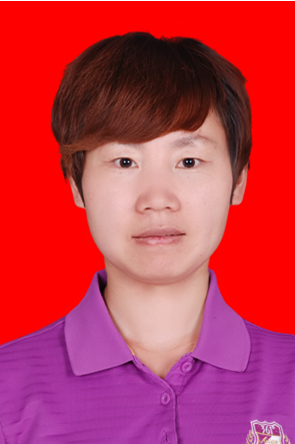 Baoqin Wen (温宝琴)合作论文数College of Mechanical and Electrical Engineering, Shihezi University17Bingcheng Zhang合作论文数15YuLei Feng (冯玉磊)合作论文数15
 Zhenjiang Gao (高振江)合作论文数College of Engineering, China Agricultural University11WenSong Guo (郭文松)合作论文数10ShaoJie Chen (陈绍杰)合作论文数9Tengda Cong (丛腾达)合作论文数9Longpeng Ding合作论文数8honglei an (安红雷)合作论文数8XueYan Tian (田学艳)合作论文数8Rong He (何荣)合作论文数8HuiMing Zhang (张慧明)合作论文数8Yong Huang (黄勇)合作论文数8
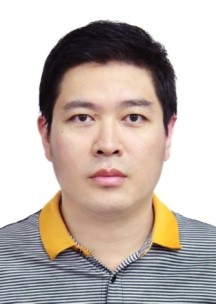 Jiangbo Li (李江波)合作论文数College of Mechanical and Electrical Engineering, Shihezi University8
 Jinling Cong (丛锦玲)合作论文数College of Mechanical and Electrical Engineering,Shihezi University8JinWei Qin (秦金伟)合作论文数7XuShun Tian (田绪顺)合作论文数7PanPan Yuan (袁盼盼)合作论文数7Fan Xie (谢凡)合作论文数7
 Liqiao Li (李利桥)合作论文数College of Mechanical and Electrical Engineering, Shihezi University7
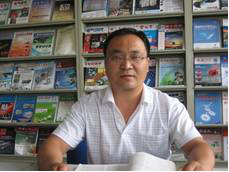 JiKui Wang (王吉奎)合作论文数石河子大学机械电气工程学院7Zhuqing Ding (丁竹青)合作论文数7Xinzhong Wang合作论文数6Pengfei Zhou合作论文数6Li Xiaoliang (李晓良)合作论文数6HuiJie Peng (彭慧杰)合作论文数6ShuXia Guo (郭淑霞)合作论文数6Hai Lin (林海)合作论文数6Shuo Li (李硕)合作论文数6Tan Hongyang (谭洪洋)合作论文数5
 Xinzhao Zhou (周馨曌)合作论文数5yanfei ma (马燕飞)合作论文数5LanTao Yang (杨兰涛)合作论文数5XingLiang Zhu (朱兴亮)合作论文数5JiangLi Zhu (朱江丽)合作论文数5Yu Sun (孙雨)合作论文数5WeiXin Wang (王维新)合作论文数5
 Chao Li (李超)合作论文数College of Agriculture, Nanjing Agricultural University5




