Aqueous zinc-ion batteries (AZIBs) are leading candidates for large-scale energy storage, but their commercialization is hindered by Zn anode dendrites and hydrogen evolution reaction (HER), limiting cycle life to <200 h. Current strategies—interface engineering and alloying—offer marginal improvements but fail for scalability due to complex processing or high costs. Herein, we report a second-scale, room-temperature, low-stress ultrasonic vibration (UV) strategy that enables Ag/Cu/In doping of Zn anodes via enhanced atomic motion, concurrently achieving grain refinement and cost reduction with recyclable metal foils. The synergy of doping, grain refinement, and UV-induced stacking faults (SFs) and nanoscale defects enables uniform Zn deposition and suppressed HER. Ag-doped AZIBs deliver 5600 h cycle life at 0.5 mA·cm-2 and 0.5 mAh·cm-2, retaining 3180 h under rigorous conditions of 5 mA·cm-2 and 1 mAh·cm-2. Cu- and In-doped counterparts achieve 5350 h and 3090 h, respectively, at this high-current regime. This work resolves AZIBs’ cycle-life bottleneck, establishes a universal physical vibration paradigm for metal electrode engineering, and transcends AZIBs to enable scalable high-performance energy storage.
Degradable hydrogels possess excellent biocompatibility, controllable mechanical properties, and mass transfer capabilities, making them widely applicable in wound dressings, drug delivery, and tissue engineering. By incorporating photo-responsive components into the polymer network, degradable hydrogels can respond to precisely controlled light fields. However, mechanical modeling works on photodegradable hydrogels remain relatively limited. A finite deformation theory coupling photochemical principles is needed to comprehensively describe the mechanical behavior of photodegradable hydrogels. In this study, we developed a photo-chemo-mechanical coupling constitutive model of photodegradable hydrogels within the framework of continuum mechanics. The model involves the photochemical kinetics of the photo-induced degradation process and depicts the evolution of networks in the degradation process using sub-networks, providing a microscopic image more consistent with the degradation mechanism. The model characterizes the changes in mechanical properties and swelling deformation after photodegradation, and corresponding experimental validations are conducted. Building upon this theoretical model, specific recipe compositions and degradation conditions are systematically discussed, and the parameter-property relationships are bridged. This constitutive model reveals the photodegradation mechanism of the hydrogel network at the microscopic level and can predict mechanical behavior at the macroscopic level, guiding the synthesis and application of photodegradable hydrogels.
Acoustic microrobots offer an easy-to-operate approach for microobject manipulation in biomedical and nanotechnology applications. However, microobject transportation tasks require synergistic handling and movement, which poses a challenge for solely acoustically powered microrobots. These systems often require additional actuation mechanisms, such as magnetic control, for assistance. To address this challenge, we developed an acoustically powered micro-clampbot capable of clamping objects using claws actuated by acoustically induced secondary Bjerknes forces and moving via flagella that oscillate under acoustic input. The robot’s actions are governed by distinct acoustic frequencies, enabling precise and independent control of clamping and locomotion. The micro-clampbot can pick a single particle from a cluster and navigate delicately through narrow channels, with narrow necks (~2.1 times the width of the micro-clampbot). This system facilitates the targeted transportation of microscale objects, including live cells, without causing damage. This versatile design highlights the potential of solely acoustically powered microrobots for advanced clinical therapies and microscale operations.
Reconfigurable robots that can change their physical configuration post-fabrication have demonstrate their potential in adapting to different environments or tasks. However, it is challenging to determine how to optimally adjust reconfigurable parameters for a given task, especially when the controller depends on the robot's configuration. In this paper, we address this problem using a tendon-driven reconfigurable manipulator composed of multiple serially connected origami-inspired modules as an example. Under tendon actuation, these modules can achieve different shapes and motions, governed by joint stiffnesses (reconfiguration parameters) and the tendon displacements (control inputs). We leverage recent advances in co-optimization of design and control for robotic system to treat reconfiguration parameters as design variables and optimize them using reinforcement learning techniques. We first establish a forward model based on the minimum potential energy method to predict the shape of the manipulator under tendon actuations. Using the forward model as the environment dynamics, we then co-optimize the control policy (on the tendon displacements) and joint stiffnesses of the modules for goal reaching tasks while ensuring collision avoidance. Through co-optimization, we obtain optimized joint stiffness and the corresponding optimal control policy to enable the manipulator to accomplish the task that would be infeasible with fixed reconfiguration parameters (i.e., fixed joint stiffness). We envision the co-optimization framework can be extended to other reconfigurable robotic systems, enabling them to optimally adapt their configuration and behavior for diverse tasks and environments.
Most of the hydrogels are formed by free radical polymerization of the precursor solution containing monomer, crosslinker, initiator, and water. The change of any one of the components will affect the final network structure, which will lead to different mechanical properties. Although the initiator plays a key role in the synthesis of hydrogels, the mapping relationship between the initiator and the mechanical properties of hydrogels has not been well explained. In this paper, a polyacrylamide hydrogel with high water content is taken as the research object. The influence of the initiator on the elastic modulus and toughness of the hydrogel is analyzed experimentally and theoretically. In theory, we reveal the microscopic mechanism of the initiator on the evolution of the network structure. By taking the kinetic chain length as an intermediate variable, a mechanochemical coupling model is developed to predict the relationship between the initiator and the elastic modulus. The theoretical predictions agree well with the experimental results. Furthermore, we find that initiators can tune the modulus of hydrogels, but have little effect on toughness. These mechanical changes induced by initiators provide more options for hydrogel applications. And utilizing the kinetic chain length as a characteristic parameter for the evolution of the network helps elucidate the impact of free radical polymerization reactions on macroscopic mechanical behavior.
Microlenses are the basis of diverse modern instruments, which demand for more flexible fabrication. Thermal reflowing after photolithography of non-cross-linked polymers is the most widely applied strategy for manufacturing final products or primary molds of microlenses with desired microcurvatures. However, this approach can commonly form only one specific curvature for the same precursor system, lacking manufacturing flexibility. Here we report the direct growth of microstructures with flexible control of the curvature after one-step photolithography. This method relies on spatial UV irradiation, which induces network rearrangements in a dynamically cross-linked hydrogel. Upon subsequent water swelling, the irradiated locations develop microstructures with tunable curvature controlled by the irradiation time. Following by a secondary ionic cross-linking, the hydrogels are mechanically strengthened for practical microlens replication. Consequently, microlens arrays with a roughness around 20 nm are rapidly molded from the hydrogel templates. Multiple focuses are uniformly projected on a targeted plane, indicating the fine imaging capability of the microlenses. Moreover, the focal lengths are facilely adjustable not only in a wide range but also in a spatially selective manner. Our growth strategy paves a versatile and efficient method for the flexible fabrication of functional optical devices.
Different from traditional hydrogels, fiber-reinforced hydrogels exhibit anisotropic mechanical and swelling behaviors due to the presence of fibers. In this work, we develop a model coupling the diffusion of the solvent and deformation of the fiber-reinforced hydrogels. A non-equilibrium thermodynamic framework is constructed to incorporate the kinetic diffusion effect. The free energy density of the system arises from the stretching of polymer matrix and fibers, as well as the mixing of solvents and polymer segments. The model is also implemented into the finite element suite and applied to simulate the responsive behaviors of 3D printed fiber-reinforced hydrogels with bilayer structure. Both experimental and theoretical models reveal that the deformation model changes from a helicoid to a spiral ribbon with increasing the width of the bilayers, and different width-to-thickness ratios also impact the distribution of swelling ratio at various locations. Due to accurately capturing the diffusion kinetics, the model is able to capture the shape transition with time for different bilayer structures.
Nasopharyngeal carcinoma (NPC) is a heterogeneous cancer with variable therapeutic responses, highlighting the need to better understand the molecular factors influencing treatment outcomes. This study aims to explore spatially metabolic and gene expression alterations in NPC patients with different therapeutic responses and PD-1 expression levels. Methods: This study employs spatial metabolomics (SM) and spatial transcriptomics (ST) to investigate significant alterations in metabolic pathways and metabolites in NPC patients exhibiting therapeutic sensitivity or elevated programmed death 1 (PD-1) expression. The spatial distribution of various cell types within the TME and their complex interactions were also investigated. Identified prognostic targets were validated using public datasets from TCGA, and further substantiated by in vitro functional analyses. Results: SM analysis revealed substantial reprogramming in lipid metabolism, branched-chain amino acid (BCAA) metabolism, and glutamine metabolism, which were closely associated with therapeutic response and PD-1 expression. ST analysis highlighted the critical role of interactions between precursor T cells and malignant epithelial cells in modulating therapeutic response in NPC. Notably, six key genes involved in BCAA metabolism (IL4I1, OXCT1, BCAT2, DLD, ALDH1B1, HADH) were identified in distinguishing patients with therapeutic sensitivity from those with therapeutic resistance. Functional validation of DLD and IL4I1 revealed that gene silencing significantly inhibited NPC cell proliferation, colony formation, wound healing, and invasion. Silencing DLD or IL4I1 induced cell cycle arrest. Reduction in α-Ketomethylvaleric acid (KMV) levels was demonstrated upon IL4I1 silencing. Immunohistochemical analysis further confirmed that high expression of these six genes was significantly associated with poor prognosis in NPC patients, a trend corroborated by data from the TCGA head and neck cancer cohort. Conclusions: This study highlights the pivotal roles of key molecular players in therapeutic response in NPC, providing compelling evidence for their potential application as prognostic biomarkers and therapeutic targets, thereby contributing to precision oncology strategies aimed at improving patient outcomes.
Microplastics have gained significant social attention, as they can enter our bodies through food and drinking water. The adrenal gland is essential for the maintenance of metabolic homeostasis and stress responses. Nevertheless, the effects of microplastics on the steroid synthesis in the adrenal cortex was still unclear. In this study, through both in vivo and in vitro models, we found that polystyrene microplastics (PS-MPs) impaired adrenal steroid synthesis, leading to a reduction in corticosterone levels. In vivo, we further observed that chronic exposure to PS-MPs (0.25, 0.5 and 1 mg/d for 4 weeks) could induce abnormal mitochondrial morphology and functional disruptions of adrenal glands in male mice, along with an imbalance in cellular oxidative stress, manifested as increased level of reactive oxygen species, diminished antioxidant activity (glutathione peroxidase and superoxide dismutase). In vitro, these occurrences coincided with an elevated rate of cell apoptosis observed in adrenocortical cells following exposure to PS-MPs. We proposed that mitochondrial dysfunction not only directly influenced the biosynthetic processes of steroid hormones but also induced cell apoptosis through the initiation of cellular oxidative stress. The latter may represent a common mechanism underlying the multi-organ toxicity induced by PS-MPs in the body. Our findings would provide new insights for the development of more effective environmental protection measures and the reduction of plastic pollution.
Photopolymerization-based 3D printing has emerged as a key technology in hydrogel manufacturing, broadening the attributes of hydrogels and extending their applications into diverse engineering fields. However, the mechanical properties of hydrogels dramatically impact the functionality and quality in practice. It is necessary to develop an appropriate theoretical model to predict the evolution of the mechanical properties of hydrogels during the photopolymerization process. In this work, systematical experiments were performed to investigate mechanical properties of PAAm hydrogel under different photopolymerization condition. The results reveal a noticeable increasement in both elastic and viscous behavior of hydrogel with the advancement of polymerization. To fully capture the experimental observations, we developed a coupled photo-chemo-mechanical theoretical framework that integrates reaction kinetics with a physically-based viscoelastic constitutive model. Within this model, the degree of conversion serves as an internal variable, which related to microscopic structures such as correlation length, and tube diameter. The developed model exhibits remarkable prediction ability for hydrogels with various degree of polymerization. The current work paves a potentially new avenue for understanding the evolution of mechanical properties in photopolymerized hydrogels, providing theoretical guidance for the manufacturing of hydrogels through photopolymerization-based 3D printing.
Abstract Light stimulation can realise the remote control of the deformation of the specific position of 4D printing structure. Shape-memory polymer–carbon nanotube (CNT) composite materials, with outstanding near-infrared photothermal conversion rate and shape-memory ability, is one type of the most popular light responsive smart materials. However, current studies focused on the photothermal effect and shape-memory applications of light-responsive shape-memory polymer composite (SMPC) sheet structures, and there is no research on the photothermal effect in the depth direction of light-responsive SMPC three-dimensional structures. Here, we prepared a UV curable, mechanically robust, and highly deformable shape-memory polymer (IBBA) as the matrix of light responsive SMPC. CNTs were added as photothermal conversion materials. We explore the photothermal effect of near-infrared laser on the surface and depth of IBBA–CNT composites cube. Shape-memory experiments show that different folded shapes can be obtained by selective near-infrared laser programming. Selective near-infrared laser programming three-dimensional movable type plate shows a programming application in depth direction of three-dimensional light-responsive intelligent structure. This research extends the application of near-infrared laser in 4D printing to the depth direction of intelligent structures, which will bring more complex and interesting 4D printing structures in the future.
Light-responsive hydrogel, as a typical functional hydrogel, is composed of crosslinked hydrophilic polymer chains, photosensitive molecules and water. Under illumination, the photosensitive molecules exhibit a transition in hydrophilic/ hydrophobic properties, leading to migration of water molecules and deformation of the hydrogel based on the temporal and spatial distribution of light. In this study, we propose a nonequilibrium thermodynamic framework to study the photo-chemo-mechano behaviors of light-responsive hydrogel. We firstly describe the light propagation in the hydrogel and the photochemical reaction kinetics. New free energy functions to expound the relationship between the photochemical reaction and thermodynamic process are established, and the constitutive equations are derived. Subsequently, we implant the model into a multi-field coupling analysis software, COMSOL, to conduct a spatio-temporal analysis of the hydrogel's response under uniform light exposure. Finally, we simulate the inhomogeneous deformation of light-responsive hydrogel strips under different illumination conditions and compare the results with experiments. The results highlight the importance of the photochemical reaction rate and the redistribution of light field caused by deformation. The present research holds potential for the precise manipulation and optimal design of light-responsive hydrogel in prospective applications, and offers insights for the synthesis of similar materials as well as the design of pertinent devices.
4D printing enables 3D printed structures to change shape over “time” in response to environmental stimulus. Because of relatively high modulus, shape memory polymers (SMPs) have been widely used for 4D printing. However, most SMPs for 4D printing are thermosets, which only have one permanent shape. Despite the efforts that implement covalent adaptable networks (CANs) into SMPs to achieve shape reconfigurability, weak thermomechanical properties of the current CAN-SMPs exclude them from practical applications. Here, we report reconfigurable 4D printing via mechanically robust CAN-SMPs (MRC-SMPs), which have high deformability at both programming and reconfiguration temperatures (>1400%), high T g (75°C), and high room temperature modulus (1.06 GPa). The high printability for DLP high-resolution 3D printing allows MRC-SMPs to create highly complex SMP 3D structures that can be reconfigured multiple times under large deformation. The demonstrations show that the reconfigurable 4D printing allows one printed SMP structure to fulfill multiple tasks.
A series of MXene/GO (MXGO) membranes were prepared in this paper. The inductive signals appear in membrane during ion diffusion. Electrochemical techniques were used to examine the effects of different samples on the diffusion of ions in membranes. It is shown that the ion permeability and inductance effects of the membrane can be controlled by the mass ratio of the MXene and GO nanosheets. Moreover, the membrane of MX50%GO membrane exhibited more stable inductive effect compared to other samples. This could be contributed to the interlocking between MXene and GO nanosheets, effectively enhancing the stability of the membrane. Additionally, artificial neural network was employed to analyze the experimental results and predict the variation of inductors of the present system in different conditions. It suggests MX50%GO should be the first choice as an inductor for the present system. This inductive effect could be applied to evaluate the ion diffusion in the membrane. Graphical abstract
It is important to understand the correlation between the nanostructure and membrane performances (water flux and rejection) in membrane separation technology, which is helpful to develop novel membranes. In this study, a back propagation artificial neural network model optimized with genetic algorithms was proposed to predict the nanofiltration performances (water flux and rejection) of GO membranes. The aim is to explore the feature importance of the membrane structure parameters (such as interlayer spacing, Zeta potential, water contact angle, roughness and thickness) and the operating condition (operation pressure) on the membrane properties, so as to provide clues for improving the membrane performances. The obtained results showed that genetic algorithm-back propagation artificial neural network (GABPANN) exhibited more accurate performance to predict the correlation between the parameters (including membrane structure and operation pressure) and the membrane performances according to the published experimental results. Moreover, the GABPANN results indicated that the water contact angle is the most powerful parameter determining the water flux, while the surface charge is the most powerful one determining the rejection of GO membranes. This work provided a novel strategy to efficiently optimize the nanofiltration performance of GO membranes, beneficial for better under-standing and controlling the structural design of GO membranes.
提出一种基于中文BERT-wwm-ext嵌入的BIGRU网络模型.利用中文BERT-wwm-ext得到字向量,加强了模型对深层次语言表征的学习能力.将得到的字向量输入到BIGRU网络中,进一步学习上下文语义特征.将模型预测的边界分数向量利用解码算法转化成最终的答案.在多组数据集上做对比实验表明,所提模型能有效地提高中文意见目标提取的准确率.
Nonequilibrium oscillation fueled by dissipating chemical energy is ubiquitous in living systems for realizing a broad range of complex functions. The design of synthetic materials that can mimic their biological counterparts in the production of dissipative structures and autonomous oscillations is of great interest but remains challenging. Here, a series of environmentally adaptable hydrogels functionalized with photoswitchable spiropyran derivatives that display a tunable equilibrium-shifting capability, thus endowing those hydrogels with a high degree of freedom and flexibility is reported. Such nonequilibrium hydrogels are able to responsively adapt their shapes under constant light illumination due to asymmetric deswelling, which in turn generates self-shadowing and consequently creates autonomous self-oscillating behaviors through a negative feedback process. Diverse oscillation modes including bending, twisting, and snap-through buckling with tunable frequency and amplitude are widely observed in three different molecular systems. Density functional theory calculations and finite element simulations further demonstrated the robustness of such a photoadaptable self-oscillation mechanism. This study provides a useful molecular design strategy for construction of highly adaptable hydrogels with potential applications in self-sustained soft robots and autonomous devices.
In this study, MXene membranes were obtained by vacuum filtration and the membranes were evaluated by electrochemical impedance spectroscopy (EIS) using an electrolyte/membrane/water system and a four-electrode method. The prepared MXene membranes were heated at 130 and 200 degrees C. X-ray diffraction, Fourier transform infrared, and Raman results showed that the heating treatment narrowed the layer spacing, which could be attributed to a self-cross-linking reaction between the MXene platelets during the heating treatment. The EIS results indicated that the inductance of the MXene membranes increased with rising temperature, which should be attributed to the reduced layer spacing of the membrane, making it more difficult for ions to penetrate into the membrane resulting in a more unevenly distributed charge environment in the membrane. The machine learning method was further used to explore the most important factor that affected the inductance of the MXene membrane. The results exhibited that the layer spacing was more influential than the electrolyte concentration and soaking time on the inductance. Therefore, the inductance of MXene membranes could be tuned by adjusting the layer spacing of MXene, which might be potentially applied in nanoelectronic devices with high inductance.
Hydrogels without special treatment would lose water dramatically, which significantly alters their properties. No physically-based constitutive models have been developed so far to quantify the evolution of visco-hyperelastic responses with water content of hydrogels. In this work, systematical experiments are performed on polyacrylamide (PAAm) hydrogels with varied water content. The results reveal that the increase of modulus caused by deswelling is much more pronounced than the decrease of modulus caused by swelling. A more significant strain-softening phenomenon and a transition from almost pure hyperelastic behaviors to apparent viscoelastic behaviors are observed as the water content decreases. To fully capture the experimental observations, a micromechanical model is developed. In this model, the rate-independent hyperelastic response comes from the contributions of both cross-linked networks and entanglements, while the rate-dependent viscoelastic response arises from the reptation of free chains. The relations between model parameters (e.g., cross-linked shear modulus, entangled shear modulus, and relaxation time) and water content are further derived using the scaling law in polymer physics. The developed visco-hyperelastic model exhibits remarkable prediction ability for PAAm hydrogels with a wide water content distribution. The finite element analysis also verifies that the model can describe the mechanical responses of hydrogels in complex loading conditions. The current work deepens our fundamental understanding on the effect of water content on mechanical behaviors of hydrogels. It also provides an efficient theoretical framework to predict the performance of hydrogels in practical applications.
Fatigue-resistant and hysteresis-free composite fibers hold great promise for the next generation of wearable electronic devices. In this study, a novel approach for the fabrication of composite fibers with outstanding elasticity and mechanical stability is proposed. The design incorporates a heterogeneous hierarchical structure (HHS), which mimics the structure of arteries, to achieve enhanced fatigue resistance and hysteresis-free performance. The composite fibers, Ecoflex-polyacrylamide fibers (EPFs), are created through the combination of heterogeneous elastomers and strong interfacial coupling. The results show that the EPFs exhibit exceptional fatigue resistance, being able to withstand up to 10,000 load–unload cycles at strains of 300% without any noticeable changes in their mechanical properties. The potential applications of these EPFs are demonstrated through their use as strain sensors for monitoring human motion in both air and water, as well as in energy-harvesting e-textiles.Graphical Abstract This paper proposes a novel approach for the fabrication of composite fibers with heterogeneous hierarchical structure by mimicking the structure of arteries, to achieve enhanced fatigue resistance and hysteresis-free performance. The composite fibers are created through the combination of heterogeneous elastomers and strong interfacial coupling. The results show that the fiber exhibit exceptional fatigue resistance, being able to withstand up to 10,000 load–unload cycles at strains of 300% without any noticeable changes in their mechanical properties. Demonstrations as strain sensors for monitoring human motion in both air and water, as well as in energy-harvesting e-textiles are performed, indicating the as-made fiber with an enormous potential uses in e-skin and wearable electronic devices.
 Shaoxing Qu (曲绍兴)合作论文数School of Aeronautics and Astronautics, Zhejiang University23
 Lei Yao (姚蕾)合作论文数19
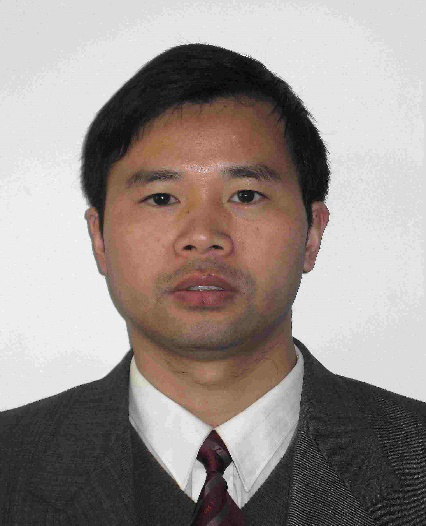 Zhidong Lin (林志东)合作论文数Materials Science and Engineering, Wuhan Institute of Technology17
 Yan Huang (黄燕)合作论文数School of Materials Science and Engineering, Harbin Institute of Technology, Shenzhen16
 Zezhang Tao (陶泽璋)合作论文数Department of Otorhinolaryngology Head and Neck Surgery, Renmin Hospital of Wuhan University15
 Ping Fu (付萍)合作论文数14
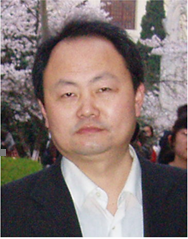 Pengfei Fang (方鹏飞)合作论文数School of Physics and Technology, Wuhan University13
 Jiaqi Wang合作论文数Shenzhen Key Laboratory of Flexible Printed Electronics Technology, Harbin Institute of Technology12
 Zhenyuan Ji (冀振元)合作论文数School of Electronics and Information Engineering, Harbin Institute of Technology12BoKui Xiao (肖伯奎)合作论文数11Yi Deng (邓义)合作论文数9
 Wei Yang (杨卫)合作论文数School of Aeronautics and Astronautics, Zhejiang University;Center for X-Mechanics, Zhejiang University9Mengmeng Hu合作论文数8
 Quanrong Deng合作论文数8
 Panpan Wang合作论文数Antai College of Economics and Management, Shanghai Jiao Tong University8
 Shiming Chen (陈始明)合作论文数Renmin Hospital of Wuhan University/The First Clinical Hospital of Wuhan University8Geming Wang合作论文数7Ling-yan HU (胡玲燕)合作论文数7
 Shenggao Wang (王升高)合作论文数School of Materials Science and Engineering, Wuhan Institute of Technology7Höngmei Wang合作论文数7
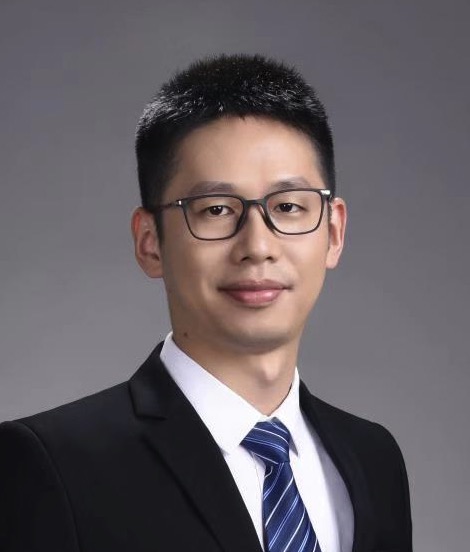 Qi Ge (葛锜)合作论文数Department of Mechanical and Energy Engineering, College of Engineering, Southern University of Science and Technology7Binhong Liu合作论文数Center for X-Mechanics, Zhejiang University6Jinbo Fei合作论文数6YuQin Deng (邓玉琴)合作论文数6DongPing He (何东平)合作论文数6
) Rui Xiao (肖锐)合作论文数School of Aeronautics and Astronautics, Zhejiang University6Kenji Ito合作论文数National Institute of Advanced Industrial Science and Technology (AIST),6
Rui Xiao (肖锐)合作论文数School of Aeronautics and Astronautics, Zhejiang University6Kenji Ito合作论文数National Institute of Advanced Industrial Science and Technology (AIST),6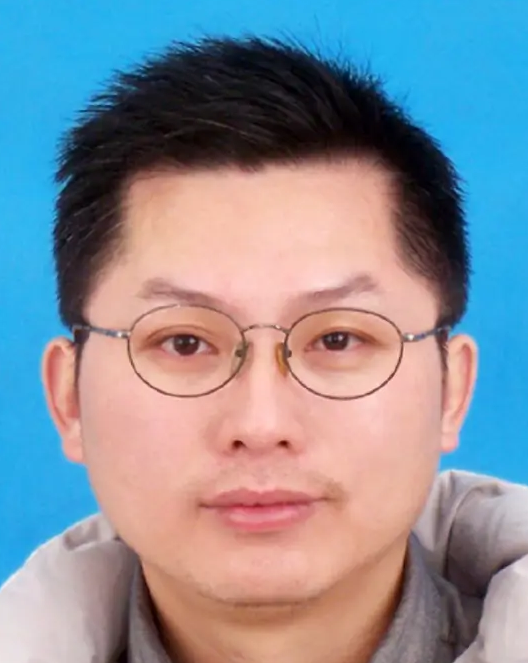 Chunqing He (何春清)合作论文数School of Physics and Technology, Wuhan University6Ningyuan Nie合作论文数5qiu ming fu合作论文数5Hua Wang (王桦)合作论文数5
 Guanglu Han合作论文数5
 Wei Ling合作论文数Department of Biomedical Engineering, Tianjin University5
 Honggeng Li合作论文数5Heng Zhu合作论文数5xu yong合作论文数5
 Yuan-Fang Zhang合作论文数Singapore Univ Technol & Design, Digital Mfg & Design Ctr, Singapore 487372, Singapore5
 Huaqing Qi (祁华清)合作论文数5
 Chuanrong Hu (胡传荣)合作论文数School of Food Science and Engineering, Wuhan Polytechnic University5
 Shaojie Wang合作论文数5Haodong Yang合作论文数4Lifang Cai (蔡立芳)合作论文数4
 Cheng Jianxiang合作论文数4
 Danming Zhong合作论文数State Key Laboratory of Fluid Power & Mechatronic System, Zhejiang University4
 Xiang Yuhai合作论文数Department of Mechanical Engineering, University of Wisconsin–Madison4Yan Wang合作论文数4
 Qizhao Luo合作论文数4
 Yongjing Zhang合作论文数4Long Huang合作论文数4




