Elastic and acoustic metamaterials with locally resonant (LR) arrays can generate bandgaps that attenuate or block elastic waves. Although extensive research has explored thermally induced tuning or single-mode mechanical pre-deformation, systematic comparative analyses of different pre-deformation strategies remain insufficient. To address this research gap, this study incorporates shape memory alloys (SMAs) into metamaterial architectures to realize tunable bandgaps via pre-tension, pre-bending, pre-twisting, and composite pre-deformations strategies, while also exploring the feasibility of achieving lower-frequency bandgaps. Experiments demonstrate that distinct pre-deformation modes induce differentiated shifts in the bandgap, and systematic trends throughout heating are presented. As temperature increases, these shifting effects progressively diminish due to the shape memory effect of the SMA, thereby establishing a temperature-dependent tuning range. To further elucidate the underlying tuning mechanism, numerical simulations investigate symmetric pre-bending and pre-twisting at various angles, revealing the quantitative relationship between pre-deformation magnitude, temperature, and bandgap tunability. The contributions of bending and twisting in hybrid configurations are also examined, providing insights into the optimal structural design of such systems. Finally, the study extends to two-dimensional metamaterial plate structures incorporating SMA resonators. Simulation show broader and more flexible bandgap tunability under thermal actuation, underscoring their potential for adaptive low-frequency vibration isolation and control.
A morphing skin must withstand local aerodynamic loads while remaining flexible enough to accommodate the shape changes of the morphing aircraft. The conflicting requirements can be satisfied by tuning the mechanical properties of the variable stiffness composites. In the present study, the variable stiffness composite is investigated by varying the lamina angles through 3D printing of curvilinear continuous fibre. At first, the design requirements and application scenario are introduced. The fabrication method is introduced and tensile tests are also performed to obtain the mechanical properties of the printed composite lamina. Then, the numerical model is established to explore the mechanical properties of the variable stiffness composite. Optimisation is carried out to balance the different mechanical properties. Finally, a composite sample is manufactured, which is tested to validate the proposed concept. The results demonstrate that the variable stiffness composite exhibits significant improvements in mechanical properties compared with the straight fibre composite.
As researchers continue to develop morphing aerospace structures capable of changing shape in real time to adapt to varying operating conditions, minimising the actuation effort required for shape change remains a persistent challenge. Excessive actuation mass, structural complexity, and energy consumption may offset the aerodynamic performance benefits provided by morphing capability. One promising approach to tackle these problems is to use dynamic response to actuate the structures at resonance. For example, actuating bending dominated morphing structures with integrated piezoelectric materials near their resonance frequency can produce significant displacements with reduced energy requirements. However, in this case, the actuation frequency is limited to the resonance frequency, as determined by the mass, stiffness, and damping of the structure within its operating environment, which may constrain the application scenarios. If instead, a stiffness tuning mechanism is integrated into the system, then resonance across a broader range of actuation frequencies would be possible by actively tuning the system stiffness. In the current study, a mechanism for achieving tunable stiffness in the context of a bending dominated morphing structure is first proposed. The mechanism can increase or reduce the structure stiffness, which can eventually change the resonance frequency. A theoretical analysis and finite element simulation are then performed to investigate the structural properties of the mechanism. Based on the specific stiffness of a particular camber morphing concept, the stiffness tuning mechanism is then optimised to expand the range of obtainable stiffnesses. At last, an experimental demonstrator is built to validate the mechanism by measuring the trailing edge displacement when the resonance actuation is applied with varying actuation frequencies. The concept is validated on a morphing trailing edge mechanism, illustrating its practical potential in aerospace structures requiring frequency-adaptive actuation.
The aim of this study is to investigate the necessity of a swing-wing system to maximize the aerodynamic efficiency of an unconventional tailless VTOL platform. This is accomplished by comparing the aerodynamics of two different wing configurations mounted on an identical fuselage with a chine forebody, using both wind tunnel tests and numerical simulations. To assess and compare lift, drag, and the behavior of vortical flow structures in cruise mode, two subscale models were designed: one featuring a straight leading-edge wing representative of the cruise configuration in a variable-sweep design, and the other with a fixed 58-degree forward-swept wing representing a non-variable fixed-wing solution. Wind tunnel experiments included force measurements and particle image velocimetry at a Reynolds number of 1.706 x 10⁵. The results reveal substantial differences not only in lift-to-drag characteristics but also in the behavior of vortical patterns on the aft-body, driven by interactions between the chine vortices and wing-generated turbulence. These interactions produce distinctly different flow structures, including oscillating vortex cores and varying breakdown patterns. Details regarding post-processing and data quantification are presented in this paper.
This paper presents a multistable morphing skin structure to achieve low in-plane stiffness, high out-of-plane stiffness, and high strain capacity. It is based on bistable preshaped curved beams, which enable large deformations through stable state transitions rather than linear elastic deformation. The in-plane mechanical properties are analyzed using large deformation beam theory and potential energy landscape approaches. The mechanical response of the theoretical model is in good agreement with both numerical and experimental results. The out-of-plane mechanical property is studied using standard three-point bending tests, which show that the hybrid array form can significantly enhance out-of-plane stiffness. The multistable morphing skin structure offers advantages in reducing actuation energy consumption and overcoming parasitic resistance in flexible structures.
The water entry process of the aircraft will affect the flotation characteristics of the aircraft, which is an important topic to ensure the safety of the aircraft. It usually requires a significant amount of time to simulate the water-entry process accurately. In the current study, the material point method is applied to solve the water-entry problem of the aircraft cabin structure, which has the potential to reduce the time cost while ensuring accuracy. The method is introduced first and is verified by comparing it with the existing results. Then, a simplified cabin structure is established, and the water-entry process is analysed, which shows the feasibility of the proposed method.
Multi-functionality and high mission adaptability are important trends in the development of future aircrafts. Trans-domain aircraft, with their unique take-off and landing capabilities and cross-medium capability, have significant potential in the field of emergency rescue, marine monitoring and tourism. Trans-domain aircraft will meet various flight conditions in different domains. Therefore, the design of wing structures must consider the mechanical effects of different media on the aircraft. In the current study, a fishbone variable camber wing is proposed based on the concept of a camber morphing wing. The relationship between the actuation force and the trailing edge deflection is analyzed using the fluid–structure interaction. The flight performance of the flight conditions including cruise or climb underneath and cruise above the water can also be evaluated in the design iteration since the load-carrying capability can be satisfied and the structural deformation of the fluid loads and the actuators is taken into account. Finite element analysis is also employed for the structural verification. Finally, a structural model is manufactured, which is tested above and under water by measuring the trailing edge deflection using the digital image correlation technology.
Mechanical metamaterials, especially the cells with a negative Poisson’s ratio (NPR), have received much attention since they offer more deformability potential in morphing wings. This paper proposes a strategy for regulating the deformation of metamaterial cells based on the deformation form of the wing planform. The deformation of the wing shape was achieved through this strategy, with the main control factor of NPR. In light of the strategy, taking bi-directional re-entrant anti-tetrachiral (BRATC) metamaterial cells with NPR as an example, a scheme for BRATC metamaterial cells to regulate NPR is proposed. Driven by the same increase in wingspan (Δspan = 5%), the wing models, which are constructed based on the BRATC metamaterial cells with NPR characteristics at the different chord length increment at wing root (Δchord = 20%, 25%, and 30%), achieved an acceptable object-contour shape error (K = 1.29%, 1.40%, and 2.10%) with corresponding relative area increases (Ar = 15.5%, 18.13%, and 20.75%). Finally, the feasibility of the method is verified by experimentally measuring the deformation of the wing model.
Morphing wings can improve the aerodynamic performance of aircraft and expand their flight envelope. Elastic deformation of the morphing structure can enable continuous and smooth shape changes of the morphing aircraft, which is important in morphing technologies. However, airframe structures need to resist aerodynamic loads, and elastic deformation consumes a significant amount of energy during the morphing process, which increases the weight and size of the actuation system, undermining the morphing benefits. To address this problem, an actuation system based on the energy-balancing principle is proposed to reduce the energy requirement of the morphing wing, thereby reducing its weight and size. The energy-balancing principle is achieved using the elastic strain energy of structural deformation during morphing. Because the structural deformation corresponding to morphing is elastic, the strain energy can be recycled, which reduces energy requirements. The recovery and utilization of the elastic strain energy can be achieved by integrating the energy storage elements in the actuation mechanism. Theoretically, if friction is not considered, the actuation energy required to deform the structure can be provided by the energy storage elements without the need for any external energy. This will result in the overall system achieving the energy-balancing state and significantly reduce the energy consumption. In addition, from the perspective of stiffness, the energy-balancing state suggests a quasi-zero overall stiffness of the actuation system, and a negative-stiffness mechanism associated with the structural stiffness is required to create a quasi-zero overall stiffness. In the current study, a negative-stiffness mechanism based on the spiral pulley mechanism was first designed. The stiffness provided by the spiral pulley mechanism can balance the structural stiffness required for structural deformation, which creates a quasi-zero-stiffness system and reduces the actuation force requirement because the overall stiffness of the system is close to zero. A prestretched spring was used as an energy storage element, and a kinematic model was established to analyze the motion process. The moment output and magnitude of the negative stiffness generated during the motion process were derived. The stiffness of the deformed structure was measured, and the negative-stiffness mechanism was optimized using a genetic algorithm. The optimization results show that the negative-stiffness of the system can significantly reduce the energy requirement. However, the stiffness of the morphing wing structure varies from the design point because of manufacturing, assembly, and other factors. Considering the disturbances and uncertainties of the system, a stiffness-tuning mechanism was introduced to enhance the adaptability of the negative-stiffness mechanism. By changing the position of the connection point of the spring, the negative and overall stiffness can be adjusted. Theoretical analysis shows that the range of the overall stiffness expanded, allowing the system to better satisfy energy-balancing requirements under varying structural stiffnesses. Finally, the actuation system is integrated into a fishbone morphing wing, and the experimental platform is established. Actuation experiments were conducted and the currents of the servo actuator were measured using the current sensor. The experimental results show that the energy-balancing system can reduce energy consumption by 44.54%, which indicates that the energy-balancing method has the potential to significantly reduce energy consumption. In addition, it was verified that the stiffness-tuning mechanism can adjust the structural stiffness by tuning the connection point position, which can improve the effectiveness of the energy-balancing system.
This paper presents the development of a thermoplastic shape memory rubber that can be programmed at human body temperature for comfortable fitting applications. We hybridized commercially available thermoplastic rubber (TPR) used in the footwear industry with un-crosslinked polycaprolactone (PCL) to create two samples, namely TP6040 and TP7030. The shape memory behavior, elasticity, and thermo-mechanical response of these rubbers were systematically investigated. The experimental results demonstrated outstanding shape memory performance, with both samples achieving shape fixity ratios (Rf) and shape recovery ratios (Rr) exceeding 94%. TP6040 exhibited a fitting time of 80 s at body temperature (37 circle C), indicating a rapid response for shape fixing. The materials also showed good elasticity before and after programming, which is crucial for comfort fitting. These findings suggest that the developed shape memory thermoplastic rubber has potential applications in personalized comfort fitting products, offering advantages over traditional customization techniques in terms of efficiency and cost-effectiveness.
Morphing wingtips have the potential to improve aircraft performance. By connecting the wingtips and the wings with a compliant structure, a continuous aerodynamic surface can be achieved for a better aerodynamic performance. However, how to maintain the shape-changing capability while keeping a high stiffness to carry aerodynamic loads is a key problem. In this paper, based on asymmetric stiffness, a type of single-row corrugated panel is designed to satisfy the limited space around the wingtip. A finite element model of the single-row corrugated panels is established, and parameter analysis is performed to investigate the impact of the thickness characteristics of the corrugated panel on the folding angle. The corrugated panel is then optimised to find the maximum folding angle. Based on the optimisation results, corrugated panels with asymmetric and symmetric stiffness are fabricated and tested. The results demonstrate that the asymmetric stiffness corrugated panels have the capability to increase the wingtip folding angle.
During the water entry process of a trans-domain morphing aircraft, significant impact forces are generated when the aircraft hits the water surface, which will potentially cause the deformation of the cabin structure and might damage the structure or onboard devices. Thus, it is necessary to investigate the water entry process of the cabin structure. This paper analyses changes in fluid loads and the corresponding structural responses during the water entry process. Firstly, the numerical model is established for the water entry process and the modeling method is validated by comparing the results to the experimental data. An empirical formula is developed to correlate the impact loads with the water entry velocities. Then, fluid–structure interaction analysis of the water entry process is performed using a two-way coupling approach. The relationship between structural deformation and the water entry process is then investigated. The results are compared with those without considering the structural deformation. The empirical formula is then modified to reflect the effects of the deformation. The results show that structural deformation will disperse the impact load, which represents different responses compared to the rigid cabin structure.
In wind tunnel tests, to reduce the aerodynamic interference, the slender cantilever sting structure is usually used to support aircraft models. Due to its low structural damping, harmful low-frequency vibration often occurs during wind tunnel tests which leads to the degradation of data accuracy and test safety, as well as the limitation of test envelope. To ensure the wind tunnel testing capability and improve the data quality, an active vibration suppression system based on piezoelectric stack actuators is developed in this paper. A sting-root active damping device composed of four piezoelectric stacks is designed to suppress the vibration of the cantilever sting in the pitch plane. Meanwhile, the working principle and dynamic model of the active vibration suppression system is analyzed. Furthermore, considering the phase deviations in the control system and the structural natural frequency variation problem, a positive position feedback (PPF) controller with a robust phase compensator (RPC) is proposed to realize stable vibration mitigation performance. To verify the feasibility and validity of the active vibration suppression system, a series of experiments are conducted in the laboratory. Experimental results show that the vibration of the wind tunnel model support structure can be effectively suppressed with a high convergence rate under different excitation conditions and natural frequency variations, which indicates the superior damping and robustness performance of the proposed piezoelectric-based active vibration suppression system.
The sample carried back by the Mars Ascent Vehicle (MAV) is a potential flagship mission of deep space exploration in recent years. A low-gravity simulation experiment is an effective method and a necessary stage for verifying the performance of the MAV launch dynamic in Earth’s gravity. In this paper, the uniqueness of low-gravity simulation is illustrated by the classical pulley balance method for the high dynamic process of a test model of the MAV. Its movement direction is the same as the compensation force, which leads to the relaxation of the sling and the failure of the compensation force in traditional cable suspension. Here, three cable suspension schemes including an improved pulley balancing scheme based on a coordinate transformation scheme and based on a dynamic pulley group scheme are proposed. For the actual launch condition of the MAV, the motion state of the ascent under the schemes and the real Mars launch are compared, which proves the feasibility of the schemes. Among them, the improved pulley balancing scheme has the best gravity compensation effect, and the error between the average value and the required value is the smallest, only 1%.
针对现有主/辅结构单气囊难以满足未来大载重、高海拔、载乘员空投装备缓冲需求的问题,提出采用含圆柱密闭内气囊的组合式气囊的空投装备缓冲方案.对传统空投装备单气囊缓冲过程进行排气理论分析并仿真,发现随着触地初速度的增大,传统气囊结构存在装备与地面的硬碰撞问题;对内气囊参与缓冲的阶段过程进行理论分析,并对组合式气囊进行了多工况仿真,将其与传统单气囊缓冲进行对比;分析了不同内气囊直径和外气囊排气孔面积对装备过载的影响及其数值变化趋势.结果表明,组合式气囊在多种工况下均有出色的缓冲性能,随着内气囊直径和外气囊排气孔面积的增大,装备过载整体呈现先降低后升高的趋势,当内气囊直径为0.25 m,外气囊排气孔面积为0.04 m2时,缓冲效果最佳.在装备9 m/s高速触地普通工况下,装备过载为11.13,与单气囊缓冲相比降低18.87%.研究对未来新一代空投装备更低着陆过载的需求提供了合理的方案.
Corrugated panels are promising in the field of morphing structures due to their high anisotropy. A low stiffness in the morphing direction allows for a reduced actuation force, which provides the benefit of reducing the system weight. However, a low stiffness also leads to reduced critical buckling loads, which makes it easier for corrugated panels to buckle in the morphing process. The conflict between the actuation force and the critical buckling load requires an efficient method to predict the critical buckling load, which can then be applied in a trade-off study to find the optimal design. In the current study, a simplified method to predict the critical buckling load is proposed based on the derivation of equivalent properties. The method is verified using the finite element analysis and applied for the optimisation of corrugated panels. A conceptual design to reinforce corrugated panels is also proposed, which shows a significant increase in the critical buckling load of flexible corrugated panels.
A common issue with morphing structures is that the actuators must work against significant structural and aerodynamic stiffness. The concept of passive energy balancing (PEB) aims to ameliorate this, and thereby reduces system mass, by connecting negative stiffness elements to the actuated degrees of freedom. However, these devices can be complex to design and will also add their own mass to the system. It is therefore difficult to determine the potential for system-level mass saving without significant detailed design effort. This work treats a PEB device as essentially a local energy storage mechanism. This framework leads to an approach to optimization that will deliver a lightweight PEB mechanism in addition to reducing actuator requirements. It also allows a high-level method to obtain an approximate evaluation of system-level benefits with only basic information about the application being considered, by comparing general properties of the actuators used to the energy storage properties of the underlying materials used in the PEB device. The work concludes with a case study that shows how the PEB can potentially reduce system mass both through reduced energy consumption requirements and actuator mass savings, and can work particularly well for actuators with nonideal stroke/force profiles.
The present study performs a set of static tests to demonstrate a novel passive morphing concept. The concept introduces a bend–twist coupled composite spar to rotor blades, allowing for twist morphing to be achieved by imposing a lagwise bending moment using centrifugal forces produced by a movable mass at the blade tip. First, three composite spars are fabricated using a symmetric layup configuration with varied ply orientations. A set of static tests are designed to replicate the effect of the centrifugal forces during rotation, where the detailed distribution of twist, deflection and strain are measured on each spar with varied loading conditions. The experimental results suggest that the blade twist can be well controlled by the position of the tip mass and rotational speed. It was also found the distribution of the twist is linear when the spar deflection is small, whereas a quadratic twist distribution was observed for a large tip deflection due to the induced lateral restoring forces. Furthermore, the influence of the ply angle upon the coupled twist is demonstrated from the experimental and numerical results.
The idea of morphing a helicopter blade by using compliant structures promises augmented capabilities in terms of manoeuvrability and fuel efficiency.To achieve morphing, compliant structures work by elastically deforming to achieve the desired response, and therefore actuation must work against the inherent structural stiffness in addition to external loads.Passive Energy Balancing has previously addressed this problem for quasistatic loads, by adding negative stiffness elements in parallel with the structural stiffness, so that stiffness is reduced almost to zero and lighter actuators may be used.This work extends this idea to the case of dynamic actuation, where negative stiffness is optimally used to reduce the natural frequency of a morphing blade, so that it may resonate at the desired actuation frequency.A negative stiffness mechanism in parallel with the structural stiffness can be used to tailor the natural frequency of a morphing blade system.Furthermore, the negative stiffness mechanism introduces nonlinearity that has some benefits in stabilising the resonant response amplitude compared to a linear resonance, and is also shown to be beneficial to achieve a weight efficient mechanism.A spiral pulley negative stiffness mechanism has previously addressed this problem for quasistatic loads and is extended here to achieve linear frequency tailoring and nonlinear frequency tailoring, respectively.The equivalent stiffness of the extended spring used in the rotating system has been investigated.Resonant morphing strategies exploiting dynamic tailoring have been studied showing encouraging preliminary results.
为了实现电推进飞机电机的高功率密度和高效率,提出了一种无槽轴向磁场永磁电机,该电机在继承定子无铁心轴向磁场永磁电机高效率优势的同时,能够实现更高的功率输出能力.首先,阐述了 3种轴向磁场永磁电机的拓扑结构,包括定子无铁心轴向磁场永磁电机、无槽轴向磁场永磁电机及无轭分块电枢轴向磁场永磁电机.在此基础上,分别对3种电机的绕组因数、转矩输出能力和损耗分布进行了深入分析,对其损耗产生机理和影响因素进行了研究.针对飞机推进电机应用场合,对3种电机的电磁特性进行了对比.结果表明,提出的无槽轴向磁场永磁电机具有高功率密度和高效率的优势,适合应用于电推进飞机.最后,研制了一台50 kW定子无铁心轴向磁场永磁电机原理样机,试验结果验证了理论和仿真分析方法的正确性.
 Jiaying Zhang (张家应)合作论文数School of Aeronautic Science and Engineering, Beihang University13
 Xing Shen (沈星)合作论文数Institute of Smart Materials and Structures, Nanjing University of Aeronautics and Astronautics12
 Michael I Friswell合作论文数College of Engineering, Swansea University;Faculty of Science and Engineering, Swansea University9
 Alexander David Shaw合作论文数8
 Mohammadreza Amoozgar合作论文数7
 Huaiyuan Gu (顾怀远)合作论文数School of Aeronautic Science and Engineering, Beihang University6
 Taoxi Wang (王韬熹)合作论文数College of Aerospace Engineering, Nanjing University of Aeronautics and Astronautics3
 Benjamin King Sutton Woods合作论文数School of Civil, Aerospace and Design Engineering, Faculty of Science and Engineering, University of Bristol3Yuying Xia (夏育颖)合作论文数3Qi Hu合作论文数2Meng WANG (王萌)合作论文数2
 Javad Taghipour合作论文数Faculty of Science and Engineering, Swansea University2XiangMin Li (李向民)合作论文数2MingZhen Wang (王明振)合作论文数2
 Ning He (何宁)合作论文数Advanced Cutting Technology Lab, College of Mechanical & Electrical Engineering, Nanjing University of Aeronautics and Astronautics2
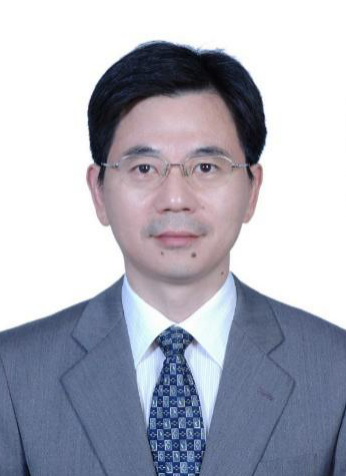 Jinhao Qiu (裘进浩)合作论文数Institute of Smart Materials and Structures, College of Aerospace Engineering, Nanjing University of Aeronautics and Astronautics;State Key Laboratory of Mechanics and Control of Mechanical Structures, College of Aerospace Engineering, Nanjing University of Aeronautics and Astronautics2
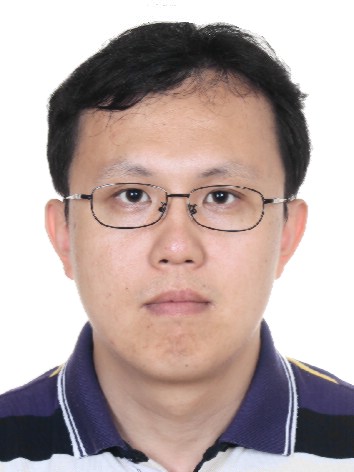 Jinbao Chen (陈金宝)合作论文数College of Astronautics, Nanjing University of Aeronautics and Astronautics2
 Liang Li (李亮)合作论文数Advanced Cutting Technology Lab, College of Mechanical and Electrical Engineering, Nanjing University of Aeronautics and Astronautics2
 Zhuoran Zhang (张卓然)合作论文数Nanjing University of Aeronautics and Astronautics2HAN Jinjin (韩锦锦)合作论文数1Wenhao XU (徐文豪)合作论文数1
 Andres E Rivero合作论文数Dept Aerosp Engn, Univ Bristol1
 Huamin Gao合作论文数1XUE Han (薛涵)合作论文数1Huwei BIAN (卞胡伟)合作论文数1Eiman B. Saheby合作论文数1Mengyue Chen (陈梦月)合作论文数1
 Mao Wang (王茂)合作论文数1HaiSheng Yu (于海生)合作论文数1HaoRan Xu (徐浩然)合作论文数1Tong Zhang (张彤)合作论文数1
 Zhenglin Yang (杨正林)合作论文数Nanhang Jincheng College1
 Guolong Zhao (赵国龙)合作论文数College of Mechanical & Electrical Engineering, Nanjing University of Aeronautics and Astronautics1
 Xiuqing Hao (郝秀清)合作论文数College of Mechanical & Electrical Engineering, Nanjing University of Aeronautics and Astronautics1
 Jun Zhang (张军)合作论文数College of Aerospace Engineering, Nanjing University of Aeronautics and Astronautics1
 Zhiwei Xu (徐志伟)合作论文数College of Aerospace Engineering, Nanjing University of Aeronautics and Astronautics1Chengzhi Huang合作论文数1
 Ye Liu (刘业)合作论文数School of Electrical and Automation Engineering, Nanjing Normal University1Y. Xia合作论文数1
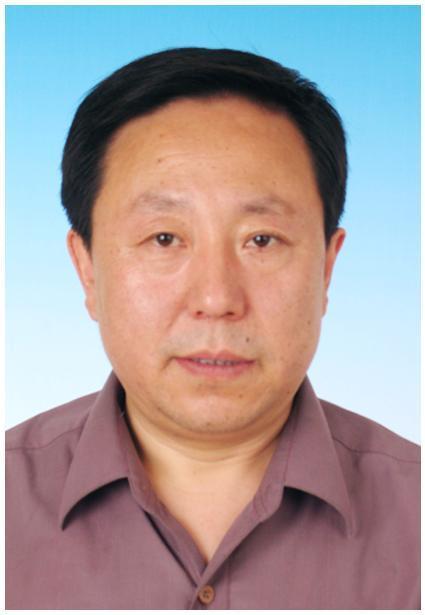 Yang Yang (杨洋)合作论文数School of Mechanical Engineering and Automation, Beihang University1Jian Huang (黄健)合作论文数1
 Ning Mao (茅宁)合作论文数Nanjing University Business School1
 Chao Zhang (张超)合作论文数School of Civil Aviation, Northwestern Polytechnical University1
 Hongli Ji (季宏丽)合作论文数Informationization Department, Nanjing University of Aeronautics and Astronautics1
 Jianbin Han合作论文数1
 Weimin Huang合作论文数School of Mechanical and Aerospace Engineering, College of Engineering, Nanyang Technological University1
 Hamed Haddad Khodaparast合作论文数University of Liverpool;Department of Engineering;Department of Engineering, University of Liverpool1




