To summarize the imaging features of congenital branchial anomalies (CBA) in children based on a large single‑center cohort, propose cohort-based stratified diagnostic criteria and individualized surgical strategies, and provide a reference for the precise clinical management of pediatric CBA. A retrospective study analyzed 1,668 pediatric CBA at the Children’s Hospital of Zhejiang University between January 2017 and December 2024. Data regarding gender, age, lesion laterality, infection history, lesion type, imaging features, and treatment regimens were summarized and evaluated. The cohort included 936 males (56.1
Background In pediatric patients, nasal polyps primarily manifest as anthrochoanal polyps (ACP) or chronic rhinosinusitis with nasal polyps (CRSwNP). This study compares the histopathological differences between pediatric ACP and CRSwNP, analyzes pathological indicators associated with postoperative recurrence and provides evidence for subtype-specific diagnosis and treatment. Materials and methods This retrospective study analyzed demographic factors, comorbidities and a structured histopathologic report of six variables from 172 pediatric patients (86 with ACP and 86 with CRSwNP) who underwent functional endoscopic sinus surgery. Differences between recurrent and non-recurrent presentations were further examined. Results Mean age in the ACP group was significantly lower than the CRSwNP group (p=0.007). The CRSwNP group exhibited higher overall severity of inflammation (38.3% v.s. 18.6%, p=0.010). The ACP group showed greater subepithelial edema (65.1% v.s. 37.2%, p<0.001). In the ACP group, the overall degree of inflammation correlated significantly with inflammatory type, and severity of subepithelial edema correlated with collagen deposition. In the CRSwNP group, overall severity of inflammation correlated with eosinophil count per high power field and inflammatory predominance. In the ACP group, the proportion of collagen deposition was significantly lower in recurrent cases (5.6% v.s. 44.1%, p=0.004). In the CRSwNP group, the overall degree of inflammation was significantly higher in recurrent cases (46.7% v.s. 36.6%, p=0.003). Conclusion Pediatric ACP is characterized by prominent subepithelial edema. A lack of collagen deposition indicates a higher risk of recurrence. CRSwNP features severe inflammation, which positively correlates with recurrence.
Laryngeal squamous cell carcinoma (LSCC) is one of the major malignant cancers worldwide. Emerging evidence has demonstrated that N6-methyladenosine (m6A) modification affects gene expression by regulating RNA metabolic processes, dynamically and reversibly regulated by its "writers", "erasers" and "readers". m6A modification plays an important role in the occurrence and development of various tumors. Recent studies have shown that m6A modifications are abnormally expressed in LSCC cells and tissues and participate in the malignant phenotypes of LSCC including cell proliferation, invasion, metastasis and chemotherapy resistance by mediating m6A regulators. This fundings may provide new directions for the molecular classification and targeted treatment of LSCC. In this review, we will focus on the molecular mechanism and potential clinical function of m6A modification in LSCC and emphasize its potential as a biomarker for the clinical diagnosis, prognosis, and treatment of LSCC.
This study aimed to examine the ultrasound imaging characteristics of congenital branchial cleft anomalies (BCAs) in children and their clinical applications, providing a minimally invasive method for preoperative evaluation and treatment. This single-centre retrospective study (July 2021–April 2024) analysed 308 paediatric BCA cases. Clinical, intraoperative, and ultrasound data were compared to establish imaging criteria and inform management. Among the 308 patients (mean age 6.45 ± 5.24 years), 8 were neonates. Unilateral anomalies were observed in 282 patients (right: 68, left: 214), whereas bilateral anomalies were observed in 26 patients. The male-to-female ratio was 1:1.3. First branchial cleft anomalies (FBCAs) developed in 84 patients (27.2
OBJECTIVE:To identify risk factors for secondary post-tonsillectomy hemorrhage (SPTH) in pediatric patients undergoing Coblation procedures and develop a predictive model to support perioperative management. METHODS:A retrospective analysis was performed on 15,729 children who underwent low-temperature Coblation tonsillectomy at the Children's Hospital, Zhejiang University School of Medicine, between June 2019 and June 2024. Univariate and multivariate analysis were employed to identify factors associated with the occurrence of SPTH. A prediction model was developed based on the identified independent risk factors. To enhance the model's predictive performance and calibration, Weighted Logistic Regression was applied to construct a Nomogram model. The model was validated and evaluated using bootstrap resampling, the consistency index (C-index), Receiver Operating Characteristic (ROC) curve, and Brier Score. RESULTS:Among the 15,729 patients, 9834 (62.52 %) were boys, and 5895 (37.48 %) were girls.The mean age was 6.55 ± 2.38 years, and the average length of hospitalization was 3.94 ± 1.51 days. Among the 15,729 children, 235 (1.5 %) experienced SPTH, and 42 (0.3 %) required additional general anesthesia for surgical hemostasis. Univariate analysis identified that gender, age, surgical indication, degree of tonsillar embedding, Body Mass Index (BMI), postoperative diet, and surgeon experience were significantly associated with SPTH (P < 0.05).Multivariate logistic regression analysis revealed that severe tonsillar embedding, junior surgeon, obesity, poor postoperative diet, and age ≥12 years were independent risk factors for SPTH. A Nomogram model was developed based on these independent risk factors. The model was internally validated using bootstrap resampling (1000 iterations). The results showed that the C-index was 0.817, indicating good calibration and stability; ROC curve analysis revealed an Area Under the Curve(AUC)of 0.816, demonstrating strong discriminatory ability; and the Brier Score was 0.0155, indicating minimal error between predicted probabilities and actual outcomes. CONCLUSION:Severe tonsillar embedding, junior surgeon, obesity, poor postoperative diet, and age ≥12 years are independent risk factors for Coblation SPTH in children. The Nomogram model can quickly and efficiently calculate the bleeding rate of SPTH in children, providing valuable guidance for clinical practice.
OBJECTIVE:To evaluate device survival and identify risk factors for failure in pediatric cochlear implant (CI) surgery to guide strategies for minimizing failure rates and improving survival outcomes. METHODS:A retrospective analysis was conducted on pediatric patients who underwent CI surgery at the Children's Hospital, Zhejiang University School of Medicine, from September 2008 to September 2023. Device survival was assessed using the Kaplan-Meier method while independent factors influencing device survival were analyzed using the log-rank test and Cox regression model. RESULTS:Among 602 children, the mean age at first CI surgery was 50.3 months (range = 8-155 months). The cohort included 353 males (58.6%) and 249 females (41.4%). Revision surgery was required in 28 cases (4.7%), primarily due to device failure (17/28, 60.7%), including 14 hard and 3 soft failures. Kaplan-Meier analysis showed CI survival rates of 99.1%, 98.1%, 96.7%, 96.4%, and 96.4% at 1, 2, 3, 5, and 10 years post-surgery, respectively. The log-rank test identified sex, age, and history of head trauma as significant factors affecting device survival (P < .05). Multivariate Cox regression confirmed that male sex, first implantation ≤3 years of years, and postoperative head trauma were independent risk factors for device failure. CONCLUSIONS:Pediatric cochlear implantation is generally safe and effective, though device failure remains a concern, necessitating revision surgery remains. Male children who undergo cochlear implantation at ≤3 years of age or have a history of postoperative head trauma require enhanced postoperative care. This includes avoiding vigorous head impacts and increasing follow-up visits to monitor device function and speech recovery. Manufacturers should prioritize developing more durable, impact-resistant cochlear implants to reduce failure rates and improve long-term device survival.
BackgroundKnee osteoarthritis (KOA) is a prevalent osteoarthritic disorder. Although acupuncture is increasingly used in clinical practice for KOA management, its efficacy remains to be further optimized. ObjectiveThis trial aims to evaluate the efficacy and safety of acupuncture at sensitized acupoints for the treatment of KOA. MethodsWe will recruit 350 patients diagnosed with KOA from 3 clinical centers in this single-blind, sham-controlled, randomized controlled trial. Participants will be randomized to receive either acupuncture at 5 high-probability sensitized acupoints or sham acupuncture with nonpenetrative needling using Takakura acupuncture simulation devices. Both groups will receive 24 sessions over 8 weeks, followed by a 16-week posttreatment follow-up period. The primary outcome is the proportion of responders, defined as a reduction of 2 or more points in the Numeric Rating Scale score at week 8. Secondary outcomes include changes in scores on validated scales for KOA severity, walking distance, disability, depression, anxiety, insomnia, and pain self-efficacy. Adverse events will be documented for safety evaluation. ResultsThe first participant was enrolled on February 15, 2025, and by June 28, 2025, we had enrolled 25 patients. Data analysis has not yet been initiated. The completion of data collection is anticipated by March 2026. ConclusionsThis trial aims to provide confirmatory and exploratory evidence regarding the efficacy and safety of sensitized acupoint-based acupuncture for treating KOA. If the hypothesized benefits are substantiated, sensitized acupoint-based acupuncture could emerge as a complementary and alternative therapy for KOA, potentially reducing reliance on medication and mitigating drug-related adverse effects. Trial RegistrationClinicalTrials.gov NCT06805188; https://clinicaltrials.gov/study/NCT06805188 International Registered Report Identifier (IRRID)DERR1-10.2196/77336
Sensorineural deafness is a hearing impairment resulting from damage to the auditory nerve or inner ear hair cells. Currently, cochlear implants (CIs) are widely used as hearing aids for sensorineural deafness patients. A fundamental limitation of cochlear implants (CIs) is that spiral ganglion neurons (SGNs) cannot be replenished. This greatly restricts the rehabilitation of sensorineural deafness. Additionally, the insertion of CIs can cause secondary cochlear damage, worsening the condition of the patients' cochlear. Therefore, a new type of neural stem cells (NSCs) loaded graphene oxide-polyaniline/GelMA (GO-PAni/GelMA) conductive hydrogel electrode for cochlear implant was fabricated via in-situ radical polymerization and cyclic UV curing technique. On the one hand, the hydrogel electrode, as a direct contact layer, helps to avoid the physical hurt for cochlear. On the other hand, NSCs were supplemented via the hydrogel carrier and neuronal differentiation was induced by electrical stimulation, which was validated by the experimental results of immunofluorescence, Phalloidin Staining and RT-qPCR. Furthermore, based on RNA sequencing and transcriptome analysis, we hypothesized that the neuronal differentiation of NSCs was adjusted by the calcium signaling pathway and GABAergic synapse. Overall, our cell loading conductive hydrogel electrode may be an effective solution to sensorineural deafness. The revelation of the mechanism of neuronal differentiation promoted by electrical stimulation provides a basis for further sensorineural deafness treatment using conductive hydrogel CI electrode.
Pediatric chronic sinusitis (CRS) is a common disease within the field of otolaryngology-head and neck surgery. Due to the immaturity of sinus development and immune competence in children, its etiology and pathophysiology are complex, and its clinical features and outcomes differ significantly from those in adult patients. Currently, there are issues in the diagnosis and treatment of pediatric CRS, particularly in areas such as antibiotic use and surgical interventions, owing to a lack of sufficient attention. In recognition of this, the Chinese Rhinopathy Research Cooperation Group developed this expert consensus based on a systematic review of the latest literatures from both domestic and international sources, with reference to the latest evidence-based medical evidence worldwide, and in combination with their own clinical experience. The consensus covers various aspects including epidemiology, predisposing factors, pathophysiology, diagnosis and differential diagnosis, as well as treatment strategies such as medical therapy and surgical intervention. It aims to standardize the clinical diagnosis and treatment of pediatric CRS, improve clinical efficacy and patient satisfaction, reduce clinical expenditures, and decrease the occurrence of adverse reactions.
Objective This systematic review of randomized controlled trials (RCTs) aimed to evaluate the efficacy and safety of moxibustion as a complementary or alternative treatment for asthma. Methods Seven databases were searched up to June 23, 2024, to identify RCTs assessing moxibustion for bronchial asthma. The outcomes of interest included response to treatment, asthma control, quality of life, lung function, immunological indicators, and incidence of adverse events (AEs). The treatment effects were measured by proportional odds ratios or mean differences with 95% confidence intervals. Results Thirty-seven RCTs (n = 2,879) were included. Moderate- to very low-quality evidence showed that compared with anti-asthmatic drugs alone, moxibustion plus anti-asthmatic drugs led to a significantly better response and greater increases in lung function, asthma control, and IgE levels. However, the combination therapy had no effect on children’s quality of life. In the active comparisons, moxibustion resulted in a superior response to treatment and a greater improvement in asthma control and had comparable effects on lung function, quality of life, and IgE levels compared with anti-asthmatic drugs. The effects of moxibustion on the proportions of CD4 + and CD8 + T cells and the eosinophil count were inconsistent between the add-on and active comparisons. All reported AEs related to moxibustion were mild. Conclusions Moxibustion, as an adjunctive treatment or used alone, may improve the response to treatment, lung function, asthma control, and IgE levels in patients with asthma with good safety. Its effects on children’s quality of life and immune cell levels remain uncertain.
Objective: The aim of this study was to summarize the clinical features of congenital preauricular fistula (CPF) in pediatric patients to improve the levels of diagnosis and treatment, reduce the rates of missed diagnosis and recurrence, and shorten the total diagnosis and treatment time.Methods: A total of 353 patients with CPF who were admitted to the Department of Otolaryngology in The Children's Hospital, Zhejiang University School of Medicine between January 2019 and December 2021 was enrolled in this retrospective observational study. Follow ups for 12-42 months were performed to investigate the classification, surgical methods, and postoperative conditions of CPF and to compare the recurrence rate, complication rate, and total diagnosis and treatment time between the active infection CPF group (AICPFG) and infection-controlled/non-infected CPF group (IC/NICPFG).Results: In 316 cases (89.5%) out of the 353 patients, the natural fistula orifice was located in front of the crus helicis; in 33 cases (9.4%), the natura fistula orifice was located at the crus helicis; and in 4 cases (1.1%), the natura fistula orifice was located in the external acoustic meatus. The AICPFG had 52 cases (14.7%), including 1 case (0.28%) of recurrence and 2 cases (0.56%) of infection at the incision site. The IC/NICPFG had 301 cases (85.3%), including 4 cases (1.13%) of recurrence, 6 cases (1.7%) of infection at the incision site, and 1 case (0.28%) of scar formation at the incision site. There were no significant differences in the recurrence rates and postoperative complications between the AICPFG and IC/NICPFG (p > 0.05). There was a statistically significant difference in the total diagnosis and treatment time between the AICPFG and IC/NICPFG (p < 0.05). Conclusion: A reasonable classification of CPF, use of appropriate surgical methods, and belonging to the AICPFG do not increase the recurrence and complication rates of children but shorten the total treatment course, relieve patients' suffering, reduce treatment costs, and achieve a better clinical prognosis.
Objective To investigate the clinical significance of the inferior wall cartilage of the auditory meatus in surgical treatment of congenital first branchial cleft anomalies (CFBCAs) in children.Methods Twenty children diagnosed with CFBCAs who underwent surgery between December 2018 and June 2022 at our hospital were retrospectively analyzed and classified according to their Work lesion type. The guiding significance of the inferior wall cartilage in the surgical treatment of CFBCAs was summarized by investigating the adjacent relationships of the surgical lesions with the external auditory canal and facial nerve.Results Of the 20 patients, 16 were classified as Work type I and 4 as Work type II. The lesions were adjacent to the inferior wall cartilage of the auditory meatus in all children. Work type I lesions were located in the upper lateral aspect and were not adjacent to the facial nerve. Work type II lesions were located in the inferior-medial region of the facial nerve. The lesions were completely resected in all children. One patient experienced recurrence 3 months postoperatively because of a residual endochondral fistula. No patients developed facial paralysis or other complications.Conclusions The inferior wall cartilage of the auditory meatus may help to the identify the initial lesion of the CFBCAs and can be regarded as a guiding anatomical structure. These lesions can be completely resected. For resection of Work type II first branchial cleft lesions, the surgical incision can be narrower, and can be precisely positioned with the assistance of endoscope.
Abstract Context Paragangliomas located within the pericardium represent a rare yet challenging clinical situation. Objective The current analysis aimed to describe the clinical characteristics of cardiac paragangliomas, with emphasis on the diagnostic approach, genetic background, and multidisciplinary management. Methods Twenty-four patients diagnosed with cardiac paraganglioma (PGL) in Peking Union Medical College Hospital, Beijing, China, between 2003 and 2021 were identified. Clinical data was collected from medical record. Genetic screening and succinate dehydrogenase subunit B immunohistochemistry were performed in 22 patients. Results The median age at diagnosis was 38 years (range 11-51 years), 8 patients (33%) were females, and 4 (17%) had familial history. Hypertension and/or symptoms related to catecholamine secretion were present in 22 (92%) patients. Excess levels of catecholamines and/or metanephrines were detected in 22 (96%) of the 23 patients who have completed biochemical testing. Cardiac PGLs were localized with 131I-metaiodobenzylguanidine scintigraphy in 11/22 (50%), and 99mTc-hydrazinonicotinyl-tyr3-octreotide scintigraphy in 24/24 (100%) patients. Genetic testing identified germline SDHx mutations in 13/22 (59%) patients, while immunohistochemistry revealed succinate dehydrogenase (SDH) deficiency in tumors from 17/22 (77%) patients. All patients were managed by a multidisciplinary team through medical preparation, surgery, and follow-up. Twenty-three patients received surgical treatment and perioperative death occurred in 2 cases. Overall, 21 patients were alive at follow-up (median 7.0 years, range 0.6-18 years). Local recurrence or metastasis developed in 3 patients, all of whom had SDH-deficient tumors. Conclusion Cardiac PGLs can be diagnosed based on clinical manifestations, biochemical tests, and appropriate imaging studies. Genetic screening, multidisciplinary approach, and long-term follow-up are crucial in the management of this disease.
总结 1 例Ⅲa型喉裂合并重度营养不良患儿的围手术期护理.重点包括建立多学科团队做好围手术期照护计划、原位模拟应对误吸等气道紧急状况,采用俯卧位保证有效通气,实施动态营养筛查评估,制定个体化营养支持策略,进行口腔运动康复锻炼.经治疗及护理,患儿病情稳定出院,术后 1 年随访,患儿营养状况良好,生长发育水平处于同龄儿童中位数.
目的 观察热敏灸对IBS模型大鼠血清及结肠组织中穴位敏化处P物质(SP)、降钙素基因相关肽(CGRP)表达的影响,探讨热敏灸治疗IBS的可能机理.方法 将30只大鼠随机分为空白组(6只)及模型组(24只),除空白组外其余大鼠均采用番泻叶煎汁灌胃结合慢性不可预见性刺激建立IBS-D模型,造模成功后随机分为两组:模型组(6只)、艾灸组(18只).其中模型组正常条件下饲养,艾灸组根据大鼠尾温的变化划分为热敏灸组及非热敏灸组.此周期共14天.期间观察各组大鼠一般情况,最后ELISA检测大鼠血清中SP、CGRP表达、免疫组织化学法检测大鼠结肠组织SP、CGRP蛋白表达情况.结果 ELISA与免疫组织化学法结果均提示:与空白组相比,其他各组中SP、CGRP的表达水平明显增高(P<0.01);经干预后,与模型组相比,热敏灸组、非热敏灸组中SP、CGRP蛋白表达降低,其中热敏灸组降低幅度更为明显(P<0.01).结论 与传统艾灸相比,热敏灸治疗IBS疗效更佳,且可能是通过调节SP、CGRP蛋白,改善内脏敏感性、调节胃肠动力以发挥治疗作用.
BACKGROUND:Sporadic cases of extranasopharyngeal angiofibroma in children, especially preschool children, have been reported in the literature.CASE SUMMARY:We present a case of extranasopharyngeal angiofibroma in a 4-year-old boy. The presenting symptoms, imaging findings, treatment, histological appearance, and follow-up data are described in detail. For this patient, we performed embolization on two occasions, and then, resected the tumor completely. During the treatment, the patient developed a soft-palate perforation due to aseptic necrosis. However, the healing ability was good, and the perforation healed spontaneously. We additionally reviewed all pediatric cases of extranasopharyngeal angiofibroma published up to 30 June 2020 in the PubMed, Baidu Scholar, Scopus, and Web of Science databases. We identified 45 pediatric patients [average (10.98 ± 4.86), boys 39 (86.7%)]. The highest proportion of cases occurred in adolescence [22 (48.9%)]. The top three sites of occurrence of extranasopharyngeal angiofibroma in children were the maxillary sinus, nasal septum, and inferior turbinate.CONCLUSION:Extranasopharyngeal angiofibromas can occur throughout childhood, and predominantly present with nasal obstruction and spontaneous rhinorrhagia.
目的 分析龙游县2019—2020年出生的新生儿听力筛查结果.方法 2019年1月至2020年6月在龙游县3家助产单位(龙游县人民医院、龙游县中医院、龙城医院)出生的新生儿3528人.采用瞬态诱发耳声发射(TEOAE)进行听力初筛及复筛,并将结果上报至龙游县妇幼保健院并由其对新生儿信息进行汇总、转诊、追踪随访等管理.复筛未通过者转诊至龙游县妇幼保健院采用自动听性脑干反应(AABR)筛查进行评估.AABR未通过者转诊浙江大学医学院附属儿童医院,于出生后3~6个月进行诊断性测定.结果 共筛查了3528人(100%),初筛未通过168人(4.8%)应用TEOAE及AABR进行新生儿复筛,TEOAE复筛未通过数67人(1.9%),AABR复筛未通过21人(0.6%).确诊听力损失8例(0.2%),其中轻度1例,中重度5例,极重度2例.本文8例中父亲有吸烟饮酒习惯7例;母亲有人工流产史2例;家族中有耳聋患者2例;妊娠时上呼吸道感染2例;高胆红素血症1例.结论 做好孕前指导,对有耳聋家族史的孕妇要进行优生优育指导,按时孕检,注意营养,生活规律,加强产前、产时保健、听力筛查宣教.
Objective:To investigate the efficacy and safety of liraglutide combined with metformin in the treatment of overweight or obese patients with type 2 diabetes, and to analyze the factors influencing the response to liraglutide.Methods:Seventy-three overweight or obese patients with well-controlled type 2 diabetes on metformin were selected and treated with liraglutide at 1.8 mg/d in addition to metformin at 1500 mg/d for 48 weeks. Relevant data were collected before and after treatment, including blood glucose, glycosylated hemoglobin (HbA1c), fasting insulin, serum lipid, body weight, waist circumference, hip circumference, body mass index (BMI), homeostatic model assessment for β-cell function (HOMA-β) and homeostatic model assessment for insulin resistance (HOMA-IR). Changes in metabolic markers, incidence of side effects, weight loss efficacy and corresponding influencing factors were evaluated.Results:After 48 weeks of treatment, fasting blood glucose, 2-hour postprandial blood glucose, HbA1c, fasting insulin, HOMA-IR, blood lipid, waist circumference, hip circumference and BMI decreased significantly compared with baseline ( P < 0.05). The most common side effects were tolerable gastrointestinal adverse events. The average weight loss after the initial 4-week treatment was 3.99 kg, accounting for 48.8% of the total weight loss, and then the change displayed a more subdued trend during the remaining treatment period. After the 48-week treatment, 73.1% and 34.6% of the patients lost more than 5% and 10% of body weight, respectively. Absolute weight loss was positively correlated with baseline weight and weight loss within the initial 4-week treatment was an independent predictor of weight loss ≥ 5% at the 48th week. Conclusions:Liraglutide combined with metformin is safe and effective in the treatment of overweight or obese patients with type 2 diabetes mellitus. Weight loss is significant during the initial 4 weeks and the early response seems to be a predictor for better long-term effect on weight loss.
背景:石墨烯作为一种新兴的纳米材料被应用于各个领域,有许多研究发现基于石墨烯的纳米材料可以影响干细胞的生物学行为.目的:综述基于石墨烯的纳米材料在干细胞领域的应用及进展.方法:使用主题词及关键词检索PubMed、Web of Science及CNKI中国期刊全文数据库中收录的涉及基于石墨烯的纳米材料在干细胞领域应用的文献.英文检索词为"graphene,nanomaterials,stem cell",中文检索词为"石墨烯;纳米材料;干细胞",最终纳入57篇文献进行总结论述.结果 与结论:基于石墨烯的纳米材料具有良好的稳定性和耐腐蚀性、较高的机械强度、良好的生物相容性,在生物医学中拥有广泛的应用前景.干细胞作为一种可以分化为人体内各种分化成熟细胞的未分化细胞,在组织工程、再生医学等领域具有广阔的应用前景.目前许多研究证明,基于石墨烯的纳米材料能影响干细胞的生物学行为,能促进各种干细胞的生长、增殖、黏附和分化,并且这些纳米材料可能通过调节相关基因表达、各种信号通路等方面影响干细胞的生物学行为.但基于石墨烯的纳米材料具有生物毒性,制约其在生物方面的应用,并且目前研究多在细胞层面,如何应用于生物体内仍需进一步研究.
人工耳蜗(cochlear implants,CI)作为重度-极重度感音神经性耳聋的标准治疗方式,已被广泛接受.但许多因素影响CI植入效果,包括CI电极植入造成的机械性损伤,耳蜗内的炎症反应,组织纤维化和新骨形成,甚至电极表面纤维组织形成.这些因素损害残余螺旋神经节细胞、听毛细胞和血管纹细胞,并增加电阻抗.近年来,利用电极涂层降低这些不利因素对CI植入效果的影响已成为一个研究热点.如利用不同涂层包埋基因重组干细胞和药物或生长因子、神经营养因子,降低电极植入阻力,减少电极表面蛋白黏附,降低电极电阻抗等.本文将对近年来已研究的不同材料电极涂层特性进行综述.
 HaiFeng Zhang (章海凤)合作论文数26
 Jun Xiong (熊俊)合作论文数20
 Shusheng Gong (龚树生)合作论文数Beijing Friendship Hospital, Capital Medical University16
 Rixin Chen (陈日新)合作论文数Jiangxi University of Chinese Medicine14LinHui Li (李琳慧)合作论文数12Bo Zhang (张波)合作论文数12Yuan Tao合作论文数12
 Lin Lu (卢琳)合作论文数Peking Union Medical College Hospital12
 Mingfei Kang (康明非)合作论文数The Affiliated Hospital of Jiangxi University of Cm12
 Jiangfeng Mao (茅江峰)合作论文数北京协和医院内分泌科11
 Weibo Xia (夏维波)合作论文数Peking Union Medical College Hospital11Yingyue Dong合作论文数10QianAn Cao (曹乾安)合作论文数8
 Yan Jiang (姜艳)合作论文数Peking Union Medical College Hospital8
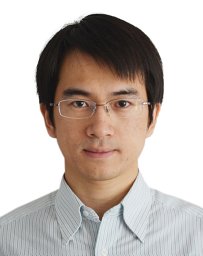 Guo-Peng Wang (王国鹏)合作论文数Beijing Friendship Hospital, Capital Medical University7Feng Gu (顾锋)合作论文数7Anli Tong (童安莉)合作论文数7
 Bo Yu合作论文数6Jia LIU (刘佳)合作论文数5Xiaofeng Chai合作论文数5Jiren DAI (戴继任)合作论文数5Zhaolin Lu合作论文数Peking Union Medical College Hospital5YingPeng Liu (刘英鹏)合作论文数5Li Nai Shi合作论文数5
 Qingguo Chen (陈请国)合作论文数Tongji Hospital, Tongji Medical College, Huazhong University of Science and Technology5
 Lingling Xu (许岭翎)合作论文数Peking Union Medical College Hospital5
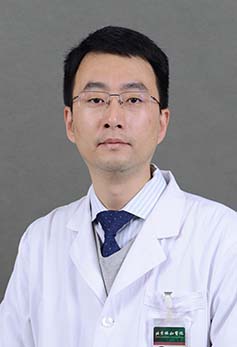 Huabing Zhang (张化冰)合作论文数Peking Union Medical College Hospital5
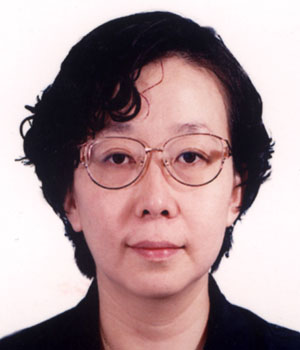 Xiaoping Xing (邢小平)合作论文数Peking Union Medical College Hospital5
 Ou Wang (王鸥)合作论文数Peking Union Medical College Hospital5Hongbo Yang合作论文数4Fei QIU (裘妃)合作论文数4Mingming Hu合作论文数4ChunChuan Yan (颜纯钏)合作论文数4HongBin Gong (龚红斌)合作论文数4KaiSheng Yan (鄢开胜)合作论文数4LaiAn Ge (葛来安)合作论文数4ZhengPei Ceng (曾正陪)合作论文数4QiuHong Xue (薛秋红)合作论文数4Tao Yuan (袁涛)合作论文数4Song Pan (潘松)合作论文数4
 Lian Duan (段炼)合作论文数Chinese PLA General Hospital4
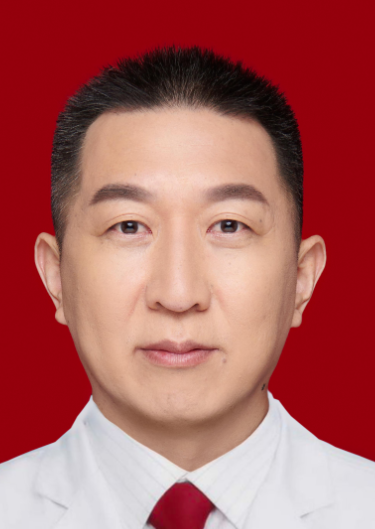 Zhenhai Chi (迟振海)合作论文数Jiangxi University of Traditional Chinese Medicine;Jiangxi Traditional Chinese Medicine College Hospital4
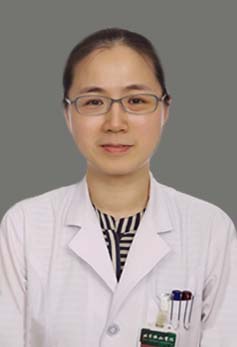 Huijuan Zhu (朱惠娟)合作论文数Peking Union Medical College Hospital4
 Jianting Wang (王建亭)合作论文数Beijing Chao-Yang Hospital, Capital Medical University4
 Weigang Zhao (赵维纲)合作论文数Peking Union Medical College Hospital4Qi Sun (孙琦)合作论文数Peking Union Medical College Hospital4
 Mei Li (李梅)合作论文数Peking Union Medical College Hospital4




