The Large Sky Area Multi-Object Fiber Spectroscopic Telescope (LAMOST), widely recognized as the “King of Spectroscopy,” stands as a milestone in modern astronomical infrastructure. By overcoming the longstanding difficulty of integrating large aperture with wide field of view through its innovative active reflecting Schmidt configuration and 4,000-fiber system, LAMOST made large-scale spectroscopic surveys operationally feasible. Over 14 years of continuous observation, it has progressed from an engineering breakthrough to a globally influential scientific data platform. Supported by science-oriented governance, systematic operational management, automated data pipelines, and an open-access policy, LAMOST has released more than 28 million spectra, enabling major advances in Galactic structure and evolution, stellar astrophysics, and black hole studies. As it moves into the era of artificial intelligence and data-driven discovery, LAMOST demonstrates how technological innovation combined with effective management can sustain long-term scientific impact and leadership in major research facilities.
Sky background subtraction is a critical step in the Multi-objective Fiber spectra process. However, current subtraction relies mainly on sky fiber spectra to build a super sky. These average spectra are lacking in the modeling of the environment surrounding the objects. To address this issue, a sky background estimation model: Sky background building based on Mutual Information (SMI) is proposed. SMI is based on mutual information and an incremental training approach. It utilizes spectra from all fibers in the plate to estimate the sky background. SMI contains two main networks, the first network applies a wavelength calibration module to extract sky features from spectra, and can effectively solve the feature shift problem according to the corresponding emission position. The second network employs an incremental training approach to maximize mutual information between representations of different spectra to capture the common component. Then, it minimizes the mutual information between adjoining spectral representations to obtain individual components. This network yields an individual sky background at each location of the object. To verify the effectiveness of the method in this paper, we conducted experiments on the spectra of LAMOST. Results show that SMI can obtain a better object sky background during the observation, especially in the blue end.
To validate key technologies for wide field-of-view (FOV) X-ray polarization measurements, the Cosmic X-ray Polarization Detector CubeSat series has been developed as a prototype platform for the Low-Energy X-ray Polarization Detector onboard the POLAR-2 mission. The wide-FOV design significantly increases the complexity of the background environment, posing notable challenges for real-time gamma-ray burst (GRB) identification. In this work, we propose an in-orbit GRB identification method based on machine learning, using simulated spectral data as input. A training dataset was constructed using a Geant4-based simulator, incorporating in-orbit background and GRB events modeled within the 2-10 keV energy range. To meet the computational constraints of onboard processing, we employ a multimodal large language model, which is fine-tuned using low-rank adaptation based on miniCPM-V2.6 and quantized to 4-bit precision. The model achieves perfect classification accuracy on validation data and demonstrates strong regression performance in estimating GRB spectral indices, with a root mean square error of 0.118. Furthermore, we validate the feasibility of onboard deployment through a simulated satellite data processing pipeline, highlighting the potential of our approach to enable future real-time GRB detection and spectral analysis in orbit.
Time-domain surveys have advanced astronomical research by revealing diverse variable phenomena, from stellar flares to transient events. The scale and complexity of survey data, along with the demand for rapid classification, present significant challenges for analysis. While machine learning offers solutions, most existing models are tailored to single tasks, struggle to generalize, and depend heavily on large, accurately labeled datasets. This paper presents an initial implementation of FALCO, a foundation model trained on Kepler light curves via self-supervised learning using a Transformer-based architecture. The model has been evaluated on Kepler data across three distinct light-curve analysis tasks, and it demonstrates robust performance in all tasks, achieving an accuracy of 95% for stellar variability classification across eight classes, an overall RMSE of 0.1305 dex in surface gravity estimation (with significantly improved precision of RMSE < 0.08 dex at the low-gravity end where log g < 1, and 0.02 dex near log g ≈ 3), and a precision of 87% in flare identification. These results highlight the versatility of the foundation model in extracting generalizable representations from light curves, enabling easy adaptation to diverse tasks and making it a promising tool for time-domain analysis. Further analysis of model scaling and input light-curve sequence length reveals that larger models and longer input sequences improve performance. We have also applied the model to produce a comprehensive catalog of surface gravity (log g ) measurements for 179,732 Kepler stellar targets, using their light curves.
Significance Modern astronomy is undergoing rapid evolution, with optical telescopes serving as the core infrastructure that expands observational capabilities. In time-domain astronomy, the focus on non-repeatable, transient phenomena-such as optical electromagnetic counterparts of gravitational-wave events, supernovae, Gamma-ray bursts, and fast radio bursts- highlights the necessity for rapid, autonomous observational systems. These events often exhibit rapid variability on timescales ranging from milliseconds to days, making timely capture critical for understanding their physics. This challenge underscores the importance of developing systems capable of swift response and autonomous operation. However, the traditional observation mode of optical telescopes remains highly dependent on human operation. Survey plans are typically manually designated, and follow-up observations rely on a reactive "trigger-alert-human response" mechanism. While automated systems like ZTF and LSST have improved discovery rates, the scientific output is still bottlenecked by response latency and the need for human intervention. Critical early-stage data is vulnerable to being lost due to these delays, missing vital opportunities for scientific discovery. Although recent years have seen progress in automated data pipelines and machine learning for alert generation, the telescope itself remains a passive terminal-an instrument that collects data according to preset schedules, without the ability to anticipate events or autonomously adjust tasks in real time. To address the challenges of massive data streams, array-based collaboration, and the need for immediate response, telescopes must inevitably transition from passive data acquisition instruments to active agents that understand and participate in the scientific process. This paper proposes the concept of the embodied intelligent telescope (EIT), which introduces a closed-loop mechanism of "perception-thinking-action". This paradigm shift aims to elevate the autonomy of observation and maintenance, transforming telescopes into intelligent entities capable of independent decision-making and continuous evolution. Progress This study establishes a theoretical framework and technical architecture for the embodied intelligent telescope, designed to realize the transition from current automation to future complete autonomy. The core innovation lies in embedding "perception-thinking-action" capabilities directly into the telescope system. The top layer is the intelligent center on a cloud platform, which is responsible for receiving high-level scientific tasks. It utilizes an analysis layer driven by a powerful time-domain model to mine physical laws from data and a decision layer that serves as a scheduling platform to formulate globally optimal observation plans. The bottom layer consists of distributed embodied telescopes serving as observatory nodes, jointly composed of the smart control engine and the physical entity. The smart control engine parses global instructions issued by the intelligent center and controls the physical hardware to execute observation tasks. The intelligent center and the smart control engine are connected via a standardized communication layer, ensuring effective transmission of scheduling instructions and real-time data feedback. Consequently, the entire system forms an autonomous, closed-loop system from the input of scientific tasks to the output of candidate scientific discoveries. A key component of this system is the digital twin system. This system creates a real-time virtual mapping of the physical telescope, synchronizing operating parameters and environmental data. It enables global array dynamic simulation, health prediction, and remote collaborative operation, providing researchers with a comprehensive view of system status. To handle the immense volume of astronomical data, the system integrates a specialized time-domain analysis model within the analysis layer. This core computational module is built on a unified transformer architecture with mixture-of-experts (MoE) mechanisms. It aligns multimodal data-including images, light curves, spectra, and alerts-into a structured, high-semantic representation. This model captures multi-scale dependencies in time-domain sequences, enabling the system to predict the evolution trends of astronomical events and perform probabilistic reasoning for multi-messenger signals. For task management, the decision scheduling platform serves as the central dispatch hub. It aggregates engineering status, environmental perception, and scientific data to generate executable observation plans. The platform features millisecond-level response capabilities for targets of opportunity while balancing long-term survey goals. By combining physical constraints with data-driven reasoning, it dynamically optimizes task allocation across spatial and temporal dimensions, supporting decentralized autonomous collaboration among telescope arrays. To guide the evolution of this technology, the paper establishes a multi-dimensional intelligence evaluation system. This system assesses capabilities across perception and modeling, planning and decision-making, analysis and processing, and learning and evolution. Based on these criteria, telescope intelligence is classified into five levels ranging from assisted manual operation at L1 to autonomous exploration at L5. This classification provides a clear roadmap for upgrading existing facilities and designing future next-generation observation systems. Conclusions and Prospects The embodied intelligent telescope represents a fundamental shift in astronomical instrumentation, moving beyond simple automation to genuine cognitive capability. By integrating edge intelligence, digital twins, large-scale time-domain models, and intelligent scheduling platforms, the EIT system achieves a comprehensive closed loop of observation and maintenance. This approach significantly enhances response speed, scientific yield, and operational efficiency, particularly for time-domain astronomy where every second counts. For existing optical telescopes, this paper outlines a practical upgrade path: enhancing multidimensional perception through sensor retrofitting, developing hardware middleware for standardized control, deploying intelligent control engines for local autonomy, and finally connecting to the cloud-intelligent center for global collaboration. For future telescopes, these embodied intelligence specifications can be integrated into the initial design to create innovative intelligent systems. Looking forward, the development of Embodied Intelligent Telescopes will evolve toward global array deployment, cross-station self-organized collaboration, and rapid response to multi-messenger events. Future systems will possess stronger environmental adaptability and self-healing capabilities, forming a continuously learning and evolving astronomical network. By fostering open standards and modular designs, this paradigm will drive the transformation of optical telescopes from isolated tools into a collaborative, intelligent infrastructure, empowering humanity to explore the universe with unprecedented depth and efficiency.
With the rapid development of time-domain surveys, the availability of large-scale light-curve data offers new opportunities for studying stellar evolution and variable-star classification, while simultaneously posing challenges for feature extraction and modeling. We present StarCLR, a contrastive pretraining framework for large-scale light curves. By constructing positive pairs from partially overlapping subsequences, StarCLR learns robust temporal representations. We pretrain StarCLR on the Transiting Exoplanet Survey Satellite (TESS) dataset and fine-tune it for variable-star classification across three surveys with distinct observational characteristics: TESS (18 types), the Zwicky Transient Facility (ZTF; 11 types), and Gaia (24 types). StarCLR achieves macro-F1 scores of 84.35%, 87.82%, and 92.73%, and micro-F1 scores of 94.46%, 92.83%, and 99.49%, respectively. Compared with LSTM and transformer models trained from scratch, StarCLR performs better on TESS and ZTF, with the largest gains on sparsely sampled ZTF light curves, demonstrating promising generalization. For Gaia, which involves a broader class space, the evaluation is not directly comparable, and performance is likely influenced by astrophysical feature differences, resulting in a more limited contribution from the pretrained backbone. Systematic ablations on embedding design, pooling strategy, and pretraining settings further indicate that the pretrained representations provide performance gains by capturing informative temporal characteristics of light curves. Looking ahead, with standardized datasets and more diverse labeling schemes, the generalization ability of StarCLR can further be enhanced. The inference code and pretrained model weights are made available on GitHub (https://github.com/dj-y/StarCLR-Inference).
In astronomical fiber-fed spectroscopic surveys, misalignment between optical fibers and stellar image spots, together with CCD noise, can produce uneven or annular spot patterns, leading to reduced coupling efficiency and degraded spectral accuracy. Because spectroscopic imaging systems generally lack dedicated instrumentation to monitor the fiber output spot in situ, the coupling performance cannot be directly assessed during routine observations. We present a two-dimensional spot energy reconstruction method that combines neural-network-based pixel-level noise segmentation with dynamic background modeling. The proposed approach enables recovery of a physically consistent two-dimensional spot morphology directly from science data, without requiring additional observations or hardware modifications. Meanwhile, spot-like noise artifacts in fiber spectral images are identified and labeled, preventing erroneous information from being introduced into the reconstruction and providing objective criteria for potential re-observation of affected targets. Validation using real data from LAMOST (Large Sky Area Multi-Object Fiber Spectroscopic Telescope) demonstrates that the method effectively suppresses background noise, identifies spot-related noise artifacts, and quantitatively evaluates the fiber-spot coupling quality. When integrated with artificial intelligence modules, the proposed framework offers a practical solution for real-time fiber-coupling diagnostics and spectral-quality assessment, enabling rapid processing and feedback for large-scale spectroscopic surveys.
In recent years, large language models (LLMs) have transformed natural language understanding through vast data sets and large-scale parameterization. Inspired by this success, we present SpecCLIP, a foundation model framework that extends LLM-inspired methodologies to stellar spectral analysis. Stellar spectra, akin to structured language, encode rich physical and chemical information about stars. By training foundation models on large-scale spectral data sets, our goal is to learn robust and informative embeddings that support diverse downstream applications. As a proof of concept, SpecCLIP involves pretraining on two spectral types-LAMOST low-resolution and Gaia XP-followed by contrastive alignment using the Contrastive Language-Image Pretraining (CLIP) framework, adapted to associate spectra from different instruments. This alignment is complemented by auxiliary decoders that preserve spectrum-specific information and enable translation (prediction) between spectral types, the former being achieved by maximizing mutual information between embeddings and input spectra. The result is a cross-spectrum framework that enables intrinsic calibration and flexible applications across instruments. We demonstrate that fine-tuning these models on moderate-sized labeled data sets improves adaptability to tasks such as stellar-parameter estimation and chemical-abundance determination. SpecCLIP also enhances the accuracy and precision of parameter estimates benchmarked against external survey data. In addition, its similarity search and cross-spectrum prediction capabilities offer potential for anomaly detection. Our results suggest that contrastively trained foundation models enriched with spectrum-aware decoders can advance precision stellar spectroscopy. Our code SpecCLIP is publicly available on GitHub.
We present a multimodal deep learning framework that classifies stars, galaxies, and quasars and accurately estimates quasar redshifts using Gaia DR3's low-resolution BP/RP (XP) spectra, alongside astrometric, photometric, and CatWISE mid-infrared data. Our hierarchical classification model achieves an overall accuracy of 99.90%. Evaluating class-specific performance under a one-versus-rest framework, a precision of 99.61% and a recall of 99.83% are achieved for quasars. Furthermore, our spectral redshift regression model, SpecNet-Z, attains an rms error of 0.0682, a normalized median absolute deviation (sigma NMAD) of 0.0048, and a catastrophic outlier rate of only 0.42%, demonstrating superior performance in the template-fitting approach in Gaia DR3. Applying this framework to the 219 million sources with public XP spectra, we produce the XP-Quasars catalog, containing 123,342 high-purity quasar candidates. This catalog includes 3763 new candidates not listed in the official GDR3 QSO catalog. Our work provides a robust and scalable method that serves as a valuable resource for current active galactic nuclei and cosmological studies and as a vital precursor for the analysis of the complete XP spectra dataset anticipated in Gaia DR4. The XP-Quasar catalog and associated source code are publicly available via Zenodo (https://doi.org/10.5281/zenodo.17960118) and GitHub (https://github.com/Shijinghang/xp-quasars).
Halo star clusters serve as vital tracers for the formation and evolution of the Andromeda galaxy. In this work, we present physical parameters for 29 M31 halo star clusters, derived from a combination of spectroscopic and photometric data. Low-resolution spectra were acquired using the Beijing Faint Object Spectrograph and Camera spectrograph on the National Astronomical Observatories, Chinese Academy of Sciences Xinglong 2.16 m telescope. For the photometric analysis, we utilized u _SC and v _SAGE bands from the SAGE survey, complemented by archival data from Galaxy Evolution Explorer (near-ultraviolet and far-ultraviolet), PAN-STARRS ( grizy ), and the Two Micron All Sky Survey ( JHK ). Ages and metallicities were determined via ULySS (Vazdekis et al. and pegase-hr) simple stellar population model and the G. Bruzual & S. Charlot stellar population synthesis models. The derived parameters show good agreement with literature values. Notably, for three of these clusters, this study represents the first combined photometric and spectroscopic analysis.
To alleviate the bottlenecks hindering the integrated development of artificial intelligence and astronomy in China and to reinforce the country's strategic edge in science and technology,this study uses systematic analysis and path-comparison approaches to examine the policy requirements for their deep integration.The findings indicate that this topic is closely tied to global competition in science and technology,strategic security,and industrial upgrading.At present,the world has entered a new"astronomy+AI"paradigm,with the United States and the European Union already having taken the lead in establishing corresponding strategic frameworks.Leveraging major scientific infrastructures such as FAST,LAMOST,LHAASO,CSST,EP,Insight-HXMT,and DAMPE,China has made staged advances,yet it still faces four key weaknesses,including delayed progress in multi-modal data governance,insufficient interdisciplinary collaboration,weak intelligent observation and response capacity,and lack of interpretability for AI models.In response,this study outlines three policy pathways and,following a comprehensive assessment,identifies the optimal route as a coordinated promotion model that rests on"national special projects as the cornerstone,industry-academia-research collaboration as the main driver,and international cooperation as a complementary force."Consequently,it is essential to construct an integrated innovation system that realizes four-dimensional linkage among facilities,algorithms,talent,and industry,with the aim of addressing existing development gaps,bolstering China's competitiveness in the global astronomical AI arena,and underpinning both basic scientific progress and the nation's science-and-technology strategic security.
Source detection in modern observational astronomy is a cornerstone for localizing and identifying stellar sources accurately. It is crucial for studies such as stellar population synthesis and cosmological parameter estimation. However, the characteristics of astronomical images, including high density, the effect of point spread functions and low signal-to-noise ratios, significantly challenge the latest advanced object detectors. Besides, fully-supervised detection methods are hardly practical, due to the significant difficulty in annotating dense, small, and faint sources in astronomical images. To tackle the scarcity of astronomical datasets, we introduce a new comprehensive benchmark (LAMOST-DET), comprising 18,400 astronomical images and 728,898 source instances. Upon the dataset, we further devise a novel semi-supervised learning framework coined Nova Teacher, capable of detecting dense sources effectively given sparse annotations. It integrates source light enhancement module, confidence-guided pseudo-supervision, and cross-view complementary mining in a dual-teacher paradigm. Extensive experiments on LAMOST-DET show that, Nova Teacher consistently improves previous competitors by 4.04
Astronomical spectra encode rich physical information, but drawing scientific conclusions from spectral features typically requires expert interpretation. This paper presents AstroSpecLM, a spectrum-language model that connects one-dimensional DESI spectra with Qwen3-4B to answer questions and provide explanations grounded in spectral evidence. Instead of generating question-answer pairs directly from templates or raw catalog fields, we first distill each spectrum into a compact set of catalog- and spectrum-derived facts, then use these facts as references to generate instruction-following conversations. The resulting model is competitive with specialist supervised baselines on classification and redshift estimation, while additionally producing natural-language explanations that reference specific spectral features. Our results indicate that grounding a language model in one-dimensional scientific spectra is feasible, and that fact-mediated instruction data yields a model capable of both prediction and explanation.
Due to the limited generalization and interpretability of deep learning classifiers, the final vetting of rare celestial object candidates still relies on manually intensive expert visual inspection, which has become a primary bottleneck as modern spectroscopic surveys continue to scale.To bridge this gap, we propose Spec-o3, a tool-augmented vision-language agent that performs astronomer-aligned spectral inspection via interleaved multimodal chain-of-thought reasoning.Spec-o3 is trained with a two-stage post-training recipe: cold-start supervised fine-tuning on expert inspection trajectories followed by outcome-based reinforcement learning on rare-type verification tasks.Evaluated on five rare-object identification tasks from LAMOST, Spec-o3 establishes a new State-of-the-Art, boosting the macro-F1 score from 28.3 to 76.5 with a 7B parameter base model and outperforming both proprietary VLMs and specialized deep models. Beyond accuracy, Spec-o3 processes spectra at ∼ 0.2 s per sample on an 8 × H100 server, a ∼ 50 × throughput gain over expert manual inspection. The agent also demonstrates strong generalization to unseen inspection tasks across survey shifts (from LAMOST to SDSS/DESI). Expert evaluations further confirm that its reasoning traces are coherent and physically consistent, supporting transparent and trustworthy decision-making.Code, data, and models are available at Project HomePage.
Large-scale spectroscopic surveys contain numerous low-SNR stellar spectra that are difficult to analyze with traditional pipelines but remain valuable for Galactic archaeology, chemical-evolution studies, and population-level stellar characterization. We propose an order-agnostic foundation model that represents astronomical spectra as discrete tokens and learns intrinsic spectral correlations through arbitrary masking, enabling effective modeling of incomplete and noisy observations. The model is pretrained from scratch on physically motivated synthetic spectra in a self-supervised reconstruction task, and is then fine-tuned on observational LAMOST spectra to predict stellar parameters, with emphasis on metallicity ([Fe/H]). Experiments show that the model reconstructs low-SNR spectra with high fidelity and improves parameter estimation under noisy conditions. In the tested low-SNR setting, it achieves a metallicity prediction error of approximately 0.38 dex; even at extremely low-SNR values of about 1-2, it still provides useful information from spectra that are otherwise difficult to exploit.
We present the first public data release of the DDO51 band from the Stellar Abundances and Galactic Evolution Survey (SAGES), based on Nanshan One-meter Wide-field Telescope observations obtained between 2023 September and 2024 January. This release initiates the DDO51-band component of the survey, covering similar to 2500 deg2 of the northern sky and including more than 10 million sources. The DDO51 filter is centered near the Mg i b triplet and the adjacent MgH feature, offering sensitivity to stellar surface gravity. The data reduction pipeline incorporates an improved astrometric solution anchored to Gaia DR3 and a photometric calibration strategy tied to synthetic photometry from Gaia XP spectra. These procedures yield a point-source depth of similar to 18.9 mag at a signal-to-noise ratio similar to 10 and an internal photometric precision approximate to 6-7 mmag at the bright end. A preliminary color-color analysis using Gaia broadband photometry confirms the expected sensitivity of the DDO51 band to stellar surface gravity, demonstrating a clear photometric separation between dwarf and giant sequences for late-type stars. This dataset, when combined with existing SAGES photometry in other bands, provides a crucial tool for disentangling the substructures of the Milky Way. All data products from this release are available upon publication.
Stellar flares offer invaluable insights into stellar magnetic activity and exoplanetary environments. Automated flare detection enables exploiting vast photometric data sets from missions like Kepler. This paper presents FCN4Flare, a deep learning approach using fully convolutional networks (FCN) for precise point-to-point flare prediction regardless of light-curve length. Key innovations include the NaN Mask to handle missing data automatedly, and the Mask Dice loss to mitigate severe class imbalance. Experimental results show that FCN4Flare significantly outperforms previous methods, achieving a Dice coefficient of 0.64 compared to the state-of-the-art of 0.12. Applying FCN4Flare to Kepler-LAMOST data, we compile a catalogue of 30 285 high-confidence flares across 1426 stars. Flare energies are estimated and stellar/exoplanet properties analysed, identifying pronounced activity for an M-dwarf hosting a habitable zone planet. This work overcomes limitations of prior flare detection methods via deep learning, enabling new scientific discoveries through analysis of photometric time-series data. Code is available at https://github.com/NAOC-LAMOST/fcn4flare
 Yongheng Zhao (赵永恒)合作论文数National Astronomical Observatories, Chinese Academy of Sciences136
 Haotong Zhang (张昊彤)合作论文数University of Chinese Academy of Sciences;National Astronomical Observatories, Chinese Academy of Sciences65
 Xiao Kong合作论文数57Yonghui Hou (侯永辉)合作论文数中国科学院大学中国科学院国家天文台南京天文光学技术研究所49Yinbi Li (李荫碧)合作论文数49Bing Du合作论文数47
 Jianrong Shi (施建荣)合作论文数National Astronomical Observatory, Chinese Academy of Sciences;University of Chinese Academy of Sciences47
 Jianjun Chen (陈建军)合作论文数National Astronomical Observatories, Chinese Academy of Science;University of Chinese Academy of Sciences43
 Yong Zhang (张勇)合作论文数Nanjing Institute of Astronomical Optics & Technology, National Astronomical Observatories, Chinese Academy of Sciences;University of Chinese Academy of Sciences42Wen Hou合作论文数40
 Yihan Song (宋轶晗)合作论文数National Astronomical Observatories, Chinese Academy of Science;University of Chinese Academy of Sciences38
 Jiannan Zhang (张健楠)合作论文数National Astronomical Observatories, Chinese Academy of Sciences;University of Chinese Academy of Sciences34
 Bo Qiu (邱波)合作论文数School of Intelligence Science and Technology, University of Science and Technology Beijing31
 Yue Wu合作论文数30
 Gang Zhao (赵刚)合作论文数National Astronomical Observatories, Chinese Academy of Sciences;University of Chinese Academy of Sciences30
 Jingkun Zhao (赵景昆)合作论文数National Astronomical Observatory, Chinese Academy of Sciences;University of Chinese Academy of Sciences30Zhong-Rui Bai合作论文数29
 Fuchao Wu (吴福朝)合作论文数National Laboratory of Pattern Recogntion, Institute of Automation, Chinese Academy of Sciences28
 Peng Wei合作论文数27
 Chao Liu (刘超)合作论文数National Astronomical Observatories, Chinese Academy of Sciences26Fang Zuo合作论文数26
 Yang Huang (黄扬)合作论文数School of Astronomy and Space Science, University of the Chinese Academy of Sciences25
 Jingchang Pan (潘景昌)合作论文数School of Airspace Science and Engineering, Shandong University25
 Shiyin Shen (沈世银)合作论文数Shanghai Astronomical Observatory, Chinese Academy of Sciences24
 Ming Yang (杨明)合作论文数College of Surveying and Geo-Informatics, Tongji University23
 Jianning Fu (付建宁)合作论文数School of Physics and Astronomy, Beijing Normal University23YouFen Wang (王友芬)合作论文数22
 Maosheng Xiang (向茂生)合作论文数University of Chinese Academy of Sciences22
 Haibo Yuan (苑海波)合作论文数School of Physics and Astronomy, Beijing Normal University22
 Hong Wu (吴宏)合作论文数National Astronomical Observatories, Chinese Academy of Sciences22
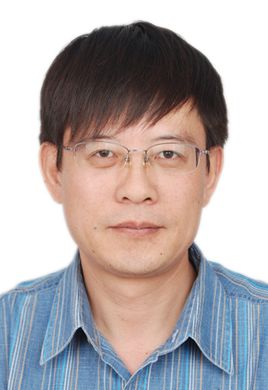 Xiaowei Liu (刘晓为)合作论文数South-Western Institute for Astronomy Research, Yunnan University22Liangping Tu合作论文数22Yanxin Guo合作论文数21
 Shuo Zhang合作论文数20
 Subo Dong (东苏勃)合作论文数The Kavli Institute for Astronomy and Astrophysics, Peking University;School of Physics, Peking University20
 Haifeng Yang (杨海峰)合作论文数School of Computer Science and Technology, Taiyuan University of Science and Technology20
 Mengxin Wang (汪梦欣)合作论文数University of Chinese Academy of Sciences;National Astronomical Observatories, Chinese Academy of Sciences19Hailong Yuan合作论文数19Yuefei Wang合作论文数16
 Zhenping Yi (衣振萍)合作论文数School of Airspage Science and Engineering, Shandong University16
 Xuebing Wu (吴学兵)合作论文数Department of Astronomy, School of Physics, Peking University16KeFei Wu合作论文数15
 Weikai Zong合作论文数Beijing Normal University, Beijing Normal University15
 Huawei Zhang (张华伟)合作论文数Department of Astronomy, School of Physics, Peking University15
 Jiwei Xie (谢基伟)合作论文数School of Astronomy & Space Science, Nanjing University15
 Juanjuan Ren (任娟娟)合作论文数University of Chinese Academy of Sciences;National Astronomical Observatories, Chinese Academy of Sciences14
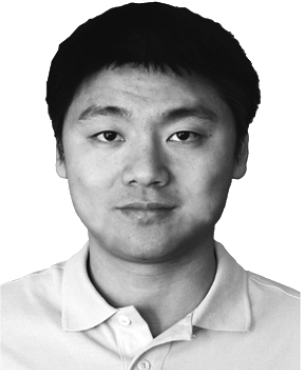 Fengfei Wang合作论文数14
 Heidi Jo Newberg合作论文数Department of Physics;Applied Physics and Astronomy;Rensselaer Polytechnic Institute14
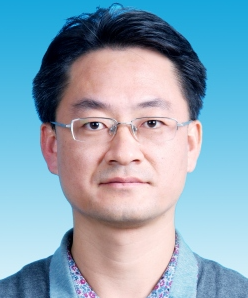 Bin Jiang (姜斌)合作论文数School of Airspace Science and Engineering, Shandong University13




