The antitumor efficacy of immune cell engagers that bind two targets on the same immune cell is limited by structural constraints, leading to incomplete coengagement and uncoordinated signaling. Here, we develop a trispecific macrophage engager (TrME) that both activates the prophagocytic receptor lipoprotein receptor-related protein 1 (LRP1) and blocks the antiphagocytic receptor signal regulatory protein alpha (SIRPα). This 'activate and block' AND logic gate, when coupled to a tumor-targeting moiety, enables coordinated signaling that enhances macrophage cytotoxicity against solid tumors. The TrME tandemly links monovalent LRP1 activator calreticulin, anti-SIRPα scFv and a tumor-associated antigen (TAA)-targeting arm through flexible linkers. Computational modeling and screening of tandem constructs revealed an optimal conformation for robust cis-targeting, allowing logic-gated control of ratiometric prophagocytic and antiphagocytic signaling. In situ generation of TrME by delivering mRNA encoding TAA-targeting TrME through an optimized lipid nanoparticle system activates macrophages and induces antitumor responses, significantly inhibiting tumor growth and prolonging survival in multiple solid tumor mouse models.
TPS412 Background: PARP inhibitors (PARPi) are approved for the treatment of patients with metastatic castration-resistant prostate cancer. Saruparib is a new generation PARPi that selectively inhibits and traps PARP1. In the Phase I/IIa PETRA study (NCT04644068), activity with saruparib monotherapy (PSA 50 , objective response) has been observed in patients with advanced/metastatic prostate cancer. The Phase I/II PETRANHA study (NCT05367440) has demonstrated that saruparib can be safely combined with androgen receptor pathway inhibitors to treat patients with metastatic prostate cancer. The Phase III EvoPAR-Prostate02 study (NCT06952803) is evaluating the efficacy and safety of adjuvant saruparib versus placebo in patients with early-stage, high-risk prostate cancer with BRCA1 / BRCA2 gene mutation (BRCAm) who have received definitive radiotherapy (RT) and are receiving a standard concomitant androgen deprivation therapy (ADT) regimen. Methods: EvoPAR-Prostate02 is a two-cohort, randomized, double-blind, placebo-controlled study. Eligibility criteria include age ≥18 years, diagnosis of high-risk or very high-risk localized/locally advanced prostate adenocarcinoma or high-risk biochemical recurrence following radical prostatectomy, with a confirmed BRCAm by central tumor tissue testing. Patients must have completed primary or salvage RT with curative intent, with no evidence of disease or disease detected only in the pelvis at time of study entry, and must still be receiving ADT. Key exclusion criteria include persistent cytopenias, conditions with predisposition to bleeding, and history of myelodysplastic syndrome/acute myeloid leukemia. In both Cohort A (ADT alone) and Cohort B (ADT plus abiraterone/prednisone), randomization is 1:1 to saruparib or placebo. Treatment with saruparib/placebo continues for 24 months or until unacceptable toxicity, confirmed disease progression by blinded independent central review (BICR), or patient-initiated withdrawal. ADT and abiraterone treatment duration is limited to 24 months, inclusive of pre-study regimen. The primary endpoint is metastasis-free survival (MFS), confirmed by standard clinical imaging (computed tomography/magnetic resonance imaging and bone scan, or prostate-specific membrane antigen-positron emission tomography [PSMA PET]), as assessed by BICR. Overall survival (OS) is a key secondary endpoint. Statistical analyses of MFS and OS will be conducted within each cohort using a stratified log-rank test. Approximately 700 patients will be randomized. Recruitment began in July 2025 and is ongoing. Clinical trial information: NCT06952803 .
Quercetin is a bioflavonoid that is abundant and easy to extract, and has beneficial effects such as anti-cancer, anti-inflammatory, and antioxidant properties. We have demonstrated that oral administration of quercetin in an animal model inhibits bladder cancer (BCa), with inhibition rates of 48.5% (100 mg/kg) and 51.41% (200 mg/kg), respectively. Additionally, quercetin treatment reverses gut microbiota dysbiosis in the model mice. Metabolomics results showed that L-serine had the highest correlation coefficient with tumor weight in model mice (r = 0.935), and oral quercetin reduced L-serine levels by modulating the abundance of Escherichia-Shigella in the gut microbiota. Transcriptomic sequencing results revealed that quercetin treatment downregulates the expression of phosphoserine phosphatase (PSPH), inhibiting the serine synthesis pathway (SSP) and reducing L-serine levels in the body, thus exerting anti-tumor effects. Fecal microbiota transplantation (FMT) experiments reproduced the pharmacological results of oral quercetin treatment for BCa and identified Escherichia coli Nissle 1917 as capable of inhibiting BCa growth by metabolizing L-serine. In conclusion, quercetin effectively inhibits the progression of BCa by comprehensively regulating L-serine levels in the body at both endogenous and exogenous levels.
Supplementary Table 6: The clinical information of scRNA-seq data and the numbers of cells in each sample
Poly(ADP-ribose) polymerase (PARP) inhibitor plus androgen receptor pathway inhibitor (ARPI) is approved for selected patients with metastatic castration-resistant prostate cancer. Saruparib (AZD5305) is a new-generation PARP inhibitor that selectively inhibits and traps PARP1. EvoPAR-Prostate01 is a Phase III, 2-cohort, randomized, double-blind, placebo-controlled, multicenter study evaluating the efficacy and safety of saruparib plus ARPIs in participants with histologically confirmed metastatic hormone-sensitive prostate cancer (mHSPC) with and without confirmed, prospectively defined, homologous recombination repair gene mutations (HRRm). Participants must receive androgen deprivation therapy throughout the study, or have undergone bilateral orchiectomy, and be suitable for ARPI. Key exclusion criteria include prior PARP inhibitor, prior chemotherapy or ARPI in the mHSPC setting (prior ARPI for localized disease is permitted), and history of/suspected myelodysplastic syndrome/acute myeloid leukemia. Approximately 1800 participants (550 HRRm; 1250 non-HRRm) are randomized 1:1 to receive either saruparib plus physician's choice of ARPI (abiraterone plus prednisone/prednisolone, darolutamide, or enzalutamide) or placebo plus ARPI. Treatment beyond disease progression and crossover between cohorts are not permitted. The primary endpoint is radiographic progression-free survival (rPFS); overall survival (OS) is a key secondary endpoint. Analyses of rPFS and OS will be conducted within each cohort by stratified log-rank test. Enrollment began in November 2023.Clinical trial registration: www.clinicaltrials.gov identifier is NCT06120491; EU CT number is 2023-504214-30-00.
BACKGROUND:In patients with metastatic hormone-sensitive prostate cancer (mHSPC), darolutamide significantly improved radiological progression-free survival versus placebo (hazard ratio [HR] 0·54, 95% CI 0·41-0·71) in the phase 3 ARANOTE study. In addition to survival, symptom control and health-related quality of life (HRQoL) are important factors in treatment decision making; we therefore report pain, HRQoL, and safety outcomes from the ARANOTE trial. METHODS:ARANOTE is an international, randomised, double-blind, placebo-controlled, phase 3 trial involving men aged 18 years or older, with Eastern Cooperative Oncology Group performance status 0-2 and recurrent or de novo mHSPC, treated at 133 cancer centres in 15 countries. Participants were randomly assigned (2:1) to 600 mg darolutamide or matching placebo orally twice daily, both with investigator's choice of androgen deprivation therapy (ADT; luteinising hormone-releasing hormone agonist or antagonist, or orchiectomy) starting within 12 weeks before randomisation. Randomisation was stratified by presence versus absence of visceral metastases and by previous versus no previous local therapy. Treatment was assigned centrally using an interactive web response system based on a computer-generated permuted block randomisation list with block sizes of six. The investigators, the participants, and the sponsor remained masked to treatment assignment throughout the study. The primary endpoint (reported previously) was radiological progression-free survival. Here, we assessed time to pain progression (≥2-point increase in Brief Pain Inventory-Short Form worst pain score or initiation of opioid for ≥7 days; secondary endpoint) and time to deterioration of overall wellbeing (≥10-point decrease in Functional Assessment of Cancer Therapy-Prostate [FACT-P] total score; prespecified exploratory endpoint). Pain and HRQoL outcomes were analysed in the intention to treat population; safety was analysed in all treated patients according to treatment actually received. The trial, registered at ClinicalTrials.gov, NCT04736199, is ongoing, but no longer recruiting. FINDINGS:Between Feb 23, 2021, and June 14, 2022, 669 patients (all male; 376 [56%] White, 209 [31%] Asian, 65 [10%] Black, 19 [3%] other race) were randomly assigned to receive darolutamide (n=446) or placebo (n=223). At the data cutoff date for the primary analysis (June 7, 2024), the median follow-up duration for the analyses presented here was 22·8 months (IQR 12·3-27·4) in the darolutamide group and 20·3 months (11·4-25·2) in the placebo group. Darolutamide delayed time to pain progression (HR 0·72; 95% CI 0·54-0·96) and extended time to deterioration in FACT-P total score (HR 0·76; 0·61-0·94) versus placebo. The most common grade 3-4 adverse events were hypertension (19 [4%] of 445 patients who received darolutamide vs eight [4%] of 221 patients who received placebo), anaemia (14 [3%] vs eight [4%]), and aspartate aminotransferase increase (ten [2%] vs one [<1%]). Serious adverse events occurred in 105 (24%) versus 52 (24%) patients, respectively. One treatment-related grade 5 event occurred, reported as death (not otherwise specified). INTERPRETATION:Along with the known survival benefits, the clinically meaningful delays in pain progression and time to deterioration of overall wellbeing support consideration of darolutamide plus ADT as a standard-of-care treatment option in patients with mHSPC. FUNDING:Bayer and Orion Pharma.
4533 Background: The multicenter randomized phase 2/3 FRUSICA-2 trial (NCT05522231) demonstrated that fruquintinib plus sintilimab (F+S) significantly improved progression-free survival (PFS) (22.2 months vs 6.9 months) and objective response rate (ORR) (60.5% vs 24.3%) by blinded independent central review (BIRC) assessment compared to axitinib or everolimus (A/E) in Chinese patients (pts) with advanced renal cell carcinoma (aRCC) who had failed prior tyrosine kinase inhibitor therapy (Ye D, et al; 2025 ESMO). Considering that baseline tumor burden may correlate with efficacy outcome, we present the results of a relevant post-hoc subgroup analysis. Methods: Overall, 234 eligible pts were 1:1 randomized to receive either F+S or A/E. The primary efficacy endpoint was PFS assessed by BIRC per RECIST 1.1; secondary endpoints included investigator-assessed PFS, ORR, disease control rate, duration of response, time to response, and overall survival. This subgroup analysis evaluated BIRC-assessed PFS and ORR across subgroups defined by the number of target lesions (TLs) and metastatic sites (METs) at baseline. Results: At baseline, 79, 79, 32 and 44 pts had 1, 2, 3 and ≥4 TL(s), respectively. Metastatic disease was present in 117 (98.3%) pts in F+S arm and 110 (95.7%) pts in A/E arm, with a higher proportion of pts in F+S arm (88, 73.9%) having ≥3 METs than in A/E arm (67, 58.3%). By the data cut-off date of Feb 17, 2025, median follow-up for PFS was 16.6 months. As summarized in the table, F+S demonstrated superior PFS versus A/E across all subgroups, with unstratified hazard ratios (HRs) ranged from 0.28 to 0.50, as well as consistently longer median PFS. Similarly, improvements in ORR were observed across subgroups with odds ratios (ORs) ranged 2.46~7.22. Notably, in F+ S arm, fewer baseline TLs and METs appeared to correlate with longer median PFS, though such trend was not observed for ORR. Conclusions: Consistent with the primary analysis, F+S showed superior efficacy compared to A/E in terms of PFS and ORR in the second-line treatment of aRCC, regardless of the amount of baseline TLs or METs. Clinical trial information: NCT05522231 . Subgroup(F+S v A/E) 1 TL(38 v 41) 2 TLs(38 v 41) 3 TLs(16 v 16) ≥4 TLs(27 v 17) 1 MET(29 v 43) 2 METs(39 v 28) ≥3 METs(49 v 39) PFS, HR (95% CI) a 0.39 (0.20, 0.76) 0.33 (0.17, 0.66) 0.43 (0.17, 1.10) 0.28 (0.12, 0.62) 0.28 (0.13, 0.60) 0.50 (0.24, 1.04) 0.31 (0.18, 0.545) Median PFS, months b 24.9 vs 8.3 22.2 vs 6.9 15.3 vs 4.2 13.8 vs 6.9 24.9 vs 8.3 22.2 vs 8.3 NE vs 4.2 ORR, OR (95% CI) c 3.95 (1.35, 11.91) 4.65 (1.63, 13.43) 7.22 (1.17, 52.78) 5.53 (1.21, 28.76) 7.18 (2.22, 23.84) 2.46 (0.81, 7.76) 6.12 (2.13, 18.44) ORR, % 52.6 vs 22.0 65.8 vs 29.3 62.5 vs 18.8 63.0 vs 23.5 65.5 vs 20.9 53.8 vs 32.1 61.2 vs 20.5 NE, not estimable. a Based on an unstratified Cox proportional risk model. b Estimated using Kaplan-Meier method. c Exact 95% CI for OR was calculated using Cochran-Mantel-Haenszel method.
This study introduces a novel “tunnel method” for single-position laparoscopic nephroureterectomy in women with upper urinary tract urothelial carcinoma (UTUC), enabling complete resection of the kidney and entire ureter while preserving the uterine round ligament during dissection of the intramural ureter and bladder cuff excision. By creating a tunnel-like space beneath the round ligament via precise dissection of the uterine broad ligament, this technique avoids round ligament transection, thereby maintaining pelvic anatomical integrity, reducing risks of pelvic organ prolapse, minimizing postoperative adhesions, and preserving reproductive and pelvic function-particularly critical for women of childbearing age or those at risk of prolapse. This innovative approach ensures effective oncological resection while prioritizing female-specific anatomical and functional considerations, providing a more comprehensive and patient-centered treatment option for UTUC.
INTRODUCTION:Hypothesis-driven studies have identified many modifiable cancer risk factors, but research focusing on single exposures overlooks their complex interactions. OBJECTIVES:This study applied an exposome-wide approach across multiple cancer types to systematically identify modifiable exposures and evaluate their combined effects with genetic susceptibility. METHODS:We analyzed data from over 460,000 UK Biobank participants with 15 years of follow-up, assessing 93 modifiable exposures in relation to 23 site-specific cancers using Cox models. Exposomic risk scores (ERS) were constructed to quantify the combined effects of identified factors. Population attributable fractions (PAFs) were calculated to estimate the potential population-level burden associated with these factors. Finally, polygenic risk scores (PRS) were incorporated to evaluate the relative contributions of genetic susceptibility and modifiable exposures to cancer risk. RESULTS:We identified 209 significant exposure-cancer risk estimates, with both their number and magnitude varying markedly across cancer types. Lung cancer exhibited the largest number of associations, whereas ovarian, testicular, and brain cancers showed no significant associations. Several exposures were associated with multiple cancers, such as basal metabolic rate, smoking, diabetes, household income, alcohol consumption, and body fat percentage, suggesting pleiotropic effects. ERSs summarized the combined influence of these modifiable exposures, and PAFs estimated their potential contribution to the population-level cancer burden across cancer types (4.5%-75.6%). PRS integration showed larger relative genetic contributions for prostate cancer (48.6%), melanoma (48.9%), and Hodgkin lymphoma (61%), while modifiable exposures were more influential in endometrial cancer (74.2%), lung cancer (71.1%), and liver cancer (57.8%). CONCLUSION:This study provides a pan-cancer, exposome-wide perspective on modifiable and genetic contributions to cancer risk, highlighting the potential value of targeting controllable exposures to reduce population-level cancer burden.
 Feiya Yang (杨飞亚)合作论文数Cancer Hospital, Chinese Academy of Medical Sciences117
 Yinong Niu (牛亦农)合作论文数首都医科大学附属北京朝阳医院91
 Mingshuai Wang (王明帅)合作论文数Cancer Hospital, Chinese Academy of Medical Sciences86
 JunHui Zhang (张军晖)合作论文数73XiQuan Tian (田溪泉)合作论文数52
 Sujun Han (韩苏军)合作论文数Cancer Hospital Chinese Academy of Medical Sciences46
 JianWen Wang (王建文)合作论文数Beijing Chao-Yang Hospital, Capital Medical University38Liming Song合作论文数35
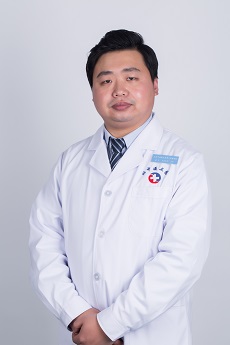 Ning Kang (康宁)合作论文数Third Affiliated Hospital, Beijing University of Chinese Medicine33Qinxin Zhao合作论文数27
 Yong Yan (闫勇)合作论文数Beijing Shijitan Hospital, CMU27
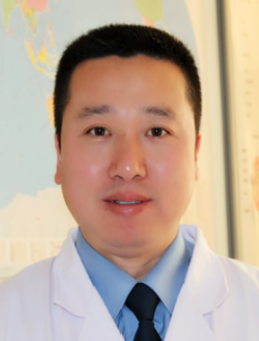 Weijun Qin (秦卫军)合作论文数Xijing Hospital, Air Force Medical University26Hao Ping (平浩)合作论文数Department of Urology, Beijing Chaoyang Hospital, Capital University of Medical Sciences26Wasilijiang Wahafu合作论文数22
 Jing Liang Zhang合作论文数22Weihong Wen (温伟红)合作论文数School of Life Science and Technology, Northwestern Polytechnical University;Institute of Medical Research, Northwestern Polytechnical University22Dong Chen合作论文数20Yajian Li合作论文数18Fang-Ming Wang合作论文数18Junhui Zhang (张军晖)合作论文数18
 Jianxing Li (李建兴)合作论文数Beijing Tsinghua Changgung Hospital17
 Jianzhong Shou (寿建忠)合作论文数Chinese Academy of Medical Sciences17Wenkuan Wang合作论文数16Liyuan Wu合作论文数16
 Xiaodong Zhang (张小东)合作论文数Beijing Chao-Yang Hospital, Capital Medical University;Graduate School, Capital Medical University16
 Peng Wu合作论文数14Yu-ming Jing合作论文数13Jianhua Jiao合作论文数13ShuaiJun Ma (马帅军)合作论文数13XiaoJian Yang (杨晓剑)合作论文数13Dong Wang (王栋)合作论文数13Peng Qiao (乔鹏)合作论文数13
 Fei Kang (康飞)合作论文数Air Force Medical University13HongSong Bai (白红松)合作论文数12LinJun Hu (胡林军)合作论文数12WuHe Zhang (张武合)合作论文数12
 Qiang Zhang (张强)合作论文数Department of Chemistry, College of Sciences, Northeastern University12
 Yinglu Guo (郭应禄)合作论文数Peking University First Hospital12
 Zejun Xiao (肖泽均)合作论文数Cancer Hospital, Chinese Academy of Medical Sciences12Hongwei Zhao合作论文数11Sai Liu (刘赛)合作论文数11
 Changling Li (李长岭)合作论文数Cancer Hospital Chinese Academy of Medical Sciences11Fa Yang合作论文数10Donghui Han合作论文数10Keying Zhang合作论文数10
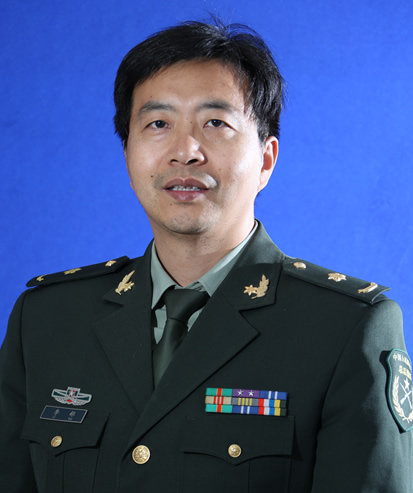 Yu Li (李郁)合作论文数第四军医大学基础部细胞生物学教研室10Shi Chang-Hong (师长宏)合作论文数10
 Dingwei Ye (叶定伟)合作论文数Institutes of Biomedical Sciences, Fudan University;Fudan University Shanghai Cancer Center10Qingbao He合作论文数9




