Matrine (Mat) is a major alkaloid extracted from Sophora flavescens Ait, an herb which is used in the traditional Chinese medicine for treatment of inflammation, cancer, and other diseases. The present study examined the impact of Mat on the CCl4-induced hepatic infiltration of Gr1(hi) monocytes to explore the possible mechanisms underlying its anti-inflammatory and antifibrotic effects. The results indicated that Mat protected mice from acute liver injury induced by single intraperitoneal injection of CCl4 and attenuated liver fibrosis induced by repeated CCl4 injection. Meanwhile, the infiltrations of Gr1(hi) monocytes in both acute and chronic injured livers were all inhibited, and the enhanced hepatic expression of MCP-1 was suppressed. Cellular experiments demonstrated that Mat directly inhibited MCP-1 production in both nonparenchymal cells and hepatic stellate cells derived from CCl4-injured livers. Transwell chemotaxis assays showed that Mat significantly inhibited the chemotactic activity of MCP-1. These results suggest that the anti-inflammatory and antifibrotic effects of Mat could be contributed, at least in part, to its prevention of Gr1(hi) monocyte infiltration into the injured livers and inhibition of MCP-1 production and activity. These findings extend our understanding of the mechanisms underlying the anti-inflammatory and antifibrotic effects of Mat.
Molecular hydrogen has been proven effective in ameliorating cerebral ischemia/reperfusion (I/R) injury by selectively neutralizing reactive oxygen species. Lactulose can produce a considerable amount of hydrogen through fermentation by the bacteria in the gastrointestinal tract. To determine the neuroprotective effects of lactulose against cerebral I/R injury in rats and explore the probable mechanisms, we carried out this study. The stroke model was produced in Sprague–Dawley rats through middle cerebral artery occlusion. Intragastric administration of lactulose substantially increased breath hydrogen concentration. Behavioral and histopathological verifications matched biochemical findings. Behaviorally, rats in the lactulose administration group won higher neurological scores and showed shorter escape latency time in the Morris test. Morphologically, 2,3,5-triphenyltetrazolium chloride showed smaller infarction volume; Nissl staining manifested relatively clear and intact neurons and TUNEL staining showed fewer apoptotic neurons. Biochemically, lactulose decreased brain malondialdehyde content, caspase-3 activity, and 3-nitrotyrosine and 8-hydroxy-2-deoxyguanosine concentration and increased superoxide dismutase activity. The effects of lactulose were superior to those of edaravone. Lactulose orally administered activated the expression of NF-E2-related factor 2 (Nrf2) in the brain as verified by RT-PCR and Western blot. The antibiotics suppressed the neuroprotective effects of lactulose by reducing hydrogen production. Our study for the first time demonstrates a novel therapeutic effect of lactulose on cerebral ischemia/reperfusion injury and the probable underlying mechanisms. Lactulose intragastrically administered possessed neuroprotective effects on cerebral I/R injury in rats, which could be attributed to hydrogen production by the fermentation of lactulose through intestinal bacteria and Nrf2 activation.
ZNF24 is a member of the SCAN domain family of Krüppel-like zinc finger (ZF) transcription factors, which plays a critical role in cell proliferation and differentiation. However, how ZNF24 enters the nucleus in order to exert its function remains unclear since its nuclear localization signal(s) (NLS) has not been identified. Here, we generated a series of GFP-tagged deletion and point mutants and assessed their subcellular localization. Our results delimit the NLS to ZF1-2. Deletion of ZF1-2 caused cytoplasmic accumulation of ZNF24. Fusion of the ZF1-2 to green fluorescent protein (GFP) targeted GFP to the nucleus, demonstrating that the ZF1-2 is both necessary and sufficient for nuclear localization. ZNF24 containing histidine to leucine mutations that disrupt the structure of ZF1 or/and ZF2 retains appropriate nuclear localization, indicating that neither the tertiary structure of the zinc fingers nor specific DNA binding are necessary for nuclear localization. K286A and R290A mutation led to partial cytoplasmic accumulation. Co-immunoprecipitation demonstrated that ZNF24 interacted with importin-β and this interaction required the ZF motifs. The β-Catenin (CTNNB1) luciferase assays showed that the ZNF24 mutants defective in nuclear localization could not promote CTNNB1promoter activation as the wild-type ZNF24 did. Taken together, these results suggest that consecutive ZF1-2 is critical for the regulation of ZNF24 nuclear localization and its transactivation function.
In recent years, the rapid development and the increasingly fierce competition of biological med-icine industry put forward higher requirements on the cultivation of innovative military academy .This article is based of the practice of innovative talented undergraduate students cultivation of the department of biochemical pharmacy of second military medical university , summing up the experience of basing on the classroom , actively ex-ploring and taking advantage of the graduate education resource to cultivate the new drug innovation ability of un -dergraduate student , aiming to improving the training level of military personnel constantly .
A series of 1-phenyl-3,4-dihydroisoquinoline derivatives and several 1-phenyl-1,2,3,4-tetrahydroisoquinoline, 1-phenyl-isoquinoline analogues were synthesized, and their cytotoxicity and tubulin polymerization inhibitory activity were evaluated. The 1-phenyl-3,4-dihydroisoquinoline compounds were found to be potential tubulin polymerization inhibitors. Compound 5n, bearing a 3'?OH and 4'?OCH3 substituted 1-phenyl B-ring, was shown to confer optimal bioactivity. The single-crystal structure of 5n was further determined by X-ray diffraction, and the binding mode of 5n to tubulin was obtained by molecular docking, which can explain the structureactivity relationships. The studies presented here provide a new structural type for the development of novel antitumor agents.
OBJECTIVES:Ginsenoside Rg1 (GRg1), one of the major active constituents of Panax notoginseng, has shown anti-inflammatory and antinocioceptic activity, but its role in keratinocytes needs further study. We have examined the inhibitory effect of GRg1 on transient receptor potential vanilloid-1 (TRPV1) activation in keratinocyte HaCaT cells and explored its involved mechanism.METHODS:HEK 293T cells over-expressing exogenous TRPV1 were constructed and named HEK 293T-TRPV1 cells. The effects of GRg1 on production of interleukin-8 (IL-8) and prostaglandin E(2) (PGE(2) ), calcium influx, the expression of cyclooxygenase-2 (COX-2) and nuclear factor-κB (NF-κB) transcriptional activity in HEK 293T-TRPV1 and HaCaT cells were examined by ELISA, Fluo 3-AM fluorescence probe, Western blot and Dual-Luciferase Reporter Assay, respectively.KEY FINDINGS:The results showed that GRg1 blocked intracellular calcium by both capsaicin and proton activation in a TRPV1-dependent manner. Furthermore, GRg1 inhibited the expression of COX-2 and NF-κB transcriptional activity induced by capsaicin in keratinocytes. The inhibitory effect of GRg1 was similar to capsazepine, an antagonist of TRPV1. More importantly, GRg1 dose-dependently inhibited capsaicin-induced PGE(2) and IL-8 secretion in HaCaT cells and HEK 293T-TRPV1 cells.CONCLUSIONS:These data showed that GRg1 could inhibit TRPV1 mediated responses in HaCaT cells, indicating that GRg1 acted as a TRPV1 antagonist.
OBJECTIVES:Angiotensin II type 1 receptor antagonists (angiotensin receptor blockers [ARBs]) have been shown to be effective and well tolerated in hypertensive patients. Olmesartan is the seventh angiotensin receptor blocker licensed by the US Food and Drug Administration. The aim of this meta-analysis was to determine the efficacy and tolerability of olmesartan medoxomil in comparison with other ARBs.DATA SOURCES:Reports of randomized controlled trials (RCTs) of olmesartan versus other ARBs were identified through a systematic search of PubMed (up to July 2010), EMBASE (1980 to July 2010), SinoMed (up to July 2010), and the Cochrane Central Register of Controlled Trials (Cochrane Library Issue 7, 2010).REVIEW METHODS:Pertinent studies were selected through extensive searches of PubMed, EMBASE, Cochrane Central Register of Controlled Trials, and SinoMed. Two of the authors abstracted data from the identified studies independently. Criteria for inclusion in our meta-analyses were randomized clinical trials in which patients were receiving an ARB and outcome data for blood pressure reduction or the incidence of adverse events were available. Quantitative and qualitative analyses of data from all RCTs meeting the criteria were performed. Our meta-analysis was undertaken according to the Quality of Reporting Meta-analyses (QUOROM) statement.RESULTS:Twenty-two studies with data from 4892 patients were considered for analyses. Olmesartan provided greater diastolic blood pressure (DBP) and systolic blood pressure (SBP) reductions compared with losartan (DBP: 95% confidence interval [CI] 0.59, 2.62; SBP: 95% CI 0.46, 5.92). Olmesartan provided greater SBP reductions compared with valsartan (95% CI 0.29, 3.16). Similar blood pressure response rates and incidence of adverse events were found with losartan, valsartan, candesartan, and irbesartan.CONCLUSION:Olmesartan provides better antihypertensive efficacy than losartan and valsartan and has no association with an increased risk of adverse events in comparison with losartan, valsartan, candesartan, and irbesartan.
药学专业是一门实践性很强的学科,本科生在校学习阶段积极参与丰富多样的第二课堂活动,有助于激发学习兴趣、提高学习能力、开拓视野及增强对专业的理解等,是目前各大高校力求促进本科生培养质量进一步提高的重要途径。
To improve the teaching quality of genetic engineering pharmacy,project-based instruction was applied,which can deepen students' understanding of basic theoretical knowledge that be taught in class,stir up their interest and initiative in learning,foster their academic quality and innovative spirit,and improve their communicating ability and teamwork spirit.
On the basis of the comparison of the structure of the Bim BH3: Bcl-x(L) complex and that of the ABT-737: Bcl-x(L) complex, a series of class A compounds were designed. These compounds had the basic skeleton of ABT-737 and the h2 residues of Bim BH3. These residues had shown themselves to be relevant to Bim BH3's broad-spectrum binding properties in saturation mutagenesis assays. Unlike ABT-737, which is a selective inhibitor of anti-apoptotic members of the Bcl-2 protein family, the class A compounds showed broad-spectrum binding activity to target proteins similar to those of Bim BH3 peptide. Then class B compounds were synthesized by modifying the structure of the most effective class A compound, A-4. Most of these class B compounds showed better binding affinity to the target proteins than the class A compounds had. They also showed themselves more effective than ABT-737 at inhibiting growth in multiple tumor cell lines known to express Bcl-x(L), Bcl-2, and Mcl-1 proteins at high levels. Compounds B-11 and B-12 had the strongest anti-tumor activity of any compounds we produced. This study suggests that it is feasible to design small-molecule inhibitors based on the structure of Bim BH3, which shows broad-spectrum binding to Bcl-x(L), Bcl-2, and Mcl-1 proteins. Our results also suggest that the broad-spectrum properties of small-molecule inhibitors binding to target proteins play a critical role in inhibiting the growth of many tumor cells. Finally, our study provides a series of lead compounds that merit further research into anti-cancer therapeutics.
随着蛋白质组学技术在生命科学各个领域的广泛应用,为了提高研究生培养质量,国内已有多家高等医学院校开设了蛋白质组学专业课。结合教学实践,提出应用现代教学理念,通过建设网络教学平台、细化实验课考核指标、使用多媒体技术和加强双语教学等手段,提高教学效果。
The benefits of reducing blood pressure (BP) have been well established, but uncertainty remains about the comparative effects of different BP-lowering regimens. We aimed to estimate the efficacy and the tolerability of eprosartan compared with other agents as monotherapy.
MicroRNAs (miRNAs) are known to play important roles in liver regeneration, although the role of miRNAs associated with the termination of liver regeneration is not as well studied. Here we reported the down-regulation of miR-23b in the termination stage of liver regeneration in rats. In addition, Smad3 was identified as a target of miR-23b during liver regeneration. Up-regulation of miR-23b promoted BRL-3A cell proliferation and partially inhibited transforming growth factor (TGF)-β1-induced apoptosis. Furthermore, TGF-β1 transcriptionally inhibited miR-23b expression. We conclude that down-regulation of miR-23b may contribute to activation of the TGF-β1/Smad3 signalling pathway during the termination stage of liver regeneration.
A series of novel combretastatin-A4 analogues in which the cis-olefinic bridge is replaced by an imidazolone-amide were synthesized, and their cytotoxicity and tubulin-polymerization inhibitory activities were evaluated. These compounds appear to be potential tubulin-polymerization inhibitors. Compounds 10, 9b and 9c, bearing 3'-NH2-4'-OCH3, 4'-CH3 and 3'-CH3-substituted 1-phenyl B-ring, confer optimal bioactivity. The binding modes of these compounds to tubulin were obtained by molecular docking, which can explain the compounds' structure-activity relationship. The studies presented here provide a new structural type for the development of novel antitumor agents. (C) 2011 Elsevier Ltd. All rights reserved.
Background and Aim: Neutropenia is a serious adverse event for patients who are treated with cetuximab, an inhibitor of endothelial growth factor receptor. However, there is no consistent result of the relationship between cetuximab and neutropenia in randomized controlled trials (RCTs). We did a systematic review and meta-analysis of published RCTs to assess the overall risk of neutropenia associated with cetuximab.Methods: PubMed, Cochrane Central Register of Controlled Trials, EMBASE, and American Society of Clinical Oncology conferences were searched for relevant RCTs. Quantitative and qualitative analyses were carried out to evaluate the association between neutropenia and cetuximab. Both the fixed-effect model and random-effects model were used.Results: A total of 7186 patients with a variety of advanced cancers from 14 trials were included in our analysis. The overall incidence of neutropenia in patients receiving cetuximab was 33% (95% CI 26, 43). Patients treated with cetuximab had a significantly increased risk of neutropenia compared with patients treated with control medication, with a relative risk (RR) of 1.12 (95% CI 1.05, 1.19; fixed-effect model). Risk varied with tumor type. Higher risks were observed in patients with colorectal carcinoma (RR 1.17; 95% CI 1.04, 1.32; fixed-effect model) and non-small cell lung cancer (RR 1.07; 95% CI 0.99, 1.16; fixed-effect model).Conclusion: Cetuximab is associated with a significant risk of neutropenia in patients with advanced cancer receiving concurrent chemotherapy.
<正>药学专业本科生实习包括教研室实习、药厂实习及药房实习等。教研室实习主要围绕课题研究展开,如何培养实习生的创新能力,帮助其具备科研素养是教研室实习面临的重要课题。教研室实习涉及选题、开题、实验、论文撰写及答辩等多个环节,由于实习时间较短及实习工作量大等问题。笔者就近年来教研室在实习生培养方面的经验进行总结和思考。
军医大学实行本科生导师制,与主讲教员课堂教学、学员队教育管理一起,构成了一个完整的育人工作机制。为不断完善和发展本科生导师制,使之在军队院校实践中取得更好效果,笔者结合担任第二军医大学本科生导师的实践,就如何适应军队院校学年规律,更好地发挥本科生导师作用提出几点建议。
The activity detection methods of TMAOase in frozen squid were established. The activity determination method of TMAOase in frozen squids were established and the mechanism of formaldehyde production in frozen squids preliminary were explored. TMAOwere catalyzed by TMAOase to produce formaldehyde in suitable buffer solution. According to the principle of enzymatic reaction,the quantity of formaldehyde generated per unit time was proportional to the enzyme activity during the maximum reaction rate. Convenience and repeatability of the method will be useful in the further study of biology of TMAOase;TMAOase in frozen squid has some activity which increases with time. During the frozen-reserved time,the activity of the TMAOase was the important reason that the formaldehyde was increased.
Liver regeneration (LR) is of great clinical significance in various liver-associated diseases. LR proceeds along a sequence of three distinct phases: priming/initiation, proliferation, and termination. Compared with the recognition of the first two phases, little is known about LR termination and structure/function reorganization. A combination of "omics" techniques, along with bioinformatics, may provide new insights into the molecular mechanism of the late-phase LR Gene, protein, and metabolite profiles of the rat liver were determined by cDNA microarray, two-dimensional electrophoresis, and HPLC-MS analysis. Pathway enrichment analysis was performed to identify the pathways: 427 differentially expressed genes extracted from the microarray experiment revealed two expression patterns representing the early and late phase of LR Functionally, the genes expressing at a higher level at the early phase than at the late phase were mainly involved in the response to stress, proliferation, and resistance to apoptosis, while those expressing at a lower level at the early phase than at the late phase were mainly engaged in lipid metabolism. Compared with the sham-operation control (SH) group, S proteins in the 70% partial hepatectomy (70%PHx) group were upregulated at the protein level, and 3 proteins were downregulated at 168 h after the 70%PHx. E-FABP, an upregulated fatty acid binding protein, was found to be involved in the peroxisome proliferator-activated receptor (PPAR) signaling pathway. The metabolomic data confirmed the enhancement of lipid metabolism by the detection of the intermediate and final metabolites. We've concluded that increased lipid metabolism and activated PPAR signaling pathways play important roles in late-phase LR.
Objective To analyze the activation mechanism of hepatic apoptotic enzyme Caspase-3 during the early stage of liver regeneration from the perspective of Kupffer cell.Methods Liver regeneration models were finished and partly were administrated by gadolinium chloride(Gd),liver regeneration index(LRI)and liver regeneration degree(LRD)were observed.Serum AST,ALT and TNF-α,serum Caspase-3 and 8 activities were determined.Results Compared with control group,Gd treatment decreased LRI and LRD at 72 h,increased serum AST and ALT levels at 24 h,decreased serum TNF-α level at 24 h,and decreased activities of Caspase-3 and 8 at 3 h and 6 h.Conclusion During the early stage of liver regeneration,Kupffer cell may contribute to activation of apoptotic enzyme Caspase-3 through signal pathway mediated by caspase-8 and other signal molecules.
 MingYong Mou (缪明永)合作论文数11
 Binghua Jiao (焦炳华)合作论文数中国人民解放军第二军医大学生物化学与分子生物学教研室11
 Lei Qiu合作论文数9
 Junping Zhang (张俊平)合作论文数中国人民解放军第二军医大学药学院8YunHeng Zhou (周运恒)合作论文数6Zhenlin Hu (胡振林)合作论文数中国人民解放军第二军医大学药学院5Bin Yuan (袁斌)合作论文数5Lu WANG (王璐)合作论文数4JianZhong Li (厉建中)合作论文数4
 Xueyin Shi (石学银)合作论文数Xinhua Hospital Affiliated to Shanghai Jiao Tong University School of Medicine4
 Zui Zou (邹最)合作论文数Naval Medical University4XueMin Wang (王学敏)合作论文数3
 Ju Zhu (朱驹)合作论文数The Second Military Medical University3
 Mingyong Miao (缪明永)合作论文数Naval Medical University3Youjun Zhou (周有骏)合作论文数3Xing Yuan合作论文数3Jiaguo Lü合作论文数3
 Canhui Zheng合作论文数3Jia Liu合作论文数2Jun YU (于军)合作论文数2Jianzhong Li合作论文数2XiShan Xiong (熊锡山)合作论文数2HuiMin Hu (胡惠民)合作论文数2Li Ding (丁力)合作论文数2Yiming Lu (陆一鸣)合作论文数中国人民解放军第二军医大学药学院2
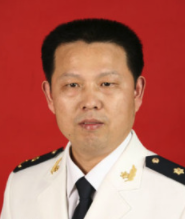 Xuejun Sun (孙学军)合作论文数The Second Military Medical University2Long Wang合作论文数2Hengyi Jiang (蒋恒义)合作论文数2Hao Feng (冯皓)合作论文数2
 Changlin Mei (梅长林)合作论文数Shanghai Changzheng Hospital2Na Liu合作论文数2Ruiqi Dong合作论文数2
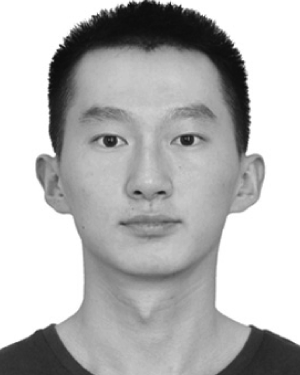 Xiaotian Zhou合作论文数2Jian-hua Zhao合作论文数1BI Xin-ling合作论文数1Gu Jun (顾军)合作论文数1Ying Zhao合作论文数1Yang LI (李洋)合作论文数1Feng-Ying Xu合作论文数1Juan Wang合作论文数1Meng Zhang合作论文数1Chen Xia合作论文数1Yizhi Chen合作论文数1He HUANG (黄鹤)合作论文数1Jiazi Shi (时佳子)合作论文数1QingJu Sun (孙庆举)合作论文数1XueLian Gong (弓雪莲)合作论文数1JingJian Sun (孙经建)合作论文数1




