BACKGROUND Secondary narcolepsy type 1 (NT1) is an uncommon but increasingly recognized disorder, often associated with autoimmune etiologies that disrupt hypothalamic hypocretin/orexin-producing neurons. Anti-Ma2 encephalitis, a paraneoplastic syndrome commonly linked to testicular tumors, typically involves the limbic system and diencephalon, leading to diverse neuropsychiatric manifestations. While hypersomnia has been reported in a subset of these patients, full syndromic NT1 - characterized by cataplexy, hypocretin deficiency, and objective sleep study abnormalities - remains underrecognized as a presentation. This gap in awareness can delay diagnosis, particularly when sleep-related symptoms predominate. Identifying autoimmune triggers in cases of rapidly progressive hypersomnia is thus critical for guiding appropriate treatment. CASE REPORT A 60-year-old man developed subacute severe daytime sleepiness, cataplexy, episodic limb weakness, and cognitive decline. Polysomnography indicated mild sleep-disordered breathing. The MSLT revealed a mean sleep latency of 6.2 min with 3 SOREMPs. CSF hypocretin-1 was markedly low (22.836 pg/mL). Anti-Ma2 antibodies were positive in both serum and CSF. Neuroimaging showed periventricular white matter changes on MRI and medial temporal hypermetabolism on PET-CT. Immunotherapy with corticosteroids and IVIG resulted in partial neurological improvement and significant reduction in sleepiness. CONCLUSIONS Anti-Ma2 encephalitis is a treatable cause of secondary NT1. Immunotherapy can substantially improve hypersomnolence, although adjunctive symptomatic treatment may be necessary for residual symptoms. Autoimmune evaluation - including antibody panels and hypocretin testing - is crucial in cases of acute/subacute hypersomnia with atypical features to enable timely diagnosis and treatment.
Previous studies have yielded inconsistent results regarding the association between chronic kidney disease (CKD) and the risk of cognitive impairment (CI). This study aimed to investigate the longitudinal association of CKD with CI risk in the Chinese middle-aged and older population. A total of 16,515 CI-free participants 45 years of age or older including 15,595 without CKD and 920 with CKD were followed from 2011 until 2018 (median [interquartile range]: 7 [5.5-7]) to detect incident CI. Over the follow-up, 648 participants developed CI. Data were analyzed using multi-adjusted Cox proportional hazard regression and Laplace regression. The incidence rate (IR) of CI was significantly higher in individuals with CKD at 11.46 per 1,000 person-years (95% confidence interval [CI], 8.90 to 14.76) than in those without CKD at 6.38 per 1,000 person-years (95% CI, 5.89 to 6.92). Compared to those without CKD, the hazard ratios of those with CKD was 1.56 (95% CI, 1.19 to 2.04) for CI. Participants with CKD in the middle-aged group (45-54 years) exhibited a heightened risk of CI in age-stratified analyses. CKD accelerated the onset of CI by 1.24 years (10th percentile difference [PD]; 95% CI, -2.03 to -0.43, p < 0.01). The findings from this study revealed a significantly increased risk of CI in individuals with CKD, especially in middle-aged population, where the risk appeared to be more pronounced. This observation underscores the importance of early detection and intervention strategies to alleviate the potential cognitive decline associated with CKD.
This study explored the association between diabetes, cognitive imFpairment (CI), and mortality in a cohort of 2931 individuals aged 60 and above from the 2011 to 2014 NHANES. Mortality data was gathered through 2019, and multivariable Cox proportional hazards models were used to determine the association between diabetes, CI, and mortality adjusting for sociodemographic characteristics, lifestyle factors, and comorbidity conditions. The study spanned up to 9.17 years, observing 579 deaths, with individuals having both diabetes and CI showing the highest all-cause mortality (23.6 events per 100 patient-years). Adjusted analysis revealed a 2.34-fold higher risk of all-cause mortality for this group, surpassing those with diabetes or CI alone. These results held after a series of stratified and sensitivity analyses. In conclusion, CI was linked to higher all-cause mortality in individuals with diabetes, emphasizing the need to address cognitive dysfunction in diabetic patients.
BackgroundCognitive impairment is a prevalent condition that substantially elevates mortality rates among the elderly. The impact of hypertension on mortality in older adults with cognitive impairment is a subject of contention. This study aims to examine the influence of hypertension on both all-cause and CVD-specific mortality in elderly individuals experiencing cognitive impairment within a prospective cohort.MethodsThis study encompassed 2,925 participants (weighted 53,086,905) aged 60 years or older from National Health and Nutrition Examination Survey (NHANES) spanning 2011–2014. Incidence of all-cause and CVD-specific mortality was ascertained through linkage with National Death Index records until 31 December 2019. Survival was performed employing the Kaplan–Meier method. Hazard ratios (HRs) were calculated via Cox proportional hazards regression models.ResultsOver the follow-up period of up to 9.17 years [with a median (IQR) time to death of 6.58 years], equivalent to 18,731.56 (weighted 3.46 × 10⁸) person-years, there were a total of 576 recorded deaths. Participants with CI exhibited a 1.96-fold higher risk of all-cause mortality (95% CI: 1.55–2.49; p < 0.01) and a 2.8-fold higher risk of CVD-specific mortality (95% CI: 1.83–4.29; p < 0.01) in comparison to participants without CI. Among participants with CI, concurrent hypertension comorbidity was linked to a 2.73-fold elevated risk of all-cause mortality (95% CI: 1.78–4.17; p < 0.01) and a 5.3-fold elevated risk of CVD-specific mortality (95% CI: 2.54–11.04; p < 0.01). Further stratified analyses revealed that the combined effects of hypertension and CI on all-cause and CVD-specific mortality were more pronounced in participants aged 60–69 years compared to those aged 70–80 years (p for interaction <0.01). The primary findings exhibited resilience across a series of sensitivity analyses.ConclusionsParticipants with CI exhibited a markedly elevated risk of all-cause and CVD-specific mortality when coexisting with hypertension. Appropriate management of hypertension in patients with CI may be helpful in reducing the excess risk of death.
Objective: To analyze the correlation between rs5029939 locus polymorphism of the tumor necrosis factor ɑ-induced protein 3(TNFAIP3) gene and myasthenia gravis(MG). Methods: Ninety-eight adult MG patients from northern China(MG group) and 87 healthy controls(control group) were recruited. The polymorphisms were determined by SNPscanTM technique, and results were compared between and within the two groups. Results: There was no statistical difference in the TNFAIP3 rs5029939 locus C/C, C/G, and G/G genotypes nor in frequency of the G allele between the MG group and control group(P>0.05). MG group patients were divided into subgroup according to gender, onset age, concurrent thymoma, anti-acetylcholine receptor(AChR) antibody, and clinical classification, and data analysis showed that the frequency of the G allele in patients negative for the anti-acetylcholine receptor was significant lower than that in patients positive for the anti-acetylcholine receptor(P=0.046, OR=0.328, 95% CI 0.115-0.935). Comparisons between all other subgroups revealed no significant difference(P>0.05). Conclusion: Our result indicate that rs5029939 polymorphism of the TNFAIP3 gene is associated with the expression of the anti-AChR antibody in MG patients.
Background: Myasthenia gravis (MG) is an autoantibodies-mediated autoimmune disease with the complications of neuromuscular junction transmission. In this study, we aimed to investigate the molecular regulatory roles of pentaxin 3 (PTX3) in patients and in animal model with MG and to explore its underlying mechanism. Methods: Patients with MG were identified and enrolled at our designated hospital and animal model was utilized for the proposed study. Enzyme-linked immunosorbent assay (ELISA) kit were used to quantify the IL-1β, IL-6, INF-γ, IL-17, TNF-α, anti-TAChR IgG/IgG1/IgG2b/IgG2c levels. Results: Serum PTX3 expression level in patients with MG was up-regulated as compared to normal. Furthermore, we found increased expression level of mRNA and protein product of PTX3 in the mice with MG. PTX3 promoted inflammation, pyroptosis in patients as well as in the MG mouse model. In addition, PTX3 induced the STAT3/NLRP3 inflammasome and promoted gene synthesis of STAT3. We found that METTL3-mediated m6A modification decreases PTX3 stability. Conclusions: Our study suggests that the PTX3 is associated with the enhancement of inflammation and pyroptosis through regulating the STAT3/NLRP3 inflammasome signaling pathway at the early stage of the disease. The pro-inflammatory PTX3 facilitates the development of MG and it can be used as a potantial MG-associated diagnostic biomarker for MG.
目的:分析脑淀粉样血管病相关炎症(CAA-ri)患者的临床资料,总结其临床、影像学特征及治疗预后等方面的异质性.方法:选择脑淀粉样血管病相关炎症患者6例,均行头颅核磁检查,其中3例行脑脊液相关检查,2例行APOE基因型检测,2例行病理活检.分析患者的临床资料.结果:该病好发于老年男性,临床异质性包括病程多样性以及症状体征多样性,可为急性、亚急性或慢性病程,亦可为少见的发作性病程;认知障碍、肢体无力、言语障碍和精神行为异常等症状临床出现频次较高.影像学具有共性的不对称白质病变及微出血、含铁血黄素沉积等特征,但病灶范围、程度差异巨大.治疗及转归亦呈高度异质性,激素等免疫相关治疗对重症患者有效,轻症患者可呈自限性病程,但易复发.结论:CAA-ri具有高度临床异质性,但其影像学表现的共性特征可高度提示诊断,激素等治疗有效协助进一步临床确诊.
目的 探讨视神经脊髓炎谱系疾病(NMOSD)诱发体位性低血压患者的临床表现及头颅、脊髓磁共振成像(MRI)特点并进行相关文献复习.方法 回顾性收集2012年2月至2022年6月首都医科大学附属北京友谊医院神经内科收治的51例NMOSD患者的临床资料.记录患者的性别、发病或复发年龄、既往病史、临床表现、血压及心率变化、相关实验室检查及MRI检查结果等.对其中8例临床上诱发严重的体位性低血压患者进行临床实验室特征及头颅、脊髓MRI分析,同时与未发生体位性低血压的患者进行相关统计分析.结果 51例NMOSD患者中8例合并严重的体位性低血压,临床表现为其所致的反复的晕厥、头晕、心慌、大汗及乏力等.8例患者均大于60岁,中位数为65岁,其中6例血清AQP4为阳性,男女比例为3:1;其中1例为首发症状,且出现在顽固性恶心、呕吐之后,MRI特点为极后区脱髓鞘性病变;7例为病程中出现,MRI检查特点为极后区或颈髓髓内脱髓鞘性病变表现.免疫治疗后有3例完全缓解,5例部分缓解.与未发生体位性低血压的患者相比,NMOSD中发生体位性低血压患者的男性比率、合并心血管系统疾病率、合并脊髓型颈椎病率、颈髓髓内病变发生率较高,血压失调不稳发生率较低,差异均有统计学意义(P<0.05).结论 体位性低血压所致的临床症状应在视神经脊髓炎谱系疾病患者中应引起重视,尤其是老年男性合并慢性疾病或脊髓型颈椎病患者,同时需及时检查颈椎MRI明确有无髓内病变,严密监测血压变化.
影像学与神经病学密切相关,神经影像在神经系统疾病的诊疗过程中发挥着重要作用.对于神经病学专业医学生来讲,学习正确的神经影像学阅片方法,掌握神经系统疾病的典型影像学特征,是一项非常重要的临床技能.但在目前教学实践中,影像学还未能与神经病学教学很好地融合,影响了教学质量.在神经病学教学实践中,要将影像学有机融合,综合应用多媒体、互联网+等技术手段将影像学与神经病学教学结合,从而使医学生掌握科学的阅片方法,提高医学生的临床诊断技能.为进入临床工作奠定基础.
目的 总结分析表现为晕厥的餐后低血压的临床特点,并结合文献复习,以提高对该病的认识.方法 回顾性分析2015年1月至2019年12月首都医科大学附属北京友谊医院收治的6例表现为晕厥的餐后低血压患者的临床特征,辅助检查、血压测定结果 以及治疗和预后情况.结果6例患者均为老年人,年龄65~85岁,年龄(73.1±7.5)岁;其中男性4例,女性2例.其中4例患者分别合并高血压、2型糖尿病和帕金森病.6例患者的晕厥均发生在餐后2 h内,其中5例患者伴有神经系统缺血症状,2例患者伴有心血管系统缺血症状.血压监测显示,餐前与餐后2 h内收缩压最大差值波动在20~38 mmHg,平均(29.0±6.7)mmHg,日间收缩压和舒张压的变异均高于夜间,2例患者伴有体位性低血压.经过针对基础疾病的治疗、降压药物的调整,以及非药物治疗和药物治疗后,餐前与餐后2 h内收缩压最大差值波动在8~15 mmHg,平均(12.2±2.8)mmHg,较治疗前明显改善.其中4例患者未再出现晕厥.2例患者间断出现晕厥,但频率明显减少,为1~2次/年.结论 餐后低血压所致晕厥常见于老年人,但往往因为对此病的认识不足而被忽视.患者多合并有心脑血管缺血的症状,有较高的风险性.早期诊断,及时治疗,临床疗效较好.提高对餐后低血压所致晕厥的识别,有利于明确不明原因晕厥的诊断,降低患者的心脑血管疾病风险,改善患者的预后.
The brain is the most important and complex organ in most living creatures which serves as the center of the nervous system. The function of human brain includes controlling of the motion of the body and different organs and maintaining basic homeostasis. The disorders of the brain caused by a variety of reasons often severely impact the patients’ normal life or lead to death in extreme cases. Monocyte is an important immune cell which is often recruited to the brain in a number of brain disorders. However, the role of monocytes may not be simply described as beneficial or detrimental. It significantly depends on the disease models and the stages of disease progression. In this review, we summarized the current knowledge about the role of monocytes and monocyte-derived macrophages during several common brain disorders. Major focuses include ischemic stroke, Alzheimer’s disease, multiple sclerosis, intracerebral hemorrhage, and insomnia. The recruitment, differentiation, and function of monocyte in these diseases are reviewed.
Sleep disorder significantly affects the life quality of a large number of people but is still an underrecognized disease. Dietary nutrition is believed to play a significant impact on sleeping wellness. Many nutritional supplements have been used trying to benefit sleep wellness. However, the relationship between nutritional components and sleep is complicated. Nutritional factors vary dramatically with different diet patterns and depend significantly on the digestive and metabiotic functions of each individual. Moreover, nutrition can profoundly affect the hormones and inflammation status which directly or indirectly contribute to insomnia. In this review, we summarized the role of major nutritional factors, carbohydrates, lipids, amino acids, and vitamins on sleep and sleep disorders and discussed the potential mechanisms.
Duchenne Muscular Dystrophy (DMD) is an X-linked recessive inherited muscular disease with no effective treatment to date. In the present study, we combined gene repair and cell therapy to develop genetically-modified mdx mesenchymal stem cells with micro-dystrophin (microdys-mMSCs) and explore their feasibility as a treatment for DMD. After generation and characterizing of the microdys-mMSCs, these cells were transplanted into the mdx mouse model. The dystrophic tissue gradually alleviated over time both in gastrocnemius and diaphragmatic mouse muscles. The percentage of centrally nucleated myofibers (CNFs), fiber cross-sectional area (CSA), and connective tissue area also significantly decreased in these muscles. Furthermore, dystrophin protein expression was partially restored and creatine phosphokinase (CK) levels were significantly reduced in the mice. These findings indicate that combined use of gene repair and cell therapy has promise for the treatment of muscular disease in humans.
目的:探讨视神经脊髓炎谱系疾病(NMOSD)的临床特征,分析非典型临床症状的异质性.方法:纳入符合NMOSD诊断标准的患者36例,收集患者临床资料,包括临床特征、影像学表现、实验室检查、治疗及随访等,并进行回顾性分析.结果:36例患者中男:女=7∶29;平均年龄(43.5±6.4)岁;甲状腺功能亢进病史2例,过敏性哮喘病史1例,干燥综合征病史1例;首发症状为顽固性恶心,呕吐4例、感觉异常4例、味觉减退1例、视神经炎表现的10例、脊髓炎表现17例;非典型首发症状比例为5/36.血清抗水通道蛋白抗体(AQP-4)阳性14例(14/32),抗髓鞘少突胶质细胞糖蛋白抗体(MOG-IgG)阳性10例(10/25).核磁检查可见大脑皮质、中脑、脑桥、延髓、脊髓异常病灶.36例患者均行糖皮质激素冲击治疗,行血浆置换治疗1例,后续使用硫唑嘌呤口服治疗5例.25例患者遗留不同程度的后遗症.结论:NMOSD好发于青年女性,部分可合并其他自身免疫疾病;首发症状及病程中出现的症状表现复杂多样,病变以视神经,脊髓,脑部受累为主.对于临床表现不特异的患者需高度警惕NMOSD的可能.
目的 分析以单纯眼肌无力起病的重症肌无力(MG)患者的临床特点及其临床转归.方法 回顾性分析2008年6月至2015年6月首都医科大学附属北京友谊医院收治的以单纯眼肌无力起病的96例MG患者的临床资料,包括性别、年龄、首发症状、其他自身免疫性疾病伴发情况、胸腺异常及疾病进展情况.结果 96例MG患者的男女比例为1.18:1,起病年龄男女无显著差异.最常见的首发症状为眼睑下垂,其次为复视.男女患者合并其他自身免疫病的比率分别为40.4%和45.5%,无显著差异(P>0.05).30.2%(29例)的患者合并胸腺异常.44例患者完成2年时间的随访,其中35例(79.5%)患者进展为全身型,病情进展主要发生在发病前3个月内,9例(20.5%)患者随访2年时仍为眼肌型.结论 眼肌型MG首发症状以眼睑下垂最常见,三分之一患者合并胸腺异常,80%患者2年内进展为全身型MG,这些特征对于眼肌型MG的诊治和转归具有重要的临床指导意义.
目的 总结分析Wernicke脑病的临床特征、影像学特点以及预后.方法 回顾性分析2008年1月至2017年9月首都医科大学附属北京友谊医院收治18例Wernicke脑病患者的临床特征、影像学表现及治疗预后情况.结果 18例患者均为住院患者,其中神经内科4例,其他科室14例.18例患者均存各种原因所致的营养障碍、维生素B1减少的病史.其中酒精性1例,非酒精性17例,包括剧烈呕吐、胃大部切除术后、肿瘤化疗后导致进食差5例,禁食、静脉营养12例.出现不同程度的精神异常及意识障碍15例,肢体共济失调6例,眼肌麻痹9例,有5例同时出现上述3种症状.10例患者行头颅MRI检查,9例患者头颅MRI示第三、四脑室、中脑导水管周围灰质、乳头体、丘脑对称性T2 Flair相高信号,1例同时伴有双侧中央沟皮质异常信号,首次报道1例同时伴有双侧尾状核头异常信号.予大剂量维生素B1肌内注射后患者症状均好转,3例复查MRI病灶均减少或消失.所有患者均对维生素B1治疗存在反应,1例老年患者死亡,3例有后遗症状.结论 Wernicke脑病的病因为各种原因所致的维生素B1缺乏,常见于嗜酒者以及频繁呕吐、禁食、静脉营养的患者;典型临床表现有精神/意识异常、共济失调、眼球麻痹,大多数患者可只出现1~2种体征.头颅MRI典型表现为第三、四脑室及中脑导水管周围灰质、丘脑、乳头体对称性异常信号,具有诊断指导意义;大剂量维生素B1治疗对大部分患者疗效好.提高对Wernicke脑病的认识,尤其是非神经内科医师、外科医师对此病的认识,有利于早诊断、早干预,改善Wernicke脑病的预后.
Background Nocardiosis is a rare and life-threatening opportunistic infection in immunocompromised patients. Myasthenia gravis (MG) patients are potentially at risk of nocardia infection because of the use of immunosuppressive agents. To date, only 7 patients with MG have been reported to have nocardiosis. Disseminated nocardiosis with ocular involvement has not been reported in MG patients. Case presentation A 66-year-old man with MG who was receiving treatment with methylprednisolone and azathioprine was found to have a respiratory infection. He also had heterogeneous symptoms with skin, brain and ocular manifestations. Nocardia bacteria verified by the culture of puncture fluid, and a diagnosis of disseminated nocardiosis was made. Except for left eye blindness, the patient completely recovered from the disease with combination antibiotic therapy. To further understand nocardiosis in patients with MG, we reviewed the previous relevant literature. According to the literature, this is the first report of disseminated nocardiosis with ocular involvement in an MG patient. Conclusions MG patients with immunosuppressant treatments are potentially at risk of a rare nocardia infection, and a favourable prognosis can be achieved through early diagnosis and appropriate antibiotic therapy.
Introduction: Myasthenia gravis (MG) is an autoimmune neuromuscular disorder with no cure and conventional treatments limited by significant adverse effects and variable benefit. In the last decade, therapeutic development has expanded based on improved understanding of autoimmunity and financial incentives for drug development in rare disease. Clinical subtypes exist based on age, gender, thymic pathology, autoantibody profile, and other poorly defined factors, such as genetics, complicate development of specific therapies.Areas covered: Clinical presentation and pathology vary considerably among patients with some having weakness limited to the ocular muscles and others having profound generalized weakness leading to respiratory insufficiency. MG is an antibody-mediated disorder dependent on autoreactive B cells which require T-cell support. Treatments focus on elimination of circulating autoantibodies or inhibition of effector mechanisms by a broad spectrum of approaches from plasmapheresis to B-cell elimination to complement inhibition.Expert commentary: Standard therapies and those under development are disease modifying and not curative. As a rare disease, clinical trials are challenged in patient recruitment. The great interest in development of treatments specific for MG is welcome, but decisions will need to be made to focus on those that offer significant benefits to patients.
Objective To analyze the clinical feature of the myasthenia gravis(MG)associated with thymic abnormities.Methods The clinical data of MG patients admitted to our department were examined retrospectively.Patients with MG were divided into three groups based on the type of thymic abnormity:55 (60.4%)patients had normal thymus,16(17.6%)patients had thymic hyperplasia and 20 patients(22.0%) had thymoma.The clinical features of MG patients of the three groups were compared,including the general features,presenting symptoms,clinical types,disease severity,accompanying diseases and treatments.Results 91 MG patients were enrolled in the present study.There were no significant difference in age,gender,clinical types or progression of the disease among these groups(P>0.05).The incidence of limb weakness was higher in the thymic hyperplasia and thymomas groups than that in the normal thymus group(χ2=7.294,P<0.05). The independent samples Kruskal-Wallis H test showed that the Osserman stage was significantly different among three groups at disease onset and the most severe phase of the disease(H = 6.049, P< 0.05; H =16.85,P<0.01).The proportions of coexisting autoimmune diseases were significantly different among these groups(χ2=22.841,P<0.05)and the thymic hyperplasia group had the highest ratio(62.5%).In addition to cholinesterase inhibitor treatment,the percentages of patients who received glucocorticoid therapy were 70.9%,31.3% and 40.0% in the normal thymus,thymic hyperplasia and thymomas groups respectively,and the difference was significant among these groups(χ2= 11.036, P< 0.01).Conclusions MG patients with thymic abnormities show distinct clinical features.The treatment of these patients is different from the MG patients with normal thymus.
Objective To assess the possible effects of atmospheric factors on the incidence of Bell's palsy (BP) by analyzing the correlation between atmospheric factors and BP in North China.Methods Two hundred and ninety-eight patients with BP who attended Beijing Friendship Hospital or Beijing Bo'ai Hospital in 2007 were retrospectively reviewed.The following meteorological data were collected by the Beijing Service of Meteorology throughout the period of survey:daily and monthly mean temperature,atmospheric pressure,relative humidity,and wind speed,as well as Wind Chill Factor (WCF).The Spearman's rank correlation analysis was used to examine the correlation between the atmospheric factors and the incidence of BP.Results The Spearman's rank correlation analysis revealed that the monthly mean relative humidity was the only factor significantly positively related to the incidence of BP (r=0.629,P=0.028).Other atmospheric factors including WCF and monthly mean temperature,atmospheric pressure,and wind speed were not found significantly correlated with BP.The seasonal distributions of BP did not differ significantly.Conclusions The results of the study suggested that the monthly mean relative humidity is associated with the incidence of BP.
 Yan-chang Shang (尚延昌)合作论文数29
 Yanchen Xie (谢琰臣)合作论文数Beijing Friendship Hospital, Capital Medical University18
 MeiJuan Yu (于美娟)合作论文数14
 Yongbo Zhang (张拥波)合作论文数Beijing Friendship Hospital, Capital Medical University14Jiang Bin合作论文数12YaNi Zhang (张雅妮)合作论文数12Fu Xiong合作论文数11
 Jimei Li (李继梅)合作论文数Beijing Friendship Hospital, Capital Medical University9Mei-Shan Li合作论文数9Cheng Zhang合作论文数8Yuan Zhao (赵媛)合作论文数8
 ShanWei Feng (冯善伟)合作论文数中山大学附属第一医院7Yao Li (李尧)合作论文数7
 Zhenfu Wang (王振福)合作论文数Chinese Pla General Hospital, Chinese Pla Medical School7RuiJin Wang (王瑞金)合作论文数6DeXin Wang (王得新)合作论文数6
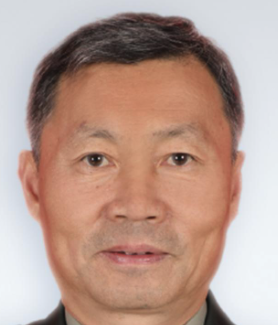 Weiping Wu (吴卫平)合作论文数Chinese PLA General Hospital6Hongwei Yang合作论文数5ShanShan Qiao (乔杉杉)合作论文数5LiYan Zhang (张丽燕)合作论文数5Zhu Xiaoquan合作论文数5
 Houzhen Tuo (脱厚珍)合作论文数Beijing Friendship Hospital, Capital Medical University5
 Jiawei Wang (王佳伟)合作论文数Beijing Tongren Hospital, CMU5
 Chunling Xu (许春伶)合作论文数Beijing Friendship Hospital, Capital Medical University5
 Haifeng Li (李海峰)合作论文数The Affiliated Hospital of Qingdao University5
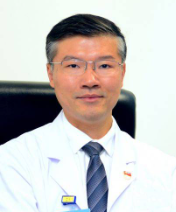 Liang Sun (孙亮)合作论文数Beijing Hospital5ZhongBao Gao (高中宝)合作论文数4Yuan Qu (渠渊)合作论文数4HengGe Jie (解恒革)合作论文数4
 Benchang Shen (申本昌)合作论文数GZMU - GIBH Joint School of Life Sciences4ZhiQiang Cong (丛志强)合作论文数4ZhaoLin Sun (孙兆林)合作论文数4Chao Wei合作论文数3XiuJuan Bai (柏秀娟)合作论文数3JinMei Sun (孙金梅)合作论文数3JinLang Wu (吴金浪)合作论文数3Bin Chen (陈彬)合作论文数3Mingyi Zhang合作论文数3
 Bo Zhou合作论文数3
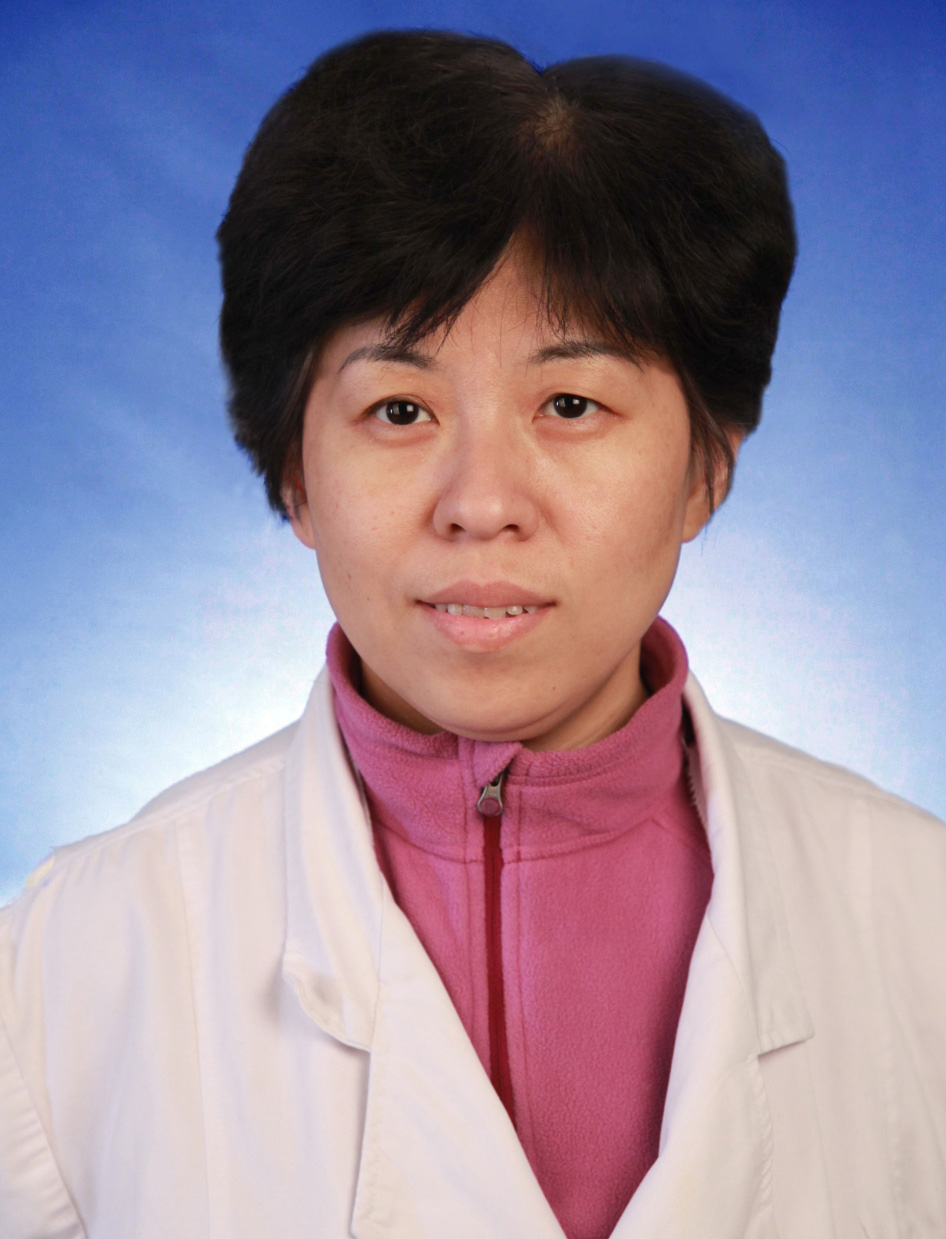 Yanjun Guo (郭燕军)合作论文数Beijng Friendship Hospital, Capital Medical University3Yunxiao Meng (孟云霄)合作论文数Peking Union Medical College Hospital3Funing Peng合作论文数3Huijing Shi (史慧静)合作论文数3Hengge Xie (谢恒革)合作论文数3Yan'e Guo合作论文数2Yong Li合作论文数2Xiao-Li Yao (姚晓黎)合作论文数2




