目的:对大柴胡汤及其"方剂要素"对NAFLD模型大鼠"肠-肝轴"作用机制进行相关分析,揭示大柴胡汤的配伍规律.方法:105只大鼠分为正常组、模型组、盐酸吡格列酮组、疏肝利胆组、健脾化痰组、通腑泄浊组、大柴胡汤组,按照方法造模及给药,检测"肝轴"及"肠轴"相关指标,采用Critic法进行综合评价.结果:与正常组比较,模型组"肝轴"以及"肠轴"各个指标权重之和Z总1、Z总2差异均有统计学意义(P<0.05);与模型组比较,盐酸吡格列酮组、疏肝利胆组、通腑泄浊组以及大柴胡汤组"肝轴"各个指标权重之和Z总1差异均有统计学意义(P<0.05),盐酸吡格列酮组、健脾化痰组、通腑泄浊组以及大柴胡汤组"肠轴"各个指标权重之和Z总2差异有统计学意义(P<0.05).肠道菌群分析显示,通腑泄浊方剂要素对改善NAFLD模型大鼠肠道菌群优势显著,能提高NAFLD大鼠肠道菌群中拟杆菌属、萨特氏菌属、假丁酸弧菌属细菌和Akkermansia muciniphila等有益菌的相对丰度.结论:大柴胡汤中疏肝利胆方剂要素主要通过疏利肝胆作用显著调节肝脏脂质代谢以及肝脏免疫功能,即调节"肝轴";大柴胡汤中健脾化痰方剂要素主要通过健运脾胃、化痰作用改善肠黏膜屏障功能,即调节"肠轴";大柴胡汤中通腑泄浊方剂要素主要调节肠道菌群;大柴胡汤全方则可同时作用于"肝轴"和"肠轴",对NAFLD模型大鼠起治疗作用.
目的:探究中药灌肠对放射性肠炎治疗的可能益处和风险.方法:检索中文中国期刊全文数据库、中国学术期刊数据库、中文科技期刊数据库、中国生物医学文献服务系统,英文数据库包括PubMed、Cochrane Central Register of Controlled Trials、EMBASE via OVID,检索时间从建库至2020年3月.使用Cochrane risk of bias工具评价研究的方法学质量,使用Revman 5.3软件对符合纳入标准的文章进行Meta分析.结果:共纳入50篇文献,40篇中药灌肠组与西药灌肠组比较,10篇中药结合西药灌肠组与西药灌肠组比较,共涉及1396例患者.Meta分析结果显示:在有效率方面,中药灌肠组优于对照组(中药灌肠对比西药灌肠,RR=1.28,95%CI为1.23~1.32;中药结合西药灌肠对比西药灌肠,RR=1.28,95%CI为1.2~1.37).在Karnofsky积分方面,中药灌肠组优于对照组(中药灌肠对比西药灌肠,RR=6.63,95%CI为2.81~10.45;中药结合西药灌肠对比西药灌肠,RR=4.92,95%CI为3.69~6.14).结论:中药灌肠及中西药结合灌肠在缓解和治疗放射性肠炎方面,较西医灌肠治疗可能更有优势.但由于纳入文献质量不高,所获得结论的可靠性低.
《伤寒论·辨脉法》第21条原文,由于条文其义深长,内容繁多,故而颇令人费解,概括起来,其难点有二:一是要理解原文"脉因前后度数如法"的涵义,需结合历代医家注解,了解其内涵;二是要明白文中"气噫而除"的机理,其病机并非是胃失和降,而可能是由于脾失转输而导致津液不行,大便硬结,肠道不通,肠中气机阻滞,迫使气从上出而出现嗳气,余气出后则气机自然得以畅通也.本文对历代医家的代表性观点进行梳理,在此基础上对上述难点进行剖析,解读条文,仔细梳理研读后发现,本段条文主要论述了根据趺阳脉的变化情况,辨析误下后变证的病机以及疾病可能出现的转归,提示了趺阳脉对于候脾胃病变的重要性.
Objective: The study objective was to observe the effect of Dachaihu decoction and its “prescription elements” on intestinal flora of model rats with nonalcoholic fatty liver disease (NAFLD). Materials and Methods: Healthy male Sprague-Dawley rats were randomly divided into the following seven groups (n = 105): normal, model, pioglitazone hydrochloride (PH), Shuganlidan, Jianpihuatan, Tongfuxiezhuo, and dachaihu decoction (DD). 16SrRNA high-throughput IIlumina sequencing platform was used for sequencing, and bioinformatics analysis of rat intestinal flora was done. Results: Compared with the normal group, rats in the model, PH, Shuganlidan, Jianpihuatan, Tongfuxiezhuo, and DD groups showed significant differences in the intestinal microflora structure. The microorganisms that play an important role in the normal group are Ruminococcaceae, Oscillospira, Lactobacillales, Lactobacillaceae, Lactobacillus, bacilli, Ruminococcus, TM7, Spirochaetes, Clostridium, Elusimicrobia, Elusimicrobiaceae, Elusimicrobiales, Lactobacillus helveticus, Lactobacillus reuteri, Elusimicrobium, RF39, and Christensenellaceae; in the model group are Ruminococcus gnavus; in the PH group are Prevotella, Paraprevotellaceae, and Blautia; in the Jianpihuatan group are Bacteroidetes, Bacteroidia, Bacteroidales, Roseburia, Rikenellaceae, and Stridium methylpentosum; in the TongfuXiezhuo group are Bacteroidaceae, Bacteroides, Porphyromonadaceae, Parabacteroide, 4C0d_2, Cyanobacteria, YS2, Parabacteroides distasonis, Bacteroides uniformis, Verrucomicrobiaceae, Verrucomicrobiae, Verrucomicrobiales, Akkermansia, Akkermansia muciniphila, Coprobacillus, Parabacteroides gordonii, Blautia producta, and Ruminococcus torques; and in the DD group are Erysipelotrichales, Erysipelotrichi, and Erysipelothrichaceae. Conclusion: The Tongfuxiezhuo prescription elements of the DD significantly improved the intestinal flora of rats with NAFLD, improving the relative abundance of beneficial bacteria in the intestinal flora of NAFLD rats such as Bacteroides, Sartre genus, Vibrio pseudobutyrate bacteria, and Akkermansia muciniphila. This subsequently improved the glucose and lipid metabolism in NAFLD rats, reducing fat deposition in the liver, inhibiting intestinal inflammatory reaction, and maintaining the integrity of intestinal mucosal barrier. The action target is the intestinal axis of “intestinal–hepatic axis.”
目的:观察大柴胡汤及其拆方(方剂要素)对非酒精性脂肪肝病(NAFLD)大鼠模型"肝-肠轴"肝、肠形态学的影响.方法:采用随机数字表法将大鼠随机分为正常组、模型组、盐酸吡格列酮组、大柴胡汤组、疏肝利胆组、健脾化痰组、通腑泄浊组.采用高脂高糖饲料喂养16周建立NAFLD模型,并于第13~16周分别给予大柴胡汤及拆方.造模结束后,取小肠组织,电镜观察细胞间紧密连接情况,采用HE染色、油红O染色、Masson染色观察各组大鼠肝组织.结果:模型组肠细胞间隙明显增大,紧密连接程度降低,各给药组细胞间隙均有不同程度地减小,以全方组最为显著;正常组大鼠肝细胞结构正常,模型组大鼠部分肝细胞呈气球样变性,见不同程度脂滴形成,各给药组较模型组脂滴情况均有不同程度减轻.结论:大柴胡汤及其拆方均能不同程度地改善NAFLD模型大鼠肝细胞脂肪变及肠细胞紧密连接情况,并以全方共用效果尤著,疏肝利胆、健脾化痰、通腑泄浊等治法联合运用对改善NAFLD具有较好的疗效.
目的:对高脂高糖饮食致非酒精性脂肪性肝病的证候属性研究.方法:将20只健康雄性SD大鼠按数字表法随机分为正常组与模型组,每组各10只.正常组给予维持饲料喂养,模型组给予高脂高糖饲料喂养,连续喂养16周.造模过程中动态观察两组大鼠的情志、舌色、皮毛、二便等宏观表征,记录每日饮食、饮水量及每周体质量.对大鼠进行旷场实验、糖水实验,并检测大鼠的大便含水量和内脏脂肪指数,建立计量化评分公式,确定模型大鼠的中医证候.结果:正常组大鼠在16周内整体情况良好,形体适中,反应灵敏,活动自如,抓取反抗程度适中,没有打架互殴情况出现,毛色光亮,毛质顺滑,眼睛色泽淡红,舌色淡红,纳食佳,大小便均正常.模型组大鼠出现了明显形体消瘦,摄食、饮水量明显减少,并伴有精神烦躁,打架互殴,多动,眼睛发赤,毛色枯黄,大便硬结,小便量少等异常表现.与正常组比较,模型组大鼠第1周旷场得分比较无统计学意义(P>0.05),第12周、第16周旷场得分均显著升高,与正常组比较,差异有统计学意义(P<0.05).模型组大鼠快感缺乏度明显升高,与正常组比较,差异有统计学意义(P<0.05).与正常组比较,模型组大鼠大便含水量显著降低,差异有统计学意义(P<0.05).与正常组比较,模型组大鼠内脏脂肪指数显著升高,差异有统计学意义(P<0.05).正常组仅有1只大鼠肝郁评分>1.5分,其余均<1.5分,模型组所有大鼠肝郁评分均>1.5分.正常组大鼠痰湿评分多为1分,上下浮动均未超过0.5分,其分值均<1.5分;模型组有2只大鼠痰湿得分>1.5分,其余均为1 ~1.5分.正常组大鼠的热结评分多维持在1分左右,上下浮动未超过0.5分,其分值均<1.5分,而模型组大鼠的分值明显>1.5分,均为1.8 ~1.9分.结论:通过模型动物的宏观表征观察、临床同质性比较以及证候评分,加之中医病理机制的分析,最终判定,采用高脂高糖饮食16周致非酒精性脂肪性肝病大鼠模型的中医证候为肝郁热结证.
BACKGROUND Non-alcoholic fatty liver disease (NAFLD) has become a major cause of chronic liver disease. The Chinese herbal medicine (CHM) Dachaihu decoction (DCHD) has been proved to treat NAFLD with good efficacy in previous studies. Based on the TCM principle of formula formation, we divided DCHD into soothing liver part, invigorating spleen part, and dredging intestine part. Marshall officially proposed the concept of “intestinal-hepatic axis”, which systematically explains the interactions between the intestine and liver. We hypothesized that the effect of CHM on NAFLD is achieved by regulating the liver and intestine. Thus, we aimed to investigate the possible effect of a CHM formula on NAFLD in a rat model. AIM To investigate the effects of a CHM formula (a decoction of Chinese thorowax root, scutellaria root, and white peony root) on NAFLD and its regulatory effect on the “intestinal-liver” axis. METHODS Sixty rats were randomly divided into control, model, pioglitazone hydrochloride (PH), and CHM (a decoction of Chinese thorowax root, scutellaria root, and white peony root) groups. An NAFLD rat model was established using a high-fat high-fructose diet for 16 wk. From the 13th week, rats were administered with PH or a decoction of Chinese thorowax, scutellaria, and white peony root (CHM group) for 4 wk. Rats in the control group and model group were administered with an equal volume of distilled water. At the end of the study, blood was collected via the abdominal aorta. Liver tissues were harvested and any morphological changes were observed by hematoxylin-eosin (HE) staining, Oil red O staining, and Masson staining. In addition, blood lipids, liver function markers, and triglyceride (TG) in liver tissues were analyzed. The levels of transforming growth factor-β1 (TGF-β1), tumor necrosis factor-α (TNF-α), Toll-like receptor-4 (TLR4), and nuclear factor-kappa B (NF-кB) in liver tissues and secreted immunoglobulin A (sIgA) in intestinal tissues were analyzed by ELISA, and protein and mRNA expression of occludin and zonula occludens-1 (ZO-1) in the intestine were measured using Western blot and reverse transcription-quantitative polymerase chain reaction, respectively. The endotoxin level in plasma was detected by endpoint chromogenic assay. RESULTS Compared to the normal control group, the liver coefficient, serum TG, total cholesterol (TC), low density lipoprotein (LDL), aspartate aminotransferase (AST), and alanine aminotransferase (ALT), blood glucose, plasma endotoxin, and the levels of TG, TNF-α, TGF-β, NF-kB, and TLR4 in liver tissues increased significantly in the model group, while serum high density lipoprotein (HDL), intestinal sIgA, and protein and mRNA expression of occludin and ZO-1 decreased significantly in the model group (P < 0.01). PH and CHM attenuated the elevated liver coefficient, serum TG, TC, LDL, AST, and ALT, blood glucose, plasma endotoxin, and the levels of TG, TNF-α, TGF-β, NF-kB, and TLR4 in liver tissues and increased serum HDL levels compared to the model group (P < 0.01). Intestinal sIgA and the protein and mRNA expression of intestinal occludin and ZO-1 were significantly increased in the PH group compared to the model and CHM groups (P < 0.01). CONCLUSION The decoction of Chinese thorowax root, scutellaria root, and white peony root is beneficial in regulating lipid metabolism and liver function, which indicates that it has a good effect on the liver. To a certain extent, this CHM formula can affect both the liver and intestine, while its effect on the liver is superior to that on the intestine.
目的:探讨胆汁淤积性肝炎大鼠中医证候特征.方法:通过胆总管结扎切断(CBDL)的手术方式复制胆汁淤积性肝炎重症大鼠模型,以方(清开灵)测证基础上通过体征采集数据进行分析,并对爪、舌RGB采集图像进行量化可视处理,相关现代化检测指标综合分析,对该模型的证候特点进行相关分析.结果:与正常大鼠比较,胆汁淤积性肝炎大鼠基础体温升高,饮水量增加,摄食量下降,耳廓微血流流速偏快,舌象、爪象的R/(R+G+B)值升高,谷丙转氨酶(ALT)、谷草转氨酶(AST)、肝功能指标显著升高(P<0.01),体征结合指征量化结果症状表现为身热、口渴不甚、烦躁、鼻衄、多怒撕咬、小便色深黄、舌质偏红等症状.结论:本实验中胆汁淤积性肝炎大鼠模型更符合热入营血的证型.
The word"Yang Wei Jie"was first to be found in the 148th of Treatise on Febrile Dis-eases. Most physicians believe that the word"Yang Wei Jie"in this article refers to the slight obstruction of"Yang Ming Fu"organs or the declination of Yangqi,and explain the word"Jie"as constipation. Howev-er,the author believes that the word"Jie"has the meaning of narrow sense and broad sense of the points:narrow sense refers to"constipation", broad sense refers to the stagnation of gallbladder qi. According to the above content to look at the essence of"Yang Wei Jie",its essence is the stagnation of Shaoyang me-ridian and gallbladder qi.
The 4 properties of Chinese materia medica refer to cold, hot, warm, and cool. In the present study, the effects of the Coptis, the prepared aconite root, and dried ginger rhizome were compared with regard to the rectal and skin temperature changes of the related body surface acupuncture points (Dazhui, Zhiyang, Mingmen, Zhongwan, and Shenque). The investigation aimed to explore the thermal sensitive points, which can reflect the cold and hot properties of the Chinese herbs. This study showed that the prepared aconite root and dried ginger rhizome exhibited a warming effect on the body temperature, whereas the warming sensitive points were Zhongwan, Shenque, Dazhui, and Zhiyang. Coptis exhibited both a warming and a cooling effect on the body temperature, and the cooling sensitive point was Dazhui. The concomitant effect of these three Chinese herbs on the regulation of the body temperature was reflected by Dazhui. However, there are still some limitations and one-sidedness. For instance, the cold and hot property of some herbs cannot be fully reflected through relevant acupoints on the conception and governor vessels. More detecting sites such as ears and internal organs will be selected for further exploration of Chinese herbs' cold and hot property.
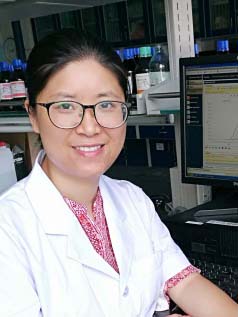 Shujing Zhang (张淑静)合作论文数School of Traditional Chinese Medicine, Beijing University of Chinese Medicine7
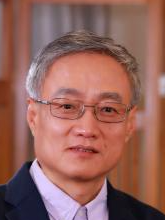 Yuhang Li (李宇航)合作论文数School of Traditional Chinese Medicine, Beijing University of Chinese Medicine7
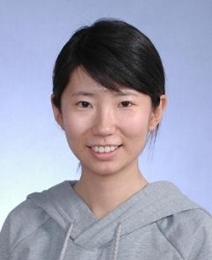 Yushan Gao (高誉珊)合作论文数School of Traditional Chinese Medicine, Beijing University of Chinese Medicine6
 XinLei Zhang (张鑫蕾)合作论文数5
 Fengjie Zheng (郑丰杰)合作论文数School of Traditional Chinese Medicine, Beijing University of Chinese Medicine5Lu Zhou合作论文数4Min Wang合作论文数3YaJun Lian (连雅君)合作论文数3
 Jiamin Yang (杨佳敏)合作论文数3
 Yan Sun (孙燕)合作论文数School of Traditional Chinese Medicine, Beijing University of Chinese Medicine3Lin Chen (陈琳)合作论文数3
 Xiaoguang Sun (孙晓光)合作论文数School of Traditional Chinese Medicine, Beijing University of Chinese Medicine2Yixi Jin合作论文数1Jian Cui合作论文数1Huimin Yuan合作论文数1Pengfei Kang合作论文数1Chongyang Ma合作论文数1Dezhi ZHAO (赵德智)合作论文数1YuMei Zhou (周雨玫)合作论文数1ChangMing Di (翟昌明)合作论文数1ChaoFang Lei (雷超芳)合作论文数1
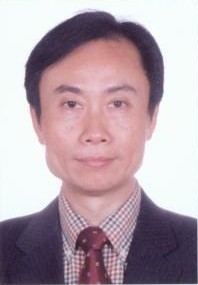 Yue Wang (汪悦)合作论文数Nanjing University of Chinese Medicine1
 Wei Wei (魏玮)合作论文数Wang Jing Hospital, China Academy of Chinese Medical Sciences1
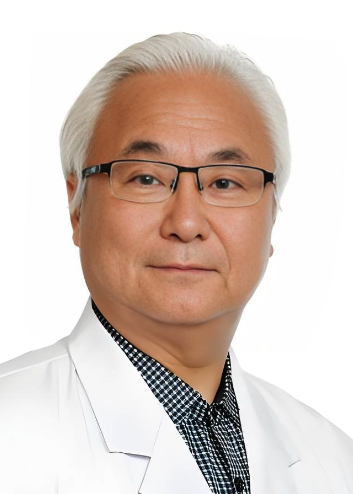 Qingguo Wang (王庆国)合作论文数School of Traditional Chinese Medicine, Beijing University of Chinese Medicine1
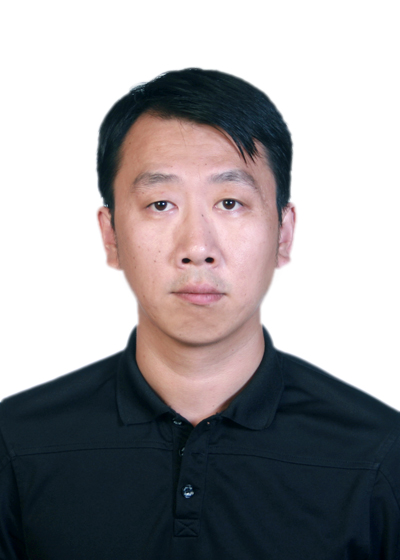 Gang Li (李岗)合作论文数Institute of Physics, Chinese Academy of Sciences1
 Fafeng Cheng (程发峰)合作论文数School of Traditional Chinese Medicine, Beijing University of Chinese Medicine1
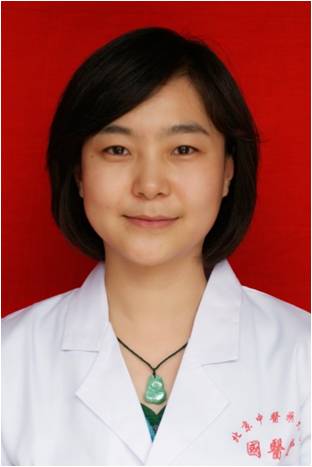 Xueqian Wang (王雪茜)合作论文数School of Traditional Chinese Medicine, Beijing University of Chinese Medicine1
 Shengyong Xu (许胜勇)合作论文数School of Electronics, Peking University1




