BACKGROUND:Ischemic stroke (IS) remains a critical challenge in stroke management. Xiongzhi Tongluo formula (XZTLF), a traditional Chinese herbal prescription, has shown potential in treating ischemic stroke, yet its mechanisms remain elusive. METHODS:This integrated study combined clinical and in vivo approaches to investigate XZTLF. We first employed network node similarity algorithms, ultra-high performance liquid chromatography quadrupole-time-of-flight mass spectrometry (UPLC-Q-TOF/MS)-based phytochemical profiling, and network pharmacology to identify potential molecular targets for ischemic stroke (IS) intervention. The predicted hub genes were then validated through molecular docking and a multicenter randomized controlled trial in patients with acute IS. For in vivo validation, a middle cerebral artery occlusion (MCAO) rat model was used. Rats were treated with XZTLF via oral gavage at doses of 2.97 or 11.88 g/kg/day for 7 days, using edaravone dexborneol (10 mg/kg, i.p.) as a positive control. Key targets and mechanisms of action were further assessed through biochemical and histological analyses of rat brain tissue. RESULTS:XZTLF demonstrated significantly closer network-based proximity to IS targets compared to control prescriptions. Chemical systematic pharmacology analysis identified 173 bioactive constituents in XZTLF. Network pharmacology screening revealed eight core targets (NFKB1, BCL2L1, MAPK1, STAT1, CDKN2A, AR, RAF1, and MMP2), which were subsequently validated in IS patients through ELISA quantification. In MCAO rat models, XZTLF administration significantly reduced cerebral infarct volume and improved neurological function. Mechanistically, XZTLF attenuated neuroinflammation by downregulating pro-inflammatory mediators (including IL-6, TNF-α, and NF-κB), mitigated oxidative damage (MDA, SOD, CAT), and suppressed hyperactivation of the PI3K/AKT signaling pathway. CONCLUSION:XZTLF shows potential for treating IS through multimodal regulation of neuroinflammatory cascades, redox homeostasis, and autophagy pathways, based on integrated preclinical and preliminary clinical findings.
Background Acute ischemic stroke (AIS) is a leading cause of mortality and long-term disability worldwide. Preliminary clinical evidence suggests that electroacupuncture (EA) may benefit AIS recovery, and preclinical studies have demonstrated neuroprotective, anti-apoptotic and anti-inflammatory effects of EA in ischemic stroke models; however, high-quality clinical evidence from rigorously controlled trials remains scarce, and the underlying central mechanisms are largely unknown. This trial aims to evaluate the efficacy and safety of EA for AIS and to explore its central neurological mechanisms using multimodal magnetic resonance imaging (MRI). Methods This is a single-centre, randomized, sham-controlled, patient- and assessor-blinded, parallel-group superiority trial with an embedded multimodal neuroimaging substudy. A total of 84 eligible AIS patients who also meet the diagnostic criteria for the traditional Chinese medicine (TCM) “stasis-toxin interlocking” syndrome will be randomly allocated (1:1) to an EA group or a sham-control group, stratified by eligibility for the MRI substudy. All participants will receive standard medical care plus 10 treatment sessions over 2 weeks. The primary outcome is the change in the National Institutes of Health Stroke Scale (NIHSS) score from baseline (Day 1) to Day 14. Secondary outcomes include the Fugl-Meyer Assessment (FMA), modified Rankin Scale (mRS), modified Barthel Index (MBI), Activities of Daily Living (ADL) scale, and a TCM symptom observation score, assessed at Days 1, 7 and 14; clinical endpoint events (stroke recurrence, deterioration and death) will be recorded. In the substudy (n = 60), multimodal MRI (3D-T1, resting-state functional MRI, susceptibility-weighted imaging and diffusion-weighted imaging) will be performed at Days 1 and 14, and blood samples will be retained for future mechanistic analyses. Imaging parameters will be correlated with clinical outcomes to investigate potential central mechanisms. Discussion By combining a validated sham-controlled, patient-blinded design with longitudinal multimodal MRI, this trial will provide rigorous clinical evidence for EA in AIS and objective neuroimaging insights into its mechanisms. Key limitations include the inherent risk of practitioner unblinding, the single-centre design with a modest sample size, and the absence of long-term follow-up. Trial registration: International Traditional Medicine Clinical Trial Registry (ITMCTR), a World Health Organization International Clinical Trials Registry Platform (WHO ICTRP) primary registry, ITMCTR2024000876. Registered prospectively on 11 November 2024, before enrolment of the first participant. https://itmctr.ccebtcm.org.cn
This study projected the incidence, prevalence, death and disability-adjusted life-years (DALYs) attributable to total strokes and pathological types in people aged ≥ 15 years for 204 countries and territories to 2050. Age- and sex-specific trends in rates were developed using XGBoost models incorporating national human development index, gross domestic product per capita, and demographic data from the Global Burden of Disease study, the World Bank, and the United Nations. Uncertainty intervals were calculated as the 2.5th and 97.5th percentiles of the distribution using a bootstrap-like method. From 2021 to 2050, the global absolute number of incident strokes is anticipated to increase by 31.64
Inflammatory response and oxidative stress interact with each other and are involved in the pathogenesis of various chronic diseases. Senkyunolide A (SenA) is a phthalide compound isolated from the traditional Chinese medicine Chuanxiong Rhizoma (Ligusticum chuanxiong Hort.). At present, the anti‑inflammatory and anti‑oxidative stress effects of SenA remain unclear. In this study, we adopted an integrated strategy combining network pharmacology, bioinformatics analysis, molecular docking, molecular dynamics simulation, bio‑layer interferometry (BLI), and in vitro experiments to explore the anti‑inflammatory and anti‑oxidative stress effects and potential targets of SenA. Through network pharmacology and bioinformatics analysis, we identified four core target genes (Il1b, Ptgs2, Nos2, and Hmox1) of SenA against LPS‑induced inflammation in RAW264.7 cells. Direct binding of SenA to IL‑1β and PTGS2 was confirmed by molecular docking, molecular dynamics simulation, and BLI assays. In vitro experiments showed that SenA pretreatment effectively inhibited LPS‑induced inflammatory response and oxidative stress in RAW264.7 cells, as evidenced by reduced expression of pro‑inflammatory cytokines (TNF‑α, IL‑6, and IL‑1β), decreased levels of NO, ROS, and MDA, increased GSH levels, and alleviated cell swelling and mitochondrial damage. In addition, SenA pretreatment downregulated the mRNA expression levels of the core target genes Il1b, Ptgs2, Nos2, and Hmox1. In conclusion, our findings demonstrate that SenA exerts significant anti‑inflammatory and anti‑oxidative stress effects and may serve as a candidate compound for the treatment of inflammation‑related diseases.
BACKGROUND:Ischemic stroke (IS) related to atrial fibrillation (AF) represents a cardio-cerebral comorbidity, whereas diabetes-related IS reflects an advanced manifestation of panvascular disease. We aimed to analyze the burden trends in AF-related and diabetes-related IS, using Global Burden of Diseases 2021 data. METHODS:To quantify the burdens of AF- and diabetes-related IS, we applied the population-attributable fraction, the proportion of burden preventable by eliminating a risk factor. We calculated population-attributable fractions stratified by time, location, and age group. We analyzed the burdens using joinpoint regression, time-series projection to 2050, and age/sex-stratified. RESULTS:Globally, AF-related IS had a higher age-standardized incidence rate in 1990 but declined steadily (average annual percentage change =-0.81 [95% CI, -0.92 to -0.69]). Conversely, diabetes-related IS, despite a lower initial incidence, exhibited substantial and sustained increases (average annual percentage change=1.10 [95% CI, 1.02-1.18]). Middle-high socio-demographic index regions experienced the greatest burden from both comorbidities. In North America and Eastern Europe, the age-standardized incidence rates of AF-related IS stabilized (average annual percentage change=-1.45 [95% CI, -1.63 to -1.27]; -0.95 [95% CI, -1.06 to -0.84]), whereas the age-standardized incidence rates of diabetes-related IS continued to increase (average annual percentage change=1.18 [95% CI, 1.02-1.34]; 0.72 [95% CI, 0.56-0.88]). High body mass index emerged as a critical shared risk factor for AF, diabetes, and IS. Projections indicate a substantial increase in diabetes-related IS incidence over the next 3 decades, contrasting with minimal growth in AF-related IS. CONCLUSIONS:IS remains a critical global health challenge, primarily driven by the rising burden of diabetes-related IS. Our findings highlight the importance of age- and country-specific interventions.
ObjectiveTo integrate computational pharmacology with multiomics principles in order to decode the systematic mechanisms and potential biomarker network of Wenshen Yang Formula (WSYF) for treating vascular cognitive impairment (VCI), providing a data-driven rationale for its clinical application and future biomarker-guided studies.MethodsWe employed a computational systems pharmacology approach. Active constituents of WSYF were sourced from the TCMSP and TCMID databases, representing a phytochemical "omics" profile. VCI-related targets were curated from the GeneCards database. Shared targets were subjected to protein-protein interaction (PPI) network construction, Gene Ontology (GO) analysis, and Kyoto Encyclopedia of Genes and Genomes (KEGG) pathway enrichment to delineate the formula's multitarget, multipathway signature. Molecular docking validated key compound-target interactions, serving as a computational proxy for biomarker-target engagement.ResultsThe analysis identified 20 active ingredients targeting 406 proteins, with 261 overlapping targets shared with VCI pathogenesis. Core targets, including SRC, HSP90AA1, MAPK3, MAPK1, and PIK3CA, were identified as central nodes in the therapeutic network. Pathway analysis revealed significant enrichment in PI3 K-Akt, cAMP, and MAPK signaling cascades-critical pathways for neuroprotection, synaptic plasticity, and inflammation. Molecular docking confirmed strong binding affinities, most notably between phytosterols (e.g., CID 5280794) and key targets HSP90AA1 and MAPK1. This target-pathway map proposes a multicomponent biomarker network through which WSYF may modulate P-tau pathology, neuronal apoptosis, and synaptic function in VCI.ConclusionThis study translates traditional herbal formula analysis into a systems-level, biomarker-informed framework. We propose that WSYF acts via a coordinated network targeting HSP90AA1, MAPK, and PI3K/Akt pathways, with phytosterols as pivotal bioactive constituents. The identified target and pathway signature provides a testable biomarker hypothesis for future clinical validation. This approach bridges traditional medicine and modern precision neurology, offering a roadmap for developing mechanism-based biomarkers to stratify VCI patients and objectively monitor treatment response to complex herbal interventions.
BackgroundDespite the advancements in therapeutic regimens, gastric cancer is still among the most concerning cancer-related public health problems. In previous literature, Traditional Chinese Medicine (TCM) proved to be an effective treatment strategy for reducing the side effects of chemotherapy and improving the quality of life among patients with gastric cancer or precancerous gastric lesions.ObjectivesTo analyze the efficacy of TCM combined with chemotherapy in individuals with gastric cancer and precancerous gastric lesions.MethodsPubMed, Cochrane Library, and Embase electronic databases were utilized to perform predefined search criteria for the identification and selection of studies based on eligibility criteria. The assessed outcomes include complete response rates (CRR), disease control rate (DCR), symptom scores, and quality of life (QoL), while the secondary outcomes include immune function, tumor markers, clinical symptom scores, and gastrointestinal adverse events. Random effect models were used to perform statistical tests (SMD: standardized mean difference, OR: odds ratio) with 95% confidence intervals and heterogeneity through I2 statistics. Publication bias was evaluated using funnel plots and tests like Egger’s regression or Begg’s correlation.ResultsA total five studies reporting diverse outcomes were included in this meta-analysis. The SMD analysis for primary outcomes reported 0.35 [-0.66; 1.35] with considerable heterogeneity (I2 = 89.7%) while the CRR indicated remarkable improvement for combined therapy with OR of 4.20 [1.20; 14.71] and no heterogeneity. SMD analysis for QoL outcomes was also considerably high at 0.82 [-0.07; 1.81] with I2 = 80.0%. TCM combination group showed a significant difference in event rate with OR of 0.42 [0.32; 0.54], while the detailed analysis for symptom score of pooled -0.35 SMD [-0.76; 0.77] was obtained for fatigue, pain, acid reflux, nausea &vomiting, diarrhea. The publication bias assessment revealed significant asymmetry.ConclusionThe incorporation of TCM combined with chemotherapy for gastric cancer proved to be a safe and more effective treatment as the drug side effects were completely eradicated. The combination therapy has shown overall effectiveness with primary and secondary patient-reported outcomes, improving quality of life in gastric cancer individuals.
Background Traditional Chinese medicine (TCM) functions according to the concepts of “holism” and treatment based on syndrome differentiation, and it has achieved good clinical results in treating patients with dysmenorrhea, which is a common gynecological disorder. However, there are currently no international clinical practice guidelines involving TCM therapies for dysmenorrhea. This study aims to establish a protocol for the development of such guidelines. Objective This protocol will provide a road map for the development of the first international clinical practice guidelines on TCM therapy for dysmenorrhea. Methods The guidelines will be developed with reference to the General Rules of Preparation of Diagnosis and Treatment Guideline in Traditional Chinese Medicine and the Western Medicine Guideline and Traditional Chinese Medicine Guideline: Improving Together in Mutual Learning. They will be developed in accordance with the Appraisal of Guidelines for Research and Evaluation II and the World Health Organization guideline handbook and will make recommendations based on systematic reviews. We have established a guideline working group and will formulate clinical questions using the participants, interventions, comparisons, outcomes, and study design framework. The recommendations will be developed through evidence retrieval, synthesis, and the Delphi method. We will consider the preferences and values of patients, as well as the costs and the pros and cons of interventions. Results This work was supported by the National Key R&D Program of China (grant 2019YFC1712000) in 2019. The writing group for guidelines was formed in January 2021. The literature search and screening process began in May 2022. So far, the literature search and 2 rounds of the Delphi method have been completed. The protocol will provide a road map for the development of the first international clinical practice guidelines on TCM therapy for dysmenorrhea. Conclusions The guideline will be developed in accordance with this protocol, which may provide support and evidence for TCM treatment in patients with dysmenorrhea. There is currently a need for clinical practice guidelines in TCM for the treatment of dysmenorrhea. International Registered Report Identifier (IRRID) DERR1-10.2196/77423
Ischemic stroke remains a leading cause of mortality and disability worldwide. Current reperfusion therapies are limited by narrow therapeutic time windows and the risk of secondary reperfusion injury, underscoring the urgent need for novel translatable neuroprotective targets. Mitochondrial dysfunction serves as a central hub in the ischemic cascade, contributing to energy failure, oxidative stress, calcium dysregulation, and various forms of programmed cell death. Recently, intercellular mitochondrial transfer has emerged as a crucial form of metabolic communication within the neurovascular unit (NVU). In the context of ischemia-reperfusion, donor cells can transfer functional mitochondria to compromised cells, facilitating metabolic rescue and remodeling the local microenvironment. Extensive in vivo and in vitro studies have shown that astrocytes, mesenchymal stem cells (MSCs), and pericytes can deliver mitochondria to neurons or brain microvascular endothelial cells (BMECs) through mechanisms such as tunneling nanotubes (TNTs), extracellular vesicles (EVs), and gap junctions. This transfer helps maintain blood-brain barrier (BBB) integrity and promotes neurological recovery. The process is finely regulated by inflammatory signaling, metabolic reprogramming, and epigenetic modulation, all of which influence the directionality and functional outcomes of the transfer. As a result, pharmacotherapies, non-pharmacological interventions, and direct mitochondrial transplantation have demonstrated considerable neuroprotective potential in experimental models and early-stage clinical research. However, challenges related to transfer selectivity, the durability of effects, delivery efficiency, and immune safety still hinder clinical translation. Future efforts must prioritize elucidating the underlying mechanisms, standardizing protocols, and developing precise stratification strategies to advance mitochondrial transfer-based interventions from proof-of-concept to a controllable and evaluable therapeutic option for stroke treatment.
IntroductionThe integration of traditional Chinese medicine (TCM) and Western medicine has demonstrated effectiveness in the primary prevention of stroke. Therefore, our study aims to utilize TCM syndromes alongside conventional risk factors as predictive variables to construct a machine learning model for assessing the risk of new-onset stroke.MethodsWe conducted a ten-year follow-up study encompassing 4,511 participants from multiple Chinese community hospitals. The dependent variable was the occurrence of the new-onset stroke, while independent variables included age, gender, systolic blood pressure (SBP), diabetes, blood lipids, carotid atherosclerosis, smoking status, and TCM syndromes. We developed the models using XGBoost in conjunction with SHapley Additive exPlanations (SHAP) for interpretability, and logistic regression with a nomogram for clinical application.ResultsA total of 1,783 individuals were included (1,248 in the training set and 535 in the validation set), with 110 patients diagnosed with new-onset stroke. The logistic model demonstrated an AUC of 0.746 (95% CI: 0.719–0.774) in the training set and 0.658 (95% CI: 0.572–0.745) in the validation set. The XGBoost model achieved a training set AUC of 0.811 (95% CI: 0.788–0.834) and a validation set AUC of 0.628 (95% CI: 0.537–0.719). SHAP analysis showed that elevated SBP, Fire syndrome in TCM, and carotid atherosclerosis were the three most important features for predicting the new-onset stroke.ConclusionUnder identical traditional risk factors, Chinese residents with Fire syndrome may have a higher risk of new-onset stroke. In high-risk populations for stroke, it is recommended to prioritize the screening and management of hypertension, Fire syndrome, and carotid atherosclerosis. However, future high-performance TCM predictive models require more objective and larger datasets for optimization.
BACKGROUND:With the global aging of the population, the interaction between frailty syndrome in middle-aged and elderly people, depressive symptoms, and cognitive decline has attracted increasing attention. The vicious cycle formed by these three factors significantly reduces quality of life and increases the burden on medical care. Currently, there is still insufficient longitudinal evidence in China on the dynamic relationship between depressive symptoms and cognitive function in frail populations METHOD: A total of 1279 middle-aged and elderly people who met the criteria for frailty were included in the study based on data from the China health and retirement longitudinal study (CHARLS) from 2011 to 2018. Group-based trajectory modeling (GBTM) was used to identify cognitive function trajectories, and model fitting was evaluated using indicators such as Bayesian information criterion (BIC) and average posterior probability. A multivariable logistic regression model was used to analyze the association between depressive symptoms in frail individuals and different cognitive trajectories, adjusting for confounding factors such as demographic characteristics and comorbid chronic diseases RESULTS: This study identified six cognitive function development trajectories and analyzed the association between depressive symptoms and different cognitive trajectories. The results showed that, compared with the cognitive Normal-stable group, depressive symptoms were significantly associated with all adverse cognitive trajectories. In the unadjusted model, depressive symptoms increased the risk of the cognitive impairment-rapid decline group by 1.72 times (OR = 2.72, 95 % CI 1.56-4.72) and increased the risk of the cognitive Normal-late rapid decline group by 0.95 times (OR = 1.95, 95 % CI 1.19-3.18). After adjusting for multiple factors, this association remained significant. In the fully adjusted model (model 5), the risk for the cognitive impairment-rapid decline group further rose to 2.10 times (OR = 3.10, 95 % CI 1.69-5.69), while the risk for the cognitive impairment-persistent low level group (OR = 1.69, 95 % CI 1.05-2.72), the cognitive Normal-fluctuating group (OR = 1.65, 95 % CI 1.03-2.62), and other adverse trajectory groups also showed significant associations (all p < 0.05). These results indicate that depressive symptoms are an independent risk factor for multiple adverse cognitive function trajectories, with the strongest association observed in the rapid cognitive decline group CONCLUSION: This study found that depressive symptoms are an independent risk factor for cognitive decline in middle-aged and elderly frail populations, particularly significantly predicting rapid cognitive decline and persistent cognitive impairment. Depressive symptom screening demonstrates significant clinical value in cognitive health management for frail middle-aged and older adults, particularly for identifying individuals at highest risk of rapid cognitive decline.
A concise enantioselective total synthesis of (+)-lucidumone, a caged polycyclic meroterpenoid with a bicyclo[2.2.2]octane skeleton, was accomplished in 10 steps (LLS) starting from commercially available 2-cyclohexen-1-one. The key step features a quinine derivative-catalyzed double Michael addition that constructs the essential chiral bicyclo[2.2.2]octane framework with five contiguous stereocenters. Additional features include a Nef reaction and a one-pot Brønsted acid-promoted cyclization, which simultaneously form both Indane and hydrofuran ring systems.
Elderly individuals living alone represent a vulnerable group with limited family support, making them more susceptible to mental health issues such as depression and anxiety. This study aims to construct a network model of depression and anxiety symptoms among older adults living alone, exploring the correlations and centrality of different symptoms. The goal is to identify core and bridging symptoms to inform clinical interventions. Using data from the 2018 Chinese Longitudinal Healthy Longevity Survey (CLHLS), this study constructed a network model of depression and anxiety symptoms among elderly individuals living alone. Depression and anxiety symptoms were assessed using the Center for Epidemiologic Studies Depression Scale-10 (CESD-10) and the Generalized Anxiety Disorder Scale-7 (GAD-7), respectively. A Gaussian Graphical Model (GGM) was employed to build the symptom network, and the Fruchterman-Reingold algorithm was used for visualization, with the thickness and color of the edges representing partial correlations between symptoms. To minimize spurious correlations, the Least Absolute Shrinkage and Selection Operator (LASSO) method was applied for regularization, and the optimal regularization parameters were selected using the Extended Bayesian Information Criterion (EBIC). We further calculated Expected Influence (EI) and Bridge Expected Influence (Bridge EI) to evaluate the importance of symptoms. Non-parametric bootstrap methods were used to assess the stability and accuracy of the network. The Network centrality analysis revealed that GAD2 (Uncontrollable worry) and GAD4 (Trouble relaxing) exhibited the highest strength centrality (1.128 and 1.102, respectively), indicating their significant direct associations with other symptoms and their roles as core nodes in the anxiety symptom network. Other highly central nodes, such as GAD1 (Nervousness or anxiety) and GAD3 (Generalized worry), further underscore the dominance of anxiety symptoms in the overall network. Betweenness centrality results highlighted GAD1 (Nervousness or anxiety) and GAD2 (Uncontrollable worry) as critical bridge nodes facilitating information flow between different symptoms, while CESD3 (Feeling depressed) demonstrated a bridging role across modules. Weighted analyses further confirmed the central importance of GAD2 (Uncontrollable worry) and GAD4 (Trouble relaxing). Additionally, the analysis showed gender differences in the depression-anxiety networks of elderly individuals living alone. This study, through network analysis, uncovered the complex relationships between depression and anxiety symptoms among elderly individuals living alone, identifying GAD2 (Uncontrollable worry) and GAD4 (Trouble relaxing) as core symptoms. These findings provide essential insights for targeted interventions. Future research should explore intervention strategies for these symptoms to improve the mental health of elderly individuals living alone.
Vascular dementia (VaD), the second most common form of dementia, lacks reliable biomarkers for early diagnosis. Here, we integrated weighted gene co-expression network analysis (WGCNA) with machine learning to identify novel biomarkers and immune-metabolic pathways in VaD. Analysis of the GSE122063 dataset revealed 288 differentially expressed genes (DEGs), with four hub genes (MIA, CD163, OPALIN, SNX31) prioritized by LASSO regression and Random Forest. A nomogram model incorporating these genes achieved an AUC of 0.924, demonstrating high diagnostic accuracy. External validation (GSE186798) and experimental studies confirmed significant upregulation of MIA and CD163 in VaD patients and a 2VO rat model (P < 0.05), while SNX31 and OPALIN showed inconsistent significance. Mechanistically, MIA and CD163 correlated with macrophage polarization (M1/M2) and dysregulated oxidative phosphorylation pathways, suggesting their dual roles in neuroinflammation and metabolic reprogramming. Serum ELISA further validated elevated MIA (14.34 ± 6.32 vs. 5.23 ± 4.89 ng/mL) and CD163 (141.31 ± 71.27 vs. 58.09 ± 54.31 ng/mL) in VaD patients (P < 0.05). Our study not only establishes MIA and CD163 as robust diagnostic biomarkers but also highlights their potential as therapeutic targets for modulating immune-metabolic crosstalk in VaD pathogenesis.
Vascular dementia (VaD) is a prevalent form of dementia caused by cerebrovascular disease, leading to cognitive impairment. While various risk factors have been identified, the role of plasma proteins in VaD etiology remains poorly understood. This study employs Mendelian randomization (MR) to investigate the causal relationship between plasma proteins and VaD risk, complemented by experimental validation. We conducted a two-sample MR analysis using summary statistics from genome-wide association studies (GWAS) on plasma proteins and VaD. Plasma protein data were derived from the deCODE Health study, encompassing 35,559 Icelandic participants and genetic associations for 4907 circulating proteins. VaD GWAS data were obtained from the FinnGen biobank, comprising 2717 VaD patients and 393,024 controls. Instrumental variables (IVs) were selected based on genome-wide significance thresholds (P < 5 × 10⁻⁸ for plasma proteins, P < 5 × 10⁻⁶ for VaD). The primary analysis used inverse variance weighting (IVW), supplemented by weighted median, MR-Egger, simple mode, and weighted mode methods. The Sensitivity analyses included heterogeneity tests, horizontal pleiotropy assessments, and leave-one-out analyses. Additionally, a 2-vessel occlusion (2-VO) animal model was used to validate key genes, with gene expression measured by quantitative real-time PCR (qPCR). Our initial MR analysis identified 123 plasma proteins significantly associated with VaD (P < 0.05), of which 12 maintained significance after FDR correction (FDR < 0.05). Importantly, the comprehensive pleiotropy analysis ultimately confirmed robust causal relationships for nine of these proteins with VaD. Among these, MED4 (OR = 1.819, 95
Vascular cognitive impairment (VCI), a cognitive decline syndrome resulting from cerebrovascular pathologies, presents significant therapeutic challenges in modern medicine due to its complex pathogenesis. Within this context, traditional Chinese medicine (TCM), guided by its holistic perspective and principle of treatment based on syndrome differentiation, offers valuable alternative and complementary strategies for VCI management. This article systematically reviews the evolutionary trajectory of TCM etiological and pathological theories concerning VCI. The theoretical framework has progressed from foundational concepts such as "insufficiency of the sea of marrow" and "phlegm-stasis obstructing the orifices" to modern, integrated pathomechanistic theories, including "intertwined phlegm and toxins", and further towards innovative theories that intersect with cutting-edge science, notably the "neurovascular unit-collateral Channels" hypothesis. This theoretical evolution has not only enriched the TCM understanding of VCI but has also established a conceptual bridge for dialogue between TCM and Western medicine. Regarding preventive and therapeutic interventions, we summarize the multidimensional approaches within TCM. Chinese herbal compound formulations-such as Tongqiao Huoxue Decoction, Huanglian Jiedu Decoction, and Dihuang Yinzi-demonstrate discernible pharmacological activities by acting through multi-component, multi-target mechanisms. These include improving chronic cerebral hypoperfusion, protecting blood-brain barrier integrity, and modulating neuroinflammation. Concurrently, acupuncture and other related techniques have shown positive clinical effects in enhancing cognitive function, primarily by regulating qi and blood flow. Despite the promising outlook, the field contends with several core challenges, including the lack of standardized TCM syndrome diagnostics and insufficient elucidation of the mechanisms of action. To address these limitations, future research must focus on a profound integration of traditional theories with modern technology. Key directions involve leveraging artificial intelligence to develop intelligent syndrome differentiation models, utilizing systems biology and network pharmacology to decipher the complex mechanisms of herbal formulae, and conducting large-scale clinical trials aligned with international standards. Such a paradigm shift is essential to foster innovation and enhance the evidence base for TCM in VCI management. In conclusion, TCM presents considerable potential in the prevention and treatment of VCI. The deep integration of traditional wisdom with contemporary scientific research holds promise not only for expanding effective clinical management options for VCI but also for advancing the modernization and global integration of TCM knowledge and practice.
BackgroundTension-type headache (TTH) is the most common type of headache and the second most common health-related complaint among children and adults. Traditional Chinese medicine (TCM) offers unique therapeutic benefits in treating TTH. However, the lack of standardized evidence—such as inconsistencies in outcome selection and reporting in clinical studies, a lack of consensus on outcomes and measures, high risks of selective reporting bias, and missing data—has limited the development of robust evidence supporting the efficacy of TCM in treating TTH. Therefore, establishing a core outcome set (COS) is crucial for standardizing TCM clinical studies for TTH, thereby enhancing the quality and comparability of research findings. ObjectiveThis study aims to develop a COS for future clinical studies on the treatment of TTH with TCM. MethodsThe COS will be developed through the following 3 stages. First, systematic reviews and semistructured interviews will be conducted to identify potential essential outcomes, which will be evaluated by the steering committee to finalize a preliminary list of outcomes. Data will be processed using thematic analysis to ensure comprehensive coverage of relevant outcomes. Second, a 2-round Delphi survey will be conducted, inviting stakeholders, including health care experts and patients with tension-type headaches, to determine the importance of each outcome. Statistical analysis will be used to assess the level of consensus and prioritize outcomes based on predefined criteria. Third, a face-to-face consensus meeting will be held to finalize the COS and recommend measurement times for each outcome. Key outcomes will be interpreted based on their clinical relevance and feasibility of measurement, ensuring the COS is comprehensive and applicable in clinical settings. ResultsThe protocol has been registered in PROSPERO, with the review commencing on October 1, 2024, and anticipated results by November 15, 2024. The systematic reviews will be finalized, followed by the Delphi survey and consensus conference in late 2024 and early 2025. The COS findings will be reported per COS-STAR (Core Outcome Set–STAndards for Reporting) guidelines, published in an international journal, presented at conferences, and disseminated to participants for clinical application. ConclusionsThis study is necessary as developing a COS for future TCM clinical studies in the treatment of TTH can maximize the value of data from individual trials and provide high-quality research evidence. Trial RegistrationCore Outcome Measures in Effectiveness Trials Initiative 1473; https://tinyurl.com/3ts62s2p International Registered Report Identifier (IRRID)PRR1-10.2196/63481
Ethnopharmacological relevance The clinical efficacy of ginkgo diterpene lactone meglumine (GDLM), a Chinese patent medicine, in acute ischemic stroke (AIS) has garnered attention. However, the impact of GDLM on functional recovery in AIS patients has not been systematically reviewed or meta-analyzed. Aim of the study To evaluate the functional outcomes of GDLM in AIS patients. Materials and methods We conducted a search of seven databases from inception to July 10, 2024, for pertinent randomized controlled trials (RCTs). We performed trial selection, data extraction, and bias assessment. Meta-analysis was conducted to evaluate functional and safety outcomes. Quality of evidence was assessed. Results We included eight RCTs involving 4041 patients. Compared to those receiving only conventional treatments (CTs), patients treated with GDLM in combination with CTs exhibited a significantly higher proportion of patients achieving excellent (modified Rankin Scale [mRS] 0–1) or favorable functional outcomes (mRS 0–2) (risk ratio [RR] for excellent functional outcome = 1.16, 95% confidence interval [CI] 1.08 to 1.24, p < 0.001; RR for favorable functional outcome = 1.21, 95% CI 1.17 to 1.26, p < 0.001) and had lower mRS scores (mean difference [MD] = −0.66, 95% CI -0.73 to −0.59, p < 0.001) at 90 days. The evidence supporting GDLM's role in restoring functional independence was rated as moderate in certainty. Additionally, the incidences of adverse events and reactions did not differ significantly between the two groups. Conclusion Moderate-certainty evidence suggests that GDLM may be a beneficial adjunct therapy for improving functional outcomes in AIS patients. Nonetheless, further validation of GDLM's efficacy and safety in real-world settings is warranted through future practice.
Background:Hyperglycemia is acknowledged as a pivotal factor associated with poor prognosis in acute ischemic stroke (AIS). The intricate interplay among hyperglycemia, thrombosis, and inflammation has garnered significant attention. Therefore, we aimed to investigate the association between hemoglobin A1c (HbA1c) and risk of thrombosis, and the role of inflammation, in patients with AIS. Methods:A total of 1,291 patients with AIS were identified from Xiyuan Hospital, China Academy of Chinese Medical Sciences. A propensity score matching was used to address baseline imbalances. AIS patients were divided into a high HbA1c group (n = 419) and a control group (n = 656) based on whether their initial HbA1c levels upon admission were above or below 6.5%. Thrombosis was assessed using coagulation parameters. Inflammation was reflected by markers such as the neutrophil-to-lymphocyte ratio (NLR), systemic immune-inflammation index (SII), and systemic inflammatory response index (SIRI). Chi-square test, independent sample t-test, Mann-Whitney U test, and logistic regression were used for correlation analysis. Results:In AIS patients, HbA1c levels > 6.5% were significantly associated with abnormal coagulation function and elevated inflammatory response. Among AIS patients with elevated HbA1c, high fibrinogen levels were significantly correlated with increased inflammatory markers such as SII and SIRI. Furthermore, HbA1c > 6.5% was identified as an independent predictor for hypercoagulability in AIS patients (OR = 1.74, 95% CI 1.17 - 2.60, P = 0.006). Conclusions:Elevated HbA1c levels were associated with severe hypercoagulability and heightened inflammatory responses following AIS onset. Elevated HbA1c levels may contribute to poorer outcomes, likely due to the thromboinflammation.
As reperfusion therapy becomes more common, cerebral ischemia-reperfusion (I/R) injury has emerged as a notable factor affecting the outcome of ischemic stroke. The intricate pathological mechanisms involved include oxidative stress, neuroinflammation, and various forms of cell death, characterized by interactions between multiple signaling pathways. Natural products, such as traditional Chinese medicines (TCMs), offer multi-targeted intervention effects through their diverse natural active compounds and integrate pharmacological and nutritional functions into 1 entity (Food and Medicine Homology), supporting their long-term use to prevent cerebral I/R injury. It was found that TCMs, such as Gastrodia elata Blume and Lycium barbarum L., potentially exert synergistic effects on redox imbalance, inflammation, apoptosis, and autophagy by concurrently modulating various pathways, including Nrf2/ARE, NF-κB, PI3K/Akt/mTOR, Bcl-2/Bax, and PARP-1. The prophylactic administration of TCMs may represent a novel approach for mitigating cerebral I/R injury. To advance the application of TCMs from the laboratory to clinical practice, it is essential to conduct clinical research to confirm their effectiveness and safety in preventing cerebral I/R injury.
 Yunling Zhang (张允岭)合作论文数Dongfang Hospital, Beijing University of Chinese Medicine96
 WEI Jingjing (魏竞竞)合作论文数59Wei Shen (申伟)合作论文数45HongXi Liu (刘红喜)合作论文数42Guo-Jing Fu合作论文数40Liuding Wang合作论文数32CHI Xiansu (迟显苏)合作论文数30Xing Liao (廖星)合作论文数29LIU Yue (刘悦)合作论文数25Min Jia (贾敏)合作论文数22Zhenmin Xu合作论文数21Shaojiao Liu合作论文数18SHI Jingzi (石静资)合作论文数15Lei Lin合作论文数13
 Xianglan Jin (金香兰)合作论文数Dongfang Hospital, Beijing University of Chinese Medicine13Wan-Qing DU合作论文数11Chun-Yan Guo合作论文数10Lina Miao合作论文数10Wen-Ran Qiu合作论文数9Ze Chang合作论文数9Xueming Fan合作论文数9
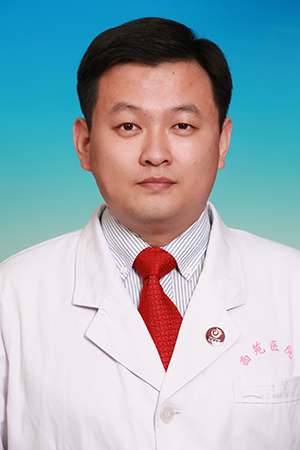 Yue Liu (刘玥)合作论文数Xiyuan Hospital of China Academy of Chinese Medical Sciences9
 Xuemei Liu (刘雪梅)合作论文数Dongfang Hospital, Beijing University of Chinese Medicine9Yunmeng CHEN (陈云梦)合作论文数8Ye-Fei Wang合作论文数8Nie Lu (鲁喦)合作论文数8GuoChun Li (李国春)合作论文数8Wei-Wei Jiao合作论文数7Ling-Ling Dai合作论文数7XinYang Zhang (张昕洋)合作论文数7ChenGuang Tong (童晨光)合作论文数7
 Baoxin Chen (陈宝鑫)合作论文数Dongfang Hospital, Beijing University of Chinese Medicine7
 Linjuan Sun (孙林娟)合作论文数中国中医科学院西苑医院6Qian CHEN (陈倩)合作论文数5JiangXia Qi (祁江峡)合作论文数5
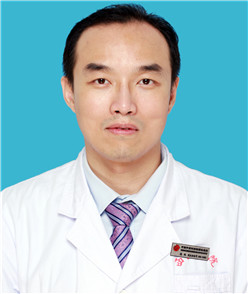 Lu Zhang (张路)合作论文数Xiyuan Hospital CACMS5Jian Lyu合作论文数4Chen Fu (傅晨)合作论文数4
 Rongjuan Guo (郭蓉娟)合作论文数Dongfang Hospital, Beijing University of Chinese Medicine4Yifan Chen合作论文数3Jia-yu DUAN (段佳钰)合作论文数3Lu Yan合作论文数3Jian Wang合作论文数3Wen-Jie Chen合作论文数3ZiXiu Ceng (曾子修)合作论文数3
 Longtao Liu (刘龙涛)合作论文数Xiyuan Hospital of China Academy of Chinese Medical Sciences3Mingjiang Yao (姚明江)合作论文数Xiyuan Hospital of China Academy of Chinese Medical Sciences3
 Zhigang Chen (陈志刚)合作论文数Dongfang Hospital Beijing University of Chinese Medicine3PIAO Jingze (朴京泽)合作论文数2




